Is Sonam Wangchuk’s Hunger Strike About NEET or Ladakh? Clearing Up the Search Confusion
Conflicting search results describe the current fast as a NEET protest, a Ladakh protest or both. Here is how to separate the immediate campaign from Wangchuk’s wider activism
Commentary & Analysis ·
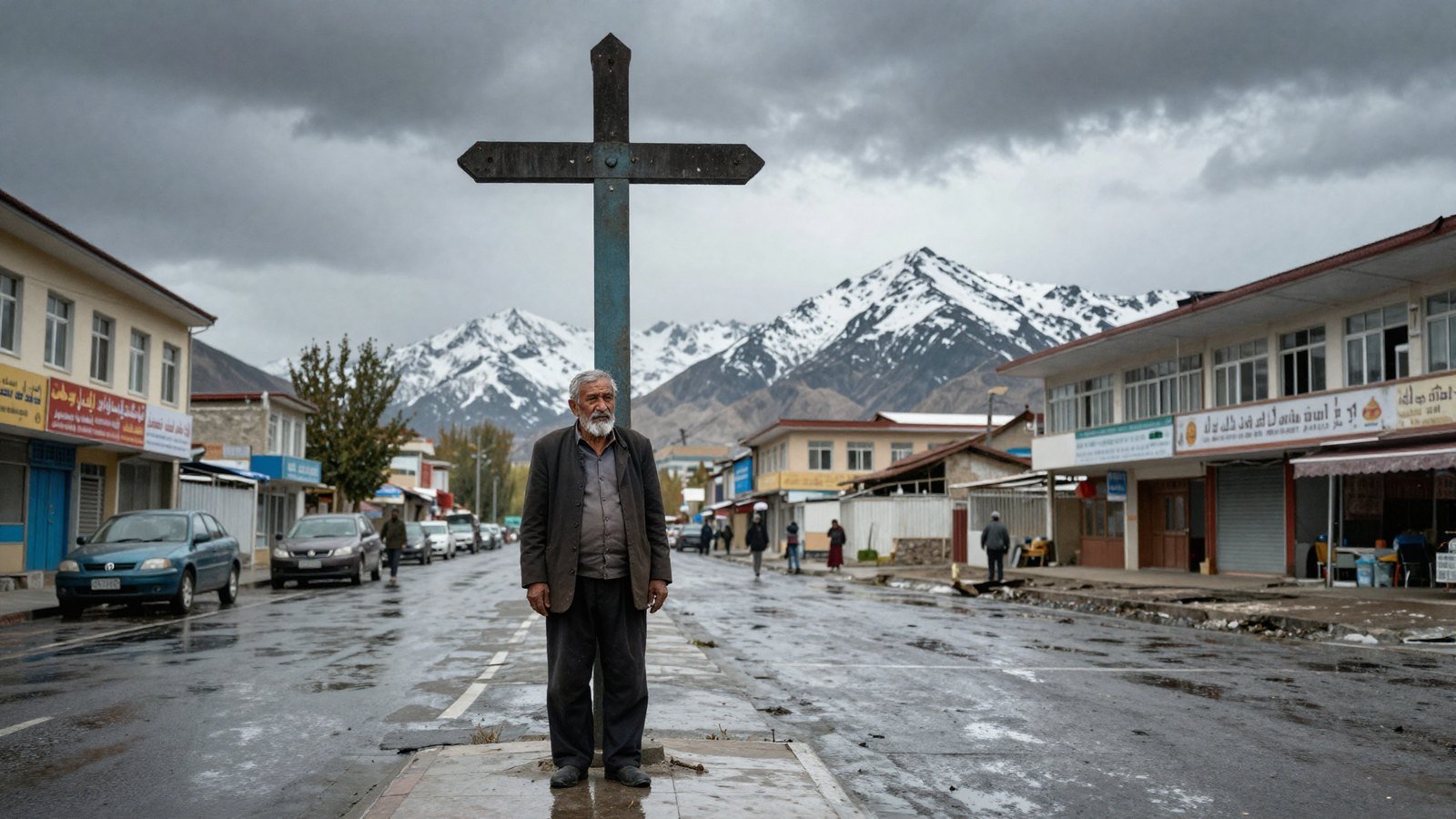
Key facts
- The immediate fast at Jantar Mantar began in support of CJP’s education and examination-accountability protest.
- Wangchuk has a long and continuing record of activism for Ladakh’s political and environmental safeguards.
- Some reports combine both causes or rely on older Ladakh protest context.
- Readers should check the date, location and quoted list of demands before sharing a headline.
Why search results look contradictory
A person with several public causes can generate confusing summaries when a new event begins. Wangchuk is nationally associated with Ladakh’s Sixth Schedule and statehood-related demands, and he has previously used fasting in those campaigns. In June 2026, however, he joined the Cockroach Janta Party protest at Jantar Mantar over NEET and examination accountability. Search engines may combine older biographies, recycled headlines and newer reports. Some outlets also describe both causes in the same article without clearly separating them.
The immediate campaign
The current Delhi protest’s most repeated demands concern the resignation of Education Minister Dharmendra Pradhan, accountability for examination irregularities, compensation or recognition for affected families and a credible exam system. Wangchuk began fasting after the CJP sit-in was already underway. Photographs, organiser statements and reports from the site consistently place the fast within that campaign. That is the correct starting point for a headline about why he is fasting at Jantar Mantar now.
The continuing Ladakh context
Saying the immediate fast supports the education protest does not mean Wangchuk has abandoned Ladakh. His political identity, supporters and earlier conflicts with the Centre remain relevant. He has campaigned for constitutional safeguards, land and environmental protection, representation and dialogue with Ladakh organisations. Some supporters may view all his activism as part of a broader demand for responsive government. Articles can mention that context, but they should not substitute older Ladakh demands for the current organisers’ stated agenda.
How misinformation spreads
A misleading post often begins with a true photograph and an incorrect caption. A current image from Delhi may be paired with text from an older Ladakh fast. Another post may claim that the government is ignoring a demand that is not actually part of the present memorandum. Celebrity posts can further accelerate simplified explanations. Once thousands of users repeat a caption, corrections receive less attention. Publishers should link the latest organiser statement and specify the date on every health update.
A simple verification checklist
Check where the fast is taking place, when it began, who organised the surrounding protest and what Wangchuk is quoted as demanding. Compare at least two reputable reports and look for direct statements. Distinguish “Wangchuk supports this cause” from “this is the sole purpose of the fast.” Avoid unsourced graphics listing demands. If an article discusses Sixth Schedule protections, ask whether it is describing his biography, a parallel Ladakh campaign or a formal demand at Jantar Mantar.
Why accuracy matters politically
Confusion can harm both causes. Students may feel that their examination protest has been appropriated, while Ladakh supporters may believe their demands are being erased. The government can also exploit ambiguity by responding to the easier version of the story. Clear reporting allows readers to understand that one activist can support multiple issues without every protest having identical terms. The immediate story is education accountability; the wider story includes Ladakh, climate and democratic participation.
What readers and publishers should monitor
Readers following this angle should track new statements from Wangchuk, a formal written memorandum, Ladakh groups’ participation on July 20, recycled images and captions, and changes in the movement’s official demands. Because this is a fast-moving protest, every figure and procedural claim should carry a date. Health information should come from doctors or court records; protest logistics should come from organisers and police; legal conclusions should be tied to the actual order; and allegations about examination wrongdoing should remain attributed until established by investigation or judgment. The primary keyword should appear naturally in the headline, introduction, one subheading, image alt text and conclusion. Secondary terms should be used only where they answer a genuine reader question. Repeating a phrase mechanically can reduce readability and search quality. The strongest publication strategy is to update the article rather than create a misleading new headline for every minor development. Add a timestamp, preserve the earlier context, explain what has changed and correct outdated numbers visibly. That approach serves readers, protects credibility and prevents the hunger strike from being reduced to a stream of disconnected viral claims.
A final editorial perspective
A final point is that the issue should be covered as a democratic accountability story rather than a contest of personal endurance. The policy questions concern secure examinations, public responsibility, student welfare and the state’s response to peaceful dissent. The human question concerns how to protect a protester’s life without erasing autonomy or turning medical risk into spectacle. Good reporting keeps both dimensions visible. It presents competing arguments fairly, marks uncertainty, uses precise dates and returns repeatedly to the people most affected: students and families who need a trustworthy system. The article should also explain what would count as evidence of progress, which institution has authority to act, and how readers can distinguish an official update from a political claim. That additional context makes the piece useful after the immediate search spike fades.
Sources
- Indian Express, June 29, 2026, report on Wangchuk joining CJP’s education protest.
- AP and Guardian reports on the current NEET-related movement.
- Hindustan Times report noting both education and Ladakh concerns.
- SECMOL and historical coverage for Wangchuk’s wider Ladakh activism.
This article is original news analysis and commentary by The NE Times, based on reporting from the sources listed above.
You may also like to read
Why Is Sonam Wangchuk on Hunger Strike? The Demands Behind the Jantar Mantar Protest
The current Jantar Mantar fast centres on examination accountability, the demand for Dharmendra Pradhan’s resignation and wider reforms to protect students
Why Jantar Mantar Matters: The Protest Space at the Centre of Sonam Wangchuk’s Hunger Strike
Jantar Mantar has become the physical centre of the CJP campaign, linking India’s tradition of public protest with modern digital mobilisation and court supervision
Cockroach Janta Party Protest Keeps NEET Accountability and Sonam Wangchuk's Hunger Strike in the Spotlight
The CJP says the Centre has remained silent as Sonam Wangchuk's hunger strike enters its 18th day, keeping examination integrity and youth-led political protest in focus.
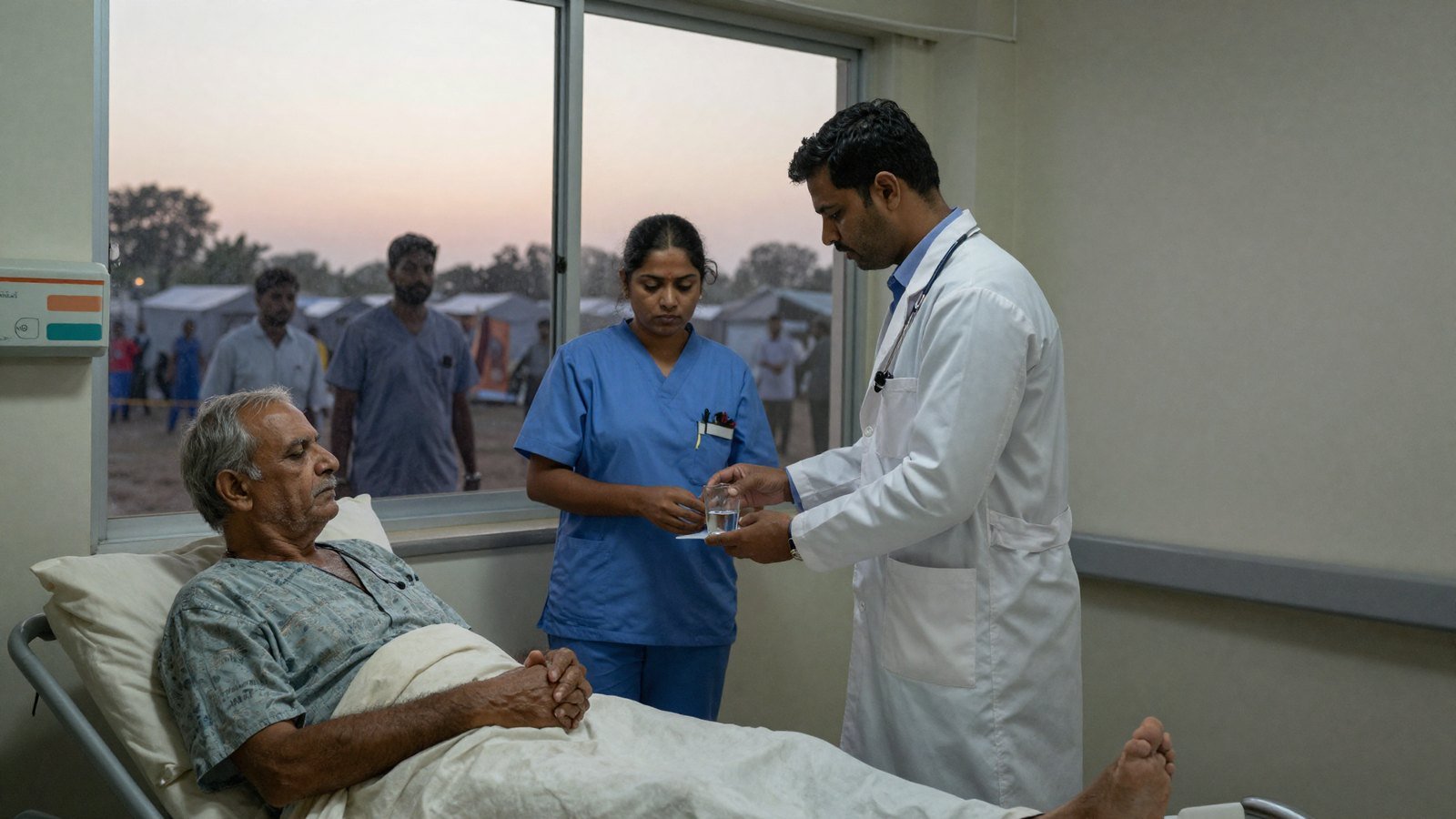
Sonam Wangchuk Ends 26-Day Hunger Strike: The Agreement, the Timing and What Changed
Sonam Wangchuk ended his 26-day fast at a Gurugram hospital after negotiations and assurances from the Union government, but the student movement did
More from this section
More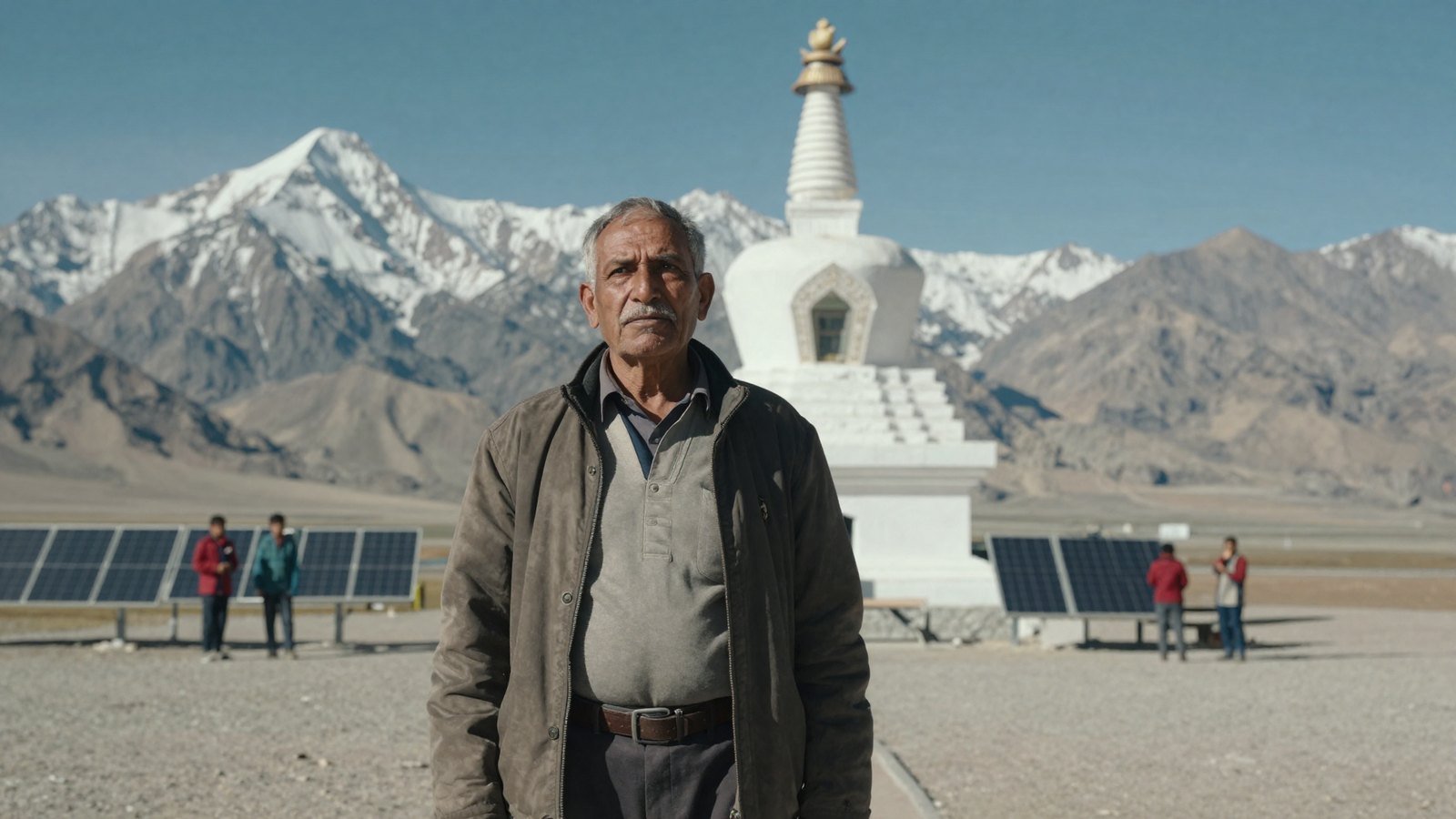
Who Is Sonam Wangchuk? From SECMOL and Ice Stupas to a National Hunger Strike
A factual profile of Sonam Wangchuk’s work with SECMOL, alternative education and Ice Stupas, with a clear explanation of the disputed 3 Idiots connection

Can the Government Force-Feed a Hunger Striker in India? The Sonam Wangchuk Case Tests Rights and Duties
A legal and medical explainer on whether Indian authorities can force-feed a competent hunger striker and how Article 21, consent and emergency duties interact

What a Real Examination Reform Package Should Include After the NEET Crisis and Hunger Strike
The hunger strike has created pressure for reform. A credible response needs secure paper handling, independent audits, transparent investigations and support for affected students