Ladakh Groups Call June 23 Shutdown Over Disputed Record Of Centre Talks
The Leh Apex Body and Kargil Democratic Alliance have called a June 23 shutdown across Ladakh, accusing the Centre of leaving key understandings out of the official record of recent negotiations on statehood and safeguards.
Commentary & Analysis ·
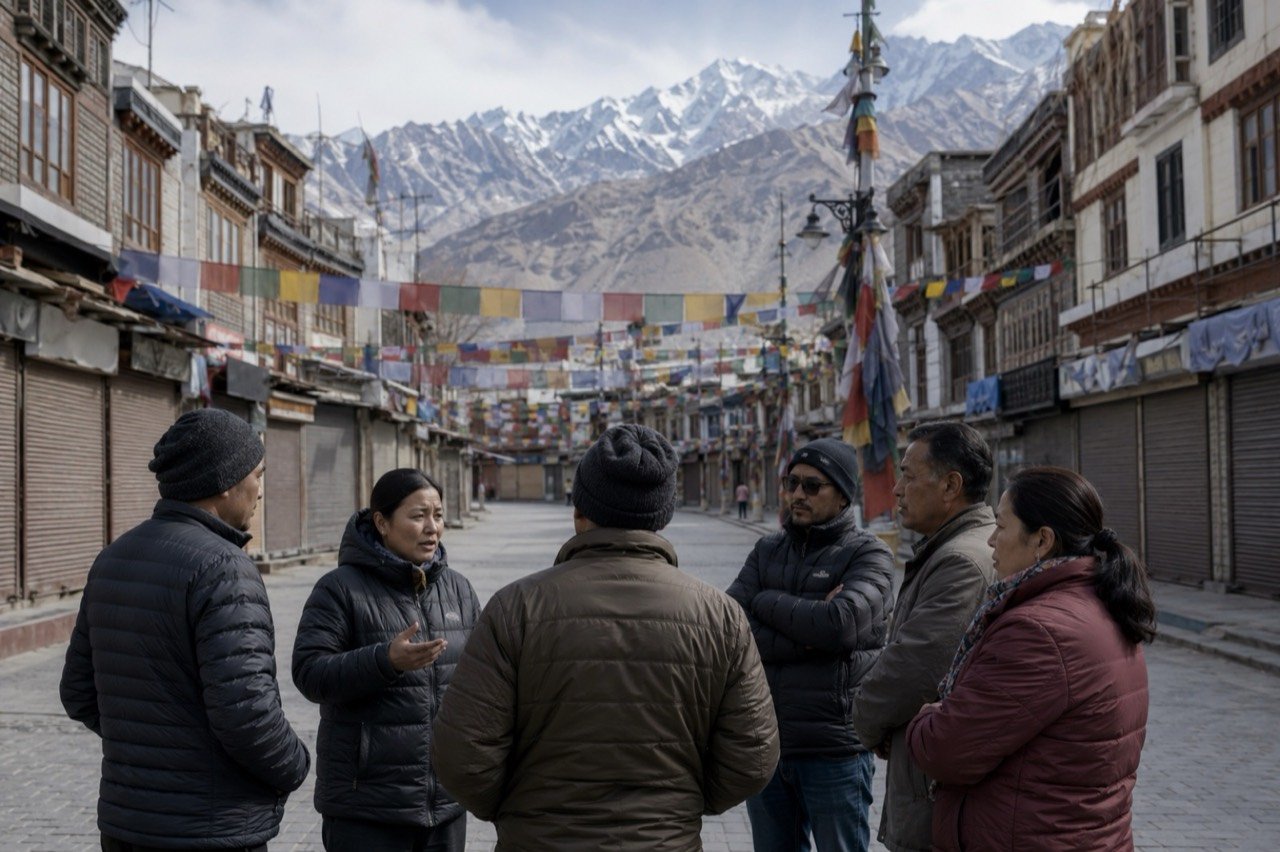
Ladakh is bracing for a complete shutdown on June 23 after its two principal civil society platforms accused the Union government of leaving crucial understandings out of the official record of recent talks. The Leh Apex Body and the Kargil Democratic Alliance, which between them represent much of the region's Buddhist-majority Leh and Muslim-majority Kargil, say the dispute over the meeting record has deepened mistrust at a delicate moment in their long campaign over Ladakh's political future.
What triggered the bandh
At the heart of the row is a disagreement over what was actually agreed in the latest round of negotiations with the Centre. The two groups contend that important points discussed across the table were not faithfully captured in the official minutes, an omission they argue undercuts the credibility of the process itself.
For organisations that have spent months in talks, the wording of a record is not a procedural footnote. It is the paper trail on which any future safeguards would rest, and the groups say a record that falls short of what was discussed leaves their core demands exposed.
The demands behind the dispute
Ladakh's agitation has centred on four broad demands since the Union Territory was carved out without a legislature in 2019: full statehood, constitutional protection for land and jobs under the Sixth Schedule, dedicated parliamentary representation and a public service commission, and genuine local decision-making. The leaders argue that assurances offered in Delhi mean little unless they are reflected in firm, enforceable policy.
The shutdown, then, is being framed less as a protest over a single set of minutes and more as a test of trust, a signal that the region will not accept commitments that evaporate once the meeting ends.
How the shutdown will play out
Reports indicate that shops and commercial establishments are expected to stay shut across the region on June 23, while transport, particularly taxis, may be exempted in deference to the peak tourist season on which many local livelihoods depend. The arrangement reflects an attempt to register protest without crippling the visitor economy at its busiest.
- The Leh Apex Body and Kargil Democratic Alliance have jointly called the June 23 shutdown.
- The groups allege key understandings were omitted from the official record of recent Centre talks.
- Core demands include statehood, Sixth Schedule safeguards and stronger local decision-making.
- Shops and businesses are expected to close, with transport likely exempted for the tourist season.
- The dispute follows months of negotiations between Ladakhi representatives and the Union government.
“This is not about one meeting note. It is about whether what is promised in Delhi is honoured in policy.”
— A Ladakhi civil society representative
The administration now faces the dual challenge of clarifying the contested record, preventing any escalation, and keeping the dialogue alive. With both Leh and Kargil united behind the call, the outcome of June 23 is likely to set the tone for the next phase of Ladakh's negotiations with the Centre.
The NE Times View
Ladakh's grievance is not only about statehood and Sixth Schedule safeguards but about trust in how the Centre records its own promises. When negotiators dispute the official minutes, the entire dialogue is undermined. The NE Times View: Delhi cannot manage this fragile frontier region through ambiguity; publishing an agreed record is the minimum needed to keep the Leh and Kargil bodies at the table rather than on the streets.
This article is original commentary and analysis by The NE Times. Background facts were referenced from The Indian Express and the Times of India.
You may also like to read
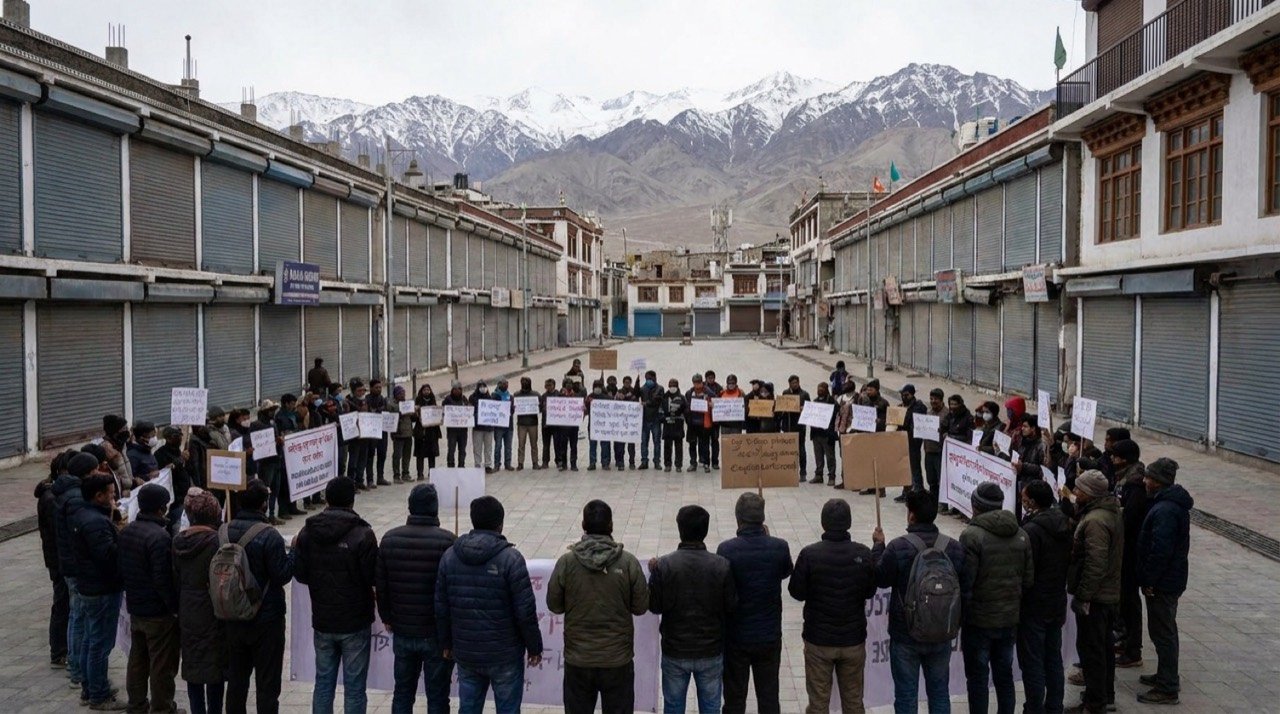
Ladakh Shutdown Pushes Statehood Dialogue With Centre Back Into Focus
A near-total shutdown across Ladakh on June 23 saw Leh and Kargil bodies press New Delhi for credible dialogue, reviving demands for statehood, Sixth Schedule safeguards and land and job protections.
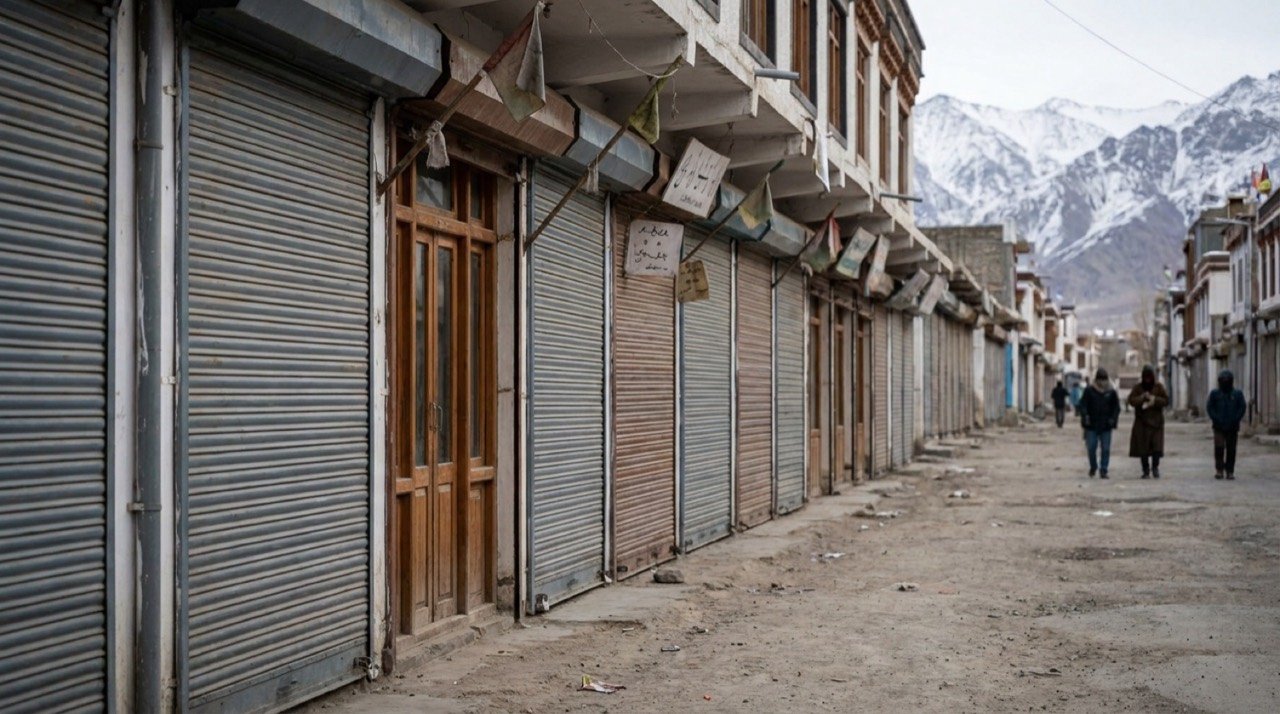
Ladakh Shutdown Reflects Mistrust Over Statehood and Safeguards Talks
A shutdown call in Ladakh has pushed the region's demands for statehood, constitutional safeguards and job and land protection back into national focus amid frustration over stalled talks with the Centre.
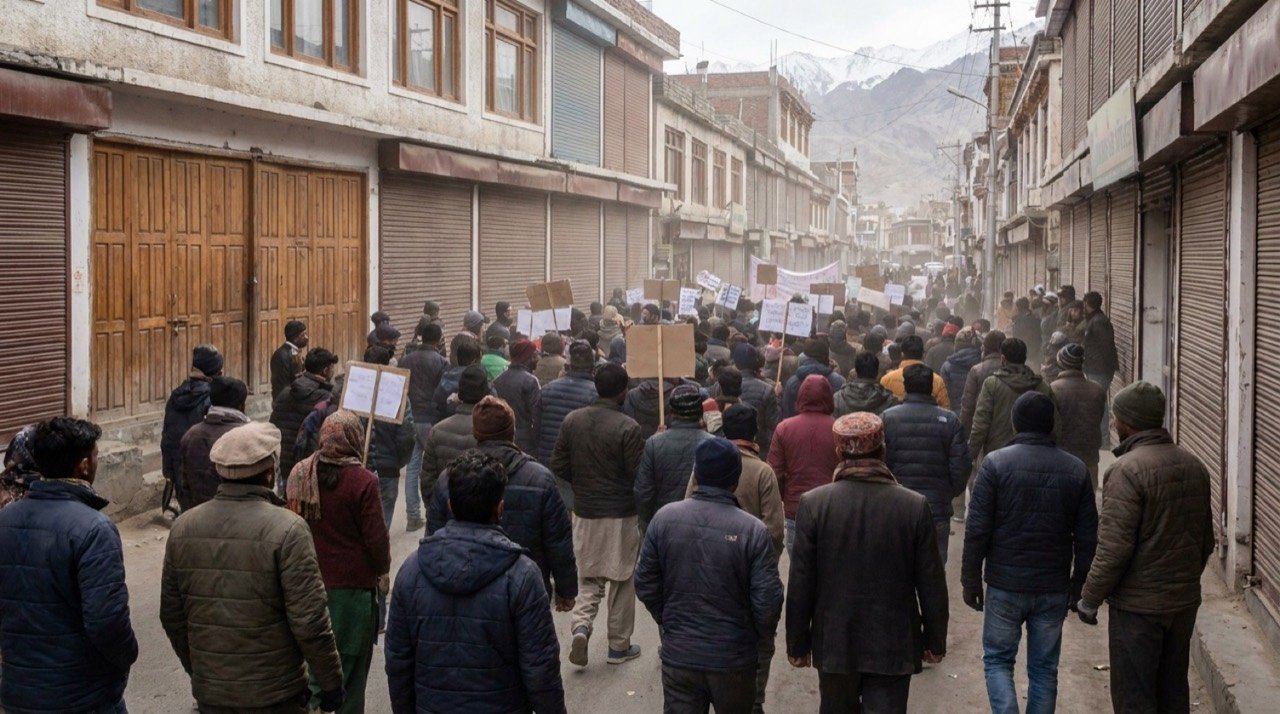
Ladakh Shutdown Exposes Deepening Trust Gap With Centre Over Meeting Minutes
A near-total shutdown across Ladakh over disputed high-powered committee minutes signals that months of talks have failed to resolve demands for statehood, Sixth Schedule safeguards and job protection.
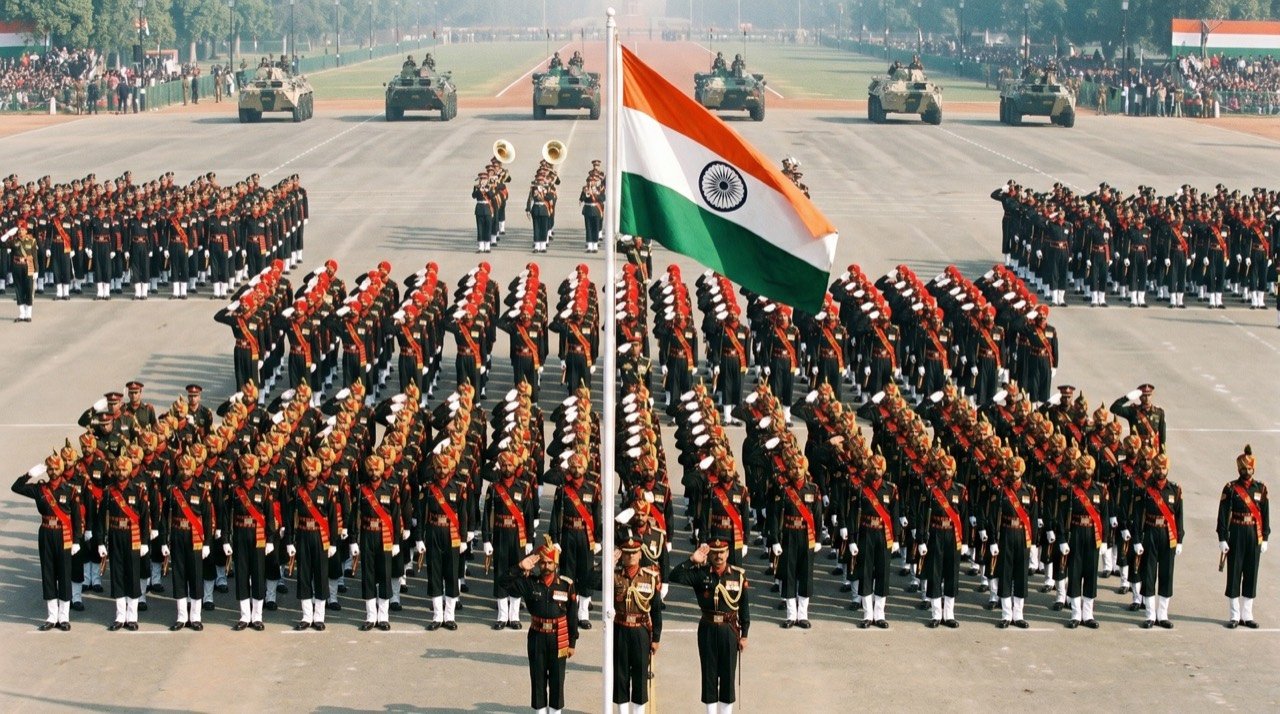
Lt Gen Dhiraj Seth Named Next Army Chief, To Take Charge June 30
The government has appointed Lieutenant General Dhiraj Seth, currently Vice Chief of the Army Staff, as the next Chief of the Army Staff. He will assume office on June 30.
More from this section
More
AICTE Industry Fellowship 2026: Rs 1.5 Lakh Scheme Closes July 5
The AICTE Industry Fellowship Programme 2026, which places technical-education faculty inside leading companies on a Rs 1.5 lakh monthly stipend, reached its application deadline on July 5.

Bay of Bengal Low Pressure System Revives Monsoon Over Western India
A low-pressure system over the Bay of Bengal has pushed the monsoon back into an active phase, bringing steady heavy rain to Kerala, coastal Karnataka and Maharashtra, and putting Mumbai and Pune on preparedness watch.
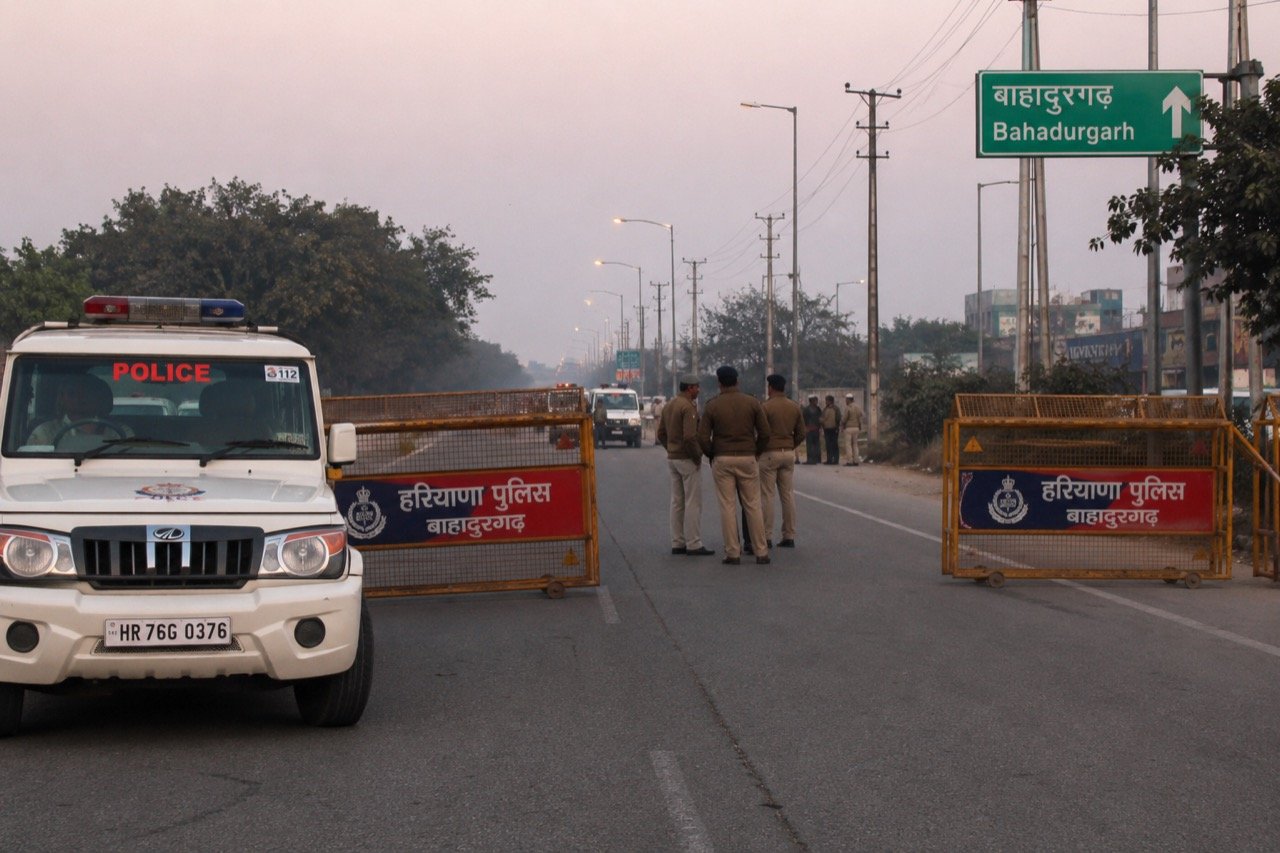
Bishnoi Gang Suspects Injured in Haryana Encounter as Police Tighten Net
A joint Haryana-Delhi Police operation in Bahadurgarh left two suspected Lawrence Bishnoi gang members injured, spotlighting the multi-state coordination now central to India's fight against organised crime networks.