Ladakh Shutdown Exposes Deepening Trust Gap With Centre Over Meeting Minutes
A near-total shutdown across Ladakh over disputed high-powered committee minutes signals that months of talks have failed to resolve demands for statehood, Sixth Schedule safeguards and job protection.
Commentary & Analysis ·
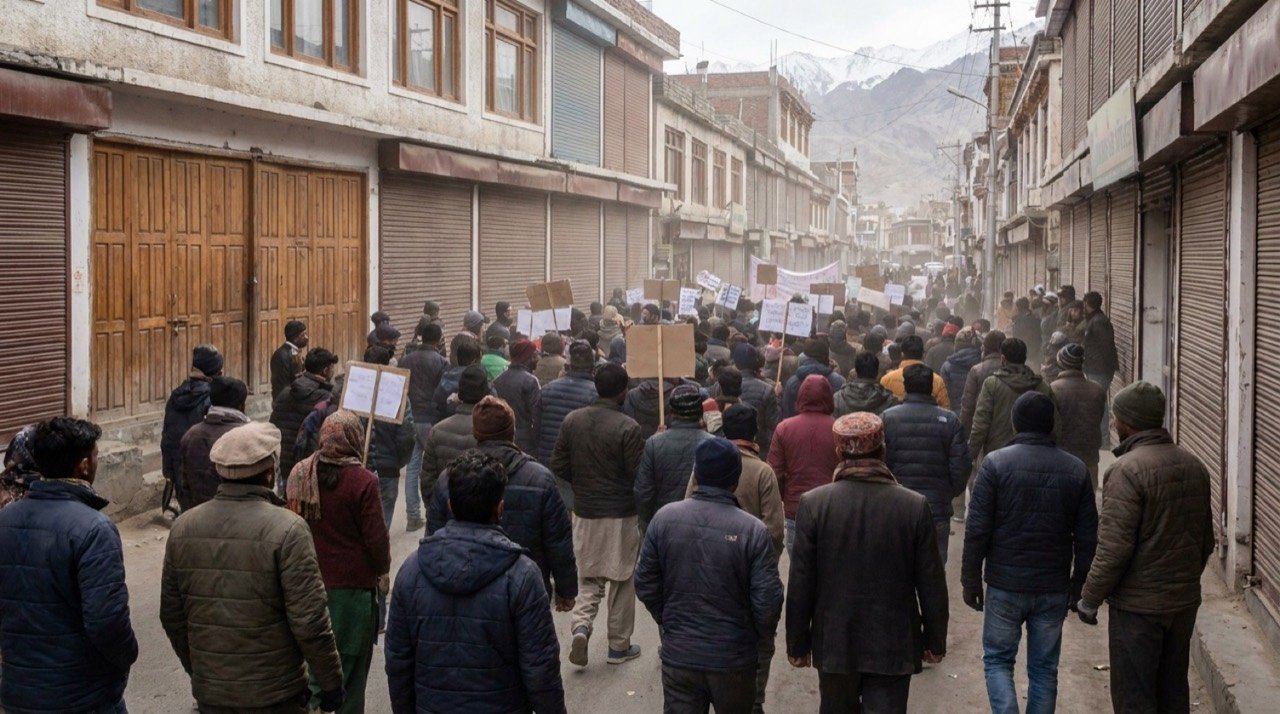
Ladakh came to a near-standstill on Sunday as civil society groups enforced a complete shutdown, turning what was meant to be a routine record-keeping dispute into the latest flashpoint between the high-altitude region and the Union government. Shops downed shutters, transport halted and public life paused across Leh and Kargil as residents registered their anger over the contested minutes of a high-powered committee meeting convened to address the region's long-standing demands.
What triggered the protest
At the centre of the standoff is a disagreement over how the Centre recorded the outcomes of recent negotiations. The Leh Apex Body and the Kargil Democratic Alliance, two umbrella groups that have largely set aside their own differences to present a united front, contend that the official minutes do not faithfully reflect what was discussed or assured in the room.
For the agitating groups, the minutes are not a bureaucratic footnote but a test of good faith. The perception that commitments were diluted on paper has hardened the view that the dialogue process, running for months, has produced little of substance and much frustration.
The core demands
The agitation rests on four pillars that have anchored Ladakh's politics since the region was carved into a Union Territory without a legislature. Activists argue that, unlike a full state, the current arrangement leaves residents without an elected voice over their own land, jobs and resources in a fragile Himalayan ecology that sits on a sensitive frontier.
- Full statehood for Ladakh, restoring an elected legislative voice
- Inclusion under the Sixth Schedule to protect tribal land, culture and autonomy
- Job reservation and employment protection for local youth
- Separate parliamentary representation, including a dedicated Lok Sabha and Rajya Sabha presence
- A credible, time-bound framework to convert assurances into action
Why the trust gap persists
Successive rounds of talks were intended to build confidence, yet each impasse over wording or sequencing reinforces a sense that headline engagement has not translated into firm guarantees. The dispute over the minutes crystallises that anxiety: if the written record itself is contested, residents ask, what assurance is there that any eventual agreement will hold?
The strategic backdrop sharpens the stakes. Ladakh borders both Pakistan and China, and its demography, environment and security profile make local sentiment a matter of national consequence, not merely a regional grievance.
“This is not only about constitutional status. It is about land, employment, culture and whether our administrative voice will be heard.”
— Civil society representative, Leh
With the shutdown demonstrating that mobilisation remains potent, attention now turns to whether the Centre reconvenes the committee, corrects the disputed record and offers a clearer roadmap. Until the trust deficit is addressed in writing as well as in word, Ladakh's quiet impasse is likely to keep spilling into the streets.
The NE Times View
When negotiations collapse over the wording of meeting minutes, the dispute is no longer about procedure but about trust, and Ladakh's near-total shutdown shows that reservoir has run dry. The demands for statehood, Sixth Schedule protection and jobs are not fringe; they speak to a region that feels its 2019 reorganisation left it voiceless. The Centre cannot manage this with delay. Credible, written commitments are the only off-ramp.
This article is original commentary and analysis by The NE Times. Background facts were referenced from The Hindu and The Indian Express.
You may also like to read
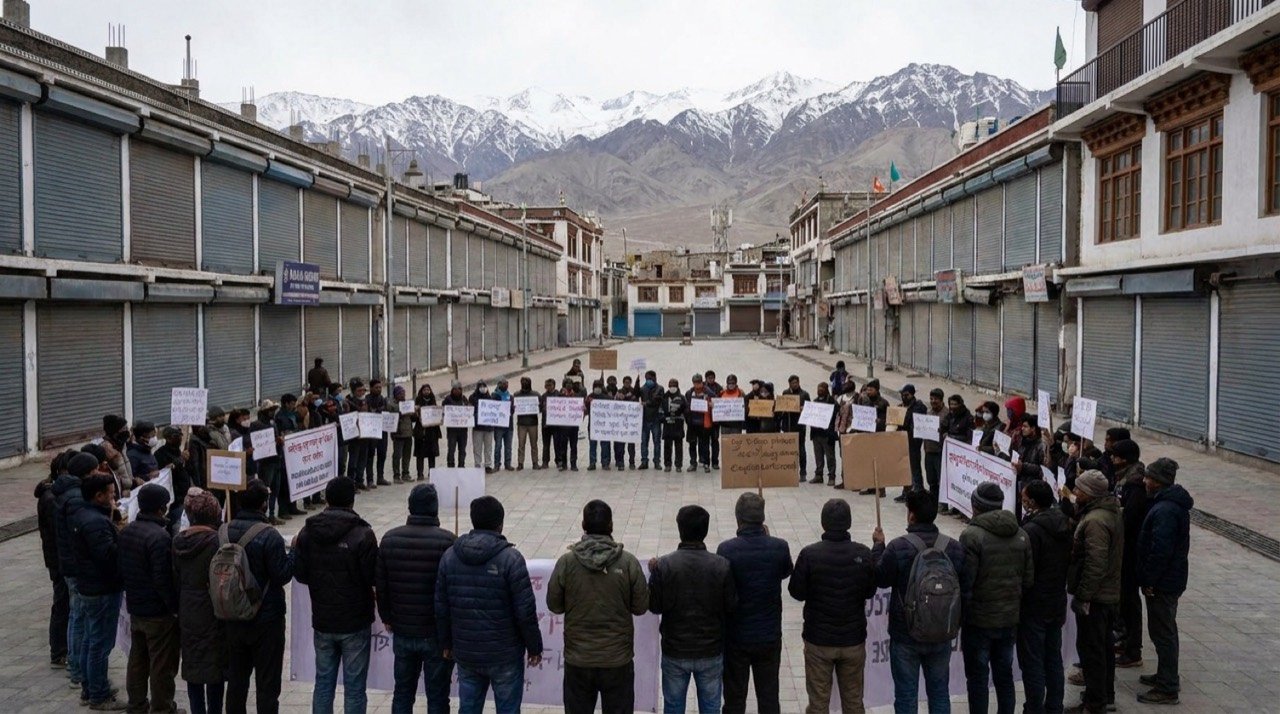
Ladakh Shutdown Pushes Statehood Dialogue With Centre Back Into Focus
A near-total shutdown across Ladakh on June 23 saw Leh and Kargil bodies press New Delhi for credible dialogue, reviving demands for statehood, Sixth Schedule safeguards and land and job protections.
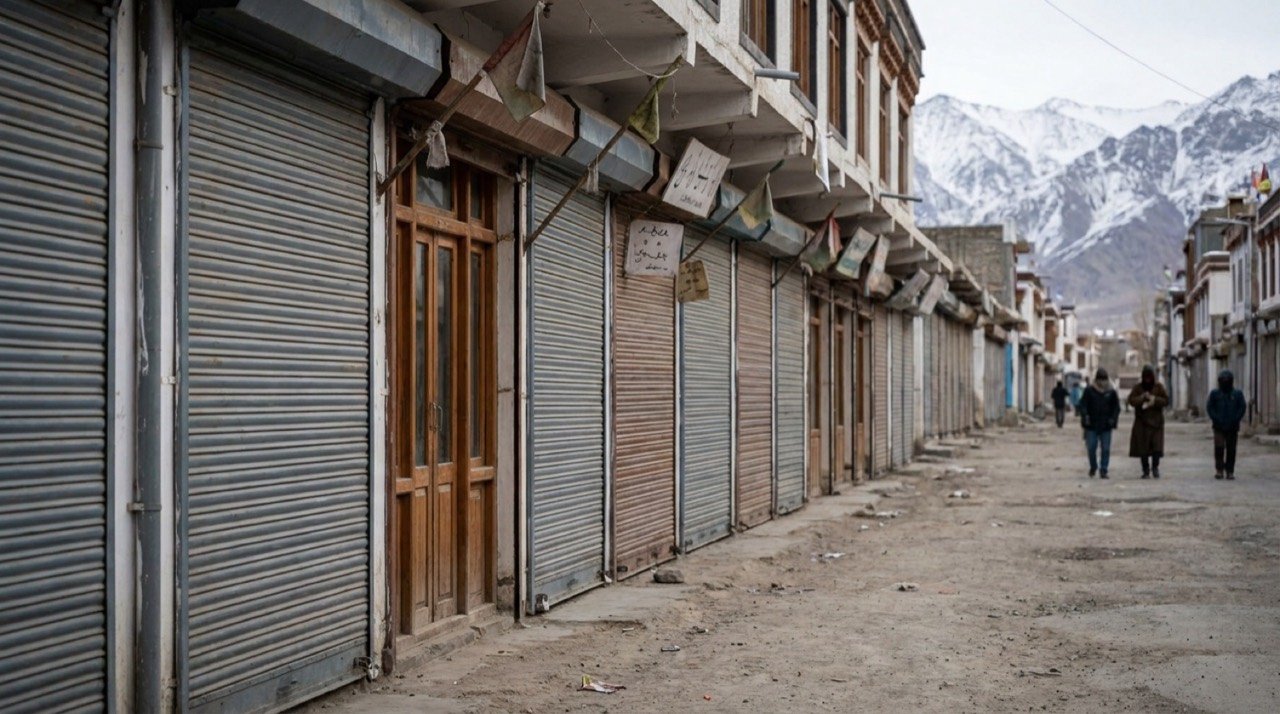
Ladakh Shutdown Reflects Mistrust Over Statehood and Safeguards Talks
A shutdown call in Ladakh has pushed the region's demands for statehood, constitutional safeguards and job and land protection back into national focus amid frustration over stalled talks with the Centre.
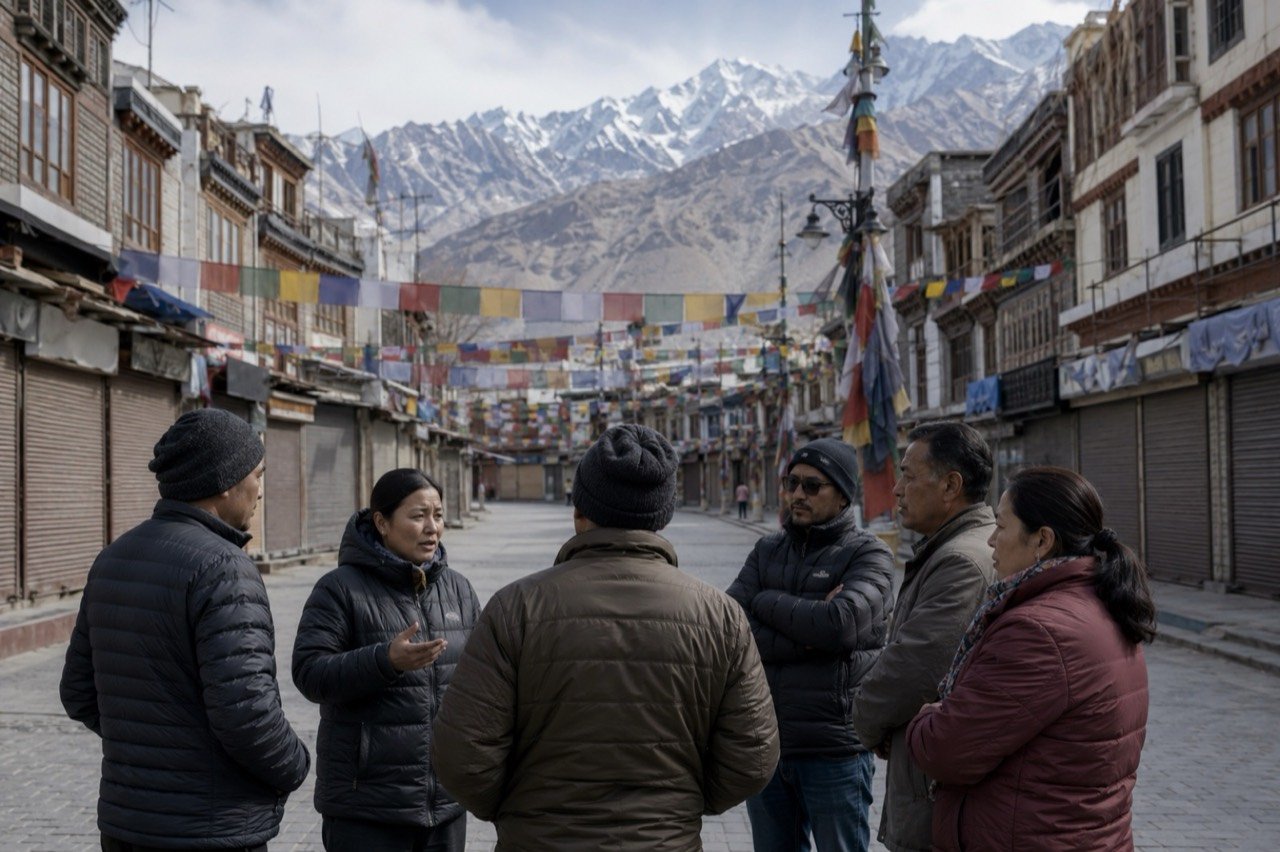
Ladakh Groups Call June 23 Shutdown Over Disputed Record Of Centre Talks
The Leh Apex Body and Kargil Democratic Alliance have called a June 23 shutdown across Ladakh, accusing the Centre of leaving key understandings out of the official record of recent negotiations on statehood and safeguards.
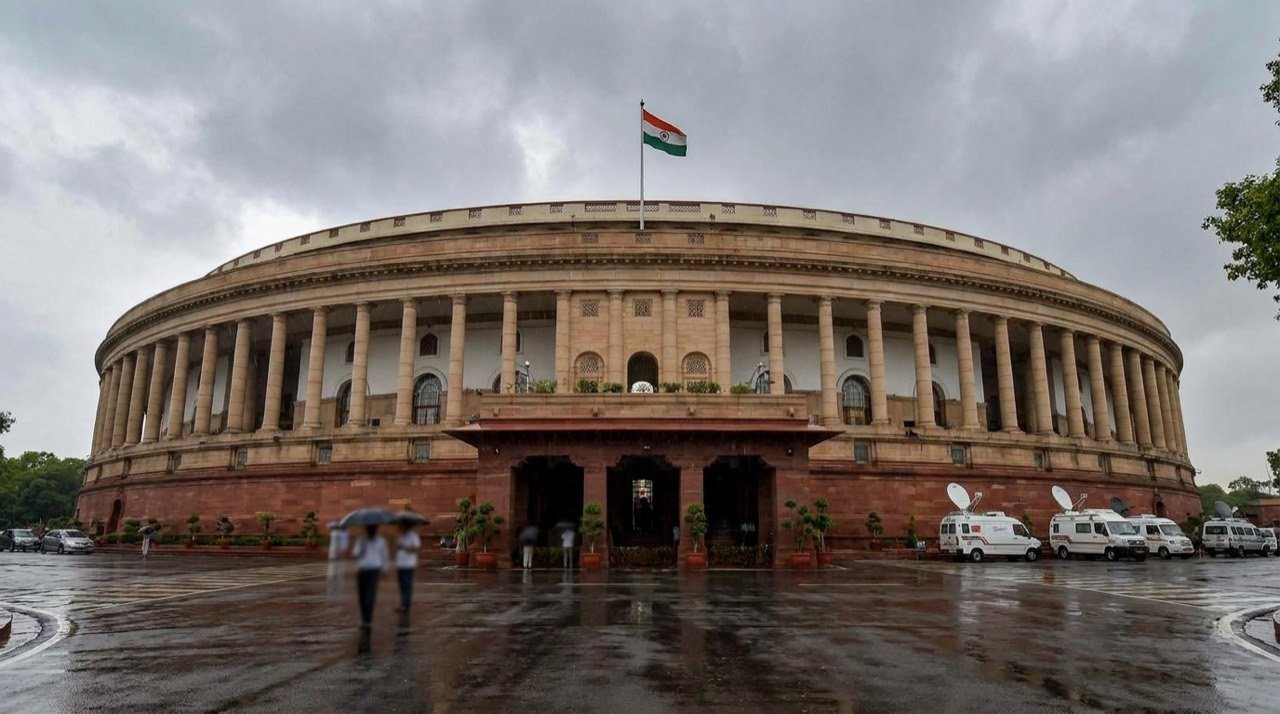
Centre Lines Up Six New Bills for Monsoon Session as Crowded Legislative Agenda Takes Shape
The Union government is preparing a packed monsoon session of Parliament, slating six fresh bills alongside the Finance Bill and a high-stakes return of the delimitation legislation in late July.
More from this section
More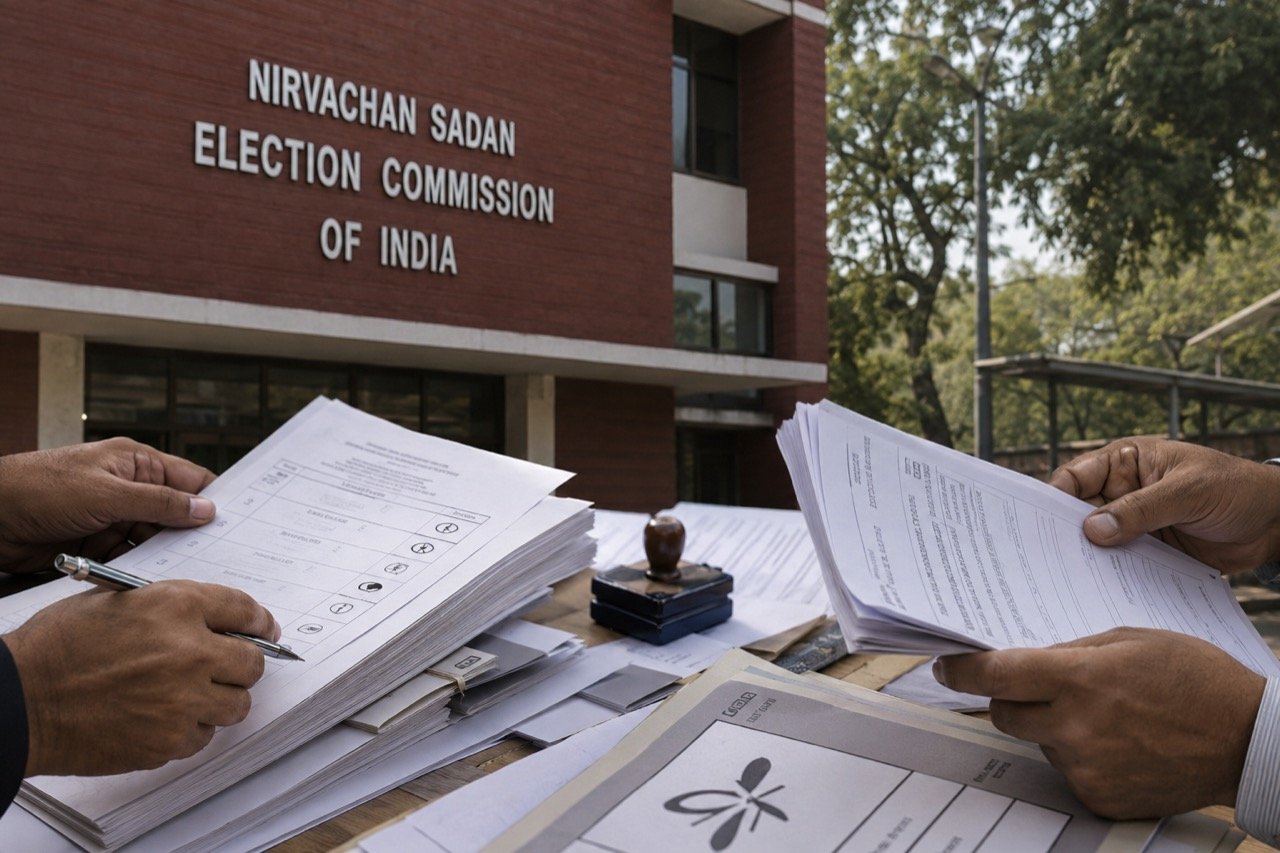
K Kavitha Party Denied TRS Name by Election Commission
The Election Commission has refused to register K Kavitha's Telangana Rakshana Sena under the TRS acronym after objections, forcing a branding reset for the new party at a politically sensitive moment in Telangana.
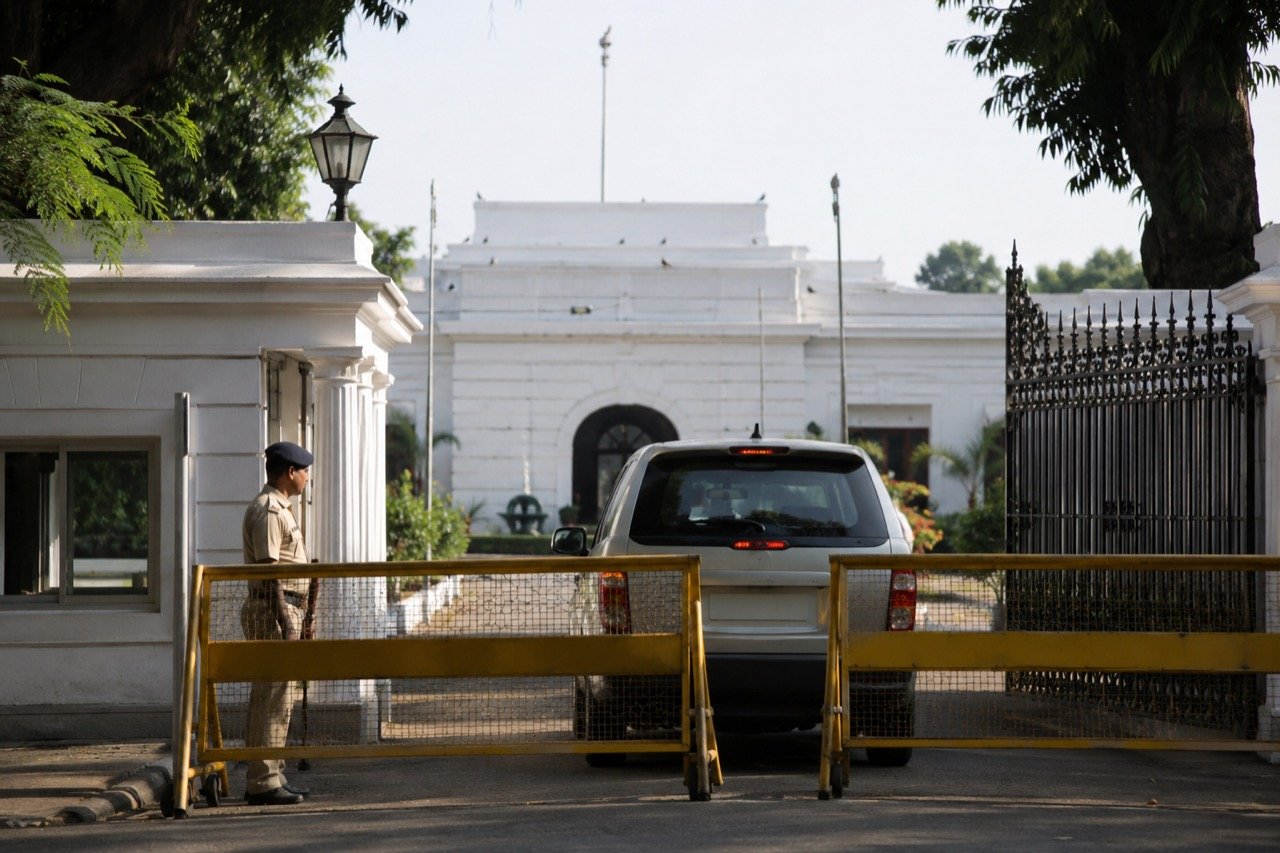
Lalu Prasad Yadav Security Downgrade, Bungalow Order Stir Bihar
A government order downgrading Lalu Prasad Yadav's security cover and asking him to vacate an official bungalow has opened a fresh political flashpoint in Bihar, with the RJD chief's reaction fuelling the row.
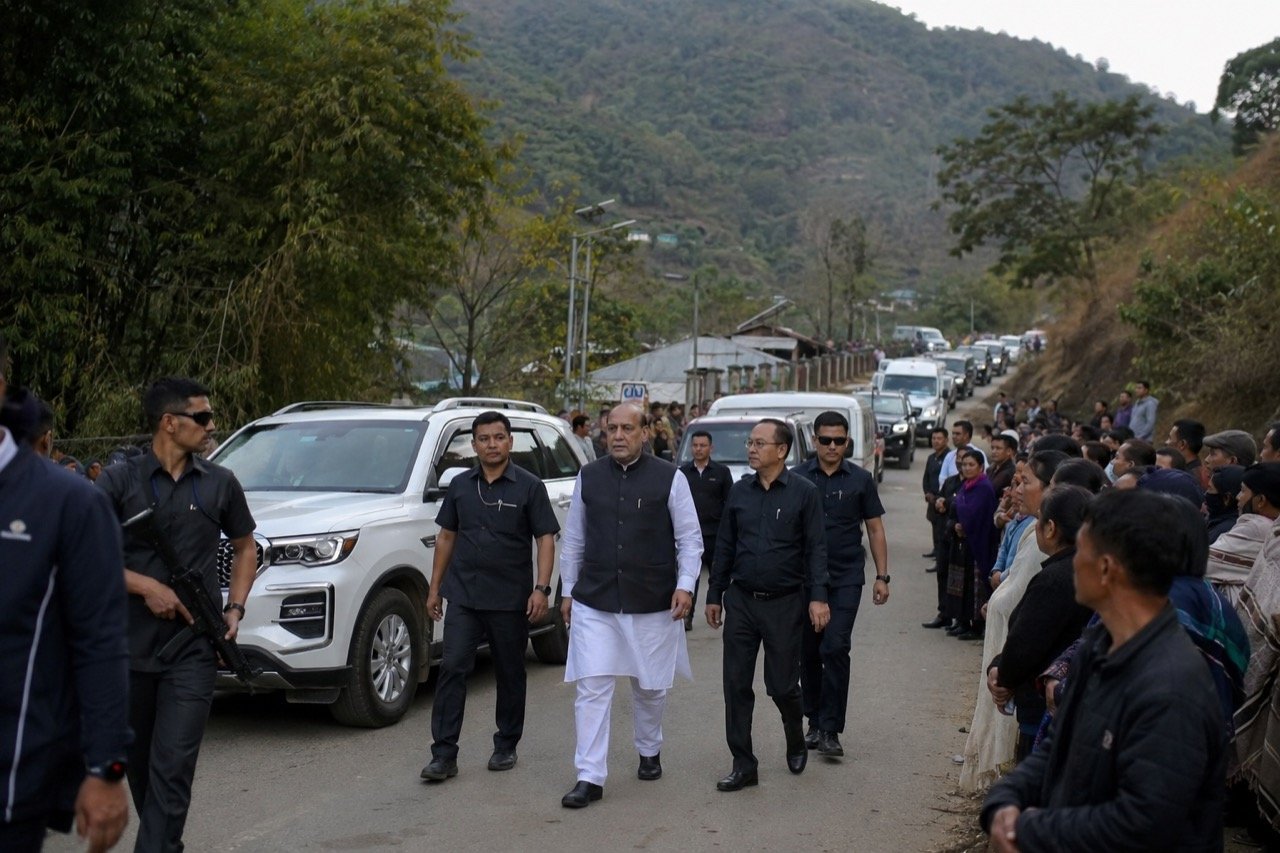
Manipur CM's Churachandpur Visit: First Since 2023 Unrest
The Manipur Chief Minister travelled to Churachandpur for a BJP MLA's funeral, his first visit to the district since the 2023 violence, lending the sombre occasion an unmistakable political significance.