Ladakh Shutdown Pushes Statehood Dialogue With Centre Back Into Focus
A near-total shutdown across Ladakh on June 23 saw Leh and Kargil bodies press New Delhi for credible dialogue, reviving demands for statehood, Sixth Schedule safeguards and land and job protections.
Commentary & Analysis ·
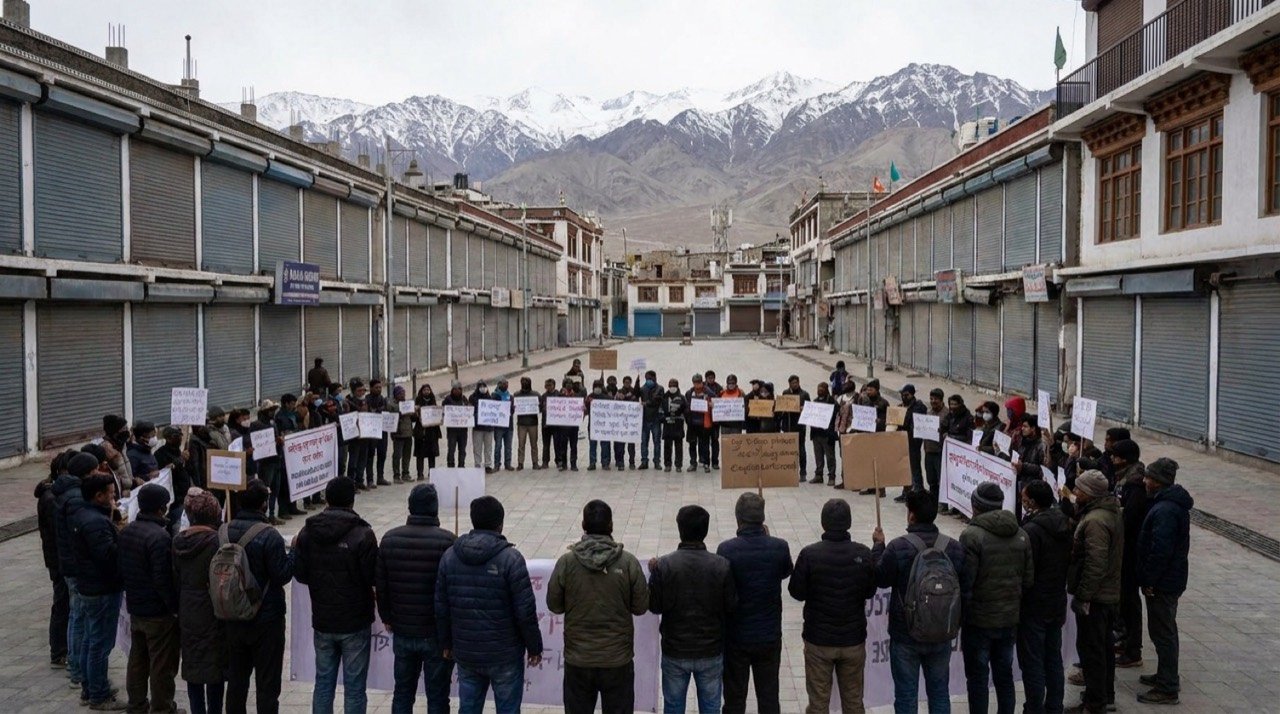
Ladakh observed a broad shutdown on June 23 after the Leh Apex Body (LAB) and the Kargil Democratic Alliance (KDA) pressed the Centre for what they called credible dialogue on the Union Territory's political future. With shops shut, business activity stalled and residents joining a rally in Leh, the bandh sent a pointed signal that frustration in the region is hardening rather than fading.
The immediate trigger
The flashpoint was a disagreement over the official record of a May 22 meeting with the Ministry of Home Affairs. Local representatives said the minutes did not fully reflect the issues discussed, a gap they read as a sign of backtracking by New Delhi. For groups that have spent years negotiating, the dispute over what was actually agreed struck at the heart of the matter: trust.
By framing the shutdown around the integrity of the record itself, the LAB and KDA signalled that they see the process, and not just the outcome, as being in question.
The core demands
The protest brought a familiar but unresolved set of demands back into national focus: full statehood for Ladakh, Sixth Schedule-style constitutional safeguards for its tribal-majority population, protections for land and local jobs, and meaningful consultation on policy decisions that affect the region. These demands have animated Ladakhi civil society since the Union Territory was carved out, with leaders arguing that the fragile Himalayan ecology and distinct cultural identity require special protection.
Why this shutdown is different
For readers following Ladakh shutdown news, the key point is that this was not a routine protest. It reflected a deepening distrust between regional civil society groups and the central government, expressed through the rare unity of Leh and Kargil, two regions that do not always align politically. That joint front raises the stakes for any future round of talks.
- Ladakh saw a near-total shutdown on June 23 led by the LAB and KDA.
- The trigger was a dispute over the official record of a May 22 MHA meeting.
- Demands include statehood and Sixth Schedule-style safeguards.
- Land and local job protections remain central concerns.
- Leh and Kargil presented a rare united front.
“The bandh was not a routine protest but a signal of distrust between regional civil society groups and New Delhi.”
— Summary of the Ladakh shutdown
Authorities now face renewed pressure to restart negotiations in a way that reassures both Leh and Kargil. Whether the next phase of dialogue is seen as credible will depend heavily on transparency over what is discussed and agreed, the very issue that brought Ladakh to a standstill.
The NE Times View
When Leh and Kargil, long divided, shut down together, the Centre should listen rather than wait it out. The demands for Sixth Schedule protection and land and job safeguards stem from a real fear that development will erase a fragile ecology and identity. Reorganising Ladakh without restoring a democratic voice was always likely to breed this discontent. Credible dialogue, not delay, is the only durable answer to a frontier region that deserves a stake in its own future.
This article is original commentary and analysis by The NE Times. Background facts were referenced from The Indian Express and The Economic Times.
You may also like to read
Ladakh Shutdown Reflects Mistrust Over Statehood and Safeguards Talks
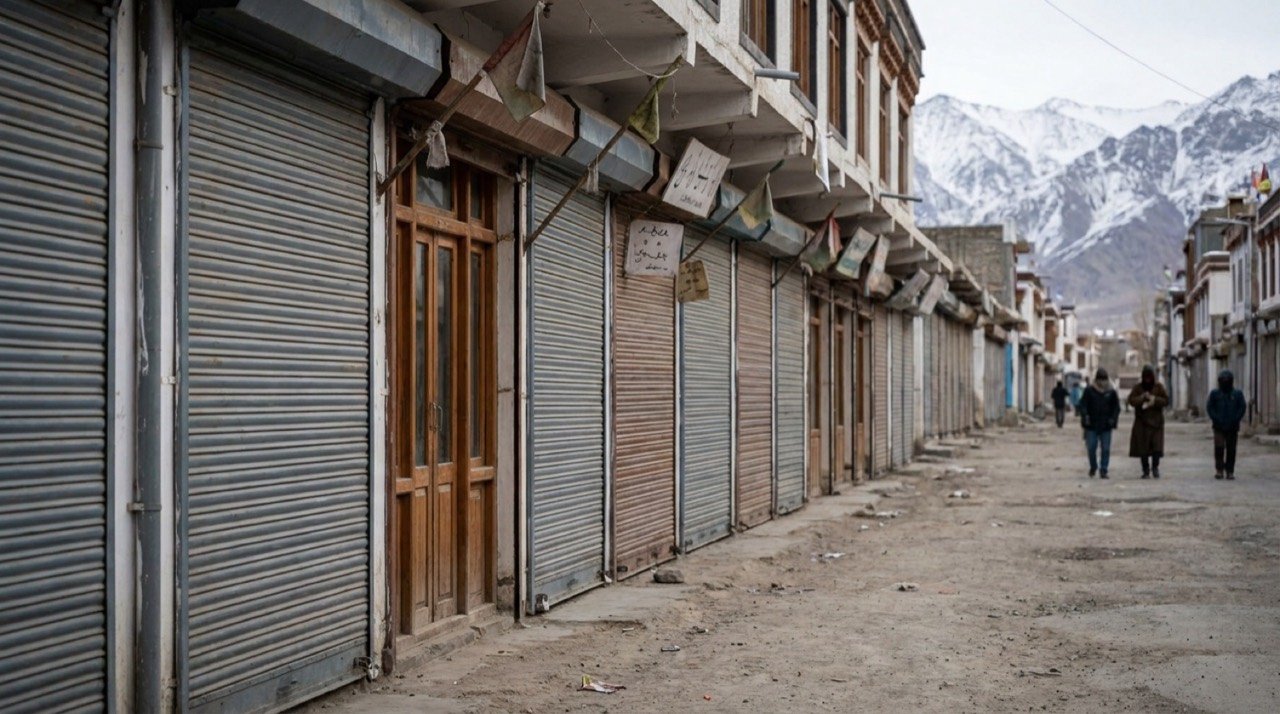
A shutdown call in Ladakh has pushed the region's demands for statehood, constitutional safeguards and job and land protection back into national focus amid frustration over stalled talks with the Centre.
Ladakh Shutdown Exposes Deepening Trust Gap With Centre Over Meeting Minutes
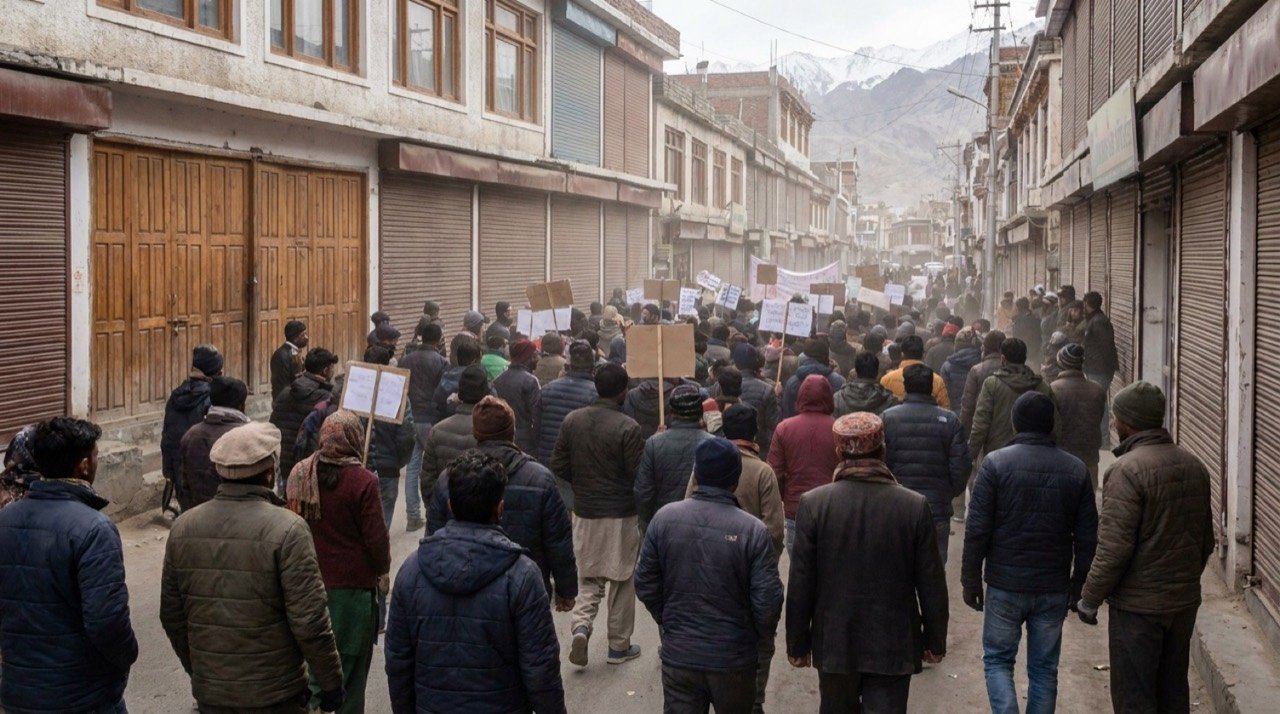
A near-total shutdown across Ladakh over disputed high-powered committee minutes signals that months of talks have failed to resolve demands for statehood, Sixth Schedule safeguards and job protection.
Ladakh Groups Call June 23 Shutdown Over Disputed Record Of Centre Talks
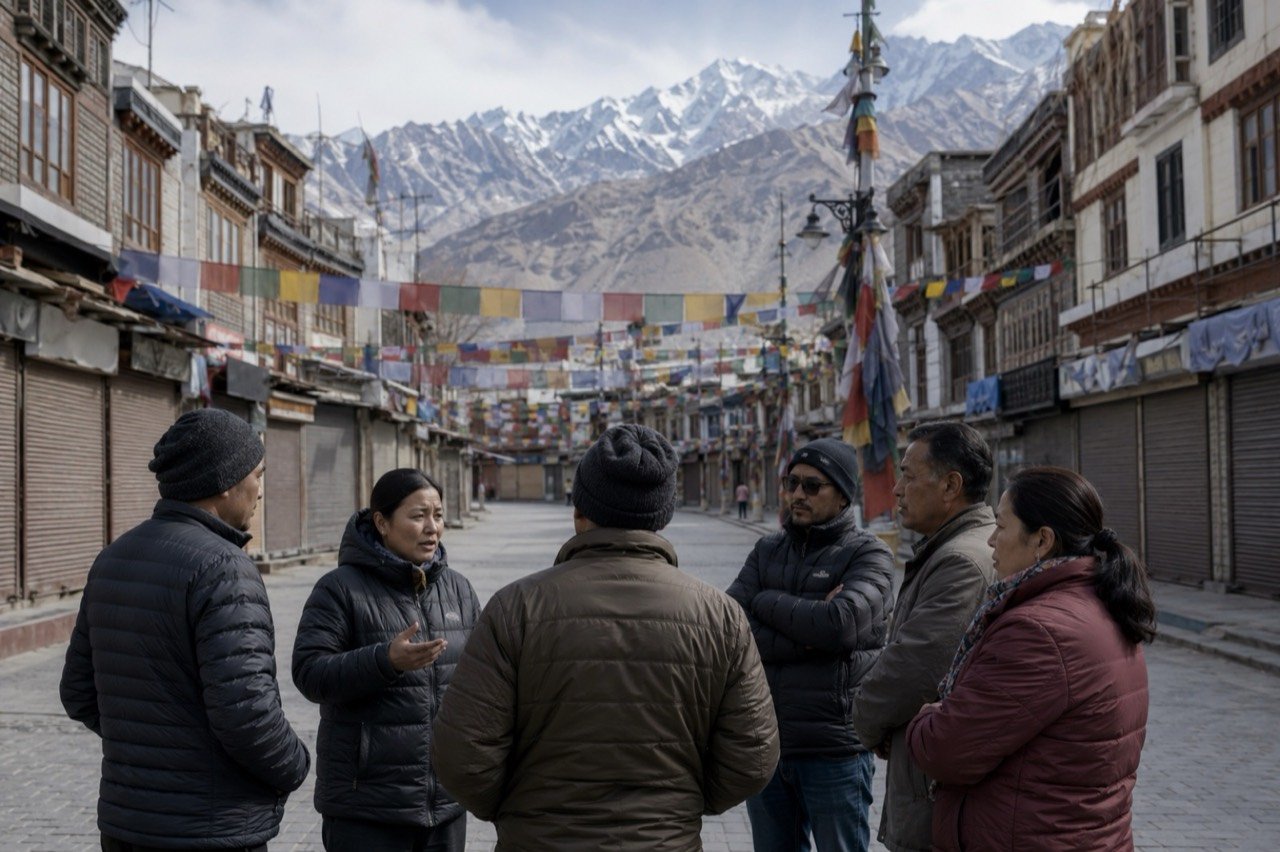
The Leh Apex Body and Kargil Democratic Alliance have called a June 23 shutdown across Ladakh, accusing the Centre of leaving key understandings out of the official record of recent negotiations on statehood and safeguards.
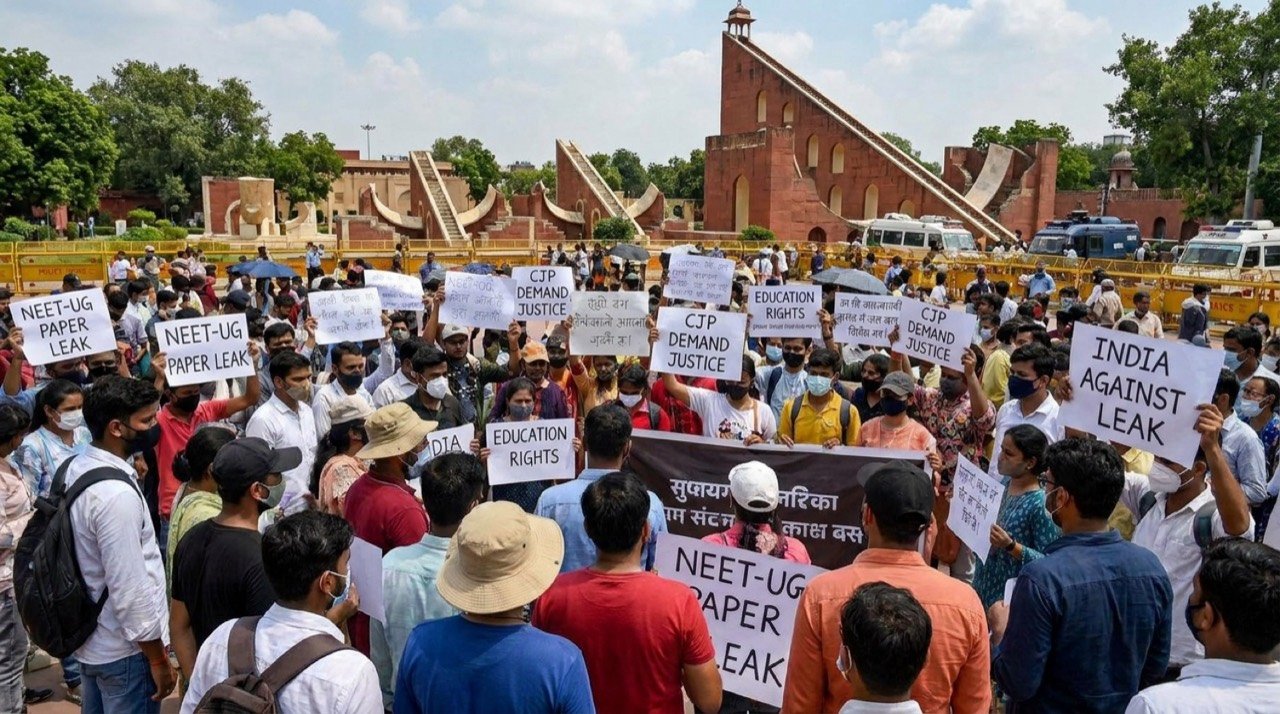
CJP's Diaper-Donation Protest at Jantar Mantar Keeps NEET Paper-Leak Issue in Focus
The Cockroach Janta Party launched a diaper-donation drive at Delhi's Jantar Mantar, using symbolic protest to press its demand for accountability over alleged NEET-UG paper-leak failures.
More from this section
More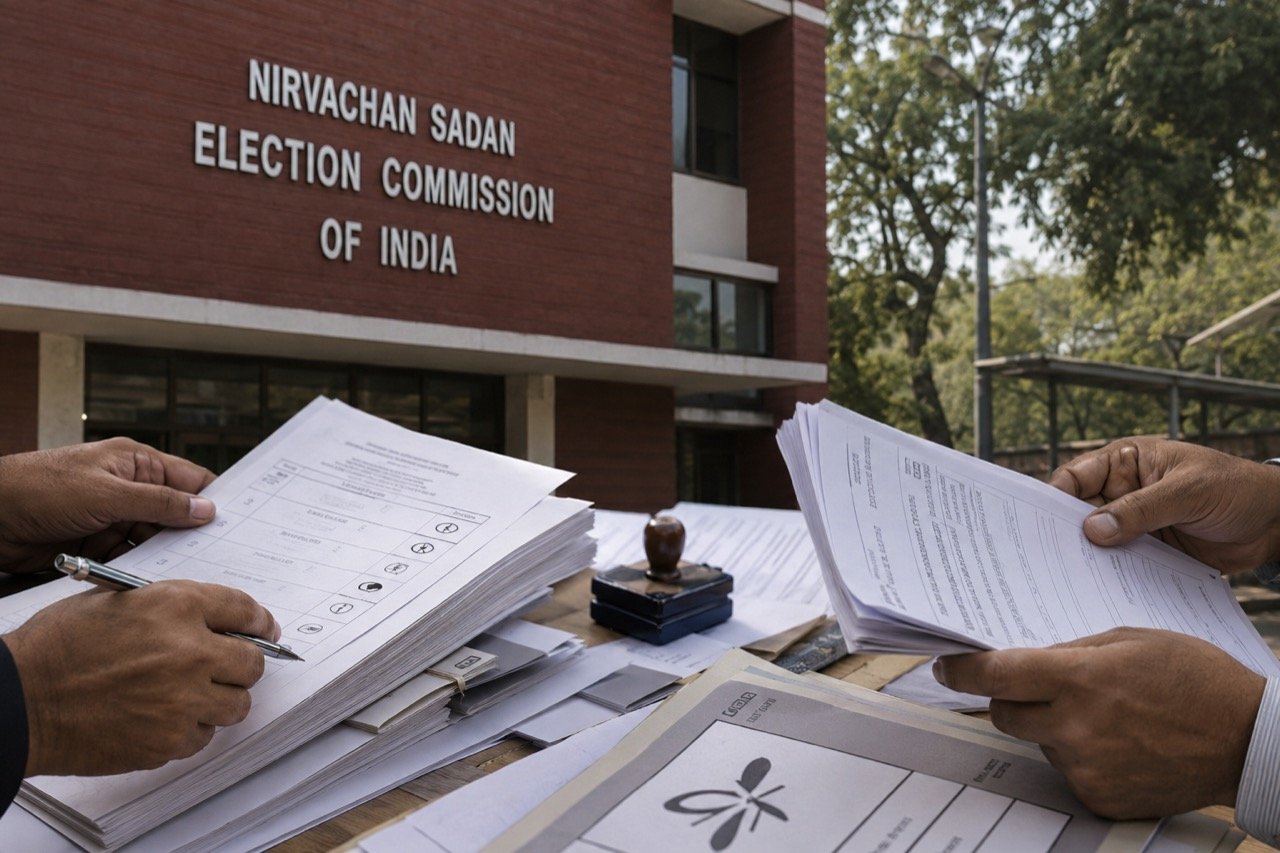
K Kavitha Party Denied TRS Name by Election Commission
The Election Commission has refused to register K Kavitha's Telangana Rakshana Sena under the TRS acronym after objections, forcing a branding reset for the new party at a politically sensitive moment in Telangana.
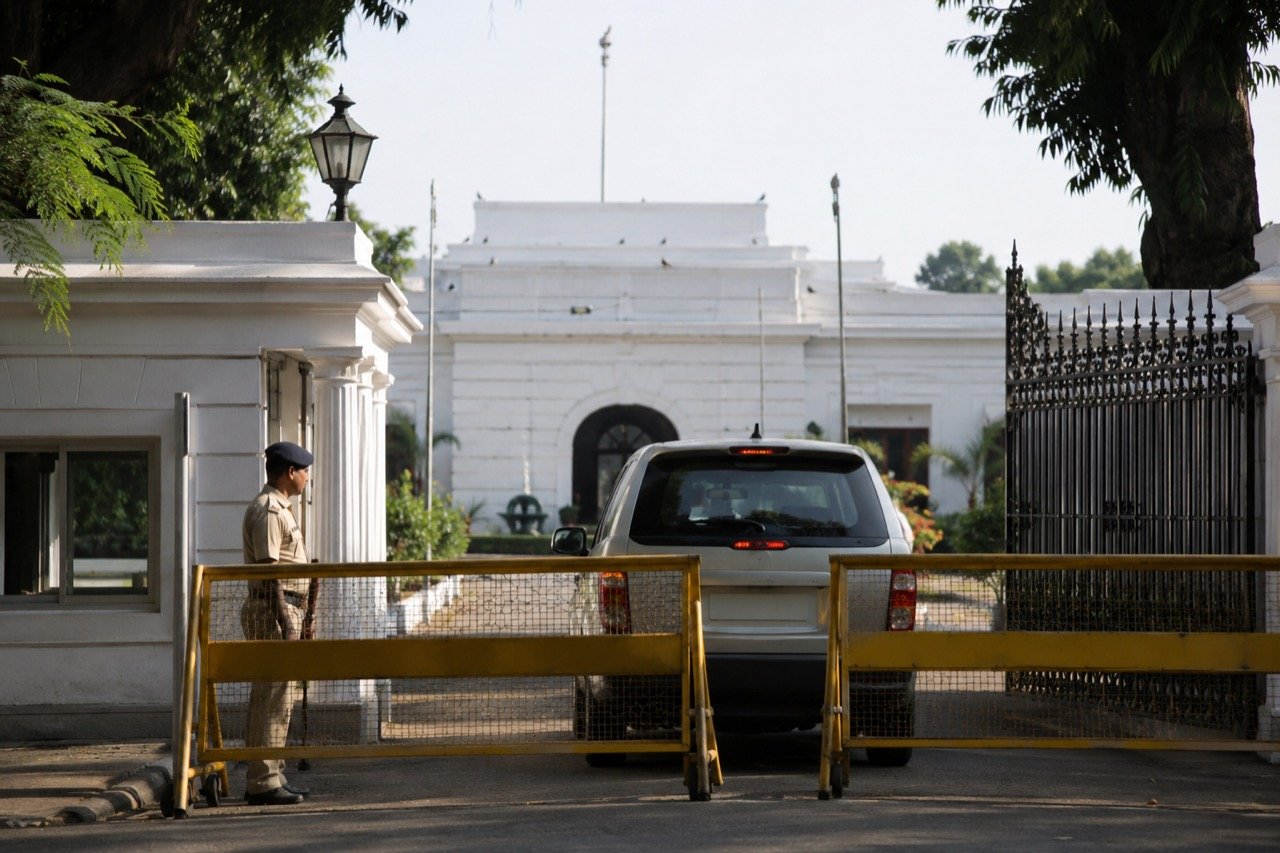
Lalu Prasad Yadav Security Downgrade, Bungalow Order Stir Bihar
A government order downgrading Lalu Prasad Yadav's security cover and asking him to vacate an official bungalow has opened a fresh political flashpoint in Bihar, with the RJD chief's reaction fuelling the row.
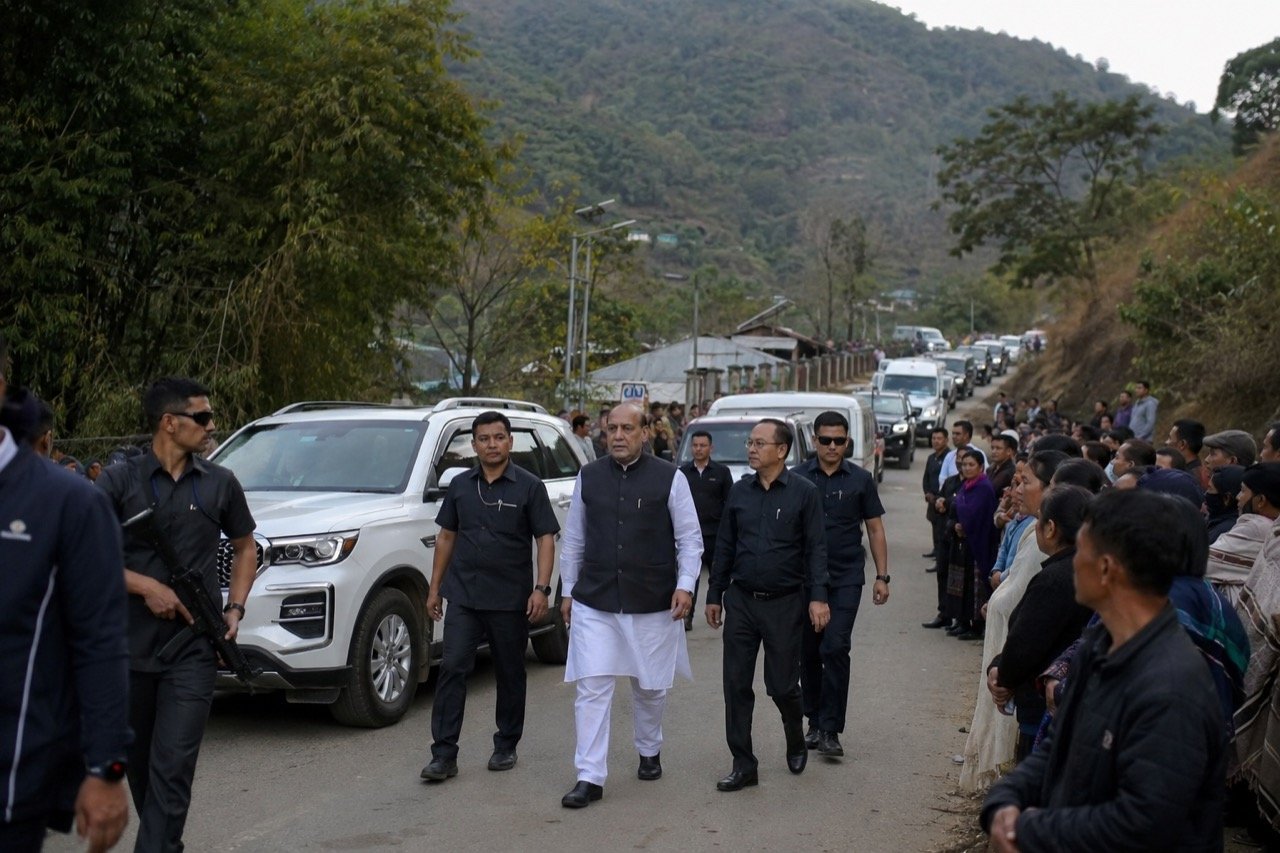
Manipur CM's Churachandpur Visit: First Since 2023 Unrest
The Manipur Chief Minister travelled to Churachandpur for a BJP MLA's funeral, his first visit to the district since the 2023 violence, lending the sombre occasion an unmistakable political significance.