Why Jantar Mantar Matters: The Protest Space at the Centre of Sonam Wangchuk’s Hunger Strike
Jantar Mantar has become the physical centre of the CJP campaign, linking India’s tradition of public protest with modern digital mobilisation and court supervision
Commentary & Analysis ·
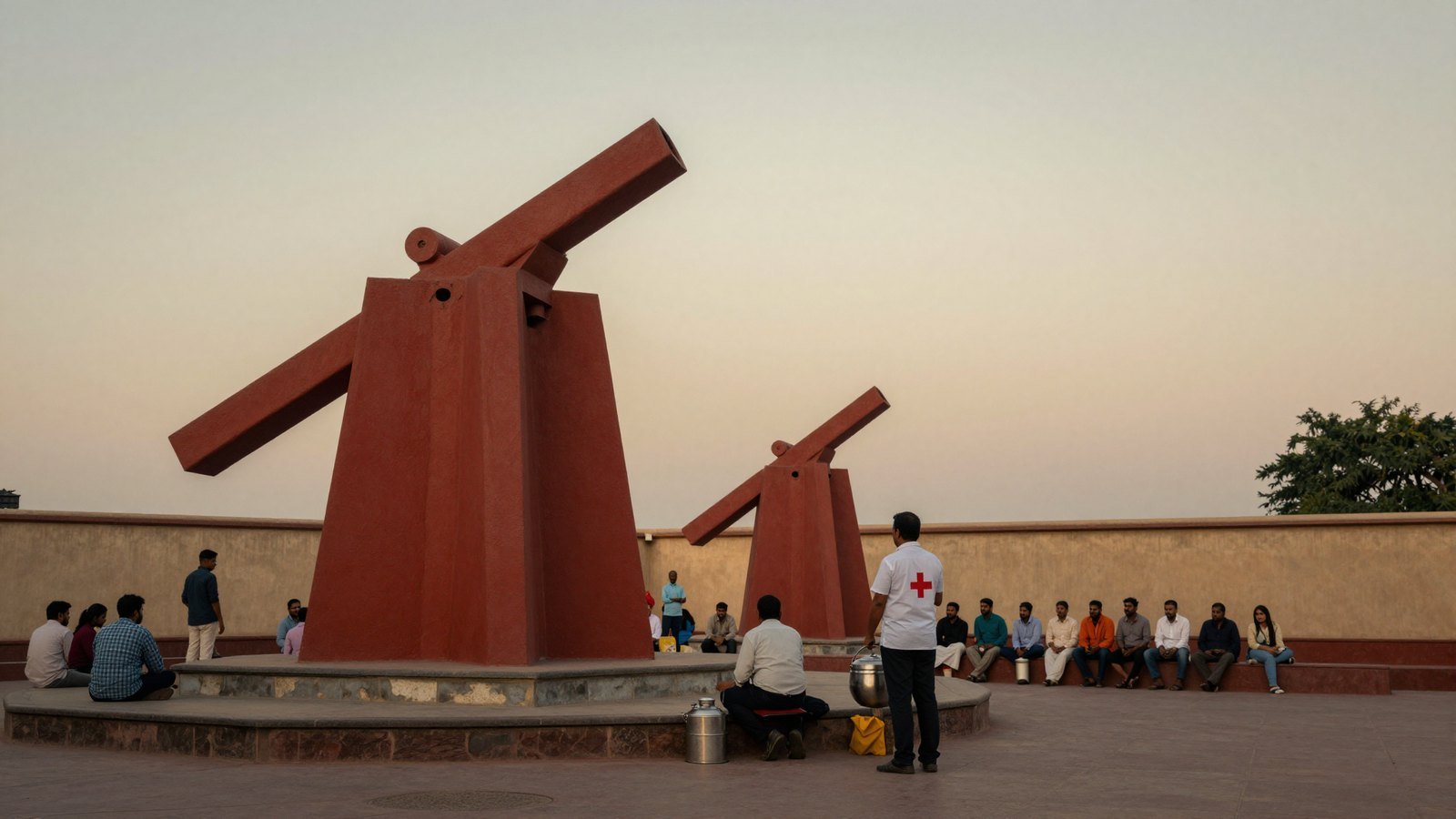
Key facts
- CJP has maintained a protest presence at Jantar Mantar since June 20.
- Wangchuk began his indefinite fast there on June 28.
- The site allows national media, political visitors and civil-society groups to access the protest.
- Its proximity to central institutions also brings police restrictions and public-order rules.
A symbolic address for dissent
Jantar Mantar is more than a convenient central-Delhi location. It has become a recognised address for citizens seeking national attention. Farmers, veterans, anti-corruption campaigners, students and rights groups have used the area because it is accessible to media and close to political institutions. Holding the hunger strike there places CJP within that history. The site tells viewers that the protest is addressed to the national government, not only to an examination agency or a state authority.
Why a physical site matters in a digital movement
CJP grew online, but physical occupation creates a different form of legitimacy. Supporters can see organisers, volunteers can distribute information and journalists can verify conditions. A continuing presence demonstrates commitment beyond trending posts. Wangchuk’s fast gave the site a daily rhythm of medical checks, visitors and statements. The camp became a place where students could connect personal experiences to a national narrative.
The constraints of regulated protest
Jantar Mantar is not an unrestricted zone. Police regulate time, sound, crowd size, structures and movement. Protesters may view restrictions as attempts to reduce visibility; authorities cite security, traffic and residents’ rights. The legal challenge is to maintain a meaningful opportunity for expression rather than allowing protest only in forms that nobody can see. Clear written conditions and consistent enforcement reduce conflict. Organisers also need to keep emergency access open, especially during a medically sensitive hunger strike.
Visitors and the politics of the stage
The site has attracted opposition leaders, actors, academics, student organisations and farmers’ groups. Each visit brings attention but can change the tone. A crowded programme of speeches may push affected students into the background. Organisers should preserve space for testimonies, policy discussions and medical privacy. The stage should not become a competition for partisan sound bites. Jantar Mantar’s value is that different constituencies can meet; its risk is that the most famous visitor becomes the story.
Weather, health and logistics
Delhi heat, humidity and monsoon rain create practical risks for protesters who remain outdoors for long periods. Clean water, sanitation, shelter, waste management and first aid are essential. For a hunger striker, heat and dehydration can worsen medical danger. Crowd surges during celebrity or political visits can also block doctors. The quality of logistics is therefore part of non-violent discipline. A safe protest protects participants and strengthens the argument that authorities should facilitate rather than suppress peaceful assembly.
From Jantar Mantar to Parliament
The July 20 march call attempts to move the protest from a designated dissent space toward the institution with legislative power. That transition is symbolically strong but operationally difficult. Even if police prevent a physical approach to Parliament, a disciplined delegation, public memorandum and nationwide solidarity events can carry the message. Jantar Mantar remains the movement’s anchor because it provides continuity before and after the march. The site may ultimately be where negotiations begin and where any decision to suspend the fast is announced.
What readers and publishers should monitor
Readers following this angle should track police conditions at the site, crowd and medical safety, official visitors, weather impacts, and whether negotiations are held at or near the protest camp. Because this is a fast-moving protest, every figure and procedural claim should carry a date. Health information should come from doctors or court records; protest logistics should come from organisers and police; legal conclusions should be tied to the actual order; and allegations about examination wrongdoing should remain attributed until established by investigation or judgment. The primary keyword should appear naturally in the headline, introduction, one subheading, image alt text and conclusion. Secondary terms should be used only where they answer a genuine reader question. Repeating a phrase mechanically can reduce readability and search quality. The strongest publication strategy is to update the article rather than create a misleading new headline for every minor development. Add a timestamp, preserve the earlier context, explain what has changed and correct outdated numbers visibly. That approach serves readers, protects credibility and prevents the hunger strike from being reduced to a stream of disconnected viral claims.
A final editorial perspective
A final point is that the issue should be covered as a democratic accountability story rather than a contest of personal endurance. The policy questions concern secure examinations, public responsibility, student welfare and the state’s response to peaceful dissent. The human question concerns how to protect a protester’s life without erasing autonomy or turning medical risk into spectacle. Good reporting keeps both dimensions visible. It presents competing arguments fairly, marks uncertainty, uses precise dates and returns repeatedly to the people most affected: students and families who need a trustworthy system. The article should also explain what would count as evidence of progress, which institution has authority to act, and how readers can distinguish an official update from a political claim. That additional context makes the piece useful after the immediate search spike fades.
Sources
- Indian Express reporting from Jantar Mantar since June 29, 2026.
- AP and Guardian on-the-ground reports.
- Economic Times and Times of India coverage of visits and solidarity actions.
This article is original news analysis and commentary by The NE Times, based on reporting from the sources listed above.
You may also like to read
Why Is Sonam Wangchuk on Hunger Strike? The Demands Behind the Jantar Mantar Protest
The current Jantar Mantar fast centres on examination accountability, the demand for Dharmendra Pradhan’s resignation and wider reforms to protect students
Is Sonam Wangchuk’s Hunger Strike About NEET or Ladakh? Clearing Up the Search Confusion
Conflicting search results describe the current fast as a NEET protest, a Ladakh protest or both. Here is how to separate the immediate campaign from Wangchuk’s wider activism
Cockroach Janta Party Protest Keeps NEET Accountability and Sonam Wangchuk's Hunger Strike in the Spotlight
The CJP says the Centre has remained silent as Sonam Wangchuk's hunger strike enters its 18th day, keeping examination integrity and youth-led political protest in focus.
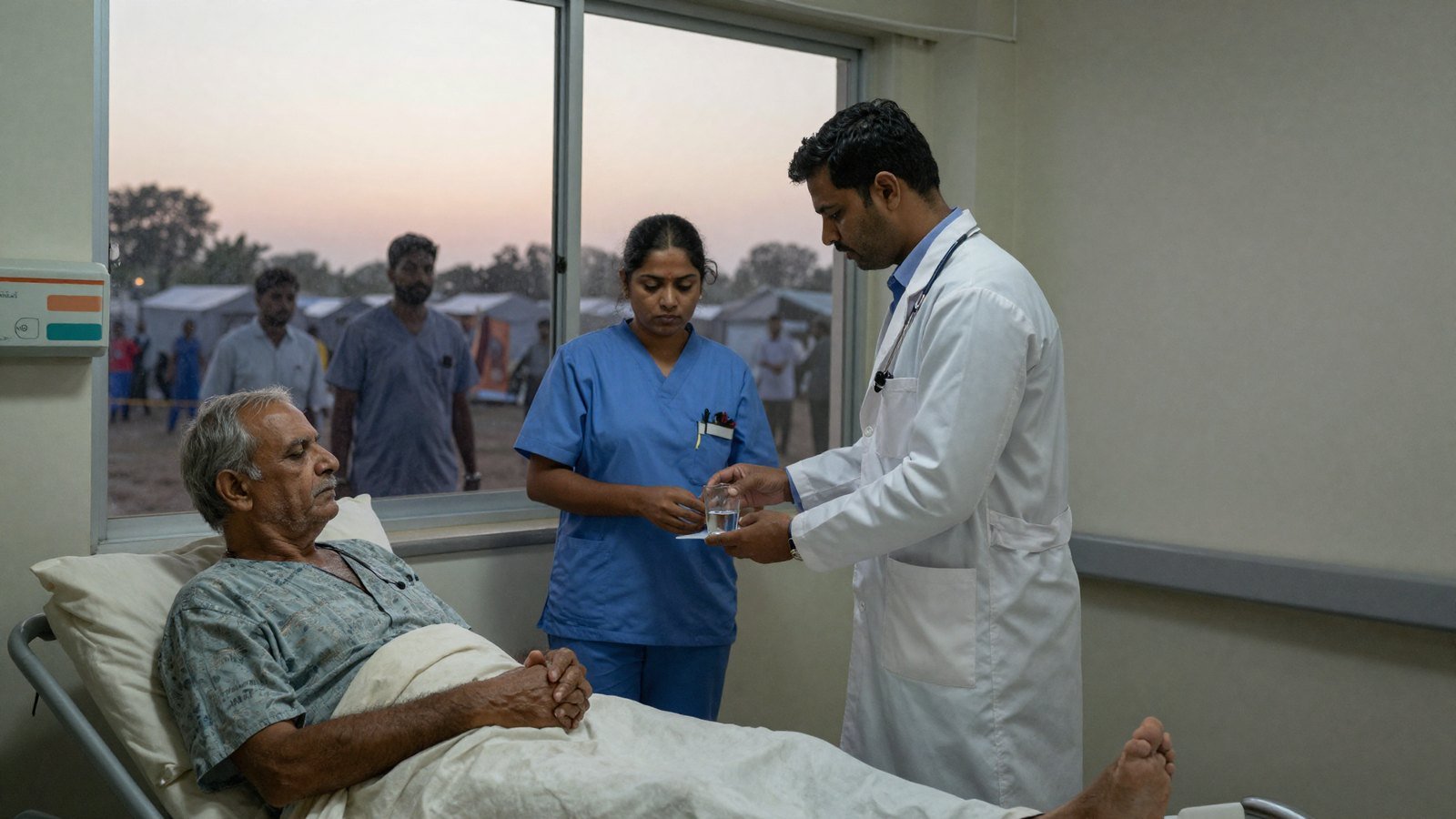
Sonam Wangchuk Ends 26-Day Hunger Strike: The Agreement, the Timing and What Changed
Sonam Wangchuk ended his 26-day fast at a Gurugram hospital after negotiations and assurances from the Union government, but the student movement did
More from this section
More
Why the Hunger Strike Ended but the Student Protest Continued
The end of an individual's fast removed an immediate health emergency, but it did not settle every grievance or give protest organisers the same
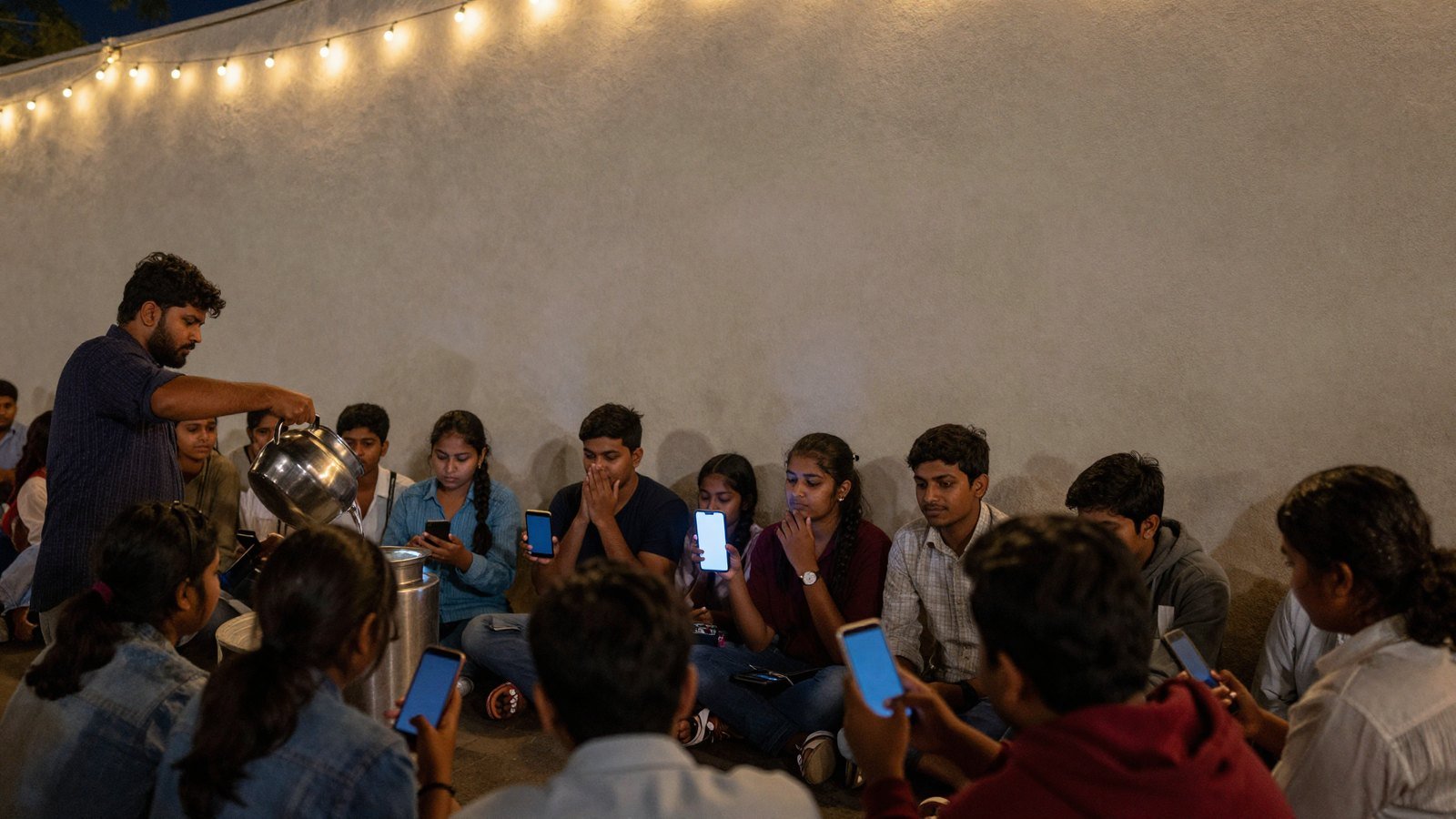
Midnight at Jantar Mantar: How Protesters Reacted When Wangchuk Broke His Fast
The reaction at the protest site showed a movement experiencing relief, uncertainty and determination at the same time

Can the Government Force-Feed a Hunger Striker in India? The Sonam Wangchuk Case Tests Rights and Duties
A legal and medical explainer on whether Indian authorities can force-feed a competent hunger striker and how Article 21, consent and emergency duties interact