Who Is Sonam Wangchuk? From SECMOL and Ice Stupas to a National Hunger Strike
A factual profile of Sonam Wangchuk’s work with SECMOL, alternative education and Ice Stupas, with a clear explanation of the disputed 3 Idiots connection
Commentary & Analysis ·
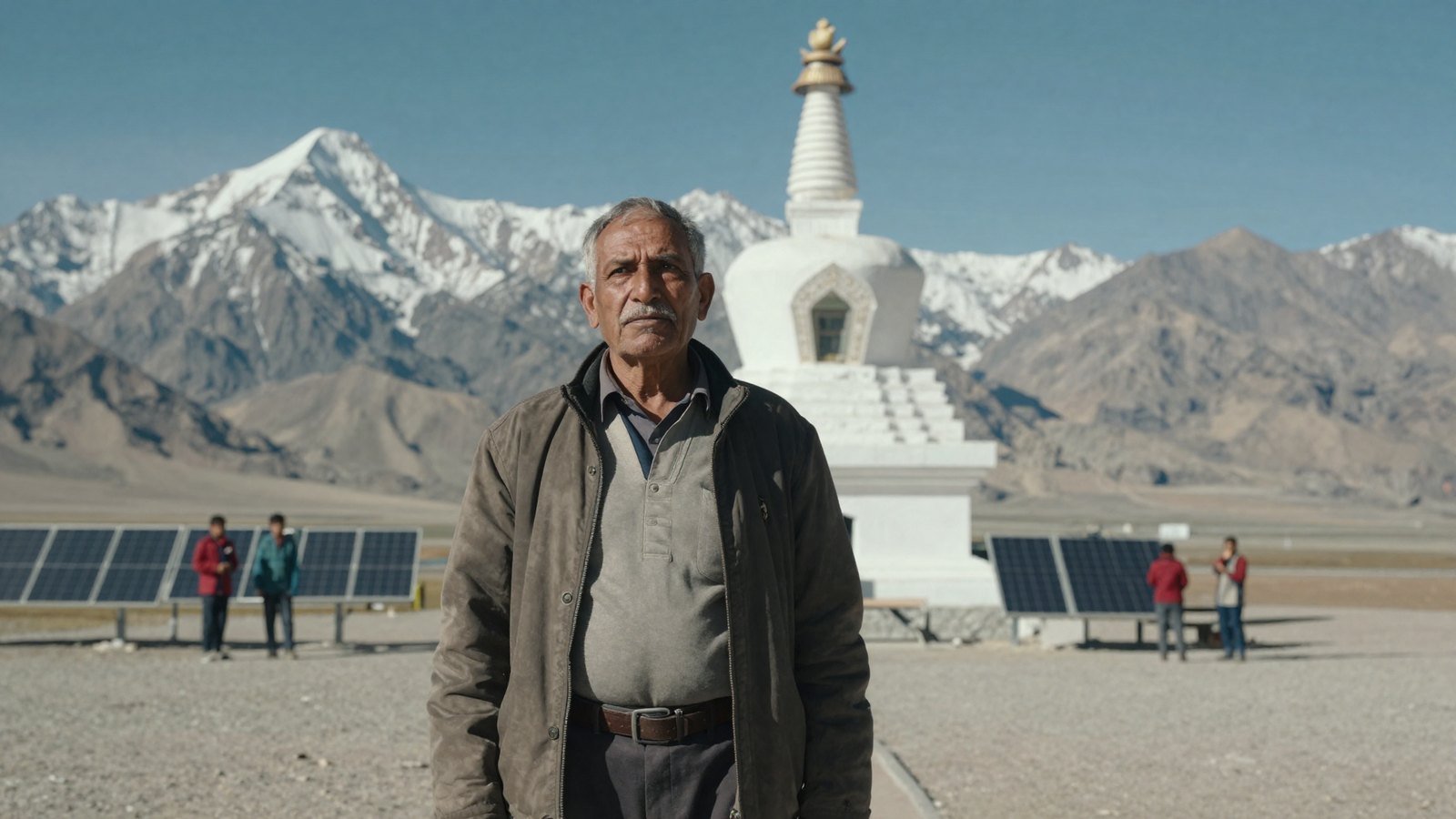
Key facts
- Wangchuk is an engineer, educator, environmental innovator and activist from Ladakh.
- He helped found the Students’ Educational and Cultural Movement of Ladakh in 1988.
- He is widely known for passive-solar educational design and the Ice Stupa water-storage concept.
- Aamir Khan has clarified that the 3 Idiots character was not directly based on Wangchuk, despite a popular association.
An educator shaped by Ladakh
Wangchuk’s public work began with the belief that education should respond to local language, culture and environment. SECMOL was founded by young Ladakhis who felt that conventional schooling was failing many students. Its alternative campus combined practical learning, student responsibility and ecological design. That background helps explain why Wangchuk’s current intervention focuses on examination systems. He has long argued that institutions should serve learners rather than force learners to absorb the cost of institutional failure.
SECMOL and education reform
SECMOL worked with communities and government schools while developing a residential campus near Leh. The organisation describes its mission as reforming Ladakh’s education system and creating a place where students live, work and learn together. The campus became known for passive-solar architecture and low-energy living. Wangchuk’s education philosophy emphasises experience, problem-solving and dignity for students who may have been labelled unsuccessful by conventional exams. That record gives him credibility among young protesters, even though the national examination system is far larger and more complex than Ladakh’s schools.
Ice Stupas and climate adaptation
The Ice Stupa concept stores winter water in cone-shaped ice formations that melt when farmers need water in spring. It became an internationally recognised example of adapting simple engineering to high-altitude conditions. The project also made Wangchuk a climate voice, connecting local innovation with global warming and Himalayan vulnerability. His activism cannot be reduced to one invention, but the Ice Stupa illustrates his public image: practical, visually memorable and rooted in community problems.
Activism for Ladakh
In recent years Wangchuk has campaigned for stronger constitutional, environmental and political safeguards for Ladakh. Those campaigns included fasts and appeals for Sixth Schedule protections, statehood-related representation and protection of land and culture. This history is relevant to the current story because many readers first encountered him through Ladakh protests. It is also the source of confusion when search results describe the Delhi hunger strike as solely about the Sixth Schedule. His wider activism continues, but the immediate Jantar Mantar protest is tied to education and examination accountability.
The 3 Idiots association
For years, popular culture linked Wangchuk with the innovative educator represented by Aamir Khan’s character in 3 Idiots. Khan has now said the character was not directly based on him. That clarification should not become an argument over whether Wangchuk deserves respect. Fictional characters can resemble several real-world figures without being biographies. The reliable facts are Wangchuk’s own institutions, projects and public campaigns. Articles should avoid calling him the “real Rancho” as if it were an official credit, especially after the recent clarification.
Why his profile matters to the protest
A hunger strike by an unknown activist might struggle to gain national attention. Wangchuk’s reputation connects students, environmentalists, Ladakh supporters, engineers and film audiences. That broad recognition has amplified the fast, but it also creates competing narratives. Some supporters focus on education reform, others on Ladakh, and others on celebrity associations. Understanding his biography helps readers see why he can bridge those constituencies - and why precise reporting is needed to keep the current demands clear.
What readers and publishers should monitor
Readers following this angle should track updates from SECMOL or Wangchuk’s verified channels, the 3 Idiots clarification debate, Ladakh groups’ formal position, how his education ideas enter negotiations, and future health and protest decisions. Because this is a fast-moving protest, every figure and procedural claim should carry a date. Health information should come from doctors or court records; protest logistics should come from organisers and police; legal conclusions should be tied to the actual order; and allegations about examination wrongdoing should remain attributed until established by investigation or judgment. The primary keyword should appear naturally in the headline, introduction, one subheading, image alt text and conclusion. Secondary terms should be used only where they answer a genuine reader question. Repeating a phrase mechanically can reduce readability and search quality. The strongest publication strategy is to update the article rather than create a misleading new headline for every minor development. Add a timestamp, preserve the earlier context, explain what has changed and correct outdated numbers visibly. That approach serves readers, protects credibility and prevents the hunger strike from being reduced to a stream of disconnected viral claims.
A final editorial perspective
A final point is that the issue should be covered as a democratic accountability story rather than a contest of personal endurance. The policy questions concern secure examinations, public responsibility, student welfare and the state’s response to peaceful dissent. The human question concerns how to protect a protester’s life without erasing autonomy or turning medical risk into spectacle. Good reporting keeps both dimensions visible. It presents competing arguments fairly, marks uncertainty, uses precise dates and returns repeatedly to the people most affected: students and families who need a trustworthy system. The article should also explain what would count as evidence of progress, which institution has authority to act, and how readers can distinguish an official update from a political claim. That additional context makes the piece useful after the immediate search spike fades.
Sources
- SECMOL official website and About page.
- Economic Times and Times of India reports on Aamir Khan’s clarification, July 17, 2026.
- AP and Guardian profiles of Wangchuk in the current movement.
This article is original news analysis and commentary by The NE Times, based on reporting from the sources listed above.
You may also like to read

Sonam Wangchuk Ends 26-Day Hunger Strike: The Agreement, the Timing and What Changed
Sonam Wangchuk ended his 26-day fast at a Gurugram hospital after negotiations and assurances from the Union government, but the student movement did

Can the Government Force-Feed a Hunger Striker in India? The Sonam Wangchuk Case Tests Rights and Duties
A legal and medical explainer on whether Indian authorities can force-feed a competent hunger striker and how Article 21, consent and emergency duties interact
Why Is Sonam Wangchuk on Hunger Strike? The Demands Behind the Jantar Mantar Protest
The current Jantar Mantar fast centres on examination accountability, the demand for Dharmendra Pradhan’s resignation and wider reforms to protect students
Is Sonam Wangchuk’s Hunger Strike About NEET or Ladakh? Clearing Up the Search Confusion
Conflicting search results describe the current fast as a NEET protest, a Ladakh protest or both. Here is how to separate the immediate campaign from Wangchuk’s wider activism
More from this section
More
What a Real Examination Reform Package Should Include After the NEET Crisis and Hunger Strike
The hunger strike has created pressure for reform. A credible response needs secure paper handling, independent audits, transparent investigations and support for affected students
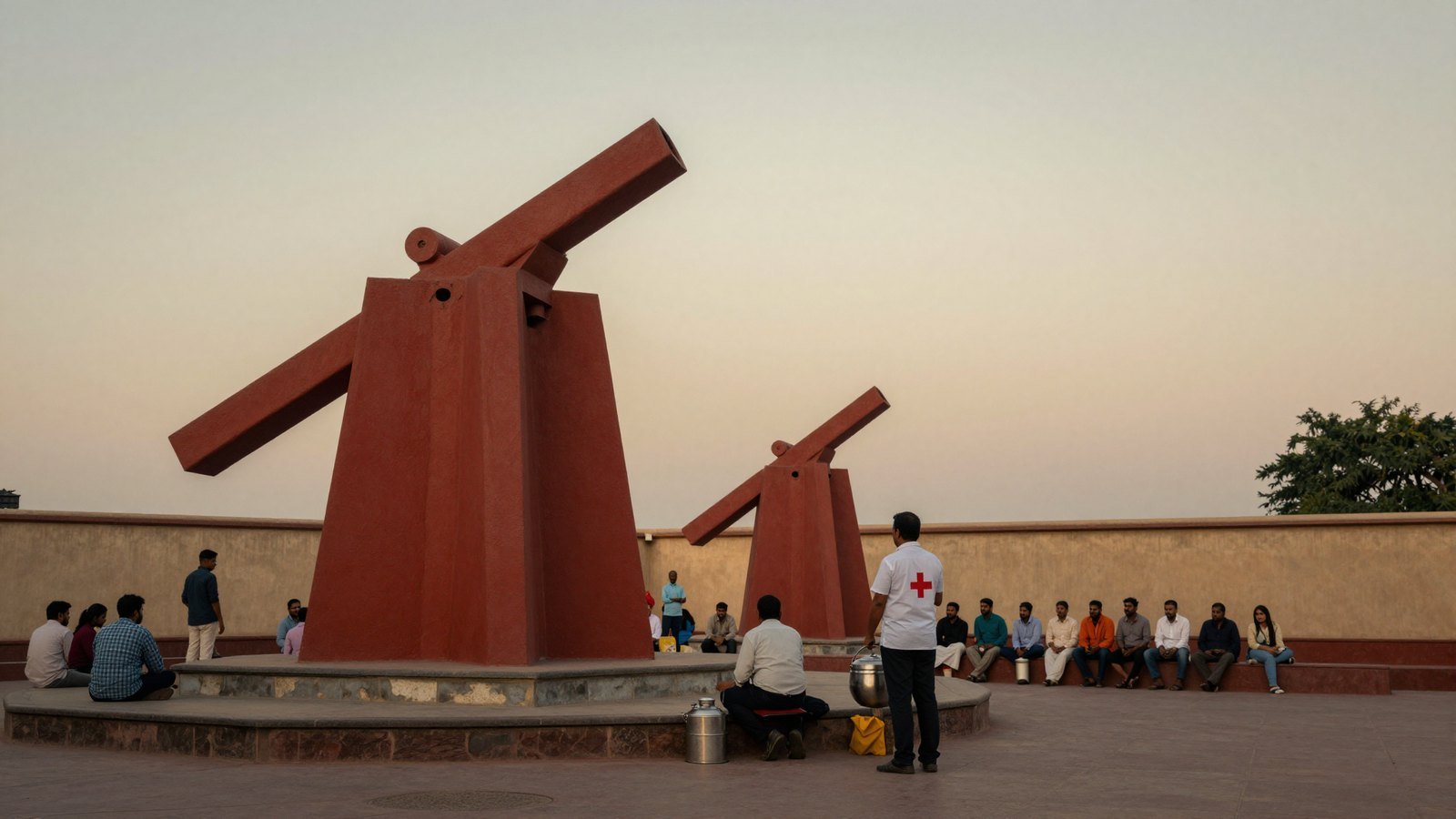
Why Jantar Mantar Matters: The Protest Space at the Centre of Sonam Wangchuk’s Hunger Strike
Jantar Mantar has become the physical centre of the CJP campaign, linking India’s tradition of public protest with modern digital mobilisation and court supervision
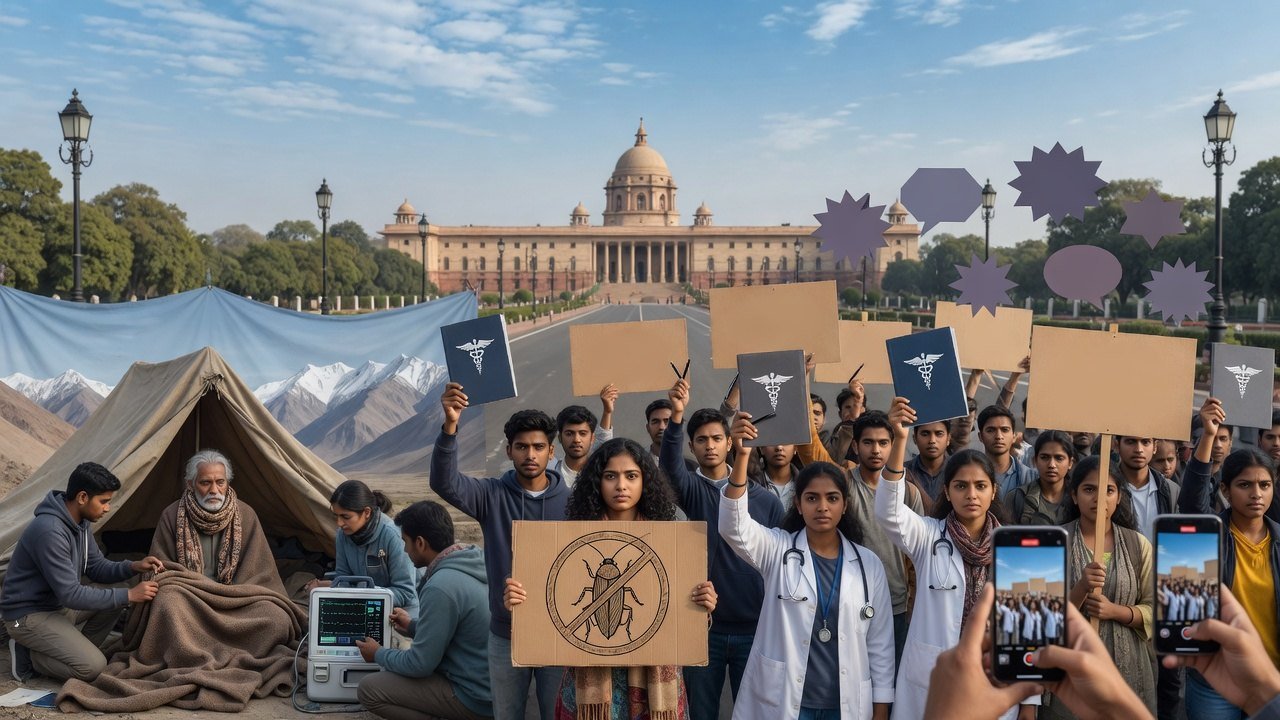
Cockroach Janta Party Protest Keeps NEET Accountability and Sonam Wangchuk's Hunger Strike in the Spotlight
The CJP says the Centre has remained silent as Sonam Wangchuk's hunger strike enters its 18th day, keeping examination integrity and youth-led political protest in focus.