Assam Floods Kill More Than 60 and Displace 700,000 as Brahmaputra Overflows
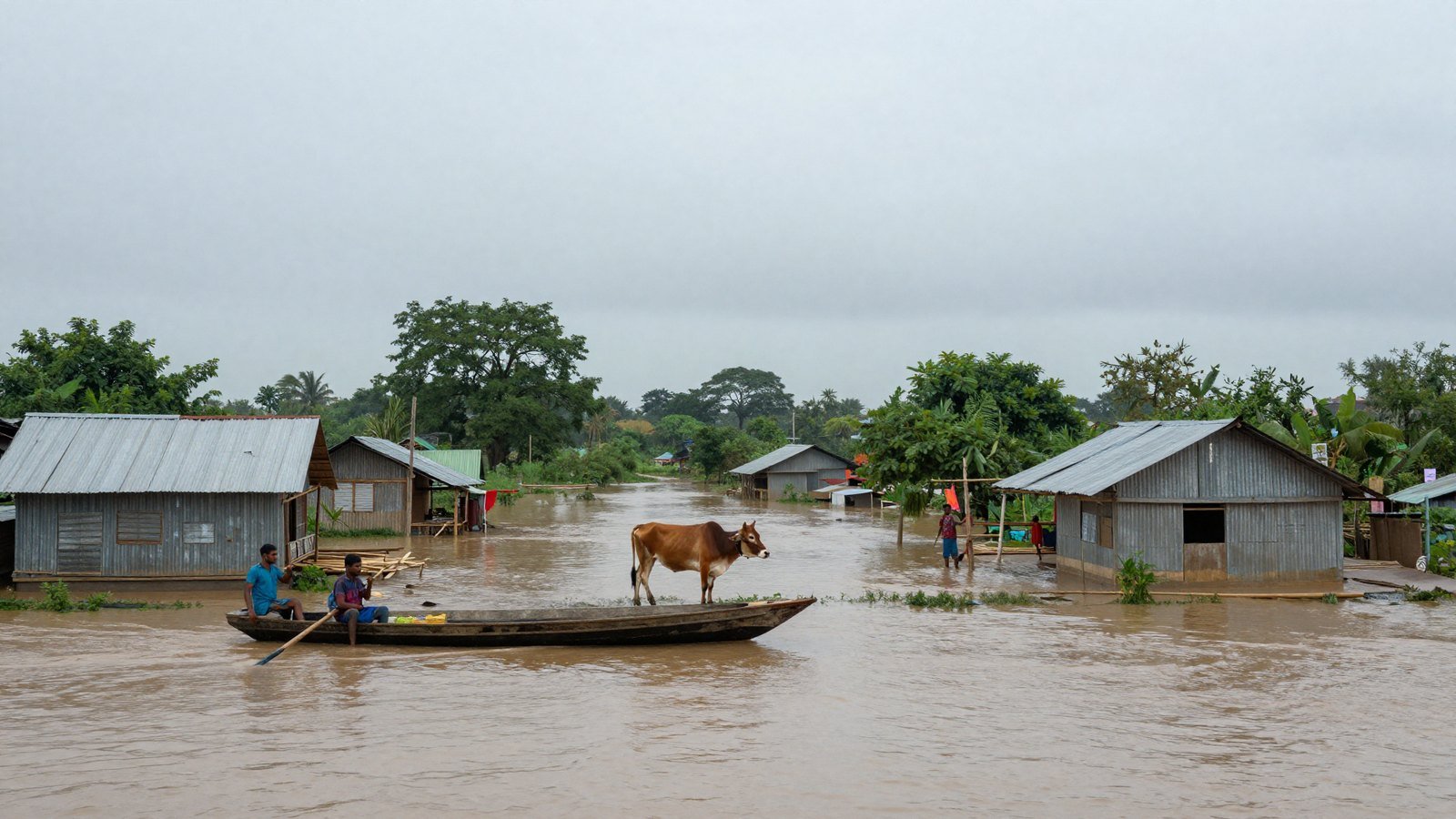
Assam floods have killed more than 60 people and displaced about 700,000 as the Brahmaputra burst its banks, submerging nearly 900 villages across 11 districts with Sivasagar worst hit.
Commentary & Analysis ·
Key facts
- Death toll rose from at least 50 on 24 July to 61 by 25 July 2026, with about 700,000 people displaced across Assam
- Nearly 900 villages submerged across 11 districts; Sivasagar worst hit with close to 3.5 lakh people affected, followed by Charaideo and Jorhat
- Roughly 3 lakh people in government relief camps; CM Himanta Biswa Sarma confirmed helicopter airdrops of food and supplies
- More than 25,000 hectares of farmland underwater and nearly 1.39 lakh animals affected as of 24 July
- IMD red alerts in force for Himachal Pradesh and Jammu & Kashmir on 25 July 2026
A Disaster That Outran Its Own Bulletins
The scale of Assam's flood emergency has moved faster than the bulletins tracking it. On 23 July, officials put the death toll at 41. By Friday 24 July, after the Brahmaputra burst its banks along its roughly 900-kilometre run through the state, the Associated Press reported at least 50 dead and about 700,000 people displaced. By Saturday 25 July, Indian outlets citing state disaster management figures said the toll had climbed again to 61, with 14 deaths recorded in a single 24-hour window.
The velocity matters as much as the totals. A week that began with flash floods blamed for around 25 deaths escalated within days into the country's most serious humanitarian emergency of this monsoon, with nearly 900 villages submerged across 11 districts and more than 7,000 homes without electricity, according to officials quoted in wire reports. When numbers move this fast, the honest reading is that even the latest count is provisional, and probably an undercount of distress if not of deaths.
Upper Assam Bears the Brunt
The flood map tilts heavily towards upper Assam. Sivasagar is the worst-hit district, with figures reported on 25 July putting the number of people affected there at close to 3.5 lakh, followed by Charaideo at about 1.88 lakh and Jorhat at roughly 1.27 lakh. Reports a day earlier had put Sivasagar's count nearer 3.9 lakh, a divergence that itself shows how unsettled the data remains as revenue circles are added to and dropped from the assessment.
Officials also reported eight embankment breaches in the Jorhat region after an exceptionally high flood discharge. That detail deserves more attention than it usually receives: Assam's first line of defence is still a network of ageing earthen bunds, and they tend to fail at precisely the moment they are most needed. Some reports on 25 July said the number of affected districts had edged up to 12 as fresh areas went under.
Relief at Scale, and the Gaps in It
The state's response has been large by any measure. Roughly three lakh people, close to half of those displaced, have moved into government-run relief camps, and Chief Minister Himanta Biswa Sarma confirmed that food and relief supplies were being airdropped by helicopter to areas cut off by water. Indian reports counted around 71 relief camps and more than 200 distribution centres in operation, with State Disaster Response Force, National Disaster Response Force and district teams running rescue and evacuation.
The gaps are equally visible. Reporting on 25 July suggested relief had yet to reach more than 80,000 people. And if about three lakh are in camps out of more than seven lakh affected, the majority are riding out the flood with relatives, on embankments or on whatever high ground they can find. Those are the populations hardest to feed, count and vaccinate once the waters recede.
The Night Guwahati Stopped Moving
The disaster reached the state capital on the evening of 23 July, when heavy rain submerged arterial roads across Guwahati and left commuters stranded for hours. Localities including Six Mile, Khanapara, Beltola and Hatigaon were among the worst affected, with vehicles stalling mid-carriageway and office workers wading home through knee-deep water. A local journalist quoted by the Associated Press described roads "filled with water, some waist deep".
Guwahati's paralysis matters beyond the inconvenience. A city of roughly two million, it is the commercial and administrative hub of the entire Northeast; when its roads close, relief logistics for the rest of the state slow with them. Its recurring waterlogging is also a governance story, rooted in drainage, hill-cutting and unplanned construction, rather than purely a weather one.
Fields Underwater, Livelihoods with Them
The agrarian toll is severe even by Assam's standards. As of 24 July, more than 25,000 hectares of farmland lay underwater and nearly 1.39 lakh animals had been affected, according to figures cited in wire reports. State assessments published a day later suggested the submerged crop area had more than doubled as water spread across new revenue circles.
The timing compounds the damage. Late July is when sali paddy, the state's main rice crop, is transplanted; nurseries drowned now cannot simply be replanted next month. Livestock losses hit the poorest households hardest, since animals are often their only capital. The floodwater will recede in weeks; this part of the ledger will run into next year.
A Monsoon Running Hot Across the Map
Assam's deluge sits inside a wider national pattern. On 23 July, nearly a third of Indian states, from the Himalayan belt to the west coast, recorded rainfall 60 per cent above the long-period average, according to India Meteorological Department data cited by Bloomberg. The same day brought an extraordinary rainfall event in Gujarat's Valsad district, where the 24-hour total exceeded 100 cm.
The IMD has red alerts in force for Himachal Pradesh and Jammu and Kashmir on 25 July, warning of very heavy rainfall in a belt already scarred by landslides this season. Notably, the department's own July outlook had leaned below normal for much of the country. The season is not delivering a steady surplus so much as violent, concentrated bursts, which is exactly the pattern that flood defences and city drains are least equipped to absorb.
Why the Brahmaputra Keeps Winning
None of this is unfamiliar to Assam, which is the uncomfortable part. The Brahmaputra is among the world's most sediment-laden rivers; as silt raises its bed, flood peaks climb over embankments designed decades ago, and breaches of the kind reported around Jorhat recur in every serious flood year. Major floods in recent years displaced lakhs and prompted the same cycle of camps, airdrops and compensation announcements.
The analytical question is no longer whether the state can rescue people at scale; it demonstrably can. It is whether embankment modernisation, floodplain zoning and drainage investment can break the annual rhythm. Until they do, each above-average monsoon converts, almost mechanically, into a humanitarian operation.
What to Watch Next
Several markers will indicate whether this crisis is peaking or still building.
The monsoon has two months left to run. How Assam's numbers move over the coming week will show whether 2026 joins the state's worst flood years on record or stops just short of them.
- The casualty and displacement figures: with 14 deaths added in the single day to 25 July, the toll of 61 is unlikely to be final.
- Rain over the upstream catchment: fresh spells in Arunachal Pradesh or the Tibetan stretch of the river would send a second pulse downstream into districts already saturated.
- The red alerts for Himachal Pradesh and Jammu and Kashmir, which could open a second front of flood and landslide emergencies in the western Himalaya even as Assam's crisis continues.
- The post-flood phase: disease surveillance in camps, crop-loss compensation, and how quickly the more than 80,000 people yet to receive relief are reached.
Sources
- AP via ABC News - at least 50 killed and 700,000 displaced in Assam as the Brahmaputra overflowed; nearly 300,000 in relief camps and helicopter airdrops confirmed (24 July 2026)
- Republic World / Deccan Chronicle - Assam flood toll rises to 61 with 14 deaths in 24 hours; over 7 lakh affected, Sivasagar worst hit (25 July 2026)
- Onmanorama - 7.05 lakh people affected; relief yet to reach more than 80,000 (25 July 2026)
- Bloomberg - nearly a third of Indian states recorded rainfall 60% above the long-period average on 23 July (24 July 2026)
- IMD bulletin via Akashvani News - red alerts for very heavy rainfall over Himachal Pradesh and Jammu & Kashmir (25 July 2026)
This article is original news analysis and commentary by The NE Times, based on reporting from the sources listed above.
You may also like to read
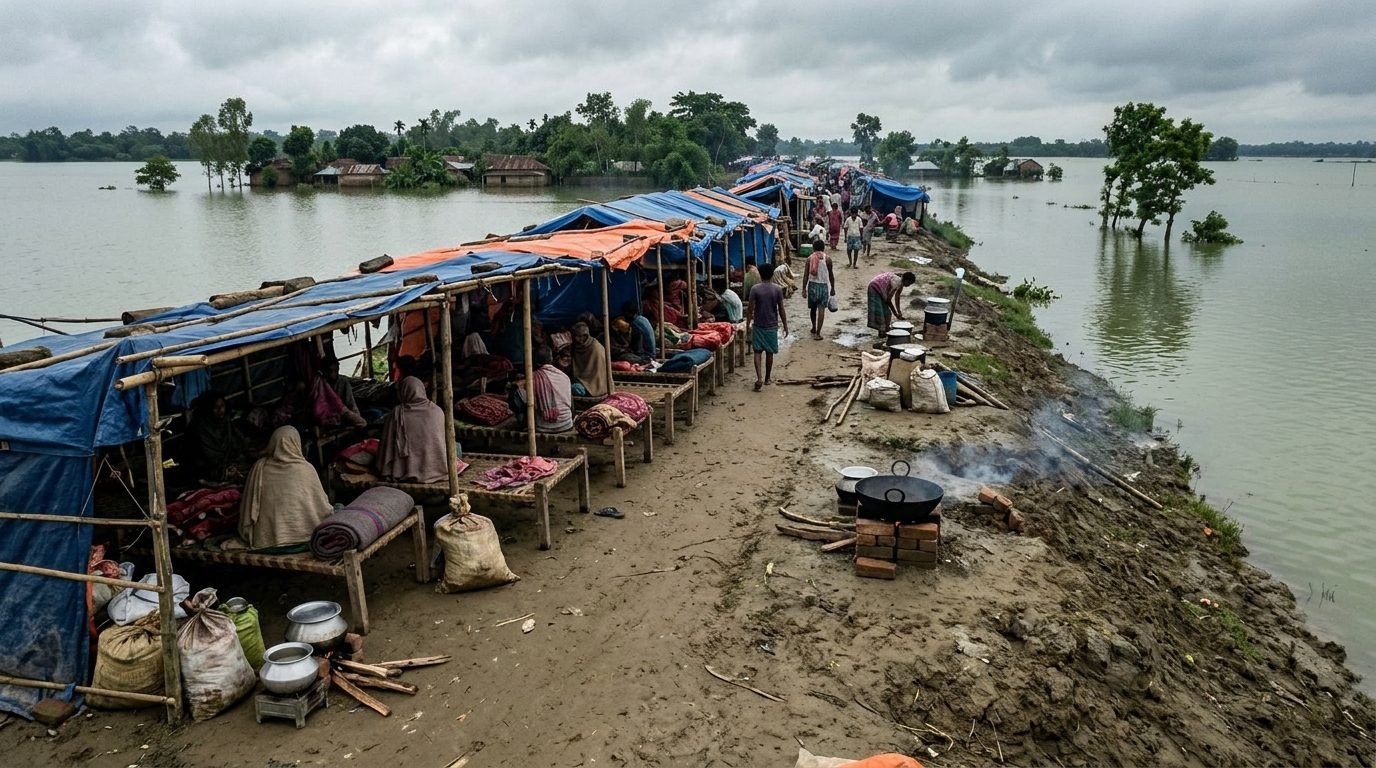
Assam Floods Worsen As Barak Valley Reels And Lakhs Take Shelter
Nearly seven lakh people across more than twenty districts are battling rising waters as the Brahmaputra and Barak rivers swell, with Chief Minister Himanta Biswa Sarma touring the worst-hit south of the state.
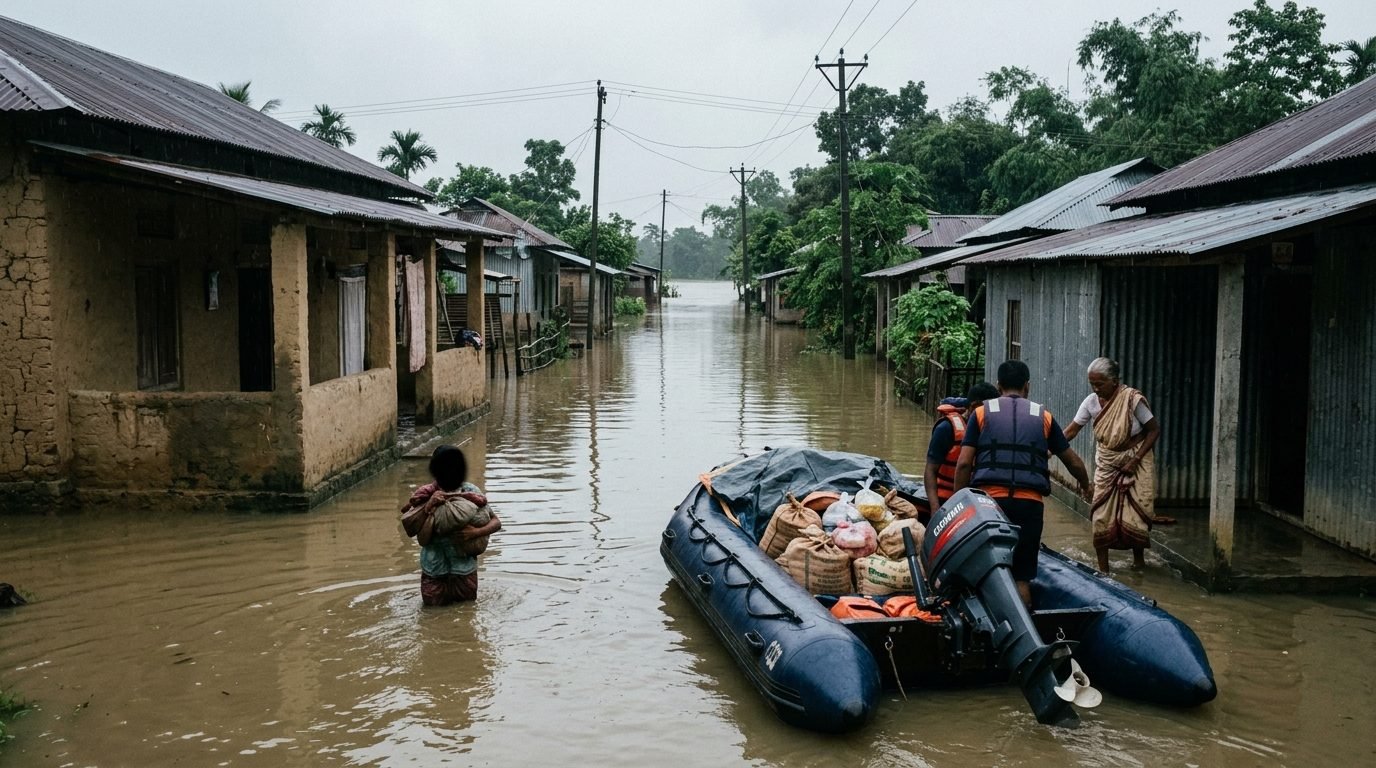
Assam Floods Worsen as Brahmaputra Swells, Lakhs Displaced Across Northeast
Early-monsoon deluge has inundated villages across multiple Assam districts, with rivers flowing above danger levels and relief camps filling as the wider Northeast battles landslides.
CJP Calls Off 49-Day Agitation as Centre Agrees to Withdraw FIRs and Pay Compensation
CJP calls off agitation after 49 days as the Centre agrees to withdraw FIRs against protesters with written confirmation and pay compensation to families of NEET aspirants who died by suicide.
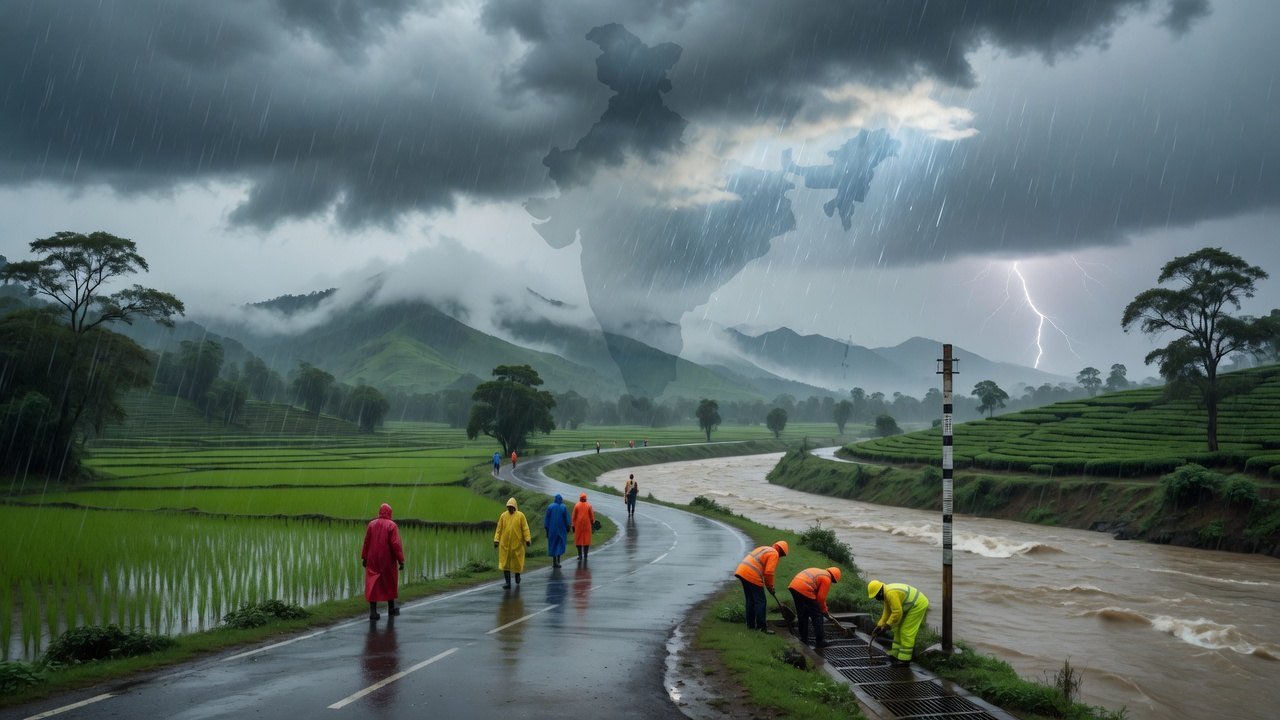
IMD Warns of Heavier Rain in East and Northeast India as Monsoon Risks Shift Across the Country
IMD expects increased rainfall over east and northeast India, eastern Uttar Pradesh and the western Himalayas, while activity remains subdued in several western and southern regions.
More from this section
More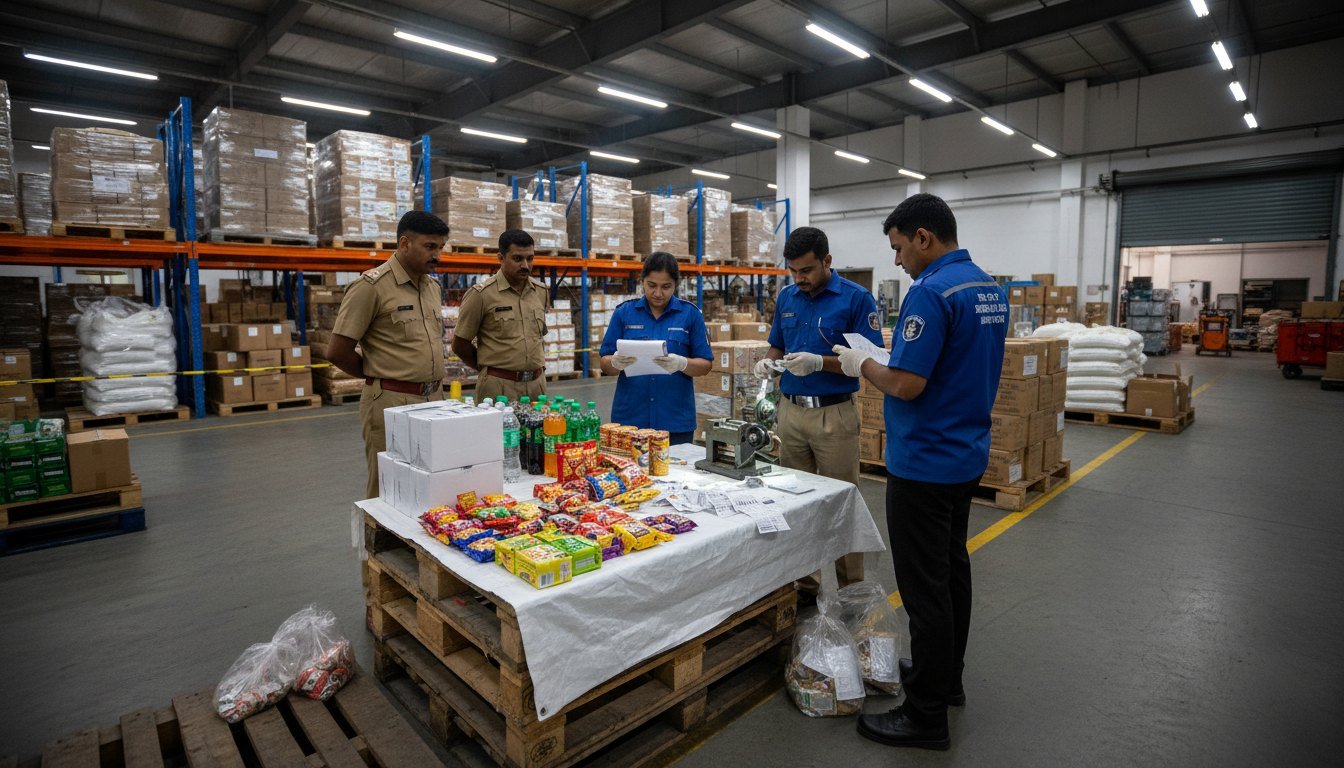
Delhi Expired Food Racket: FSSAI Seizes More Than 40,000 Packs in Okhla Relabelling Raid
The enforcement action exposes how forged dates and repackaging can move unsafe or substandard goods back into the market, and why traceability matters for consumers.
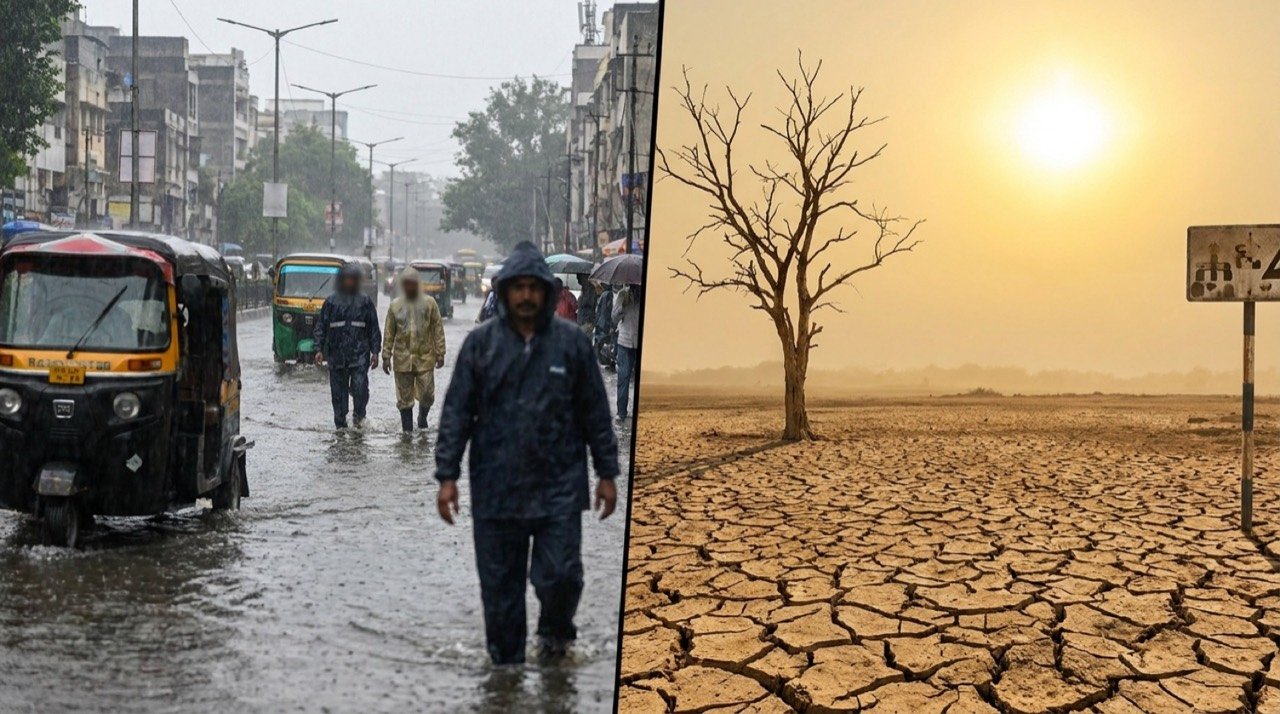
IMD Flags Heavy Rain And Heat Alerts As India's Weather Map Splits
India faces a divided weather map this week, with the IMD warning of heavy rainfall across several states even as parts of the north and centre swelter under high temperatures and heat stress.
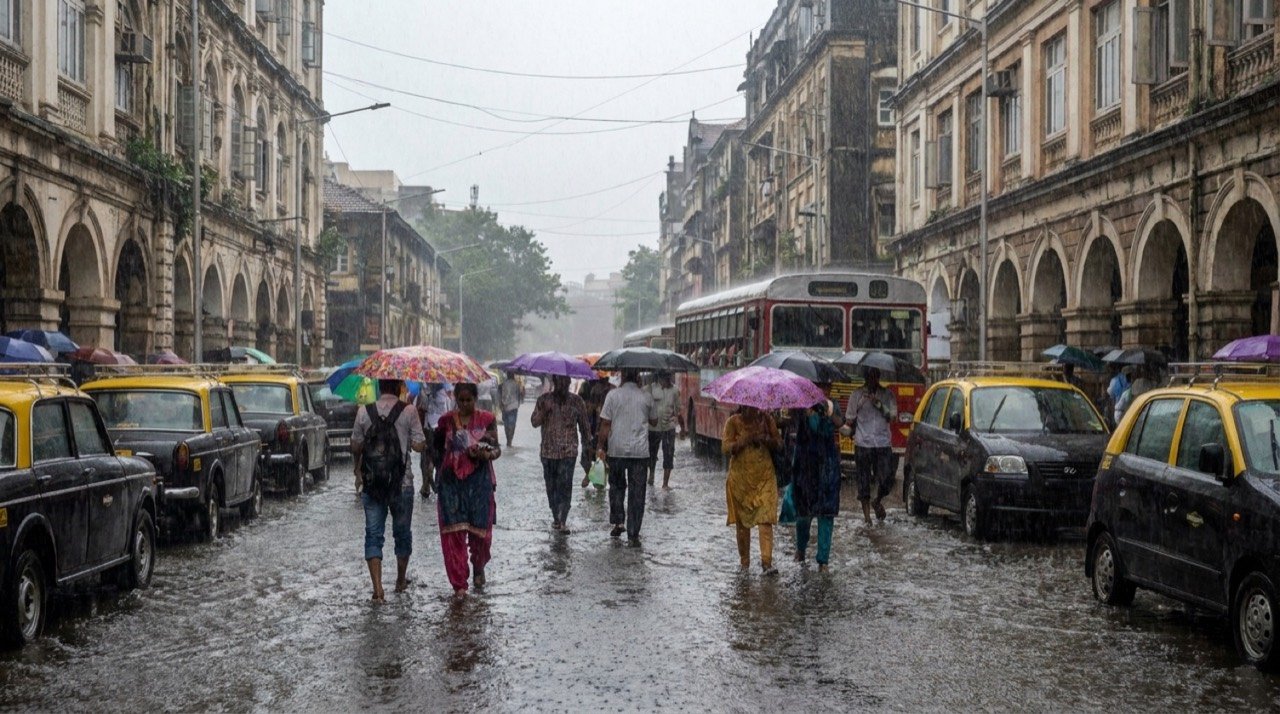
Monsoon Advances Toward Mumbai and Eastern India as Rain Alerts Issued
The southwest monsoon has resumed its march after a brief pause, with weather agencies forecasting widespread and locally heavy rain across Mumbai, Maharashtra, eastern and central India.