Assam Floods Worsen as Brahmaputra Swells, Lakhs Displaced Across Northeast
Early-monsoon deluge has inundated villages across multiple Assam districts, with rivers flowing above danger levels and relief camps filling as the wider Northeast battles landslides.
Commentary & Analysis ·
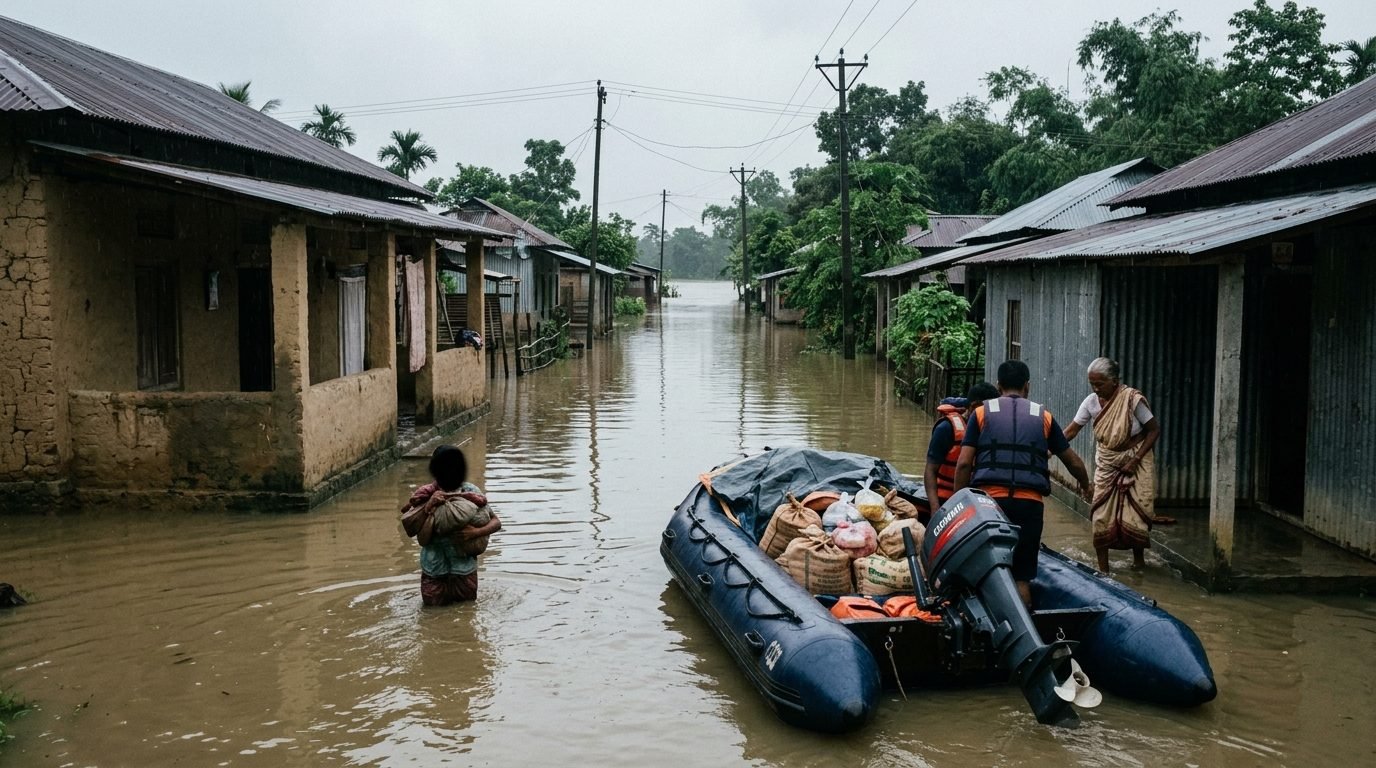
Assam is grappling with an early and severe wave of monsoon flooding, with the Brahmaputra and Barak rivers flowing above danger levels and hundreds of villages submerged across several districts. State disaster authorities have reported widespread crop damage and a steady rise in the number of people displaced as the water spreads through low-lying floodplains.
An early onset has given residents less time to prepare and compressed the cycle of warning, evacuation and relief into a tighter window than usual. With two major river systems running high at once, the flooding is hitting both the Brahmaputra valley and the Barak valley, broadening the geography of the crisis well before the monsoon has reached its usual peak.
The worst-hit districts
Cachar has emerged as one of the most affected districts, alongside Karimganj, Dhemaji, Tinsukia, Dibrugarh, Kamrup and Lakhimpur. Thousands of residents have moved into relief camps, while embankment breaches and waterlogging have cut off roads in low-lying belts, isolating communities and complicating the delivery of aid.
Embankment breaches are a recurring weak point in Assam's flood defences. When the earthen barriers that hem in the rivers give way, water pours into farmland and settlements that sit below the river level, and the same breaches that flood villages also sever the roads needed to reach them - turning a water emergency into an access problem as well.
A region built on floodwater
The Brahmaputra basin receives the bulk of its annual rainfall during the monsoon, and June downpours routinely trigger flooding across Assam's floodplains. This year's early onset has compressed the timeline, with rescue and relief teams deployed even as fresh rain forecasts threaten further inundation, raising the prospect of successive waves rather than a single peak.
Assam's geography all but guarantees an annual reckoning with high water. The state sits across a vast, low-lying basin fed by Himalayan rainfall and snowmelt, and the Brahmaputra is among the most sediment-heavy rivers in the world, its shifting channels and braided course making the floodplain inherently unstable. Flooding here is less an anomaly than a yearly certainty whose severity varies with the timing and intensity of the rains.
A wider Northeast crisis
The crisis extends beyond Assam, with neighbouring states in the Northeast reporting landslides and damaged homes amid record rainfall. Officials have appealed to residents in vulnerable zones to move to safer ground, a warning aimed particularly at hill communities where saturated slopes can give way with little notice.
The current emergency is unfolding on several fronts at once:
- The Brahmaputra and Barak rivers flowing above danger levels
- Hundreds of villages submerged and widespread crop damage
- Embankment breaches and waterlogging cutting off road access
- Thousands sheltering in relief camps as displacement rises
- Landslides and damaged homes across neighbouring Northeastern states
With more rain forecast, the immediate task is rescue, relief and the protection of remaining embankments, while the longer-term challenge - of crop losses, damaged homes and the repeated displacement of the same vulnerable communities - will outlast the floodwaters. For a region that lives with high water every year, the early and broad reach of this season is a stark reminder of how thin the margin of safety remains.
The NE Times View
Annual Brahmaputra flooding has become a grimly predictable catastrophe, yet relief still arrives as emergency rather than design. Lakhs displaced before the monsoon even peaks exposes how little durable flood management has changed. Embankments and camps treat symptoms; basin-wide planning, early warning and resettlement away from floodplains address the disease. Until governance matches the river's certainty, the Northeast will keep paying this annual price in lives and livelihoods.
This article is original commentary and analysis by The NE Times. Background facts were referenced from The Hindu, NDTV.
You may also like to read
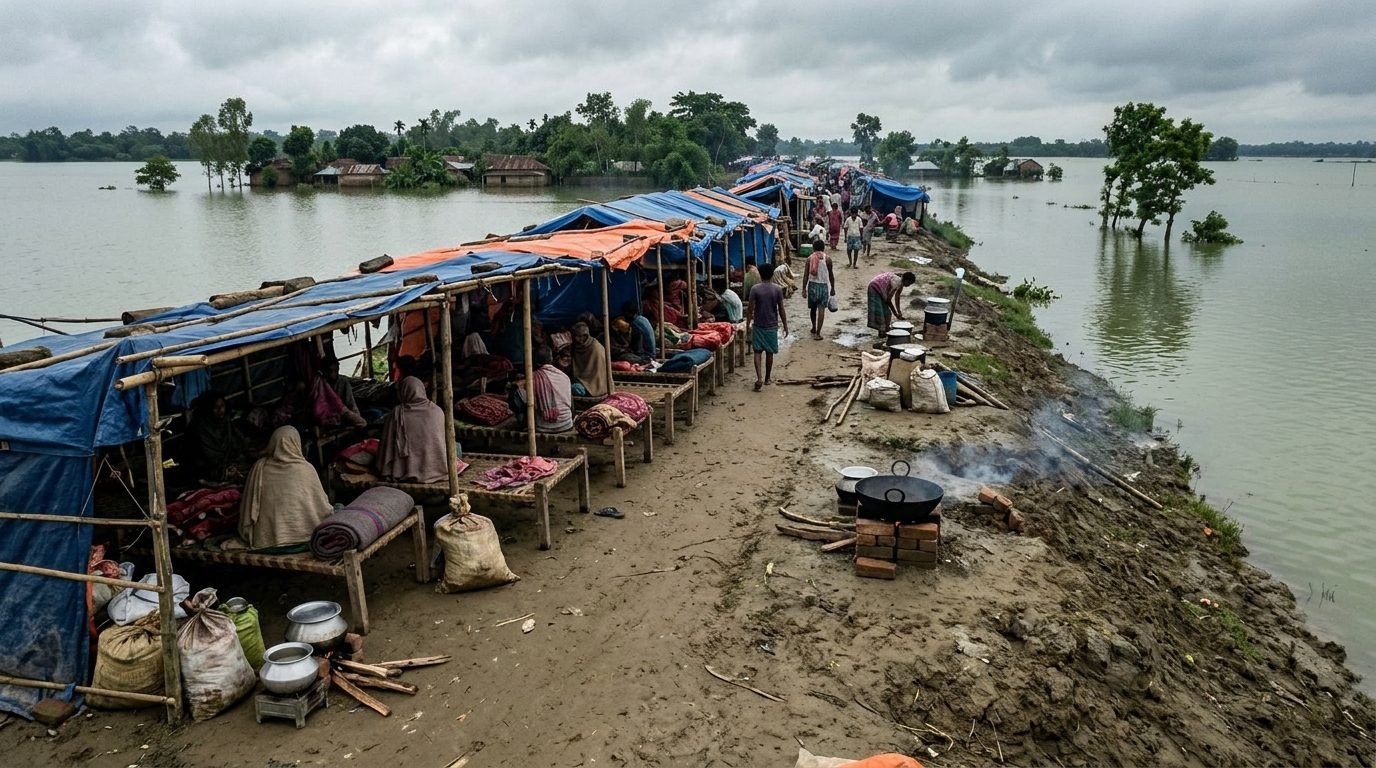
Assam Floods Worsen As Barak Valley Reels And Lakhs Take Shelter
Nearly seven lakh people across more than twenty districts are battling rising waters as the Brahmaputra and Barak rivers swell, with Chief Minister Himanta Biswa Sarma touring the worst-hit south of the state.
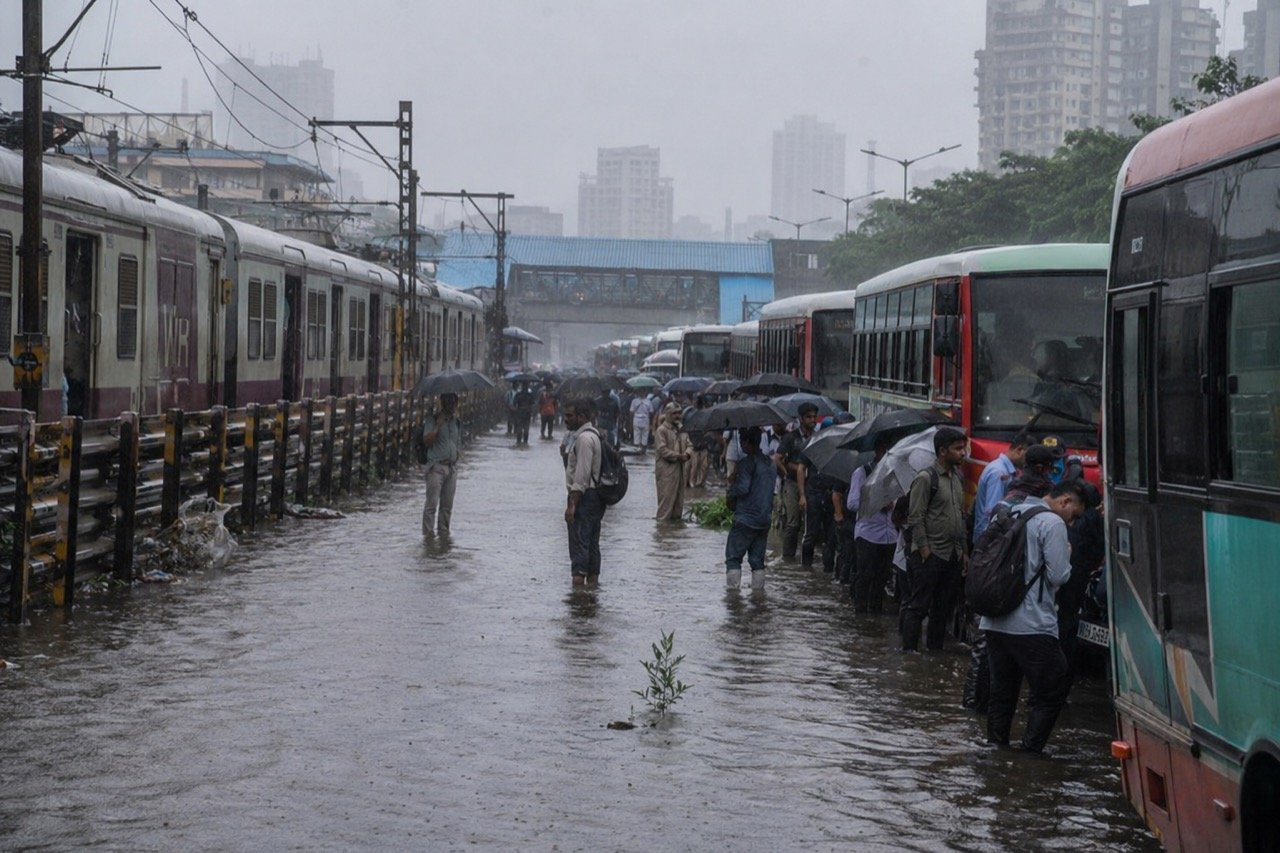
Mumbai Floods: Red Alert Rain Disrupts Roads, Trains and Metro
Heavy rain of over 200 mm in about 10 hours triggered a red alert in Mumbai, flooding roads and disrupting local trains and Metro services in a fresh test of the city's monsoon preparedness.
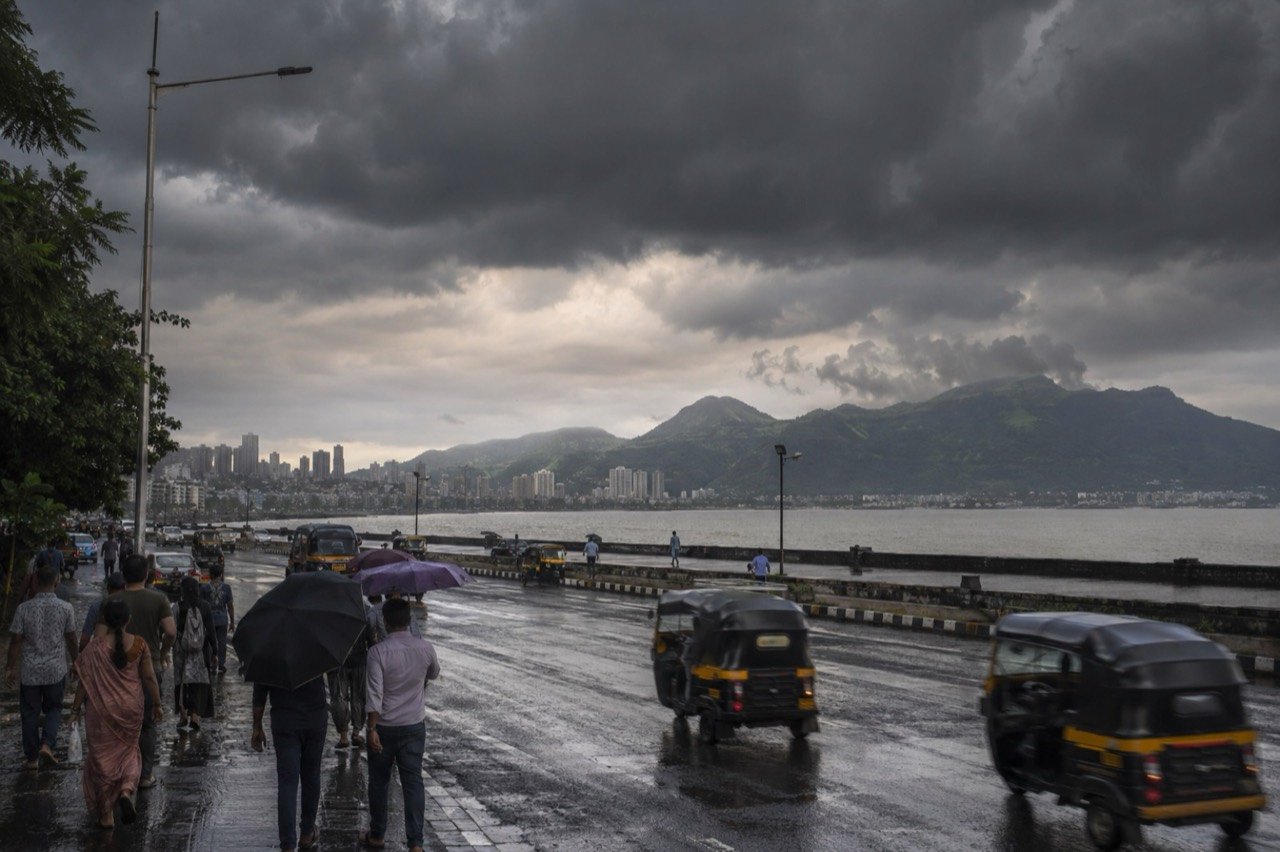
Monsoon Revival Forecast Triggers Rain Alerts Across India as Heat Lingers
India's southwest monsoon is set to regain strength this week, bringing very heavy rain to the Northeast and Maharashtra even as central districts stay under heatwave warnings.
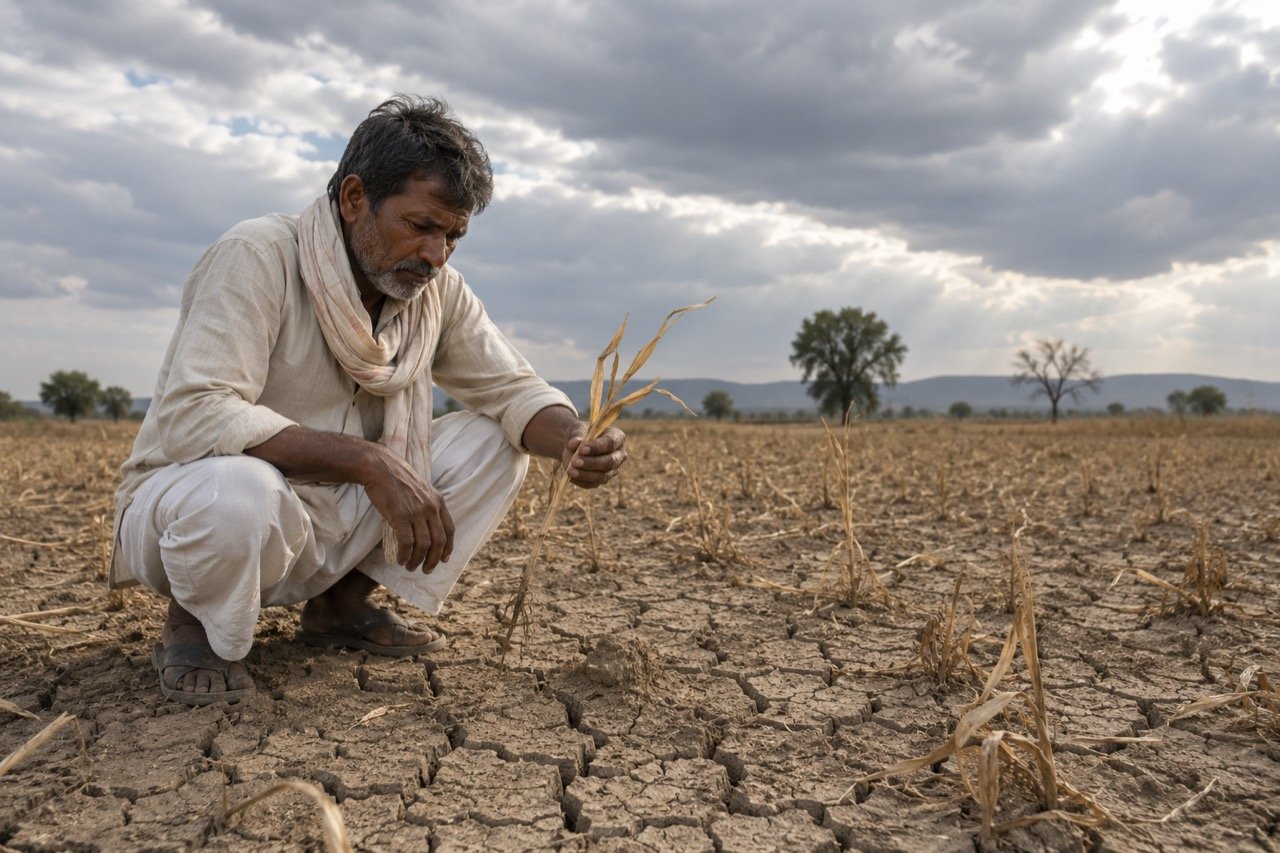
Drought Spreads Across India, Deepening Distress for Farmers
Drought conditions are extending across parts of India, compounding stress for farmers already grappling with uncertain rainfall, rising input costs and difficult sowing decisions at a critical point in the season.
More from this section
More
AICTE Industry Fellowship 2026: Rs 1.5 Lakh Scheme Closes July 5
The AICTE Industry Fellowship Programme 2026, which places technical-education faculty inside leading companies on a Rs 1.5 lakh monthly stipend, reached its application deadline on July 5.
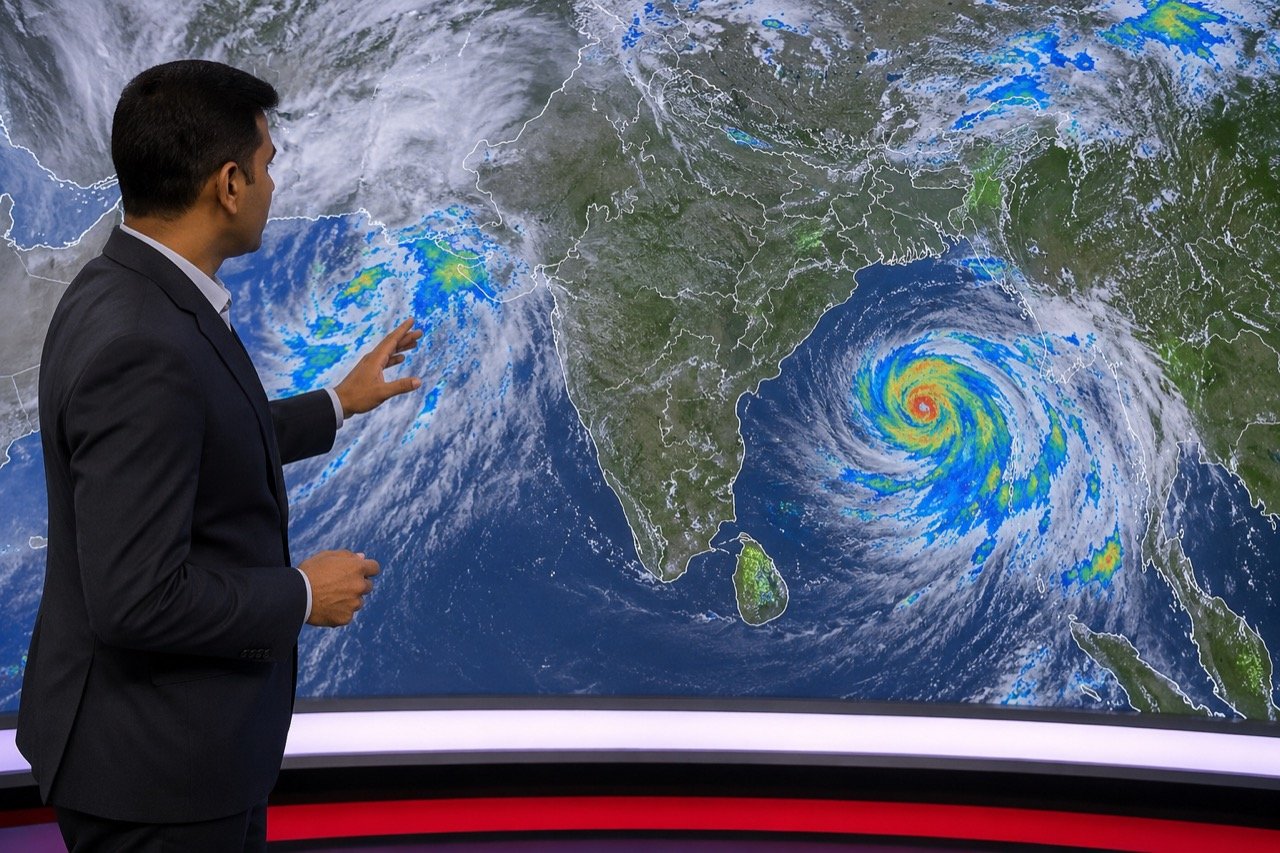
Bay of Bengal Low Pressure System Revives Monsoon Over Western India
A low-pressure system over the Bay of Bengal has pushed the monsoon back into an active phase, bringing steady heavy rain to Kerala, coastal Karnataka and Maharashtra, and putting Mumbai and Pune on preparedness watch.
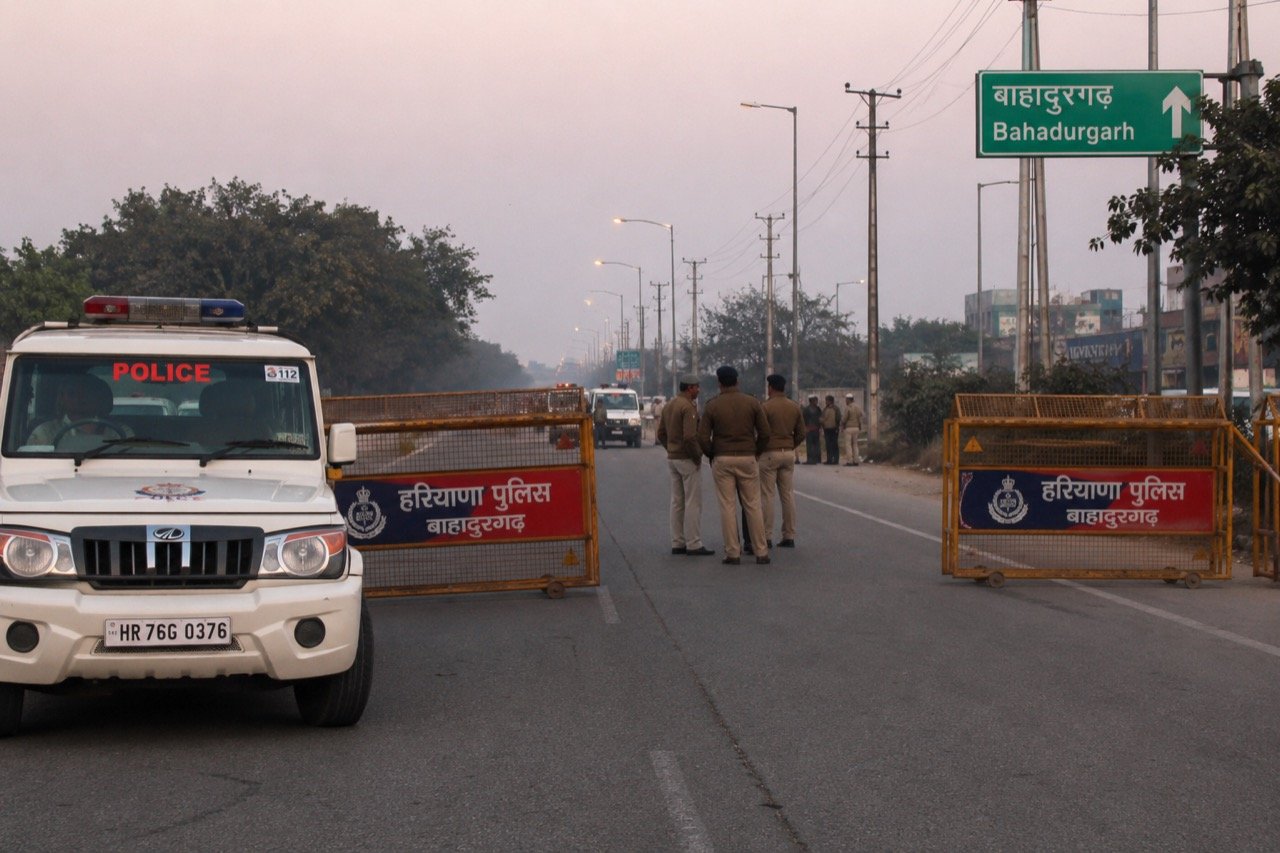
Bishnoi Gang Suspects Injured in Haryana Encounter as Police Tighten Net
A joint Haryana-Delhi Police operation in Bahadurgarh left two suspected Lawrence Bishnoi gang members injured, spotlighting the multi-state coordination now central to India's fight against organised crime networks.