Monsoon Arrives Early Across the South, Lifting India's Farm Outlook
The southwest monsoon has swept in ahead of schedule, raising hopes for a strong kharif sowing season and easing inflation worries — though officials urge caution on how the rains spread.
Commentary & Analysis ·
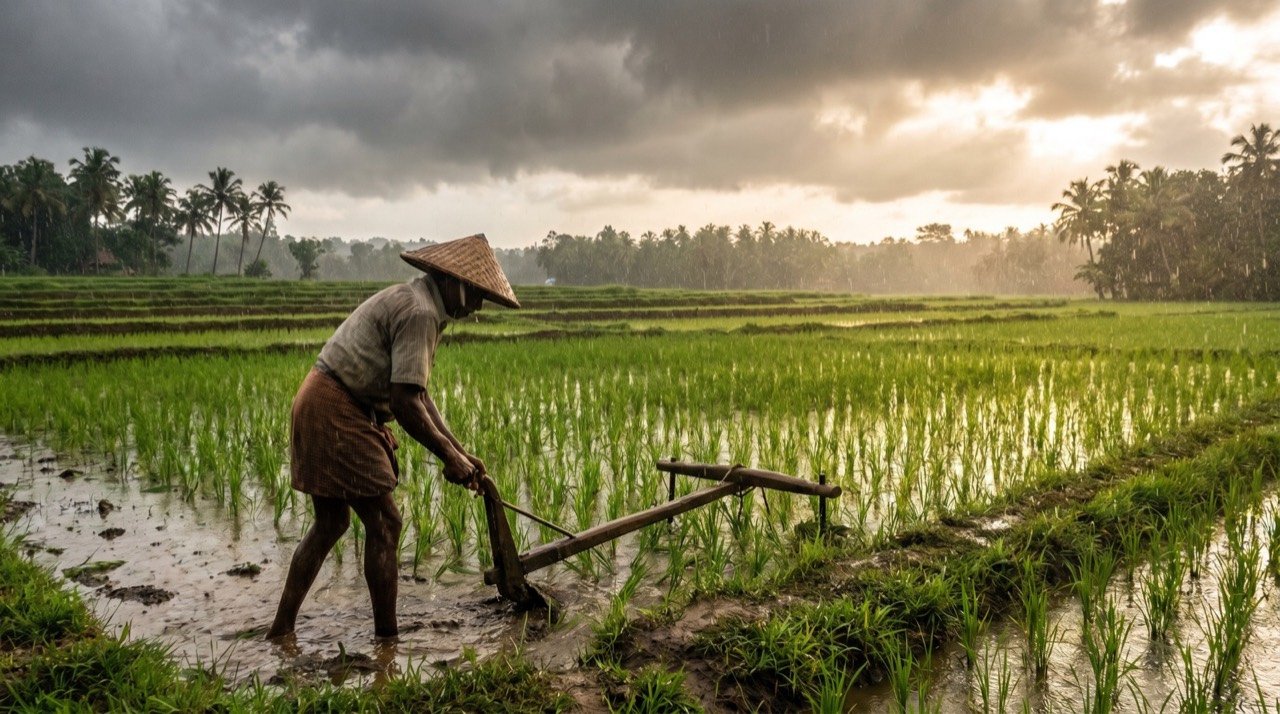
The southwest monsoon reached the southern coast earlier than the long-period average this year, the India Meteorological Department confirmed, setting off a wave of cautious optimism among farmers, economists and policymakers alike. The seasonal rains, which sweep up the subcontinent over the following weeks, are the single most important weather event in India's economic calendar, and an early onset is often read as an encouraging signal at the very start of the agricultural year.
An early and well-distributed monsoon is the lifeblood of the rural economy, watering nearly half of India's farmland that still depends on rain rather than irrigation. Agriculture supports the livelihoods of close to half the country's workforce, and a good season tends to ripple outward into rural spending and consumer demand. When the rains arrive on time and spread evenly, the benefits extend far beyond the fields, touching everything from grain prices in city markets to the sales of tractors and motorcycles in small towns.
Why the monsoon matters so much
India's dependence on the monsoon is rooted in geography and history. The four-month rainy season delivers the bulk of the country's annual rainfall, replenishing rivers, reservoirs and groundwater that sustain crops, hydropower and drinking-water supplies through the drier months. Although decades of investment in irrigation and water management have softened the impact of poor years, vast tracts of farmland remain rain-fed, leaving the fortunes of millions of households tied to the timing and strength of the clouds.
Because agriculture remains so central to employment and rural incomes, the monsoon also shapes the broader mood of the economy. A strong season tends to lift confidence, loosen purse strings in the countryside and feed demand for consumer goods, while a weak one can dampen sentiment and strain household budgets long after the rains have passed.
What it means for prices
Economists say a bountiful season could help cool stubborn food inflation, which has weighed on household budgets through the year. Pulses, vegetables and cereals are especially sensitive to rainfall, and a healthy harvest would ease pressure on the Reserve Bank of India as it weighs the path of interest rates. Lower and more stable food prices would give policymakers greater room to support growth, while also relieving the squeeze on families who spend a large share of their income on essentials.
“A timely monsoon changes the mood of the entire economy. It is not just about output — it is about sentiment in half a billion lives.”
— A Mumbai-based economist
The caveats officials are watching
Officials cautioned, however, that the early onset is only the first chapter. Distribution over the coming months — whether rain falls evenly across regions and weeks — will ultimately decide the size of the harvest. A monsoon that arrives early but then stalls, or that dumps heavy rain on some districts while leaving others parched, can do as much harm as good, damaging standing crops in one place and leaving fields thirsty in another.
For that reason, forecasters and agricultural planners will be tracking the season's progress week by week rather than reading too much into the early start alone. The key variables they will follow include the timing of sowing, the recovery of water-storage levels and the spread of rainfall across the major growing belts.
- Kharif sowing of rice, pulses and oilseeds set to begin
- Reservoir levels expected to recover after a dry spell
- Rural demand for tractors and two-wheelers likely to rise
- Even distribution remains the key variable to watch
The outlook
For now, the early arrival has lifted spirits in the countryside — a welcome sign at the start of the most important season in the agricultural calendar. Whether that early promise translates into a bumper harvest will depend on how the rains behave in the weeks ahead, but the opening note has been a hopeful one for farmers and the wider economy that leans on their success.
The NE Times View
An early monsoon is genuinely good news for kharif sowing and for cooling food inflation, but the calendar of onset matters far less than the distribution that follows. India has seen early arrivals fizzle into erratic, patchy rain that ruins as much as it waters. The officials urging caution are right. Farmers and policymakers should temper optimism until the spread is clear; a strong start guarantees nothing about the season's end.
You may also like to read
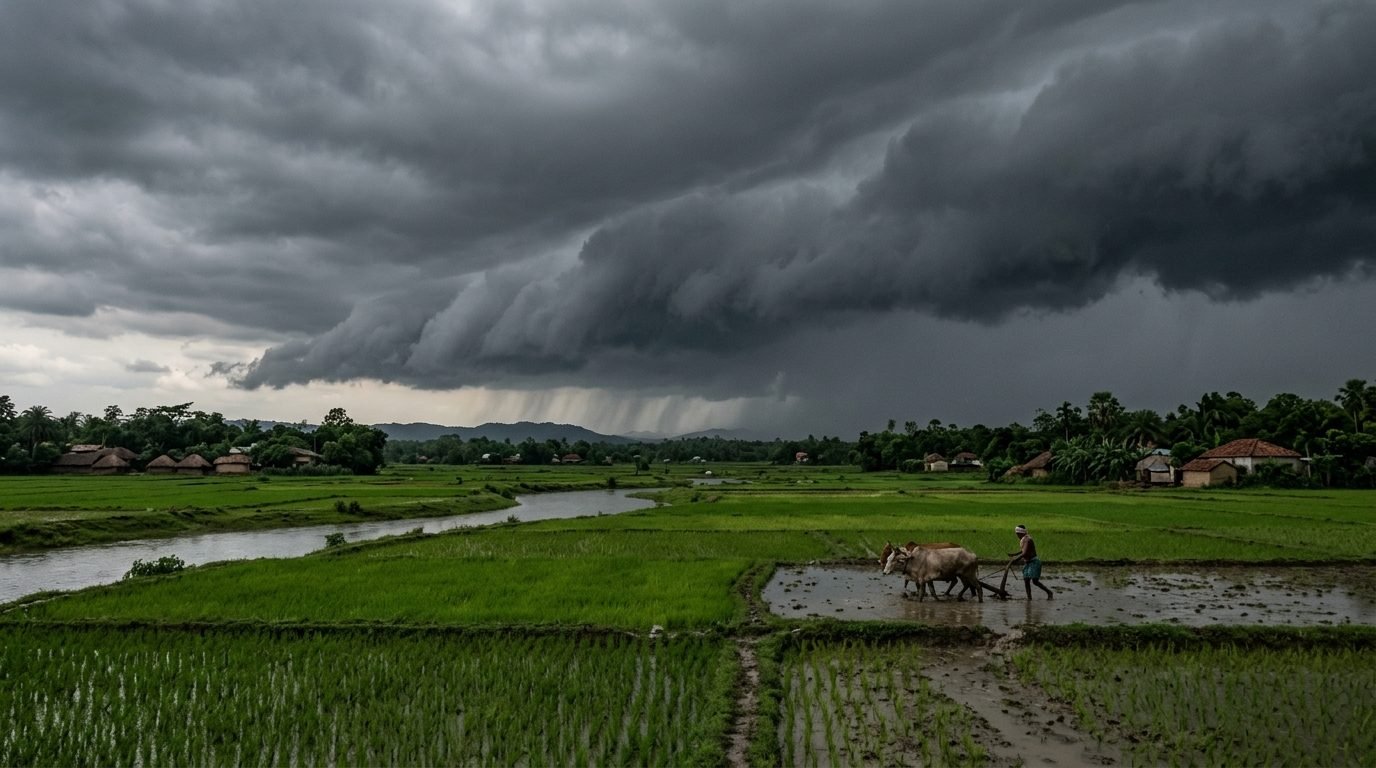
Monsoon advances across the country in June, but IMD warns of a below-normal season
After reaching Kerala on 4 June, the southwest monsoon has spread into eastern and central India, even as the weather office trims its seasonal rainfall forecast to 90% of the long-period average.
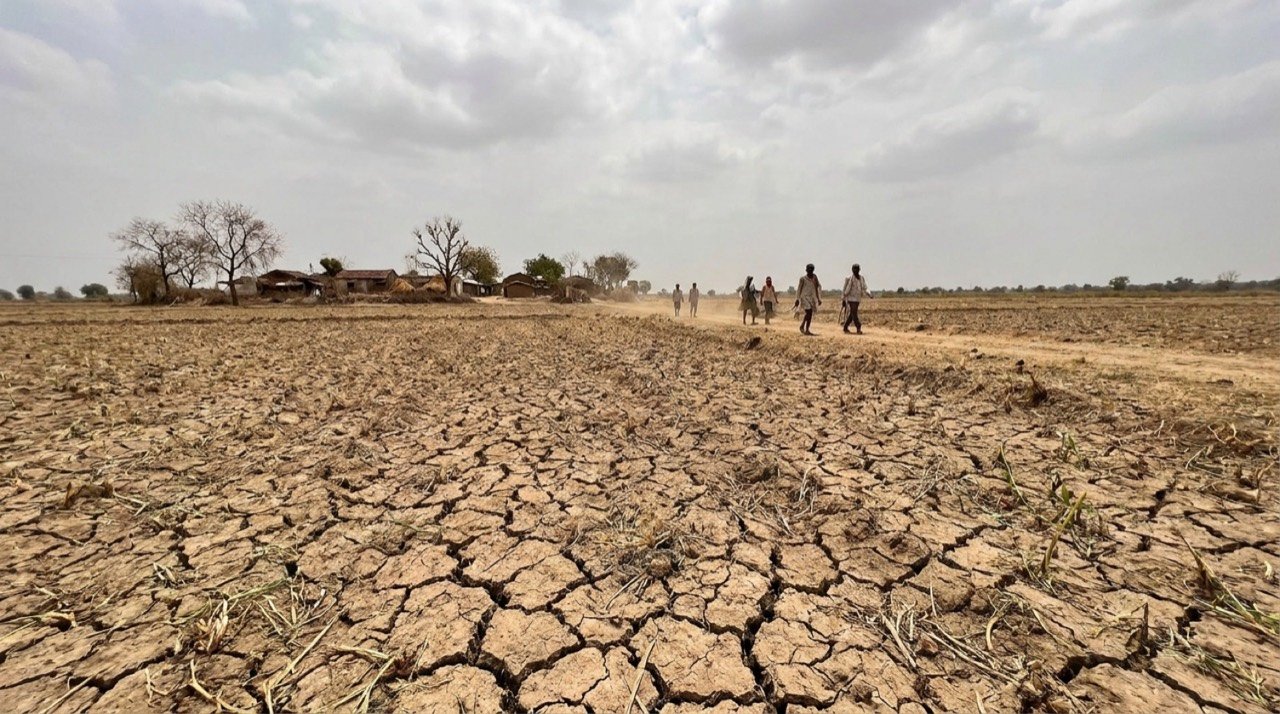
Monsoon Deficit Triggers Farm Contingency Mapping Across 315 Districts
A weak June monsoon, with the rain deficit reported at 43 percent, has pushed the Centre to map 315 districts for contingency measures and tighten oversight of kharif sowing.
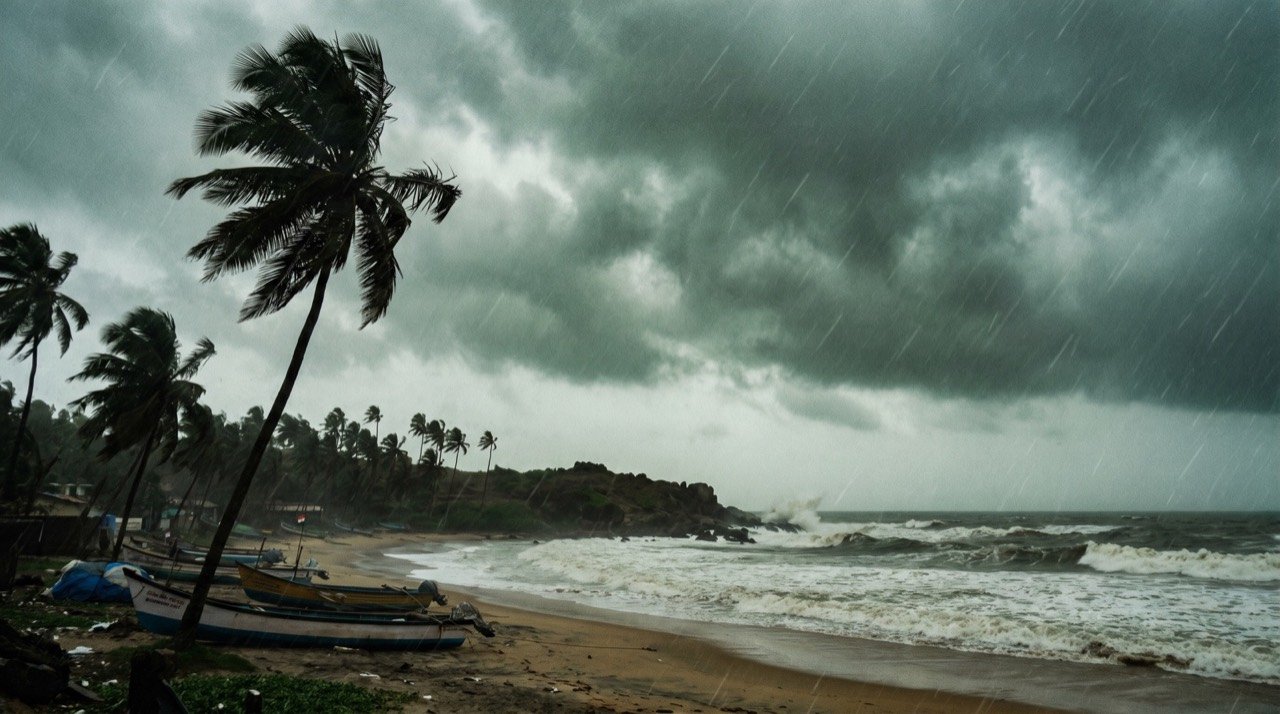
Monsoon Spreads Across South and East India as IMD Tracks Advance
The southwest monsoon, which arrived early over Kerala in late May, has advanced across much of southern and eastern India through early-to-mid June, though cumulative June rainfall has run below normal.
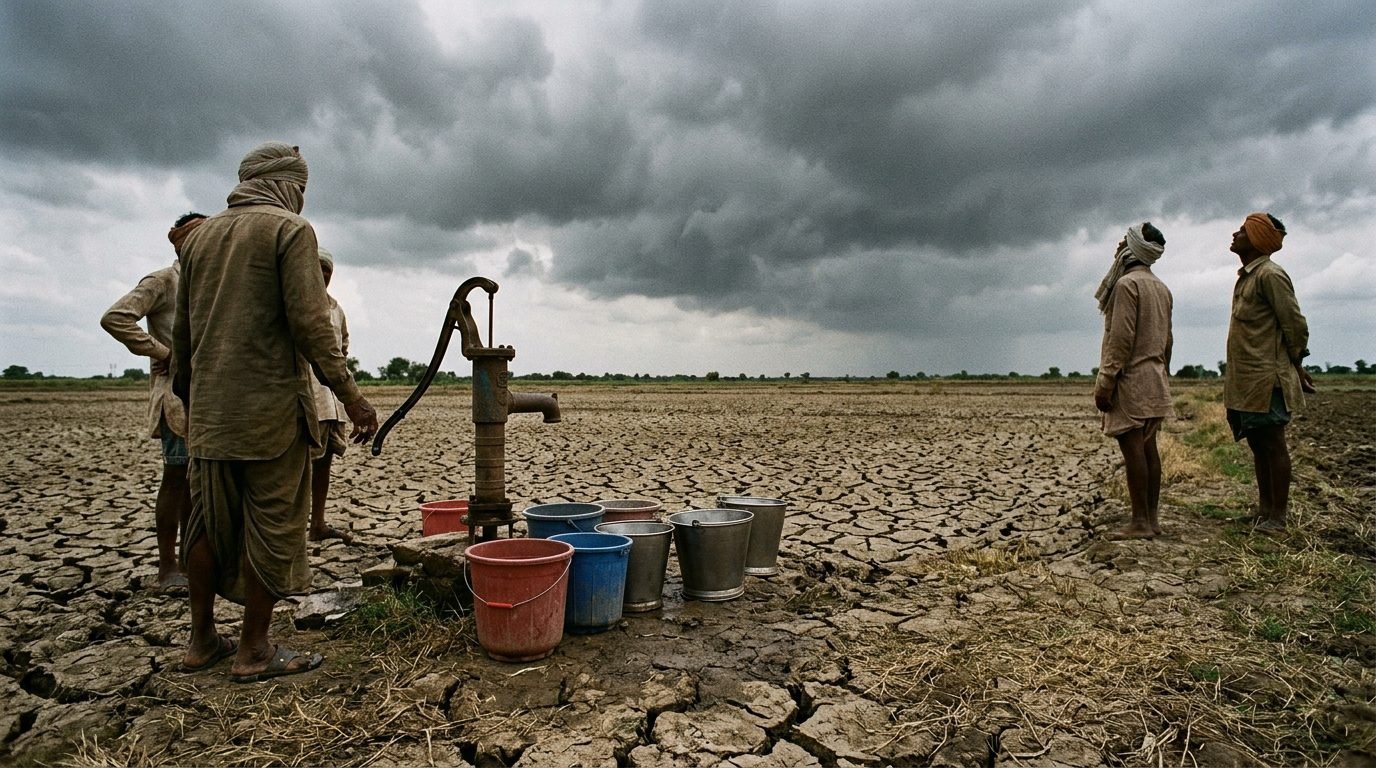
Monsoon 2026 Begins Under An El Nino Shadow As IMD Warns Of A Deficit
With the southwest monsoon now advancing across the country, the IMD has cautioned that rainfall could fall below normal this season, raising concern for farms, reservoirs and the wider economy.
More from this section
More
AICTE Industry Fellowship 2026: Rs 1.5 Lakh Scheme Closes July 5
The AICTE Industry Fellowship Programme 2026, which places technical-education faculty inside leading companies on a Rs 1.5 lakh monthly stipend, reached its application deadline on July 5.
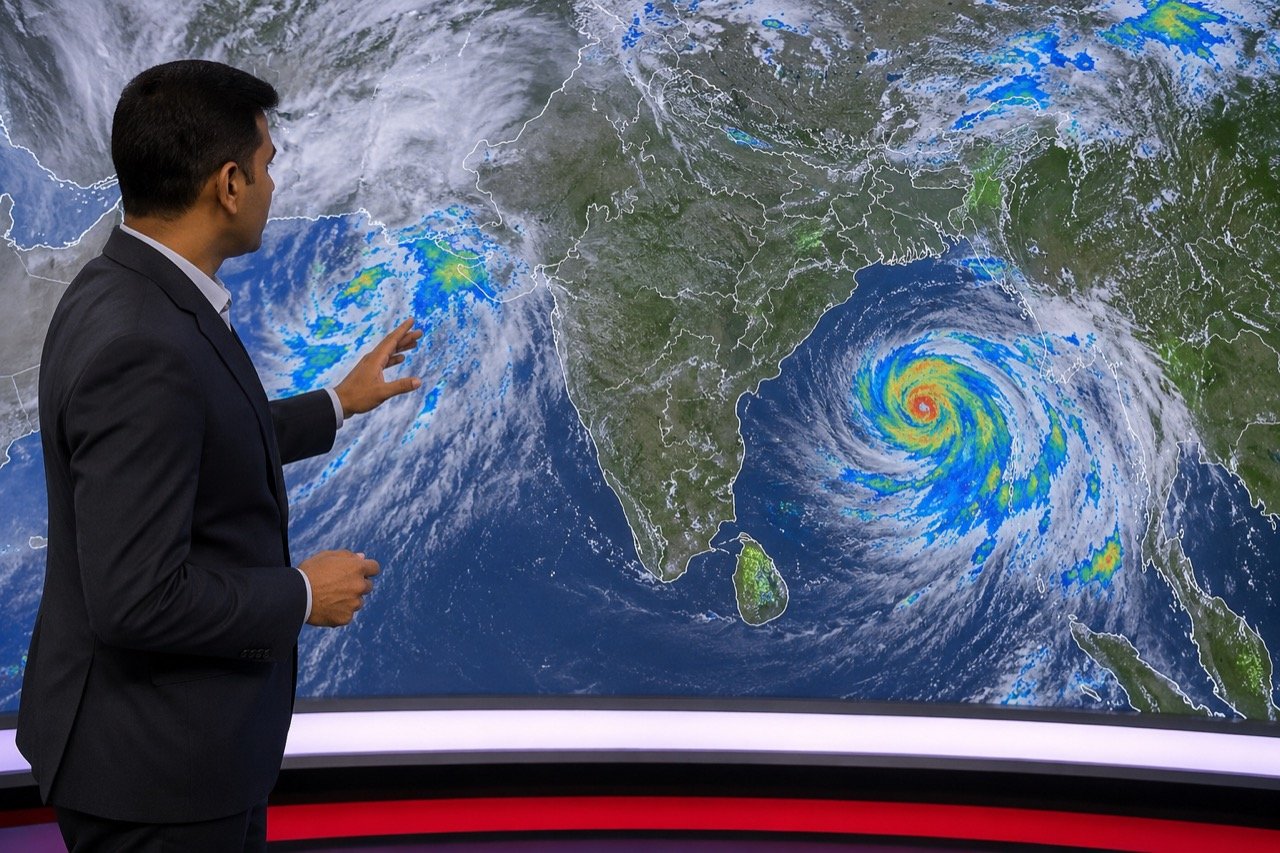
Bay of Bengal Low Pressure System Revives Monsoon Over Western India
A low-pressure system over the Bay of Bengal has pushed the monsoon back into an active phase, bringing steady heavy rain to Kerala, coastal Karnataka and Maharashtra, and putting Mumbai and Pune on preparedness watch.
Bishnoi Gang Suspects Injured in Haryana Encounter as Police Tighten Net
A joint Haryana-Delhi Police operation in Bahadurgarh left two suspected Lawrence Bishnoi gang members injured, spotlighting the multi-state coordination now central to India's fight against organised crime networks.