Monsoon advances across the country in June, but IMD warns of a below-normal season
After reaching Kerala on 4 June, the southwest monsoon has spread into eastern and central India, even as the weather office trims its seasonal rainfall forecast to 90% of the long-period average.
Commentary & Analysis ·
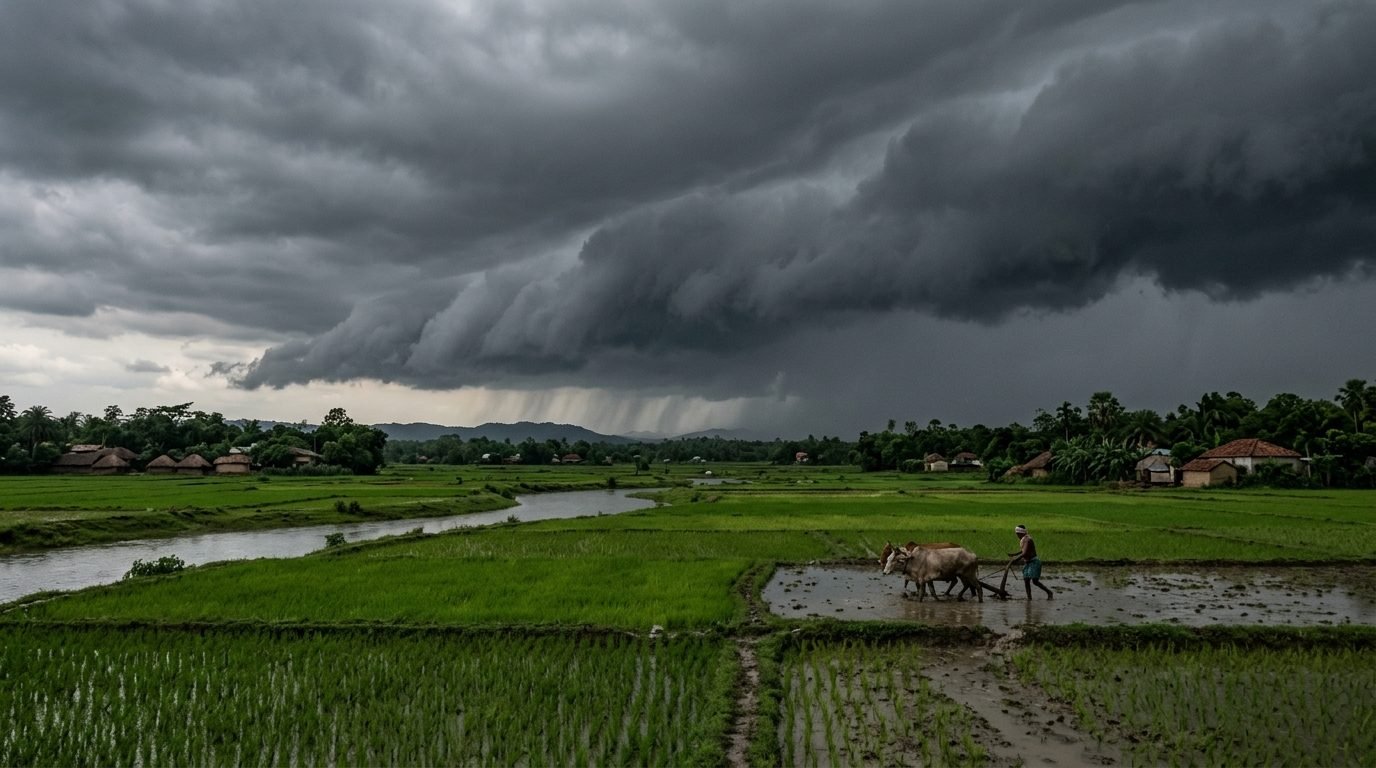
The southwest monsoon has continued its advance across India through the first half of June, bringing rain to large swathes of the east and centre of the country, even as the India Meteorological Department cautions that the season as a whole is likely to deliver below-normal rainfall. The dual picture, of a spreading monsoon set against a subdued seasonal forecast, frames the outlook for farmers and policymakers alike.
The monsoon reached Kerala on 4 June, slightly later than the normal onset date. Since then, it has progressed steadily, advancing into the northeastern states, Sikkim and parts of sub-Himalayan West Bengal earlier in the month, and pushing further into Andhra Pradesh, Telangana, Odisha, Jharkhand, Bihar and West Bengal by mid-June.
A measured advance
The geographic spread of the monsoon during June is closely tracked because timely and well-distributed rainfall is critical for the sowing of kharif crops. The IMD's updates through the month showed the system covering successive regions on schedule, a development that offers some reassurance to agricultural planning even as questions remain about the total volume of rain to come.
The monsoon supplies the bulk of India's annual rainfall and underpins both rain-fed farming and the replenishment of reservoirs that supply drinking water, irrigation and hydropower. Its behaviour over the four-month season therefore carries consequences that extend well beyond agriculture into the wider economy.
The forecast that gives pause
Set against the advance is a cautious seasonal outlook. The IMD has forecast rainfall at 90 per cent of the long-period average, a downward revision from its earlier estimate, and has put the probability of a deficient season at around 60 per cent. The weather office expects El Nino conditions to develop during the season, a pattern historically associated with suppressed rainfall over India.
Of particular concern is the monsoon core zone, the swathe of central, western and eastern India where much agriculture remains rain-fed. Rainfall over this region is projected to fall below normal, which could add to stress in areas least able to compensate through irrigation.
- Monsoon onset over Kerala on 4 June, slightly later than normal
- Advanced into the northeast, Sikkim and sub-Himalayan West Bengal by 9 June
- Covered more of Andhra Pradesh, Telangana, Odisha, Jharkhand and Bihar by 15 June
- Seasonal rainfall forecast trimmed to 90% of the long-period average
- Around 60% probability of a deficient season, with El Nino expected to develop
What is at stake
A below-normal monsoon raises the prospect of weaker farm output, pressure on food prices and strain on water resources, particularly in regions dependent on rain. The forecast has implications for rural incomes and for the broader inflation outlook, given the heavy weight of food in the consumer price basket. Regional variation will matter: the IMD expects normal to above-normal rainfall in parts of the northwest and northeast and pockets of the south, even as the core zone runs dry.
Authorities have used such forecasts in the past to prepare contingency measures, from advisories on crop choices to water-management planning, in an effort to soften the impact of a poor season.
Outlook
The coming weeks will test whether the monsoon's orderly advance is matched by adequate rainfall, or whether the El Nino signal translates into the deficit the IMD fears. For now, the picture is mixed: rain is arriving across much of the country on schedule, but the season's total may fall short of what farmers and reservoirs need. The next set of updates from the weather office, and the distribution of rain through July, will be decisive.
The NE Times View
An early Kerala onset is welcome, but a trimmed forecast of 90% of average is a warning India cannot shrug off: the monsoon still underwrites farm incomes, reservoir levels and inflation. Distribution will matter more than the topline number, since a below-normal season unevenly spread can hurt sowing in key belts. Policymakers should be planning now for buffer stocks and rural support rather than waiting for a deficit to crystallise.
This article is original commentary and analysis by The NE Times. Background facts were referenced from Down To Earth and PIB.
You may also like to read
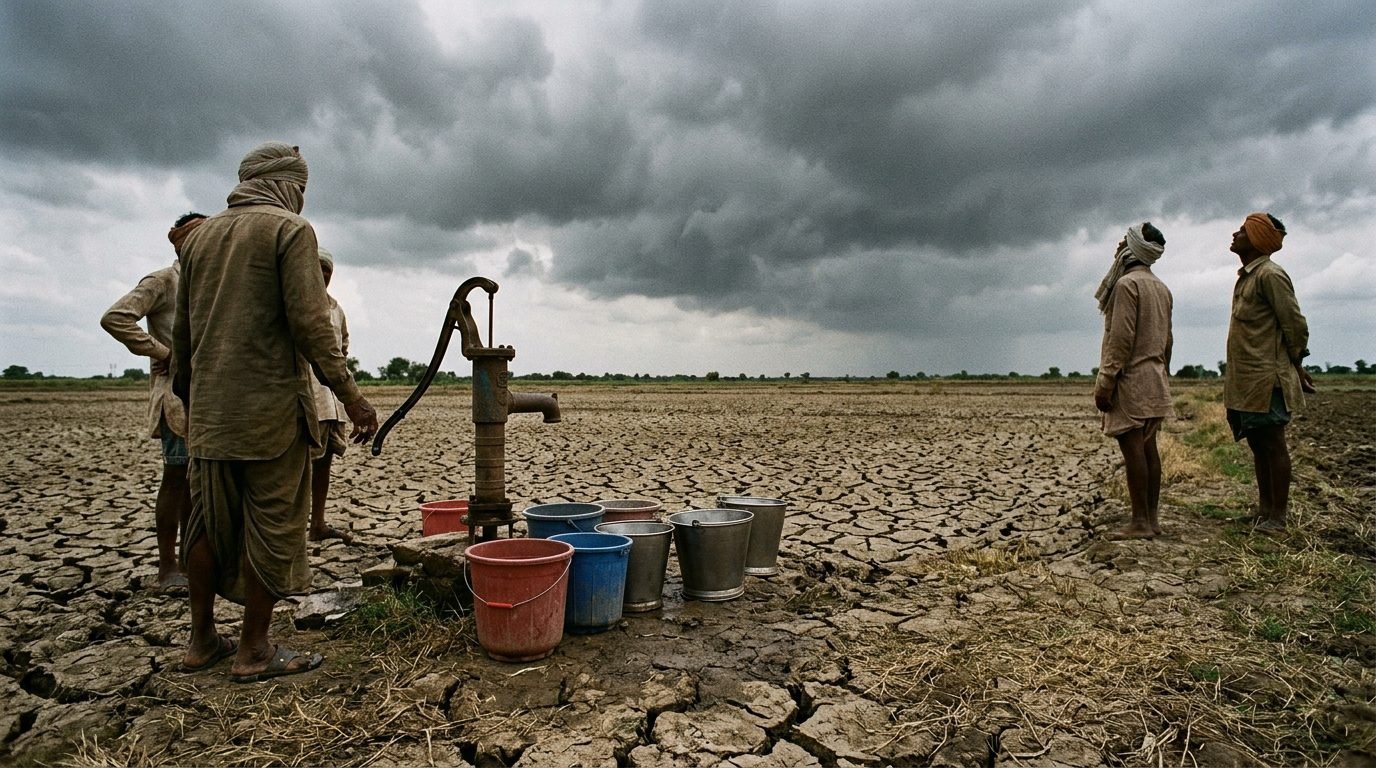
Monsoon 2026 Begins Under An El Nino Shadow As IMD Warns Of A Deficit
With the southwest monsoon now advancing across the country, the IMD has cautioned that rainfall could fall below normal this season, raising concern for farms, reservoirs and the wider economy.
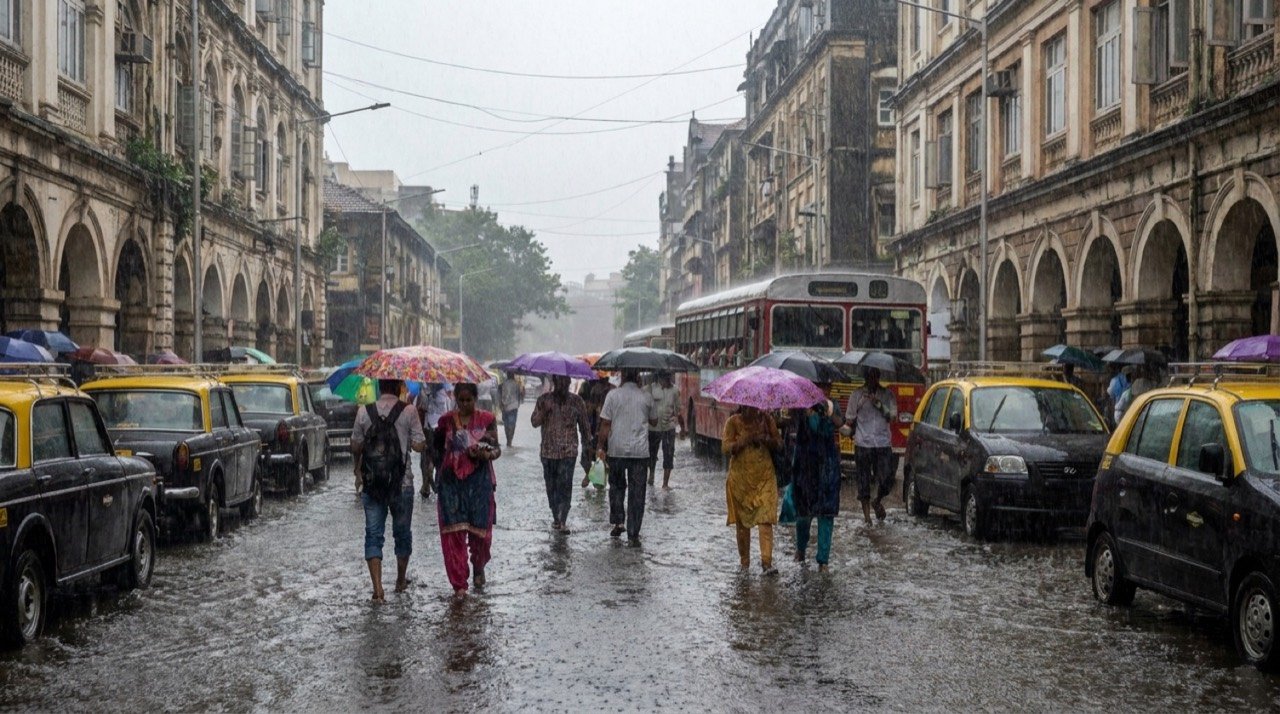
Monsoon Advances Toward Mumbai and Eastern India as Rain Alerts Issued
The southwest monsoon has resumed its march after a brief pause, with weather agencies forecasting widespread and locally heavy rain across Mumbai, Maharashtra, eastern and central India.
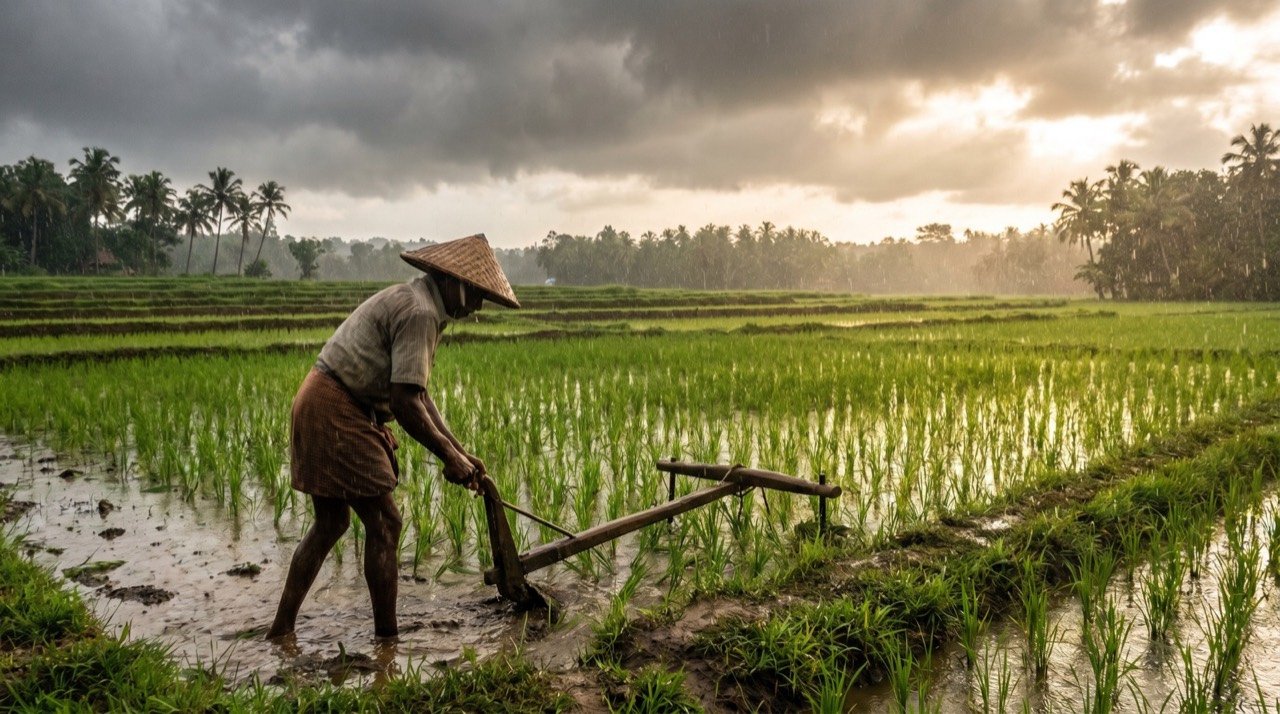
Monsoon Arrives Early Across the South, Lifting India's Farm Outlook
The southwest monsoon has swept in ahead of schedule, raising hopes for a strong kharif sowing season and easing inflation worries — though officials urge caution on how the rains spread.
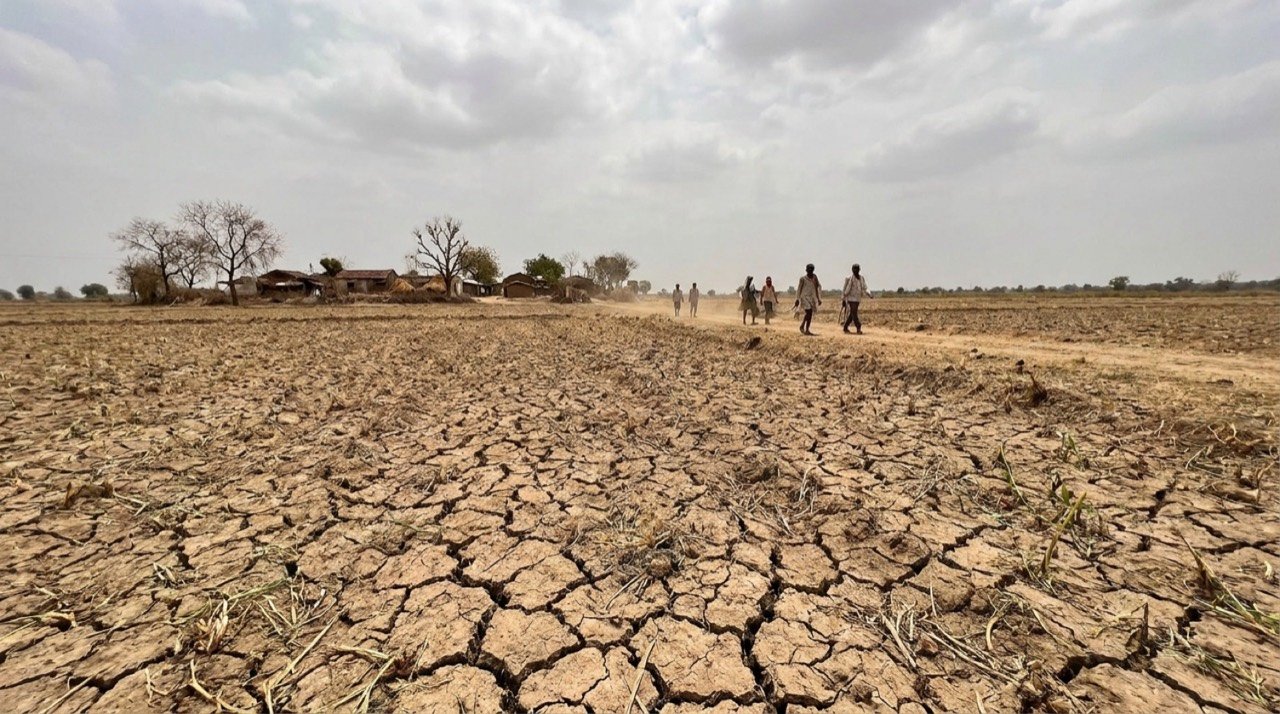
Monsoon Deficit Triggers Farm Contingency Mapping Across 315 Districts
A weak June monsoon, with the rain deficit reported at 43 percent, has pushed the Centre to map 315 districts for contingency measures and tighten oversight of kharif sowing.
More from this section
More
AICTE Industry Fellowship 2026: Rs 1.5 Lakh Scheme Closes July 5
The AICTE Industry Fellowship Programme 2026, which places technical-education faculty inside leading companies on a Rs 1.5 lakh monthly stipend, reached its application deadline on July 5.
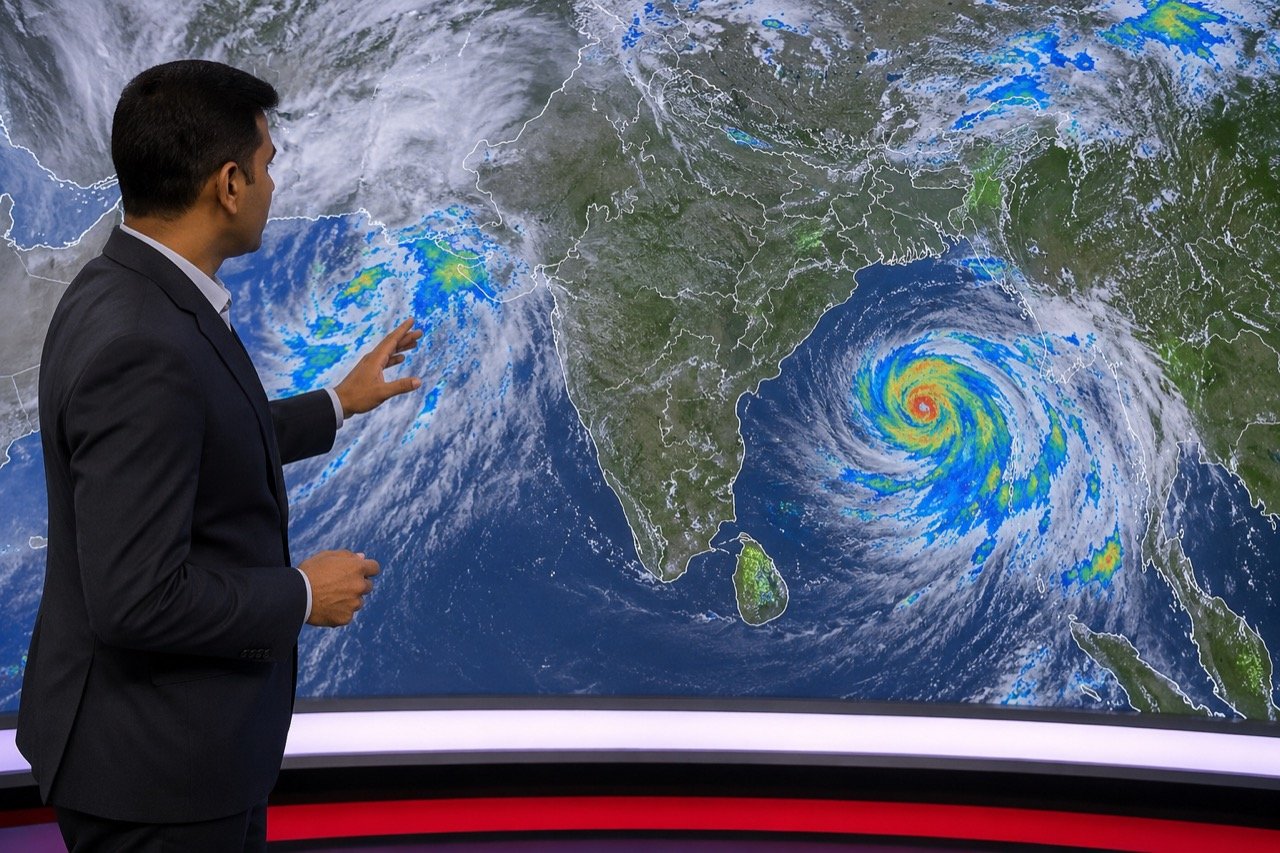
Bay of Bengal Low Pressure System Revives Monsoon Over Western India
A low-pressure system over the Bay of Bengal has pushed the monsoon back into an active phase, bringing steady heavy rain to Kerala, coastal Karnataka and Maharashtra, and putting Mumbai and Pune on preparedness watch.
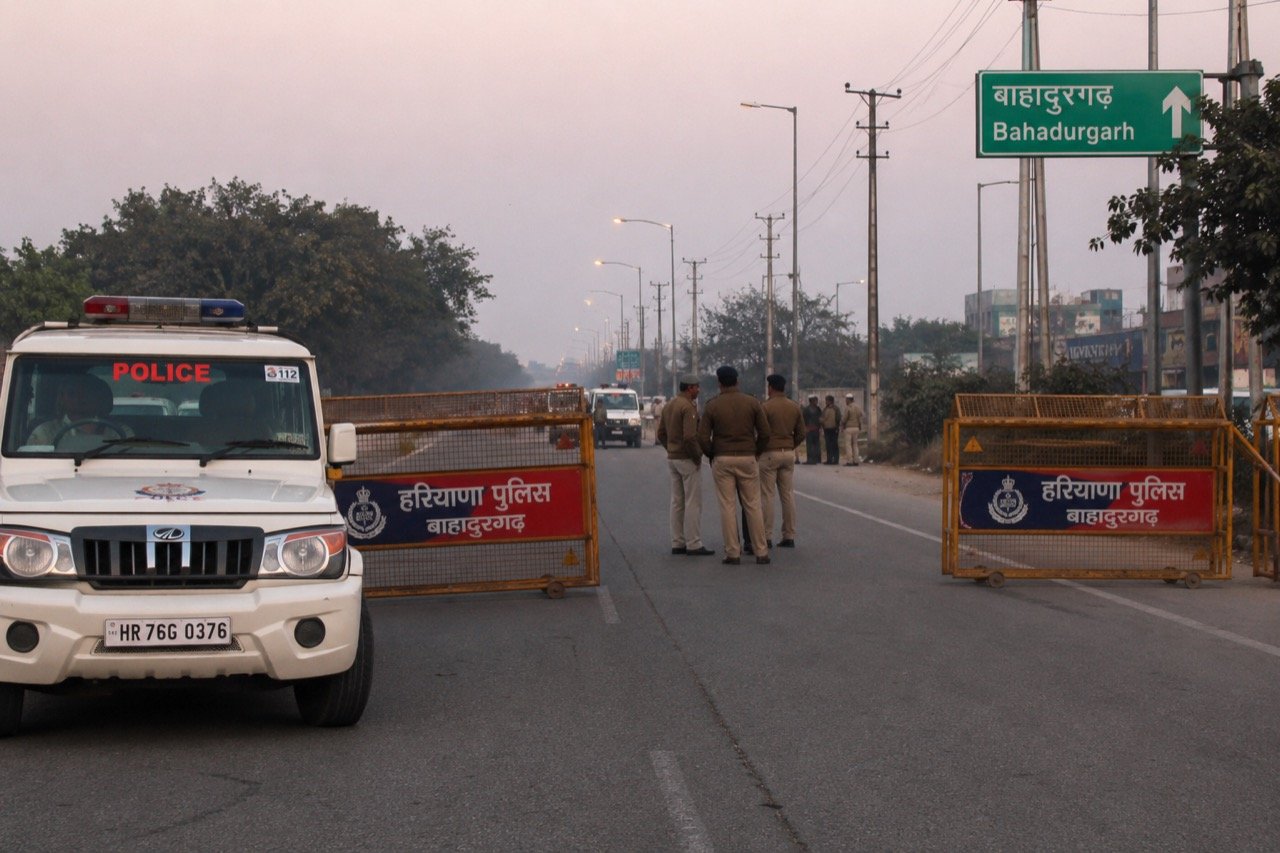
Bishnoi Gang Suspects Injured in Haryana Encounter as Police Tighten Net
A joint Haryana-Delhi Police operation in Bahadurgarh left two suspected Lawrence Bishnoi gang members injured, spotlighting the multi-state coordination now central to India's fight against organised crime networks.