Misty Valleys and Cheaper Fares: India's Offbeat Monsoon Travel Boom in 2026
With domestic fares falling sharply and travellers seeking solitude, offbeat Himalayan hamlets, the rain-soaked Northeast and Ladakh's rain-shadow deserts are redrawing India's monsoon travel map in 2026.
Commentary & Analysis ·
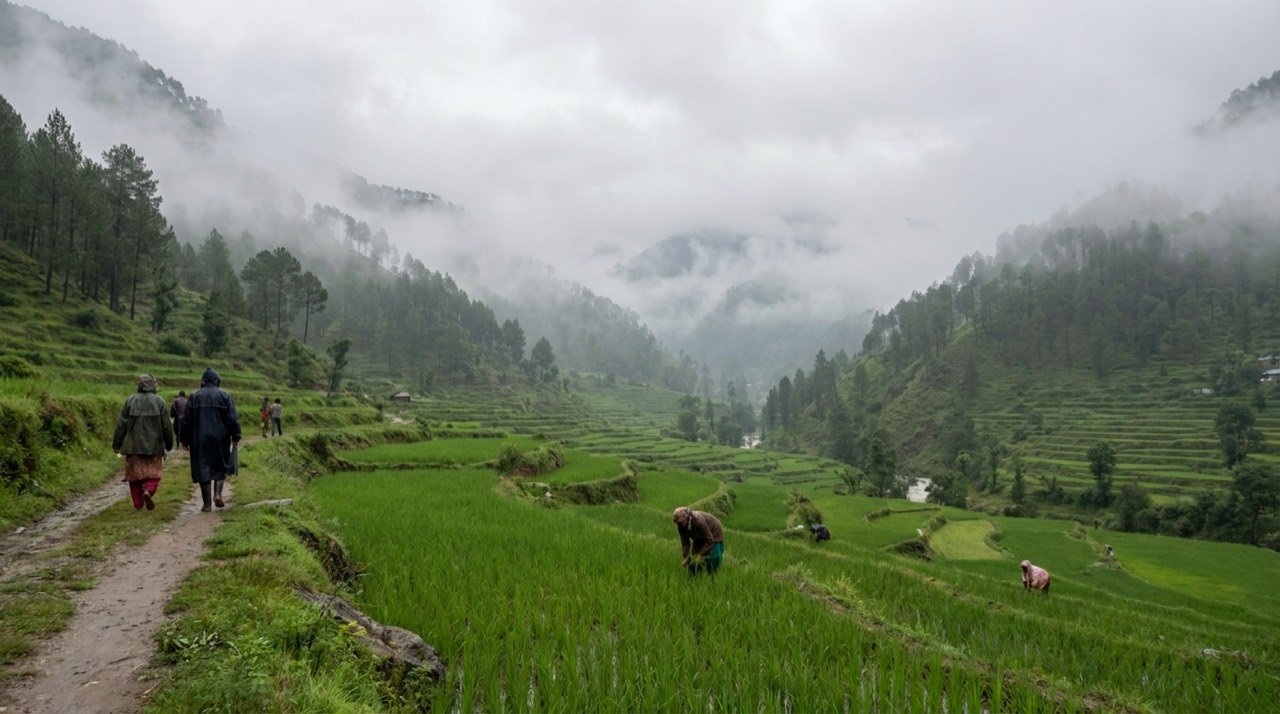
The monsoon was once the season Indian travellers avoided. In 2026 it has become the season they chase. With the southwest monsoon having arrived early this year and the rains now spreading across the country, a growing cohort of travellers is swapping crowded hill stations for quiet valleys, misty plantations and rain-shadow deserts, helped along by a sharp drop in travel costs.
The economics of rainy-season travel
Affordability is a powerful driver. Domestic flight fares on popular routes can fall by 30 to 50 percent compared with peak-winter pricing, while hotel rates across much of the country dip significantly from July through early September. For budget-conscious and remote-working travellers, the monsoon now offers premium destinations at off-season prices.
That value equation has reshaped demand. Travel operators report rising interest in slower, longer stays and homestay-led itineraries, where the appeal is solitude and immersion rather than a packed sightseeing checklist.
Where India is heading this monsoon
Offbeat Himachal hamlets such as Jibhi, Shoja and the Tirthan Valley are drawing those seeking riverside homestays and quiet, while Harsil near the Gangotri route offers a hushed Uttarakhand alternative. In the Northeast, Shillong serves as a base for the living root bridges of Cherrapunji and the famously clean village of Mawlynnong, and Arunachal's Ziro Valley becomes a living painting of mist and paddy fields, with stays run by Apatani families.
- Jibhi, Shoja and Tirthan Valley in Himachal for riverside calm and trout streams
- Shillong, Cherrapunji and Mawlynnong for waterfalls and root bridges
- Ziro Valley in Arunachal Pradesh for mist, paddy fields and Apatani homestays
- Tamhini Ghat and Mahabaleshwar in the Western Ghats for spontaneous waterfalls
- Ladakh's rain-shadow expanse, including Pangong, Nubra and Zanskar, for clear skies
Rain lovers and rain dodgers alike
The Western Ghats remain the classic monsoon magnet, with Tamhini Ghat, Lonavala and Mahabaleshwar turning lush and waterfall-laced within easy reach of Mumbai and Pune. For travellers who want the season without the downpour, Ladakh sits in a rain-shadow zone with clear skies even as the rest of India floods, making Pangong Lake and the Nubra Valley reliable monsoon escapes.
“People used to ask where to avoid in the rains. Now they ask where the rain looks most beautiful, and where they can have it almost to themselves.”
As the season deepens, the broader trend is clear: monsoon travel in India has matured from a niche for rain enthusiasts into a mainstream value proposition. Lower fares, the lure of solitude and a homestay economy across the hills and the Northeast are turning the wettest months into one of the most rewarding times to explore the country.
The NE Times View
Cheaper fares plus a hunger for solitude is a real opportunity for the Northeast and Himalayan hamlets long starved of tourist revenue. But the monsoon is also landslide and cloudburst season, and fragile hill ecologies buckle fast under unmanaged footfall. The smart move is for states to court these travellers with safety, road resilience and carrying-capacity limits, not just discounts that flood unprepared villages.
This article is original commentary and analysis by The NE Times. Background facts were referenced from The Indian Express and Outlook.
You may also like to read

Mist, Waterfalls and Cheaper Fares: The Western Ghats Beckon This Monsoon
With an early monsoon onset and below-normal rainfall forecasts, the Western Ghats offer rain-washed hill stations and waterfalls at a fraction of peak-season travel costs in 2026.
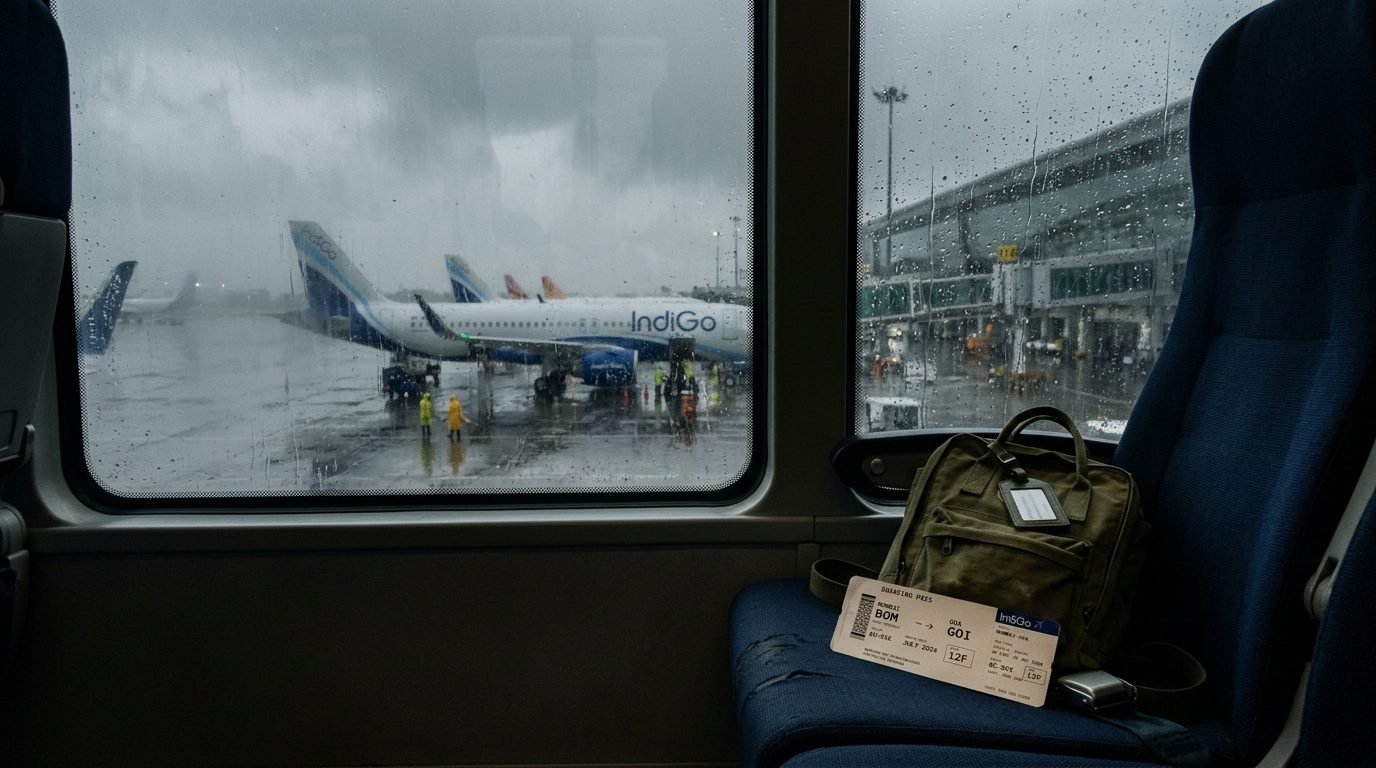
The Smart Traveller's Secret: Why India's Monsoon Months Are the Cheapest Time to Roam
With fares down 30-50% and a milder rainy season forecast, savvy Indians are turning the off-season into the main event.
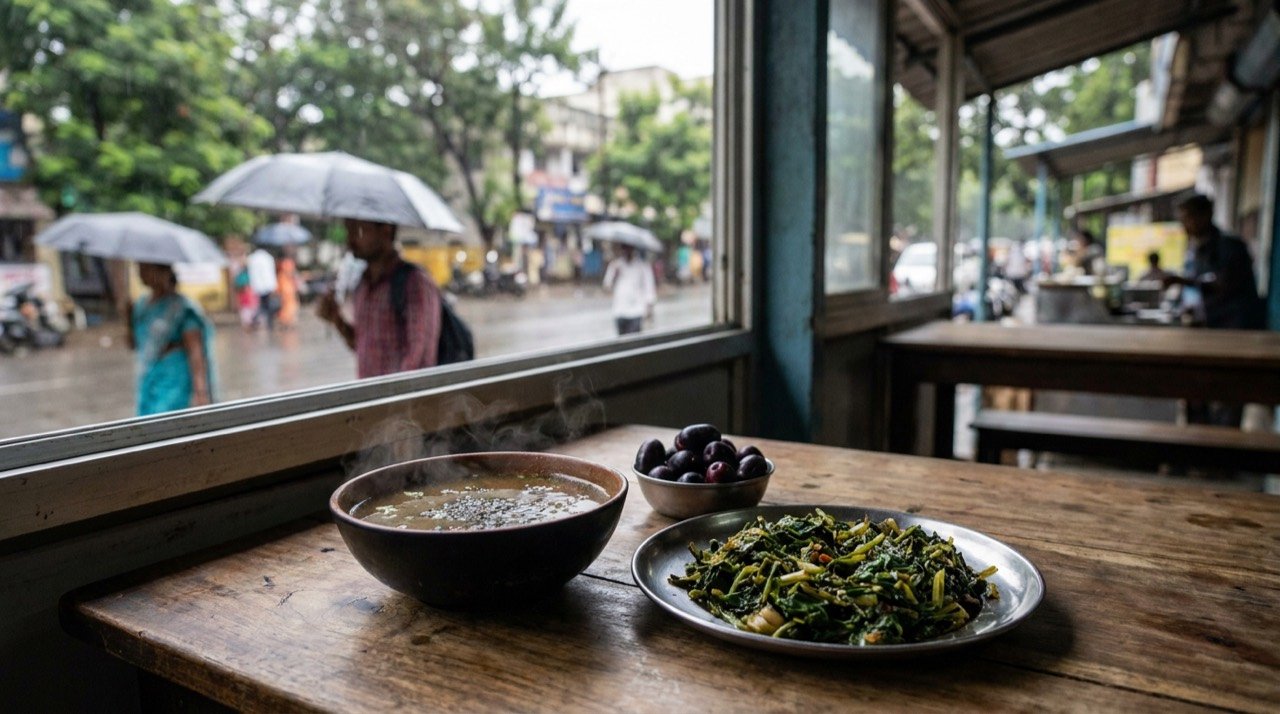
India's Monsoon Plate Returns to Its Roots as Seasonal Eating Goes Mainstream in 2026
From Kerala's ten-leaf stir-fries to jamun, rasam and warming spices, India's monsoon kitchens are blending ancestral ritucharya wisdom with the 2026 obsession with gut health and immunity.
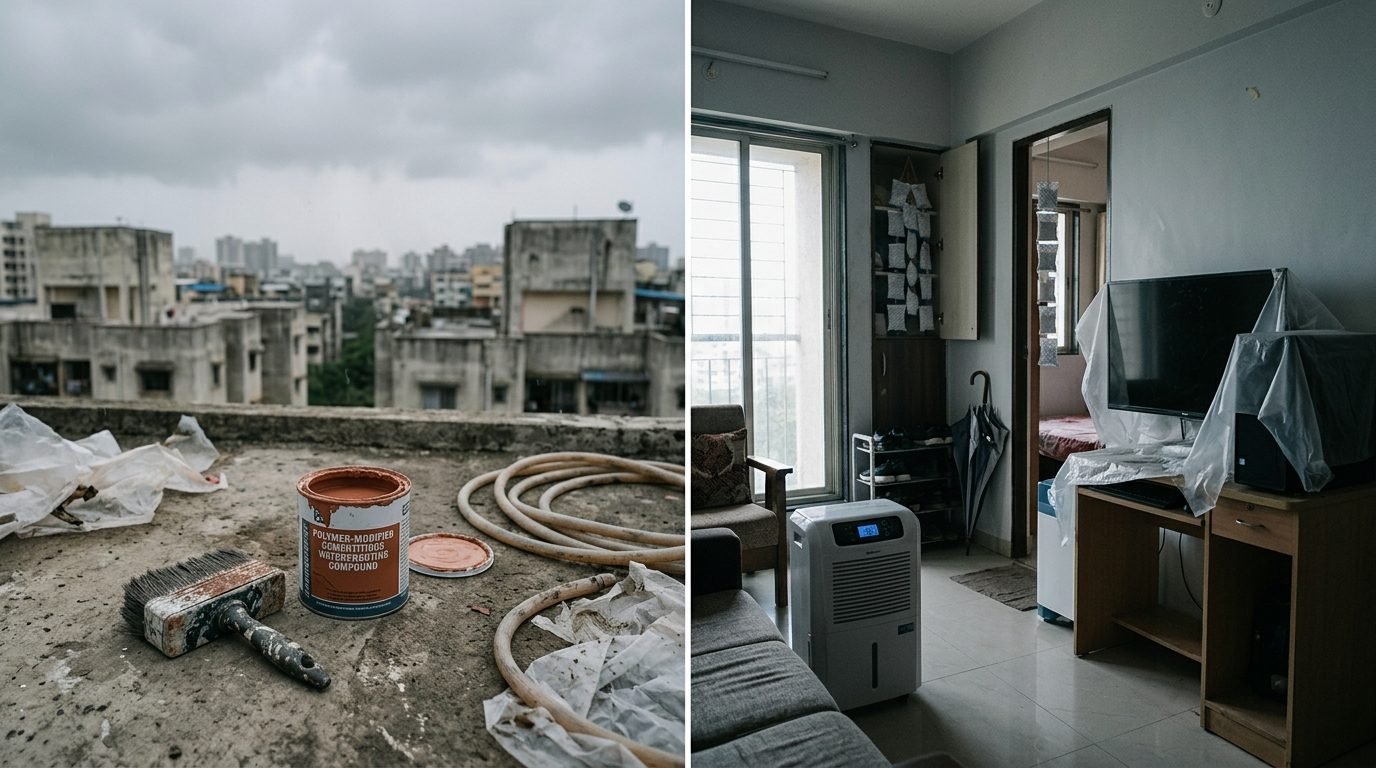
Monsoon Home Care 2026: A Practical Checklist Before the Rains Settle In
From rooftop waterproofing to keeping electronics and wardrobes safe from damp, here is how Indian households are monsoon-proofing their homes this season.
More from this section
More
Bengaluru Lamborghini-Auto Swap: Entrepreneur's Gesture Goes Viral
A Bengaluru entrepreneur's spontaneous decision to trade seats with an auto-rickshaw driver, putting the cabbie behind a Lamborghini's wheel, has charmed social media and become the city's feel-good story of the week.
India's Monsoon Plate Returns to Its Roots as Seasonal Eating Goes Mainstream in 2026
From Kerala's ten-leaf stir-fries to jamun, rasam and warming spices, India's monsoon kitchens are blending ancestral ritucharya wisdom with the 2026 obsession with gut health and immunity.
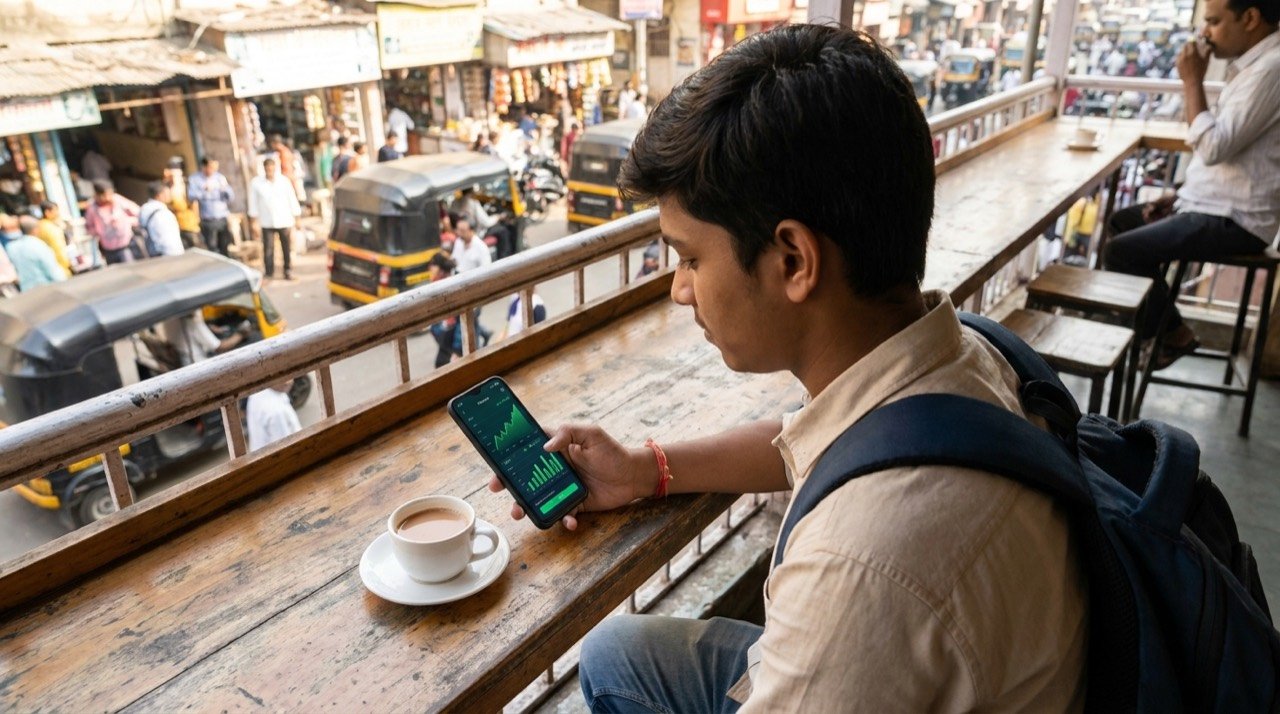
Young India Walks Away From the Savings Account as SIP Inflows Hit Record Highs in 2026
Monthly SIP inflows have surged past record levels and active accounts near 10 crore, as a generation of young Indians treats savings accounts as liquidity tools and turns to market-linked wealth creation.