India's Monsoon Plate Returns to Its Roots as Seasonal Eating Goes Mainstream in 2026
From Kerala's ten-leaf stir-fries to jamun, rasam and warming spices, India's monsoon kitchens are blending ancestral ritucharya wisdom with the 2026 obsession with gut health and immunity.
Commentary & Analysis ·
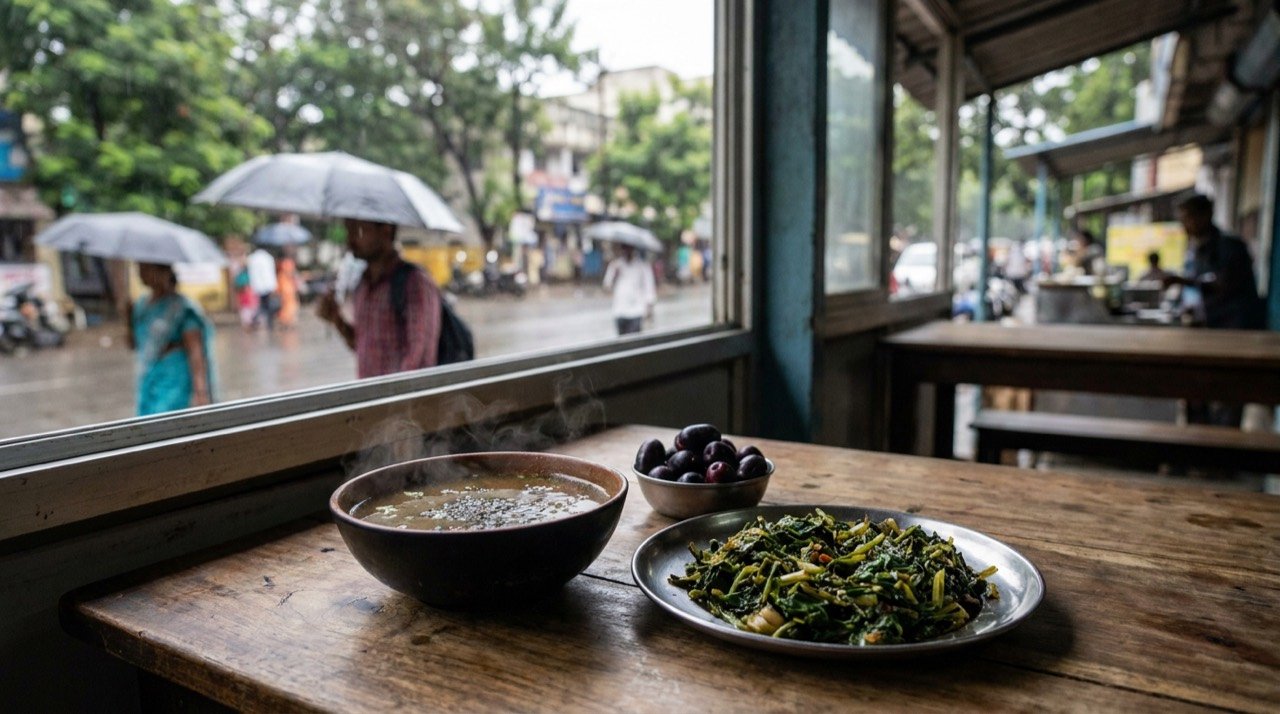
As the southwest monsoon settles over much of the country this week, a quiet shift is unfolding in Indian kitchens. The 2026 rainy season has revived a centuries-old idea that suddenly feels strikingly modern: eat with the weather. Restaurant menus, home cooks and a new wave of nutrition-conscious diners are rediscovering the monsoon food calendar, where lighter, warmer and more easily digestible meals are not a fad but a seasonal necessity rooted in Ayurvedic tradition.
Ritucharya meets the wellness era
Ayurveda has long held that the monsoon weakens agni, or digestive fire, as humidity suppresses metabolic activity and the body becomes more prone to infection. The traditional answer was to pivot toward warming spices such as ginger, black pepper and turmeric, and toward preparations that kindle digestion rather than tax it. Rasam, the thin South Indian tamarind-and-pepper soup, is the season's quiet hero, combining warming pepper, digestive cumin and coriander with immune-supportive turmeric.
What is new in 2026 is how neatly this ancient logic maps onto the year's dominant food conversations: gut microbiome health, anti-inflammatory eating and stable blood sugar. Nutritionists point out that the grandmother's monsoon thali, light, spiced and protein-balanced, is essentially a prescription for steady energy during sluggish, humid weather.
Regional dishes back in the spotlight
Across the country, the monsoon brings out hyper-regional specialities. In Kerala, the Karkidakam month is marked by pathila preparations, including a celebrated stir-fry made from ten different edible monsoon greens, alongside medicinal porridges. The same humble colocasia leaf travels across the map, becoming patra in Gujarat, alu vadi in Maharashtra and pathrode in coastal Karnataka, each layered with spiced batter and steamed.
- Jamun, the deep-purple monsoon fruit available only in June and July, prized for blood-sugar control and iron content
- Amla, packed with vitamin C and used to bolster immunity and digestion
- Rasam and pepper-heavy broths to kindle digestion in humid weather
- Steamed colocasia-leaf rolls, served from Gujarat down to Karnataka under different names
- Millets and warming khichdi as light, gut-friendly monsoon staples
From home kitchens to restaurant tables
Chefs in metro cities are increasingly building monsoon menus around foraged greens, jamun-based desserts and reinvented rasams, marketing them to a clientele that wants both nostalgia and nutrition. Cafes are pairing seasonal fruit with probiotic-forward dishes, while home cooks are leaning on warming spices and seasonal produce to keep meals digestible.
“The monsoon plate was never about restriction. It was about eating what the season offers and what the body can handle, and that is exactly what people are rediscovering now.”
The takeaway for 2026 is that seasonal eating is no longer the preserve of grandmothers and Ayurvedic texts. As immunity, gut health and mindful consumption dominate the food discourse, India's monsoon kitchen, with its greens, fruits and warming broths, is being recast as both heritage and cutting-edge nutrition for the rainy months ahead.
The NE Times View
Wrapping ritucharya in the language of gut health and immunity is smart marketing, but the underlying wisdom is sound: eating what the season and your region actually produce. The risk is that genuine local food traditions get repackaged as premium wellness products priced out of the homes that originated them. The win worth chasing is shorter supply chains and support for regional farmers, not just another Instagram trend.
This article is original commentary and analysis by The NE Times. Background facts were referenced from The Hindu and Hindustan Times.
You may also like to read
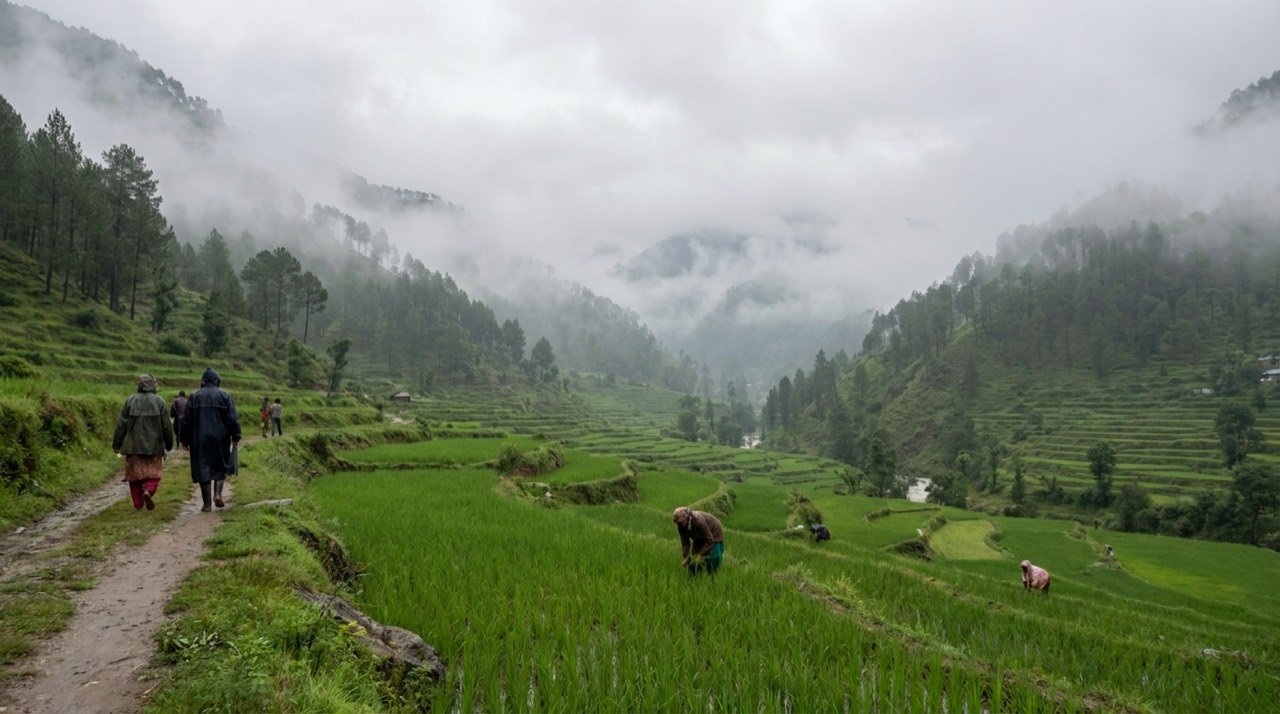
Misty Valleys and Cheaper Fares: India's Offbeat Monsoon Travel Boom in 2026
With domestic fares falling sharply and travellers seeking solitude, offbeat Himalayan hamlets, the rain-soaked Northeast and Ladakh's rain-shadow deserts are redrawing India's monsoon travel map in 2026.

The Smart Traveller's Secret: Why India's Monsoon Months Are the Cheapest Time to Roam
With fares down 30-50% and a milder rainy season forecast, savvy Indians are turning the off-season into the main event.
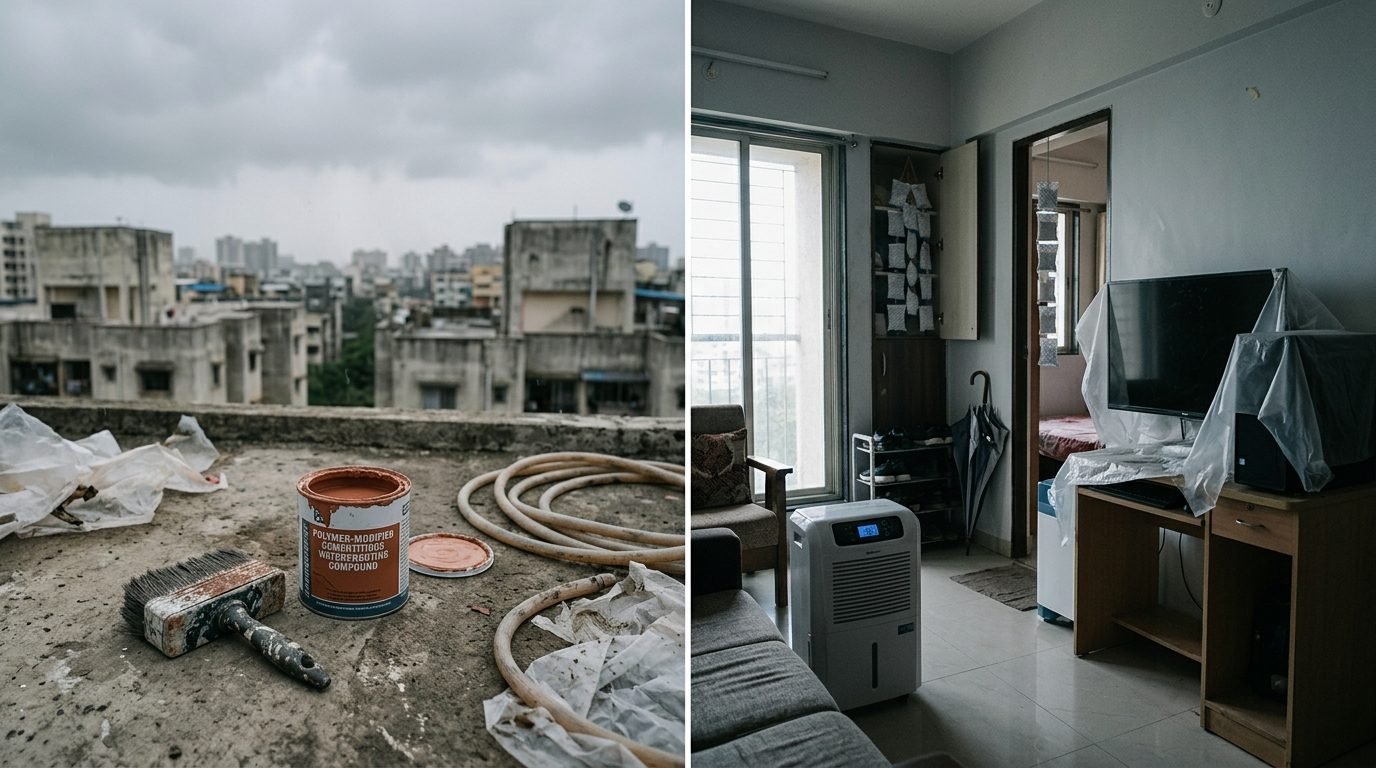
Monsoon Home Care 2026: A Practical Checklist Before the Rains Settle In
From rooftop waterproofing to keeping electronics and wardrobes safe from damp, here is how Indian households are monsoon-proofing their homes this season.

Mist, Waterfalls and Cheaper Fares: The Western Ghats Beckon This Monsoon
With an early monsoon onset and below-normal rainfall forecasts, the Western Ghats offer rain-washed hill stations and waterfalls at a fraction of peak-season travel costs in 2026.
More from this section
More
Bengaluru Lamborghini-Auto Swap: Entrepreneur's Gesture Goes Viral
A Bengaluru entrepreneur's spontaneous decision to trade seats with an auto-rickshaw driver, putting the cabbie behind a Lamborghini's wheel, has charmed social media and become the city's feel-good story of the week.
Misty Valleys and Cheaper Fares: India's Offbeat Monsoon Travel Boom in 2026
With domestic fares falling sharply and travellers seeking solitude, offbeat Himalayan hamlets, the rain-soaked Northeast and Ladakh's rain-shadow deserts are redrawing India's monsoon travel map in 2026.
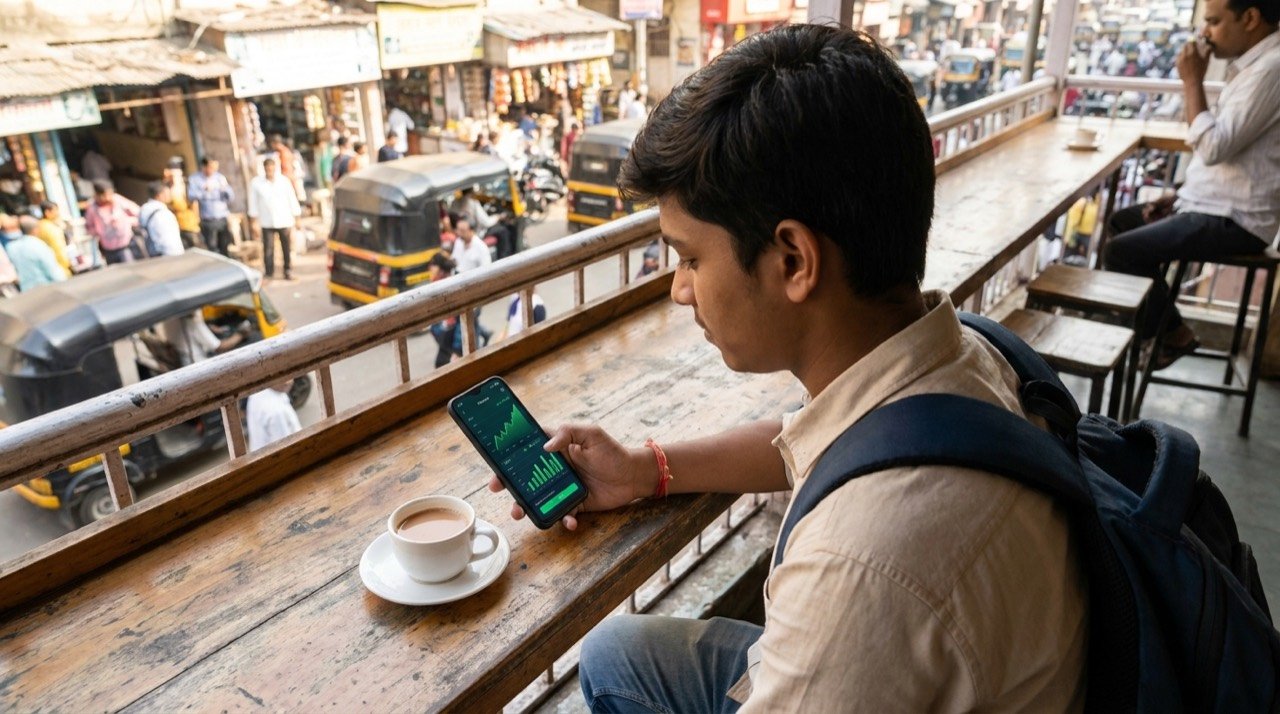
Young India Walks Away From the Savings Account as SIP Inflows Hit Record Highs in 2026
Monthly SIP inflows have surged past record levels and active accounts near 10 crore, as a generation of young Indians treats savings accounts as liquidity tools and turns to market-linked wealth creation.