Ambubachi Mela Opens at Kamakhya Temple, Drawing Pilgrims and Livelihoods
The annual Ambubachi Mela at Guwahati's Kamakhya Temple has begun, drawing lakhs of pilgrims, sadhus and traders to one of India's most revered Shakti Peethas on Nilachal Hill.
Commentary & Analysis ·
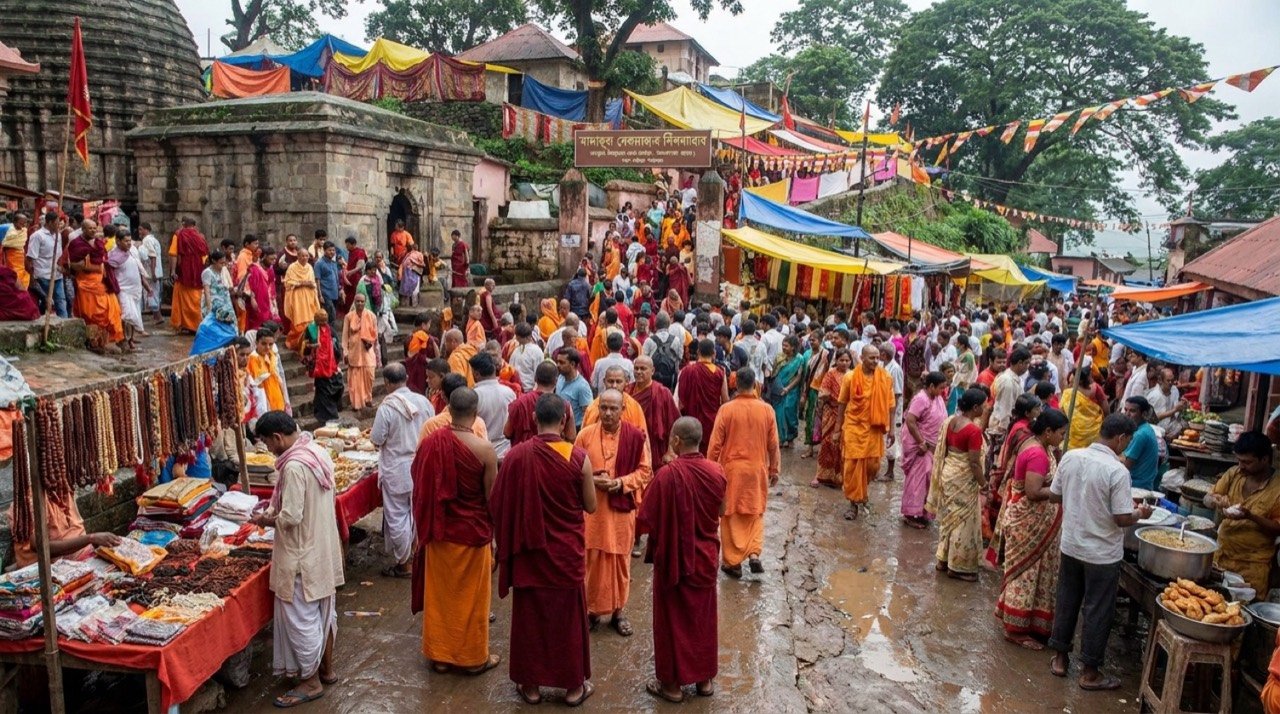
The annual Ambubachi Mela at the Kamakhya Temple in Guwahati has begun, drawing pilgrims, sadhus, traders and tourists to one of India's most important Shakti Peethas. Set atop Nilachal Hill, the festival marks the temple's yearly ritual period and transforms the surrounding area into a swirling confluence of devotion and commerce. What unfolds over these days is not a single event but two parallel ones: a deeply personal spiritual observance for those who climb the hill, and a wider economic and administrative undertaking for the city and state that host it.
A festival of profound devotion
Ambubachi is among the most significant events in the eastern religious calendar, observed as the temple's annual ritual cycle that draws ascetics and devotees from across the country. The Kamakhya Temple's standing as a major Shakti Peetha lends the gathering a spiritual weight that few festivals in the region can match. Shakti Peethas occupy a particular place in Hindu devotional geography, and Kamakhya's position among them means the mela carries significance well beyond Assam's borders, pulling pilgrims from far outside the Northeast into Guwahati for these few days each year.
For the faithful, the journey to Nilachal Hill is a deeply personal act of devotion, undertaken regardless of the heat, the crowds or the steep approach to the shrine. That willingness to endure discomfort is itself part of what gives the pilgrimage its meaning. It is worth pausing on this point, because it is easy for outside observers to see only the logistics and the crowd numbers, and to miss that for each individual making the climb, the mela is a private and often long-anticipated act of faith rather than a spectacle to be managed.
An economic lifeline for local families
Beyond its religious meaning, the mela is a major economic event for families who sell food, flowers, utensils, religious items and souvenirs around the hill. Reports noted that many traders depend on these days for a large share of their seasonal income, with generations of vendors counting on the festival's earnings. This is a crucial dimension of the story that can be lost if the mela is discussed purely as a devotional occasion. For a great many small vendors, the days of the Ambubachi Mela function less like a bonus and more like a harvest season: a concentrated window in which a year's worth of income must be earned.
The surge of visitors turns the temple precincts into a bustling marketplace, where small enterprises and seasonal stalls thrive on the steady flow of devotees and tourists. This economy is informal, low-margin and highly seasonal by nature, which makes it both resilient in its own way and vulnerable to disruption. A poor mela season, whether from weather, illness outbreaks, transport disruption or crowd-control restrictions, can mean real hardship for households that have planned their finances around this single stretch of the calendar. That vulnerability is precisely why the festival's smooth running matters to more than just pilgrims and temple authorities.
Managing a vast gathering
The sheer scale of the crowds requires careful management of transport, sanitation, drinking water and security. Authorities face the perennial challenge of keeping pilgrims safe and comfortable while preserving the sanctity of the occasion, a balancing act that defines the public face of every Ambubachi Mela. These are not trivial logistical questions. Moving large numbers of people safely up and down a hill approach, ensuring adequate drinking water in Assam's summer heat, maintaining sanitation across a temporary and dense settlement of stalls and pilgrims, and providing security across a sprawling and porous gathering all demand coordinated planning across multiple agencies.
The stakes of getting this wrong are not abstract. Overcrowding at religious gatherings of this scale can, if poorly managed, create genuine safety hazards, while inadequate sanitation or water provision can affect public health for both pilgrims and the traders who spend days on end at the site. Conversely, when the mela runs smoothly, it becomes a quiet demonstration of administrative competence that reflects well on the city and the state, reinforcing confidence for future years' gatherings and for other large events Assam may host.
Faith and commerce as intertwined systems
As the festival unfolds, the Ambubachi Mela once again demonstrates how faith and livelihood intertwine in Assam's cultural life. It is tempting to treat the spiritual and the commercial as separate tracks running alongside each other, but in practice they are mutually dependent. The devotion of pilgrims is what draws the crowds that sustain the vendors; the presence of vendors, in turn, is part of what makes the pilgrimage experience possible and complete, providing food, flowers and puja items that pilgrims need to fulfil their observances.
The success of this year's gathering will rest not only on the devotion of those who climb Nilachal Hill, but on the public systems that keep one of India's largest religious congregations running smoothly. This dual dependency is what makes the Ambubachi Mela a useful lens for thinking about religious tourism in the Northeast more broadly: it is simultaneously a matter of faith, of livelihood, and of public administration, and none of those three dimensions can be assessed in isolation from the others.
The NE Times View
Faith is also an economy. Behind the lakhs converging on Nilachal Hill sits a livelihood ecosystem of traders, transporters and small vendors for whom the Ambubachi Mela is an annual lifeline. The challenge for Assam is managing crowds, sanitation and safety at this scale without commercialising the sacred. Done well, such pilgrimages model how heritage and inclusive local income can reinforce each other rather than compete.
This balance is worth watching closely in the years ahead. As Guwahati's profile as a pilgrimage and tourism destination grows, the pressure on infrastructure around Nilachal Hill is likely to grow with it. How the state manages that growth, whether through better transport planning, expanded sanitation capacity, or more structured support for the seasonal traders who depend on the mela, will shape whether this ancient festival can keep serving both the devotion of its pilgrims and the livelihoods of the families who have built their year around it.
Key takeaways
- The Ambubachi Mela at Kamakhya Temple, one of India's major Shakti Peethas, has begun on Nilachal Hill, drawing pilgrims, sadhus, traders and tourists.
- Beyond its religious significance, the mela is a critical seasonal economic event for local vendors selling food, flowers, puja items and souvenirs.
- Generations of traders depend on the festival's earnings to sustain their families through the year, making the mela's smooth running an economic as well as spiritual concern.
- Managing transport, sanitation, drinking water and security at this scale is a persistent administrative challenge for authorities.
- The festival illustrates how faith and livelihood are intertwined in Assam's cultural life, with heritage and local commerce reinforcing rather than competing with one another when managed well.
You may also like to read
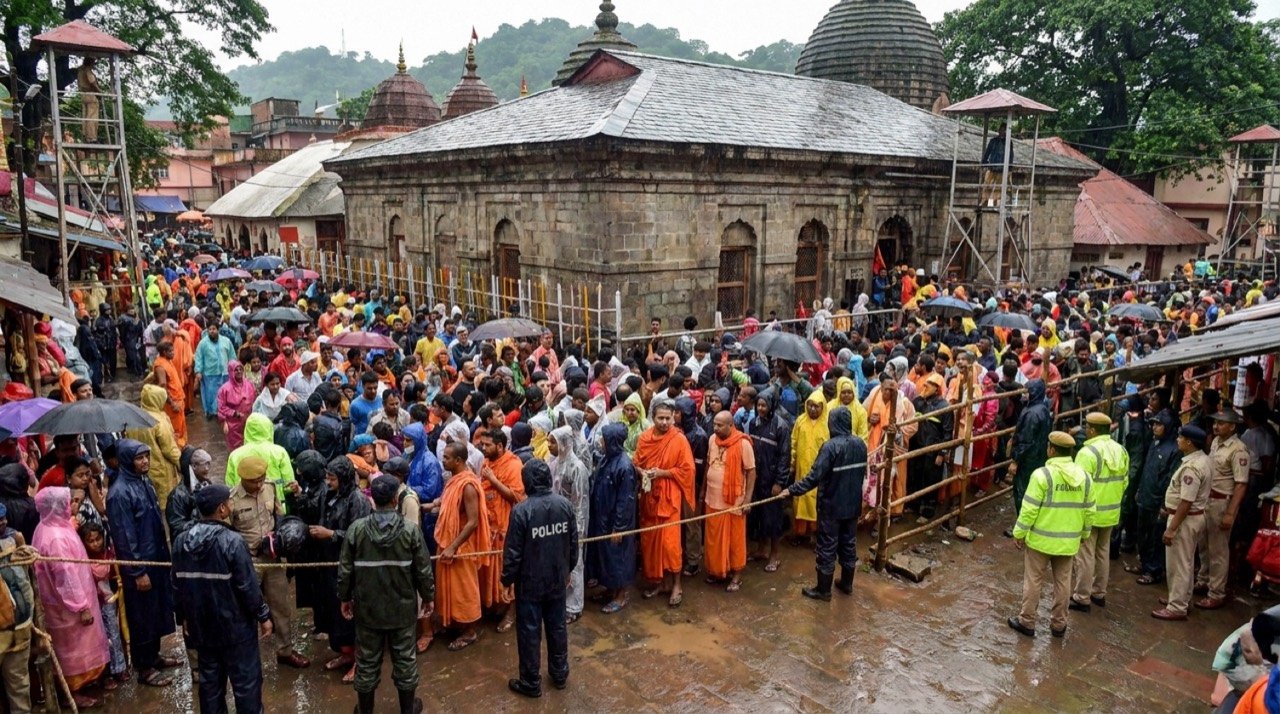
Ambubachi Mela Opens at Kamakhya Temple as Guwahati Braces for Monsoon Crowds
The annual Ambubachi Mela at Kamakhya Temple has drawn large crowds of devotees, putting crowd management, transport, health support and monsoon readiness at the centre of Guwahati's planning.
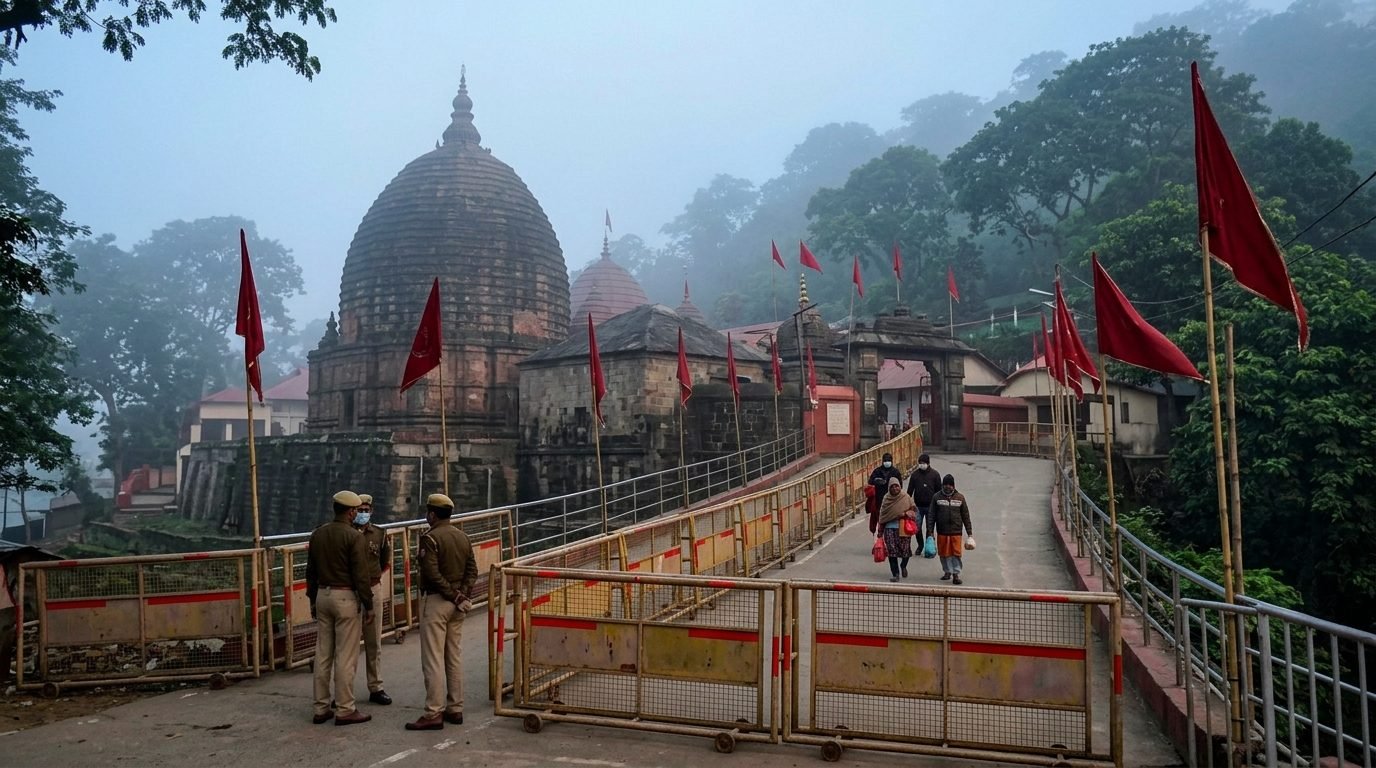
Kamakhya gears up for Ambubachi Mela 2026 with new entry route and tighter security
The four-day festival on Guwahati's Nilachal Hills, often called the 'Mahakumbh of the East', opens late on 22 June, with authorities adding a fresh access road from the Pandu side to ease the crush of lakhs of pilgrims, sadhus and tantriks.
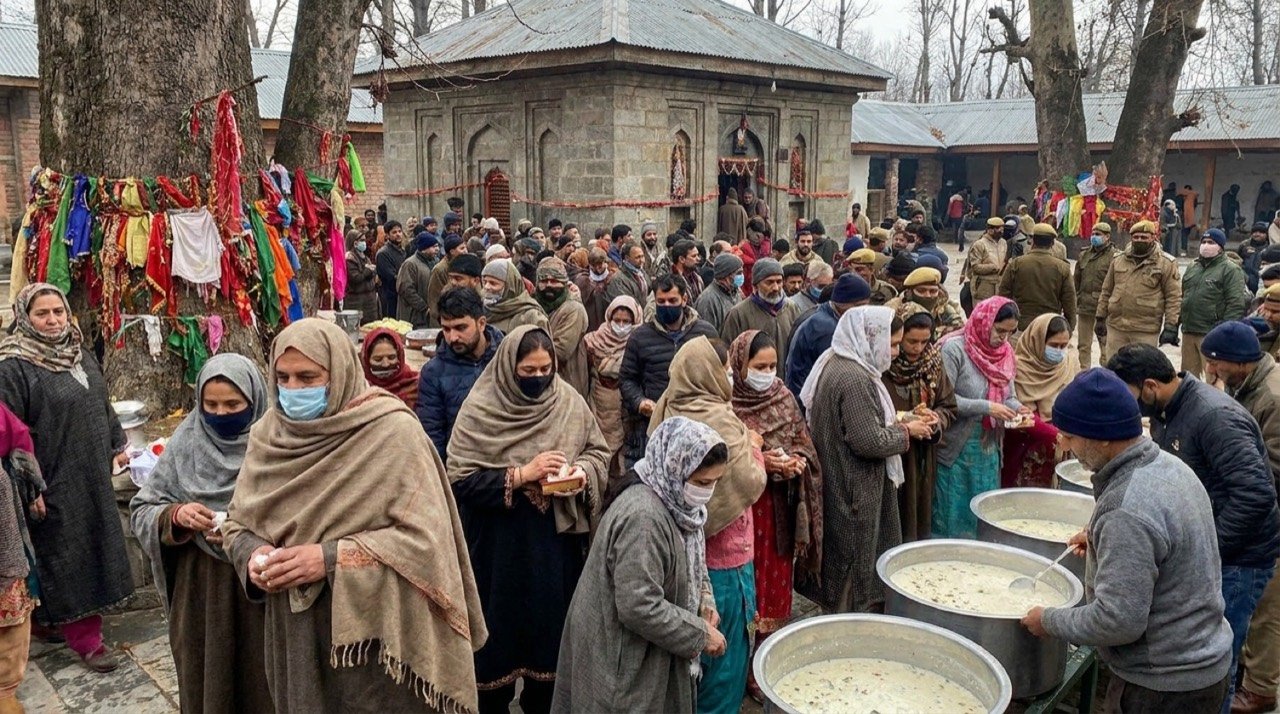
Kheer Bhawani Mela Draws Kashmiri Pandit Pilgrims to Tulmulla
Thousands of Kashmiri Pandits gathered at the Kheer Bhawani temple in Ganderbal for the annual Zyeshtha Ashtami mela, a pilgrimage of faith, memory and a wider message of coexistence in the Valley.
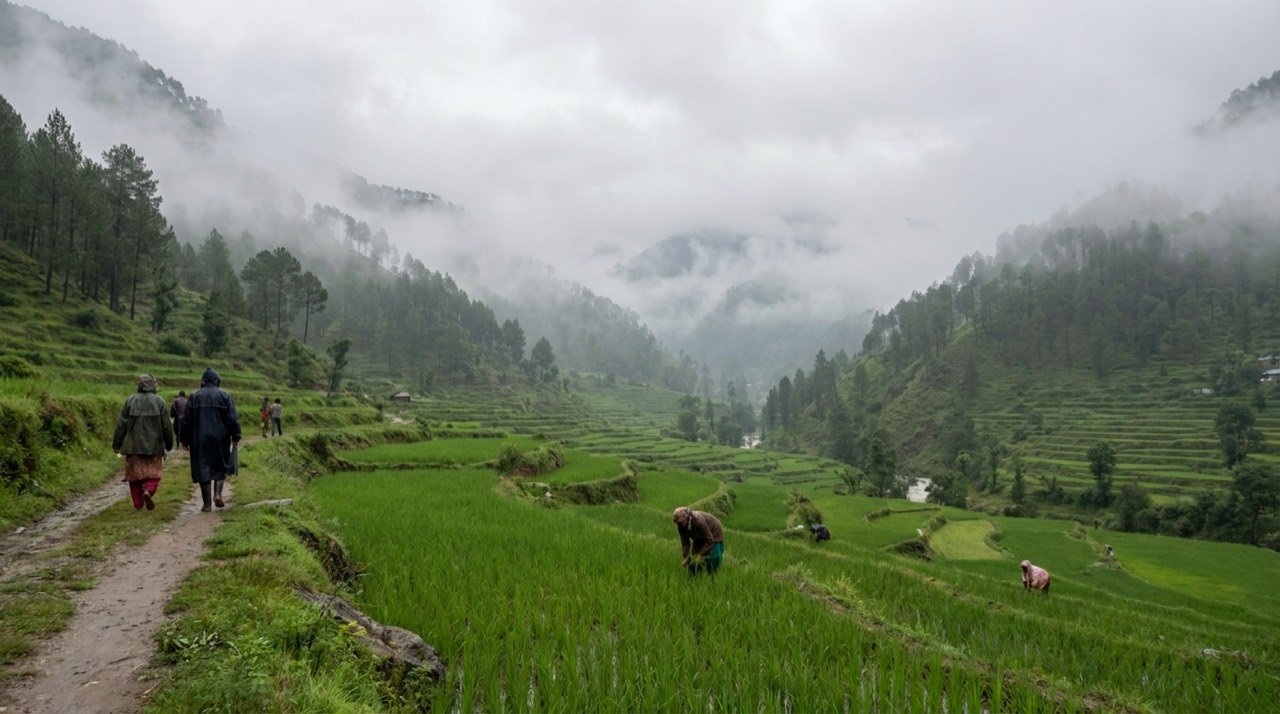
Misty Valleys and Cheaper Fares: India's Offbeat Monsoon Travel Boom in 2026
With domestic fares falling sharply and travellers seeking solitude, offbeat Himalayan hamlets, the rain-soaked Northeast and Ladakh's rain-shadow deserts are redrawing India's monsoon travel map in 2026.
More from this section
More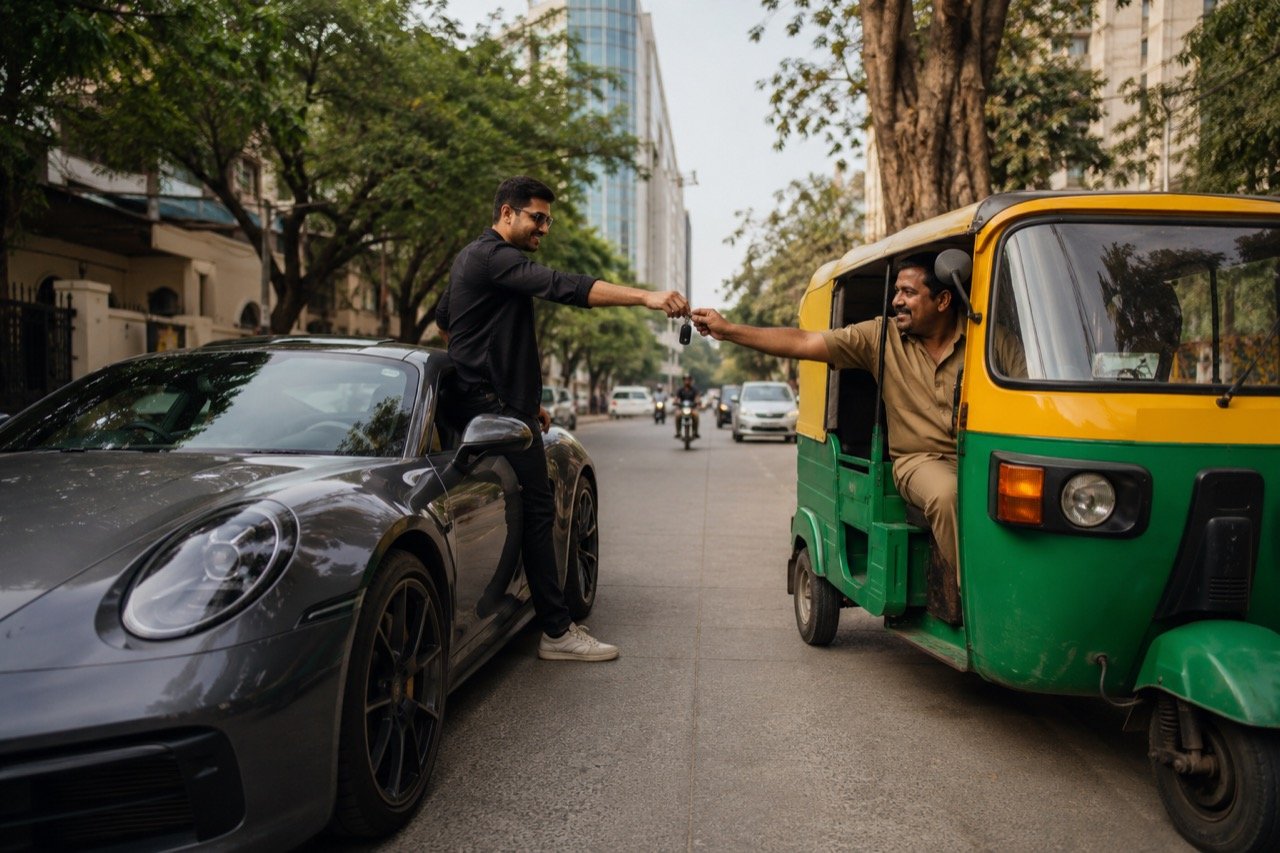
Bengaluru Lamborghini-Auto Swap: Entrepreneur's Gesture Goes Viral
A Bengaluru entrepreneur's spontaneous decision to trade seats with an auto-rickshaw driver, putting the cabbie behind a Lamborghini's wheel, has charmed social media and become the city's feel-good story of the week.
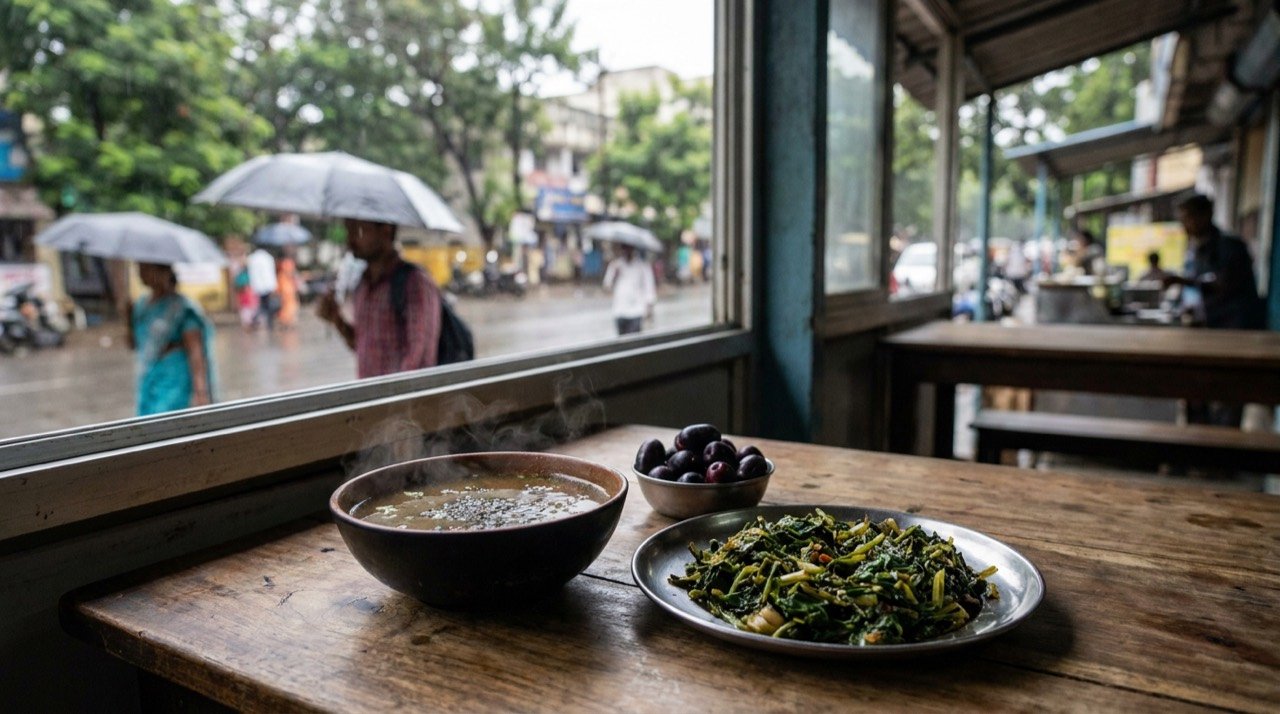
India's Monsoon Plate Returns to Its Roots as Seasonal Eating Goes Mainstream in 2026
From Kerala's ten-leaf stir-fries to jamun, rasam and warming spices, India's monsoon kitchens are blending ancestral ritucharya wisdom with the 2026 obsession with gut health and immunity.
Misty Valleys and Cheaper Fares: India's Offbeat Monsoon Travel Boom in 2026
With domestic fares falling sharply and travellers seeking solitude, offbeat Himalayan hamlets, the rain-soaked Northeast and Ladakh's rain-shadow deserts are redrawing India's monsoon travel map in 2026.