Ambubachi Mela Opens at Kamakhya Temple as Guwahati Braces for Monsoon Crowds
The annual Ambubachi Mela at Kamakhya Temple has drawn large crowds of devotees, putting crowd management, transport, health support and monsoon readiness at the centre of Guwahati's planning.
Commentary & Analysis ·
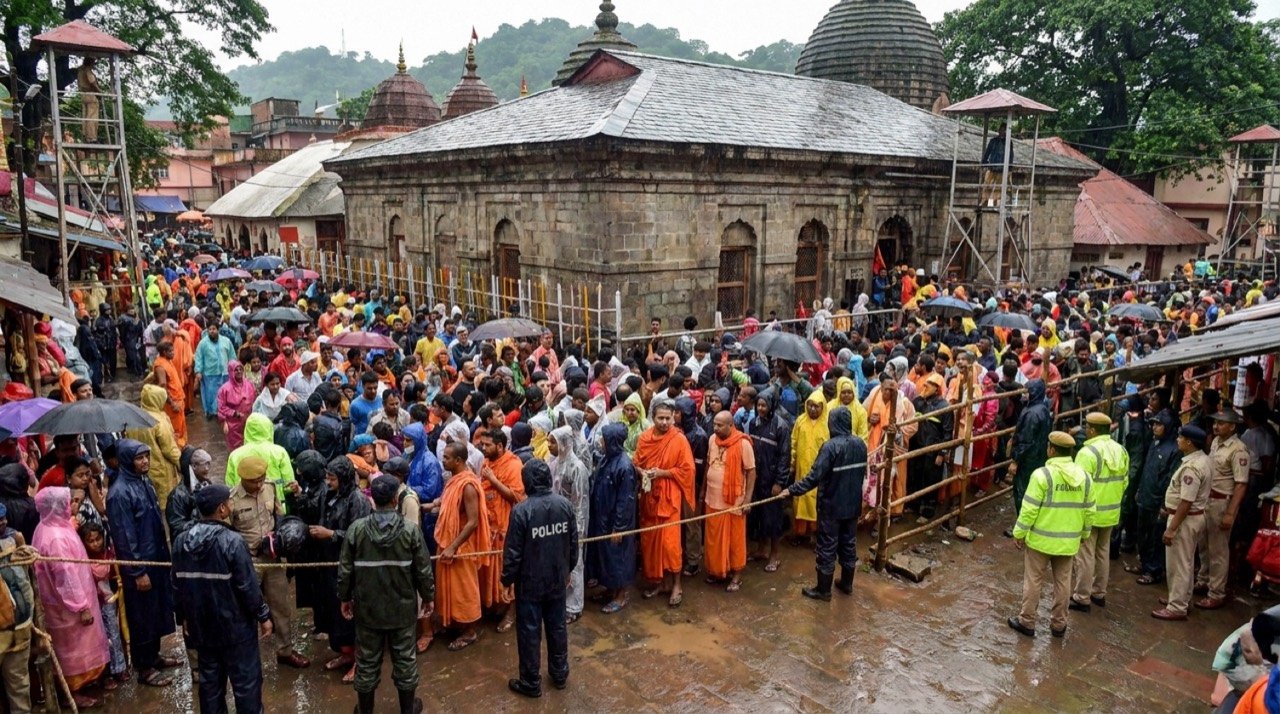
The annual Ambubachi Mela at the Kamakhya Temple in Assam has drawn large numbers of devotees, turning attention once again to crowd management, transport, medical support and sanitation around one of eastern India's most significant religious gatherings. Arriving in the heart of the monsoon, the mela is as much a logistical undertaking as a spiritual one, and the way Guwahati handles it each year has become something of a recurring civic examination that the city cannot afford to fail.
A gathering steeped in tradition
Held on the Nilachal Hill, the Ambubachi Mela is among the most important events in the Kamakhya calendar, drawing pilgrims, sadhus and tantric practitioners from across the region and beyond. The temple's significance as a major Shakti shrine lends the festival a scale that few gatherings in the Northeast can match. For the faithful, the days carry deep ritual meaning, rooted in beliefs about the earth's fertility and renewal that predate the modern administrative apparatus now required to manage them. That juxtaposition, an ancient rite unfolding inside a thoroughly contemporary security and logistics cordon, is what makes the mela worth watching closely each year. For Guwahati, the same days translate into a sudden, concentrated surge in footfall that the city's services must absorb within a compressed window, with little margin for improvisation once the crowds have already arrived.
Preparations on the ground
Officials and temple authorities have stressed regulated movement, emergency response and public facilities for arriving pilgrims. Authorities prepared routes, security arrangements and support systems, with attention to transport, medical aid and sanitation across the approach to the hill. None of this is incidental. A hill shrine with a single dominant approach route is structurally different from a flat, open pilgrimage site: bottlenecks form quickly, and once a crowd has begun climbing or descending a narrow path, options for redirecting it in real time are limited. That is precisely why advance planning, rather than reactive management, has to carry the weight here. The monsoon adds a further layer of difficulty, raising the risk of slippery paths, waterlogging and weather-related disruptions that planners must factor into queue management and crowd flow. Rain does not simply inconvenience pilgrims, it changes the physics of crowd movement, slows descent, and turns ordinarily manageable stretches of path into hazards, which is why timing this mela in the monsoon season is not a small operational detail but the central constraint around which everything else must be designed.
A test of civic coordination
Beyond faith, the mela functions as a recurring civic-management test for Guwahati, where traffic, accommodation and health services come under intense pressure for several days. Coordination between police, health teams and local bodies determines whether the gathering passes smoothly or strains the city. This is not a one-department job. Traffic police have to manage approach roads and diversions, health authorities have to staff camps capable of handling everything from dehydration to injuries sustained in crowd surges, municipal bodies have to keep sanitation functioning for a population that swells far beyond the city's ordinary capacity, and disaster-management authorities have to remain on standby in case any of these systems are overwhelmed simultaneously. The mela, in that sense, is a live stress test of inter-agency coordination that few other annual events in the Northeast replicate at this scale.
Why this matters beyond Assam
The wider story is how India's major pilgrimage events increasingly demand professional planning, transparent public advisories and tight inter-agency coordination. As gatherings like the Ambubachi Mela grow, in part because improved transport connectivity to Guwahati has made the pilgrimage more accessible to devotees from further afield, the ability to manage them safely is becoming a measure of administrative readiness as much as religious devotion, a standard Guwahati will be judged against each year. This pattern is not unique to Assam. Across India, hill shrines and river-bank gatherings that draw dense, time-compressed crowds have repeatedly demonstrated how quickly devotion can tip into danger when infrastructure, weather and sheer numbers converge without adequate planning. Ambubachi's organisers are not working in a vacuum; they are, whether explicitly or not, operating against the backdrop of hard lessons learned elsewhere in the country, where crowd crushes and stampede risks at religious events have exposed the costs of underestimating scale.
What stakeholders are watching
For pilgrims and sadhus, the priority remains straightforward, access to the shrine, safety on the approach, and basic dignity in sanitation and shelter during the wait. For the state and local administration, the calculus is different: successful management of the mela is as much about public confidence and administrative reputation as it is about the immediate welfare of those attending. For Guwahati's residents and businesses, the days of the mela bring both disruption, in the form of traffic diversions and pressure on public services, and opportunity, as the influx of visitors supports local trade, transport and hospitality. Each of these interests pulls in a slightly different direction, and reconciling them, keeping the shrine accessible, the city functional, and the crowds safe, is the underlying challenge that recurs every year regardless of how well the previous year's mela went.
The NE Times View
Ambubachi is among the Northeast's great pilgrimages, and its scale is now a civic test as much as a spiritual one. Crowd density at hill temples during the monsoon is precisely the recipe that has turned into tragedy elsewhere in India. Guwahati's planning on transport, health camps and footfall control will matter more than any ritual schedule. Reverence and risk management are not in tension; here they are the same job. The measure of a successful mela should not simply be that it concluded without incident, but that the systems built to protect pilgrims were robust enough to have absorbed a worse-than-expected surge, because sooner or later, one year will test them harder than the last.
Key takeaways
- The Ambubachi Mela at Kamakhya Temple on Nilachal Hill draws large numbers of pilgrims, sadhus and tantric practitioners each year, testing Guwahati's transport, medical and sanitation systems.
- Monsoon timing compounds the logistical challenge, with slippery paths and waterlogging raising safety risks on the narrow hill approach.
- Authorities have prepared routes, security arrangements and support systems in advance, but success depends on close coordination between police, health teams and civic bodies.
- The mela functions as a recurring test of administrative readiness, reflecting a broader pattern across India where large pilgrimage gatherings demand professional planning and transparent public advisories.
- Reverence and risk management are inseparable at events of this scale, making rigorous crowd-safety planning as central to the mela's success as its religious significance.
You may also like to read
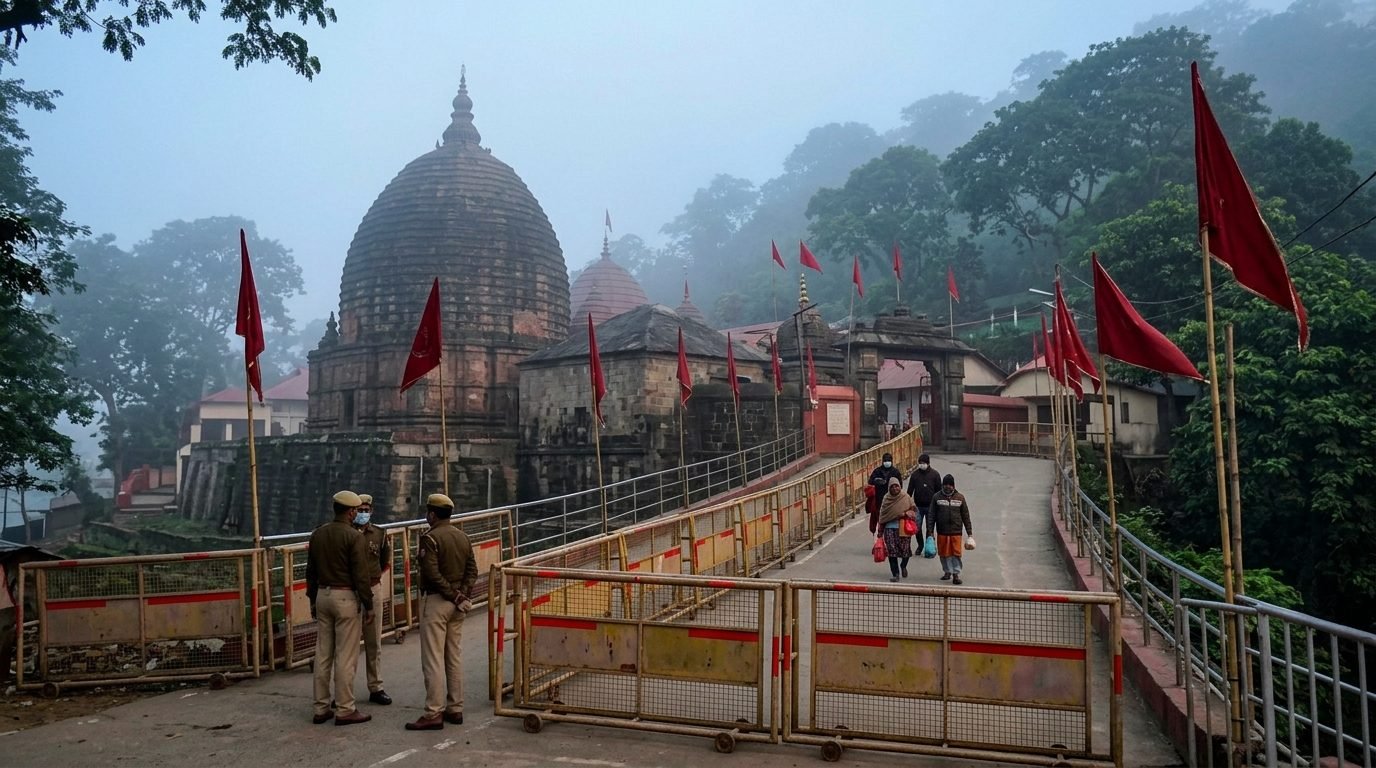
Kamakhya gears up for Ambubachi Mela 2026 with new entry route and tighter security
The four-day festival on Guwahati's Nilachal Hills, often called the 'Mahakumbh of the East', opens late on 22 June, with authorities adding a fresh access road from the Pandu side to ease the crush of lakhs of pilgrims, sadhus and tantriks.
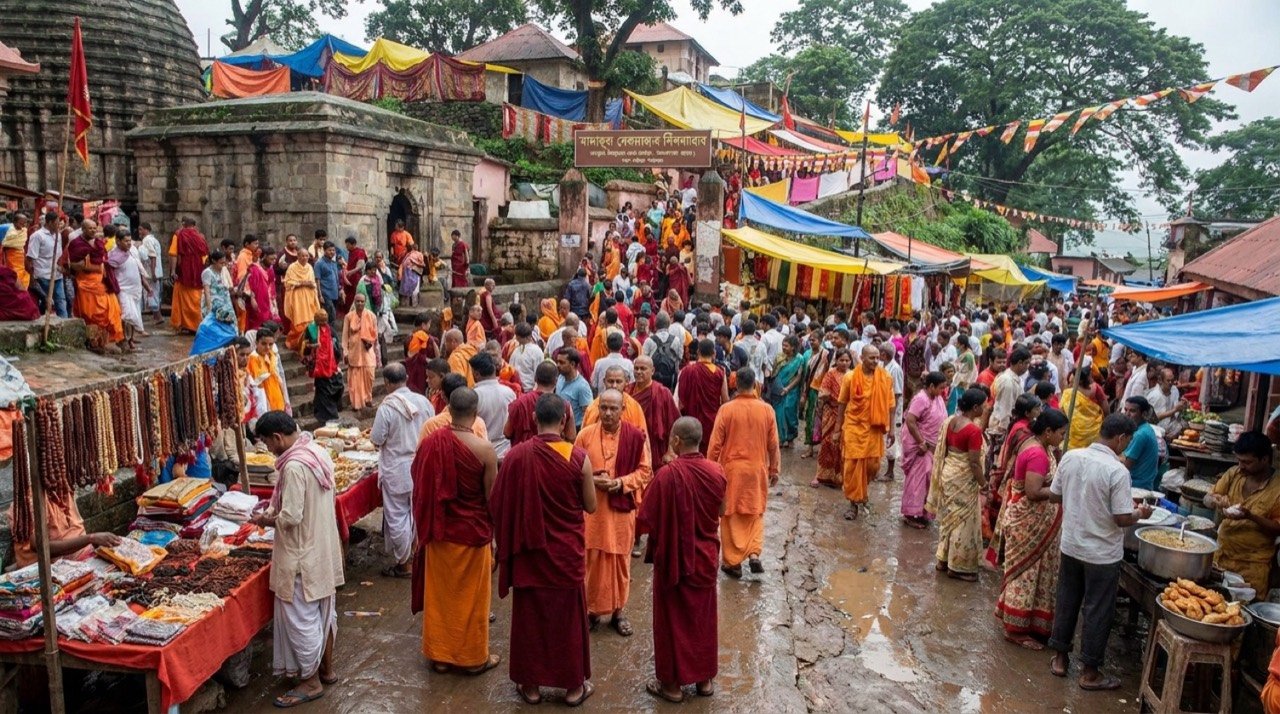
Ambubachi Mela Opens at Kamakhya Temple, Drawing Pilgrims and Livelihoods
The annual Ambubachi Mela at Guwahati's Kamakhya Temple has begun, drawing lakhs of pilgrims, sadhus and traders to one of India's most revered Shakti Peethas on Nilachal Hill.
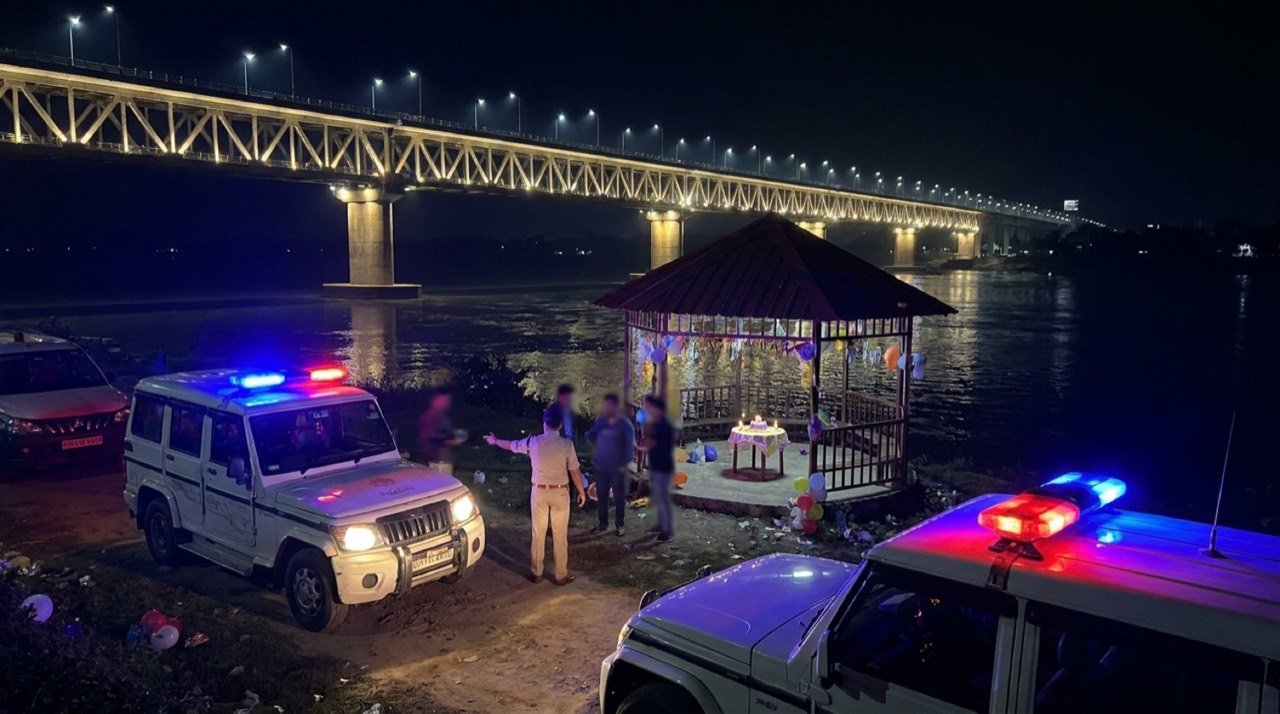
Guwahati Bridge Birthday Party Lands 14 in Legal Trouble as Assam Cracks Down
Assam authorities have booked 14 people after a late-night birthday party with luxury cars on Guwahati's Kumar Bhaskar Varma Bridge, framing the viral stunt as a public-safety and traffic hazard.
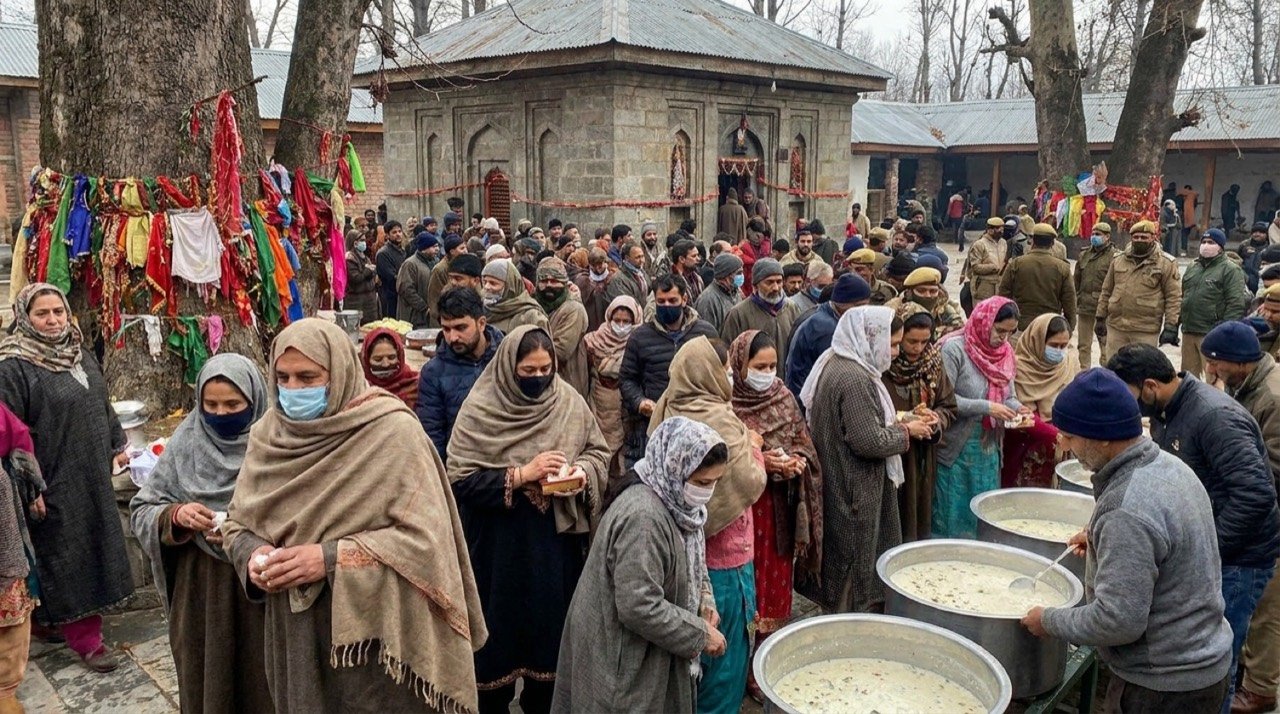
Kheer Bhawani Mela Draws Kashmiri Pandit Pilgrims to Tulmulla
Thousands of Kashmiri Pandits gathered at the Kheer Bhawani temple in Ganderbal for the annual Zyeshtha Ashtami mela, a pilgrimage of faith, memory and a wider message of coexistence in the Valley.
More from this section
More
AICTE Industry Fellowship 2026: Rs 1.5 Lakh Scheme Closes July 5
The AICTE Industry Fellowship Programme 2026, which places technical-education faculty inside leading companies on a Rs 1.5 lakh monthly stipend, reached its application deadline on July 5.
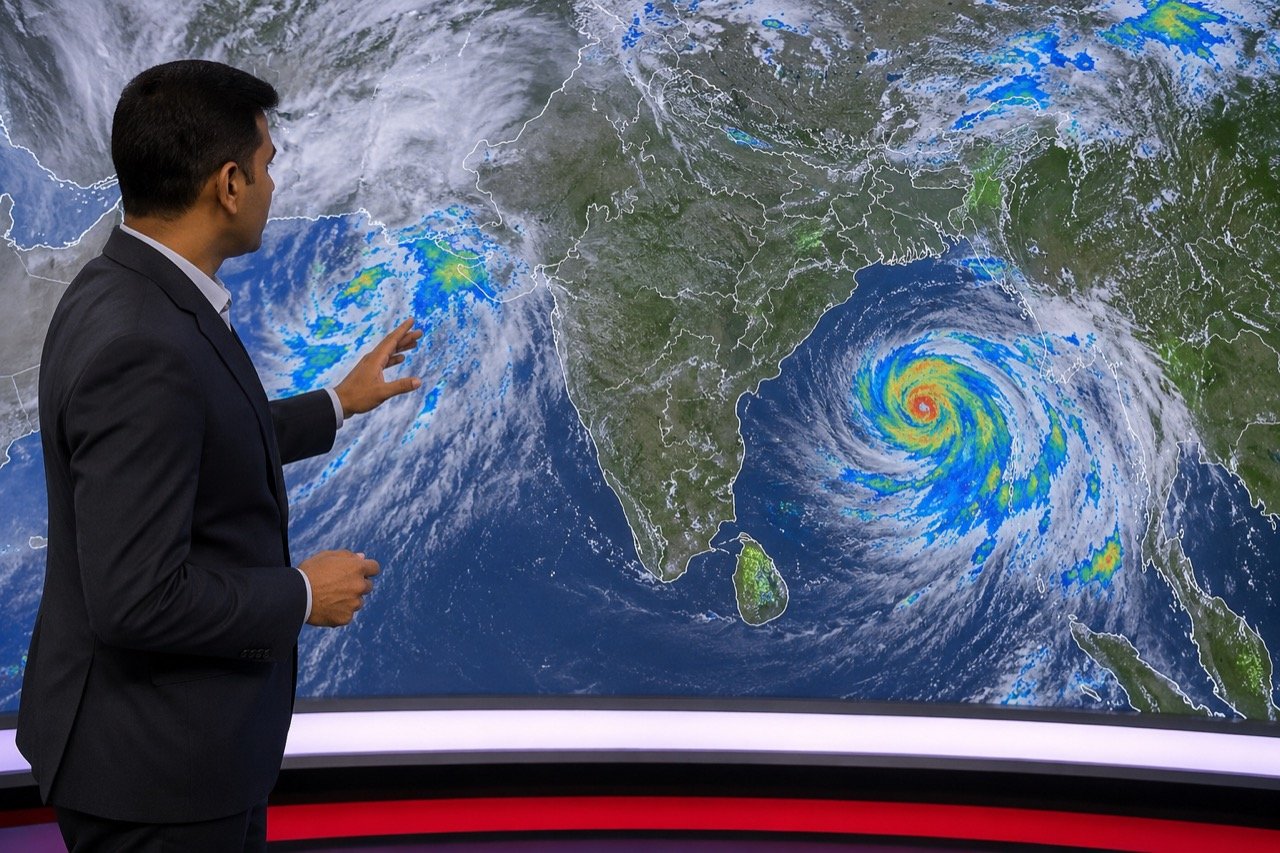
Bay of Bengal Low Pressure System Revives Monsoon Over Western India
A low-pressure system over the Bay of Bengal has pushed the monsoon back into an active phase, bringing steady heavy rain to Kerala, coastal Karnataka and Maharashtra, and putting Mumbai and Pune on preparedness watch.
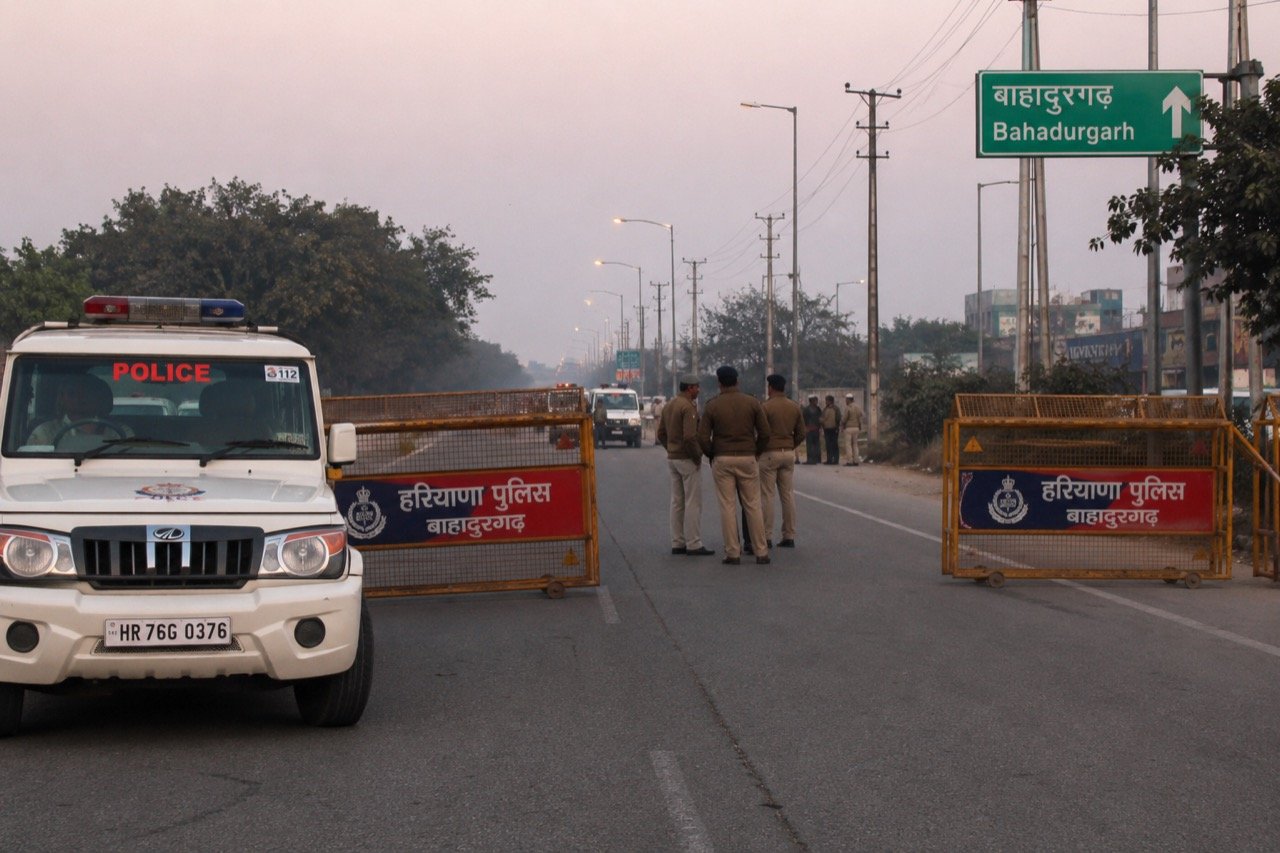
Bishnoi Gang Suspects Injured in Haryana Encounter as Police Tighten Net
A joint Haryana-Delhi Police operation in Bahadurgarh left two suspected Lawrence Bishnoi gang members injured, spotlighting the multi-state coordination now central to India's fight against organised crime networks.