The Smart Traveller's Secret: Why India's Monsoon Months Are the Cheapest Time to Roam
With fares down 30-50% and a milder rainy season forecast, savvy Indians are turning the off-season into the main event.
Commentary & Analysis ·
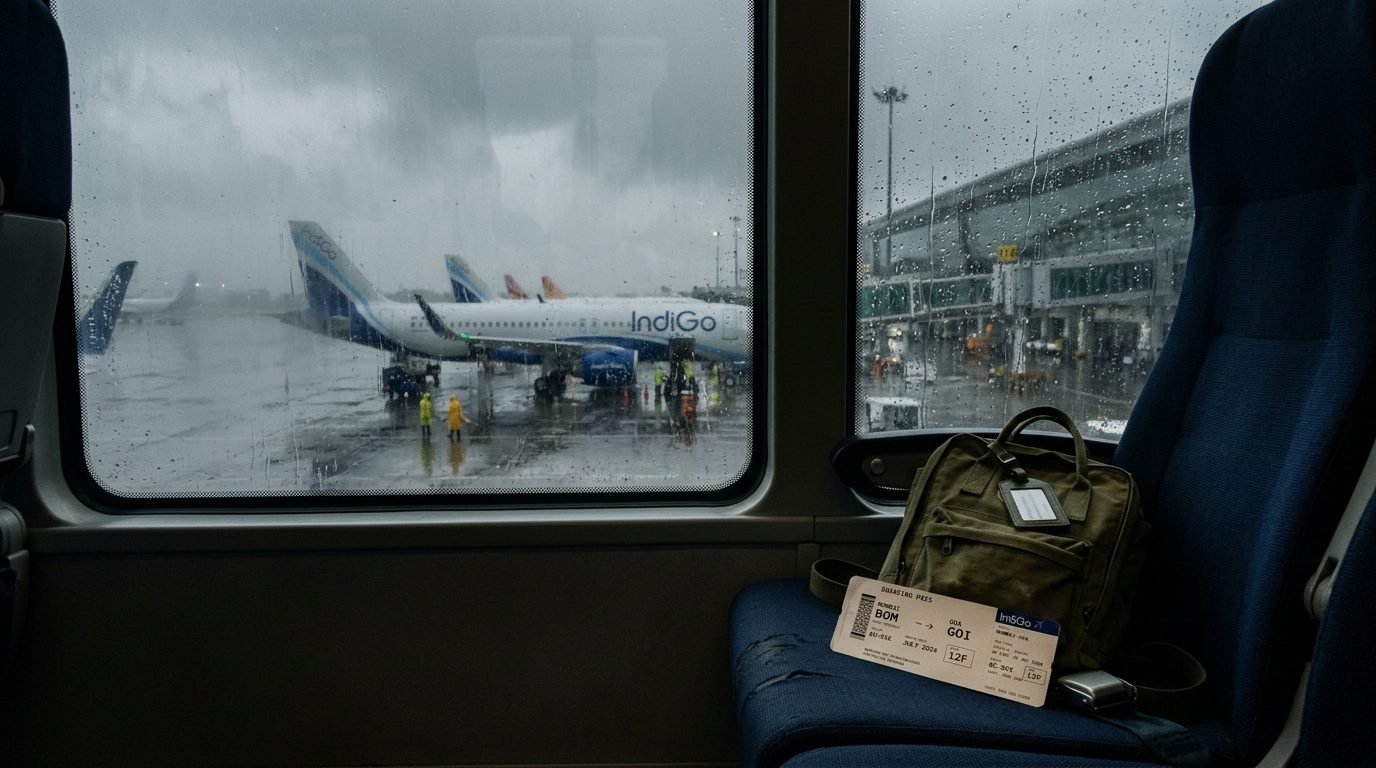
For years the monsoon was treated as a season to stay indoors. In 2026, a growing band of Indian travellers is flipping that logic - booking trips precisely because the rains have emptied the trails and slashed the bills. The off-season is quietly becoming the smart traveller's main event.
The shift reflects a more confident, value-conscious generation of travellers willing to trade guaranteed sunshine for emptier destinations and lower prices. Rather than seeing the rains as a washout, they are reframing them as part of the appeal - the lush landscapes, dramatic waterfalls and atmospheric mist that only the monsoon delivers.
The maths of the off-season
The maths is hard to argue with. Domestic flight fares on popular routes drop by 30 to 50% compared with peak winter pricing, and hotel rates dip sharply from July through early September. The emptiest viewpoints and quietest hill stations of the year arrive at the same moment the price tags fall.
The savings stack up across the whole trip rather than in any single line item:
- Domestic airfares on popular routes down 30 to 50% versus peak winter
- Hotel rates falling sharply from July through early September
- Thinner crowds at viewpoints and hill stations
- A quieter, more relaxed experience at marquee destinations
A gentler monsoon this year
There is a weather bonus too. The 2026 southwest monsoon reached Kerala on 24 May, its earliest onset since 2009, but the Met department has forecast rainfall at 92% of the long-period average. In practice that means fewer landslide closures in the Western Ghats and more predictable roads across the Himalayas.
A rainfall figure slightly below the long-period average tends to translate into a milder, more manageable season for travellers - enough rain to green the hills and fill the falls, but less of the relentless deluge that triggers road closures and washouts. For anyone weighing a monsoon trip, that forecast tilts the risk calculation in favour of going.
Where to go
The destinations rewarding off-season visitors read like a love letter to green India: Lonavala and Mahabaleshwar for thundering waterfalls, Coorg and Chikmagalur for mist-wrapped coffee estates, and the backwaters of Alleppey at their most atmospheric. These are places that arguably look their best in the rain, transformed by the very weather that keeps the peak-season crowds away.
The trade-offs are real - occasional washed-out days, the need for flexible plans and caution in landslide-prone hills - but for travellers willing to pack a raincoat and stay nimble, the rewards are substantial. With fares low, crowds thin and a gentler-than-usual season forecast, 2026 may be the year the monsoon finally sheds its reputation as a time to stay home.
The NE Times View
The off-season bargain is real, but it rewards the prepared, not the impulsive. A milder forecast is still a forecast, and the traveller saving 40% on fares can lose far more to a washed-out itinerary or a stranded connection. Our view: treat monsoon travel as a calculated trade, favour regions where rain is an asset rather than a hazard, and budget the savings against the risk before you book.
This article is original commentary and analysis by The NE Times. Background facts were referenced from StayVista, Wego.
You may also like to read

Mist, Waterfalls and Cheaper Fares: The Western Ghats Beckon This Monsoon
With an early monsoon onset and below-normal rainfall forecasts, the Western Ghats offer rain-washed hill stations and waterfalls at a fraction of peak-season travel costs in 2026.
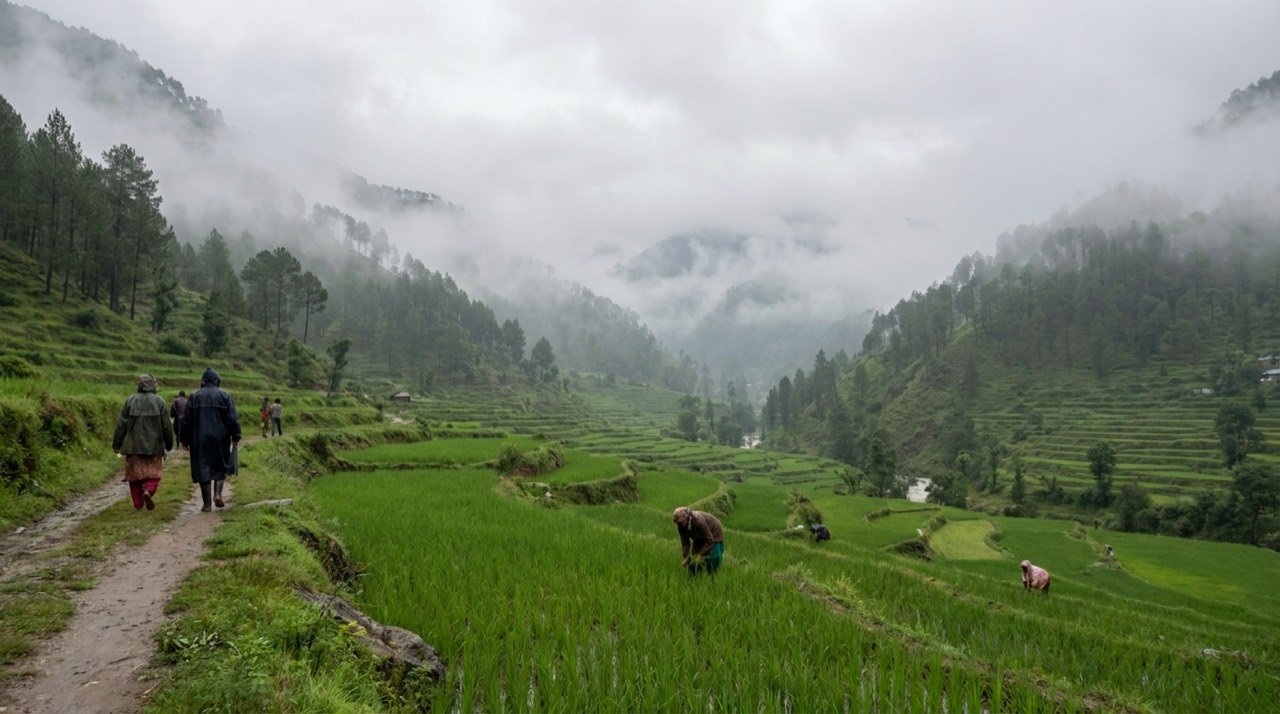
Misty Valleys and Cheaper Fares: India's Offbeat Monsoon Travel Boom in 2026
With domestic fares falling sharply and travellers seeking solitude, offbeat Himalayan hamlets, the rain-soaked Northeast and Ladakh's rain-shadow deserts are redrawing India's monsoon travel map in 2026.
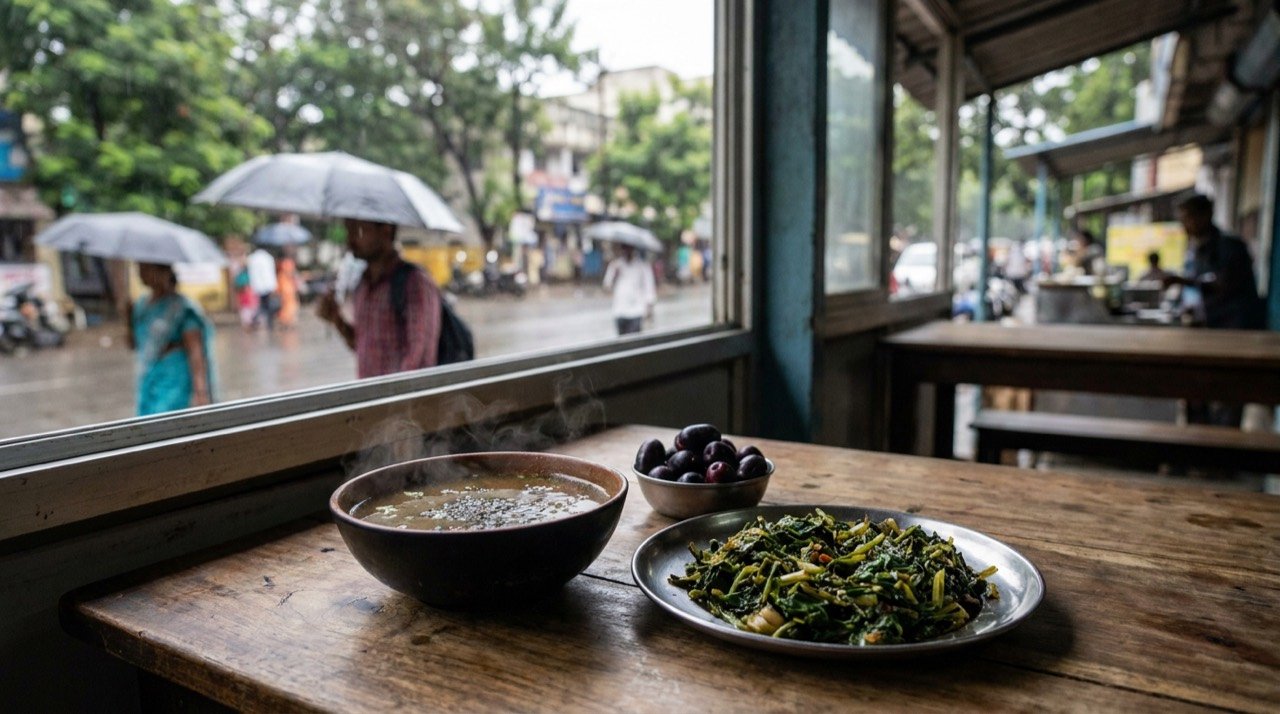
India's Monsoon Plate Returns to Its Roots as Seasonal Eating Goes Mainstream in 2026
From Kerala's ten-leaf stir-fries to jamun, rasam and warming spices, India's monsoon kitchens are blending ancestral ritucharya wisdom with the 2026 obsession with gut health and immunity.
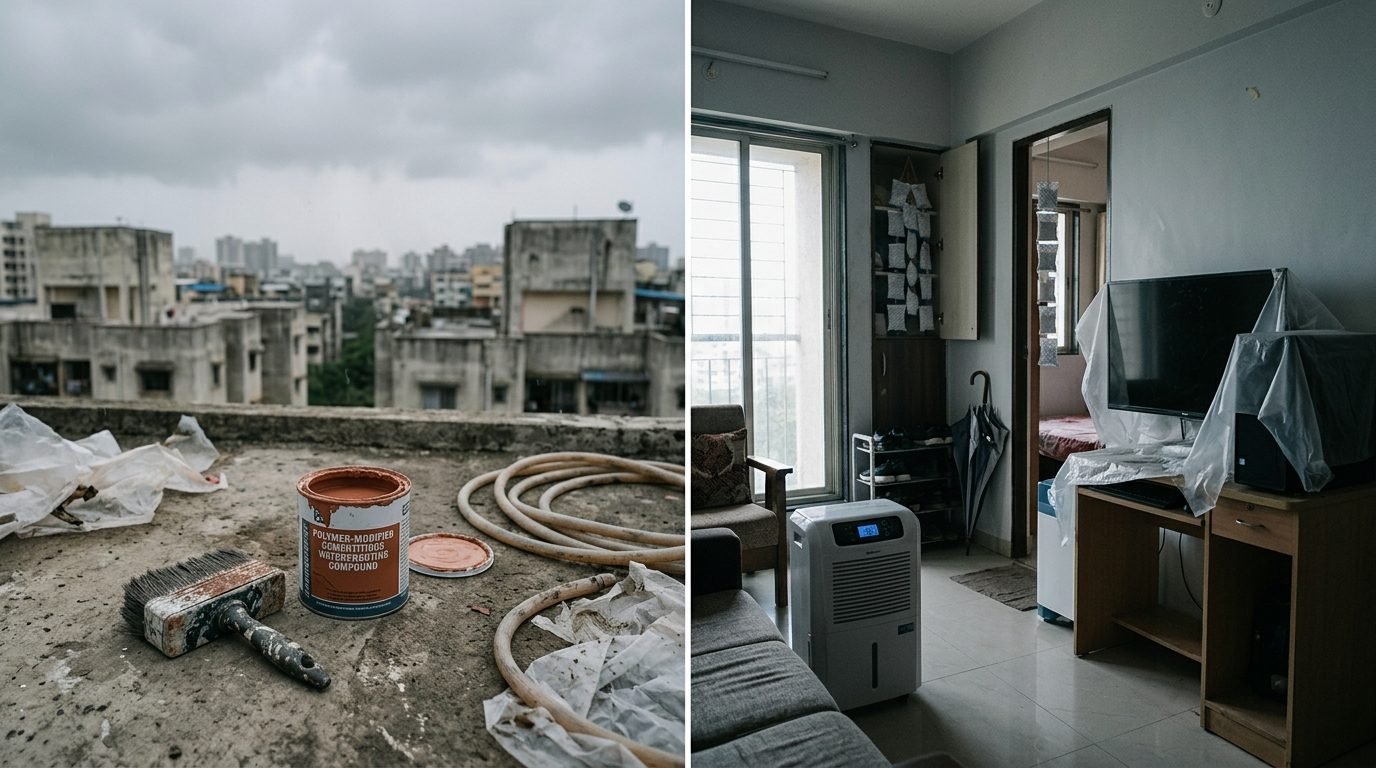
Monsoon Home Care 2026: A Practical Checklist Before the Rains Settle In
From rooftop waterproofing to keeping electronics and wardrobes safe from damp, here is how Indian households are monsoon-proofing their homes this season.
More from this section
More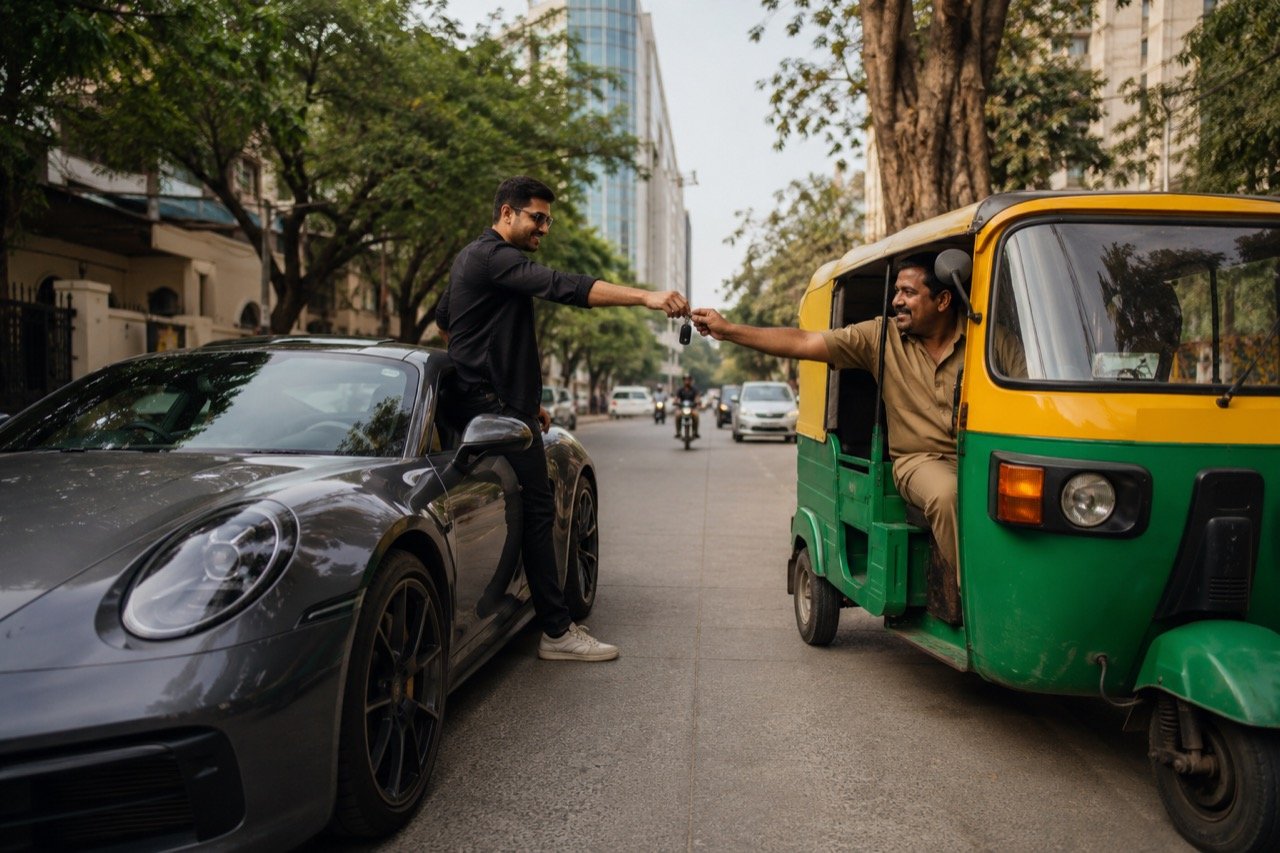
Bengaluru Lamborghini-Auto Swap: Entrepreneur's Gesture Goes Viral
A Bengaluru entrepreneur's spontaneous decision to trade seats with an auto-rickshaw driver, putting the cabbie behind a Lamborghini's wheel, has charmed social media and become the city's feel-good story of the week.
India's Monsoon Plate Returns to Its Roots as Seasonal Eating Goes Mainstream in 2026
From Kerala's ten-leaf stir-fries to jamun, rasam and warming spices, India's monsoon kitchens are blending ancestral ritucharya wisdom with the 2026 obsession with gut health and immunity.
Misty Valleys and Cheaper Fares: India's Offbeat Monsoon Travel Boom in 2026
With domestic fares falling sharply and travellers seeking solitude, offbeat Himalayan hamlets, the rain-soaked Northeast and Ladakh's rain-shadow deserts are redrawing India's monsoon travel map in 2026.