India Braces for Monsoon Disease Season as Cities Ramp Up Vector Surveillance in 2026
With dengue, malaria and chikungunya cases historically peaking after the rains, civic bodies led by Delhi are activating sentinel hospitals and stepping up mosquito control ahead of the dangerous monsoon months.
Commentary & Analysis ·
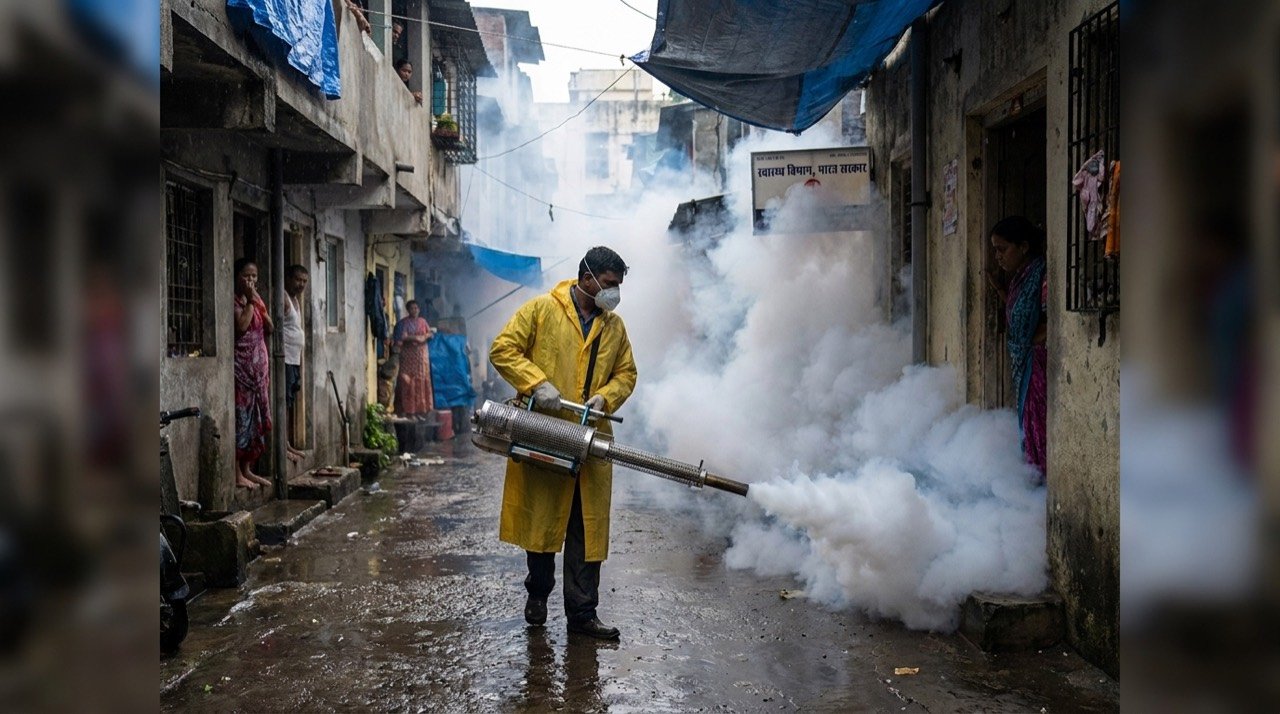
As the monsoon advances across the country, India is bracing for its most demanding public health stretch of the year. Vector-borne diseases such as dengue, malaria and chikungunya historically surge in the weeks following the rains, and civic and health authorities are moving early in 2026 to blunt the seasonal spike before it builds.
The Delhi blueprint
The national capital has set the template for early action. The Delhi government recently reviewed its dengue preparedness ahead of the monsoon, with the health minister chairing a meeting to strengthen vector-control measures and activate a network of 35 sentinel surveillance hospitals to track cases in real time.
Encouragingly, the early data is moving in the right direction. From the start of the year to mid-June, Delhi reported 162 dengue, 42 malaria and nine chikungunya cases, with dengue the most common but the overall tally lower than the 196 recorded over the same period in 2025. Malaria and chikungunya cases also declined year on year.
Why the peak still lies ahead
Officials are careful not to read too much into the early figures. Delhi typically records its highest dengue numbers in August, September and October, meaning the most dangerous phase of the season is still to come. Among the city's civic zones, the West Zone has reported the most dengue cases so far this year, followed by the Central Zone and Civil Lines.
- Dengue remains the most commonly reported vector-borne disease so far in 2026
- Delhi's case tally is lower than the same period in 2025
- 35 sentinel surveillance hospitals have been activated for real-time tracking
- August to October historically record the highest dengue caseloads
- Eliminating stagnant water remains the single most effective household measure
Prevention at the doorstep
Public health experts stress that surveillance and fogging can only do so much without community participation. The Aedes mosquito that spreads dengue breeds in clean, stagnant water, often in coolers, flower pots, discarded containers and rooftop tanks, making weekly checks at home the frontline defence. Authorities are urging residents to empty standing water, use protective measures and report fever early.
“The monsoon does not cause these diseases on its own. It is the standing water we leave behind that turns a rainy season into an outbreak season.”
With other states across central, western and eastern India entering the same risk window, the coming months will test how far early preparedness translates into lower caseloads. For now, the message from health authorities is consistent: the rains have arrived, the peak is ahead, and prevention begins at home.
The NE Times View
Pre-positioning sentinel hospitals and mosquito control before the post-monsoon spike is exactly the proactive shift India's public health system has long needed. The hard part is consistency: surveillance that switches on in alarm season and lapses by winter never breaks the dengue cycle. Civic bodies should be judged not on this year's drive but on whether year-round source reduction and data become routine across cities, not just Delhi.
This article is original commentary and analysis by The NE Times. Background facts were referenced from The Hindu and NDTV.
You may also like to read
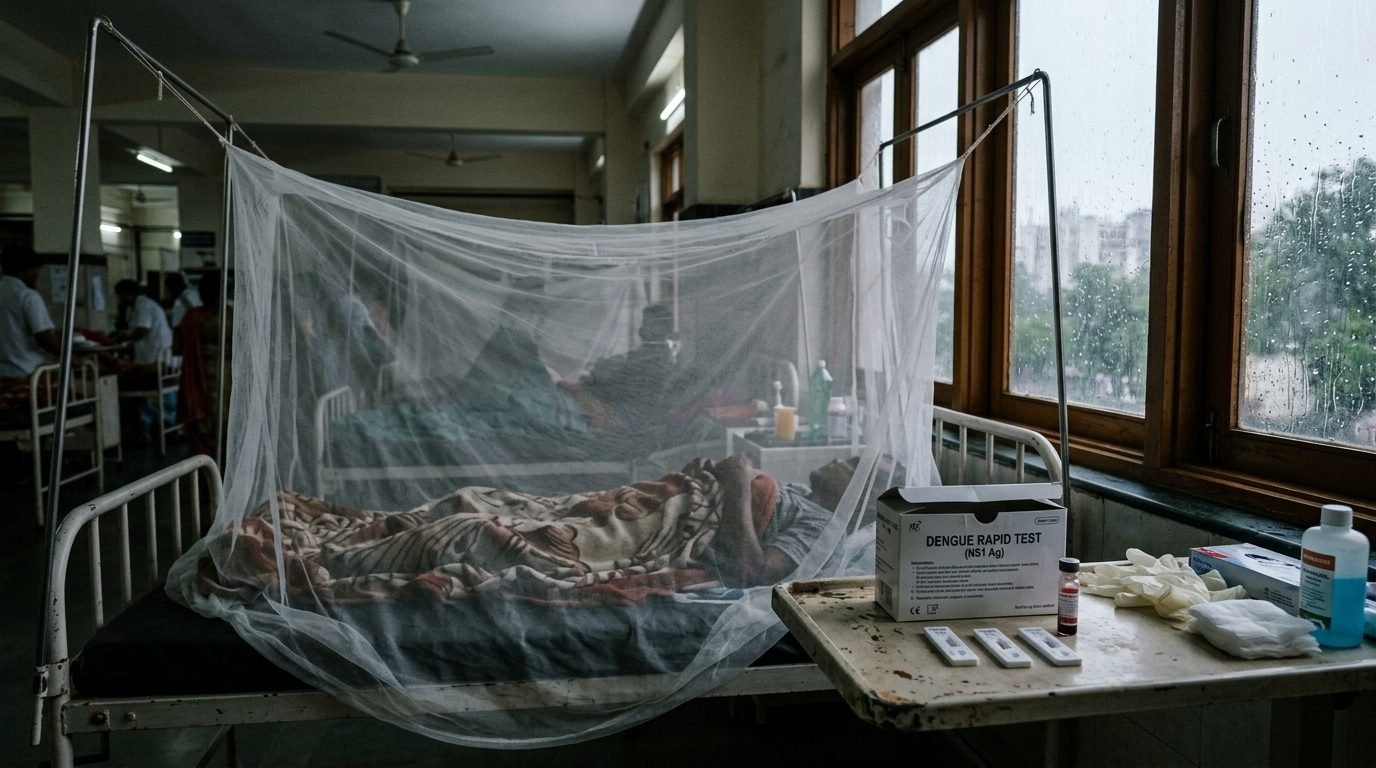
Dengue Loosens Its Grip on the Monsoon as India Reports Early Cases
Health officials say the once-predictable rainy-season cycle of dengue is blurring, with infections surfacing earlier in the year and surveillance now stretching across almost all twelve months.
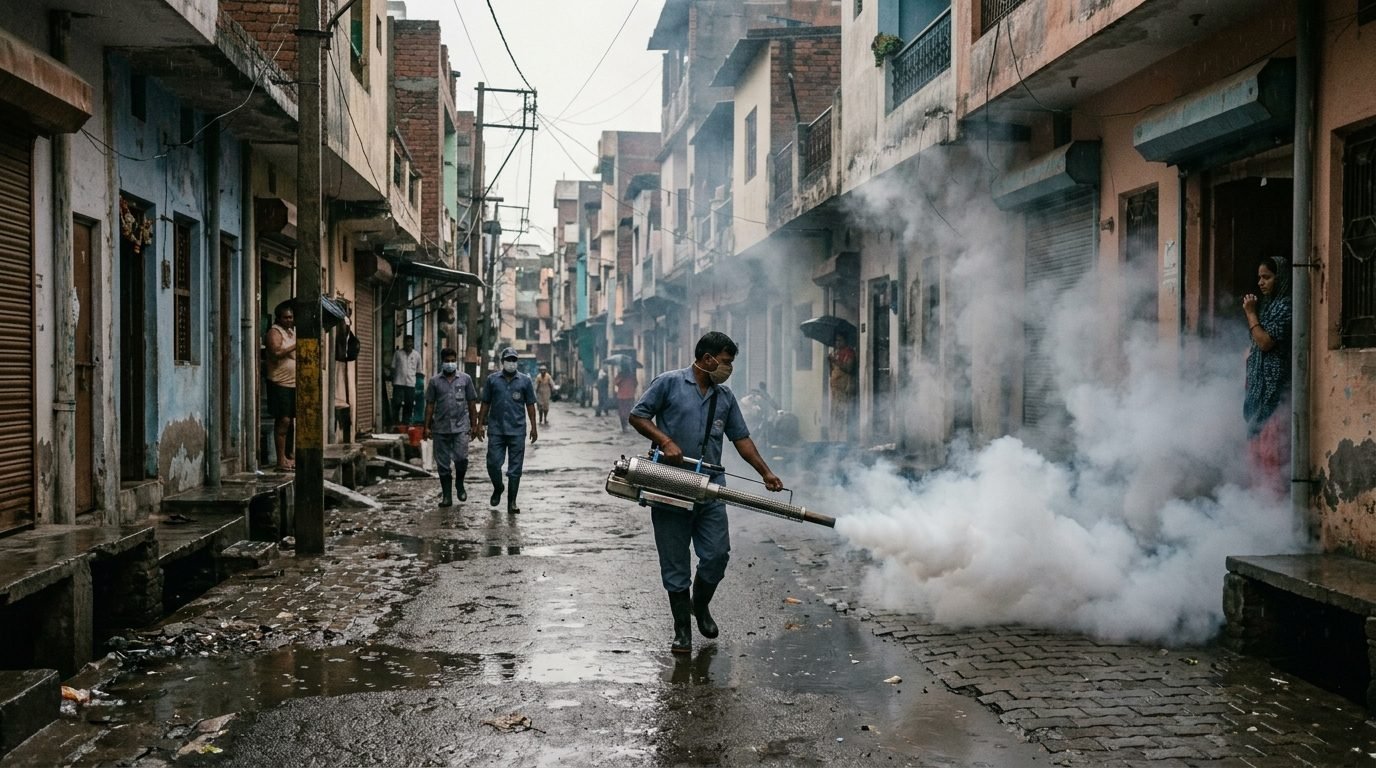
States Brace for Monsoon Fevers as Early Dengue Surge Worries Health Officials
With the southwest monsoon advancing, health departments across India are scrambling to contain dengue, malaria and chikungunya after an unusually early spike in cases reported before the rains even arrived.
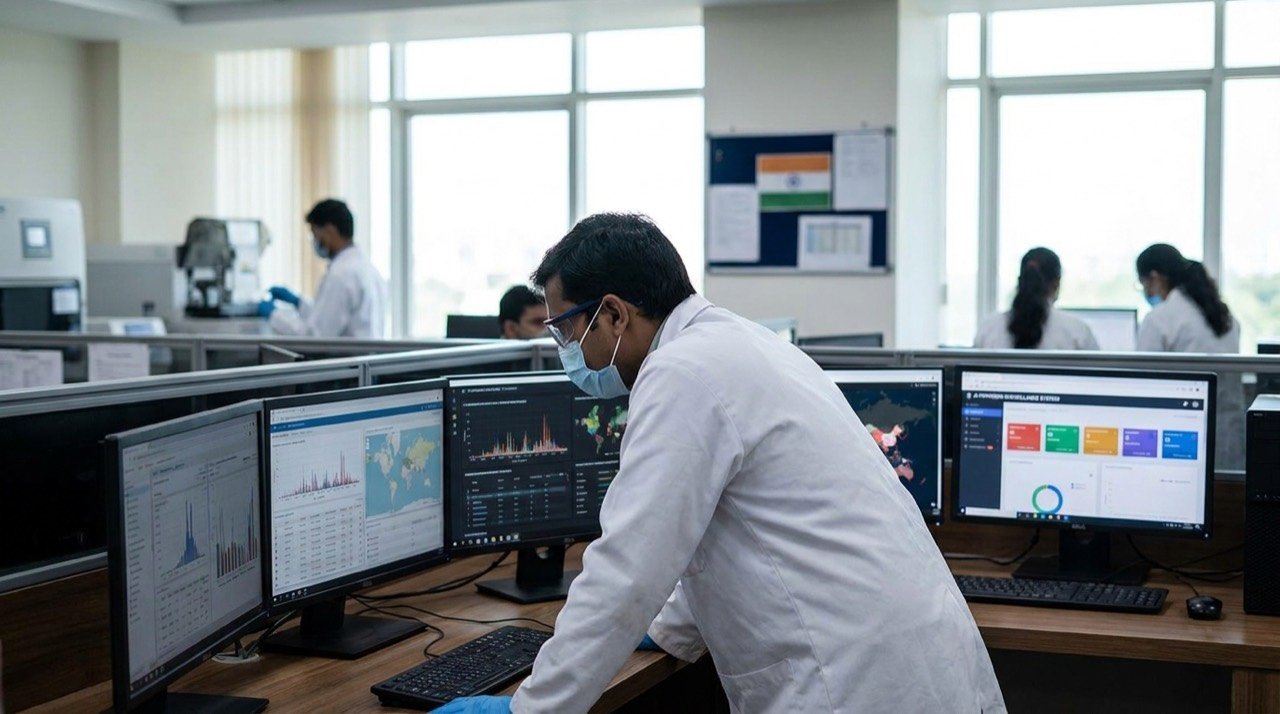
India Bets on AI to Catch the Next Outbreak Under One Health Mission in 2026
Drawing on the hard lessons of COVID-19, the ICMR is inviting proposals for AI systems to detect emerging pathogens across people, animals and the environment, in a bid to predict outbreaks rather than react to them.

Maharashtra Orders Statewide Blood Centre Checks After FDA Shutdowns
After the Food and Drug Administration shut two blood centres, Maharashtra has ordered inspections of every facility in the state, putting blood-bank safety, licensing and public trust in health infrastructure under fresh scrutiny.
More from this section
More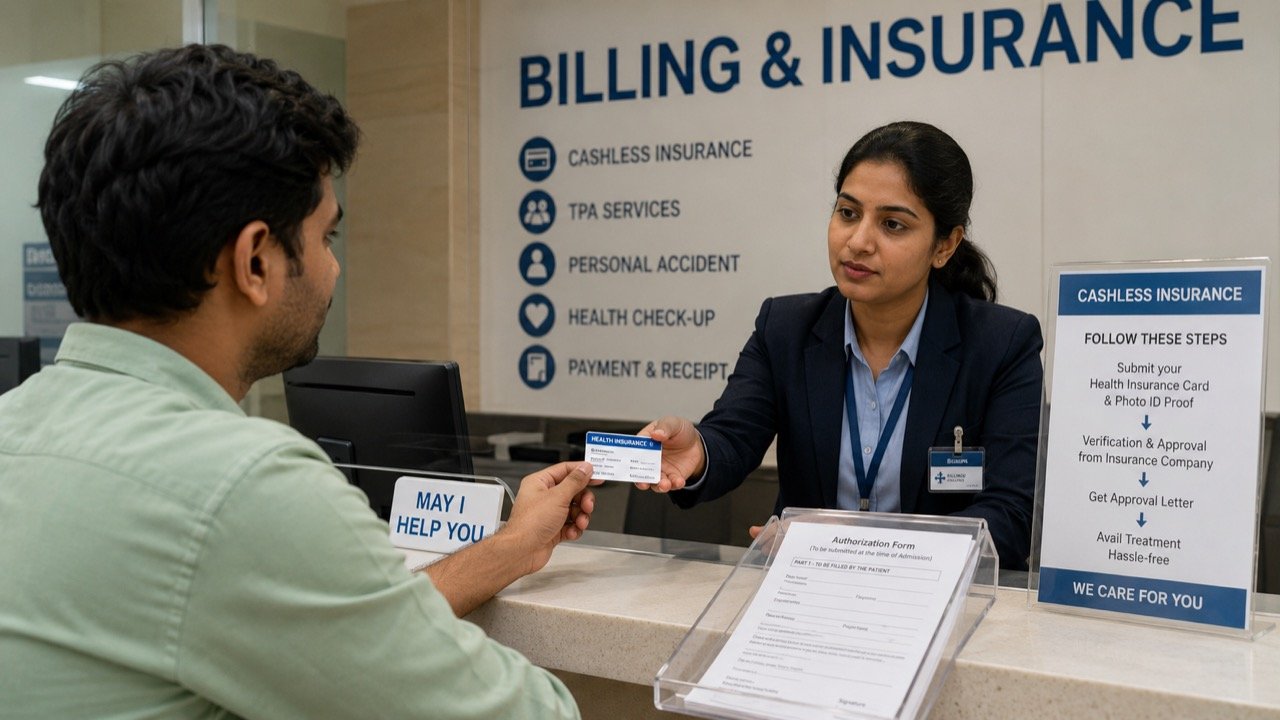
Health Insurance: Why Hospital Cashless Status Matters Before You Buy
Whether a hospital sits inside an insurer's cashless network can decide if a family pays lakhs upfront during an emergency or walks in with paperwork alone, making it a first-order question for policy buyers.

Jharkhand Teen Dies During Fracture Treatment; CM Orders Probe
The death of a Jharkhand teenager during treatment for a reported fracture has led to family allegations of medical negligence and an official probe ordered by the Chief Minister into what went wrong.
Aarogya Setu 2.0 Returns as India's Personal Health Record App
The pandemic-era contact tracing app has been relaunched as a personal health record platform, betting that portable medical data can find a place in India's growing digital health ecosystem.