NMC Move to Phase Out PG Medical Diplomas Reshapes Specialist Training Debate
The National Medical Commission's reported plan to discontinue postgraduate medical diplomas and convert eligible seats into MD and MS programmes is stirring debate over India's specialist training and seat availability.
Commentary & Analysis ·
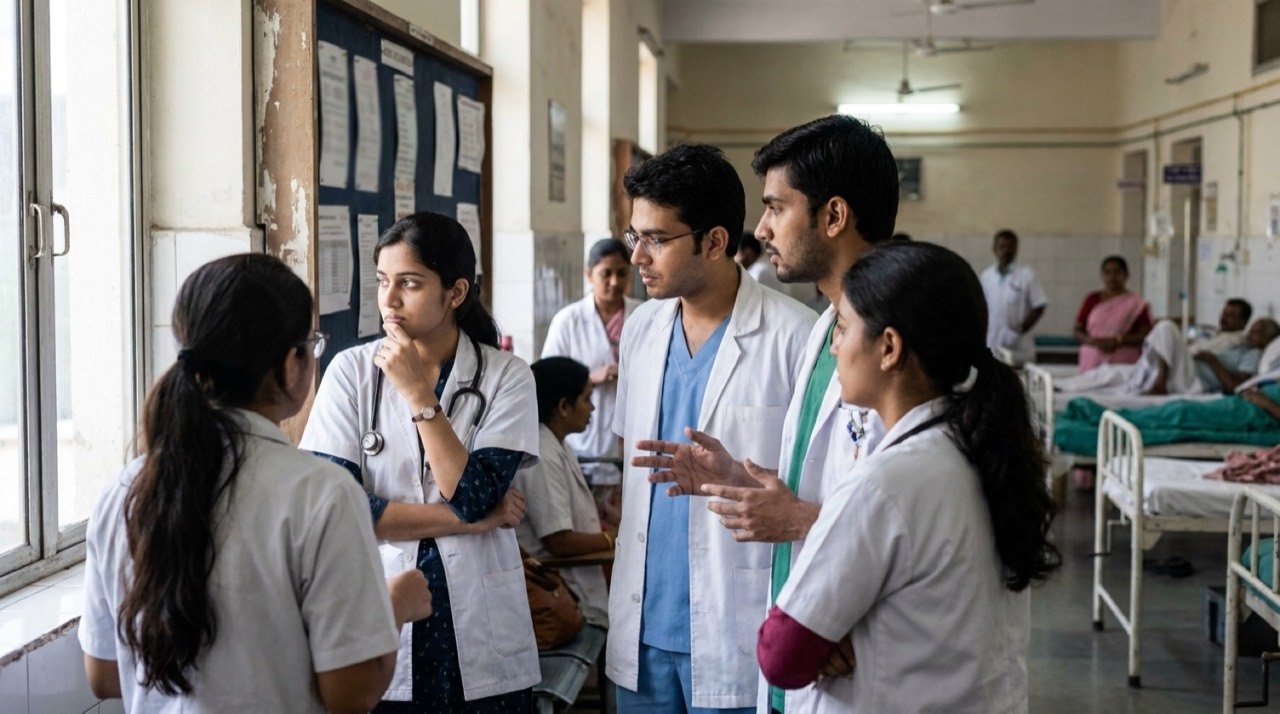
A reported decision by the National Medical Commission (NMC) to discontinue postgraduate medical diploma courses and convert eligible seats into MD or MS degree programmes has set off intense discussion across medical colleges and among aspirants. The move touches one of the most sensitive parts of India's health system: how the country trains the specialists it badly needs. On the surface, it reads as a simple act of standardisation. Underneath, it raises a harder question that has followed Indian medical education for decades — whether uniformity in credentials is worth the risk of shrinking the overall supply of trained doctors.
What the change involves
At its core, the plan would end the parallel diploma track that has long run alongside full MD and MS degrees, folding qualifying seats into the degree stream. The stated aim is to standardise specialist training and remove the disparity in recognition and career mobility that diploma holders have sometimes faced relative to degree graduates. For years, diploma holders have occupied an ambiguous middle tier in India's medical hierarchy: qualified to practise as specialists, yet often viewed differently in hiring, promotions and further academic progression compared with MD or MS degree holders. Ending that dual system, in principle, would remove a long-standing source of professional friction and give every postgraduate specialist the same formal standing.
If implemented, the shift would simplify the postgraduate landscape into a single, uniform pathway, potentially raising the baseline of specialist qualification across the country. A single-track system is also easier to regulate, audit and benchmark against international norms, which may be part of the NMC's underlying rationale. But simplification of a regulatory structure is not the same as improvement in outcomes, and the gap between the two is precisely where this reform will be judged.
Impact on students and colleges
For aspirants, the change could alter counselling choices, seat matrices and long-term career planning, particularly for those who viewed the diploma as a shorter, more accessible route to specialisation. Many students have historically chosen the diploma path deliberately: it offered a faster entry into practice, often at lower cost, and served as a realistic option for those who did not secure a degree seat in the fiercely competitive postgraduate entrance process. Removing that option does not remove the underlying competition for seats; it simply forces those same aspirants into a single, more crowded degree pathway, with all the additional years of training and examination pressure that entails.
Decisions made during admission cycles would need to account for a reconfigured menu of options. Counselling bodies, state health departments and private colleges will all need to recalibrate seat-matrices, and aspirants currently preparing for entrance examinations may find themselves planning around a system whose final shape is not yet confirmed. That uncertainty itself has a cost, even before any formal guidelines are issued.
For colleges, the conversion raises practical questions about faculty strength, infrastructure and the regulatory approvals required to upgrade programmes. Not every institution running diploma courses may immediately meet the standards expected of an MD or MS seat. A diploma course typically demands less in terms of faculty ratios, research infrastructure and specialised equipment than a full degree programme. Institutions that cannot meet the higher bar risk losing seats altogether rather than upgrading them, which would translate the reform's intended standardisation into a straightforward reduction in the number of specialists trained each year.
The specialist shortage question
The transition will be watched closely because India's specialist shortage demands both quality and quantity. Diplomas have historically helped fill gaps quickly, especially outside major urban centres where degree seats are scarce. This is the crux of the debate: India's health system does not suffer only from inconsistent training standards, it suffers acutely from an absolute shortage of specialists in smaller towns and rural districts, where diploma-trained doctors have often been the only realistic source of specialist care. Any reform must avoid trading higher standards for fewer trained doctors in underserved districts, because a credential upgrade that a struggling public hospital cannot benefit from is, in practical terms, no upgrade at all for the patients it was meant to serve.
Eligible PG diploma seats would be converted into MD or MS programmes, and the reform aims to standardise specialist training nationwide. Counselling, seat matrices and career planning could shift for aspirants, while colleges face faculty, infrastructure and approval requirements to upgrade. Rural and smaller-town health systems could be most affected by seat changes, since these are precisely the regions where diploma-trained specialists have historically filled the widest gaps. Medical education observers have noted that India's specialist shortage requires both quality training and enough seats, especially outside major urban centres — a balance this reform must strike carefully rather than assume automatically.
Sequencing and the path to formal guidelines
How the NMC sequences the transition, and whether it pairs the upgrade with support for colleges to expand capacity, will determine whether the reform strengthens specialist care or simply narrows the pipeline. A phased approach that allows institutions time and resources to build up faculty and infrastructure before their diploma seats are converted would look very different in outcome from an abrupt mandate that forces immediate compliance or seat loss. Similarly, whether the NMC accompanies this change with incentives, funding or relaxed timelines for colleges in smaller cities and rural regions will shape whether the reform closes gaps or widens them.
For now, students and institutions await formal guidelines before recalibrating their plans. That waiting period is not neutral: aspirants preparing for entrance examinations, colleges planning next year's intake and state health departments drawing up recruitment plans all need clarity soon. The longer the ambiguity persists, the more disruptive the eventual transition is likely to be, simply because fewer stakeholders will have had time to adjust.
The NE Times View
Converting diploma seats into MD and MS programmes sounds like an upgrade, but India cannot afford to lose the shorter, practical training that staffed district hospitals for decades. The NE Times worries this rewards prestige over the urgent need for more specialists in underserved towns. Reform is welcome only if total seats grow; otherwise it narrows access at precisely the wrong moment. A credentialing change that improves the paperwork of Indian medicine while quietly reducing the number of hands available to treat patients in Tier 2 and Tier 3 towns would be a poor trade, however well-intentioned its origins. The measure of this reform should not be how uniform India's specialist qualifications look on paper, but how many trained specialists actually reach the hospitals that need them most.
Key takeaways
- The NMC's reported plan would end the parallel PG diploma track, converting eligible seats into MD or MS degree programmes to standardise specialist training.
- Aspirants who relied on diplomas as a faster, more accessible route to specialisation may face a reconfigured, more competitive admissions landscape.
- Colleges running diploma courses will need to meet higher faculty, infrastructure and regulatory standards, and some may lose seats rather than upgrade them.
- Rural and smaller-town health systems, which have depended heavily on diploma-trained specialists, stand to be most affected by any net reduction in seats.
- The reform's success will hinge on whether the NMC pairs it with capacity-building support for colleges, ensuring total specialist output grows rather than shrinks.
You may also like to read
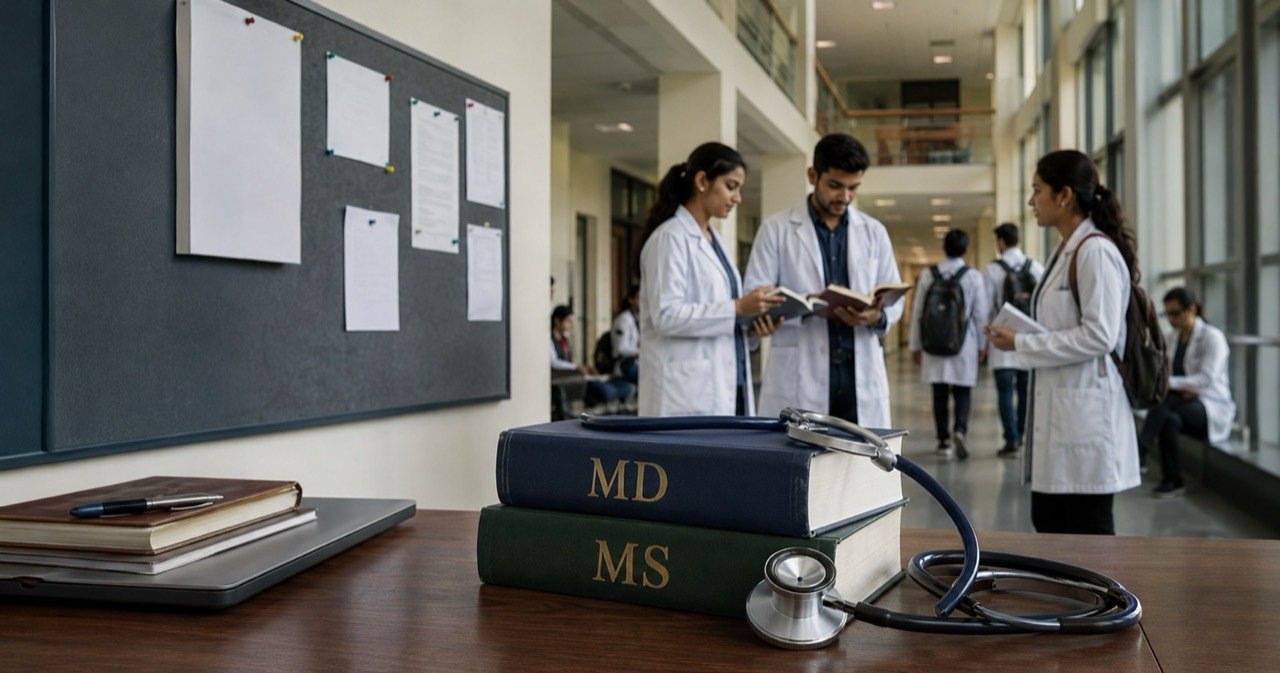
NMC to Phase Out PG Diploma Medical Courses, Shift Seats to MD and MS
The National Medical Commission says 2026-27 will be the final admission cycle for postgraduate diploma medical courses, with seats set to convert into MD and MS degree programmes from 2027-28.
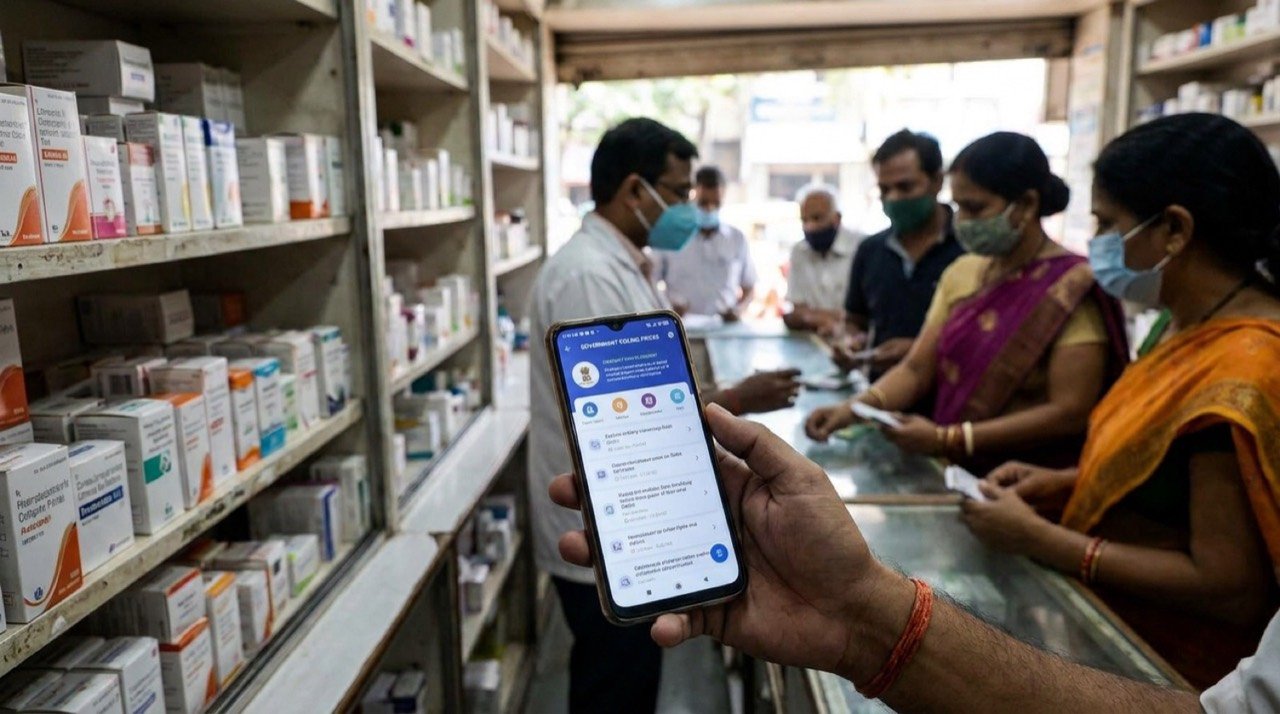
Medicine Price Checks and Complaints Move to a Single Citizen Platform
India's drug pricing regulator has merged its grievance portal with its price-checking tool, letting citizens verify medicine prices and file complaints from one place.
Jharkhand Teen Dies During Fracture Treatment; CM Orders Probe
The death of a Jharkhand teenager during treatment for a reported fracture has led to family allegations of medical negligence and an official probe ordered by the Chief Minister into what went wrong.
India's Organ Donation Pledges Cross Five Lakh Milestone
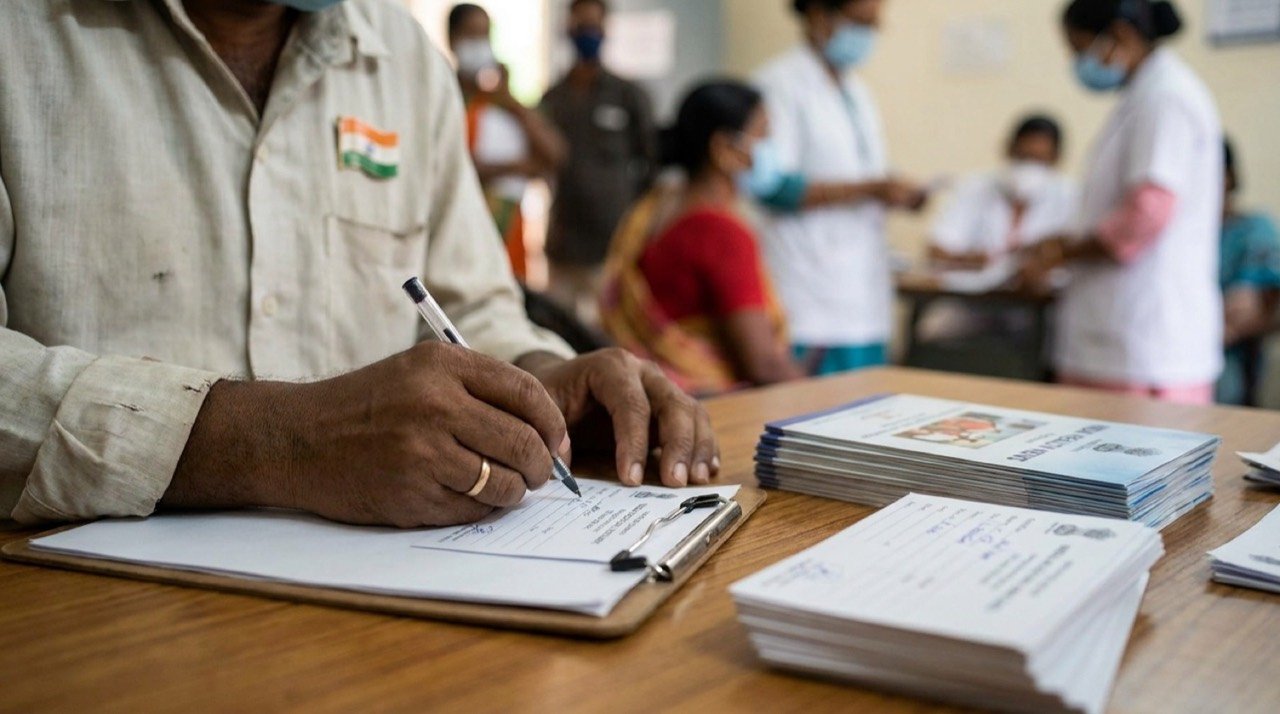
India has crossed five lakh organ donation pledges, a landmark for transplant awareness, but doctors warn the real test is converting promises into timely, ethical and well-coordinated donations.
More from this section
More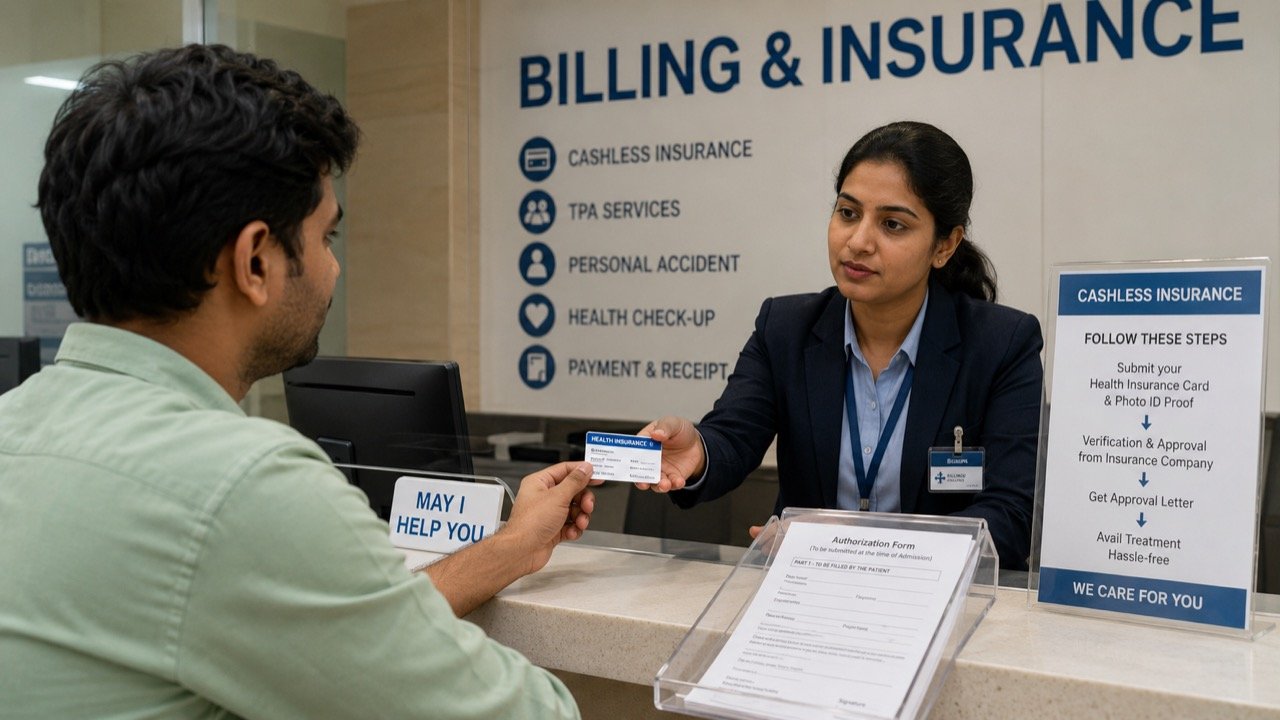
Health Insurance: Why Hospital Cashless Status Matters Before You Buy
Whether a hospital sits inside an insurer's cashless network can decide if a family pays lakhs upfront during an emergency or walks in with paperwork alone, making it a first-order question for policy buyers.
Jharkhand Teen Dies During Fracture Treatment; CM Orders Probe
The death of a Jharkhand teenager during treatment for a reported fracture has led to family allegations of medical negligence and an official probe ordered by the Chief Minister into what went wrong.
Aarogya Setu 2.0 Returns as India's Personal Health Record App
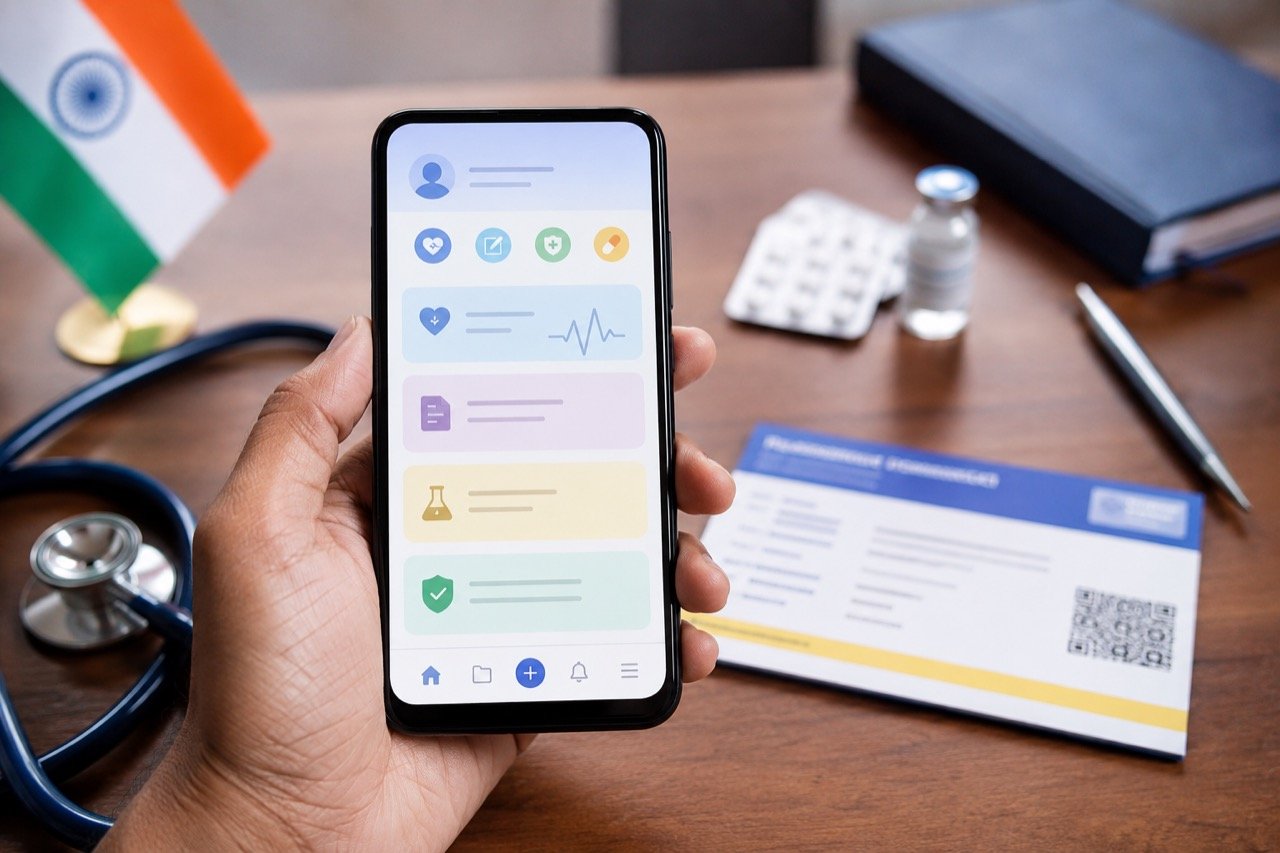
The pandemic-era contact tracing app has been relaunched as a personal health record platform, betting that portable medical data can find a place in India's growing digital health ecosystem.