Medicine Price Checks and Complaints Move to a Single Citizen Platform
India's drug pricing regulator has merged its grievance portal with its price-checking tool, letting citizens verify medicine prices and file complaints from one place.
Commentary & Analysis ·
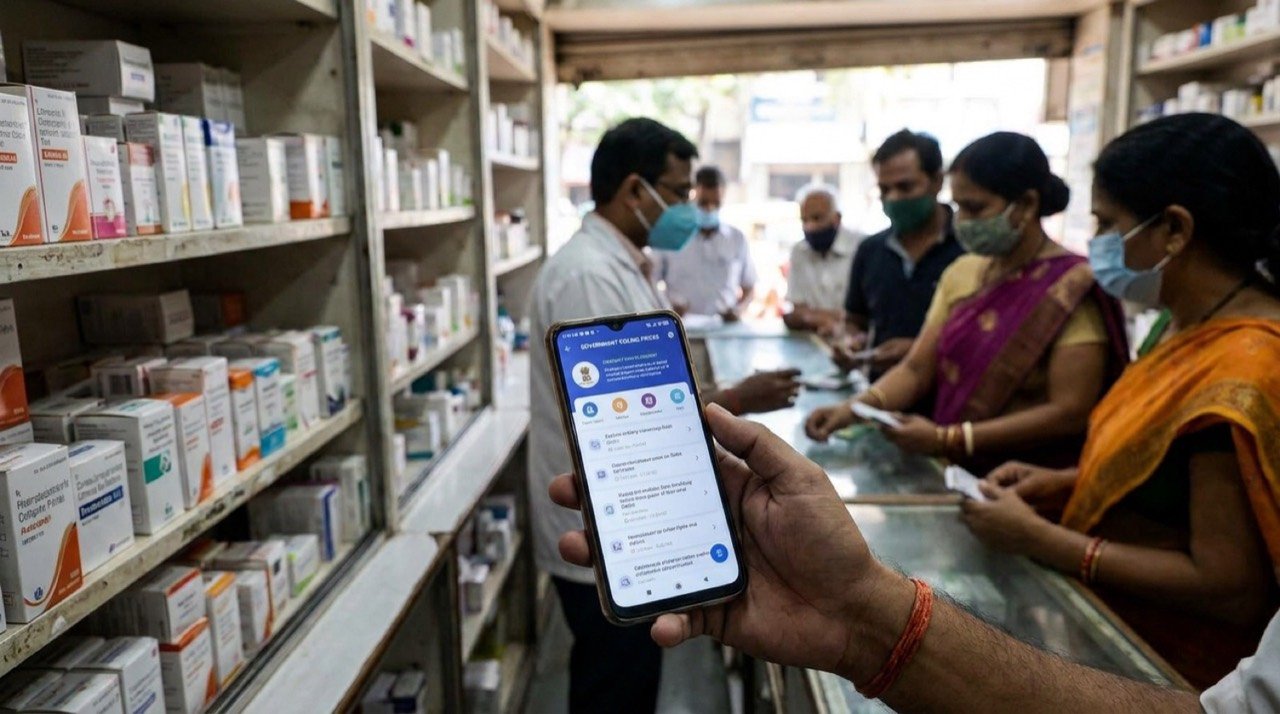
Checking whether a medicine is fairly priced, and complaining when it is not, has just become a single, simpler task. India's National Pharmaceutical Pricing Authority (NPPA) has integrated its Pharma Jan Samadhan grievance portal with the Pharma Sahi Daam price-checking platform, folding two separate services into one app and website for consumers. On the surface, this looks like a modest administrative tidy-up, the kind of back-office consolidation that rarely makes headlines. But for a regulator whose core job is protecting patients from being overcharged for essential drugs, the way citizens access price information and lodge complaints is not a peripheral detail. It is the entire mechanism through which price control policy meets the person standing at a pharmacy counter.
What has changed
Until now, a citizen who wanted to verify the ceiling price of a scheduled drug used one tool, while anyone wishing to lodge a pricing complaint had to navigate another. The merger means a person can now look up an authorised price and, in the same interface, flag a pharmacy or retailer that appears to be overcharging. The NPPA, which sets ceiling prices for scheduled medicines, says the combined platform is designed to cut duplication, raise public awareness and make enforcement of price caps more visible to ordinary buyers. This may sound like a small technical change, but anyone who has tried to navigate government portals knows that the number of steps between "I suspect I have been overcharged" and "I have formally reported it" often determines whether a complaint is ever filed at all. Splitting price verification and grievance filing across two separate systems effectively created a second decision point at which a frustrated or busy consumer could simply give up.
Why affordability is the bigger story
Medicine affordability is a recurring concern for Indian households, particularly for those managing chronic conditions where out-of-pocket spending on drugs is significant. For a family managing diabetes, hypertension, or a similar long-term condition, the difference between the ceiling price and an inflated price, multiplied across months or years of refills, can add up to a meaningful share of household income. Ceiling prices exist precisely to prevent overcharging, but they only work if patients can easily check them and report violations. A price cap that exists only on paper, unknown to the patient standing at the counter, offers little practical protection. It is enforced, in practice, by informed consumers who know what a medicine should cost and are willing to act when it does not.
This is why the integration matters more than a routine software update. By turning price verification and complaint redressal into a single digital-governance service, the regulator is betting that lower friction will translate into greater compliance from sellers who know consumers can now check and complain in seconds. In effect, the NPPA is trying to convert a passive pricing rule into an active deterrent, one where every pharmacy counter interaction carries the implicit possibility that the buyer is checking the price against an authoritative source in real time.
What the unified platform offers
The consolidated system brings together several functions that were previously scattered. It provides a single app and portal for both price checks and complaints, meaning consumers no longer need to remember which service does what. It allows verification of whether scheduled medicines are within government ceiling prices, giving buyers a reference point before they pay. It creates a direct route to lodge drug-pricing grievances against retailers, without requiring a separate login or a different set of forms. It reduces duplication between two previously separate services, which should, in principle, also simplify the NPPA's own internal tracking of complaints and price data. And it aims for greater public awareness of consumer rights on medicine costs, since a single, better-known platform is easier to publicise than two parallel ones. As the NPPA put it in describing the integration, the combined interface turns medicine affordability and complaint redressal into a single digital-governance service.
The uptake problem
The real test of the integration will be uptake. A unified tool only protects consumers if people know it exists and trust that complaints lead to action. Many government digital services suffer not from poor design but from poor discoverability; a well-built portal that nobody has heard of achieves little. This is particularly true for medicine pricing, where the people most affected by overcharging, often older patients managing chronic illness, or households in smaller towns with less digital fluency, may be the least likely to know that such a tool exists or feel confident using it. If awareness campaigns accompany the rollout and grievances are resolved promptly, the merger could become a quietly important piece of India's healthcare safety net, putting price transparency directly into the hands of patients. Without that awareness push, however, the risk is that the platform becomes a well-intentioned tool used mainly by the digitally confident minority who were already checking prices before the merger happened.
What happens after a complaint is filed
Consolidation solves the problem of access, but it does not by itself solve the problem of consequence. A patient who files a complaint through the new unified platform will want to know two things: will the overcharge be corrected, and will the retailer face any penalty that discourages a repeat. Neither of these outcomes is automatically guaranteed by merging two portals into one. The plumbing of complaint intake can be as smooth as possible, but if the pipeline from complaint to enforcement action remains slow, opaque, or under-resourced, the improvement in convenience will not translate into a meaningful reduction in overcharging. This is where regulatory follow-through, not app design, becomes the deciding factor in whether the initiative succeeds.
The NE Times View
Merging the price-check and grievance tools is sensible plumbing, but a single portal only matters if complaints actually trigger refunds and penalties on overcharging chemists. The NE Times View: convenience is not enforcement. The test is whether a patient who flags an inflated medicine price sees the overcharge corrected within days, or whether the unified platform becomes one more place where grievances quietly expire. A regulator that wants this integration to be more than a cosmetic upgrade should be prepared to publish data on complaint volumes, resolution times and enforcement actions taken, so that the public, and independent observers, can judge whether the promise of a simpler system has actually improved outcomes at the pharmacy counter.
Key takeaways
- The NPPA has merged its Pharma Jan Samadhan grievance portal with the Pharma Sahi Daam price-checking platform into a single app and website.
- Consumers can now check a scheduled medicine's ceiling price and lodge an overcharging complaint in the same interface, rather than using two separate tools.
- The stated aims are reducing duplication, raising public awareness, and making price-cap enforcement more visible to ordinary buyers.
- Success depends heavily on public awareness of the platform and on whether complaints lead to prompt, tangible correction of overcharging.
- The NE Times View holds that the real measure of this reform is enforcement speed and outcomes, not the convenience of the interface itself.
You may also like to read

NMC Move to Phase Out PG Medical Diplomas Reshapes Specialist Training Debate
The National Medical Commission's reported plan to discontinue postgraduate medical diplomas and convert eligible seats into MD and MS programmes is stirring debate over India's specialist training and seat availability.

Jharkhand Teen Dies During Fracture Treatment; CM Orders Probe
The death of a Jharkhand teenager during treatment for a reported fracture has led to family allegations of medical negligence and an official probe ordered by the Chief Minister into what went wrong.
FSSAI Notices Put Packaged-Food Health Claims Under Sharper Scrutiny
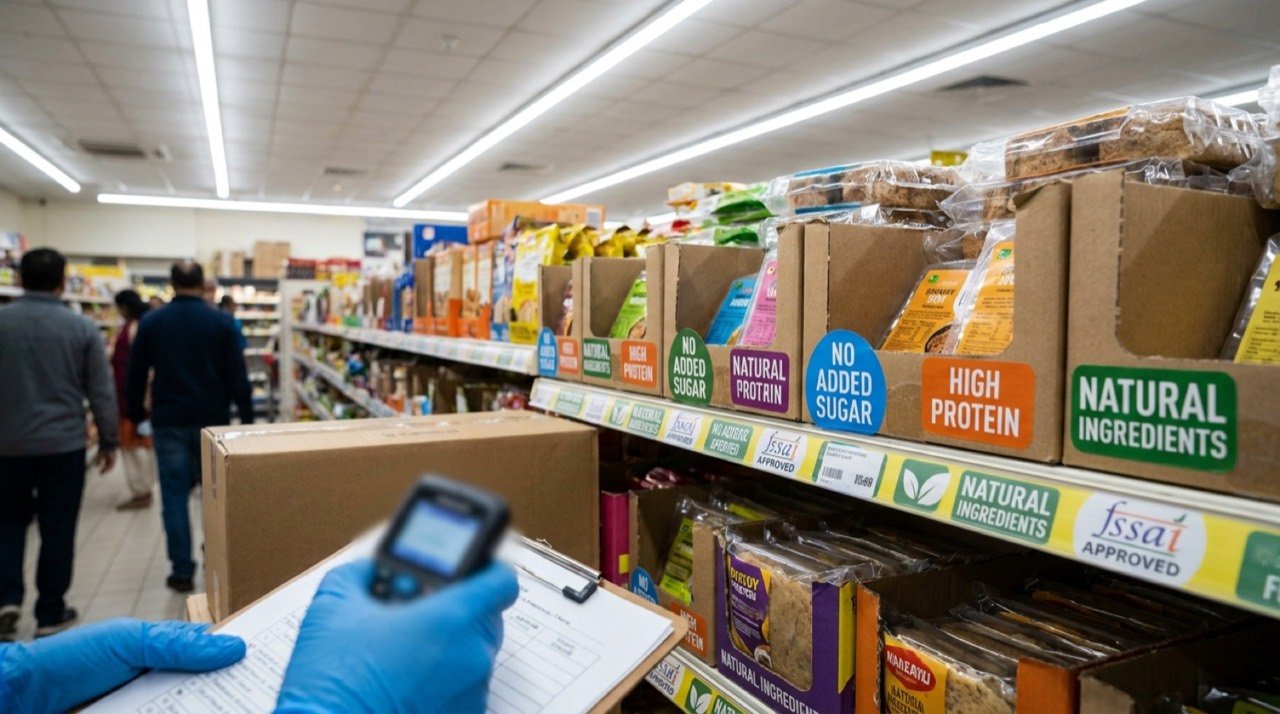
Food regulator FSSAI has reportedly issued notices over health and nutrition claims on packaged foods, sharpening scrutiny of labels like 'no added sugar', 'high protein' and 'immunity support'.
India's Organ Donation Pledges Cross Five Lakh Milestone
India has crossed five lakh organ donation pledges, a landmark for transplant awareness, but doctors warn the real test is converting promises into timely, ethical and well-coordinated donations.
More from this section
More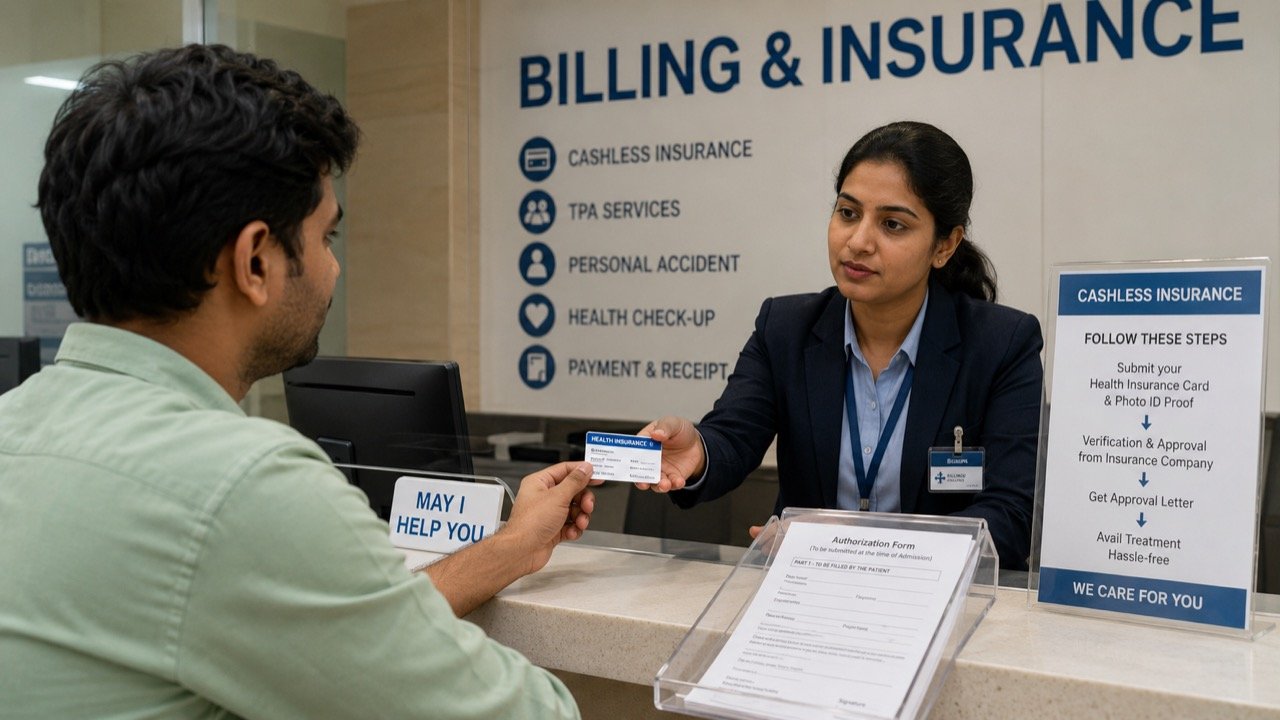
Health Insurance: Why Hospital Cashless Status Matters Before You Buy
Whether a hospital sits inside an insurer's cashless network can decide if a family pays lakhs upfront during an emergency or walks in with paperwork alone, making it a first-order question for policy buyers.
Jharkhand Teen Dies During Fracture Treatment; CM Orders Probe
The death of a Jharkhand teenager during treatment for a reported fracture has led to family allegations of medical negligence and an official probe ordered by the Chief Minister into what went wrong.
Aarogya Setu 2.0 Returns as India's Personal Health Record App
The pandemic-era contact tracing app has been relaunched as a personal health record platform, betting that portable medical data can find a place in India's growing digital health ecosystem.