India's Hospital Bed Gap Back in Focus as Public System Strains
Fresh data underscoring India's shortage of public hospital beds has reignited debate over whether the country's health infrastructure can keep pace with rising demand and a fast-growing private sector.
Commentary & Analysis ·
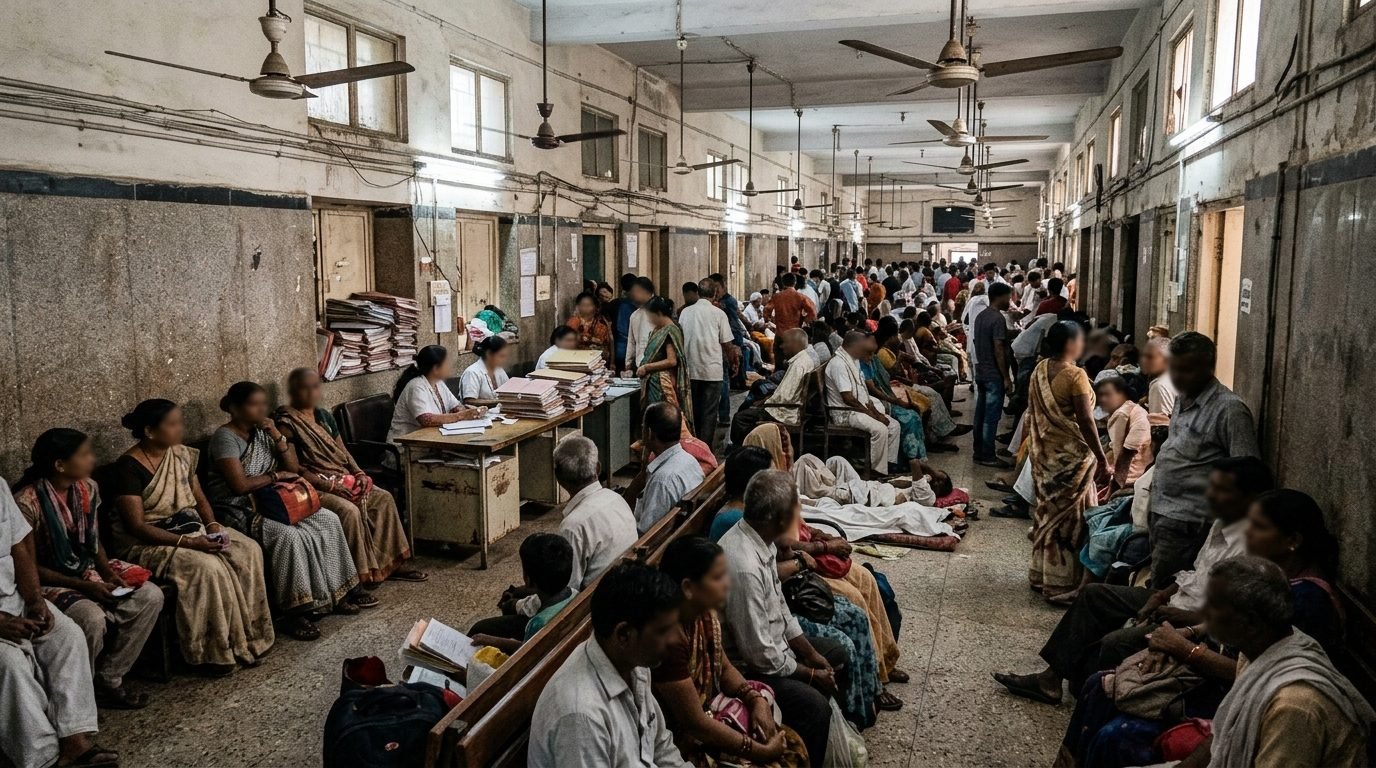
A familiar problem is back under the spotlight: India simply does not have enough public hospital beds. Recent analyses estimate the country is short by around 2.4 million beds, with government hospitals offering well under one bed per 1,000 people, far below what a population of India's size and disease burden demands. The figures have sharpened a long-running debate over health spending priorities, one that resurfaces with grim regularity whenever budget season approaches or a seasonal surge in illness overwhelms a district hospital's wards and corridors.
What makes this recurring statistic worth dwelling on is not its novelty but its persistence. Bed-to-population ratios are a blunt instrument, but they are also a useful proxy for something harder to measure: whether the state is present, in a meaningful and reliable way, at the moment a citizen falls seriously ill. A shortfall of 2.4 million beds is not an abstract planning gap. It translates, ward by ward, into patients on trolleys in corridors, families ferrying the sick between facilities in search of a free bed, and clinicians rationing attention across more patients than any unit was designed to hold.
A widening gap
The shortage is not evenly spread. Populous states and rural districts bear the brunt, where a single overstretched district hospital may serve millions. This unevenness matters as much as the aggregate number, because it means the national average conceals pockets of acute crisis. A state or city with relatively better provision can mask the reality of a neighbouring district where the nearest functioning hospital bed may be hours away. For a rural family, the practical bed shortage is not a statistic but a wait, a queue, or a long and costly journey to a town with capacity.
The private sector has moved to fill part of the void, with thousands of new beds being added across recent financial years, but at price points that put quality care out of reach for many families. This is the crux of the structural imbalance that the NE Times View below returns to: capacity is being added, but not in the form, or at the cost, that serves the population most in need of it. A bed that exists only in a private facility charging rates well beyond what a low-income household can absorb does little to close the gap experienced by that household. It expands the country's aggregate capacity on paper while leaving the practical shortage for ordinary citizens largely intact.
Healthcare economists argue that the bed count is only the visible symptom. A deeper shortage of doctors, nurses and especially medical faculty constrains how quickly the system can expand without diluting standards of training and care. This is a crucial qualification. Beds are comparatively simple to procure: they are physical infrastructure that can, in principle, be purchased and installed at speed if funds are made available. Clinicians are not. Training a doctor takes years, training a medical teacher capable of producing the next generation of doctors takes longer still, and nurses require sustained investment in training capacity that has historically lagged behind demand. A hospital wing built without the staff to run it safely is not really additional capacity at all — it is, at best, a holding area, and at worst a risk to patient safety.
The AIIMS expansion and its limits
Flagship investments offer a partial answer. The network of All India Institutes of Medical Sciences has expanded sharply in recent years, growing from a handful of institutes to more than twenty, and the original Delhi campus is undergoing a major redevelopment, including a large new emergency and trauma facility. These are significant, visible commitments, and they matter: AIIMS carries considerable prestige and each new institute brings tertiary-level specialist care to a region that previously lacked it.
Yet experts warn that marquee tertiary hospitals cannot substitute for a robust primary and secondary care base in every district. This is the tension at the heart of India's health infrastructure strategy. Tertiary institutions like AIIMS are, by design, built to handle complex specialist cases — the rare tumour, the intricate cardiac surgery, the advanced trauma case. They are not, and were never meant to be, the first point of contact for the routine fevers, deliveries, fractures and chronic disease management that make up the bulk of a population's healthcare needs. When primary and secondary care are thin on the ground, patients who could have been treated locally are instead forced to travel to the nearest tertiary centre, which then becomes overloaded with cases it was never designed to absorb in such volume. The prestige project, in other words, can end up subsidising the gaps in the more mundane but more essential layers of the system beneath it.
Why the mismatch persists
Government hospitals offering well below one bed per 1,000 population, set against faculty and nursing shortages that limit how fast capacity can be added safely, describes a system caught in a bind. Policy analysts say sustainable progress requires moving beyond counting beds toward strengthening the entire chain, from health and wellness centres to district hospitals, while expanding the medical workforce. Adding seats without enough teachers, they caution, risks creating a paper expansion that does little for patients waiting on trolleys.
The warning attributed to a health systems researcher — that the country can build hospitals faster than it can train the people to staff them, and that this mismatch is the real crisis — captures the essence of the problem better than any single statistic. Physical capacity and human capacity move on different timelines, and policy that focuses on the former while neglecting the latter will always produce buildings without the people needed to make them function as intended. This is why medical college seat expansions announced with fanfare often take a decade or more before their graduates are practising independently in adequate numbers, by which time demand has typically grown further still.
Stakeholders and what is at stake
For state governments, the bed gap is a politically charged marker of whether promises of improved healthcare are being delivered on the ground, particularly in the populous and rural states where the shortfall bites hardest. For the central government, flagship projects such as the AIIMS network offer a visible, headline-friendly achievement, even as the harder, less glamorous work of strengthening district-level infrastructure and workforce training proceeds more slowly and less visibly. For private hospital operators, the shortage represents both an opportunity and a reputational exposure: they are filling a real gap in capacity, yet the price points involved mean they are frequently criticised for serving only those who can pay, rather than the population as a whole. For patients and families, particularly in rural districts, the gap is felt as the most immediate and personal of these stakes — a wait for a bed, a long journey to find one, or a bill that strains household finances.
What to watch next
As state and central budgets are debated this year, the bed gap is likely to remain a touchstone for whether India's economic rise is being matched by investment in the health of its people. The figures to watch will be less about the headline number of beds added and more about where they are added, at what cost to patients, and whether medical education and nursing training capacity are expanding in step. A rise in AIIMS-style flagship announcements without a parallel rise in primary and secondary care investment, or in the numbers of newly trained doctors, nurses and faculty entering the system, would suggest the paper-expansion risk that researchers have flagged is materialising. Conversely, sustained investment in health and wellness centres and district hospitals, matched by workforce expansion, would indicate the beginnings of a genuine structural correction.
The NE Times View
The bed-gap data restates a structural truth: India spends too little on public health and leans heavily on a private sector that the poor cannot always afford. More beds alone will not fix this without doctors, nurses and functioning primary care to keep patients out of tertiary wards. The question to watch is whether budgets follow the rhetoric, or whether the gap simply widens.
Key takeaways
- India faces an estimated shortfall of around 2.4 million hospital beds, with government hospitals offering well below one bed per 1,000 population.
- The shortage is concentrated in populous states and rural districts, where a single district hospital may serve millions of people.
- Private sector bed additions have not closed the practical gap for lower-income families, given the price points involved.
- The AIIMS network has grown to more than twenty institutes, but experts stress tertiary flagship projects cannot replace primary and secondary care in every district.
- Faculty and nursing shortages, not just physical infrastructure, are the binding constraint on how quickly and safely capacity can be expanded.
You may also like to read
India's Organ Donation Pledges Cross Five Lakh Milestone
India has crossed five lakh organ donation pledges, a landmark for transplant awareness, but doctors warn the real test is converting promises into timely, ethical and well-coordinated donations.
Pune Toddler's Death Renews Focus on India's Snakebite Reporting and Treatment Rules
A cobra bite that killed a toddler in Pune district has reopened questions about hospital reporting, fast anti-venom access and the deadly cost of delayed treatment in rural India.

Jharkhand Teen Dies During Fracture Treatment; CM Orders Probe
The death of a Jharkhand teenager during treatment for a reported fracture has led to family allegations of medical negligence and an official probe ordered by the Chief Minister into what went wrong.
India Bets on AI to Catch the Next Outbreak Under One Health Mission in 2026
Drawing on the hard lessons of COVID-19, the ICMR is inviting proposals for AI systems to detect emerging pathogens across people, animals and the environment, in a bid to predict outbreaks rather than react to them.
More from this section
More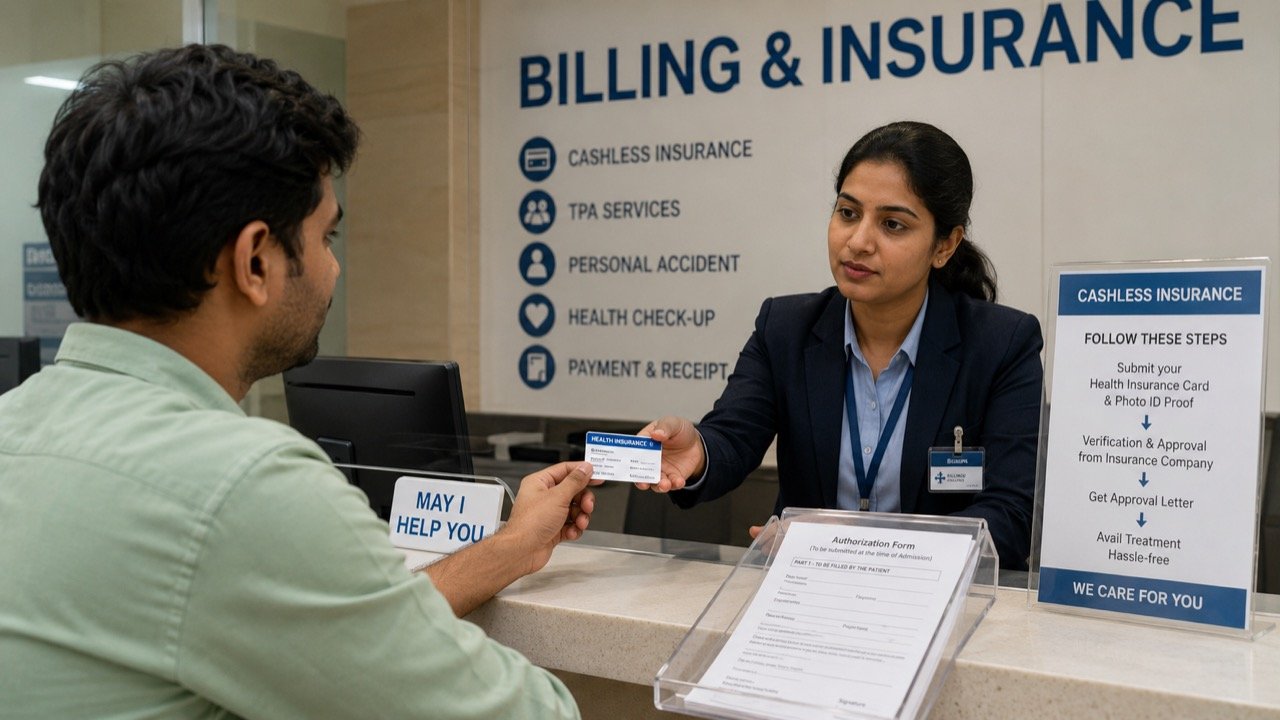
Health Insurance: Why Hospital Cashless Status Matters Before You Buy
Whether a hospital sits inside an insurer's cashless network can decide if a family pays lakhs upfront during an emergency or walks in with paperwork alone, making it a first-order question for policy buyers.
Jharkhand Teen Dies During Fracture Treatment; CM Orders Probe
The death of a Jharkhand teenager during treatment for a reported fracture has led to family allegations of medical negligence and an official probe ordered by the Chief Minister into what went wrong.
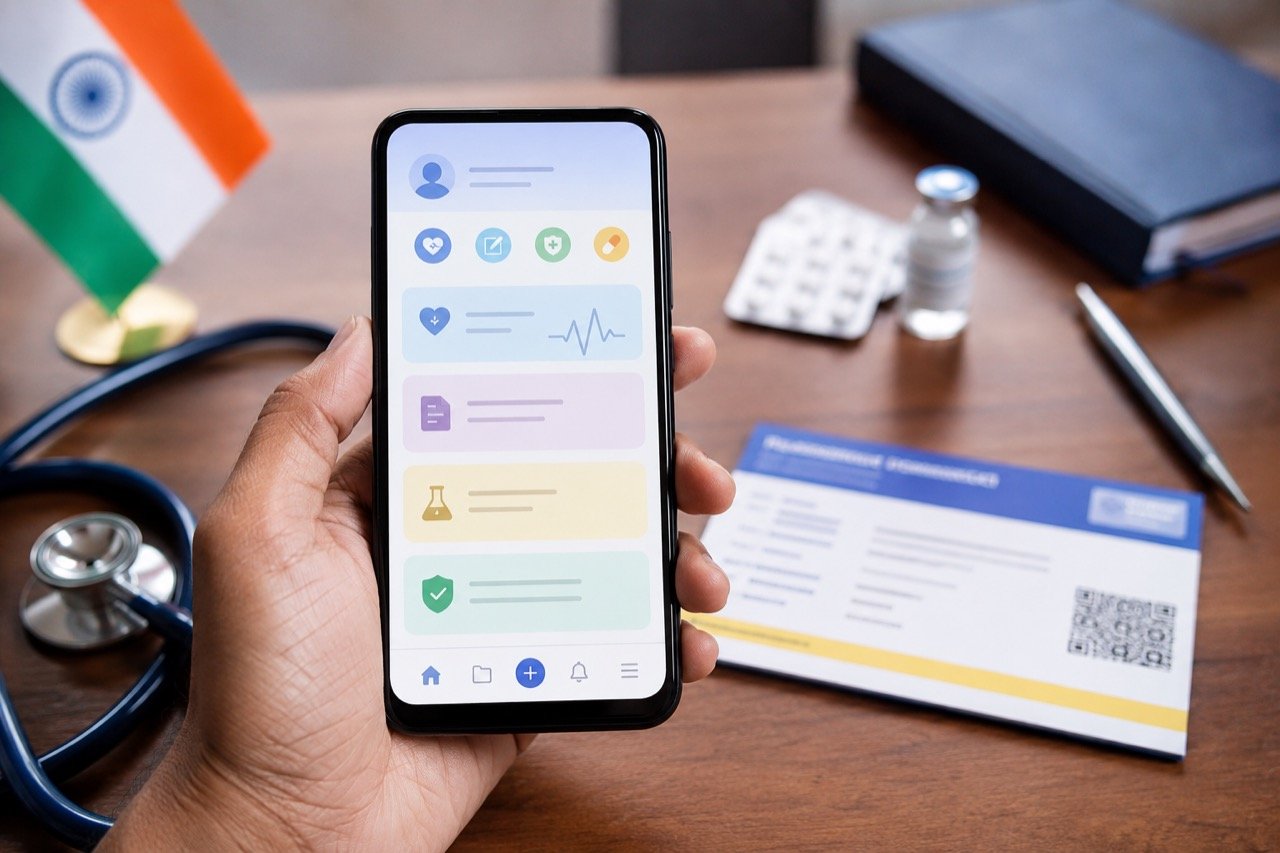
Aarogya Setu 2.0 Returns as India's Personal Health Record App
The pandemic-era contact tracing app has been relaunched as a personal health record platform, betting that portable medical data can find a place in India's growing digital health ecosystem.