Dengue Loosens Its Grip on the Monsoon as India Reports Early Cases
Health officials say the once-predictable rainy-season cycle of dengue is blurring, with infections surfacing earlier in the year and surveillance now stretching across almost all twelve months.
Commentary & Analysis ·
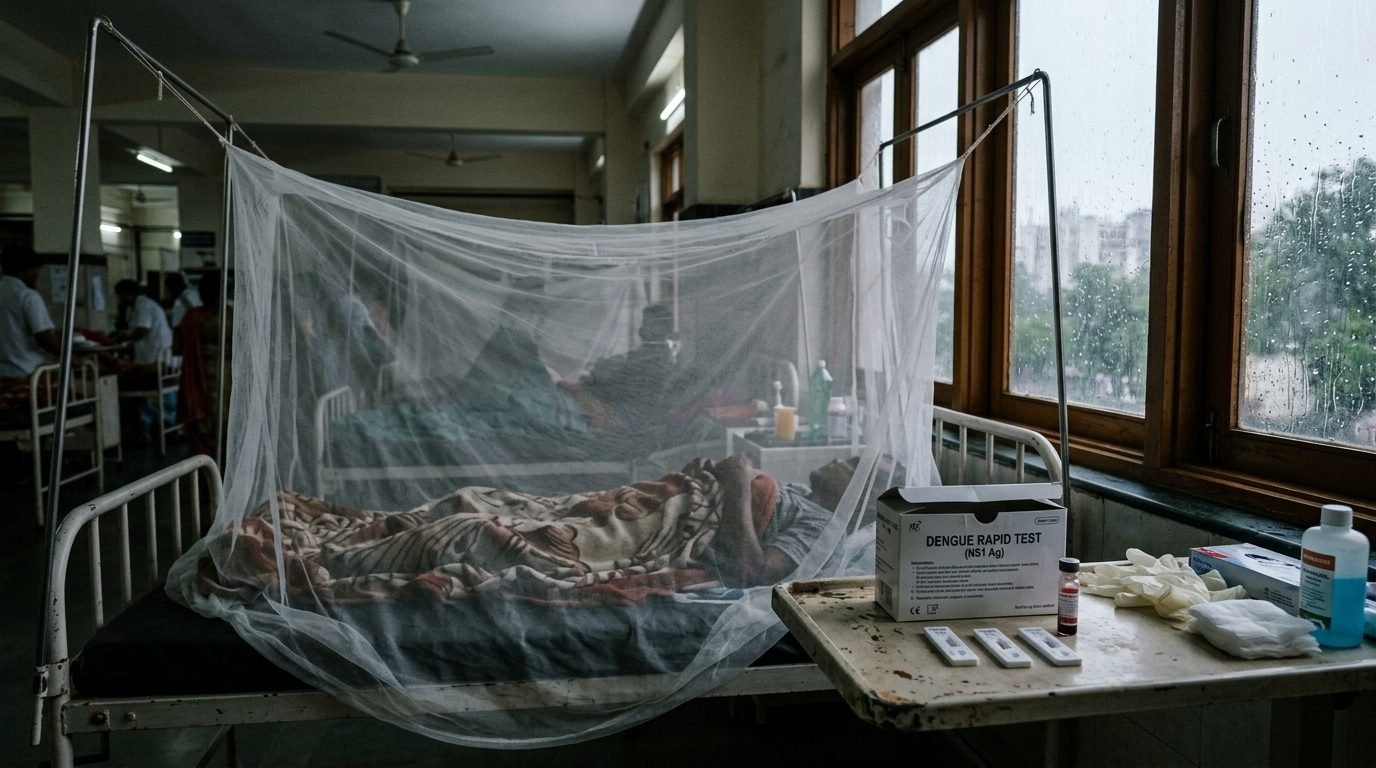
For decades, dengue in India arrived on a familiar schedule. Cases climbed with the monsoon rains, peaked in the weeks after the heaviest downpours, then faded as temperatures cooled. The disease was, in effect, a seasonal visitor, and public health planning was built around that predictability.
In 2026, that rhythm is becoming harder to read. India had already logged close to 7,000 dengue cases by the end of February this year, well before the rains were due. Hospitals in several cities reported a steady trickle of suspected infections through the pre-monsoon weeks, prompting authorities to begin vector-control work far earlier than usual.
Why the pattern is shifting
Public health researchers link the change to warmer, more erratic weather that lets the Aedes mosquito breed across a longer stretch of the year. The Aedes mosquito that carries dengue thrives in warmth and in small pools of stagnant water, so milder winters and unseasonal rain extend the window in which it can multiply, smearing what used to be a sharp seasonal peak across more of the calendar.
The National Center for Vector Borne Diseases Control recorded roughly 1.13 lakh dengue cases nationally through December 2025. That national tally, combined with the early surge in 2026, gives weight to the view that dengue is becoming a near year-round concern rather than a problem confined to the months after the monsoon.
What it means for surveillance
The practical consequence, officials say, is that surveillance can no longer switch on and off with the calendar. Monitoring, mosquito control and public messaging that once ramped up only ahead of the rains now have to run across almost all twelve months, a shift that stretches budgets and demands sustained attention from health departments.
The advice to households remains unchanged but more urgent. The single most effective defence is still the elimination of breeding sites in and around the home, carried out consistently rather than as a one-off seasonal effort.
- Empty and scrub coolers and storage drums every week
- Keep water tanks covered
- Clear blocked drains before the rains rather than after
- Remove standing water from containers, pots and discarded items
The outlook
A dengue season that no longer has clear boundaries forces a rethink of how India fights the disease, moving from a reactive, monsoon-triggered response toward continuous prevention. The early case numbers in 2026 suggest that warmer, less predictable weather will keep blurring the old seasonal lines.
For households and health systems alike, the message is one of constant vigilance. Treating dengue as an all-year risk, and keeping up the weekly routines that deny the mosquito places to breed, offers the best chance of containing a threat that is no longer content to wait for the rains.
The NE Times View
Dengue slipping its monsoon moorings is a warning that climate change is quietly rewriting India's disease calendar. A year-round threat demands year-round surveillance and vector control, not the seasonal scramble that has long defined the response. The public-health system that still mobilises by the rains is fighting the last war; the cost of failing to adapt will be measured in preventable outbreaks across months once thought safe.
This article is original commentary and analysis by The NE Times. Background facts were referenced from Al Jazeera, NCVBDC.
You may also like to read
States Brace for Monsoon Fevers as Early Dengue Surge Worries Health Officials
With the southwest monsoon advancing, health departments across India are scrambling to contain dengue, malaria and chikungunya after an unusually early spike in cases reported before the rains even arrived.
India Braces for Monsoon Disease Season as Cities Ramp Up Vector Surveillance in 2026
With dengue, malaria and chikungunya cases historically peaking after the rains, civic bodies led by Delhi are activating sentinel hospitals and stepping up mosquito control ahead of the dangerous monsoon months.
As India bakes, the real test of its heat plans is protecting those who cannot stay indoors
Cooling centres, ORS distribution and time-band work rules are spreading across Indian cities this summer, but experts say informal workers and the elderly remain dangerously exposed.
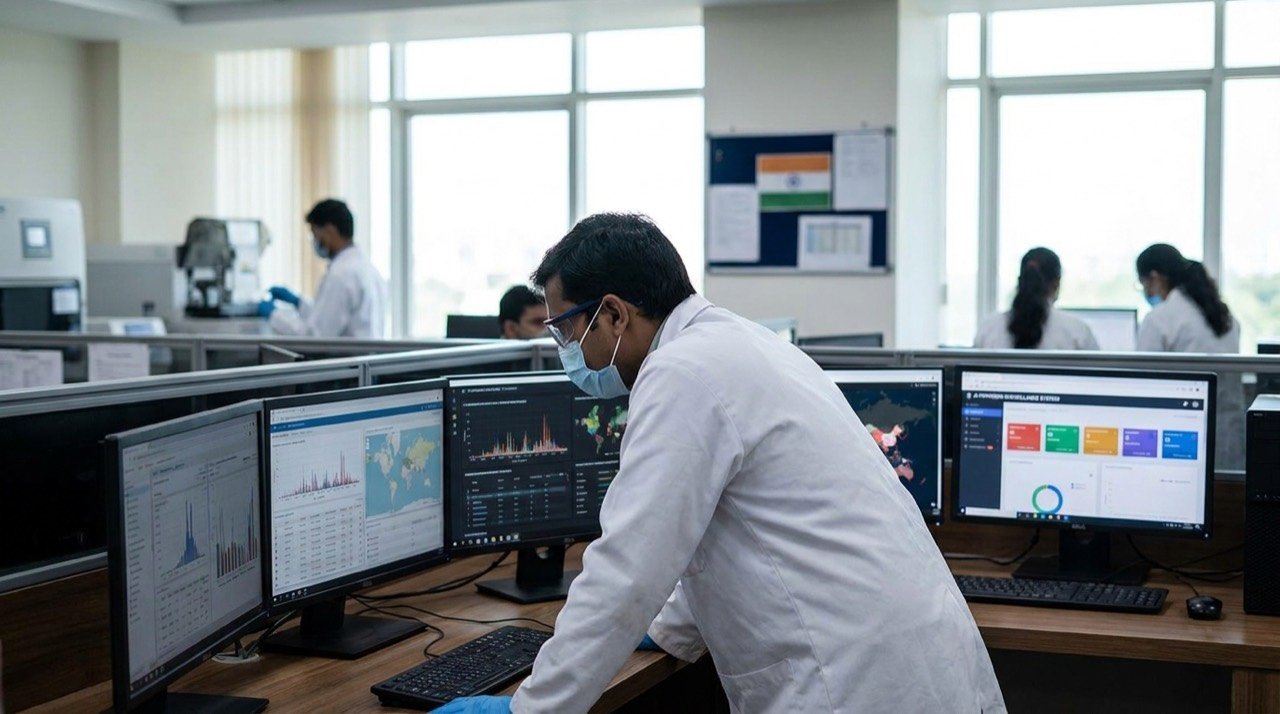
India Bets on AI to Catch the Next Outbreak Under One Health Mission in 2026
Drawing on the hard lessons of COVID-19, the ICMR is inviting proposals for AI systems to detect emerging pathogens across people, animals and the environment, in a bid to predict outbreaks rather than react to them.
More from this section
More
Health Insurance: Why Hospital Cashless Status Matters Before You Buy
Whether a hospital sits inside an insurer's cashless network can decide if a family pays lakhs upfront during an emergency or walks in with paperwork alone, making it a first-order question for policy buyers.

Jharkhand Teen Dies During Fracture Treatment; CM Orders Probe
The death of a Jharkhand teenager during treatment for a reported fracture has led to family allegations of medical negligence and an official probe ordered by the Chief Minister into what went wrong.

Aarogya Setu 2.0 Returns as India's Personal Health Record App
The pandemic-era contact tracing app has been relaunched as a personal health record platform, betting that portable medical data can find a place in India's growing digital health ecosystem.