As India bakes, the real test of its heat plans is protecting those who cannot stay indoors
Cooling centres, ORS distribution and time-band work rules are spreading across Indian cities this summer, but experts say informal workers and the elderly remain dangerously exposed.
Commentary & Analysis ·
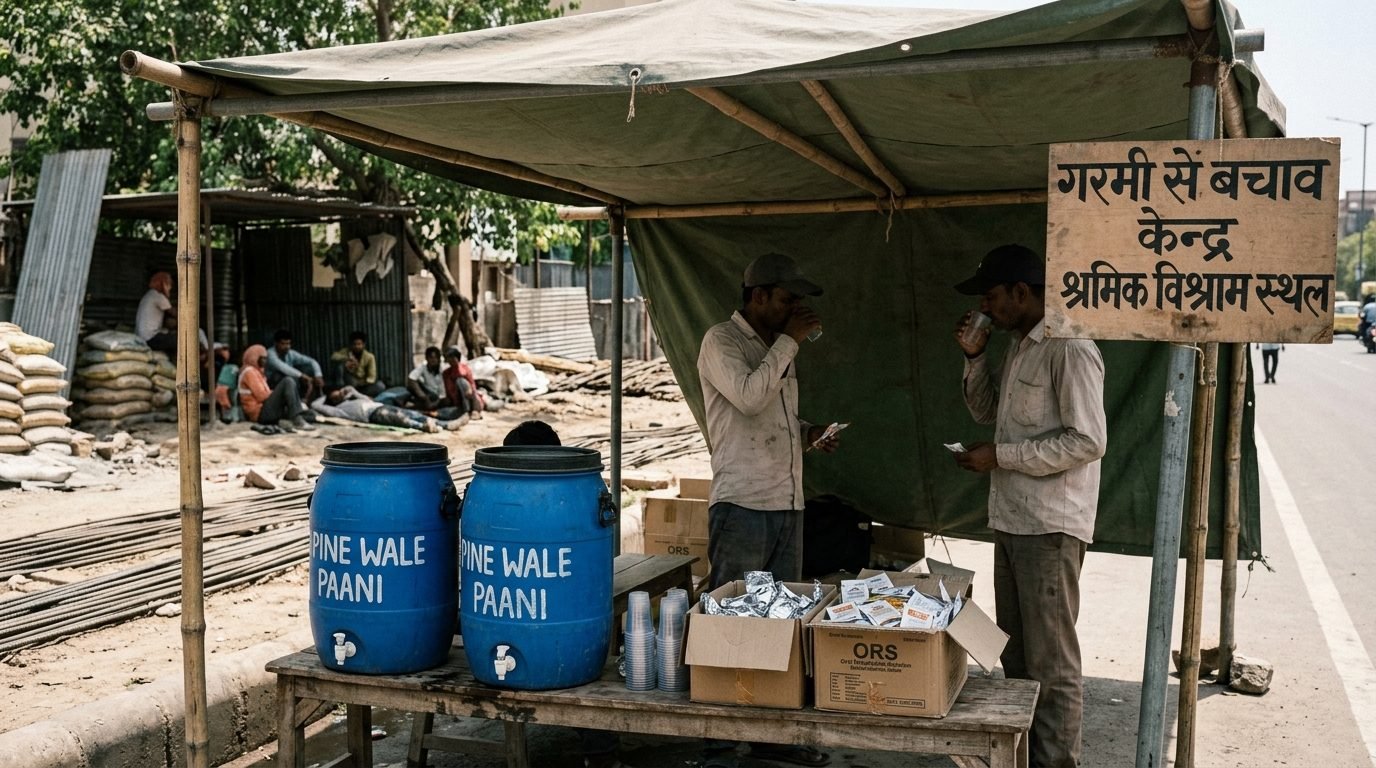
Another punishing summer has pushed heat back to the top of India's public health agenda. With above-normal heatwave days forecast across parts of east, central and northwest India and the southeastern peninsula, the India Meteorological Department has issued detailed heat guidance and state health departments have been told to prepare for a rise in heat-related illness.
Cities from Delhi to Chennai have activated heat action plans featuring cooling rooms, misting stations, water kiosks and free distribution of oral rehydration salts. The question that public health experts keep returning to is not whether such plans exist, but whether they reach the people most likely to fall ill: outdoor labourers, street vendors, the elderly, young children and pregnant women.
How heat harms the body
Heat-related illness exists on a spectrum. Early warning signs include heat cramps, swelling and fainting, often accompanied by heavy sweating, dizziness and headache. Left unaddressed, these can progress to heat exhaustion and then to heatstroke, a medical emergency in which the body's core temperature climbs to around 40 degrees Celsius or higher and which can bring on confusion, seizures or loss of consciousness.
Prolonged heat also places strain on the heart and kidneys and can worsen existing conditions such as cardiovascular and respiratory disease. People who work outdoors face cumulative exposure over long shifts, while older adults and infants regulate their body temperature less efficiently, leaving them especially vulnerable.
What the heat action plans promise
The Health Ministry has urged states to disseminate daily heatwave warnings and to ready their health facilities for a surge in cases. Hospitals have been advised to stock ORS packs, intravenous fluids, ice packs and essential medicines, and to ensure uninterrupted electricity and measures such as cool or green roofs to keep wards bearable.
At the city level, the typical package of measures now includes:
- Cooling centres and designated cool rooms in public buildings and hospitals
- Water kiosks, misting stations and free ORS distribution in busy areas
- Time-band restrictions that limit outdoor work during peak afternoon heat
- Daily colour-coded alerts ranging from yellow to red to guide public action
- Heat-stress training for health workers, schoolchildren and communities
Where the plans fall short
Analysts who track heat policy warn that implementation lags behind ambition. Many plans are strong on paper but weak on the ground, particularly for the informal workers who make up a large share of India's labour force. Construction workers, delivery riders, waste pickers and vendors often cannot afford to stop working during the hottest hours, and time-band rules mean little without wage protection or shaded rest areas.
Data gaps compound the problem. India's agencies rely on different methods to count heat deaths, producing figures that diverge widely and almost certainly understate the true toll. Without reliable mortality data, it is hard to judge which interventions are working or to direct resources to the worst-affected districts.
Staying safe this summer
For households, the core advice from health authorities is consistent and low-cost. People are urged to drink plenty of fluids even before feeling thirsty, to use ORS and traditional hydrating drinks such as buttermilk, lemon water and rice water, to avoid going out during the hottest part of the day, to wear light, loose clothing and to check on elderly neighbours and relatives. Anyone showing signs of confusion, a very high temperature or collapse needs urgent medical attention.
The broader lesson, experts say, is that heat is no longer an occasional emergency but a recurring feature of the Indian summer that demands year-round planning. Building shade into cities, protecting outdoor workers, greening neighbourhoods and counting heat deaths accurately are the measures that will determine whether the next severe summer is met with resilience rather than improvisation. The infrastructure now being rolled out is a start; the test is whether it holds when temperatures peak.
The NE Times View
Heat action plans are spreading, which is the right instinct, but their worth is measured only at the margins, among those who cannot retreat indoors. Cooling centres and ORS mean little to a construction worker paid by the day or an elderly resident in an un-airconditioned home. India's heat is now a labour and equity crisis as much as a weather one. Enforceable work-hour rules and income protection, not advisories, are the real test.
This article is original commentary and analysis by The NE Times. Background facts were referenced from The Hindu and Times of India Health.
You may also like to read
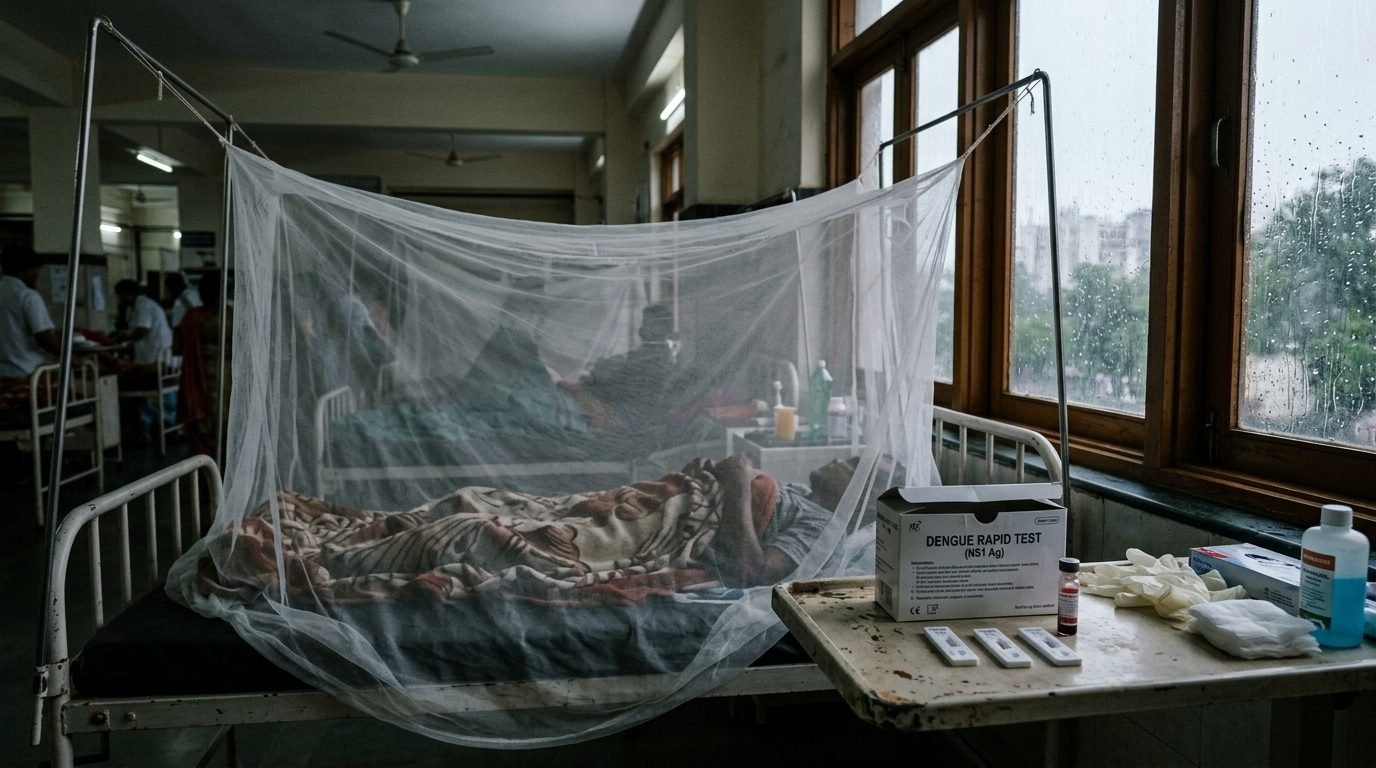
Dengue Loosens Its Grip on the Monsoon as India Reports Early Cases
Health officials say the once-predictable rainy-season cycle of dengue is blurring, with infections surfacing earlier in the year and surveillance now stretching across almost all twelve months.
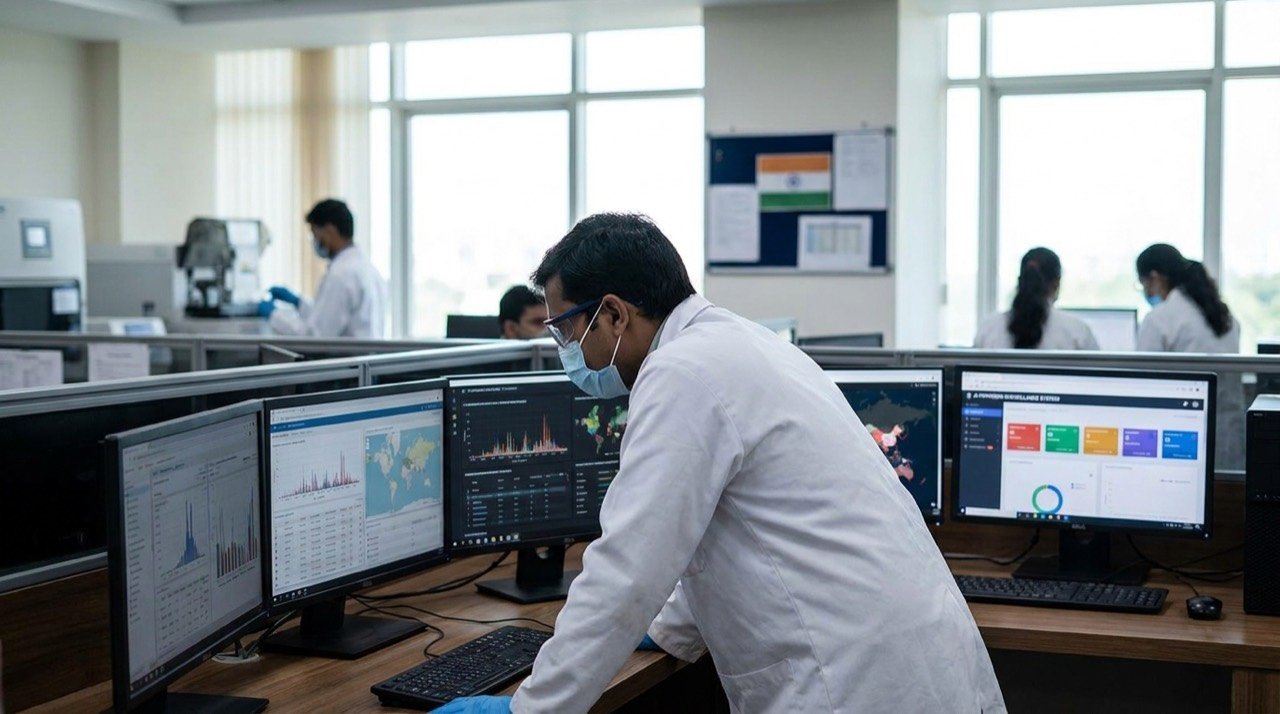
India Bets on AI to Catch the Next Outbreak Under One Health Mission in 2026
Drawing on the hard lessons of COVID-19, the ICMR is inviting proposals for AI systems to detect emerging pathogens across people, animals and the environment, in a bid to predict outbreaks rather than react to them.

Maharashtra Orders Statewide Blood Centre Checks After FDA Shutdowns
After the Food and Drug Administration shut two blood centres, Maharashtra has ordered inspections of every facility in the state, putting blood-bank safety, licensing and public trust in health infrastructure under fresh scrutiny.
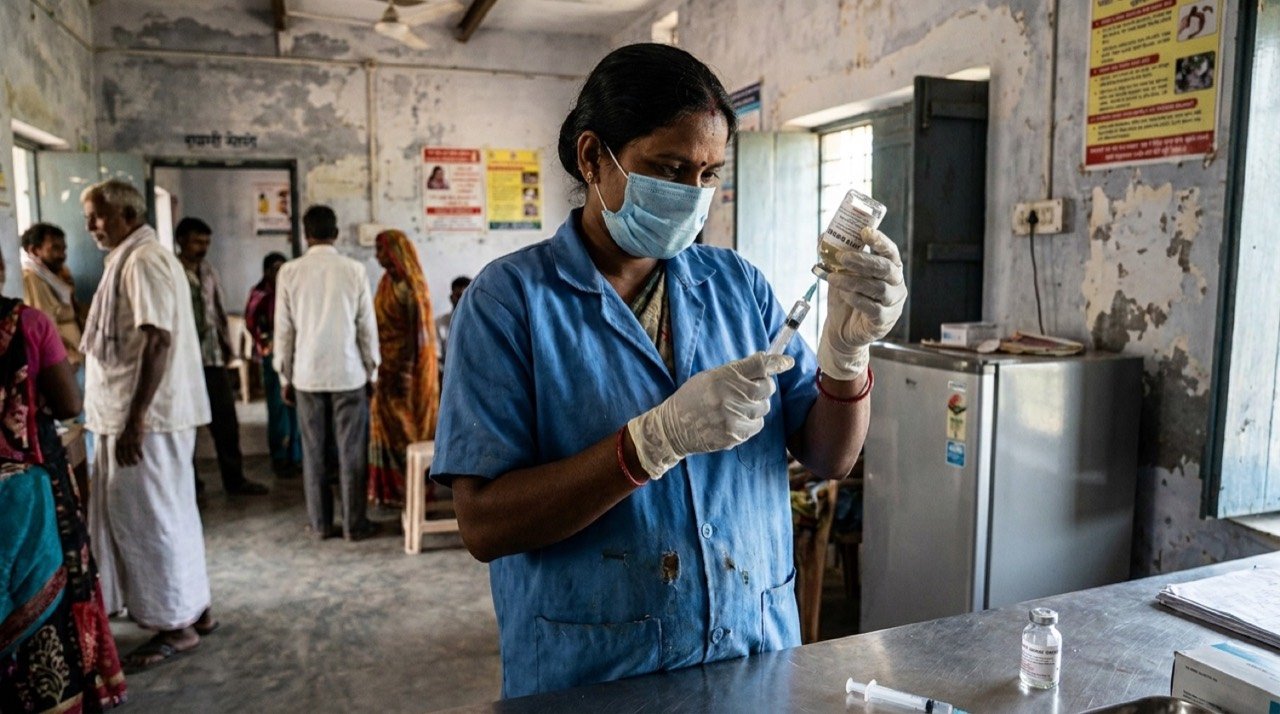
Pune Toddler's Death Renews Focus on India's Snakebite Reporting and Treatment Rules
A cobra bite that killed a toddler in Pune district has reopened questions about hospital reporting, fast anti-venom access and the deadly cost of delayed treatment in rural India.
More from this section
More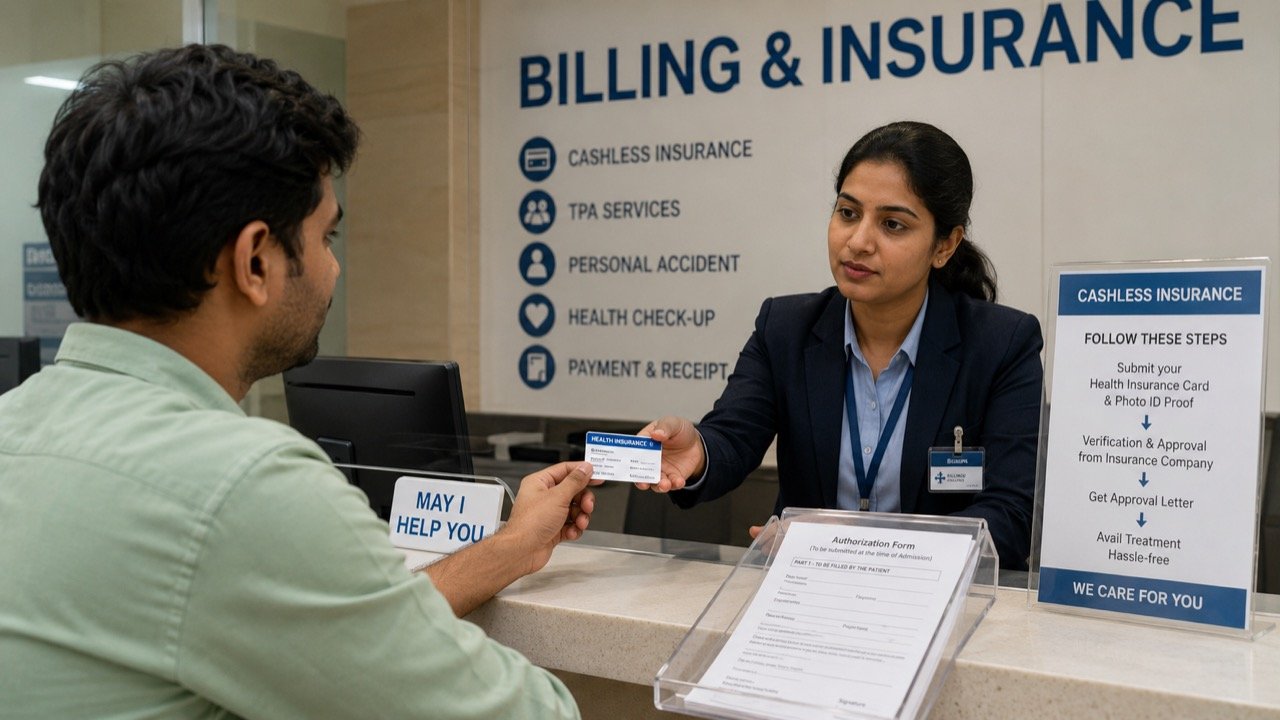
Health Insurance: Why Hospital Cashless Status Matters Before You Buy
Whether a hospital sits inside an insurer's cashless network can decide if a family pays lakhs upfront during an emergency or walks in with paperwork alone, making it a first-order question for policy buyers.

Jharkhand Teen Dies During Fracture Treatment; CM Orders Probe
The death of a Jharkhand teenager during treatment for a reported fracture has led to family allegations of medical negligence and an official probe ordered by the Chief Minister into what went wrong.

Aarogya Setu 2.0 Returns as India's Personal Health Record App
The pandemic-era contact tracing app has been relaunched as a personal health record platform, betting that portable medical data can find a place in India's growing digital health ecosystem.