IMD Flags Heavy Rain And Heat Alerts As India's Weather Map Splits
India faces a divided weather map this week, with the IMD warning of heavy rainfall across several states even as parts of the north and centre swelter under high temperatures and heat stress.
Commentary & Analysis ·
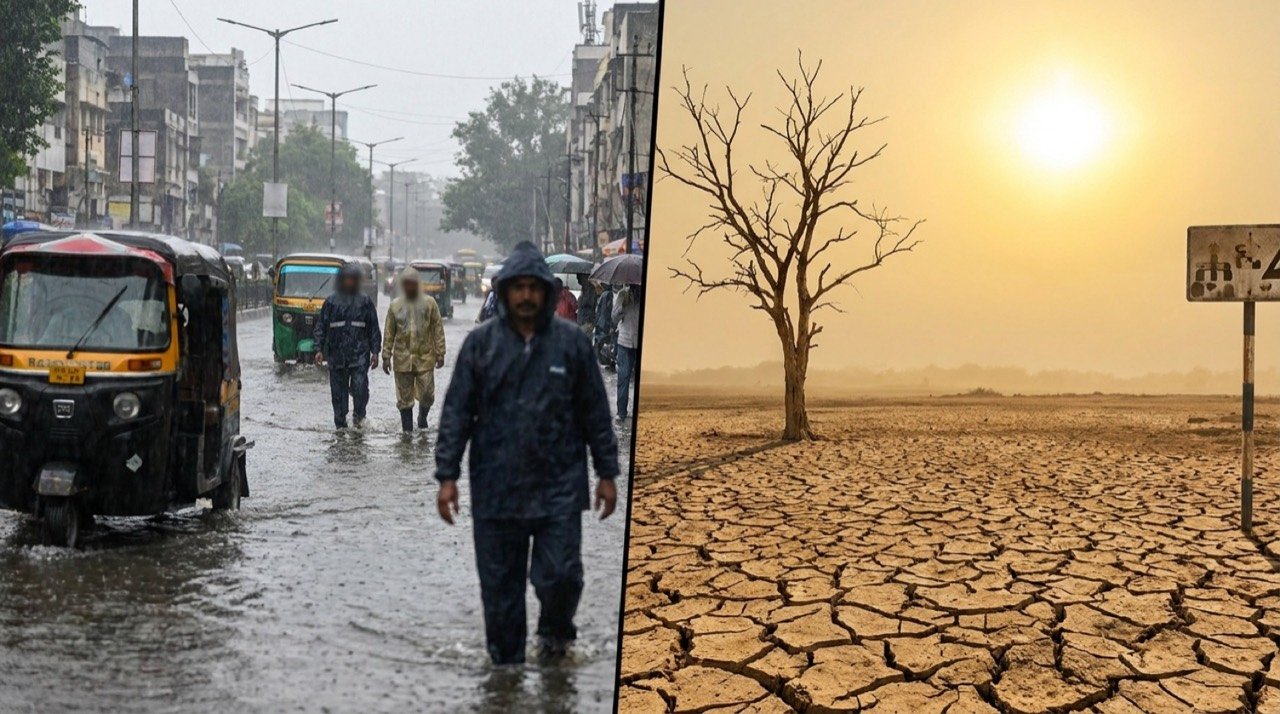
India's weather map this week is a study in contrasts. The India Meteorological Department (IMD) has flagged heavy rainfall warnings across several states while large parts of north and central India continue to bake under high temperatures and heat stress. The split pattern, typical of the monsoon's advancing-and-transition phase, is creating sharply different public-safety challenges in different regions on the same day. In one district, drainage systems are being tested by intense downpours; in a neighbouring belt, health and power systems are being tested by relentless heat. That two such opposite hazards can coexist within the same national bulletin says a great deal about the uneven, halting way the monsoon is spreading across the subcontinent this year.
A monsoon in two minds
As the southwest monsoon pushes inland, some regions are receiving intense, concentrated downpours while others wait for the rain to arrive, leaving them exposed to lingering heat. This kind of mixed behaviour is common during the transition, when the monsoon's reach is uneven and a single front can mean flooding in one belt and oppressive humidity-laden heat in another. It is worth pausing on why this happens. The monsoon does not advance as a uniform sheet of cloud sweeping evenly across the map; it moves as a series of pulses, strengthening over some areas as moisture-laden winds converge, while leaving other regions in a rain shadow for days or weeks at a stretch. Those left-behind areas do not simply stay dry and comfortable while they wait. They tend to experience a build-up of humidity without the relief of rainfall, which is precisely the combination that produces dangerous heat-index conditions, sometimes worse than dry heat alone because the body's ability to cool itself through sweat evaporation is reduced.
For forecasters, the difficulty lies in the locality of the impact. A district-level downpour can overwhelm drainage within hours, while a neighbouring zone records dangerous heat-index readings that strain health and power systems. This is not a minor technical footnote. It means that national-level weather bulletins, however accurate in aggregate, can obscure the reality faced by any single town or district. A resident checking a broad, state-wide forecast may come away with an impression that does not match what is actually unfolding on their own street. The burden this places on granular, hyper-local forecasting and communication is significant, and it is one of the more demanding aspects of managing a monsoon season that behaves this unevenly.
The public-safety stakes on both sides
The risks cut both ways, and neither can be treated as the lesser concern. Heavy rain brings flooding in low-lying areas, waterlogged and disrupted traffic, damage to standing crops and landslide danger in hilly terrain. Each of these has knock-on effects beyond the immediate inconvenience: waterlogging disrupts commutes and commerce, crop damage threatens rural incomes and, in a country where agriculture still employs a substantial share of the workforce, has ripple effects on food prices and household finances later in the year. Landslide risk in hilly terrain is a particularly acute concern, since it can cut off entire communities from road access and emergency services at short notice.
Persistent heat, meanwhile, drives up power demand, raises the threat of heat illness among the elderly and outdoor workers, and prompts advisories for schools and workplaces. The strain on power infrastructure during sustained heat is not merely an inconvenience; it can trigger outages that then remove access to fans, coolers and refrigeration precisely when they are most needed, compounding the health risk for vulnerable groups. Outdoor labourers, construction workers, delivery personnel, street vendors and agricultural workers face the heat with the least protection and the least ability to simply stay indoors, since their livelihoods depend on being outside. Authorities are being urged to prioritise timely, local communication rather than relying on broad national bulletins alone, precisely because the two hazards described above do not respect the boundaries of a single, generalised advisory.
Why local communication matters more than national bulletins
The emphasis on local, timely communication over broad national warnings deserves closer examination, because it points to a structural challenge rather than a one-off failing. A national bulletin naturally averages conditions across a huge and climatically diverse country. When the monsoon is behaving in this split fashion, that averaging effect becomes actively misleading rather than merely imprecise. A single alert covering a state or region may tell a resident in a flooded district and a resident in a heat-stressed district the same broad message, when what each of them actually needs is starkly different guidance: one needs warnings about flash flooding and road closures, the other needs warnings about heat exposure and hydration.
This is why the role of state disaster management bodies, district administrations and local media becomes so central during this transition period. IMD data is only as useful as the last mile of communication that translates a scientific forecast into a specific, actionable instruction for a specific community. Where that last mile is weak, underfunded or simply slower than the pace of the weather itself, the value of an otherwise accurate forecast is diminished.
What residents should do
The IMD and state disaster bodies advise residents in alert districts to track official forecasts closely and prepare for sudden swings in conditions. Simple precautions can sharply reduce risk during this volatile stretch of the season. Residents are advised to track official IMD and state forecasts rather than unverified social posts, avoid flooded roads and underpasses during heavy rain, protect the elderly, children and outdoor workers from heat exposure, stay hydrated and limit activity during peak afternoon heat, and prepare for sudden weather changes and possible power demand surges. None of these precautions is complicated or expensive, but their effectiveness depends entirely on people actually receiving the relevant, localised warning before conditions turn dangerous, which returns to the communication challenge described above.
As one weather advisory summary put it, the priority for state authorities is timely local communication, not broad national warnings alone. As the monsoon settles into its full rhythm over the coming weeks, the rain belt is expected to broaden, gradually easing the heat in northern and central pockets. Until then, India's divided weather map demands that residents and local administrations stay alert to two very different hazards at once.
The NE Times View
A split weather map, floods in one region and heat stress in another, is increasingly India's normal, not an anomaly. Accurate IMD warnings are valuable, but alerts only save lives if state machinery acts on them with drainage, shelters and heat-action plans. The recurring gap is preparedness, not prediction. As extremes intensify, climate resilience must move from seasonal scramble to permanent civic infrastructure, especially for the outdoor poor who bear the worst of both. It is tempting to treat each such week as a discrete news event, a set of alerts to note and move past once the immediate danger clears. But the pattern described here, uneven monsoon advance producing simultaneous flood and heat risk, is a structural feature of India's geography and climate, not a passing quirk of one season. Treating it that way, building drainage capacity, shelter networks and heat-action plans as permanent civic infrastructure rather than emergency responses assembled each time the IMD issues a warning, is the more honest and more durable answer.
Key takeaways
- The IMD has issued simultaneous heavy rainfall and heat alerts across different Indian states, reflecting the monsoon's uneven, transitional advance inland.
- Heavy rain risks include flooding, waterlogging, crop damage and landslides, while persistent heat raises power demand and heat-illness risk, particularly for the elderly and outdoor workers.
- Authorities are urging timely, localised communication over broad national bulletins, since a single averaged warning cannot capture such sharply divergent district-level conditions.
- Residents in alert districts are advised to follow official forecasts, avoid flooded roads, protect vulnerable groups from heat, stay hydrated and prepare for sudden power demand surges.
- The NE Times View holds that the real gap is preparedness rather than prediction, and that climate resilience needs to become permanent civic infrastructure rather than a seasonal scramble.
You may also like to read
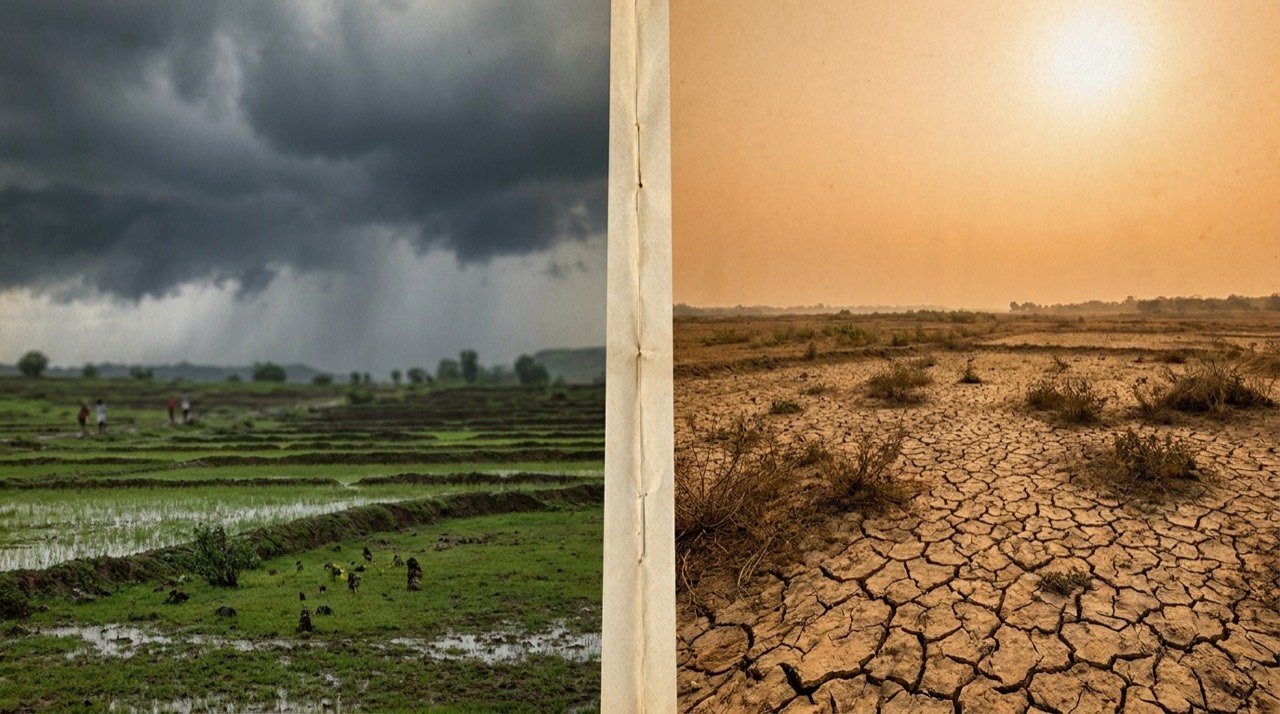
Monsoon Surges Into Central India as Heatwave Grips the East: A Split Weather Map
The India Meteorological Department reported the monsoon advancing into Gujarat and central India on 24 June even as severe heat scorched the east, leaving the country under a sharply divided weather pattern.
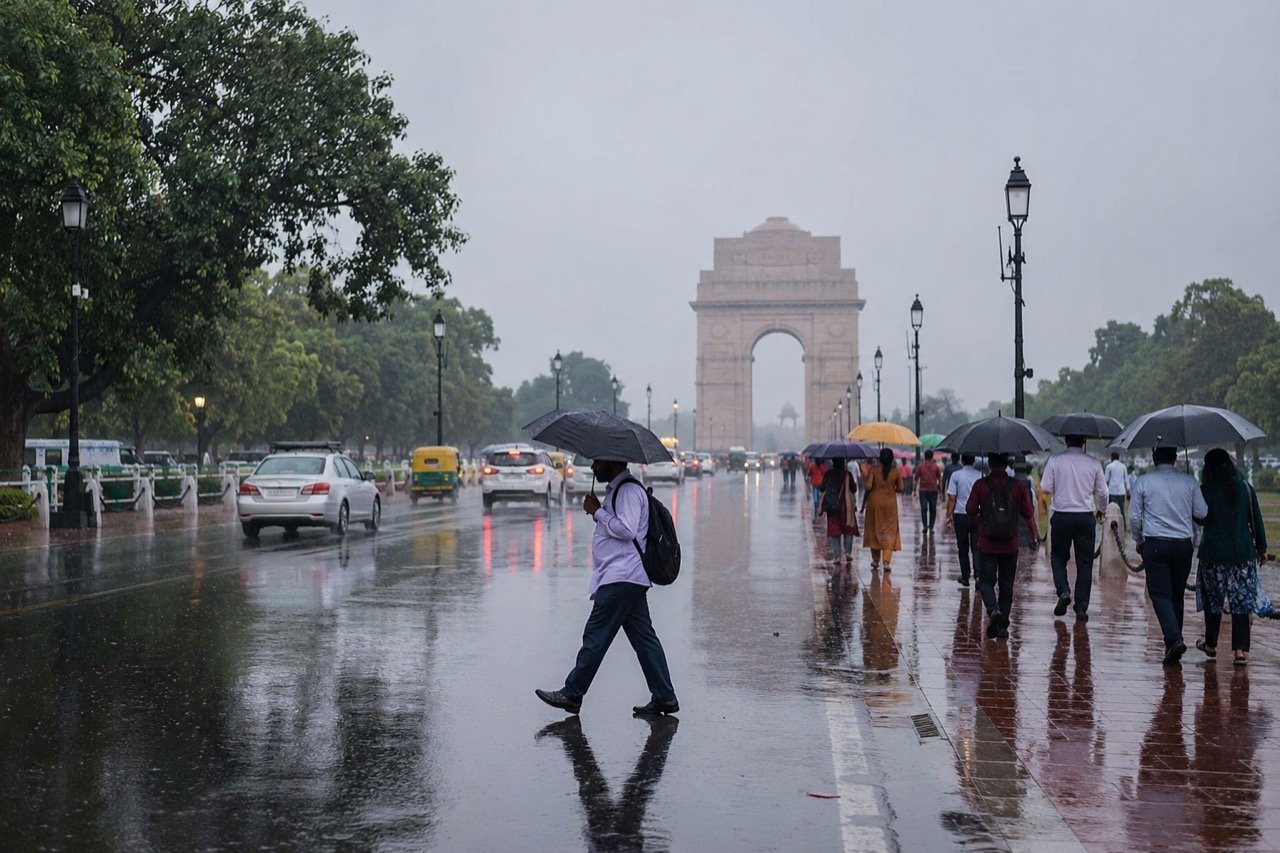
Delhi Weather: Warmest July Day in Two Years, Orange Rain Alert Next
Delhi's maximum temperature climbed to 38.6 degrees Celsius on Sunday, its warmest July day in two years, even as the IMD issued an orange alert for moderate rain on Monday.
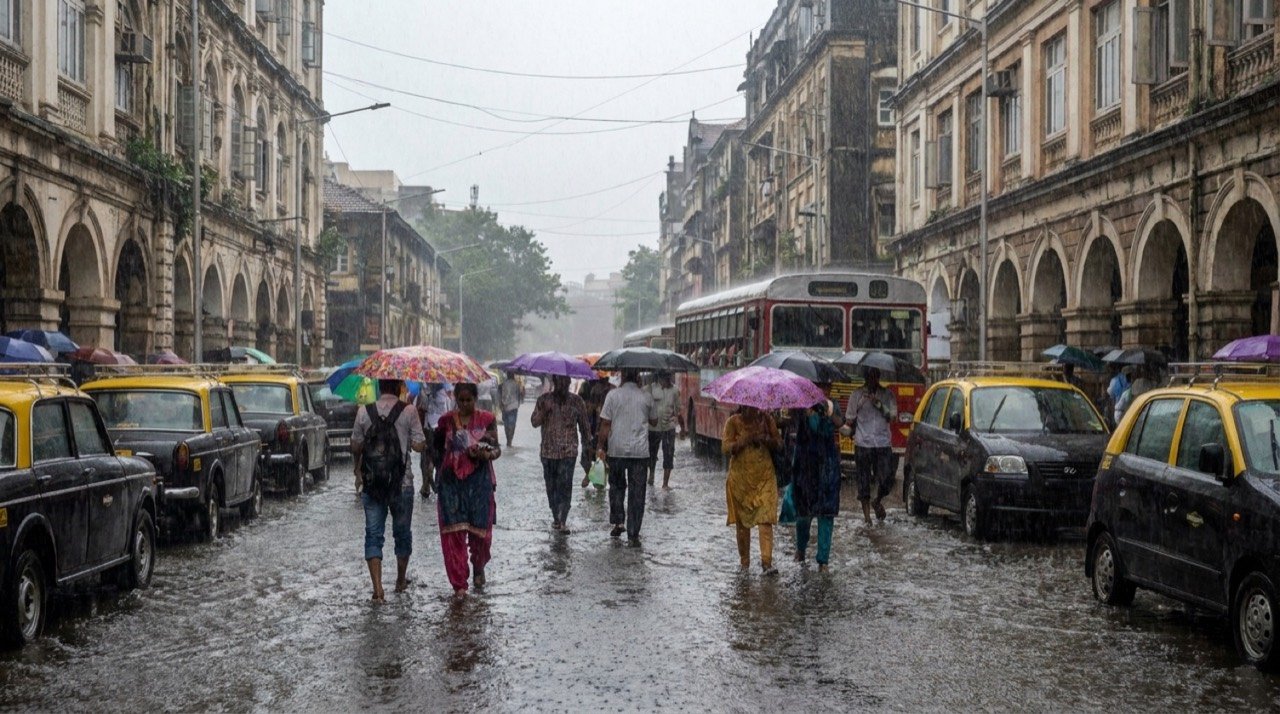
Monsoon Advances Toward Mumbai and Eastern India as Rain Alerts Issued
The southwest monsoon has resumed its march after a brief pause, with weather agencies forecasting widespread and locally heavy rain across Mumbai, Maharashtra, eastern and central India.
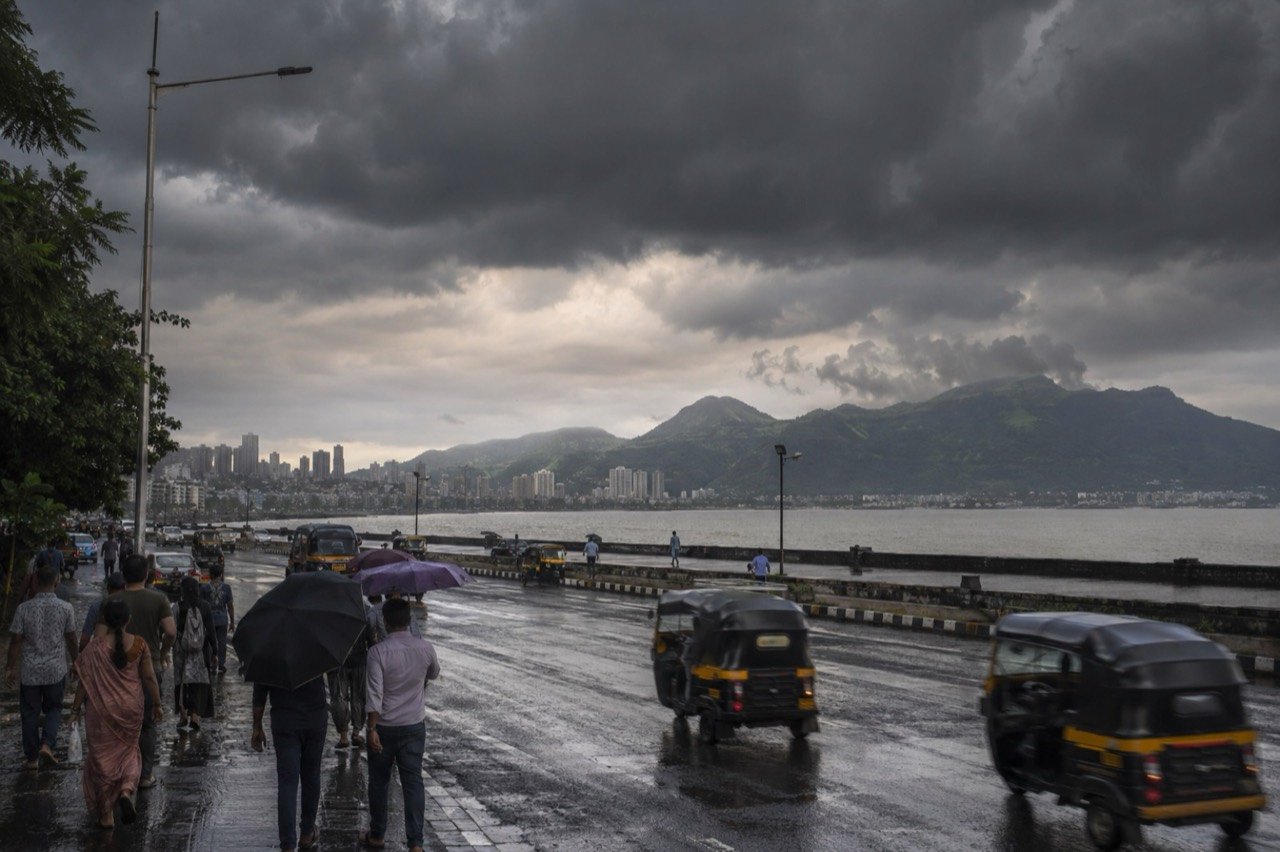
Monsoon Revival Forecast Triggers Rain Alerts Across India as Heat Lingers
India's southwest monsoon is set to regain strength this week, bringing very heavy rain to the Northeast and Maharashtra even as central districts stay under heatwave warnings.
More from this section
More
AICTE Industry Fellowship 2026: Rs 1.5 Lakh Scheme Closes July 5
The AICTE Industry Fellowship Programme 2026, which places technical-education faculty inside leading companies on a Rs 1.5 lakh monthly stipend, reached its application deadline on July 5.
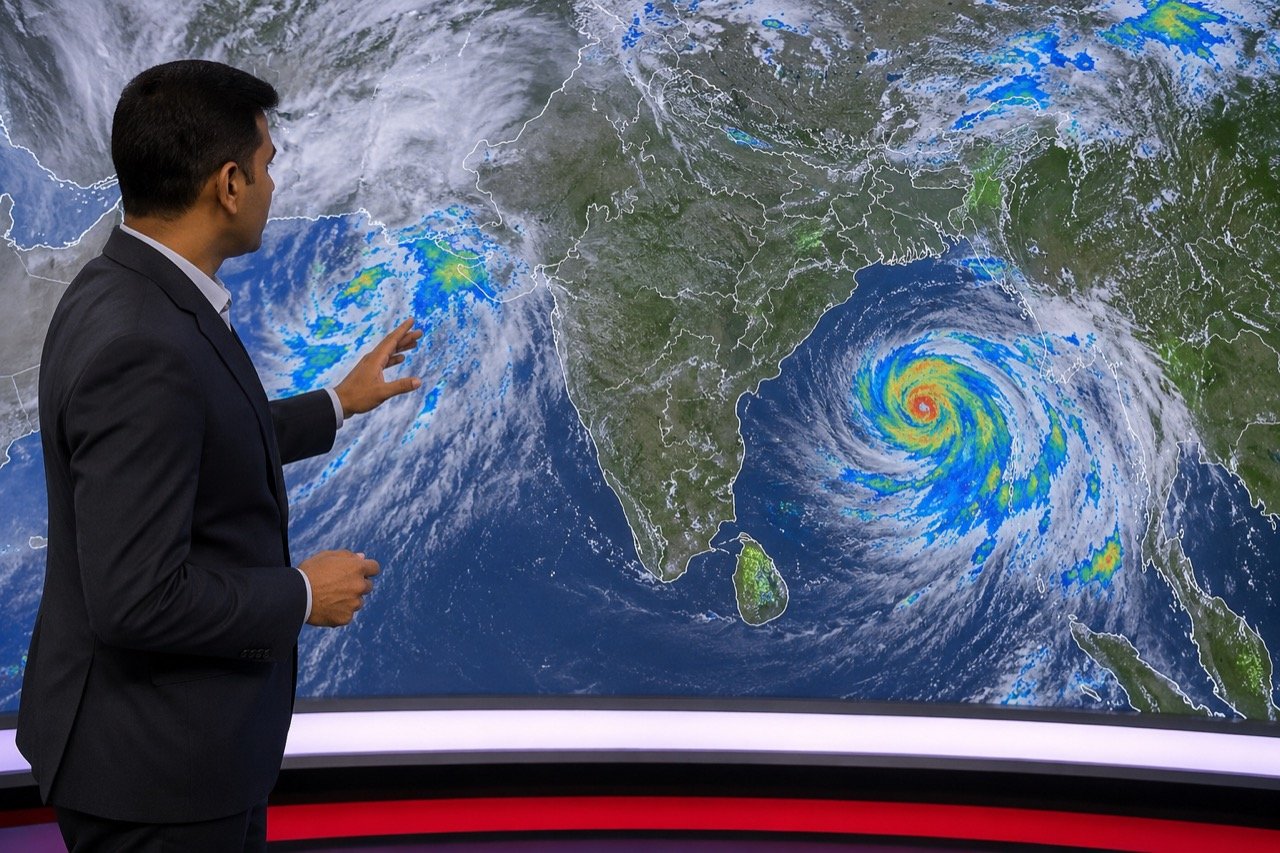
Bay of Bengal Low Pressure System Revives Monsoon Over Western India
A low-pressure system over the Bay of Bengal has pushed the monsoon back into an active phase, bringing steady heavy rain to Kerala, coastal Karnataka and Maharashtra, and putting Mumbai and Pune on preparedness watch.
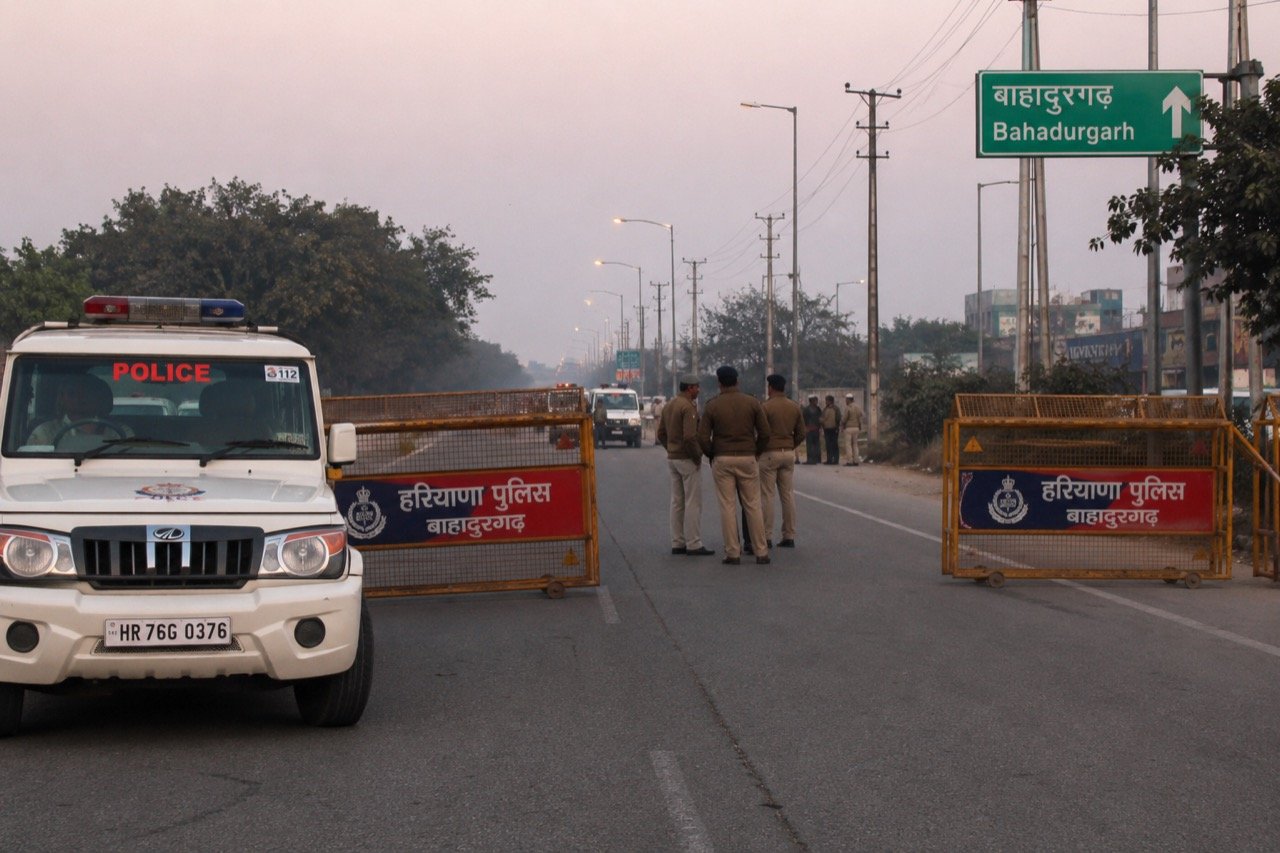
Bishnoi Gang Suspects Injured in Haryana Encounter as Police Tighten Net
A joint Haryana-Delhi Police operation in Bahadurgarh left two suspected Lawrence Bishnoi gang members injured, spotlighting the multi-state coordination now central to India's fight against organised crime networks.