India's Organ Donation Pledges Cross Five Lakh Milestone
India has crossed five lakh organ donation pledges, a landmark for transplant awareness, but doctors warn the real test is converting promises into timely, ethical and well-coordinated donations.
Commentary & Analysis ·
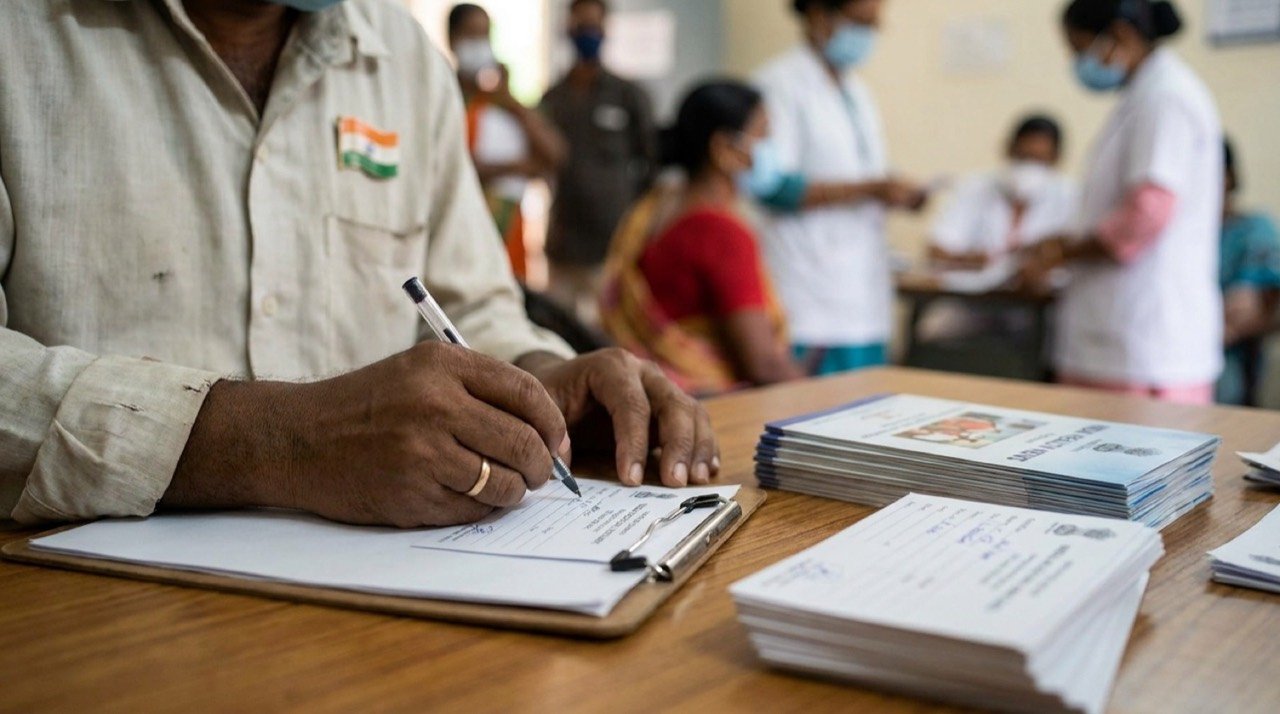
India has crossed five lakh organ donation pledges, a milestone that public-health reporting frames as a genuine turning point for transplant awareness in the country. The figure signals something campaigners have worked toward for years, a growing willingness among ordinary citizens to think about donation before tragedy strikes, rather than leaving the decision to grieving families in the confusion of an intensive care unit. Yet the same milestone carries a sober reminder, that a pledge is an intention, not yet a life saved. Understanding why that distinction matters is central to reading this number correctly, and to judging whether it deserves the attention it is receiving.
A milestone worth marking
Crossing half a million registered pledges reflects rising citizen participation and the cumulative effect of sustained awareness drives, from hospital campaigns to digital registration platforms. For a country that has long struggled with low donation rates relative to its population, the trend line is encouraging. It suggests that repeated public messaging, delivered through hospitals, civil society groups and online registries, is beginning to change how people think about death, bereavement and the possibility of helping a stranger through organ donation. That is not a trivial cultural shift in a country where such conversations have historically been avoided or postponed indefinitely.
Awareness matters because the demand for organs in India vastly outstrips supply. Every additional person who understands what donation involves, and who registers an intention, widens the pool from which timely matches might eventually be found. A pledge, in this sense, functions as a signal rather than a guarantee, it tells hospitals and families that an individual had expressed willingness, which can ease what is often the most difficult part of the process, approaching a bereaved family at the worst possible moment and asking them to consent on behalf of someone who can no longer speak for themselves.
From pledge to transplant
Doctors and campaigners are quick to caution that the harder work begins now. Converting pledges into actual, usable donations depends on systems that function under pressure, rapid identification of potential donors, sensitive conversations with grieving families, ethical consent processes and tight logistical coordination to move organs within narrow medical windows. Organs remain viable for only a limited period outside the body, and the margin for administrative delay or miscommunication is small. A registered pledge means little if a family is not approached, if consent cannot be confirmed, or if there is no coordinated pathway to retrieve and transplant an organ in time.
The challenge, in other words, is institutional as much as it is about public sentiment. India has invested considerable effort in building public awareness of organ donation, and the five lakh figure is proof that this effort has not been wasted. But awareness alone cannot substitute for the machinery required at the point of donation itself, the trained personnel, the hospital protocols, the transport logistics and the trust between medical staff and families that allows a pledge to become a completed transplant. Without that machinery, pledges risk becoming a symbolic achievement rather than a functional one.
What needs to follow the numbers
Several concrete steps are widely understood to be necessary if the pledge milestone is to translate into more transplants. These include faster, more sensitive engagement with the families of potential donors, since the window for approaching a family and securing consent is often measured in hours. They also include robust ethical safeguards and transparent consent procedures, so that trust in the system is not eroded by any suspicion of impropriety. Better coordination between hospitals, transplant centres and registries is equally important, given that organs retrieved in one facility may need to reach patients waiting elsewhere.
Investment in trained transplant coordinators and retrieval logistics is another recurring theme in how this milestone is being discussed, since the presence or absence of dedicated, skilled personnel at the point of donation often determines whether a willing family's consent actually results in a viable transplant. Finally, continued awareness efforts remain necessary so that pledges keep growing alongside system capacity, rather than plateauing once the initial wave of public interest fades. Each of these steps depends on sustained institutional commitment rather than a single announcement or campaign, which is why observers describe the five lakh figure as a beginning rather than an endpoint.
Why the conversion gap persists
The gap between pledging and donating is not unique to India, but it takes on particular urgency here given the scale of unmet need. A pledge registered today may not be acted upon for years or decades, and by the time it becomes relevant, the systems meant to honour it must still be functioning, the registry must still be accessible, the family must still be willing, and the hospital must still have the coordination capacity to act quickly. This time lag means that today's five lakh pledges are, in effect, a bet on the future reliability of India's transplant infrastructure. As one transplant campaigner put it, in words widely paraphrased in coverage of the milestone, reaching five lakh pledges is a real achievement, but the milestone worth chasing next is the share of those pledges that actually save a life.
That framing captures why the numbers alone cannot be the whole story. A rising pledge count is easy to celebrate and easy to publicise, whereas the harder metrics, actual donation rates, family consent rates, and organ utilisation rates, require sustained tracking and institutional accountability that receives far less public attention. If India is to make good on the promise implied by five lakh pledges, it will need to treat those harder metrics with the same seriousness it has brought to awareness campaigns.
The NE Times View
Five lakh pledges signal welcome cultural change, but pledges are intentions, not transplants. India's bottleneck has always been the conversion, family consent at the worst moment, ICU coordination, retrieval logistics and equitable allocation. The milestone is worth marking only if it pressures hospitals and states to build that machinery. Awareness without a functioning, ethical donation system risks raising hope it cannot yet honour. The outlook is cautiously optimistic. The pledge figure proves that public attitudes are shifting in the right direction, the task ahead is to build the timely, ethical and well-coordinated donation infrastructure that turns that goodwill into transplants. If awareness and system capacity grow together, five lakh could come to look like an early waypoint rather than a destination, a marker passed on the way to a system that reliably converts willingness into saved lives, rather than a number celebrated in isolation.
Key takeaways
- India has crossed five lakh registered organ donation pledges, reflecting sustained awareness campaigns across hospitals and digital platforms.
- The core challenge now is conversion, turning pledges into actual transplants through timely family consent, ethical safeguards and coordinated logistics.
- Priorities going forward include trained transplant coordinators, faster family engagement, and stronger coordination between hospitals, transplant centres and registries.
- The NE Times View holds that the milestone matters only if it drives institutional investment, not merely public celebration.
- Continued growth in pledges must be matched by growth in system capacity, or the achievement risks remaining symbolic.
You may also like to read
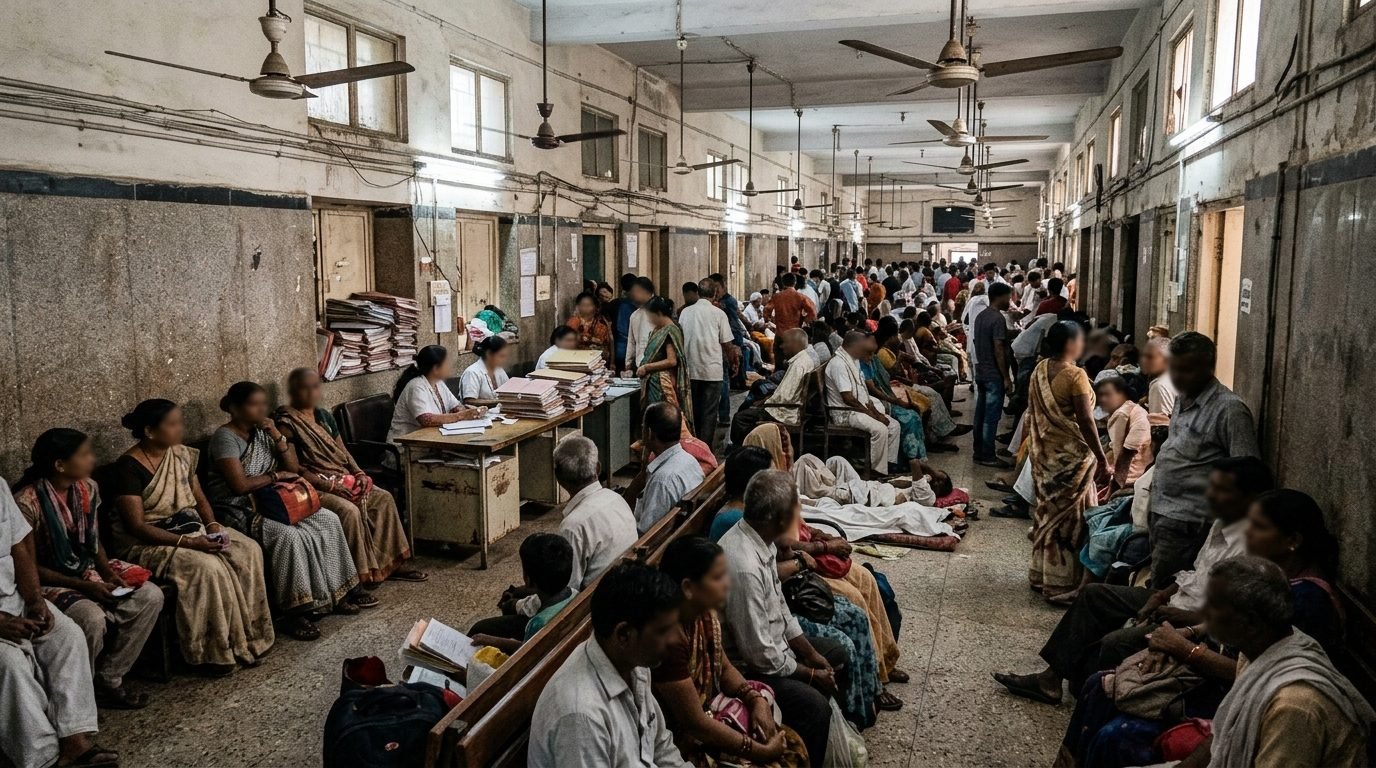
India's Hospital Bed Gap Back in Focus as Public System Strains
Fresh data underscoring India's shortage of public hospital beds has reignited debate over whether the country's health infrastructure can keep pace with rising demand and a fast-growing private sector.

Jharkhand Teen Dies During Fracture Treatment; CM Orders Probe
The death of a Jharkhand teenager during treatment for a reported fracture has led to family allegations of medical negligence and an official probe ordered by the Chief Minister into what went wrong.
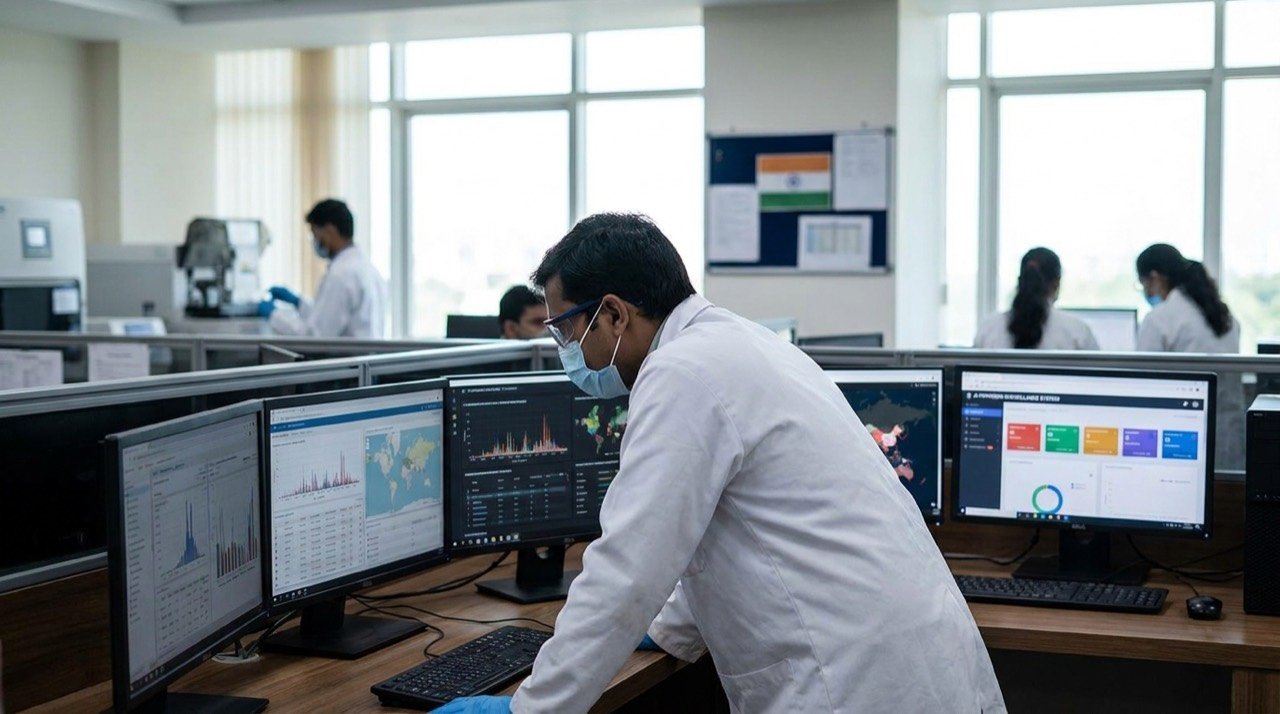
India Bets on AI to Catch the Next Outbreak Under One Health Mission in 2026
Drawing on the hard lessons of COVID-19, the ICMR is inviting proposals for AI systems to detect emerging pathogens across people, animals and the environment, in a bid to predict outbreaks rather than react to them.

Maharashtra Orders Statewide Blood Centre Checks After FDA Shutdowns
After the Food and Drug Administration shut two blood centres, Maharashtra has ordered inspections of every facility in the state, putting blood-bank safety, licensing and public trust in health infrastructure under fresh scrutiny.
More from this section
More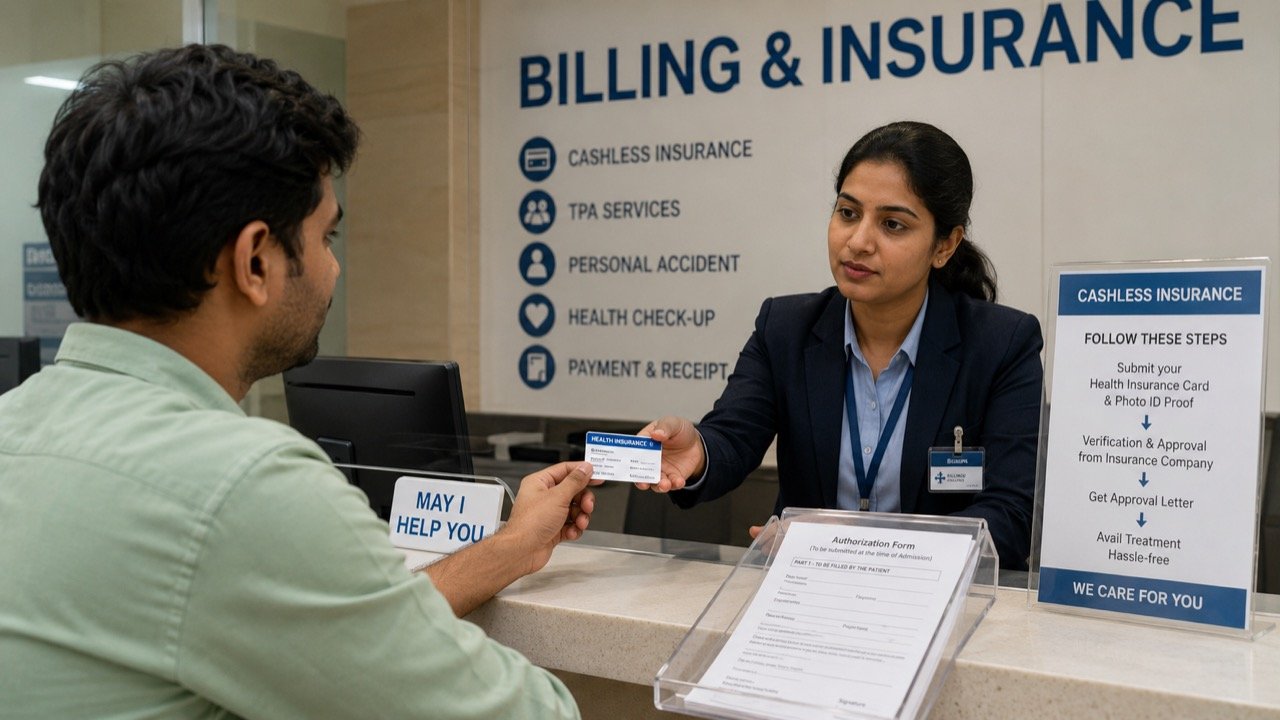
Health Insurance: Why Hospital Cashless Status Matters Before You Buy
Whether a hospital sits inside an insurer's cashless network can decide if a family pays lakhs upfront during an emergency or walks in with paperwork alone, making it a first-order question for policy buyers.
Jharkhand Teen Dies During Fracture Treatment; CM Orders Probe
The death of a Jharkhand teenager during treatment for a reported fracture has led to family allegations of medical negligence and an official probe ordered by the Chief Minister into what went wrong.
Aarogya Setu 2.0 Returns as India's Personal Health Record App
The pandemic-era contact tracing app has been relaunched as a personal health record platform, betting that portable medical data can find a place in India's growing digital health ecosystem.