Mumbai Monsoon Arrives After Delay, Testing the City's Civic Readiness
The southwest monsoon has reached Mumbai after a near two-week delay, bringing relief from humidity even as it reopens familiar questions about drainage, local trains and flood preparedness.
Commentary & Analysis ·
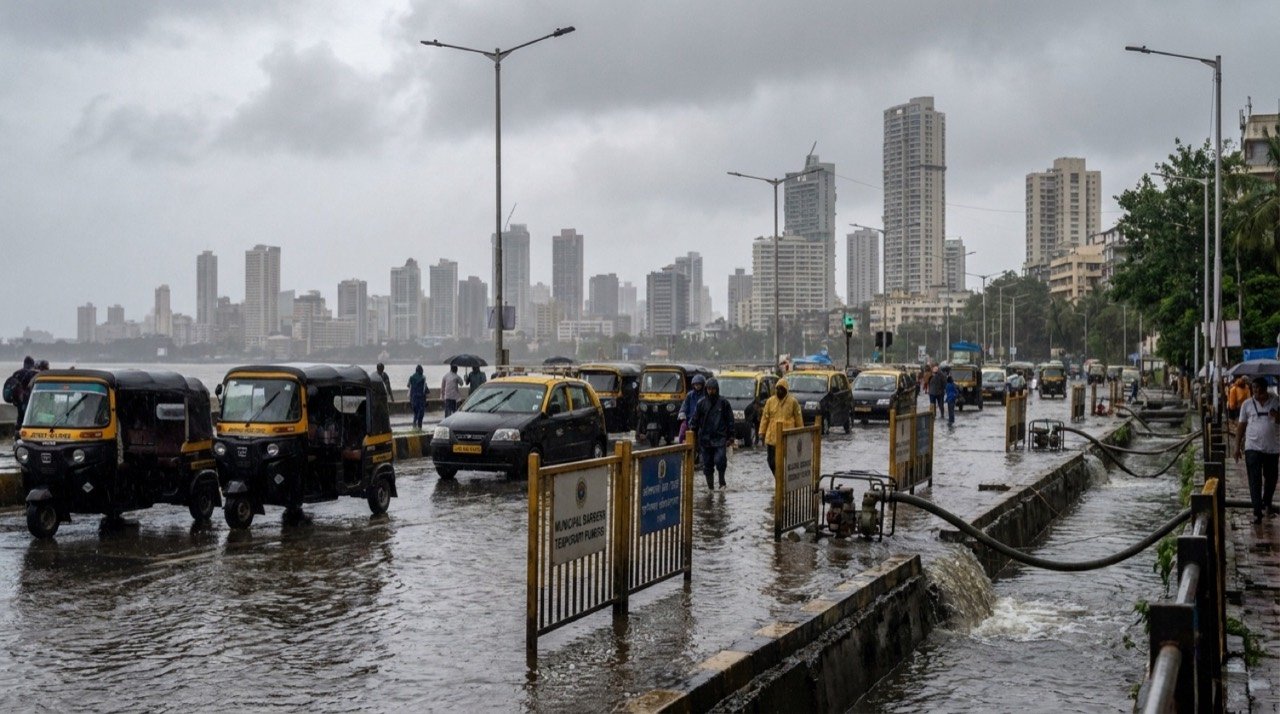
The southwest monsoon has finally swept into Mumbai after an unusually delayed onset, ending weeks of oppressive humidity and turning the city's attention, as it does every year, to the question of whether its civic systems are ready. In Mumbai, rain is never just a weather update. It reaches into suburban trains, arterial roads, drains, schools, markets and emergency services within hours of the first heavy spell.
A late but welcome arrival
The monsoon's arrival came after a delay of nearly two weeks against the typical schedule, a gap that left reservoirs and residents waiting. A sustained spell of rain would be a relief for the city's water supply, which depends on lakes that need steady recharge through the season.
But the timing of rainfall matters as much as its volume. Short, intense bursts can overwhelm drainage faster than a steady downpour, turning low-lying junctions into temporary lakes even when total rainfall is modest.
The annual civic stress test
Each monsoon effectively audits Mumbai's infrastructure. Authorities and residents now watch a familiar set of indicators: rainfall intensity, the timing of high tides, known waterlogging hotspots and the level of the lakes that supply the city. When heavy rain coincides with a high tide, stormwater cannot drain into the sea, and flooding worsens.
Suburban rail, the backbone of the city's commute, is especially vulnerable, with waterlogged tracks capable of halting services and stranding lakhs of commuters. Emergency teams, pumping stations and disaster-response units are typically on heightened alert through the first active spells.
What to watch next
The India Meteorological Department's forecasts and nowcasts will be closely tracked in the coming days to gauge whether the city is heading into steady recharge or a sequence of disruptive cloudbursts.
For now, the key question is whether this first active spell settles into the kind of consistent rainfall that refills reservoirs, or whether it arrives in the sharp, concentrated bursts that test the city's resilience.
- Monsoon reached Mumbai after a near two-week delay.
- Sustained rain would aid the city's reservoir-dependent water supply.
- Short, intense bursts can overwhelm drainage and flood roads.
- High tides can block stormwater drainage and worsen flooding.
- Suburban rail, roads and emergency services face the first big test.
“The key question is whether the first active spell becomes steady recharge or a civic stress test.”
— Mumbai weather outlook
As the season settles in, the balance between relief and disruption will hinge on both nature and preparation, how the rain falls, and how well the city's drains, trains and response systems hold up to it.
The NE Times View
The monsoon's arrival in Mumbai is annual, and so, dispiritingly, is the city's unpreparedness. A two-week delay changes nothing about the underlying problem: drainage that cannot cope, tracks that flood and a civic machinery that treats each downpour as a surprise. Relief from the heat should not buy amnesia. Mumbai's resilience is measured not on the first clear day but on the first paralysing one, and that bill always comes due.
This article is original commentary and analysis by The NE Times. Background facts were referenced from The Indian Express and the India Meteorological Department.
You may also like to read
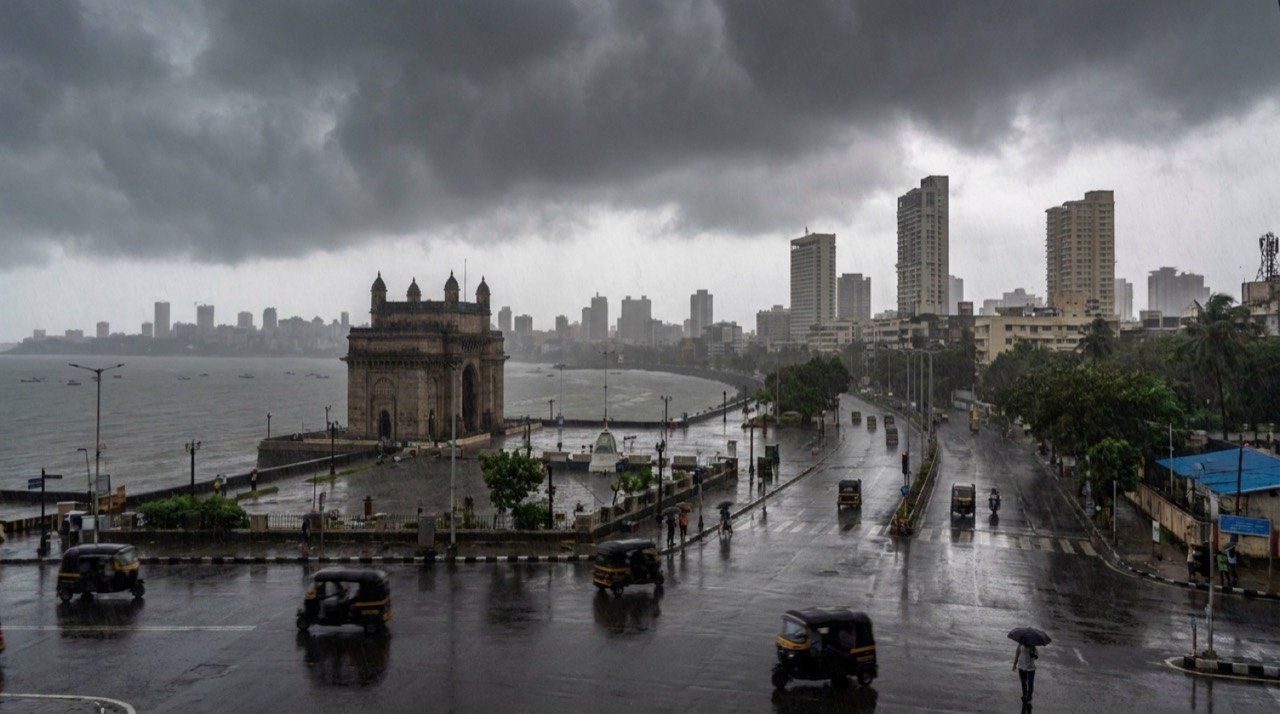
IMD Confirms Southwest Monsoon Onset Over Mumbai After Delayed Spell
The India Meteorological Department has confirmed the Southwest Monsoon's arrival over Mumbai on June 23, bringing relief after a dry, unusually warm early June and pushing the city into full monsoon readiness.
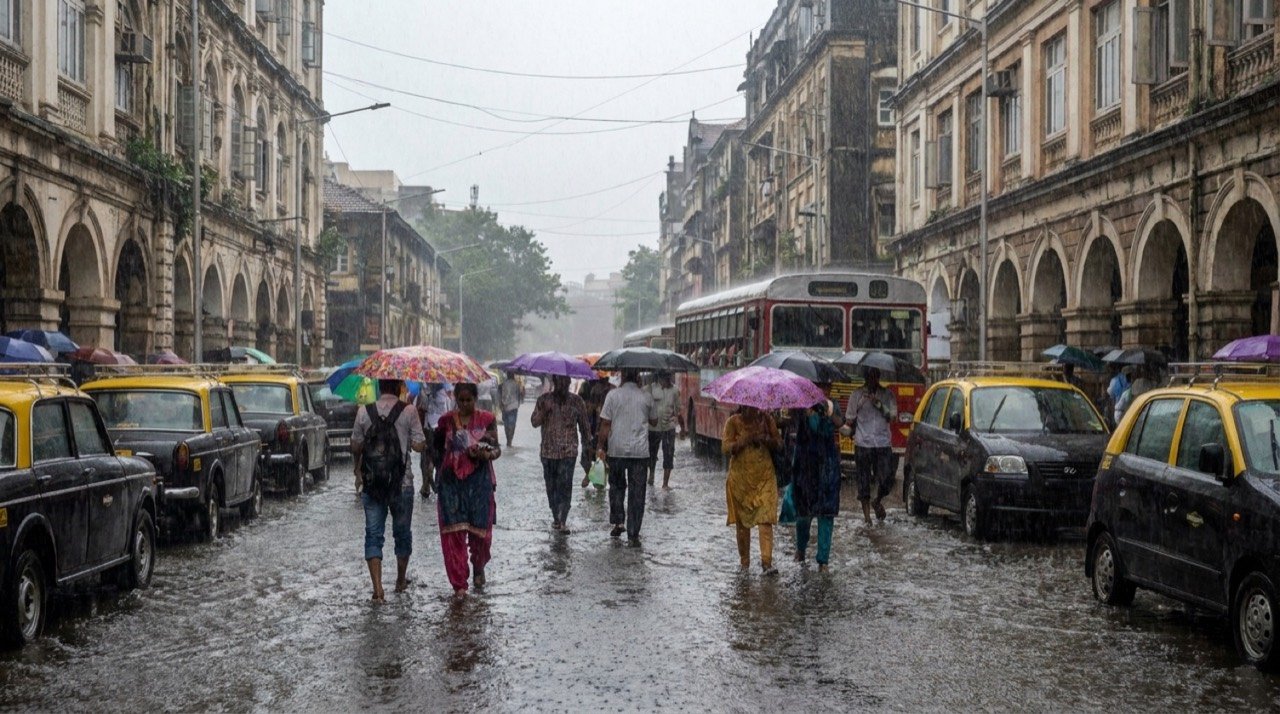
Monsoon Advances Toward Mumbai and Eastern India as Rain Alerts Issued
The southwest monsoon has resumed its march after a brief pause, with weather agencies forecasting widespread and locally heavy rain across Mumbai, Maharashtra, eastern and central India.

Early, Intense Monsoon Swamps Cities As Mumbai And Gujarat Bear The Brunt
An early and unusually intense monsoon has triggered urban flooding across western India, with Mumbai, Gujarat and Goa recording exceptional rainfall as drainage systems strain under the deluge.
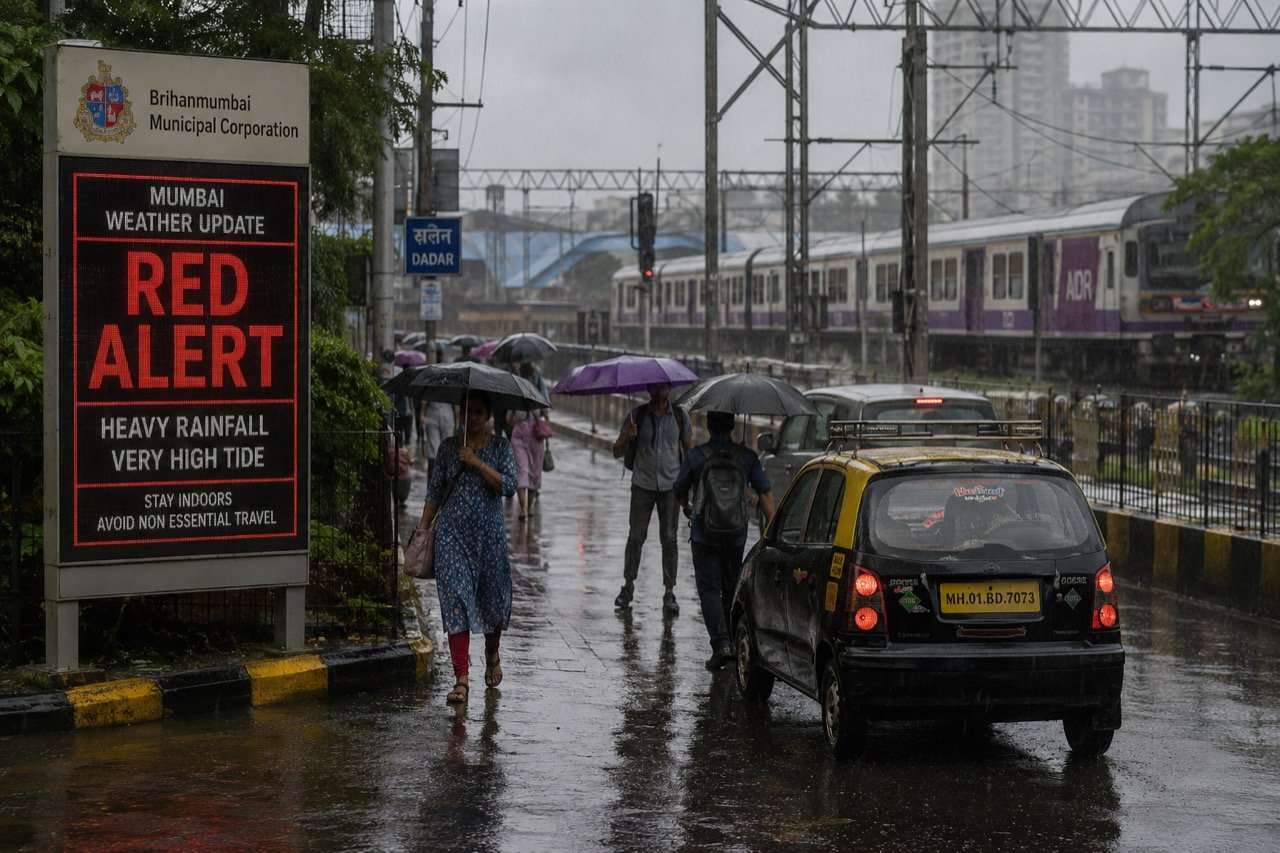
Mumbai Rains: Red Alert and Flight Diversions Test Monsoon Readiness
A red alert for heavy rainfall in Mumbai and reports of flight diversions have renewed scrutiny of the city's monsoon preparedness, from airport operations to local trains and drainage.
More from this section
More
AICTE Industry Fellowship 2026: Rs 1.5 Lakh Scheme Closes July 5
The AICTE Industry Fellowship Programme 2026, which places technical-education faculty inside leading companies on a Rs 1.5 lakh monthly stipend, reached its application deadline on July 5.
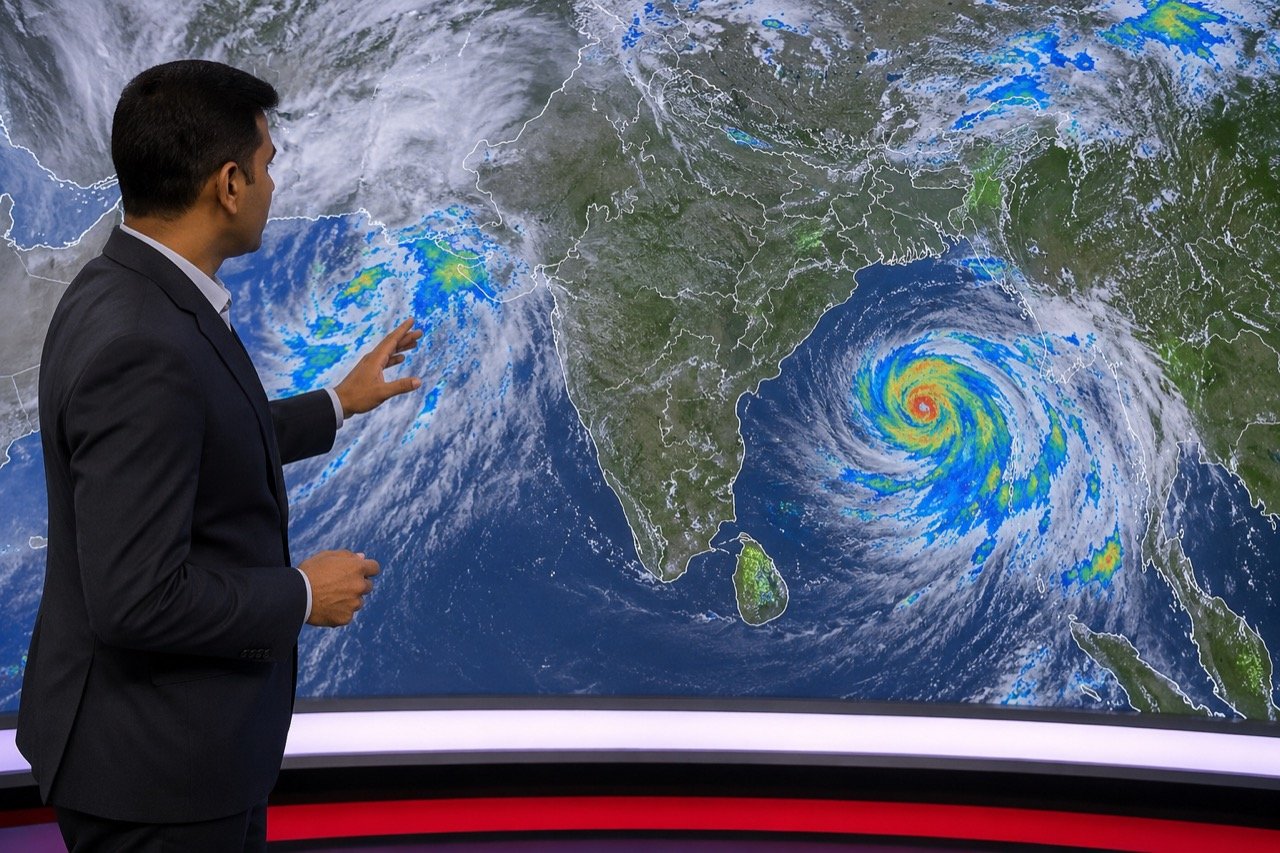
Bay of Bengal Low Pressure System Revives Monsoon Over Western India
A low-pressure system over the Bay of Bengal has pushed the monsoon back into an active phase, bringing steady heavy rain to Kerala, coastal Karnataka and Maharashtra, and putting Mumbai and Pune on preparedness watch.
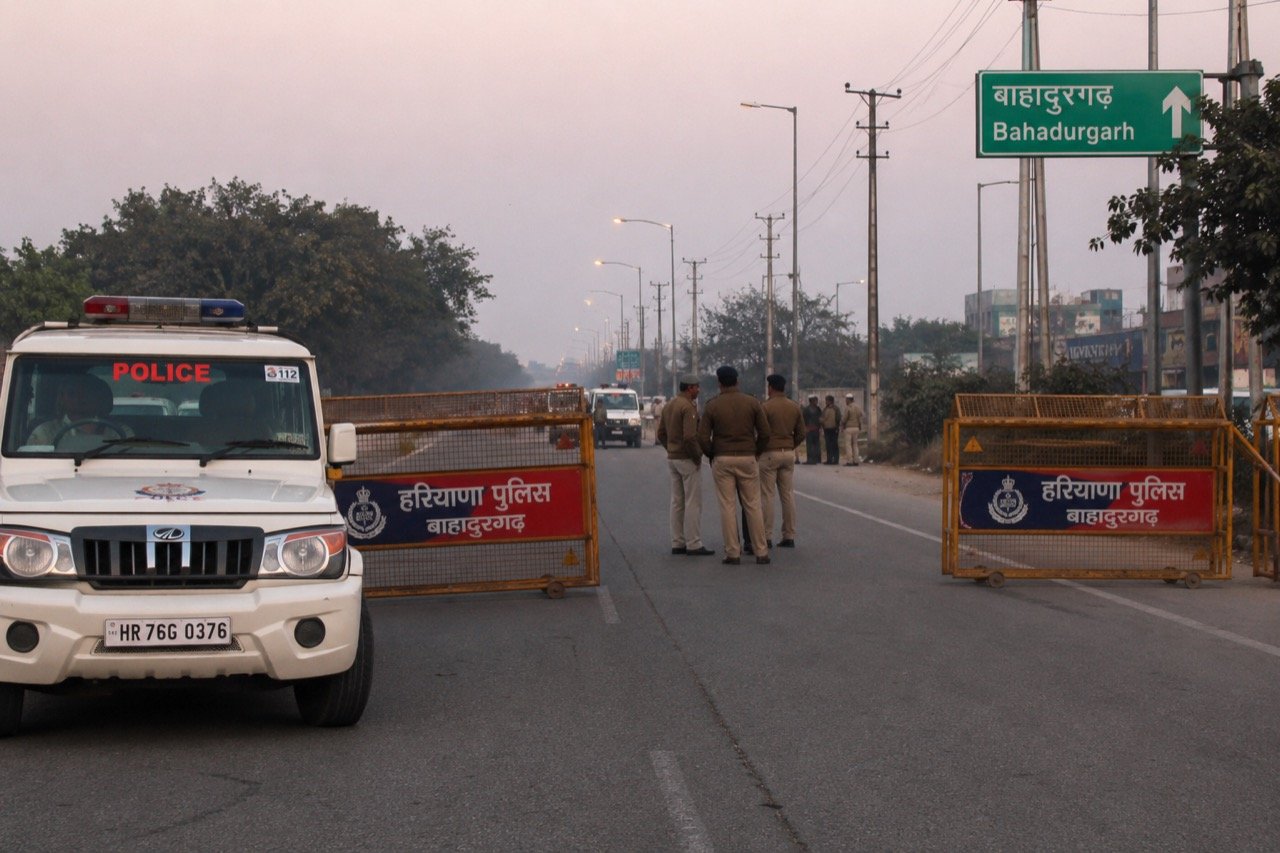
Bishnoi Gang Suspects Injured in Haryana Encounter as Police Tighten Net
A joint Haryana-Delhi Police operation in Bahadurgarh left two suspected Lawrence Bishnoi gang members injured, spotlighting the multi-state coordination now central to India's fight against organised crime networks.