Early, Intense Monsoon Swamps Cities As Mumbai And Gujarat Bear The Brunt
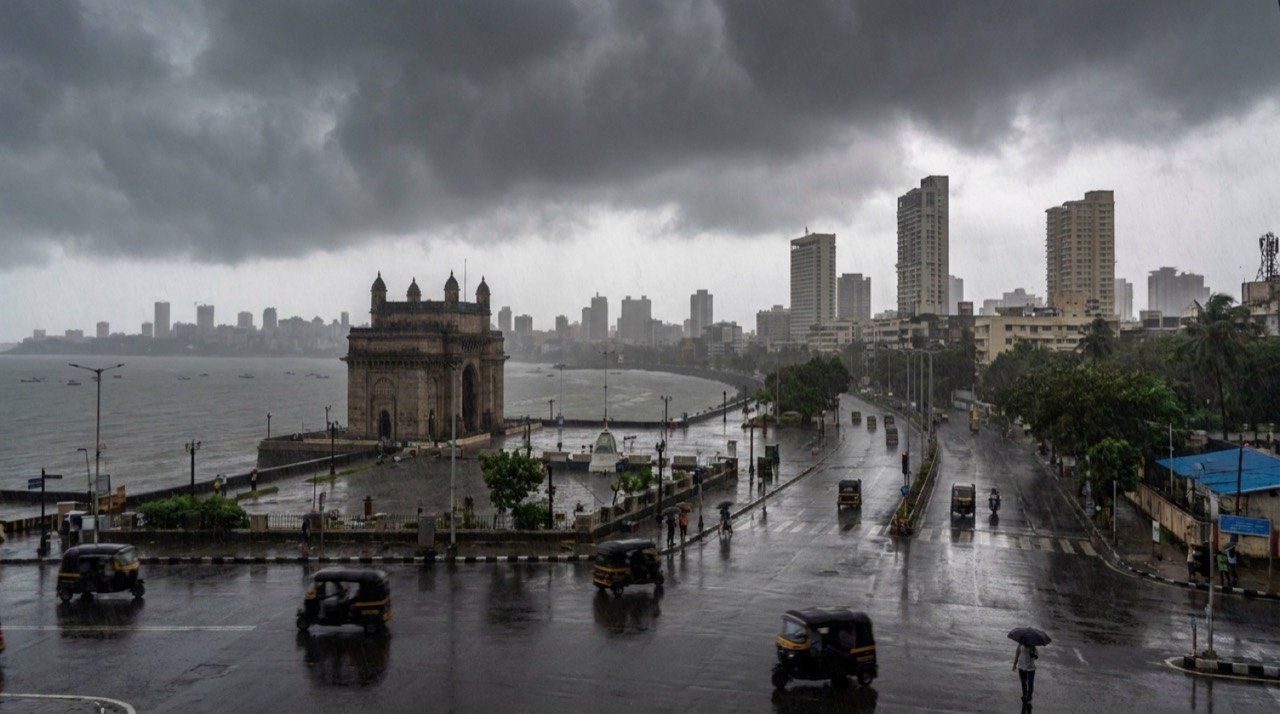
An early and unusually intense monsoon has triggered urban flooding across western India, with Mumbai, Gujarat and Goa recording exceptional rainfall as drainage systems strain under the deluge.
Commentary & Analysis ·

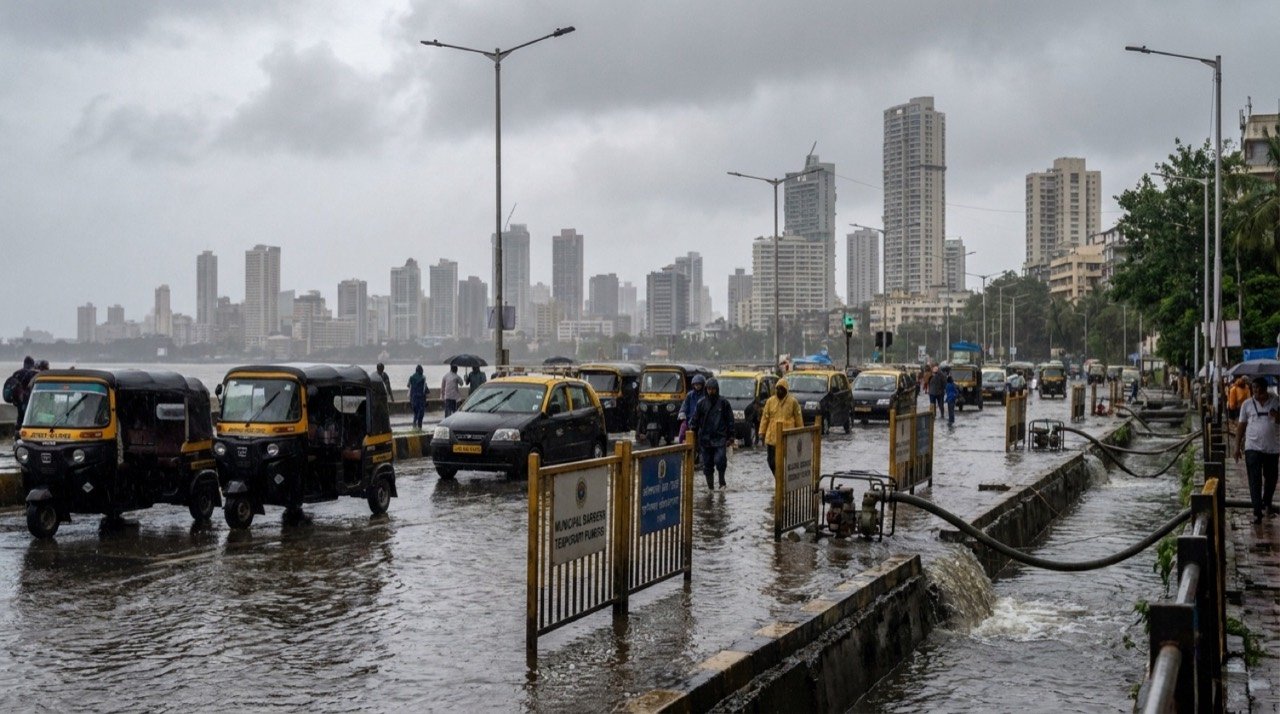
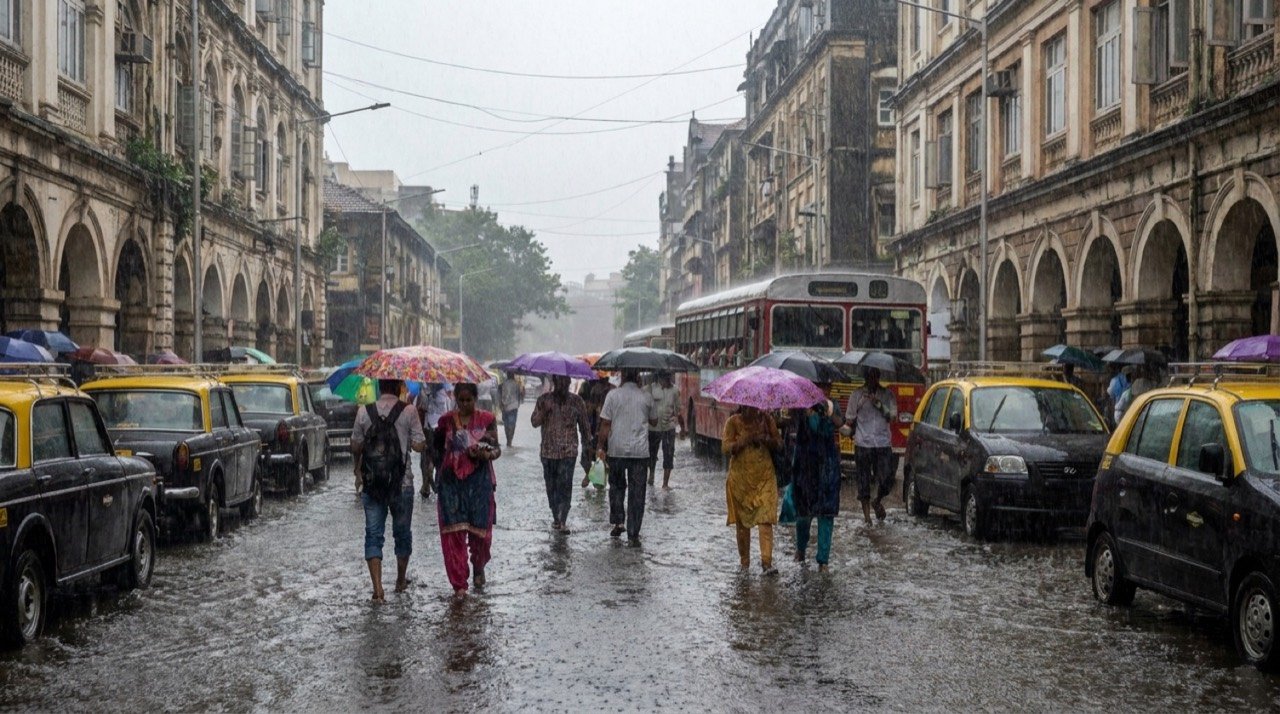
An early and unusually intense southwest monsoon has swamped large parts of western India in the first half of June, flooding streets, snarling traffic and exposing once again the fragility of urban drainage in the country's biggest cities. Mumbai, Gujarat and Goa have borne the brunt, with rainfall totals well above normal and weather forecasters warning of more active spells to come.
A monsoon that arrived in a hurry
The monsoon advanced rapidly this year, reaching the northeast, Sikkim and parts of sub-Himalayan West Bengal well within the first fortnight of June. Gujarat recorded rainfall more than 60 percent above normal, while Goa logged one of its highest monthly totals at over 750 millimetres. In Mumbai, the early onset translated into repeated bouts of waterlogging that left commuters stranded and low-lying neighbourhoods submerged.
The India Meteorological Department has issued a string of orange alerts for heavy rainfall across Bihar, Jharkhand, Chhattisgarh, Assam and Madhya Pradesh, with isolated heavy falls flagged for the Western Ghats and the northeast.
Cities that flood every year
The flooding has reignited a familiar debate about why India's metros remain so vulnerable to predictable seasonal rain. Choked stormwater drains, unchecked construction over natural watercourses and the loss of wetlands and mangroves have all been blamed for turning heavy showers into urban emergencies that recur almost annually.
- Gujarat recorded rainfall over 60 percent above normal in early June.
- Goa logged one of its highest monthly totals at more than 750 mm.
- Mumbai faced repeated waterlogging from the early, intense onset.
- The IMD issued orange alerts across several states for heavy rain.
- The monsoon advanced rapidly into the northeast and eastern India.
What forecasters expect next
Seasonal outlooks point to near-normal overall rainfall for the country, projected at around 101 percent of the long-period average, but with an uneven distribution that concentrates intense spells over the Western Ghats and the Indo-Gangetic plains. The monsoon is expected to push further into Telangana, Odisha, Jharkhand, Bihar and Chhattisgarh in the latter half of June.
For city administrations, the early deluge is a warning that climate-driven extreme rainfall is outpacing drainage and planning systems built for a gentler era.
“The rain is not the disaster; our cities turning every heavy shower into a flood is the disaster.”
— An urban planning researcher, paraphrased
As the monsoon settles in for its three-month run, the pressure will mount on civic bodies to show that emergency response, drainage clearing and longer-term flood mitigation can keep pace with a season that is arriving earlier and hitting harder.
The NE Times View
Indian cities flood not because the rain is unprecedented but because the drains are unfit, the lakes are built over and the planning is reactive. An early, intense monsoon is exactly the climate-shifted reality every metro has been warned about, yet Mumbai still drowns on schedule each year. Blaming the rain is the oldest dodge in municipal governance. The real culpability lies in decades of unaccountable, encroachment-friendly urban development.
This article is original commentary and analysis by The NE Times. Background facts were referenced from NDTV and The Times of India.
You may also like to read
IMD Confirms Southwest Monsoon Onset Over Mumbai After Delayed Spell
The India Meteorological Department has confirmed the Southwest Monsoon's arrival over Mumbai on June 23, bringing relief after a dry, unusually warm early June and pushing the city into full monsoon readiness.
Mumbai Monsoon Arrives After Delay, Testing the City's Civic Readiness
The southwest monsoon has reached Mumbai after a near two-week delay, bringing relief from humidity even as it reopens familiar questions about drainage, local trains and flood preparedness.
Monsoon Advances Toward Mumbai and Eastern India as Rain Alerts Issued
The southwest monsoon has resumed its march after a brief pause, with weather agencies forecasting widespread and locally heavy rain across Mumbai, Maharashtra, eastern and central India.
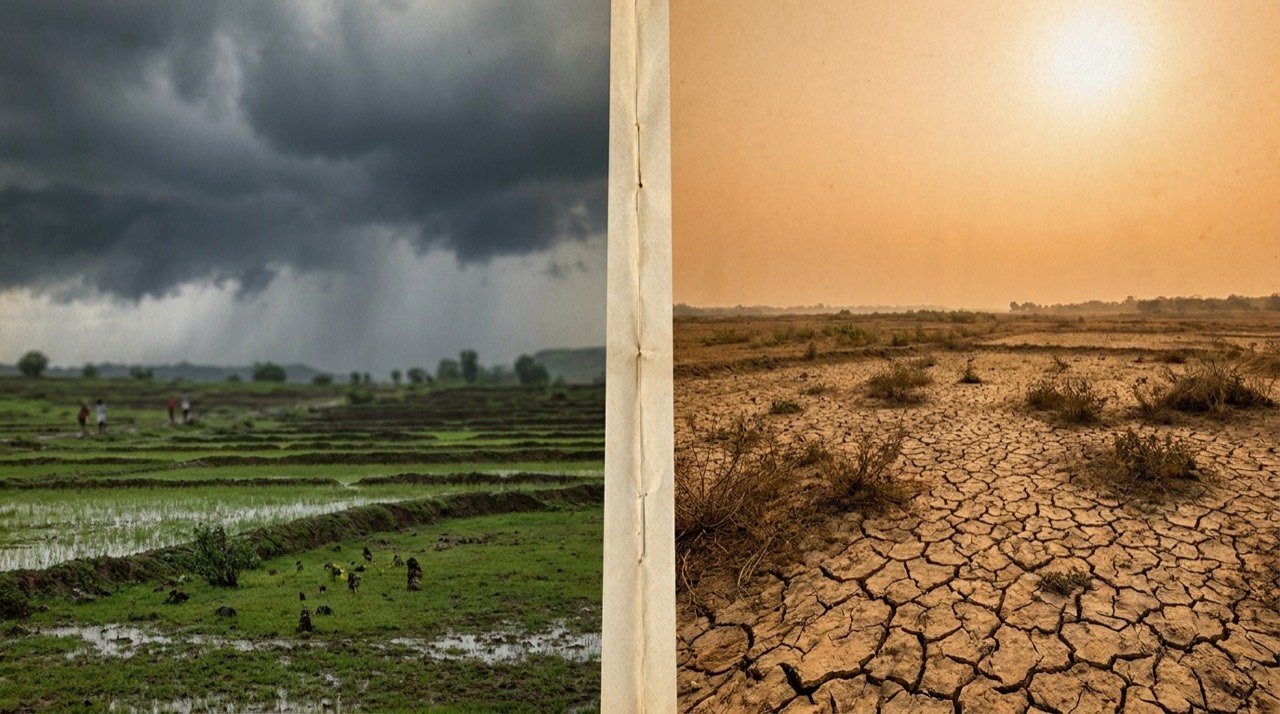
Monsoon Surges Into Central India as Heatwave Grips the East: A Split Weather Map
The India Meteorological Department reported the monsoon advancing into Gujarat and central India on 24 June even as severe heat scorched the east, leaving the country under a sharply divided weather pattern.
More from this section
More
AICTE Industry Fellowship 2026: Rs 1.5 Lakh Scheme Closes July 5
The AICTE Industry Fellowship Programme 2026, which places technical-education faculty inside leading companies on a Rs 1.5 lakh monthly stipend, reached its application deadline on July 5.
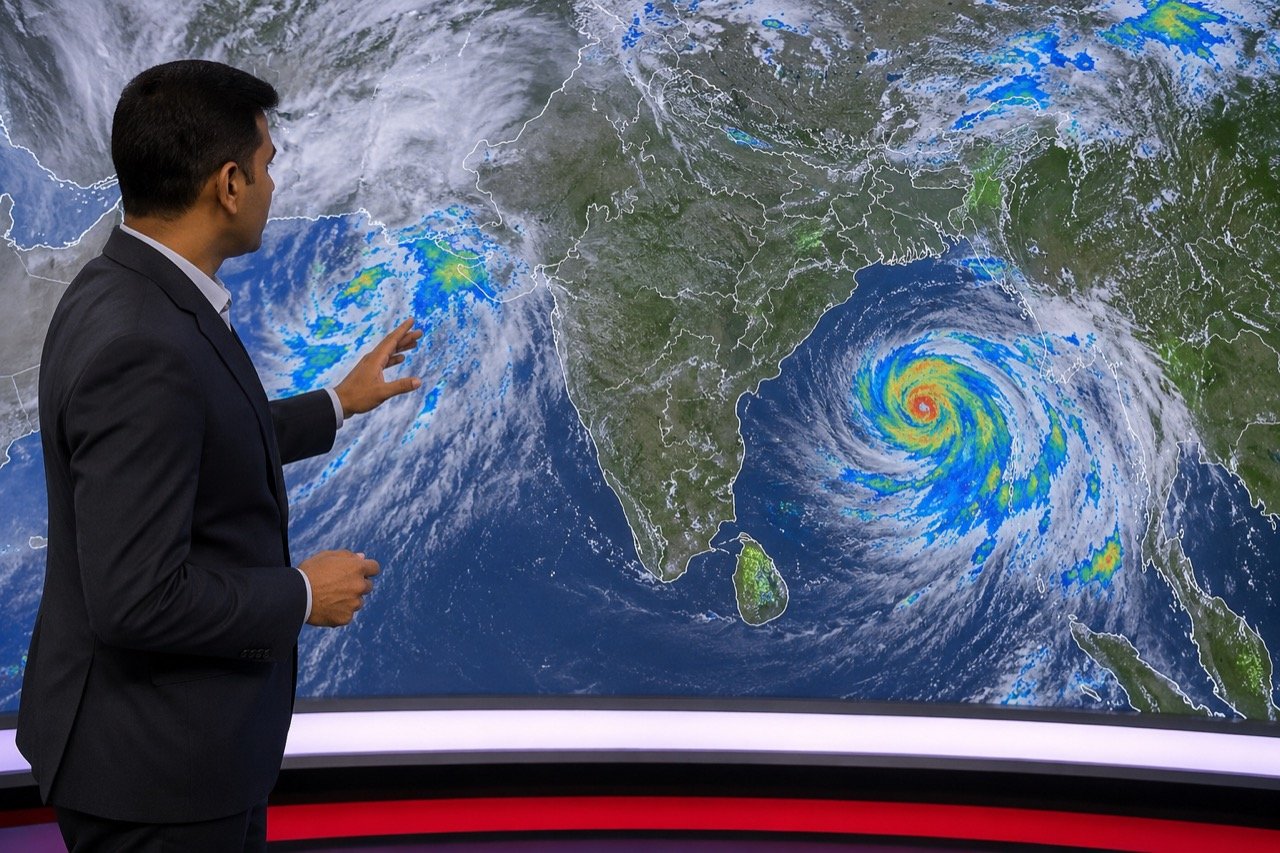
Bay of Bengal Low Pressure System Revives Monsoon Over Western India
A low-pressure system over the Bay of Bengal has pushed the monsoon back into an active phase, bringing steady heavy rain to Kerala, coastal Karnataka and Maharashtra, and putting Mumbai and Pune on preparedness watch.
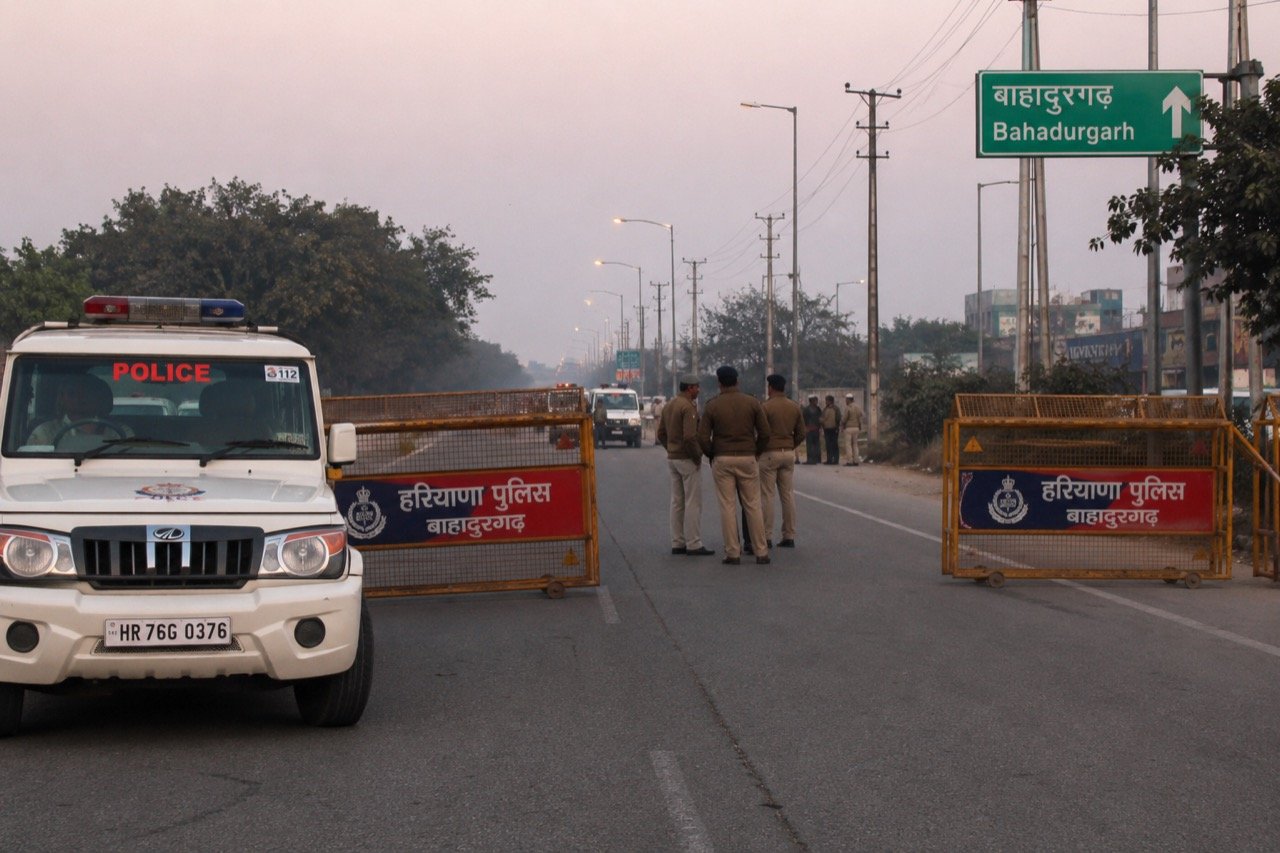
Bishnoi Gang Suspects Injured in Haryana Encounter as Police Tighten Net
A joint Haryana-Delhi Police operation in Bahadurgarh left two suspected Lawrence Bishnoi gang members injured, spotlighting the multi-state coordination now central to India's fight against organised crime networks.