Delhi Expired Food Racket: FSSAI Seizes More Than 40,000 Packs in Okhla Relabelling Raid
The enforcement action exposes how forged dates and repackaging can move unsafe or substandard goods back into the market, and why traceability matters for consumers.
Commentary & Analysis ·
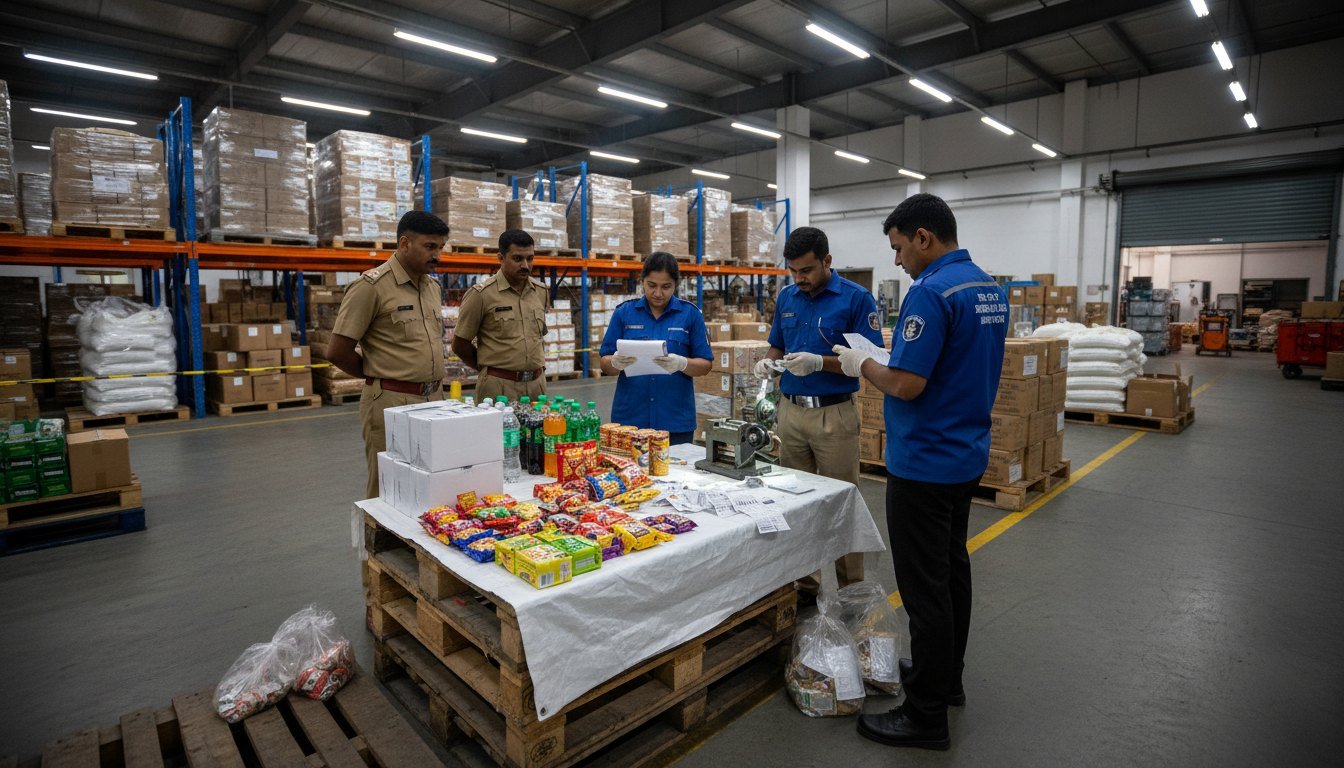
India’s food regulator has uncovered an alleged relabelling operation in Delhi’s Okhla Industrial Area and seized more than 40,000 packaged food items suspected of carrying forged manufacturing or expiry information. The Food Safety and Standards Authority of India said the action formed part of its enforcement against adulteration and misleading labelling. The Delhi expired food racket is alarming because packaged products depend on trust: consumers cannot inspect the manufacturing process and must rely on the label to judge freshness, ingredients, storage and safety.
The FSSAI Okhla raid reportedly focused on a warehouse where products were being altered or prepared for redistribution. Investigators will need to establish which goods were expired, which labels were changed, where the stock came from and how far the distribution network extended. A seizure is the beginning of a case, not the final proof against every person or company connected with the premises. Samples may be tested, invoices examined and digital or printing equipment analysed before charges are finalised.
A food relabelling scam can operate in several ways. An expired product may receive a new date sticker. Outer cartons can be replaced while original inner packs remain unchanged. Batch codes may be erased or overprinted. Damaged goods can be repacked into counterfeit branded material. Sometimes near-expiry stock is legally discounted, but it becomes illegal when information is falsified or when unsafe products are passed off as fresh. The distinction matters because legitimate clearance sales help reduce waste, while fraudulent relabelling removes the consumer’s ability to make an informed choice.
Fake expiry dates create both health and economic risks. Some dry foods remain stable beyond a “best before” date but may lose quality, while products marked with a strict “use by” or expiry date can present greater safety concerns. Storage conditions are equally important. Heat, moisture, pests or broken seals can make food unsafe before the printed date. Relabelling hides the product’s history, so even laboratory testing of a small sample may not reveal the condition of every pack in a large consignment.
The incident highlights the importance of traceability in food safety India policy. Every packaged product should be linked to a manufacturer, batch, production date and distribution chain. Retailers must know their suppliers, and wholesalers should retain purchase and sale records. When a problem is discovered, regulators need to identify where the batch travelled and remove it quickly. Cash-only transactions, informal warehouses and missing invoices make recalls difficult and create opportunities for counterfeit packaged food to enter legitimate markets.
Consumers can look for warning signs, although enforcement cannot be outsourced to shoppers. Uneven labels, spelling errors, smudged dates, stickers placed over printed information, broken seals and unusually low prices may justify caution. Buyers should compare the batch number on the pack with the outer carton where possible and ask for a bill. Online purchases deserve the same scrutiny, particularly when goods are sold by unknown third-party merchants. A receipt helps establish where the product came from if a complaint becomes necessary.
Retailers have a major role because fraudulent stock often becomes dangerous only when it is accepted into ordinary shelves. Supermarkets and small shops should use approved suppliers, scan batch information and separate damaged or expired goods in a controlled area. Destruction or return procedures need documentation. Unsold stock should not be handed to informal recyclers without safeguards, because packaging and labels can be reused. Staff should be trained to recognise date tampering instead of treating expiry checks as a routine box-ticking exercise.
Brands also have an incentive to strengthen anti-counterfeit systems. QR codes, tamper-evident labels and consumer verification tools can help, but they must be designed so codes cannot simply be copied. Companies should monitor unusual market discounts and cooperate with regulators when counterfeit or relabelled goods appear. Public recall notices should identify affected batches without creating panic about unrelated products. Silence may protect a brand briefly but can damage confidence if consumers learn that warnings were delayed.
Regulatory action must follow the evidence through the supply chain. Closing one warehouse is valuable, but another can open if the source of stock, printing equipment and buyers is not identified. Investigators should examine transport records, payment trails and communications. Penalties must be large enough to outweigh the profit from fraud. Repeat offenders and businesses that knowingly buy altered goods should face stronger consequences than a small retailer who can demonstrate that it was deceived by a supplier.
The Delhi expired food racket also raises an environmental question. India needs better systems for handling unsold and expired food so that waste does not become a criminal supply stream. Safe products approaching best-before dates can be donated or discounted under clear rules. Products unfit for consumption should be destroyed or diverted to authorised non-food uses where appropriate. Producers and large retailers can publish waste-management procedures and undergo audits. A secure disposal chain protects both consumers and the environment.
People who suspect a tampered product should preserve the package, receipt and photographs and report it to the retailer and the relevant food-safety authority. They should not consume a product with a broken seal, unusual smell, swelling, leakage or altered date. Anyone who becomes ill should seek medical care and provide the package details, which can help identify a wider outbreak. Social-media posts can alert others, but formal complaints are necessary for enforcement and should avoid accusing individuals without evidence.
The FSSAI Okhla raid is a reminder that food safety depends on invisible systems working correctly: honest labels, documented suppliers, secure storage, inspection and credible penalties. More than 40,000 seized packs represent thousands of potential consumer decisions that could have been made using false information. The strongest outcome will be not only prosecution where wrongdoing is proved, but a traced supply chain, a complete recall and reforms that make relabelling harder to repeat.
You may also like to read

Delhi Monsoon Tragedy: Two Children Drown in Rain-Filled Pit as Search Continues for Four Missing in Yamuna
Separate incidents in Outer North Delhi show how ordinary neighbourhood spaces and riverbanks can turn lethal during the monsoon.
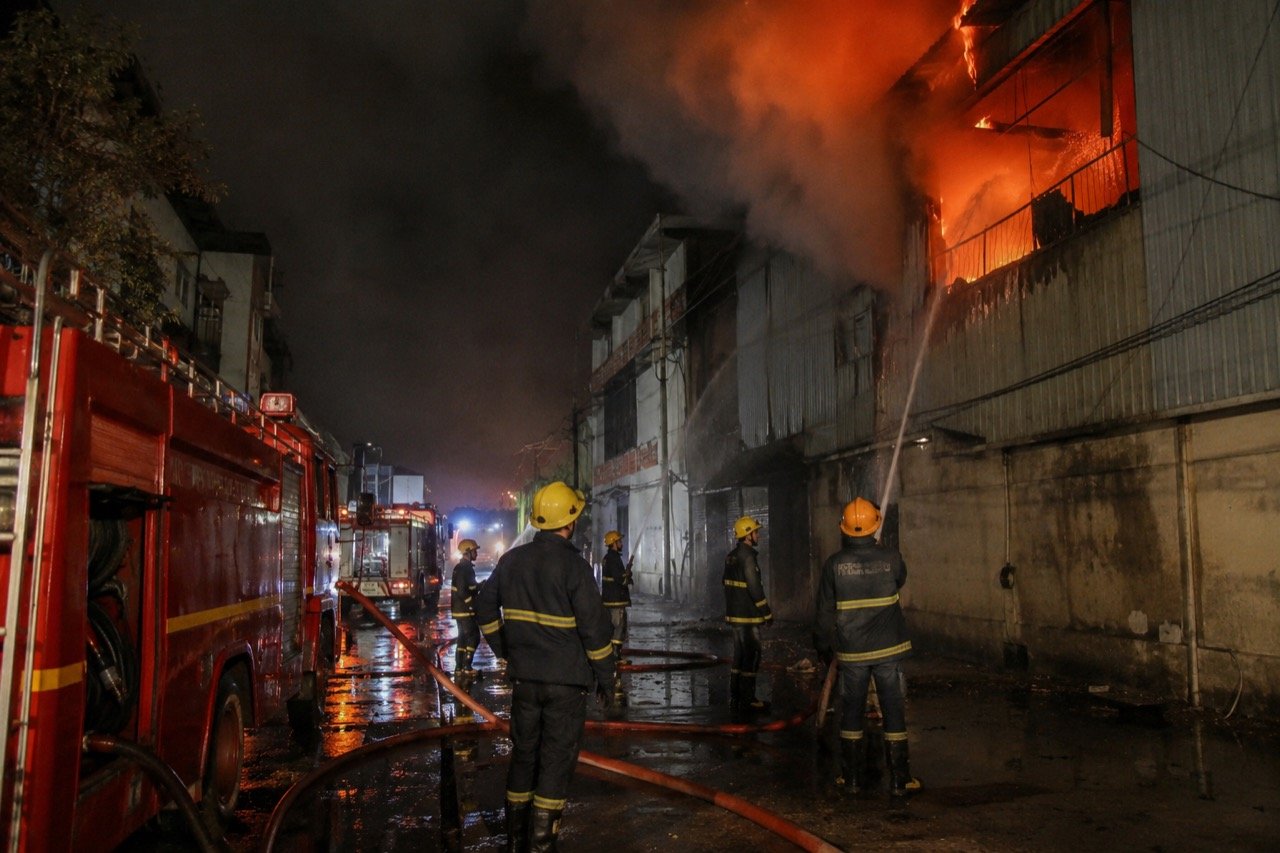
Delhi Factory Fire in Chandan Hola Tests Early-Morning Response
A factory fire reported near a Punjab National Bank branch in Delhi's Chandan Hola area around 2 AM on July 5 has renewed attention on industrial safety and the city's overnight emergency response.
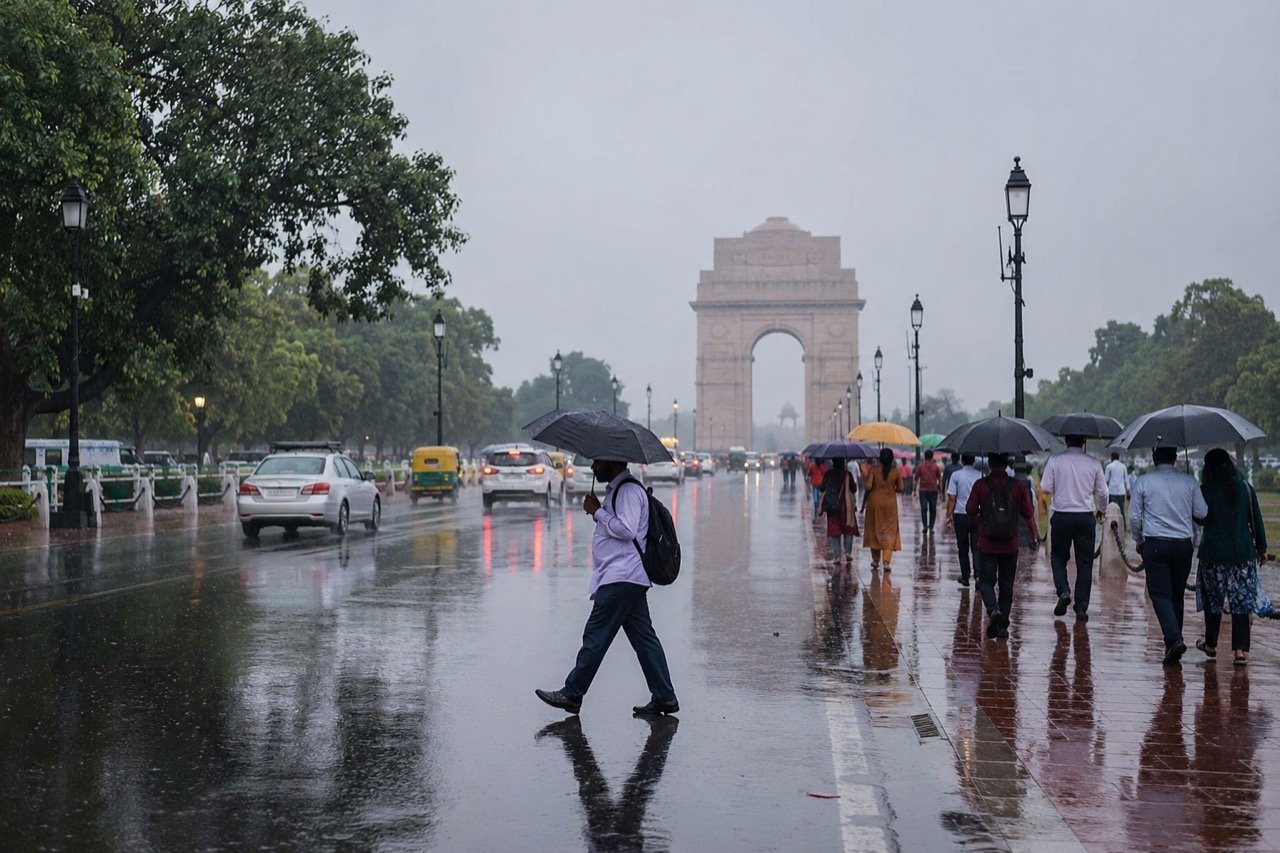
Delhi Weather: Warmest July Day in Two Years, Orange Rain Alert Next
Delhi's maximum temperature climbed to 38.6 degrees Celsius on Sunday, its warmest July day in two years, even as the IMD issued an orange alert for moderate rain on Monday.
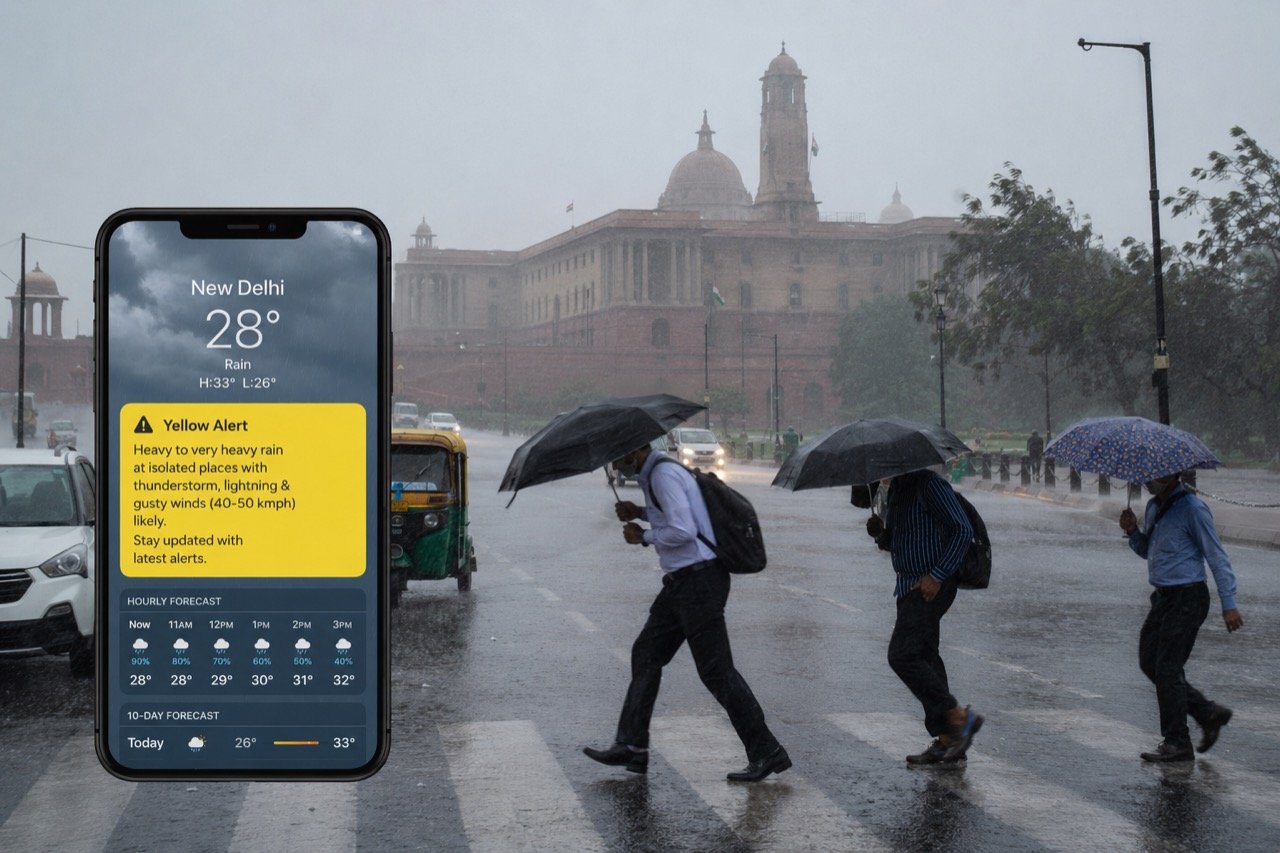
Delhi Under Yellow Alert as Monsoon Rain and Gusty Winds Arrive
Showers, thunderstorms and gusty winds swept parts of Delhi under an IMD yellow alert, ending a delayed monsoon wait, with forecasters indicating more rain could continue across the capital until July 9.