Delhi Monsoon Tragedy: Two Children Drown in Rain-Filled Pit as Search Continues for Four Missing in Yamuna
Separate incidents in Outer North Delhi show how ordinary neighbourhood spaces and riverbanks can turn lethal during the monsoon.
Commentary & Analysis ·
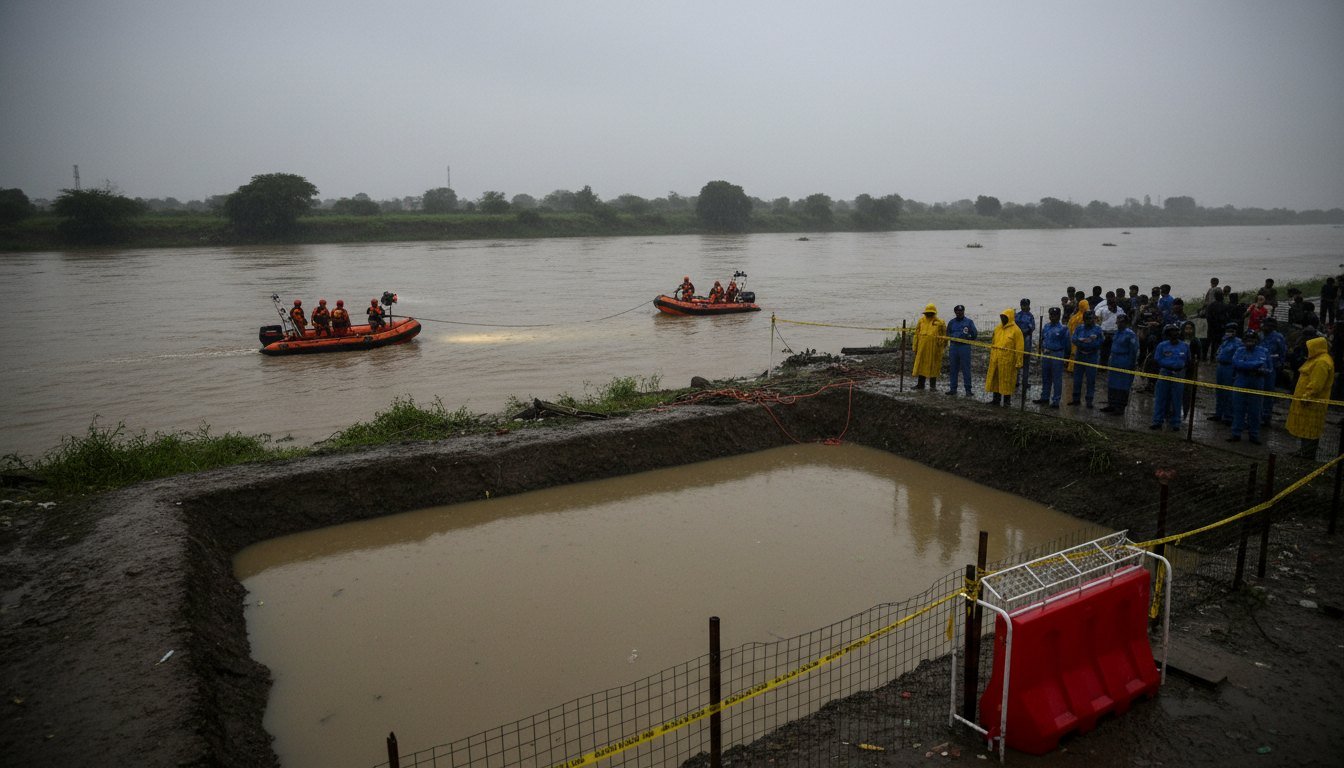
Two separate incidents in Outer North Delhi have turned the monsoon into a period of mourning for several families. Police said two children, aged eight and ten, drowned after falling into a pit filled with rainwater in Mukhmelpur village. In neighbouring Hiranki, four children who went to bathe in the Yamuna were reported missing, prompting a search by police, fire-service personnel, disaster-management teams and the National Disaster Response Force. The Delhi drowning incident is a painful reminder that monsoon danger is not limited to dramatic floods. It can be hidden in an unfenced excavation, a familiar riverbank or a patch of water that appears shallow.
The children who died in Mukhmelpur were identified in reporting as Ayush, eight, and Nitesh, ten. Their deaths raise urgent questions about the rainwater pit: who created or controlled it, whether it was fenced, whether warning signs were present and whether residents had previously complained. These questions should be answered through an official investigation. Open pits and construction excavations can fill quickly during heavy rain, concealing their depth and unstable edges. Muddy water also removes visual cues that children and adults normally use to judge safety.
The search for the Yamuna missing children near Hiranki carries a different set of challenges. River currents can change rapidly after upstream rainfall or water releases. Sandbars, deep channels and underwater debris are not visible from the bank. A place used for bathing during calmer conditions can become dangerous within hours. Search teams must work against current, low visibility and a large possible drift area. Their operations may involve boats, divers, ropes and coordinated scanning of downstream stretches. Families waiting at the site face agonising uncertainty while rescuers balance urgency with their own safety.
This is why Delhi monsoon safety must include more than pumping water from roads. Urban and peri-urban areas contain hundreds of informal hazards: abandoned plots, trenches for utilities, quarry-like depressions, uncovered drains, ponds and floodplain channels. Responsibility is often fragmented among landowners, contractors, municipal bodies and development agencies. A hazard can remain unattended because each authority assumes it belongs to someone else. During the monsoon, that administrative ambiguity can become fatal.
A citywide prevention strategy should begin with mapping. Ward officials, police beat teams and resident groups can identify pits, drains and water bodies that children can access. High-risk locations should be fenced with material that cannot be easily moved, marked with visible signs in Hindi and local languages, and illuminated where people pass after dark. Temporary barriers are not enough if they collapse in wind or water. The agency responsible for the land should be publicly identified, and emergency repair orders should have clear deadlines.
Child drowning prevention also depends on community awareness. Children are naturally drawn to water, especially during school holidays and hot, humid weather. Adults may underestimate the danger of rain-filled pits because the water looks still. Still water can be just as deadly as a river when depth is unknown and the sides are slippery. Parents and schools should teach a simple rule: never enter or play near unguarded water, even when friends say it is safe. Children should be encouraged to call an adult rather than attempting a rescue themselves, because multiple drownings often occur when one person enters the water to save another.
Near rivers, authorities should use physical and human safeguards. Warning boards are useful but may be ignored if residents have used the same bathing point for years. Patrols during high-flow periods, temporary access restrictions and announcements through local networks can be more effective. Water-level and current information should be communicated in plain language. A warning that a river is “above a technical threshold” may mean little to a child or casual visitor; a clear message that bathing is prohibited and life-threatening is harder to misunderstand.
Emergency preparedness is equally important. Bystanders should call trained responders immediately and throw a floating object or rope from a safe position if one is available. Entering unknown water without rescue training can create another victim. Communities near recurring drowning sites can be equipped with life rings, throw bags and basic rescue instruction. Ambulance access routes should remain clear, and local hospitals should be ready to manage aspiration injuries and hypothermia even when a person appears conscious after being pulled from water.
The Mukhmelpur rainwater pit incident may also have legal and accountability implications if negligence is established. Indian cities frequently rely on post-incident compensation and police cases, but prevention requires routine inspection before tragedy occurs. Contractors should be required to secure excavations, and agencies should impose meaningful penalties for non-compliance. Public complaint systems should allow residents to upload photographs and locations, while escalation procedures should ensure that a dangerous site is not closed as “resolved” without a physical check.
Responsible reporting must protect the dignity of the children and their families. The story should not become a spectacle of grief. Images of bodies or distressed relatives add little public value and can cause lasting harm. The focus should remain on verified facts, the rescue effort and the structural failures that can be corrected. The four children missing near Hiranki should be described as missing until authorities confirm an outcome; speculation can spread rapidly and deepen the families’ distress.
The Delhi drowning incident shows that monsoon resilience is measured at the smallest scale. A fenced pit, a locked gate, a river warning, a patrol officer or a life ring may not appear as impressive as a large infrastructure project, but each can save a life. As the search continues and investigations proceed, the city’s obligation is not only to respond to these families. It is to identify every similar hazard before another child reaches it.
You may also like to read
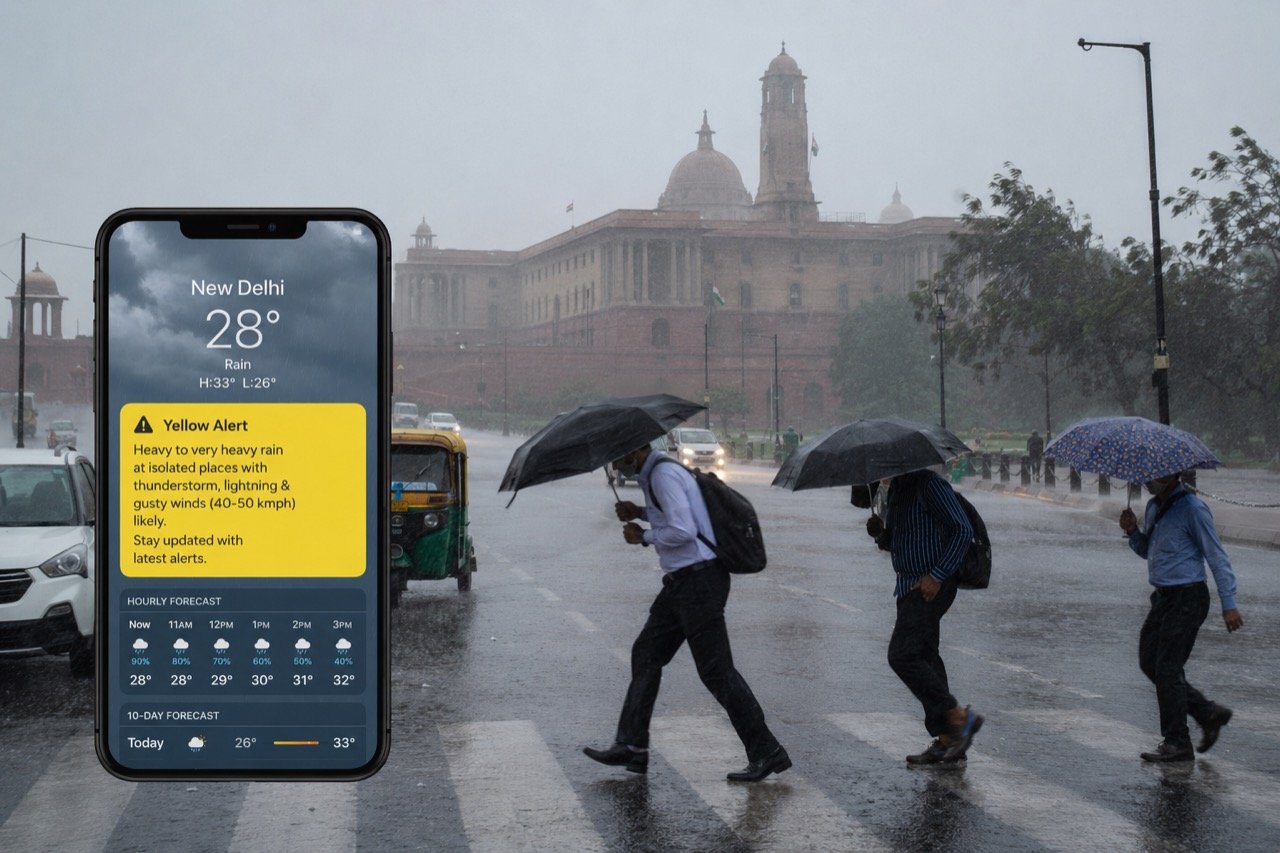
Delhi Under Yellow Alert as Monsoon Rain and Gusty Winds Arrive
Showers, thunderstorms and gusty winds swept parts of Delhi under an IMD yellow alert, ending a delayed monsoon wait, with forecasters indicating more rain could continue across the capital until July 9.
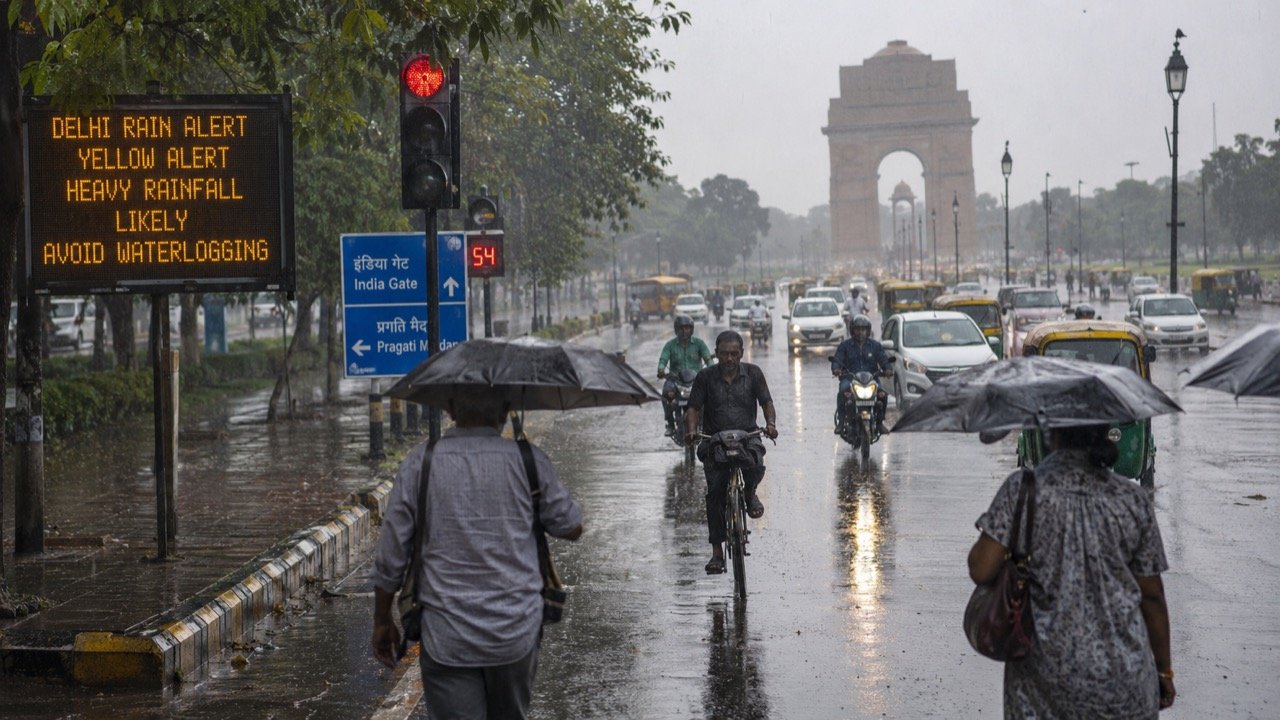
Delhi Rain Alert: Monsoon Travel and Civic Readiness Under Watch
Delhi's monsoon rain watch has residents tracking weather alerts and traffic advisories, as even moderate showers test the capital's drainage, underpasses and last-mile travel networks.
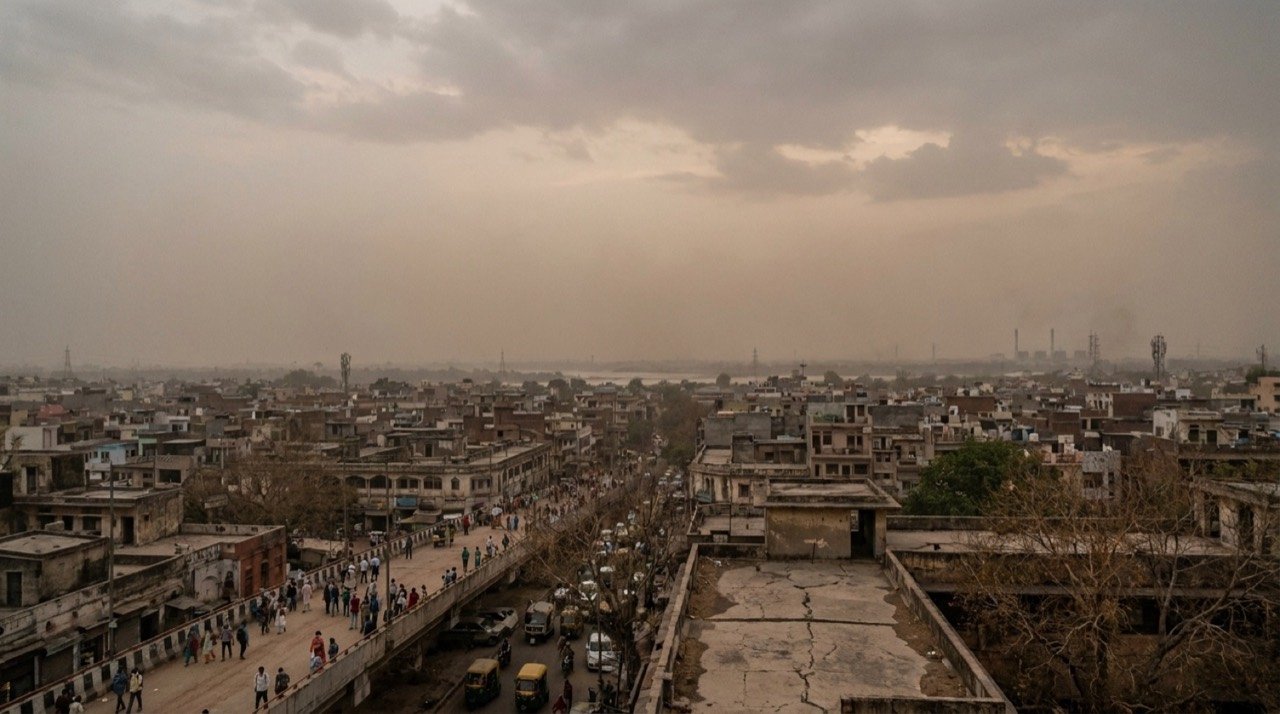
Delhi Waits for Monsoon Relief Amid Rain Deficit and Persistent AQI Watch
As June ends, Delhi faces a rainfall deficit and uncertain monsoon timing while PM2.5 and PM10 levels keep air quality in a moderate-to-poor zone, raising stakes for water, power and public health.
IMD Warns of Heavier Rain in East and Northeast India as Monsoon Risks Shift Across the Country
IMD expects increased rainfall over east and northeast India, eastern Uttar Pradesh and the western Himalayas, while activity remains subdued in several western and southern regions.