Election Commission extends SIR electoral roll revision deadlines in Delhi, Punjab, Karnataka and Telangana
India's Supreme Court imposed Rs 3 lakh costs on Samay Raina, Ranveer Allahbadia and Ashish Chanchlani after finding non-compliance with directions in a disability-related case.
Commentary & Analysis ·

Verified key facts
- On 15 July 2026, the ECI revised the Special Intensive Revision schedule for Delhi, Punjab, Karnataka and Telangana.
- Enumeration in Delhi and Karnataka has been extended from 29 July to 8 August; draft rolls will now be published on 17 August.
- In Punjab, house-to-house enumeration runs until 3 August, with draft rolls on 13 August and final rolls on 12 October.
- Final rolls for Delhi and Karnataka are now due on 19 October, twelve days later than the earlier 7 October deadline.
- The Commission has sanctioned a special honorarium of Rs 6,000 for BLOs and BLO supervisors engaged in the SIR.
What the Election Commission has changed
The Election Commission of India on 15 July revised the schedule of the Special Intensive Revision of electoral rolls in Delhi, Punjab, Karnataka and Telangana. The changes, reported by India TV News and Deccan Chronicle, give Booth Level Officers more time to complete house-to-house enumeration. Every downstream milestone, from draft rolls to final publication, shifts accordingly.
In Delhi and Karnataka, the enumeration period has been extended from 29 July to 8 August. Draft electoral rolls in Delhi and Karnataka will now be published on 17 August instead of 5 August. The claims and objections window will run from 17 August to 16 September. Final rolls are due on 19 October, twelve days later than the original 7 October date.
Punjab follows a slightly different calendar. The Tribune reported that the state's schedule has been extended by eleven days. Booth Level Officers there must complete household visits by 3 August. Draft rolls will be published on 13 August, claims and objections will be received until 12 September, and final rolls will appear on 12 October.
A pay bump for the foot soldiers of the exercise
Alongside the new dates, the Commission sanctioned a special honorarium of Rs 6,000 for Booth Level Officers and BLO supervisors engaged in the revision, according to India TV News. The gesture acknowledges a workload problem that has shadowed the exercise. BLOs, most of them serving teachers and local government staff, have carried the burden of repeated door-to-door verification rounds.
The extension itself is an implicit admission that the original timetable was tight. Enumeration involves physically visiting every household, matching electors against earlier rolls and collecting enumeration forms. Monsoon conditions, urban migration and the sheer size of constituencies in Delhi and Bengaluru have all slowed the pace, according to reporting in The News Minute.
Most BLOs are drawn from the ranks of schoolteachers, anganwadi workers and municipal staff, and they perform enumeration on top of regular duties. Teachers' bodies have long complained about the double burden during the academic term. A fixed honorarium does not resolve that tension. It does, at least, convert an unpaid imposition into compensated public work.
Where the SIR stands nationally
The current round is Phase III of the Special Intensive Revision, which the Commission announced on 14 May 2026 for sixteen states and three Union Territories in a phased manner. Andhra Pradesh's enumeration, originally due to conclude on 14 July, was extended by ten days to 24 July, Akashvani News reported. Delhi and the three states now granted extensions were among those still mid-exercise.
The SIR is the Commission's most ambitious roll-cleaning drive in decades. Its stated purpose is to remove duplicate, shifted and deceased electors while enrolling eligible citizens left off the rolls. The exercise began in Bihar in 2025 and has since expanded nationwide in successive phases, attracting both administrative praise and sustained political controversy.
Scale explains the strain. Phase III alone spans sixteen states and three Union Territories, each with distinct electoral geography and migration patterns. The Commission has evidently chosen to stagger schedules rather than compromise coverage.
The political backdrop
Opposition parties have questioned the design and pace of the SIR since its first phase. Concerns raised again on 14 July centred on the risk of eligible voters being deleted for documentation gaps, according to current-affairs coverage of the exercise. The Commission has consistently defended the revision as a hygiene exercise that protects, rather than restricts, the franchise.
The stakes are concrete in Delhi and the three states now given more time. Punjab has assembly elections due in 2027, while Delhi's rolls remain politically sensitive after its February 2025 contest. Karnataka and Telangana saw hard-fought contests in their last cycles, and roll accuracy disputes have already reached courtrooms in earlier SIR phases elsewhere. Draft and final publication dates will therefore be watched closely by every party.
What the new calendar means for voters
For electors, the operative dates are the draft publication and the claims window. Voters in Delhi and Karnataka should verify their names between 17 August and 16 September. Punjab's window runs from 13 August to 12 September. Missing the claims period does not remove appeal rights, but it makes corrections slower and more bureaucratic.
- Delhi and Karnataka: enumeration to 8 August, draft rolls 17 August, final rolls 19 October.
- Punjab: enumeration to 3 August, draft rolls 13 August, final rolls 12 October.
- Telangana: schedule revised alongside the other three states, per Deccan Chronicle.
- BLOs and supervisors: one-time honorarium of Rs 6,000 sanctioned.
What happens next
The Commission's immediate test is operational: completing enumeration in four large, mobile populations within the extended window. The harder test follows publication. If draft rolls show large-scale deletions, the claims period will become a political battleground, as it did in earlier phases. If the rolls hold up, the SIR's defenders will cite these states as proof of concept.
Either way, the extensions signal that the Commission prefers a slower, defensible roll to a punctual, contested one. With a packed election calendar ahead and Parliament's monsoon session opening on 20 July, scrutiny of the exercise is unlikely to soften. The quality of the October rolls will decide whether these twelve extra days were enough.
Sources
- India TV News - Delhi SIR timeline extended by Election Commission (15 July 2026)
- Deccan Chronicle - ECI extends electoral roll revision deadlines in Delhi, Punjab, Telangana and Karnataka (July 2026)
- The Tribune - EC extends SIR schedule in Punjab by 11 days, Delhi by 12 days (July 2026)
- The News Minute - ECI extends SIR deadline in Telangana, Karnataka and two other states (July 2026)
You may also like to read
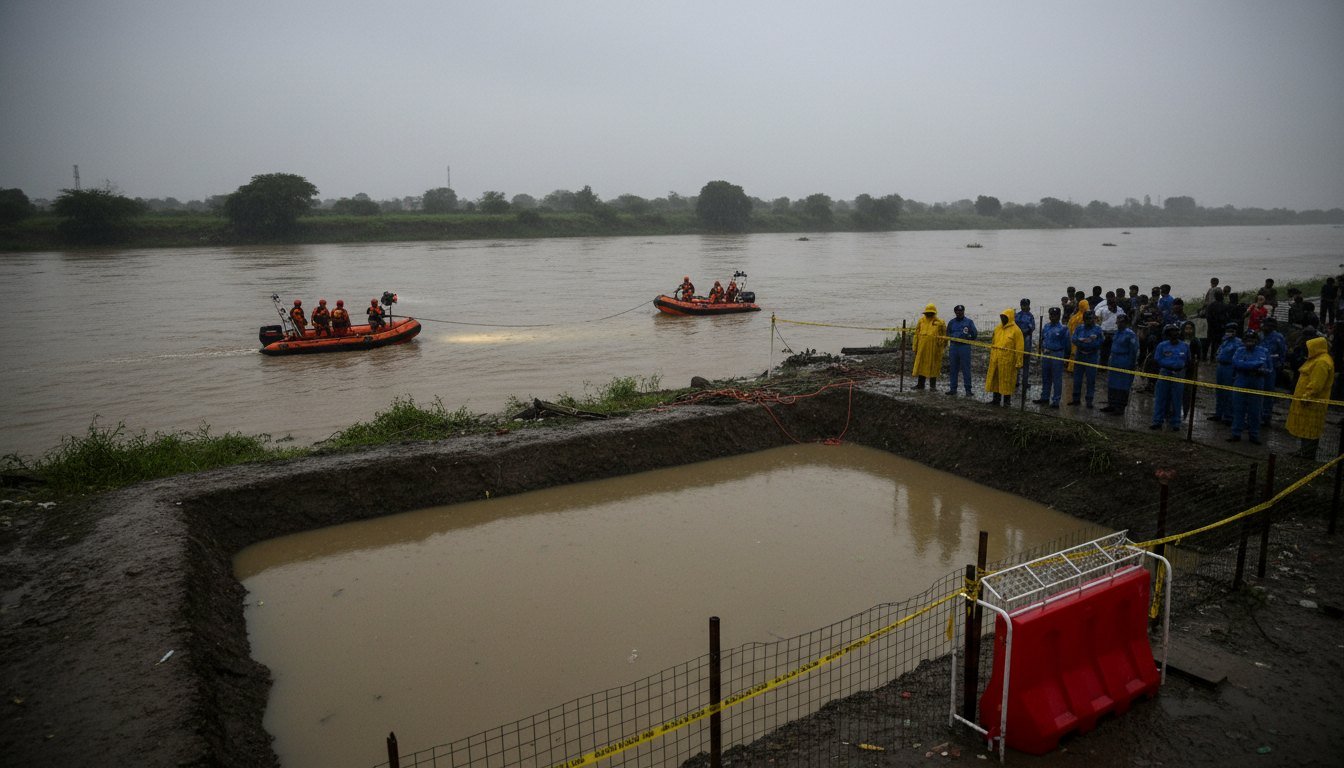
Delhi Monsoon Tragedy: Two Children Drown in Rain-Filled Pit as Search Continues for Four Missing in Yamuna
Separate incidents in Outer North Delhi show how ordinary neighbourhood spaces and riverbanks can turn lethal during the monsoon.
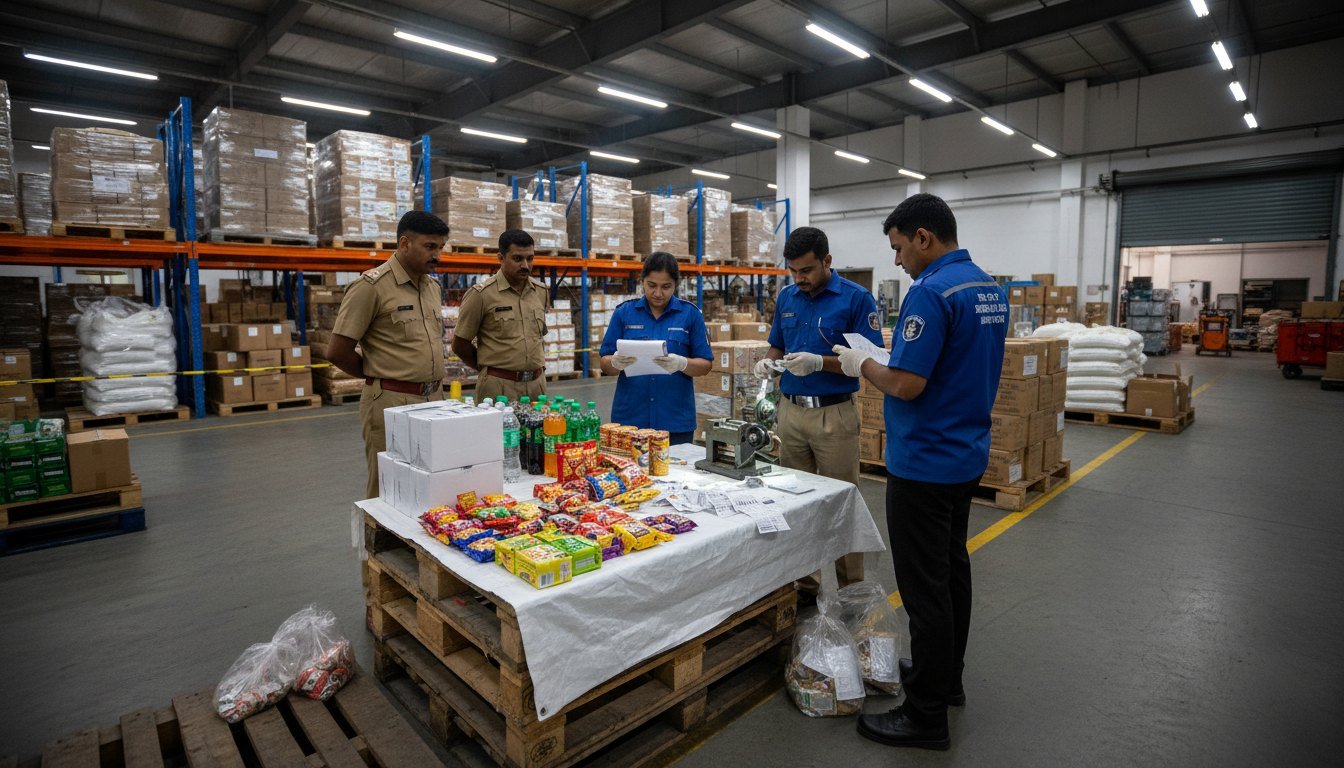
Delhi Expired Food Racket: FSSAI Seizes More Than 40,000 Packs in Okhla Relabelling Raid
The enforcement action exposes how forged dates and repackaging can move unsafe or substandard goods back into the market, and why traceability matters for consumers.
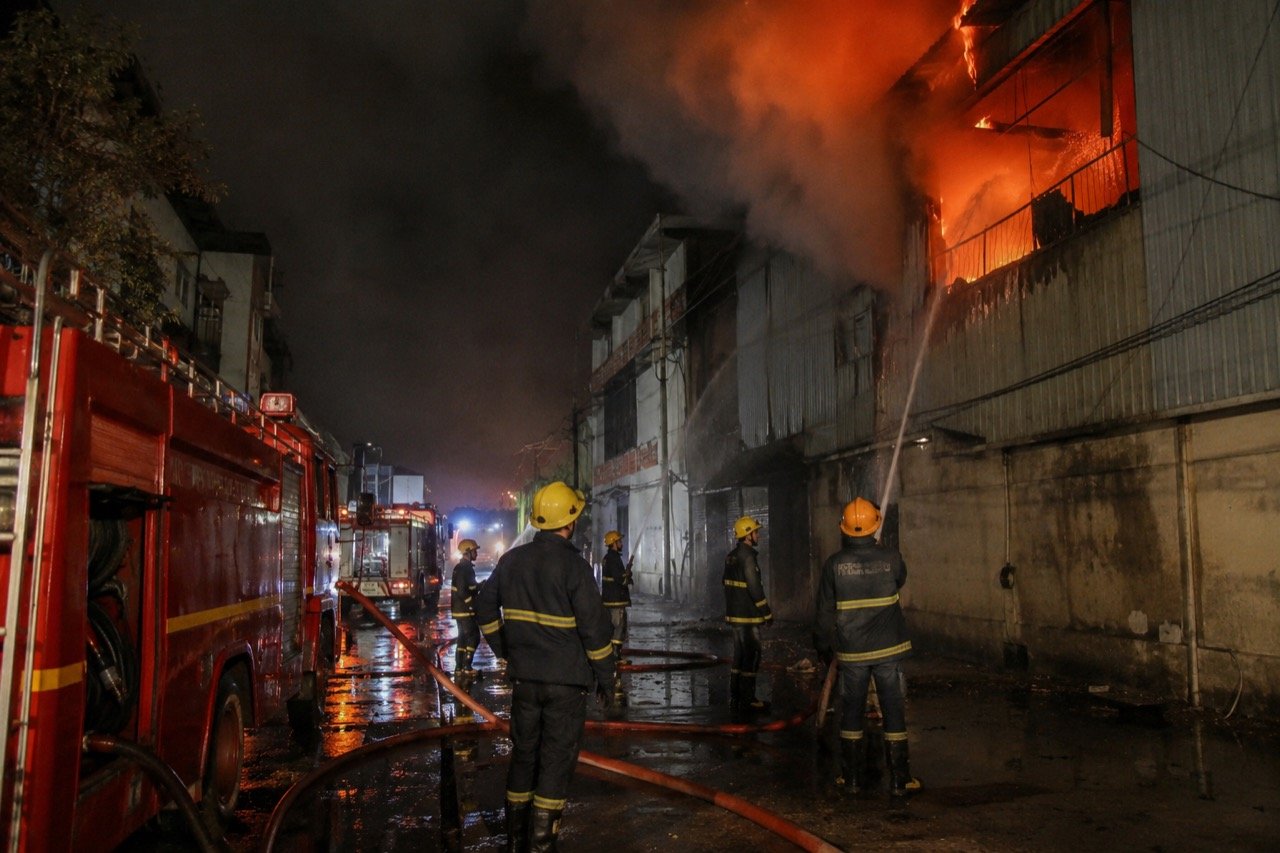
Delhi Factory Fire in Chandan Hola Tests Early-Morning Response
A factory fire reported near a Punjab National Bank branch in Delhi's Chandan Hola area around 2 AM on July 5 has renewed attention on industrial safety and the city's overnight emergency response.
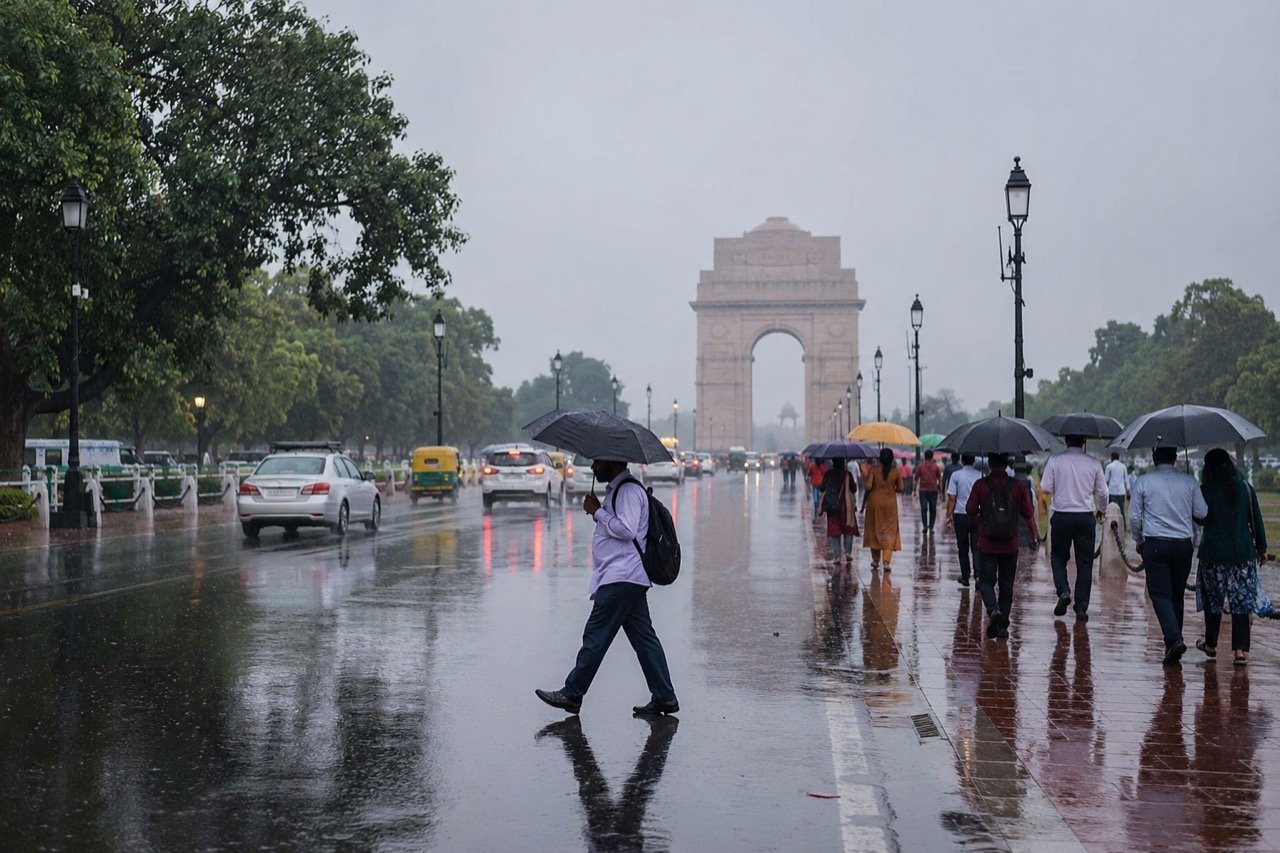
Delhi Weather: Warmest July Day in Two Years, Orange Rain Alert Next
Delhi's maximum temperature climbed to 38.6 degrees Celsius on Sunday, its warmest July day in two years, even as the IMD issued an orange alert for moderate rain on Monday.