Congress Sends Observers to Jammu and Kashmir as Internal Tensions Sharpen
The Congress high command has moved to assess factional friction in its Jammu and Kashmir unit, deputing senior leaders to gather feedback as the party works to rebuild organisation and protect alliance space.
Commentary & Analysis ·
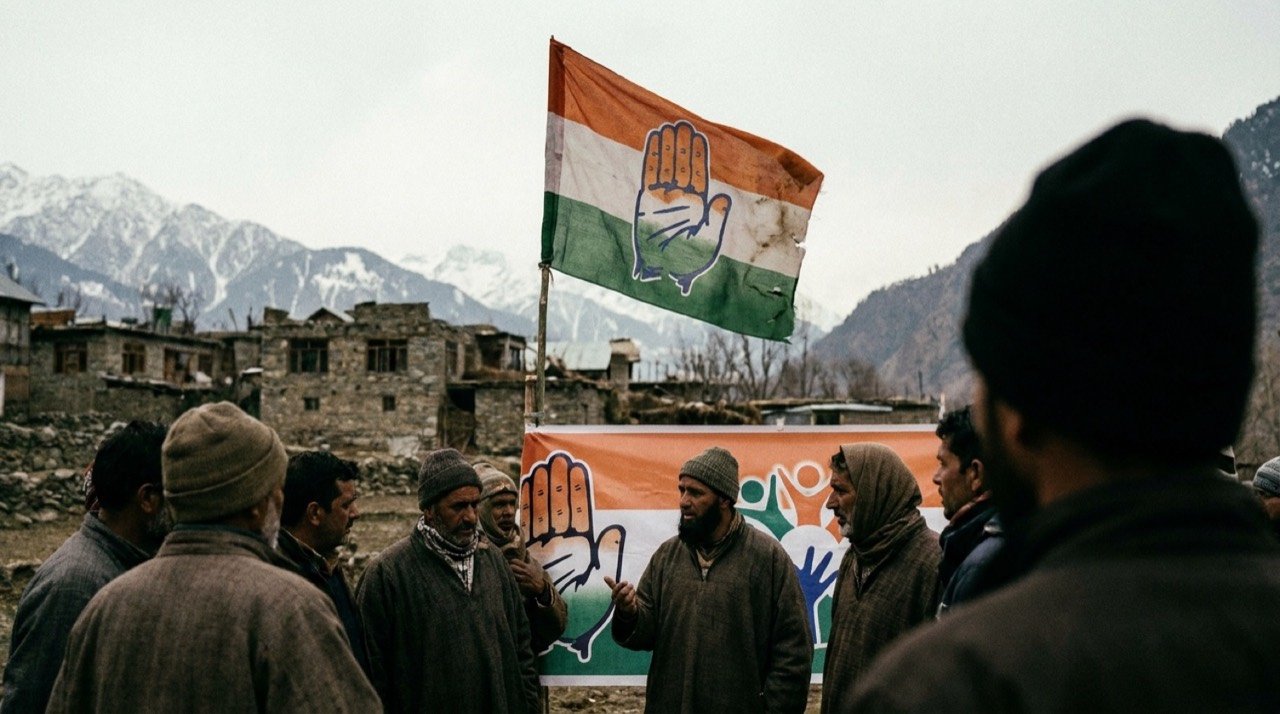
The Congress leadership has moved to take stock of factional friction within its Jammu and Kashmir unit following reports of public disagreement among party members. Senior leaders are expected to speak with state leaders and grassroots workers before submitting feedback to the high command, in a bid to contain tensions that have spilled into the open.
Why the Leadership Is Stepping In
The decision to deploy observers reflects how seriously the central leadership views the situation. The party is attempting to rebuild its organisation in the region, protect its space within alliance politics and prepare for future electoral contests, all of which depend on a unit that presents a coherent front.
In a region where local credibility is central to political relevance, visible infighting can quickly erode the trust of voters and workers alike, making early intervention a priority for party managers.
More Than a Question of Who Said What
The immediate task is not merely to identify who made which remarks, but to understand the deeper sources of friction. Disputes over strategy, ticket distribution and coordination can weaken a party's ground operation in ways that outlast any single controversy.
By gathering feedback from multiple levels of the organisation, the observers are likely seeking a clearer picture of whether the tensions are personal, structural or strategic, an assessment that will shape the high command's eventual response.
Seeking a Settlement Without Public Confrontation
Party managers are expected to push for a settlement that avoids further public confrontation while redirecting attention to substantive issues. The aim, observers suggest, is to refocus the unit on governance, employment, security and demands related to the restoration of statehood, themes that resonate with voters in the region.
- Congress has deputed senior leaders to assess friction in its J&K unit.
- Observers will consult state leaders and workers before reporting back.
- Rebuilding organisation and protecting alliance space are key motives.
- Disputes over strategy, tickets and coordination are under scrutiny.
- The goal is to refocus on governance, jobs, security and statehood.
“The immediate task is not only to identify who said what, but to understand whether disputes over strategy and coordination have weakened the party's ground operation.”
— On the Congress review in Jammu and Kashmir
How effectively the leadership manages this episode will signal its broader capacity to hold a fractious state unit together. With future contests in view and the politics of the region remaining delicate, the party's ability to convert internal review into renewed cohesion may prove decisive for its standing in Jammu and Kashmir.
The NE Times View
Dispatching observers is standard Congress firefighting, yet the recurrence of factionalism in Jammu and Kashmir points to a deeper organisational drift. In a Union Territory where statehood and alliance arithmetic are both unsettled, a divided unit hands the initiative to rivals. The party needs more than feedback-gathering; it needs to decide whether it is building independent strength or merely managing its partnership. Drift here has electoral consequences it can ill afford.
This article is original commentary and analysis by The NE Times. Background facts were referenced from NDTV and The Indian Express.
You may also like to read
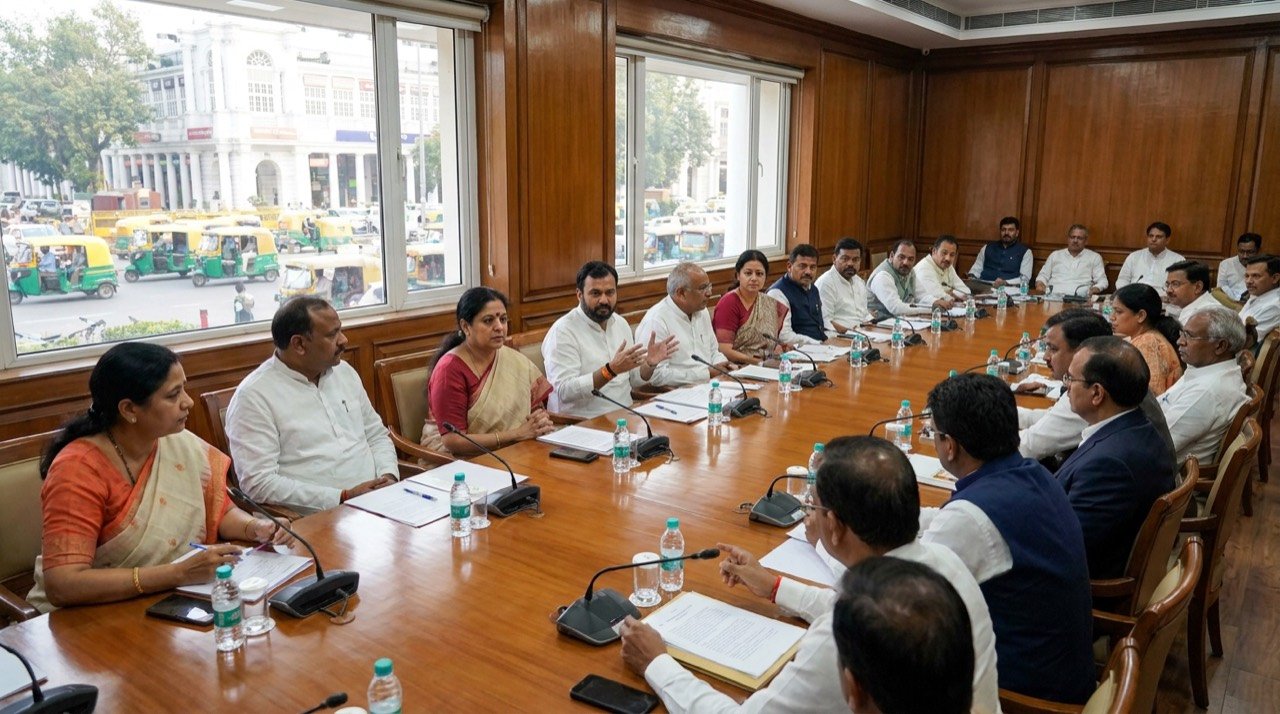
INDIA Bloc Reaches Five-Point Consensus After Allies Push Back on Congress
A tense INDIA alliance meeting in New Delhi ended with a five-point agreement and a vow to meet bimonthly, even as Left, SP and RJD leaders bluntly told the Congress to act as the coalition's glue.
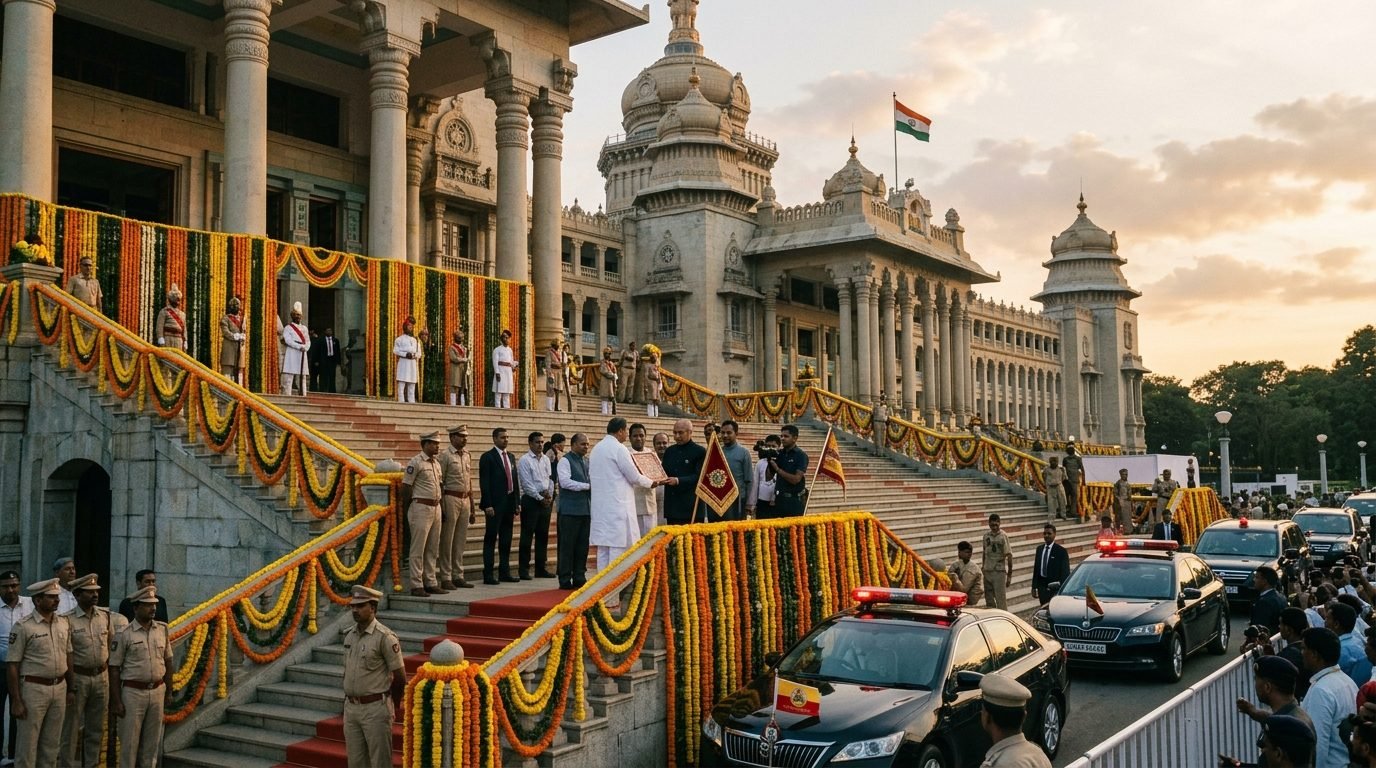
DK Shivakumar Takes Over as Karnataka CM in Long-Anticipated Congress Handover
Karnataka's drawn-out power-sharing saga reached its climax as DK Shivakumar was sworn in as chief minister in early June, with Siddaramaiah accommodated in the Congress Working Committee.
INDIA Bloc Under Strain as Allies Turn on Congress After Assembly Setbacks
A bruising round of state elections has deepened fault lines in the opposition INDIA alliance, with the DMK, TMC and others openly venting frustration at the Congress at a June bloc meeting.
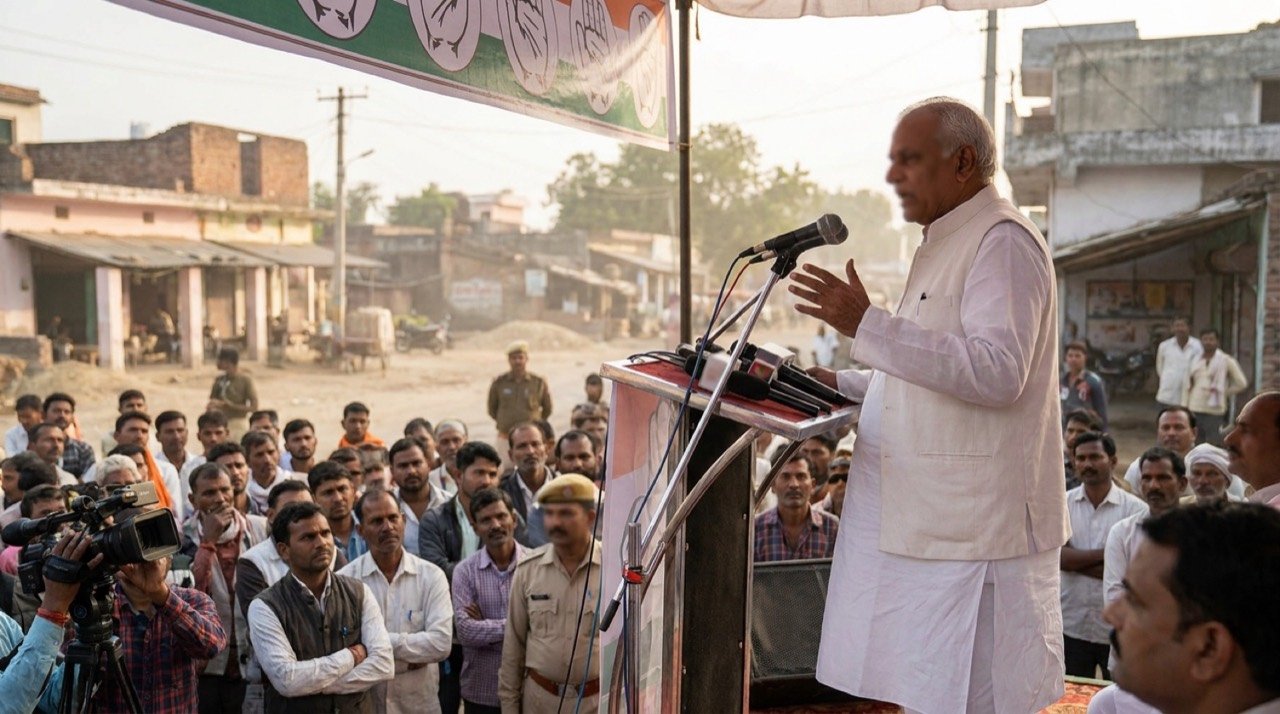
Vijayvargiya's 'Don't Use Our Roads' Remark Sparks Political Row in Madhya Pradesh
A reported comment by Madhya Pradesh minister Kailash Vijayvargiya linking public road use to political loyalty has triggered a sharp clash over civic rights and the language of public office.
More from this section
More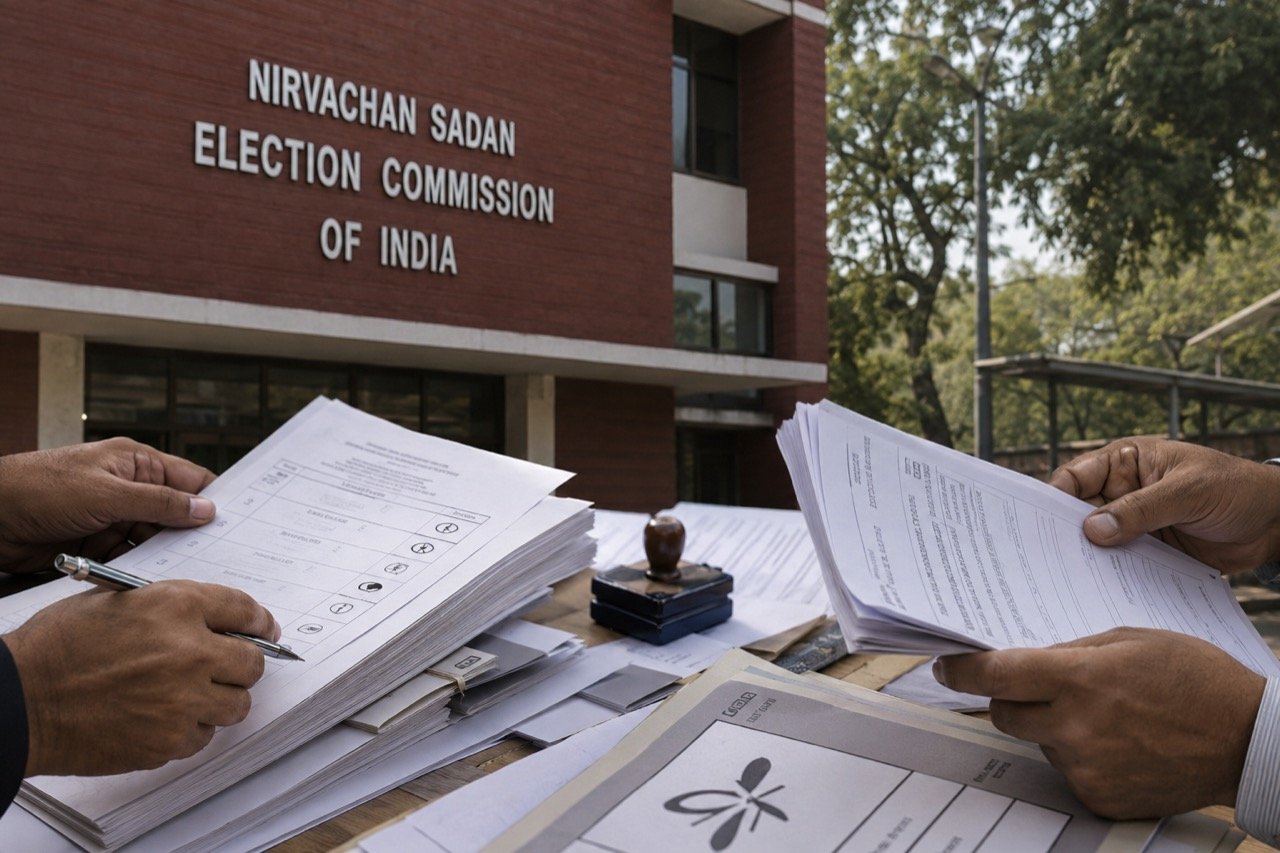
K Kavitha Party Denied TRS Name by Election Commission
The Election Commission has refused to register K Kavitha's Telangana Rakshana Sena under the TRS acronym after objections, forcing a branding reset for the new party at a politically sensitive moment in Telangana.
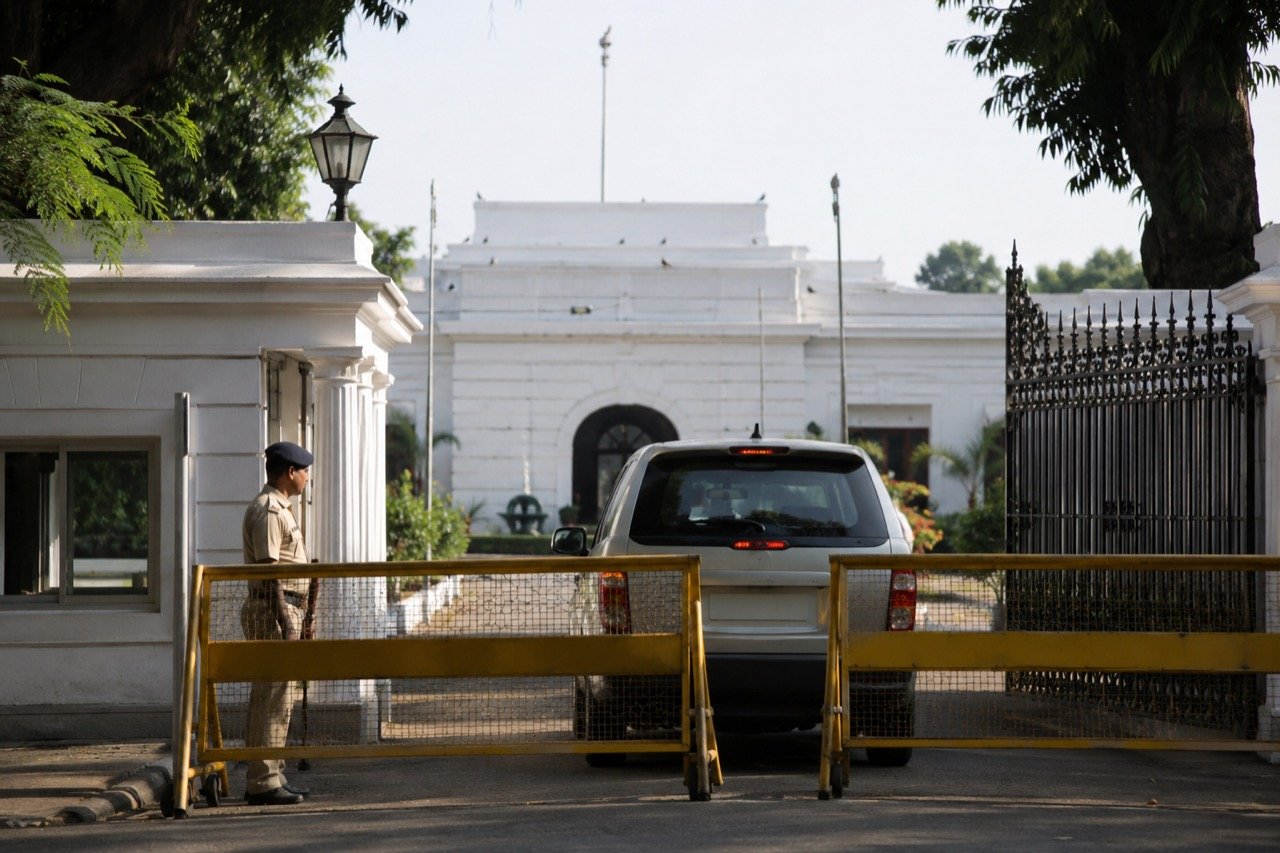
Lalu Prasad Yadav Security Downgrade, Bungalow Order Stir Bihar
A government order downgrading Lalu Prasad Yadav's security cover and asking him to vacate an official bungalow has opened a fresh political flashpoint in Bihar, with the RJD chief's reaction fuelling the row.
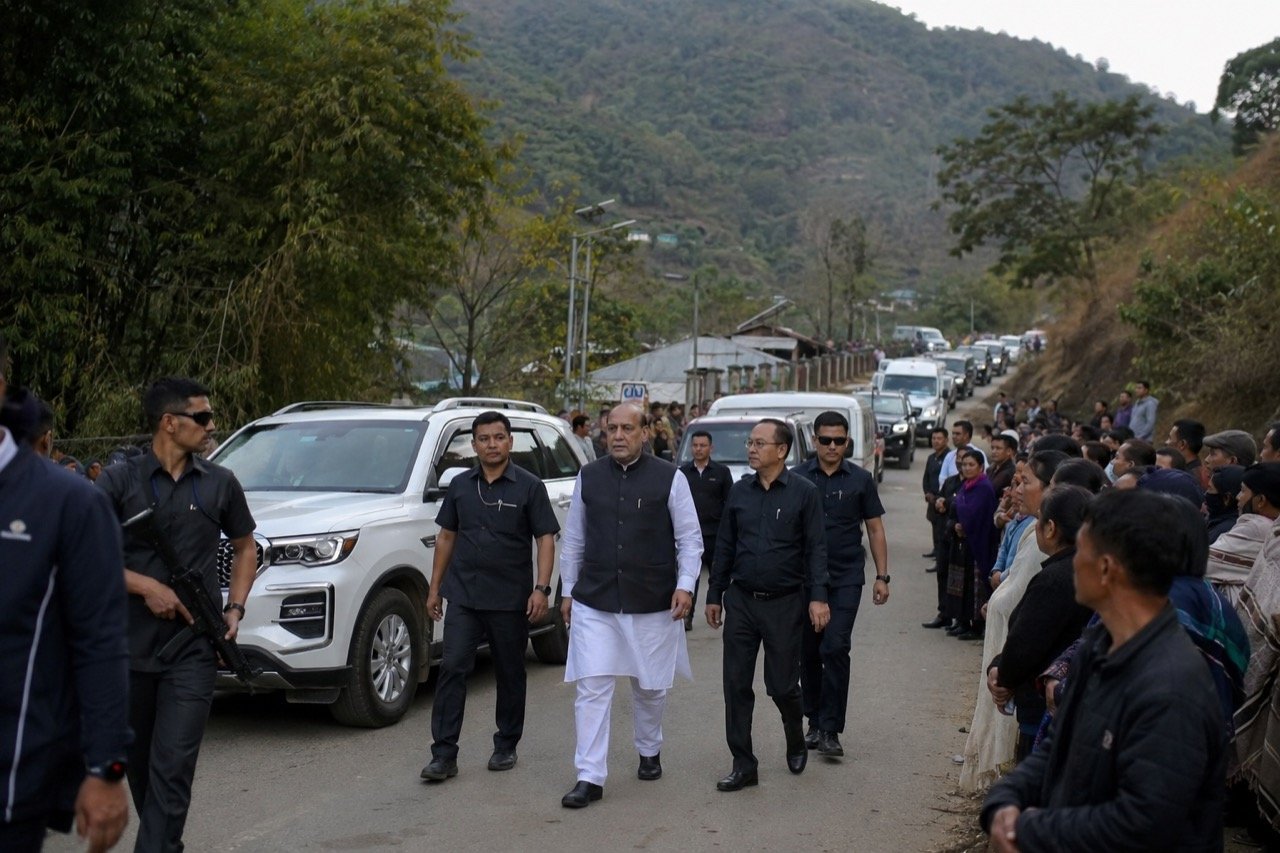
Manipur CM's Churachandpur Visit: First Since 2023 Unrest
The Manipur Chief Minister travelled to Churachandpur for a BJP MLA's funeral, his first visit to the district since the 2023 violence, lending the sombre occasion an unmistakable political significance.