Vijayvargiya's 'Don't Use Our Roads' Remark Sparks Political Row in Madhya Pradesh
A reported comment by Madhya Pradesh minister Kailash Vijayvargiya linking public road use to political loyalty has triggered a sharp clash over civic rights and the language of public office.
Commentary & Analysis ·
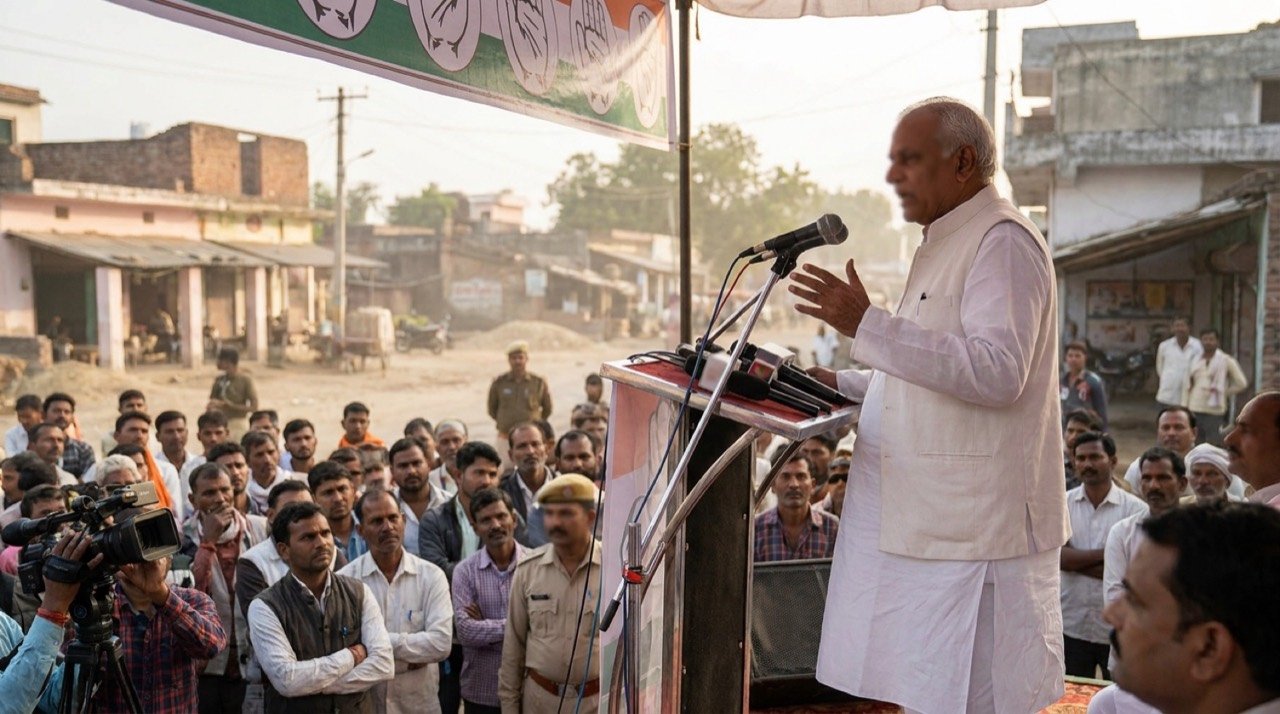
A remark attributed to Madhya Pradesh minister Kailash Vijayvargiya has set off a political row, reviving a familiar debate about the tone of public office and the line between robust rhetoric and divisive language. According to a report by NDTV, the senior leader said that critics who use words such as 'kafir' for the government should not use the roads it builds, a comment opponents have seized upon as both provocative and constitutionally questionable.
What was said
In the reported remarks, Vijayvargiya tied access to government-built infrastructure to the language critics use about the administration. Supporters may read the statement as a pointed rebuttal to detractors, but it has quickly become more than a one-line political exchange, touching on questions of religious vocabulary in politics and the relationship between elected governments and the citizens they serve.
The opposition response
The Congress attacked the comment as divisive and contrary to constitutional values, arguing that public assets cannot be conditioned on political allegiance. The party framed the remark as the kind of charged rhetoric that can escalate rapidly in a diverse state, and called for it to be retracted or clarified.
The episode underscores how swiftly emotionally loaded words can dominate the news cycle, often overshadowing the substantive governance questions that opposition parties say they want to raise.
Roads as public, not political, assets
At the heart of the controversy is a simple civic principle: roads are public assets funded and maintained through state systems, and access to them is a right of citizenship rather than a political favour. Critics argue that suggesting otherwise blurs the distinction between a government and the institutions of the state it temporarily runs.
- Minister Kailash Vijayvargiya made the reported remark in Madhya Pradesh
- The comment linked road use to the language critics use for the government
- Congress called the statement divisive and against constitutional values
- Public infrastructure is funded through state systems, not party favour
- Debate centres on the tone of public office and citizens' rights
“Access to public roads is a right of citizenship, not a political reward to be granted or withdrawn.”
— Opposition position, as reported
The coming days are likely to test whether the state government clarifies the intent behind the remark and whether opposition parties keep the focus on accountability rather than communal provocation. Either way, the row is a reminder that the language of public figures carries weight well beyond the immediate political moment.
The NE Times View
Public roads are built with public money, full stop; tying their use to political loyalty inverts the basic relationship between citizen and state. Whether the remark was rhetorical bluster or revealing instinct, it deserves rebuke from across the aisle, because the language of office shapes how power is understood. India's strength is that infrastructure belongs to everyone, opponents included. Leaders who blur that line erode the very civic compact they swore to serve.
This article is original commentary and analysis by The NE Times. Background facts were referenced from NDTV.
You may also like to read
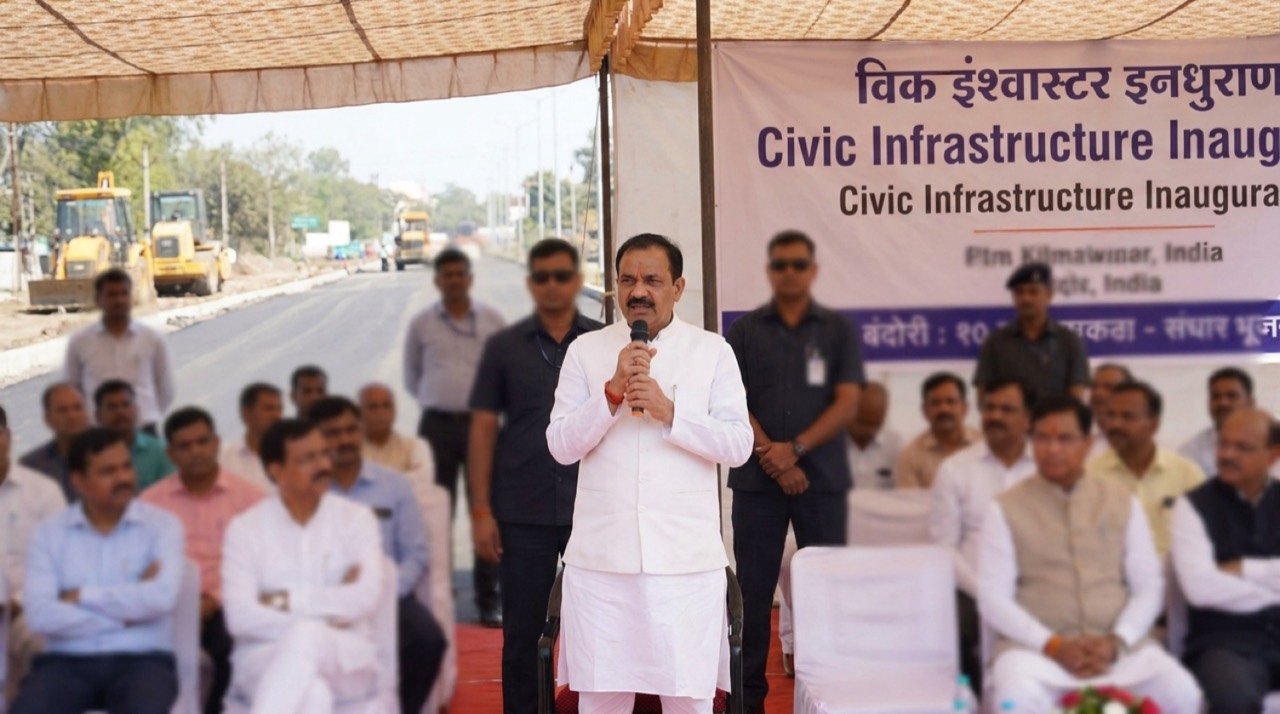
Kailash Vijayvargiya's Indore Remarks Spark Row Over Roads and Welfare
Madhya Pradesh minister Kailash Vijayvargiya has triggered controversy with Indore remarks suggesting those who call leaders 'Kafirs' should not use roads they built or claim welfare benefits.
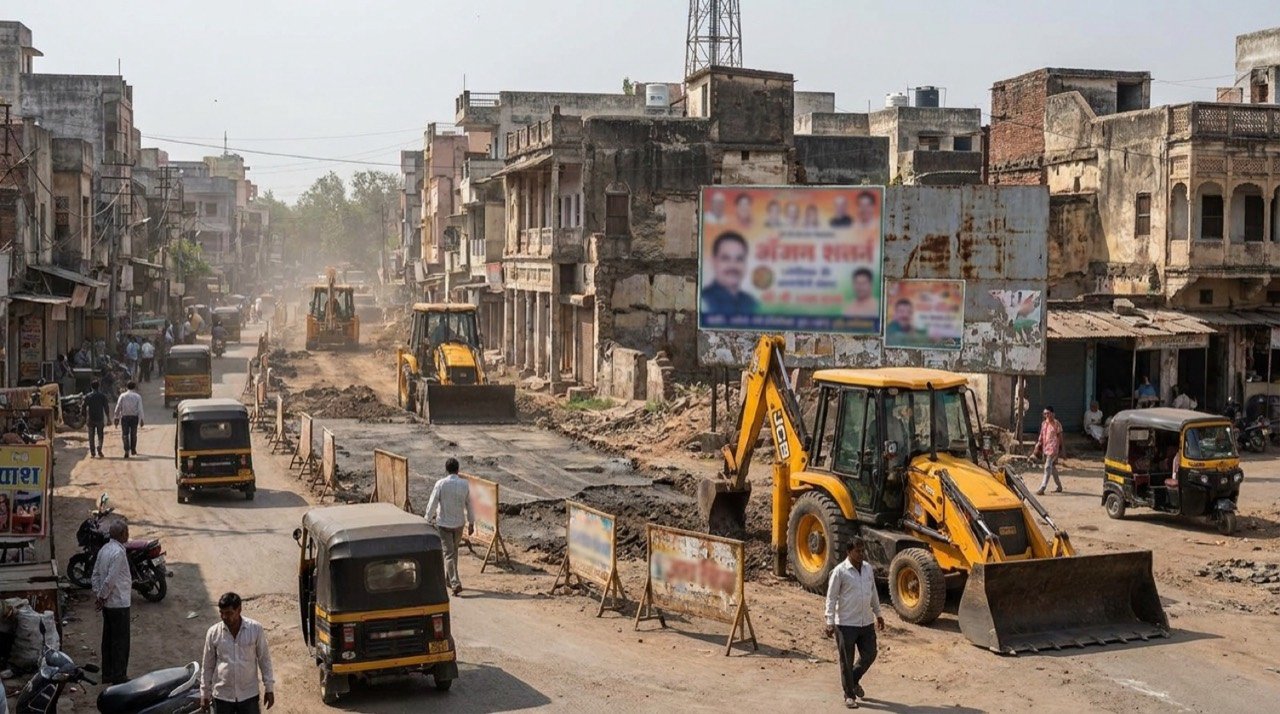
Madhya Pradesh CM's Family Land Deals in Ujjain Draw Scrutiny Amid Road-Project Push
An investigation into 137 plots worth about Rs 45 crore acquired near Ujjain by Chief Minister Mohan Yadav's family has put the city's development map and questions of transparency at the centre of a political row.
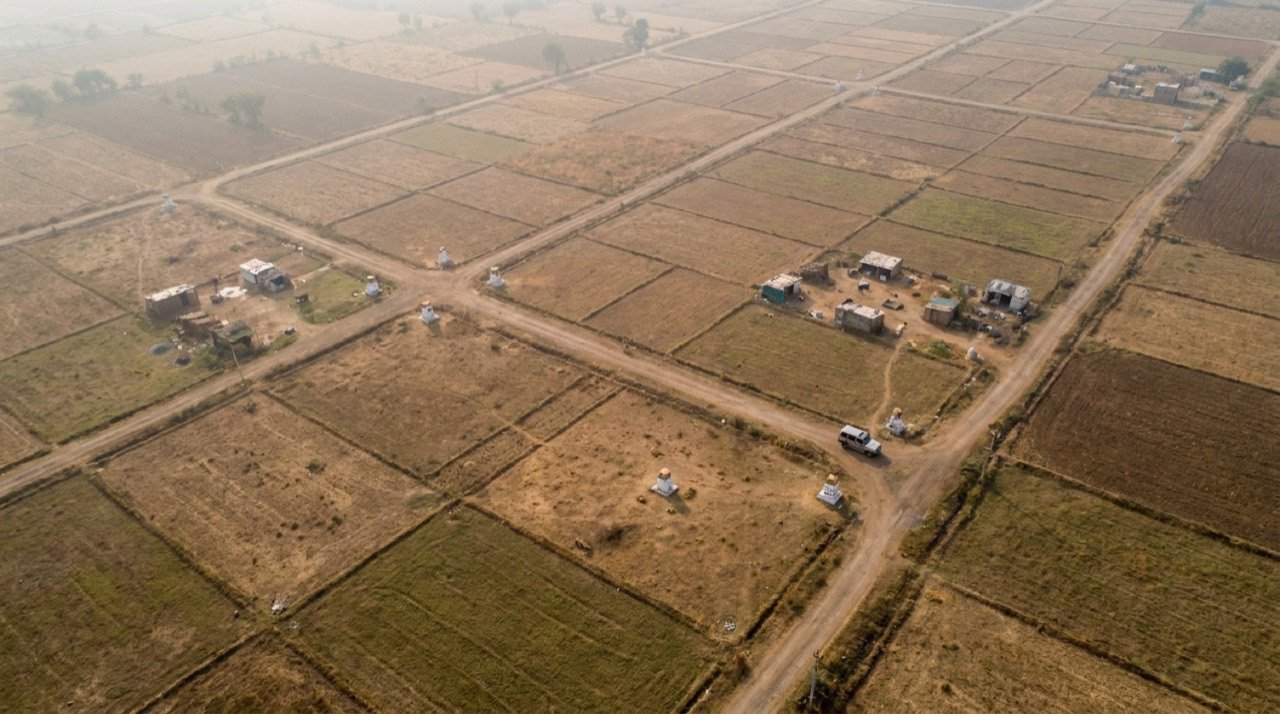
Mohan Yadav Family's Ujjain Land Purchases Draw Scrutiny in Madhya Pradesh
An Indian Express investigation reports that Madhya Pradesh Chief Minister Mohan Yadav's family and linked real estate firms bought 137 plots across 168 acres in Ujjain after he took office, in areas later touched by road projects.
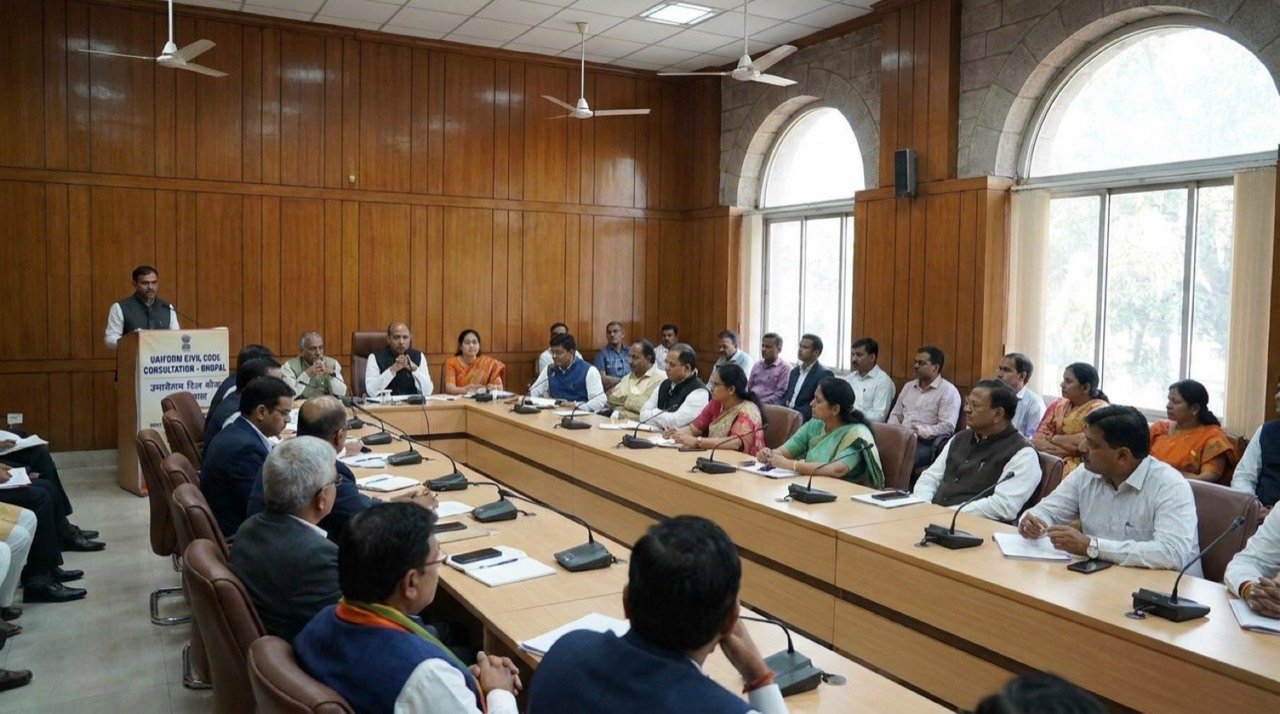
Madhya Pradesh Uniform Civil Code Draft Nears as Bhopal Talks Conclude
After a marathon seven-hour stakeholder meeting in Bhopal, Madhya Pradesh's committee signals a uniform civil code draft could land by early July, even as most opposition parties stay away.
More from this section
More
K Kavitha Party Denied TRS Name by Election Commission
The Election Commission has refused to register K Kavitha's Telangana Rakshana Sena under the TRS acronym after objections, forcing a branding reset for the new party at a politically sensitive moment in Telangana.
Lalu Prasad Yadav Security Downgrade, Bungalow Order Stir Bihar
A government order downgrading Lalu Prasad Yadav's security cover and asking him to vacate an official bungalow has opened a fresh political flashpoint in Bihar, with the RJD chief's reaction fuelling the row.
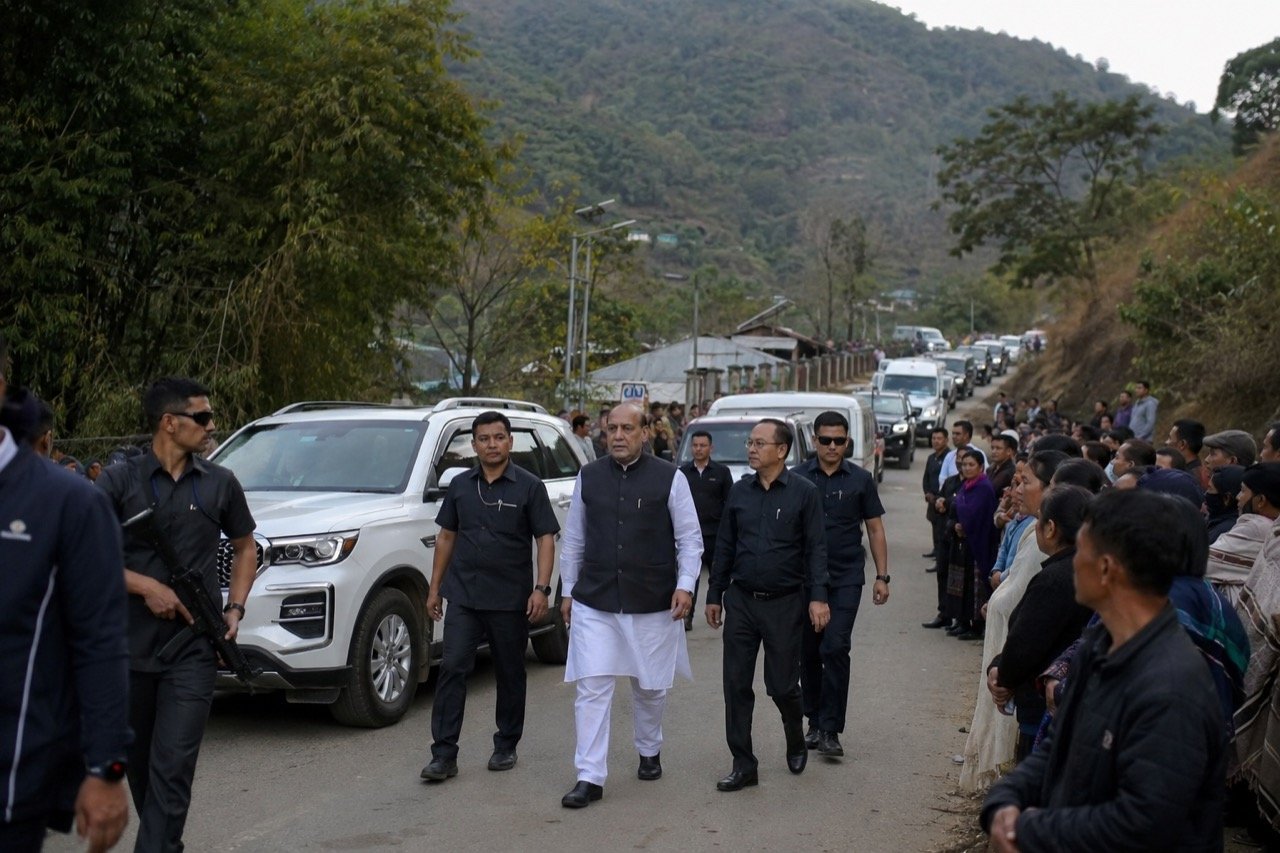
Manipur CM's Churachandpur Visit: First Since 2023 Unrest
The Manipur Chief Minister travelled to Churachandpur for a BJP MLA's funeral, his first visit to the district since the 2023 violence, lending the sombre occasion an unmistakable political significance.