Madhya Pradesh Uniform Civil Code Draft Nears as Bhopal Talks Conclude
After a marathon seven-hour stakeholder meeting in Bhopal, Madhya Pradesh's committee signals a uniform civil code draft could land by early July, even as most opposition parties stay away.
Commentary & Analysis ·
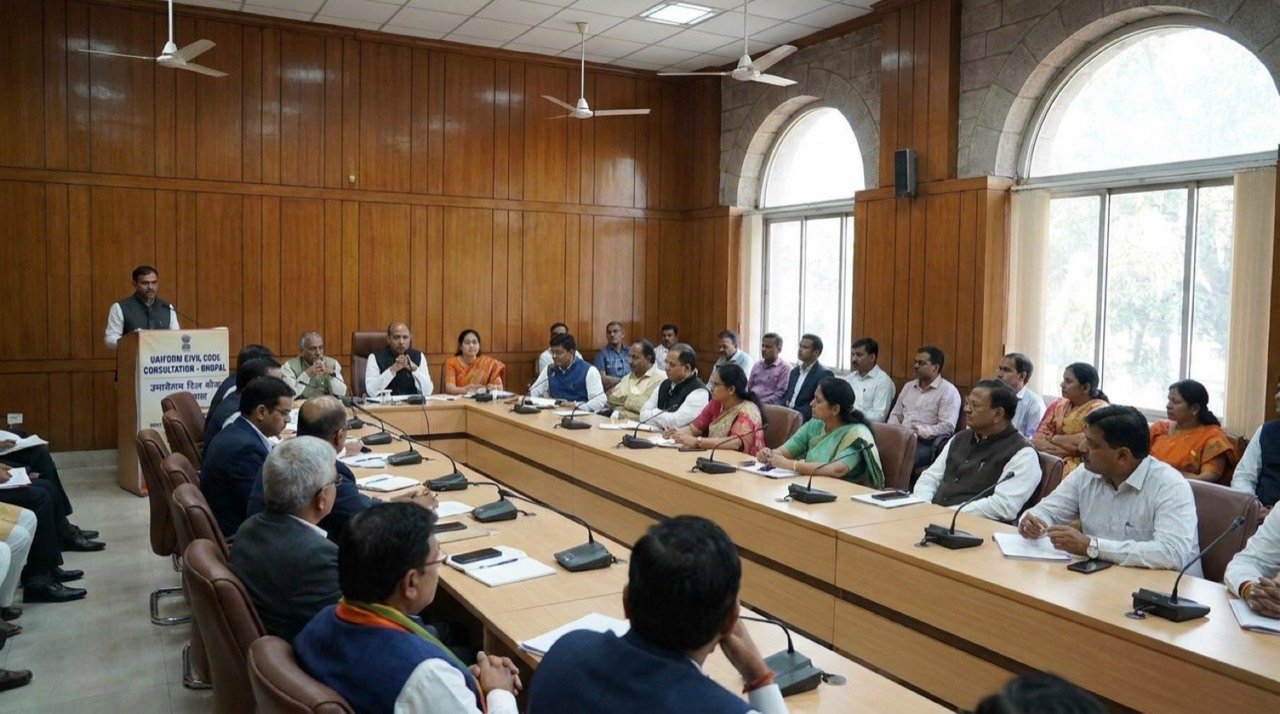
Madhya Pradesh's effort to frame a uniform civil code has shifted from political rhetoric to drafting-table reality. Following an exhaustive seven-hour stakeholder consultation in Bhopal, the state committee overseeing the exercise has indicated that a working draft could be ready by the end of June or in the first week of July, setting up one of the most closely watched legislative debates in the state in years.
A consultation overshadowed by absences
The Bhopal meeting was intended to be a broad, multi-party hearing. Six national parties were invited to put their views on record, but only the BJP and the CPM showed up. The Congress, the Bahujan Samaj Party, the Samajwadi Party and the Aam Aadmi Party all stayed away, a collective no-show that has already coloured the politics of the process.
For supporters, the long sitting demonstrated seriousness of intent. For critics, the empty chairs raised an early question of legitimacy: a code that touches the most intimate aspects of citizens' lives, they argue, should not be drafted after a consultation that much of the opposition declined to join.
Why the code is politically combustible
A uniform civil code reaches into personal law, family rights, inheritance, marriage and long-standing community customs. Each of these areas is governed today by a patchwork of religious and customary practices, and any move to standardise them inevitably collides with deeply held identities.
The state government has framed the exercise as reform and modernisation, arguing that a common code would bring clarity and equal treatment. Opponents counter that uniformity, imposed without strong safeguards, risks erasing protections that vulnerable groups currently rely on.
Tribal communities seek guarantees
The sharpest concerns have come from tribal representatives, who want explicit assurance that their customary practices will remain outside the law's ambit. Madhya Pradesh has one of India's largest tribal populations, and customary systems govern marriage, succession and dispute resolution across many communities.
How the draft handles exemptions and definitions will therefore be decisive. The difference between a clause that carves out customary law and one that quietly overrides it could determine whether the code is welcomed or fiercely contested in the legislature and the courts.
- A draft is expected by late June or the first week of July, the committee has indicated.
- Only the BJP and CPM attended; Congress, BSP, SP and AAP did not.
- The code touches marriage, inheritance, family rights and community customs.
- Tribal groups want customary practices kept outside the law's scope.
- The exact wording of exemptions will shape the political and legal response.
“Tribal customary practices are not a relic to be standardised away; any code must say in plain words that they remain protected.”
— Tribal representative cited in consultation reports
The coming weeks will test whether Madhya Pradesh can produce a draft that balances standardisation with the cultural autonomy its critics demand. With the document expected imminently, attention now turns to its precise language, the safeguards it offers and whether absent parties re-enter the debate once the text is on the table.
The NE Times View
A UCC draft drawn up while most opposition parties boycott the table starts with a legitimacy problem, however sound its contents. Consultation that consults only the willing produces consensus on paper, not in practice. The NE Times View: a uniform code touching marriage, inheritance and personal law must be seen as fair across communities to endure; a rushed July draft risks being litigated and politicised long before it is implemented.
This article is original commentary and analysis by The NE Times. Background facts were referenced from NDTV.
You may also like to read
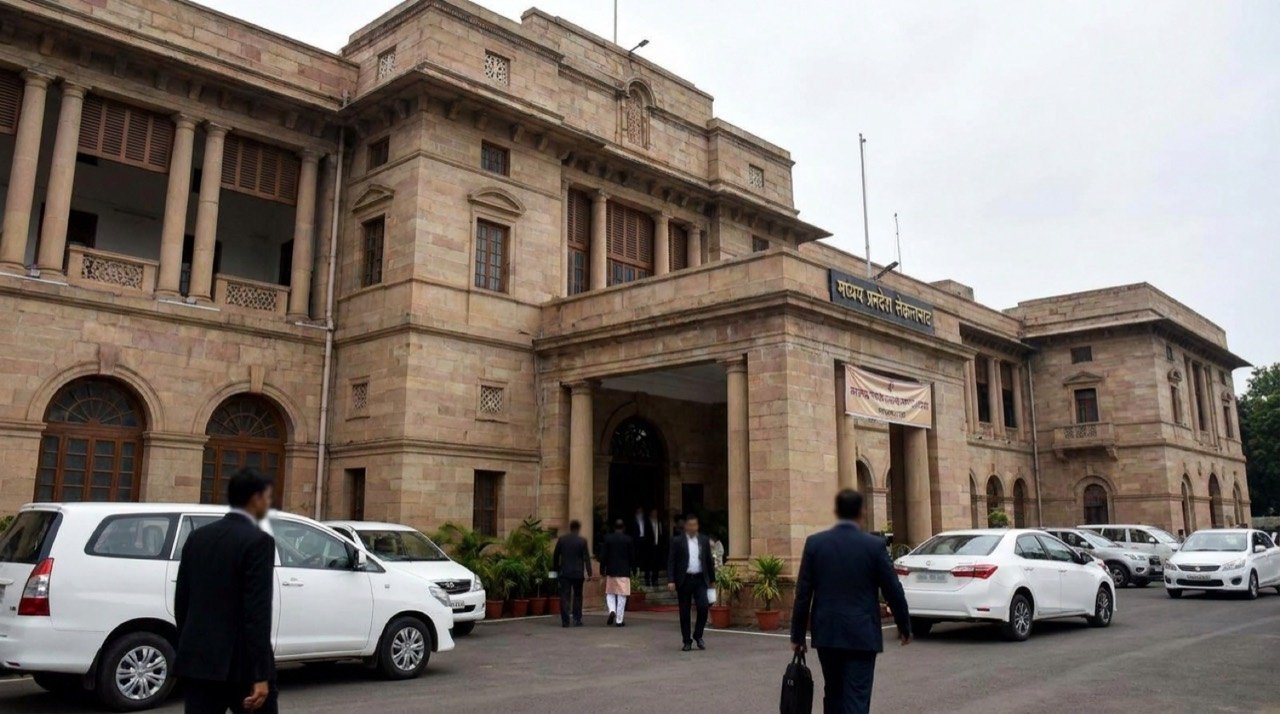
Madhya Pradesh Moves Closer to a Uniform Civil Code Draft as Consultations Advance
Madhya Pradesh is preparing a draft Uniform Civil Code covering marriage, divorce, inheritance and adoption, setting up a politically sensitive debate over religion, gender justice and state powers.
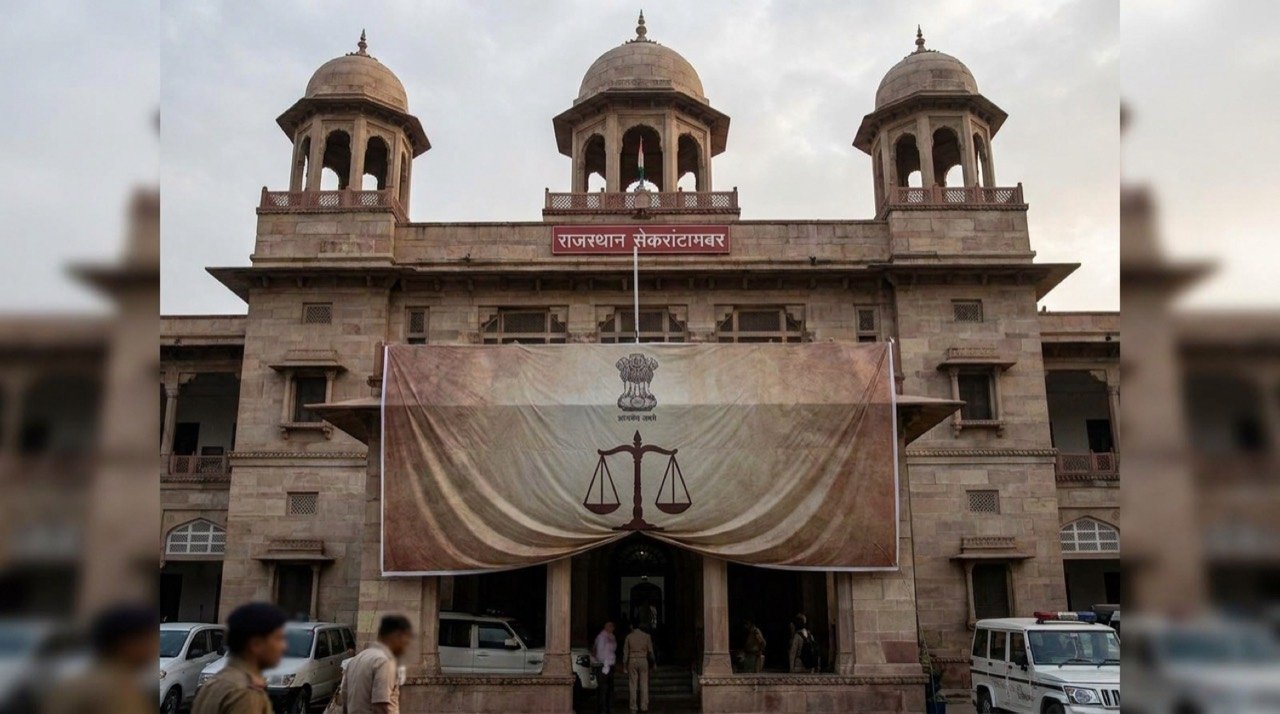
Rajasthan Forms Panel to Draft Uniform Civil Code Legislation
Rajasthan has set up a committee to prepare draft Uniform Civil Code legislation, drawing the state into a national debate over personal laws, gender rights and community protections.
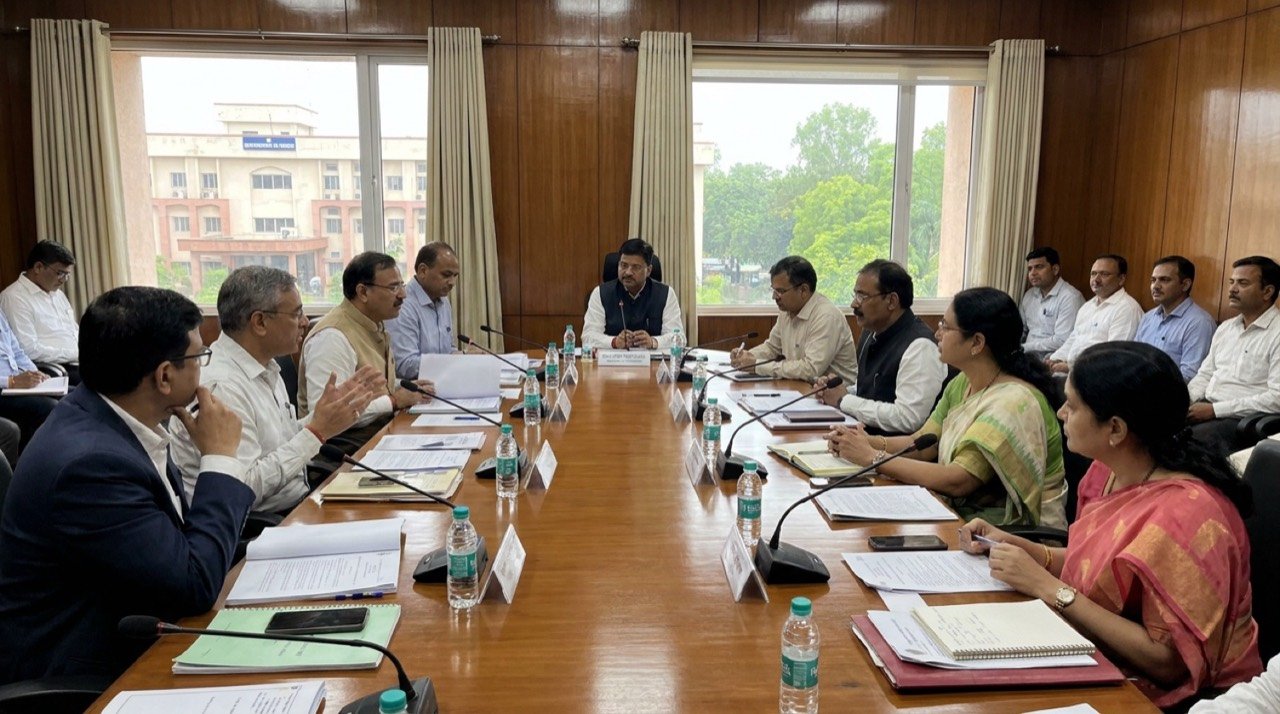
Madhya Pradesh UCC Draft Expected by Early July After Marathon Bhopal Consultations
Madhya Pradesh's Uniform Civil Code panel signals a draft by late June or early July as it weighs marriage, inheritance and gender rights against community concerns.
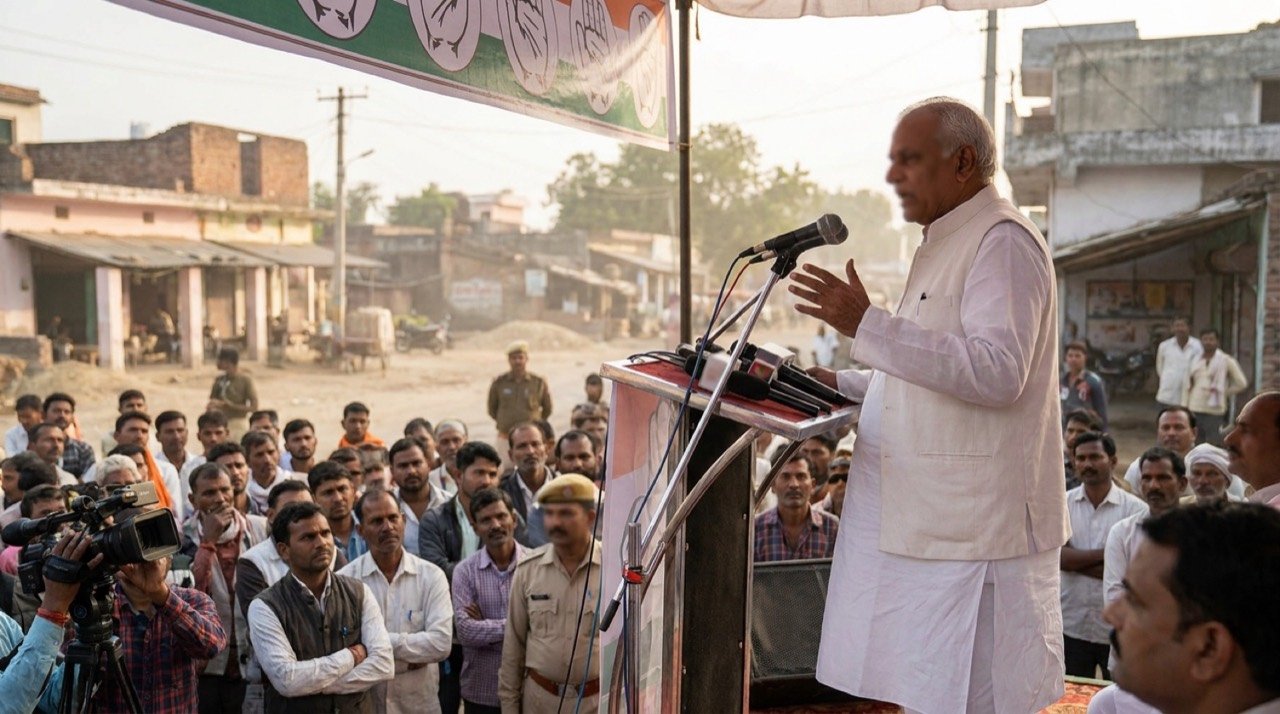
Vijayvargiya's 'Don't Use Our Roads' Remark Sparks Political Row in Madhya Pradesh
A reported comment by Madhya Pradesh minister Kailash Vijayvargiya linking public road use to political loyalty has triggered a sharp clash over civic rights and the language of public office.
More from this section
More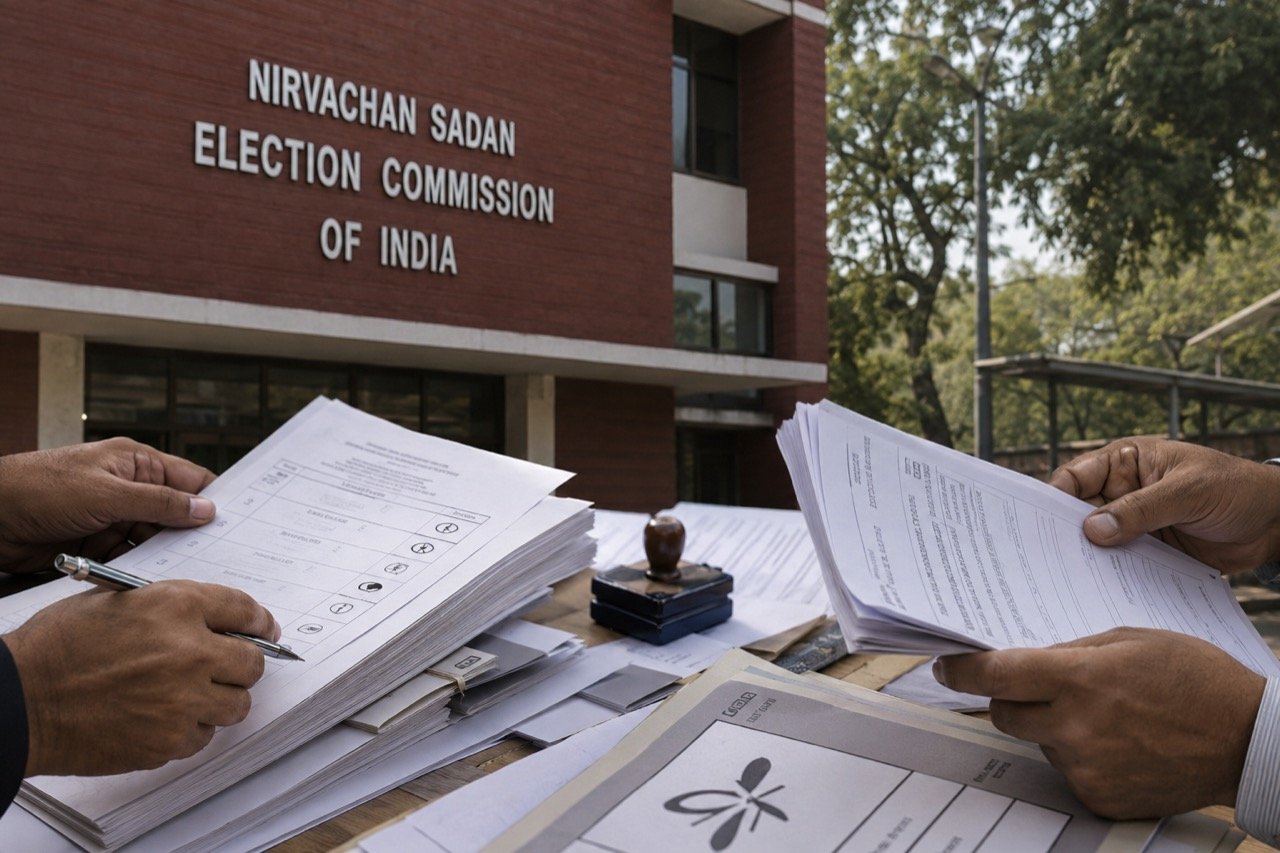
K Kavitha Party Denied TRS Name by Election Commission
The Election Commission has refused to register K Kavitha's Telangana Rakshana Sena under the TRS acronym after objections, forcing a branding reset for the new party at a politically sensitive moment in Telangana.
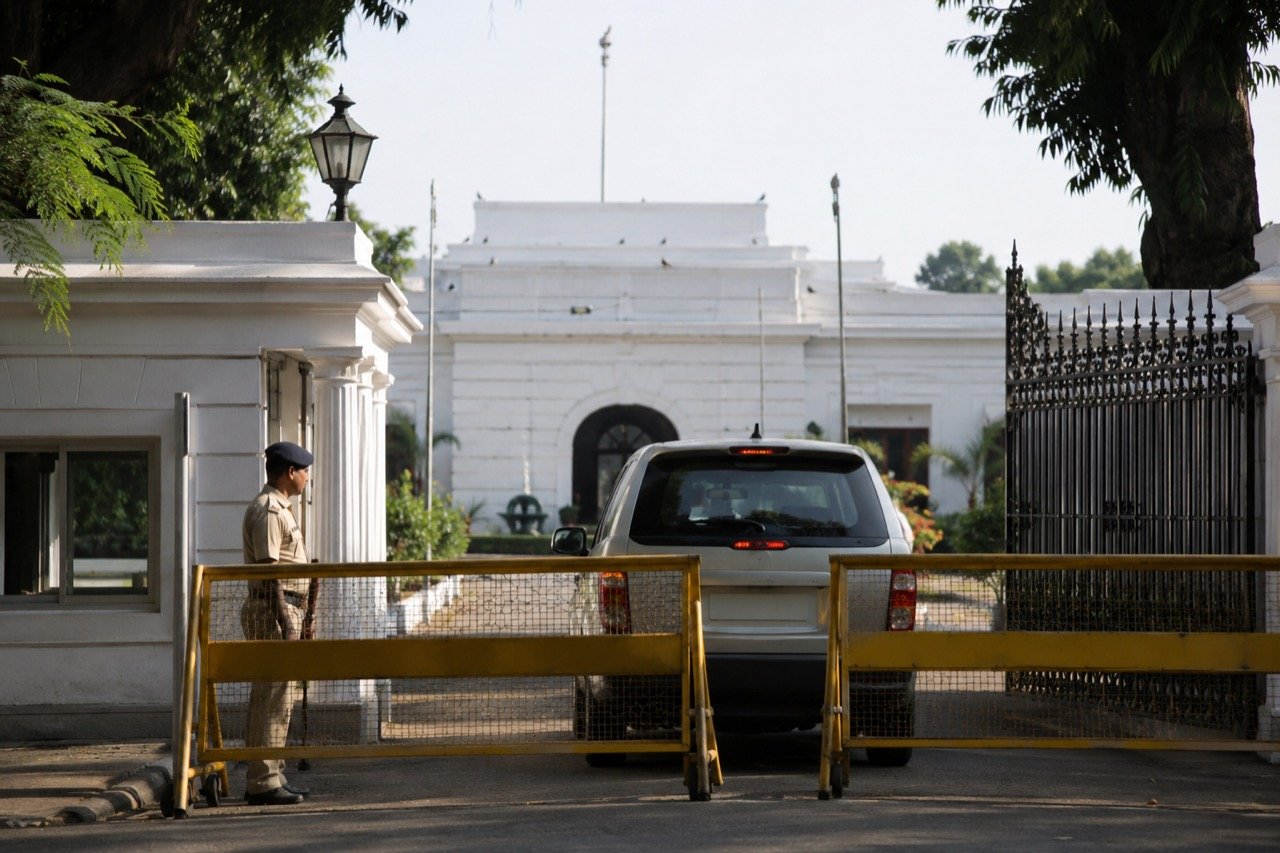
Lalu Prasad Yadav Security Downgrade, Bungalow Order Stir Bihar
A government order downgrading Lalu Prasad Yadav's security cover and asking him to vacate an official bungalow has opened a fresh political flashpoint in Bihar, with the RJD chief's reaction fuelling the row.
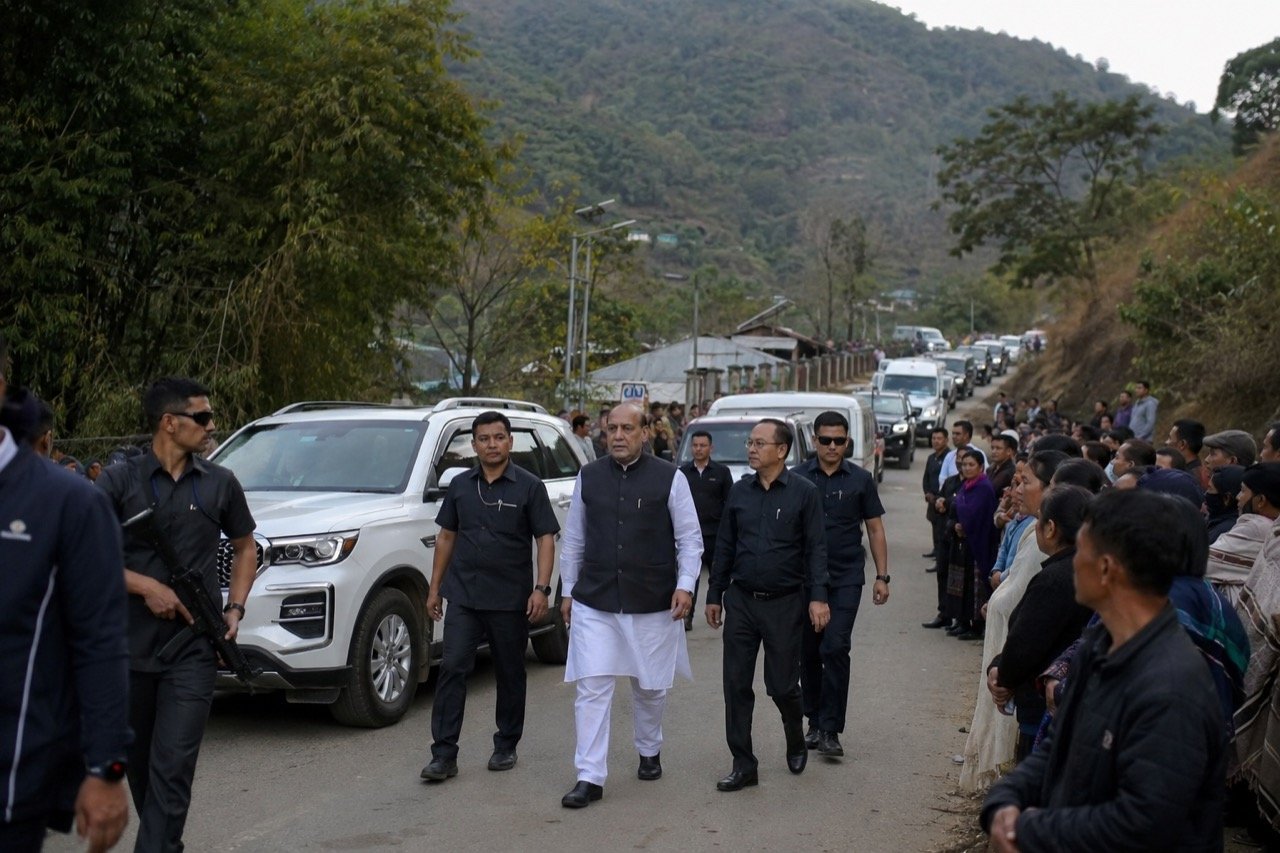
Manipur CM's Churachandpur Visit: First Since 2023 Unrest
The Manipur Chief Minister travelled to Churachandpur for a BJP MLA's funeral, his first visit to the district since the 2023 violence, lending the sombre occasion an unmistakable political significance.