Madhya Pradesh Moves Closer to a Uniform Civil Code Draft as Consultations Advance
Madhya Pradesh is preparing a draft Uniform Civil Code covering marriage, divorce, inheritance and adoption, setting up a politically sensitive debate over religion, gender justice and state powers.
Commentary & Analysis ·
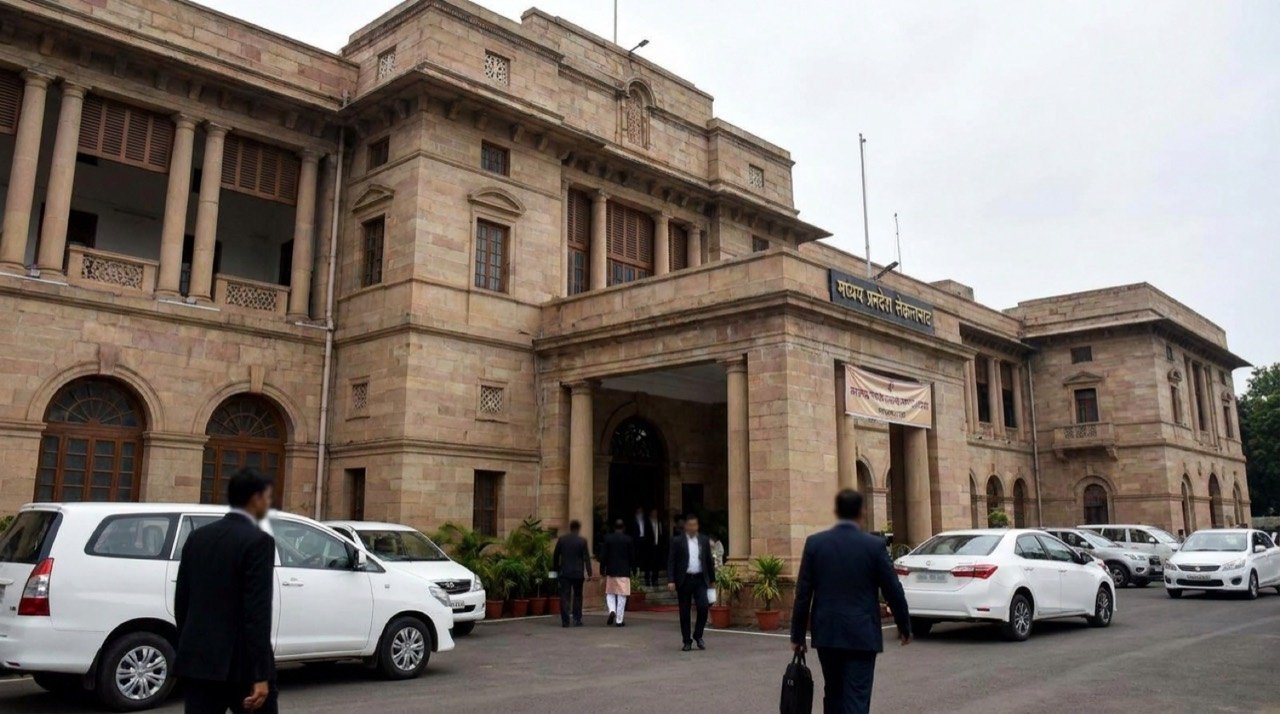
Madhya Pradesh is edging towards one of the most contentious legislative exercises an Indian state can undertake. Officials indicate that the government is preparing a draft Uniform Civil Code (UCC) for discussion, with consultations and legal vetting moving ahead. Chief Minister Mohan Yadav has signalled the state's commitment to implementing a common civil code and has invited public suggestions, placing Madhya Pradesh in the same conversation as states that have already pushed the idea forward.
What a Uniform Civil Code seeks to do
A Uniform Civil Code aims to replace the separate, faith-based personal laws that currently govern matters such as marriage, divorce, inheritance and adoption with a single set of rules applicable to all citizens. The draft being prepared in Madhya Pradesh is expected to focus squarely on these personal-law domains, areas that touch the most intimate aspects of family life.
Supporters argue that a common code can advance equality, particularly gender justice, by standardising rights that today vary across communities. The principle has long appeared in the Constitution's Directive Principles of State Policy as a goal for the state to work towards.
Why the issue is politically sensitive
The proposal is fraught precisely because it intersects religion, identity and the division of powers between the Centre and the states. Personal law is bound up with deeply held community traditions, and any attempt to harmonise it inevitably invites questions about whether uniformity respects pluralism or overrides it.
The government must therefore weigh constitutional, social and administrative considerations together. A draft that survives legal scrutiny in one area may face challenges in another, and the practical task of administering new rules across diverse communities is itself substantial.
The road from draft to law
Any draft will face close examination from multiple quarters before it can become law. Legal experts will test its constitutional footing, community representatives will scrutinise its impact on customs, and opposition parties will probe both its substance and its timing.
- Scope: marriage, divorce, inheritance and adoption are the likely core subjects.
- Consultation: officials say public suggestions and legal vetting are ongoing.
- Constitutional test: the draft must withstand challenges on religious freedom and equality.
- Federal dimension: state-level codes raise questions about uniformity across India.
- Political scrutiny: opposition parties and community groups will weigh in heavily.
“The state is committed to implementing the Uniform Civil Code and is seeking suggestions from the public.”
— Chief Minister Mohan Yadav
For now, Madhya Pradesh is in the preparatory phase rather than the legislative one. But the direction of travel is clear, and the coming months are likely to bring a wider public debate as the draft takes shape and its provisions are tested against the competing demands of equality, tradition and constitutional propriety.
The NE Times View
A UCC touches the most intimate corners of citizens' lives, so the process matters as much as the product. Done as genuine reform, common standards on marriage, inheritance and adoption could advance gender justice long denied across personal laws. Done as a wedge, it deepens distrust. Madhya Pradesh's test is whether consultation is real or performative, and whether women's rights, not religious scoreboards, drive the draft. Watch the fine print.
This article is original commentary and analysis by The NE Times. Background facts were referenced from NDTV and Times of India.
You may also like to read
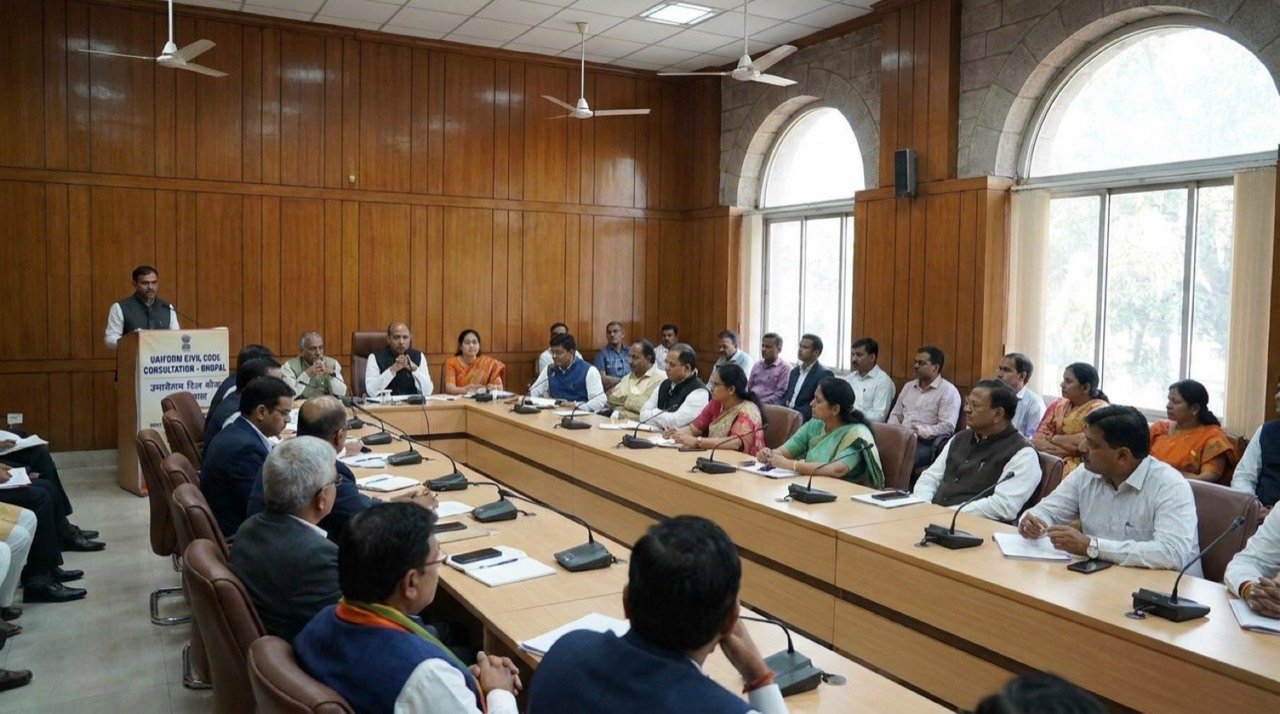
Madhya Pradesh Uniform Civil Code Draft Nears as Bhopal Talks Conclude
After a marathon seven-hour stakeholder meeting in Bhopal, Madhya Pradesh's committee signals a uniform civil code draft could land by early July, even as most opposition parties stay away.
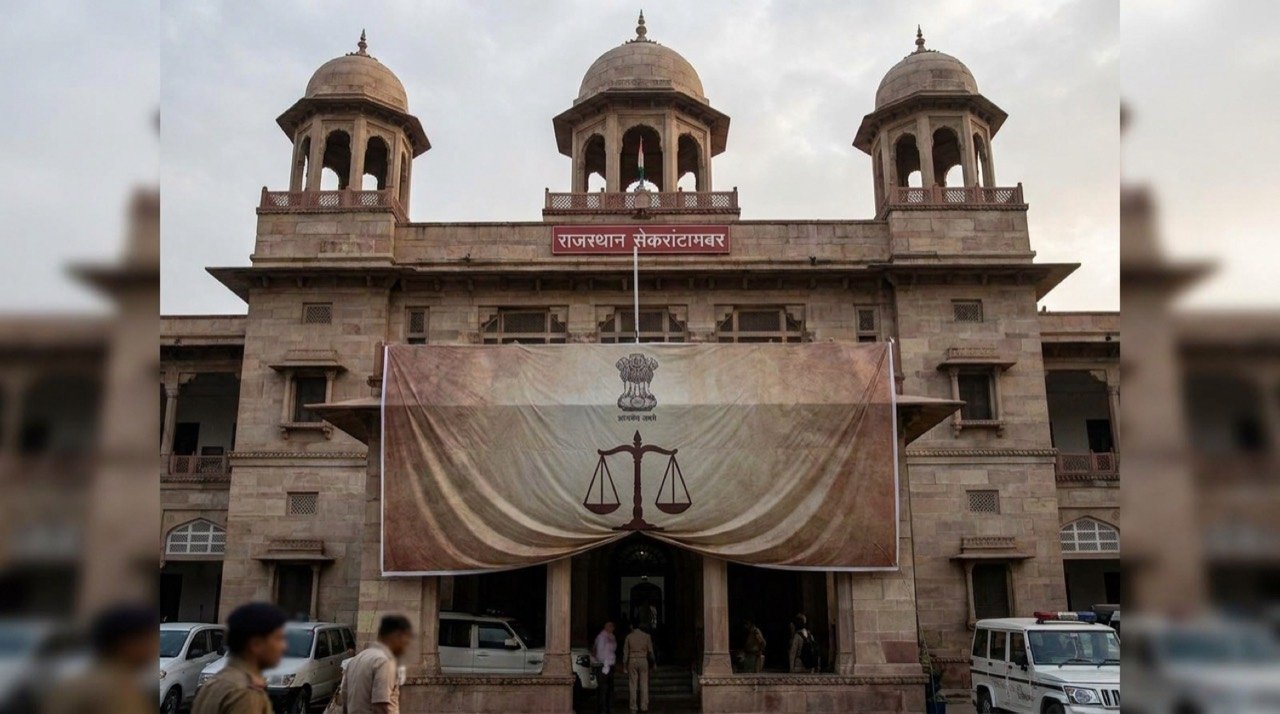
Rajasthan Forms Panel to Draft Uniform Civil Code Legislation
Rajasthan has set up a committee to prepare draft Uniform Civil Code legislation, drawing the state into a national debate over personal laws, gender rights and community protections.
Madhya Pradesh CM's Family Land Deals in Ujjain Draw Scrutiny Amid Road-Project Push
An investigation into 137 plots worth about Rs 45 crore acquired near Ujjain by Chief Minister Mohan Yadav's family has put the city's development map and questions of transparency at the centre of a political row.
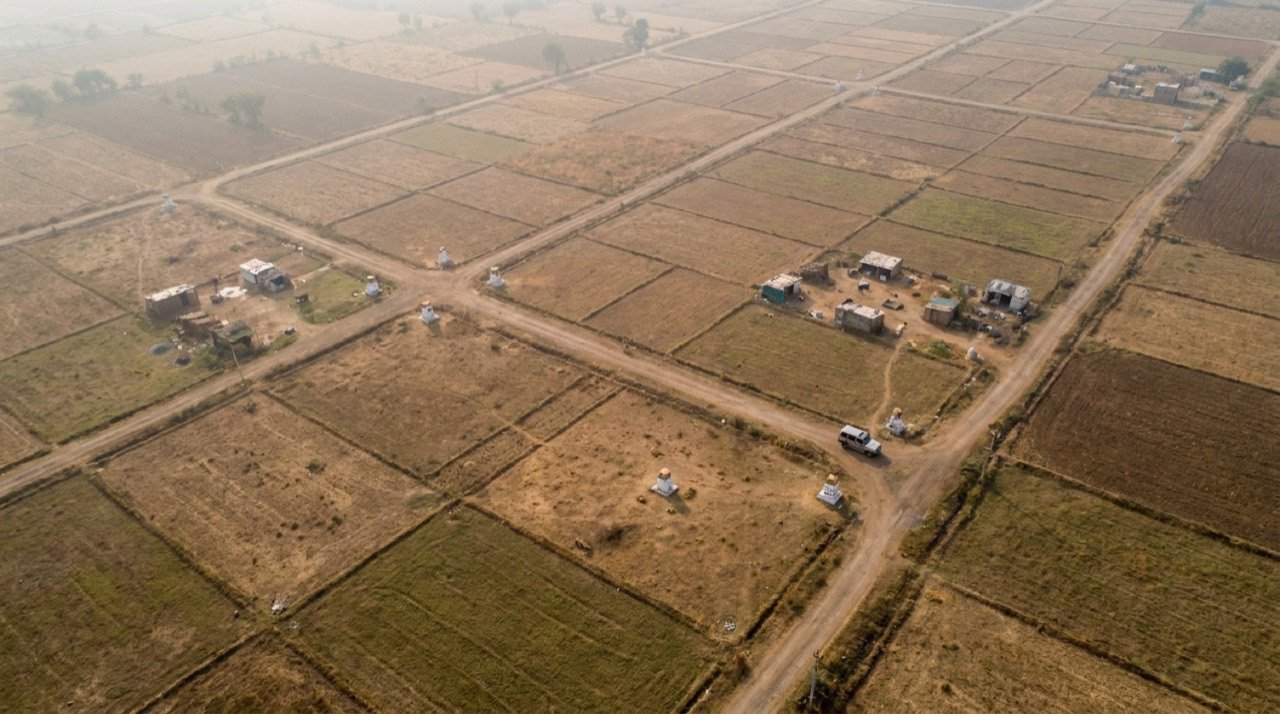
Mohan Yadav Family's Ujjain Land Purchases Draw Scrutiny in Madhya Pradesh
An Indian Express investigation reports that Madhya Pradesh Chief Minister Mohan Yadav's family and linked real estate firms bought 137 plots across 168 acres in Ujjain after he took office, in areas later touched by road projects.
More from this section
More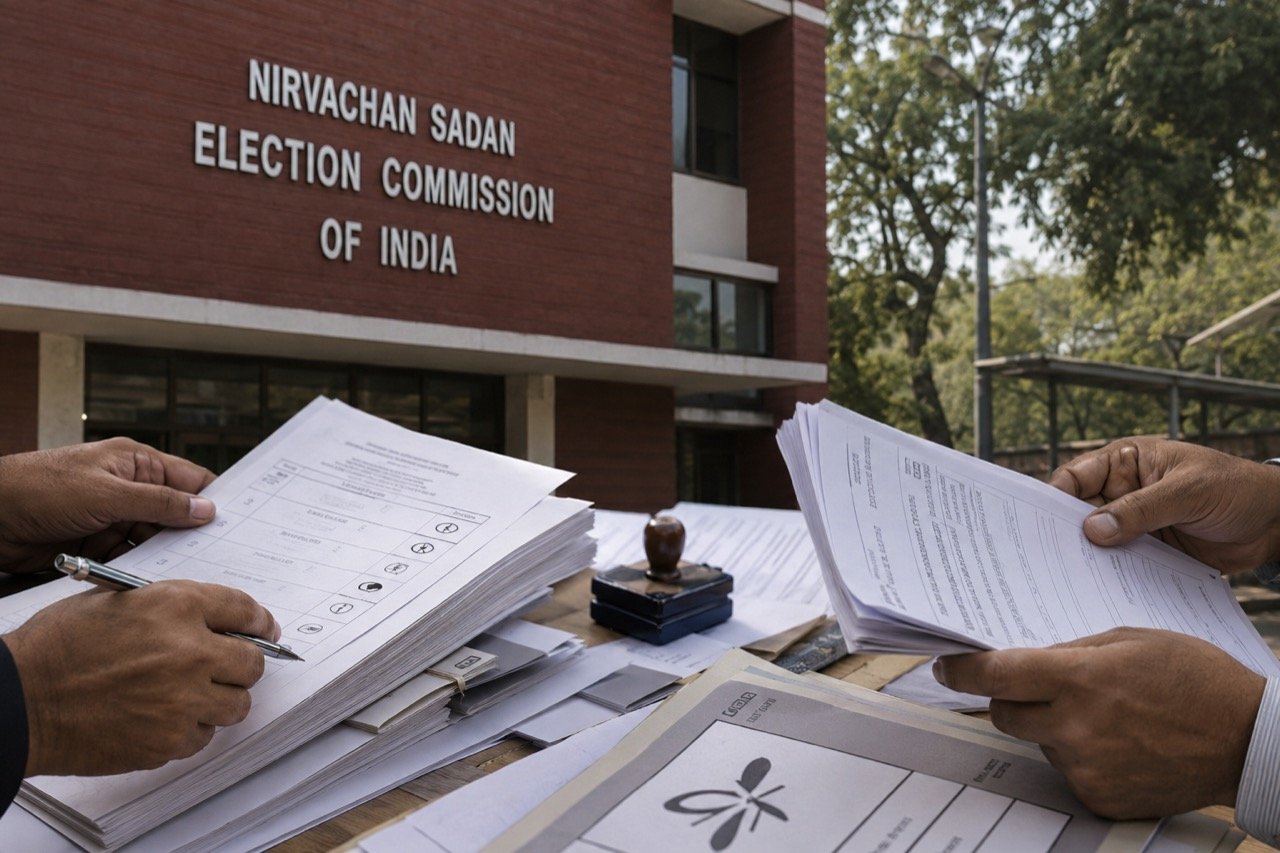
K Kavitha Party Denied TRS Name by Election Commission
The Election Commission has refused to register K Kavitha's Telangana Rakshana Sena under the TRS acronym after objections, forcing a branding reset for the new party at a politically sensitive moment in Telangana.
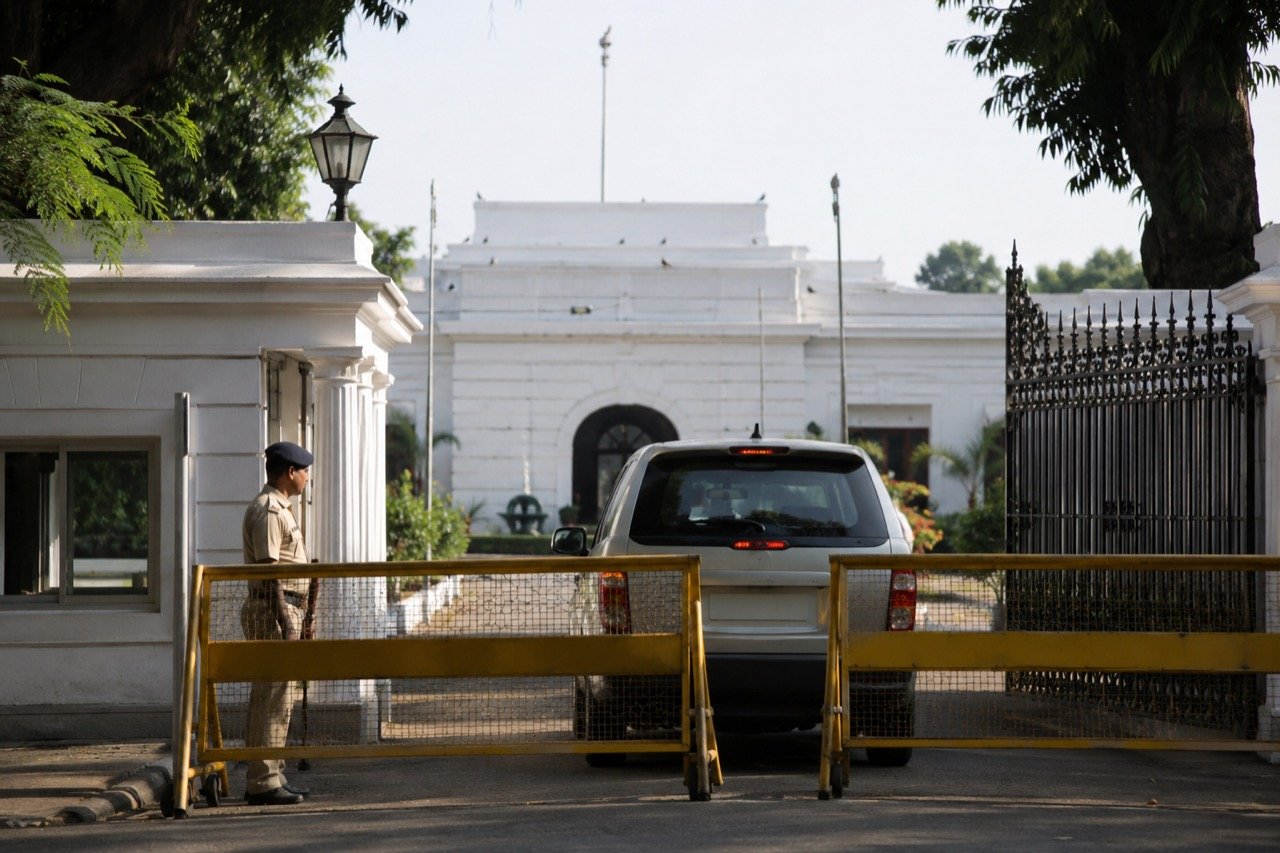
Lalu Prasad Yadav Security Downgrade, Bungalow Order Stir Bihar
A government order downgrading Lalu Prasad Yadav's security cover and asking him to vacate an official bungalow has opened a fresh political flashpoint in Bihar, with the RJD chief's reaction fuelling the row.
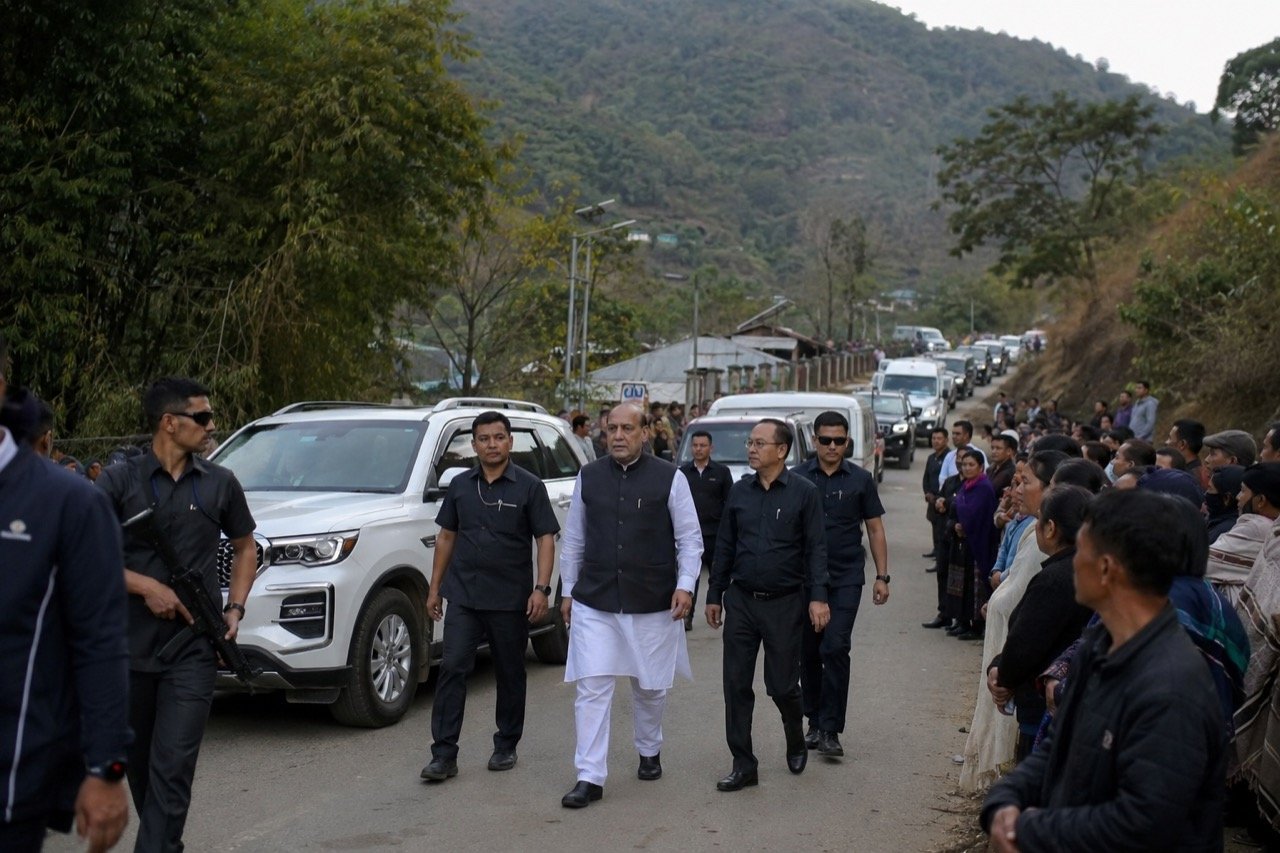
Manipur CM's Churachandpur Visit: First Since 2023 Unrest
The Manipur Chief Minister travelled to Churachandpur for a BJP MLA's funeral, his first visit to the district since the 2023 violence, lending the sombre occasion an unmistakable political significance.