Rajasthan Forms Panel to Draft Uniform Civil Code Legislation
Rajasthan has set up a committee to prepare draft Uniform Civil Code legislation, drawing the state into a national debate over personal laws, gender rights and community protections.
Commentary & Analysis ·
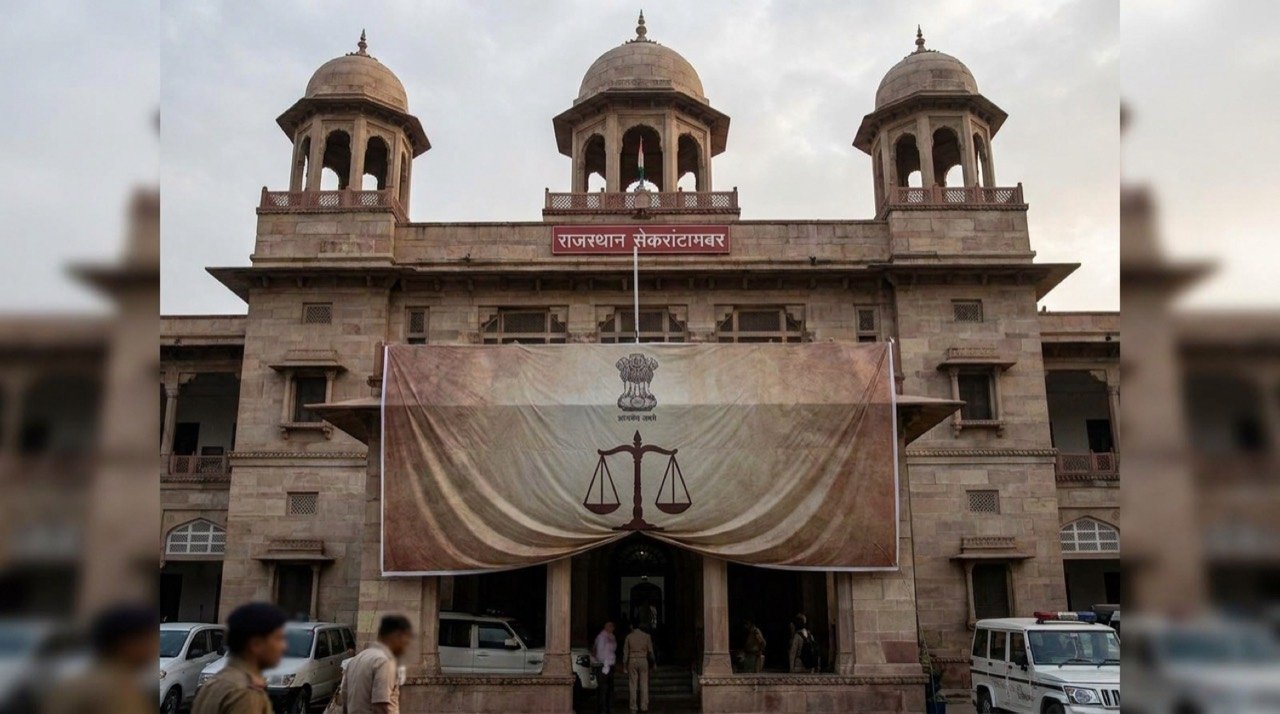
Rajasthan has constituted a panel to prepare draft legislation for a Uniform Civil Code, a step that draws the state firmly into one of India's most consequential and contested policy debates. According to Hindustan Times and other current reports, the committee is expected to examine existing personal laws, consult stakeholders and frame recommendations for the state government before any draft is finalised.
What the Panel Is Tasked With
A Uniform Civil Code seeks to replace the patchwork of community-specific personal laws governing marriage, divorce, inheritance, adoption and maintenance with a single common framework applicable to all citizens. The panel's mandate, as reported, is to study the current legal landscape and assess how such uniformity might be structured in the state context.
Crucially, this is the beginning of a process rather than a finished law. The committee is expected to hold consultations and weigh competing concerns before producing a draft, meaning the real substance of the proposal remains to be seen.
The Political Significance
Proposals for a Uniform Civil Code tend to divide opinion sharply. Supporters argue that common civil rules can strengthen constitutional equality, particularly on questions of gender justice in marriage and inheritance. Critics counter that a poorly designed code risks disrupting religious and customary practices and may not adequately protect vulnerable communities.
For Rajasthan, the move places the state alongside others that have explored or enacted similar measures, ensuring the question becomes a prominent feature of its political discourse in the period ahead.
Where the Real Test Lies
Until a draft is released, the story is one of intent and process, not settled law. Observers note that the credibility of any code will rest on the breadth of its consultations and the specificity of its safeguards, especially for tribal and minority groups whose customary protections are constitutionally recognised.
- A panel has been constituted to prepare draft UCC legislation in Rajasthan.
- The committee will study existing laws and consult stakeholders.
- Marriage, divorce, inheritance, adoption and maintenance are core areas.
- Supporters cite equality; critics cite protection of customary practices.
- Tribal and minority concerns are likely to shape the draft's reception.
“Until a draft is released, the story is about intent and process, not final law.”
— Policy analysts on the Rajasthan UCC panel
The coming months will reveal whether the panel produces a measured, widely consulted framework or a contested document that deepens existing divisions. Either way, Rajasthan's decision ensures that the national conversation over personal law reform will continue to play out prominently at the state level, with the draft's eventual scope determining how the debate evolves.
The NE Times View
A state-level UCC drafting exercise tests an idea the Constitution lists as a directive principle yet leaves deliberately unlegislated. The promise of gender equality in personal law is real; so is the risk that a rushed, state-by-state patchwork inflames community anxieties without delivering uniformity. The measure of this panel will be whether it consults widely and protects rights, or simply serves as a political signal ahead of the next contest.
This article is original commentary and analysis by The NE Times. Background facts were referenced from Hindustan Times and Business Standard.
You may also like to read
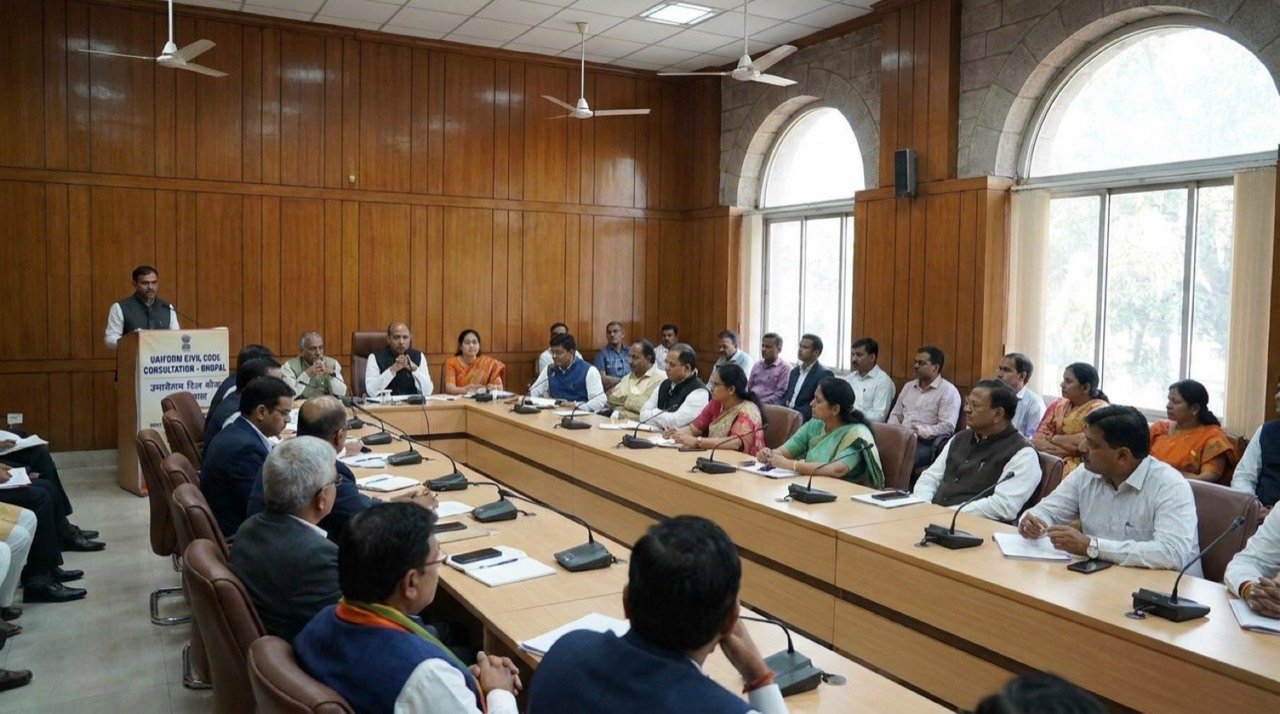
Madhya Pradesh Uniform Civil Code Draft Nears as Bhopal Talks Conclude
After a marathon seven-hour stakeholder meeting in Bhopal, Madhya Pradesh's committee signals a uniform civil code draft could land by early July, even as most opposition parties stay away.
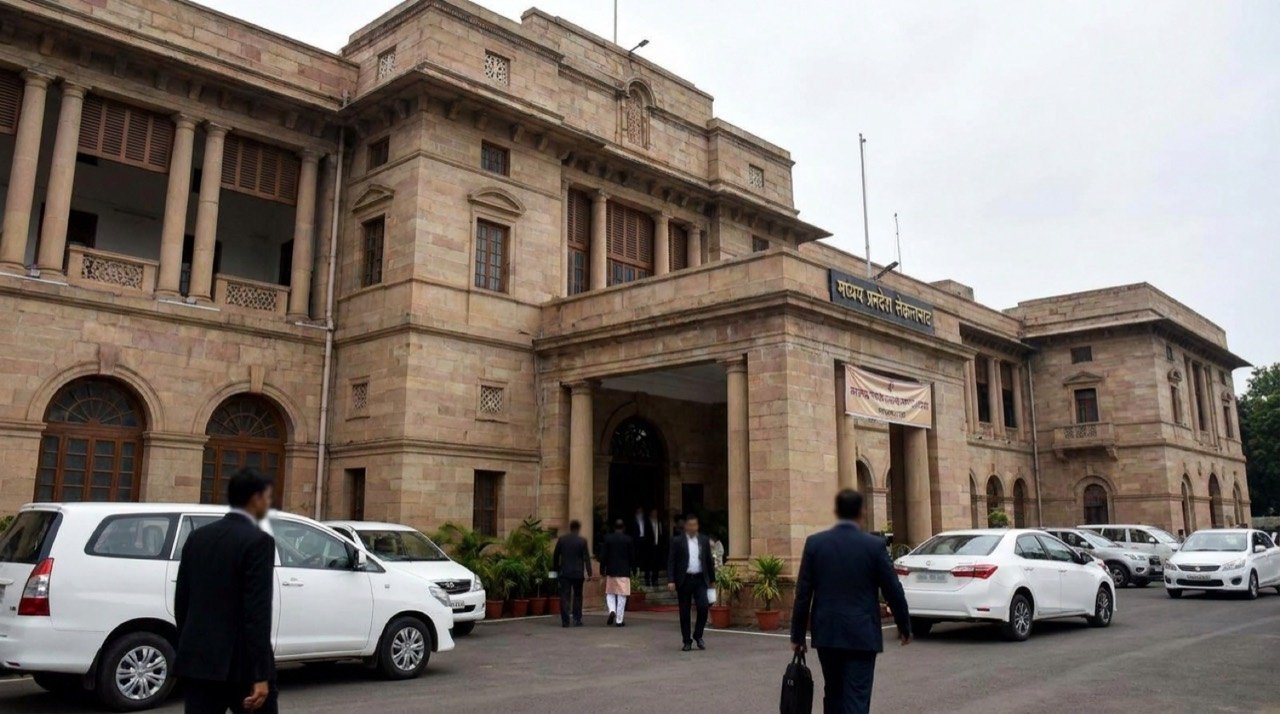
Madhya Pradesh Moves Closer to a Uniform Civil Code Draft as Consultations Advance
Madhya Pradesh is preparing a draft Uniform Civil Code covering marriage, divorce, inheritance and adoption, setting up a politically sensitive debate over religion, gender justice and state powers.
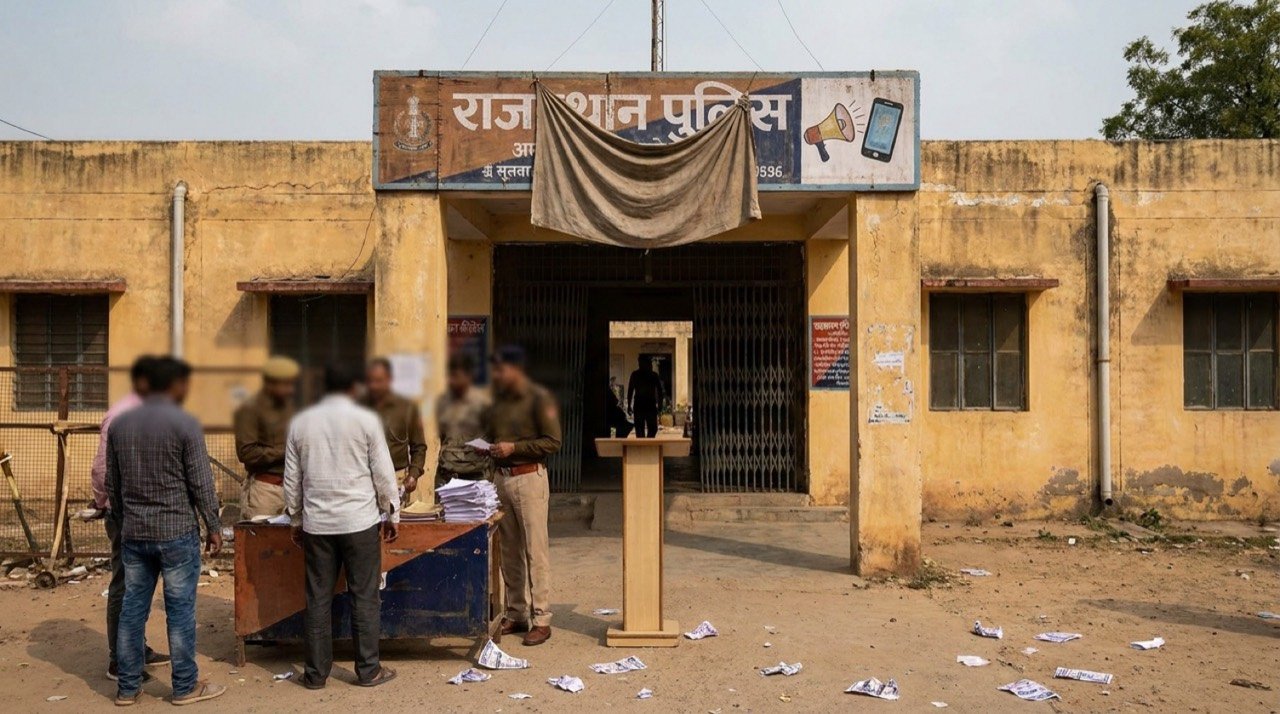
Rajasthan Custody Over RSS Video Puts Free Speech and Policing in the Spotlight
A social-media user's video on RSS-style activity in a playground has landed him in Rajasthan Police custody, triggering a political row over whether commentary has been criminalised.
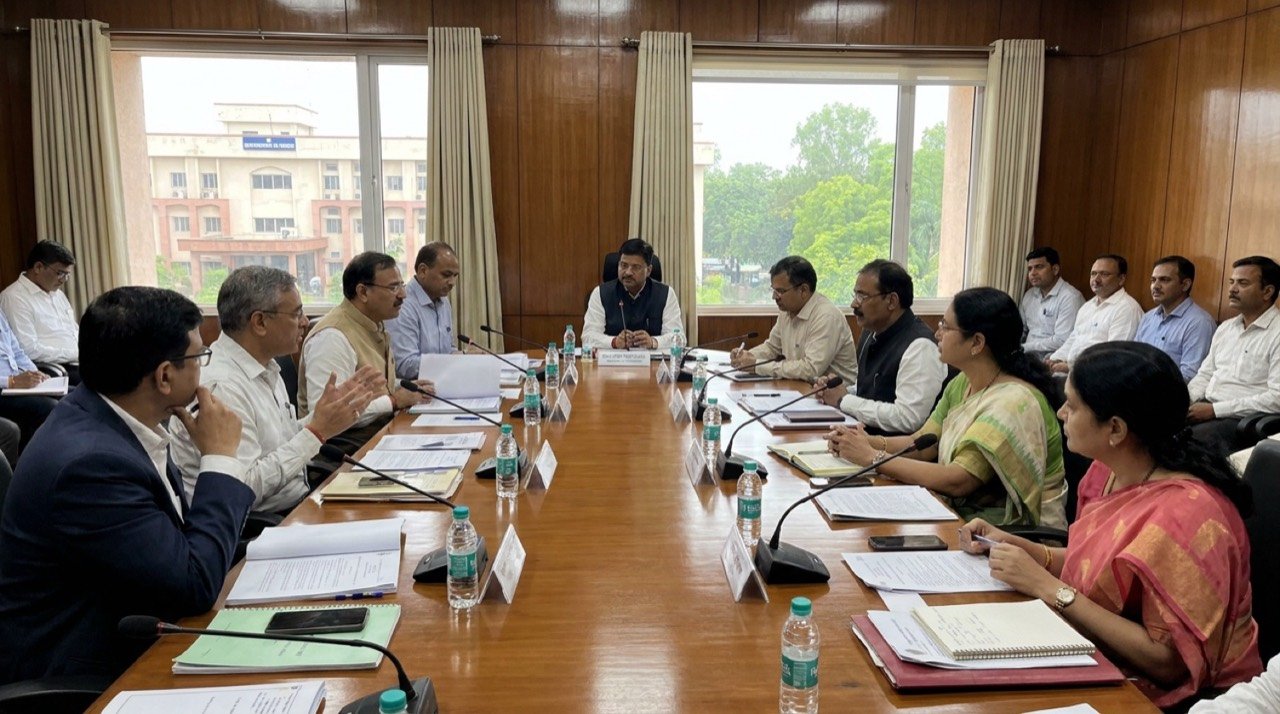
Madhya Pradesh UCC Draft Expected by Early July After Marathon Bhopal Consultations
Madhya Pradesh's Uniform Civil Code panel signals a draft by late June or early July as it weighs marriage, inheritance and gender rights against community concerns.
More from this section
More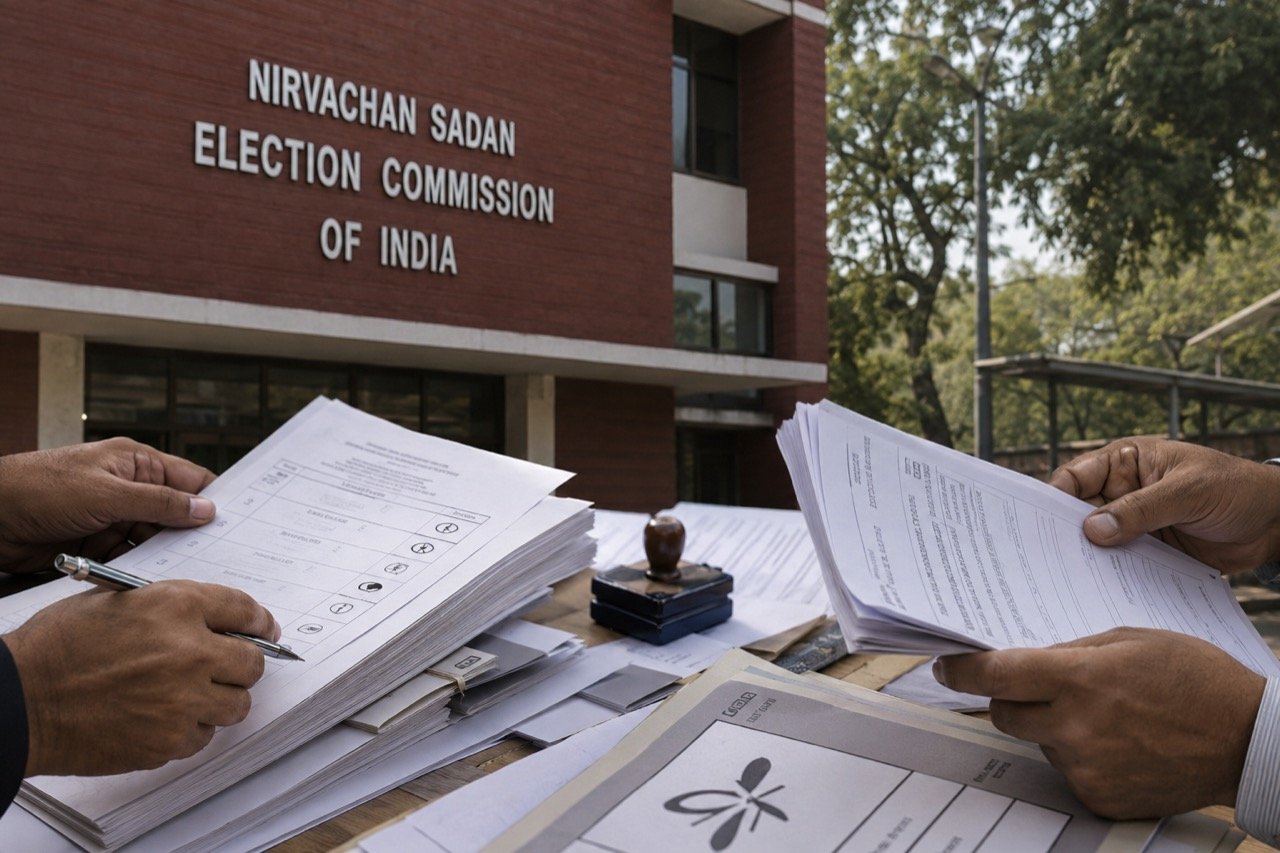
K Kavitha Party Denied TRS Name by Election Commission
The Election Commission has refused to register K Kavitha's Telangana Rakshana Sena under the TRS acronym after objections, forcing a branding reset for the new party at a politically sensitive moment in Telangana.
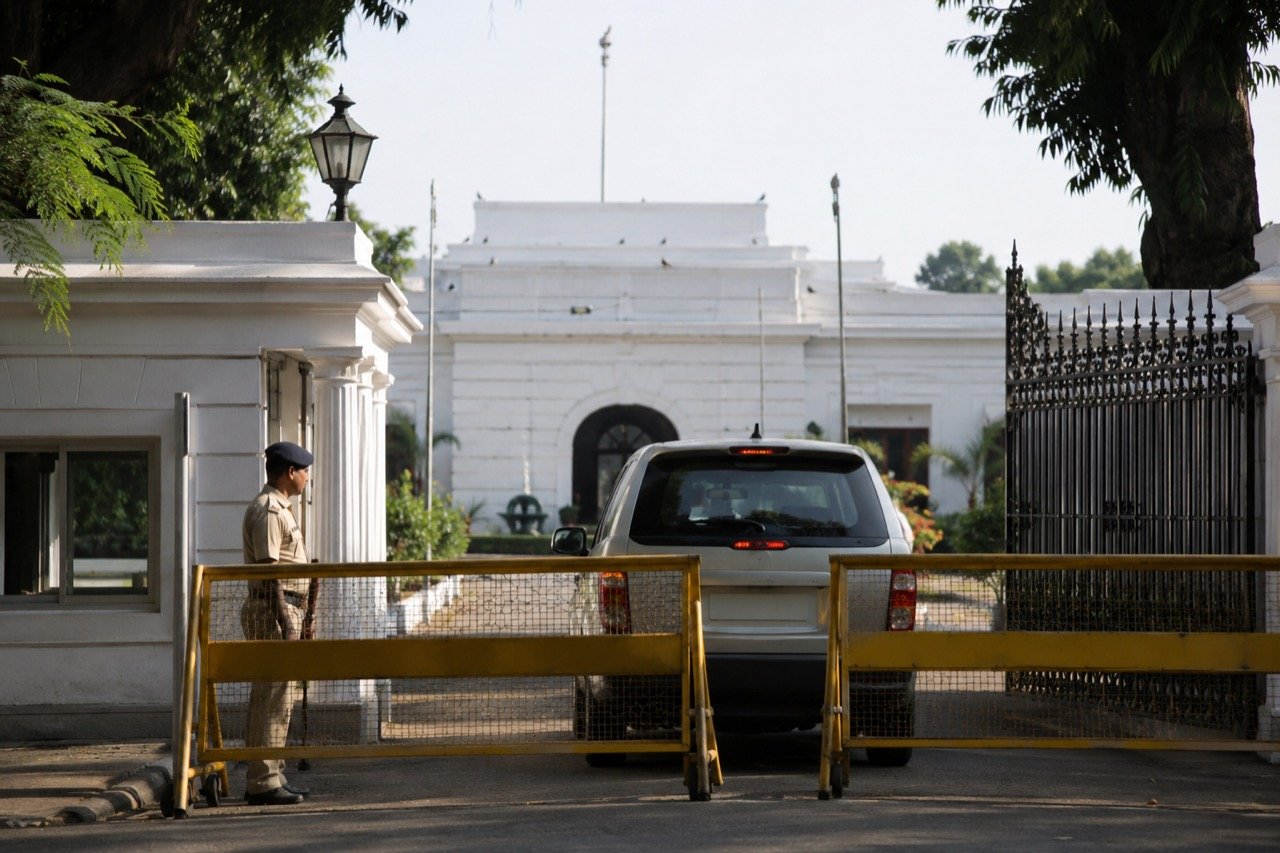
Lalu Prasad Yadav Security Downgrade, Bungalow Order Stir Bihar
A government order downgrading Lalu Prasad Yadav's security cover and asking him to vacate an official bungalow has opened a fresh political flashpoint in Bihar, with the RJD chief's reaction fuelling the row.
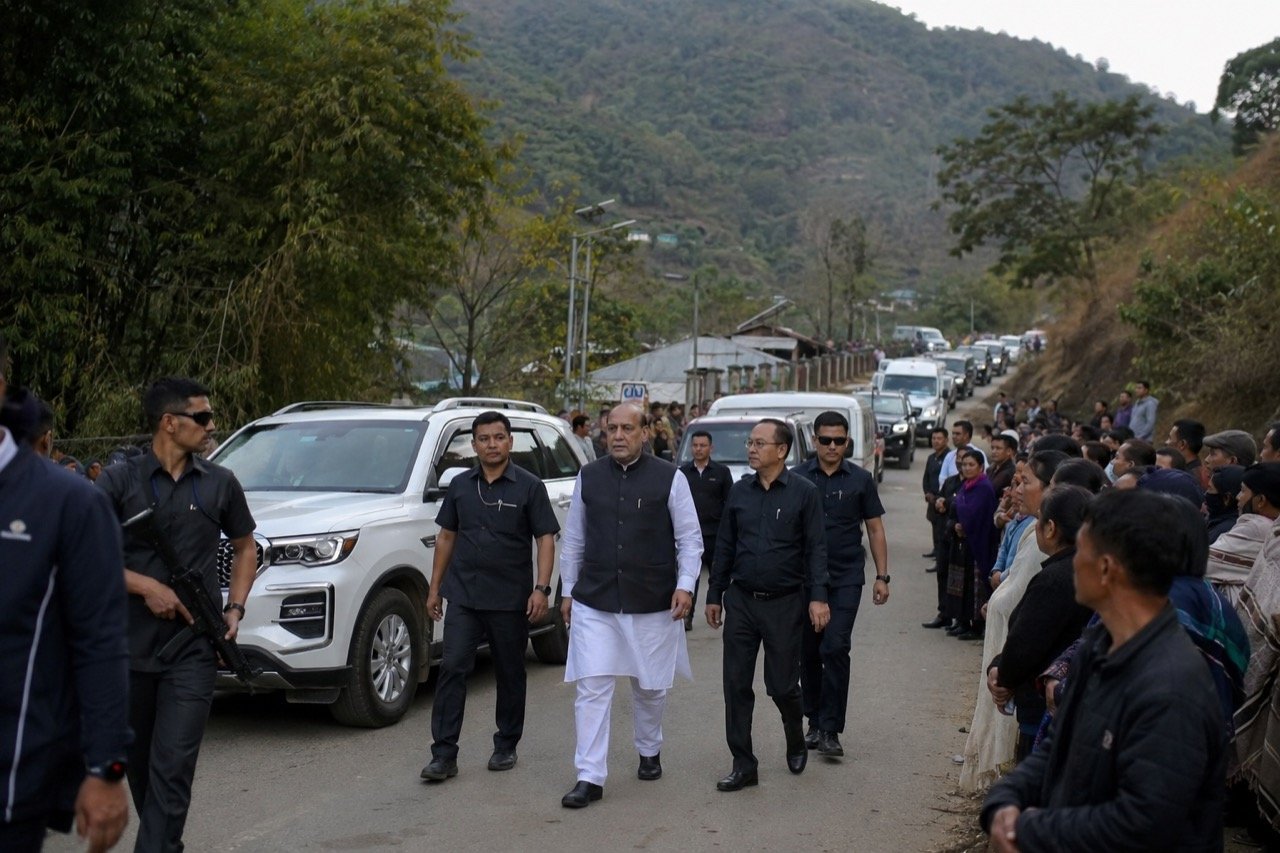
Manipur CM's Churachandpur Visit: First Since 2023 Unrest
The Manipur Chief Minister travelled to Churachandpur for a BJP MLA's funeral, his first visit to the district since the 2023 violence, lending the sombre occasion an unmistakable political significance.