Broke by the 20th: How Invisible UPI Spending Is Quietly Draining Young India
Gen Z says it wants to save - so why does the money vanish? The answer may lie in how painless tapping to pay has become.
Commentary & Analysis ·

There is a paradox playing out in young Indian bank accounts. Surveys show Gen Z is genuinely cautious with money - around a third say they would rather save than spend, shaped by a pandemic that taught them to watch their wallets. Yet many find themselves stretched thin well before payday.
The disconnect between intention and outcome is the heart of the story. These are not reckless spenders defying their own values; they are savers who keep ending up short, which points the finger less at attitude than at the mechanics of how money now moves. Something about the modern payment experience is quietly undercutting the discipline they say they want.
When money stops feeling like money
The culprit, increasingly, is the very thing that made life convenient. UPI now handles more than 18 billion transactions a month and accounts for roughly 85% of India's digital payments. When money moves with a single tap, it stops feeling like money at all - and the small, frictionless payments add up in ways a monthly statement reveals far too late.
India's instant-payment system has been a genuine success story, making digital payments near-universal and effortless. But the same frictionlessness that makes it convenient also strips away the small moments of hesitation - counting out notes, watching a balance drop - that once made spending feel real. A dozen tiny taps a day barely register individually, yet together they quietly hollow out a budget before the month is done.
Making spending feel real again
Financial advisers are responding with a deliberately old-fashioned fix: reintroducing a little friction. One widely shared suggestion is to withdraw about 80% of a weekly budget in cash and reserve only 20% for digital spending, restoring the psychological tug that comes from physically handing over notes.
The advice circulating most widely centres on rebuilding awareness:
- Withdraw around 80% of a weekly budget as cash, leaving roughly 20% for digital
- Use physical notes to restore the psychological pull of spending
- Track small, frequent UPI payments before the monthly statement does
- Treat visibility, not willpower, as the core problem to solve
Sound instincts, hidden spending
The encouraging news is that the underlying instincts are sound. Young Indians are funnelling real money into travel and, notably, into upskilling. The challenge is less about discipline and more about visibility, in an economy where the act of paying has all but disappeared.
That reframing matters, because it points to a different kind of solution. If the problem is that spending has become invisible rather than that young people lack self-control, the answer lies in tools and habits that make money tangible again - whether through cash, better tracking, or apps that reintroduce a moment of pause. For a generation that genuinely wants to save, the fix may be less about resolve and more about seeing the money leave.
The NE Times View
The genius of UPI is also its trap. By stripping away the friction of handing over cash, it has quietly removed the moment of hesitation that once disciplined spending. This is not a failure of willpower among the young so much as a design feature working exactly as intended. Our view: the fix is friction by choice, spending alerts, hard limits, a weekly reckoning, because the rails will not slow down for anyone.
This article is original commentary and analysis by The NE Times. Background facts were referenced from Outlook Money, TradeBrains.
You may also like to read
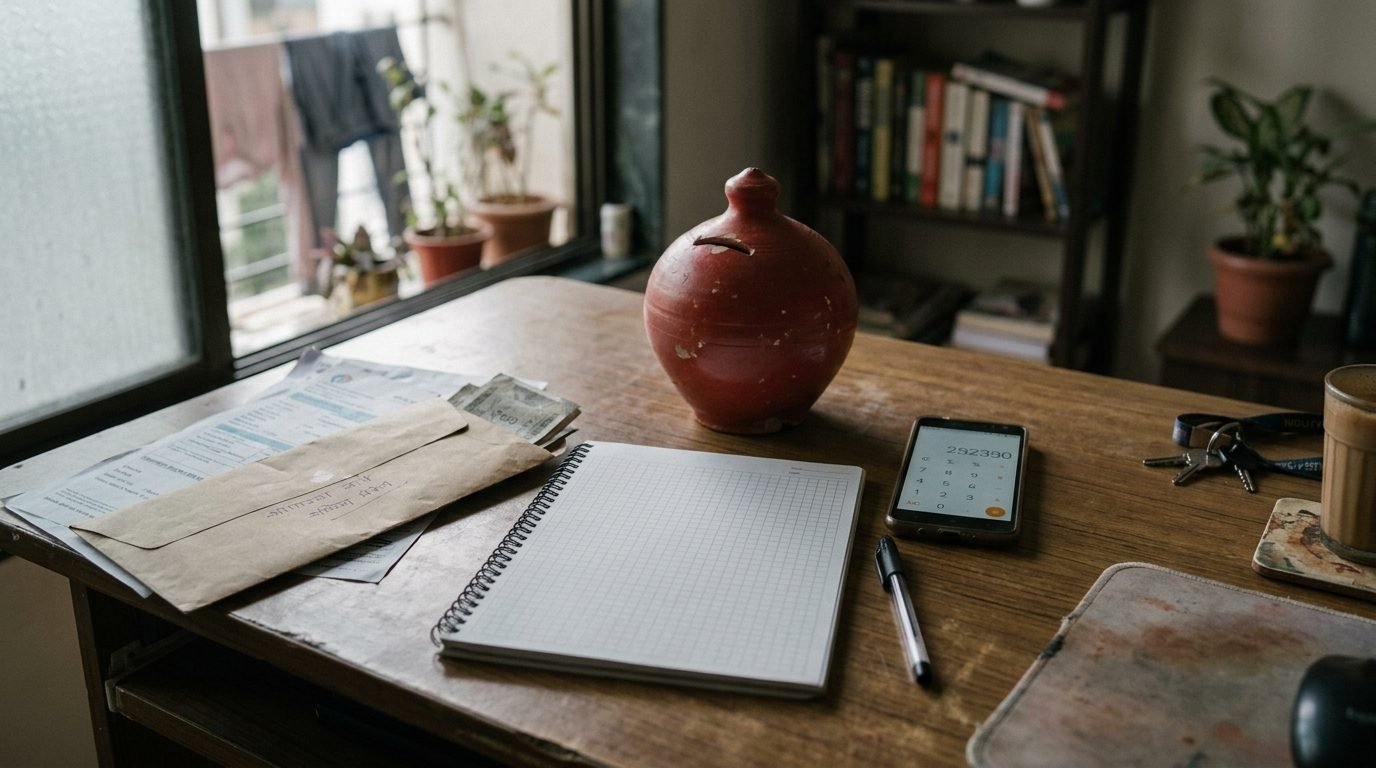
The Lifestyle Inflation Trap: How Young India Is Trying to Save in 2026
With rising rents and living costs cited as the biggest savings hurdle, financial planners say automating savings and resisting lifestyle creep matter more than ever for under-30s.

Goodbye Six-Pack, Hello Mobility: India's Fitness Culture Grows Up in 2026
Pilates studios and functional-movement classes are outpacing traditional gyms as young Indians chase feeling good over looking good.
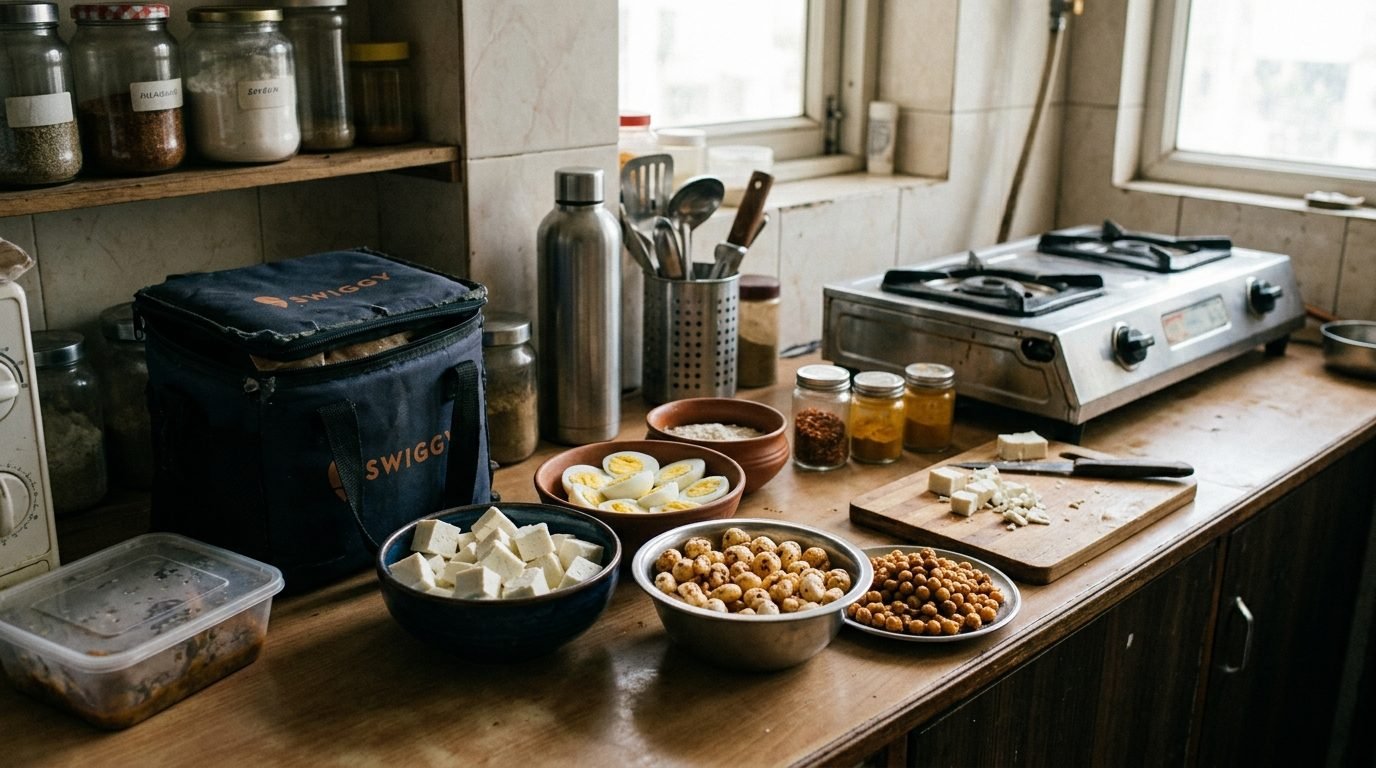
Paneer, Eggs and Protein Chips: How India's Protein Obsession Left the Gym Behind
Quick-commerce carts tell the story - protein orders are up 150% in two years, and the craving is no longer just for bodybuilders.
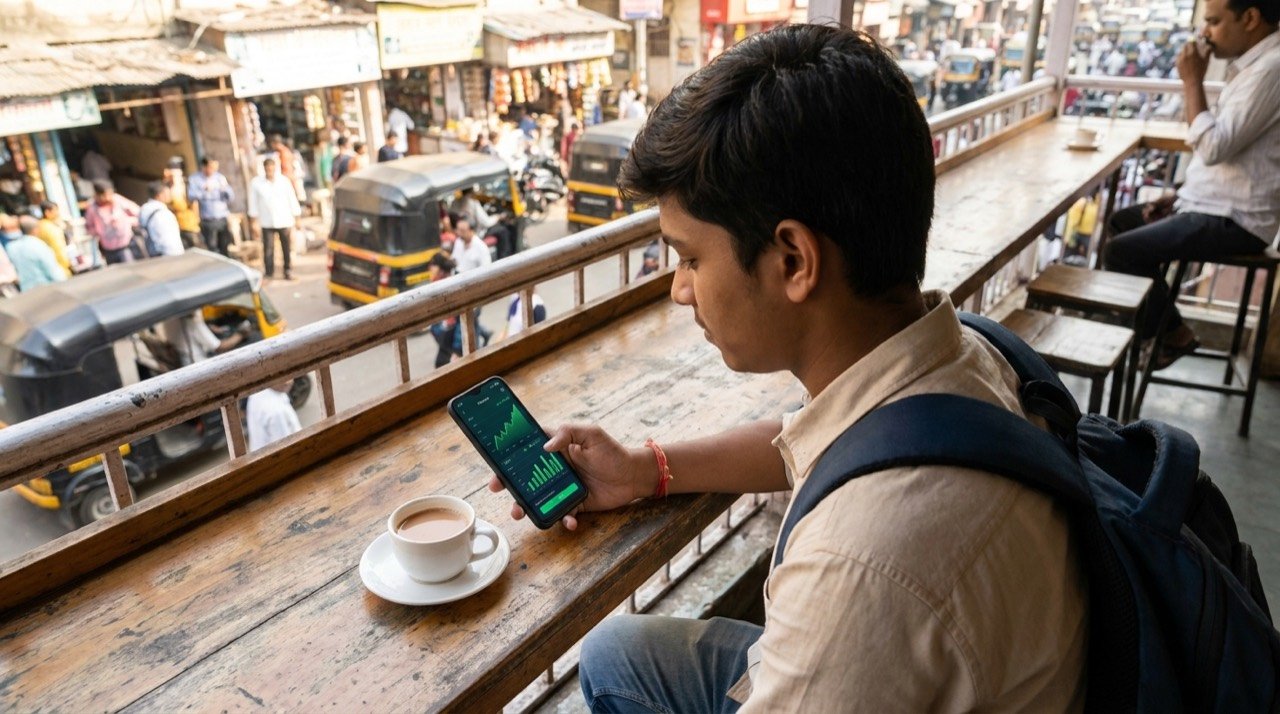
Young India Walks Away From the Savings Account as SIP Inflows Hit Record Highs in 2026
Monthly SIP inflows have surged past record levels and active accounts near 10 crore, as a generation of young Indians treats savings accounts as liquidity tools and turns to market-linked wealth creation.
More from this section
More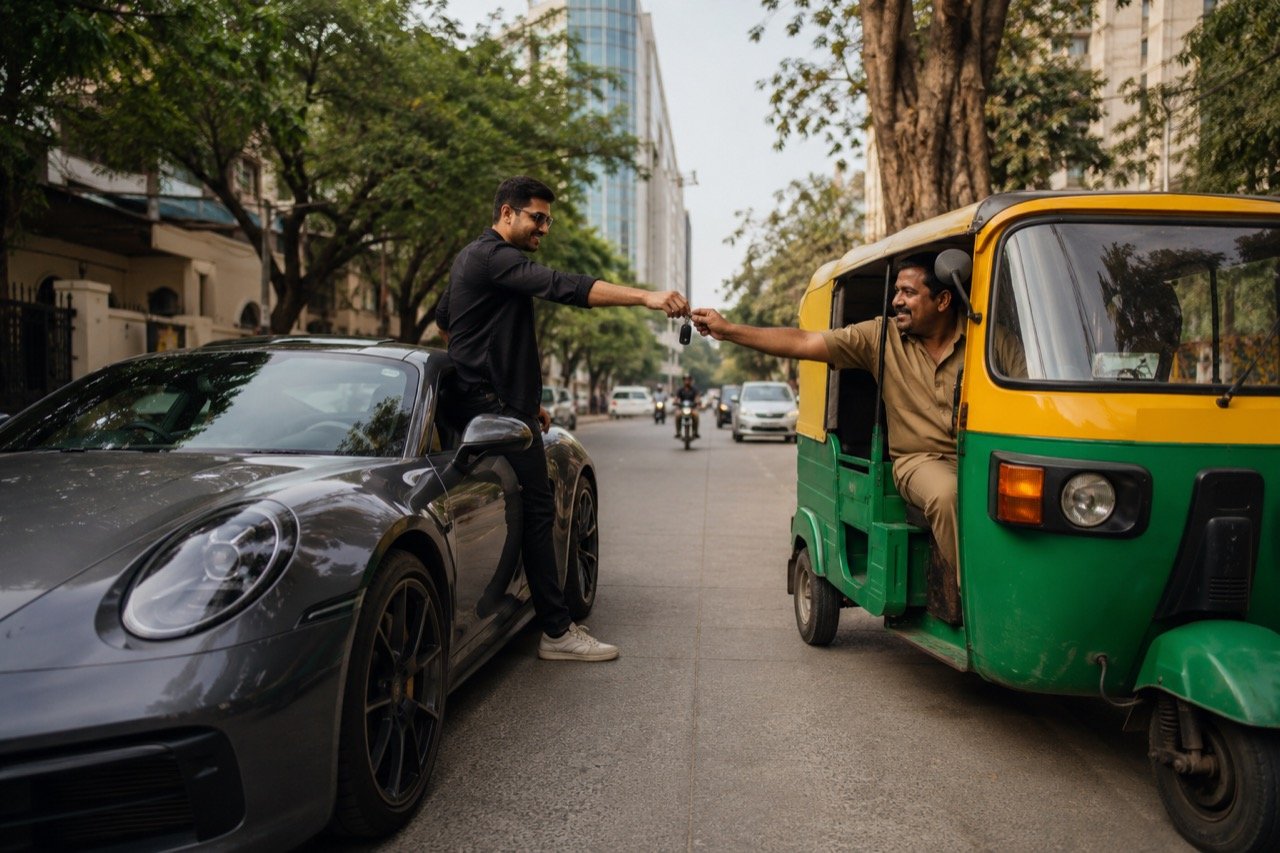
Bengaluru Lamborghini-Auto Swap: Entrepreneur's Gesture Goes Viral
A Bengaluru entrepreneur's spontaneous decision to trade seats with an auto-rickshaw driver, putting the cabbie behind a Lamborghini's wheel, has charmed social media and become the city's feel-good story of the week.
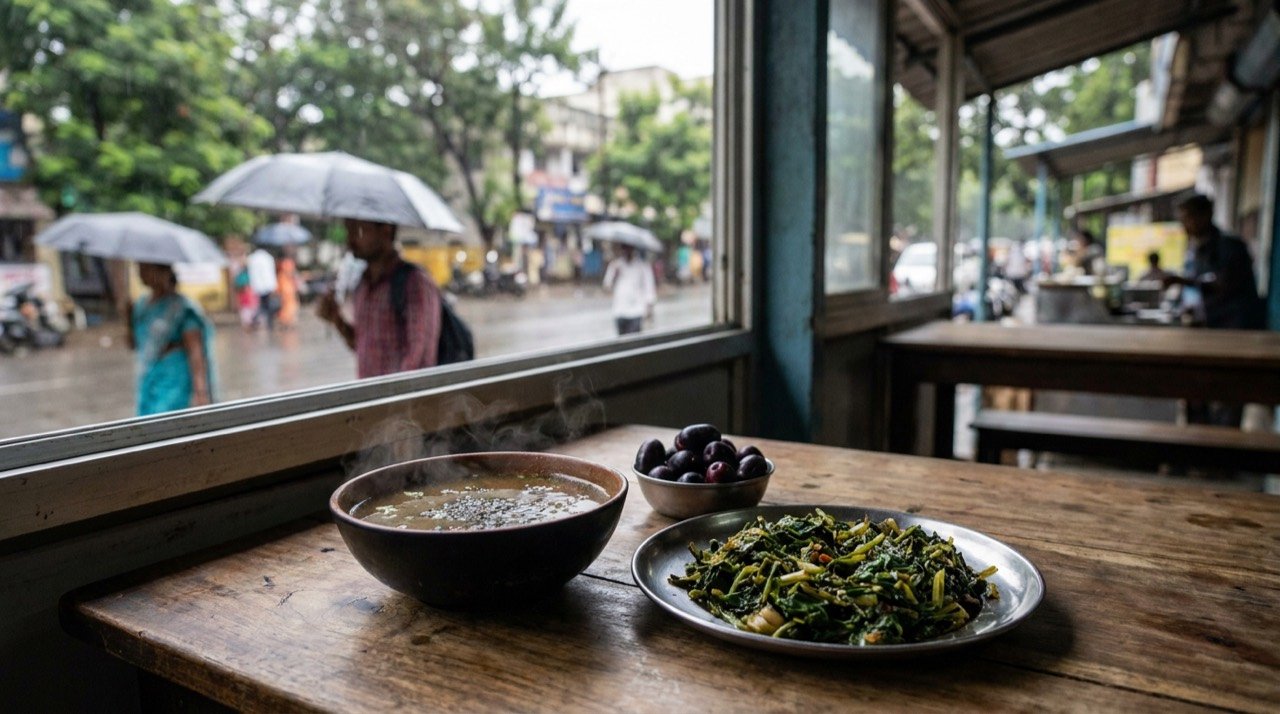
India's Monsoon Plate Returns to Its Roots as Seasonal Eating Goes Mainstream in 2026
From Kerala's ten-leaf stir-fries to jamun, rasam and warming spices, India's monsoon kitchens are blending ancestral ritucharya wisdom with the 2026 obsession with gut health and immunity.

Misty Valleys and Cheaper Fares: India's Offbeat Monsoon Travel Boom in 2026
With domestic fares falling sharply and travellers seeking solitude, offbeat Himalayan hamlets, the rain-soaked Northeast and Ladakh's rain-shadow deserts are redrawing India's monsoon travel map in 2026.