RBI Aligns UPI-Linked Credit Line Rules With Underlying Loan Norms
The Reserve Bank of India has clarified that credit lines delivered over UPI must follow the prudential rules of the underlying loan, closing a regulatory gap as banks and fintechs race to build payment-linked lending.
Commentary & Analysis ·
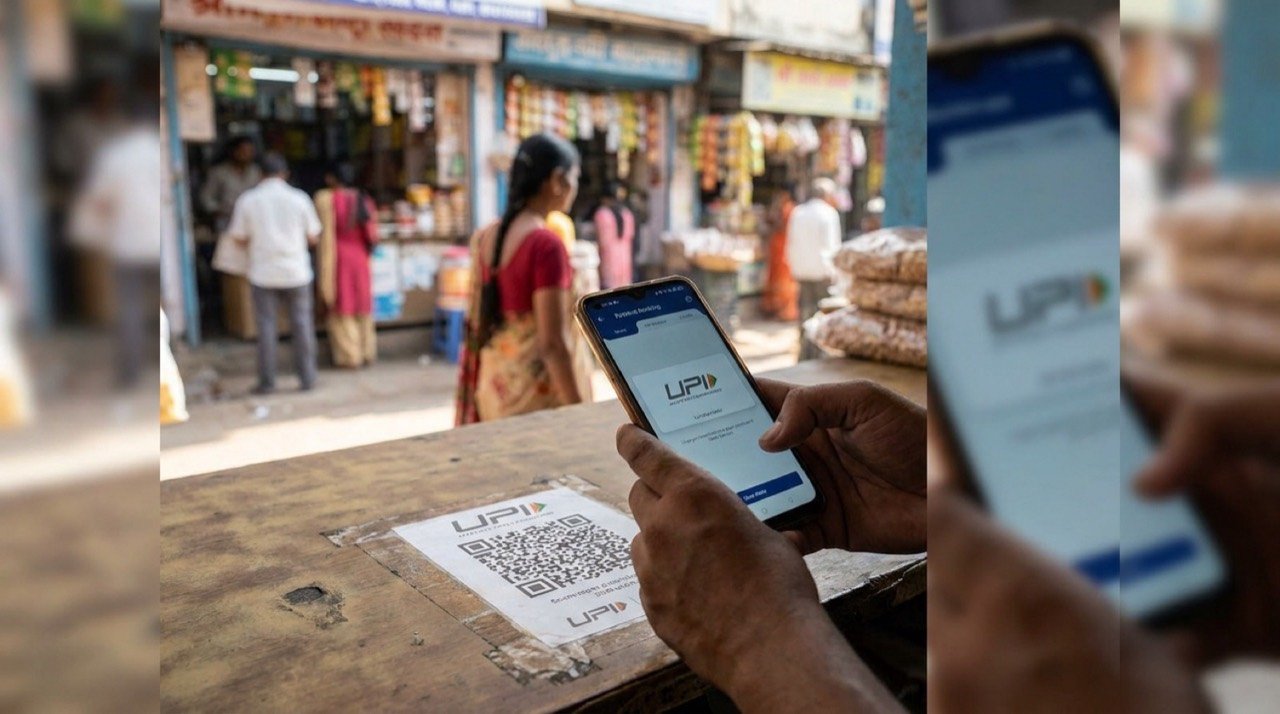
The Reserve Bank of India has moved to settle one of the more contentious questions hanging over the country's fast-growing digital lending market, clarifying that credit lines disbursed through the Unified Payments Interface must abide by the same prudential rules that govern the loan sitting beneath them. In doing so, the central bank has reaffirmed a guiding principle: it is the nature of the credit, not the technology used to deliver it, that determines how a product is regulated.
What the clarification says
At its core, the RBI's position is straightforward. When a bank or lender extends a pre-sanctioned credit line that a customer can draw on through a UPI transaction, the facility does not become a new or lighter category of product simply because it travels over a payments rail. The applicable norms continue to be those of the underlying loan, whether that is an overdraft, a personal loan or a working-capital facility.
That means standards on disclosure, pricing transparency, provisioning, customer consent and recovery practices apply in full. The regulator's message to the market is that innovation in how credit is delivered is welcome, but it cannot be used to step outside the wider banking rulebook.
Closing the arbitrage gap
The clarification is aimed squarely at closing regulatory arbitrage. As banks and fintech platforms build a new generation of payment-linked lending products, there had been a risk that similar forms of credit could attract different treatment depending on the channel through which they reached the borrower. By tying the rules to the substance of the loan rather than its packaging, the RBI removes the incentive to engineer products that look like payments but function as credit.
The approach is consistent with the central bank's broader stance over the past few years, which has repeatedly emphasised that lending dressed up in new technological clothing must still meet the prudential bar. Credit on UPI has expanded rapidly since the facility was opened up, drawing both established lenders and newer entrants into the space.
What it means for lenders and consumers
For lenders, the clarification offers something they have long sought: clearer compliance expectations. Knowing in advance that a UPI-linked credit line will be assessed against the rules of its underlying product allows banks and their fintech partners to design offerings with greater certainty and fewer fears of a later regulatory reversal.
For consumers, the framing is intended to be reassuring. It signals that the convenience of borrowing through a familiar payments app does not come at the cost of weaker protections. The safeguards that apply to a conventional loan, from how interest is disclosed to how grievances are handled, travel with the credit line.
- Credit lines on UPI follow the prudential rules of the underlying loan product.
- The nature of the credit, not the delivery technology, determines its regulatory treatment.
- The move is designed to close regulatory arbitrage between channels.
- Lenders gain clearer compliance expectations for payment-linked products.
- Consumer protections that apply to traditional loans extend to UPI credit.
“The nature of credit, not the technology used to deliver it, determines its treatment.”
— Reserve Bank of India principle
The outlook is for continued growth in UPI-linked credit, but on firmer regulatory footing. With the principle now spelled out, banks and fintechs can keep innovating around how credit reaches borrowers while the RBI retains a consistent yardstick for risk. The clarification is unlikely to be the last word as products evolve, but it sets a durable test that the market can plan around.
The NE Times View
This is the RBI doing what it does well: closing a gap before it becomes a problem. As fintechs race to bolt credit onto UPI's rails, the risk was that frictionless lending would escape the prudential rules governing the underlying loan. Anchoring credit lines to those norms prevents a shadow-lending workaround dressed up as payments. The trade-off is slightly slower product launches, a worthwhile price for keeping payment-linked credit inside the regulatory perimeter.
This article is original commentary and analysis by The NE Times. Background facts were referenced from Business Standard and Economic Times.
You may also like to read
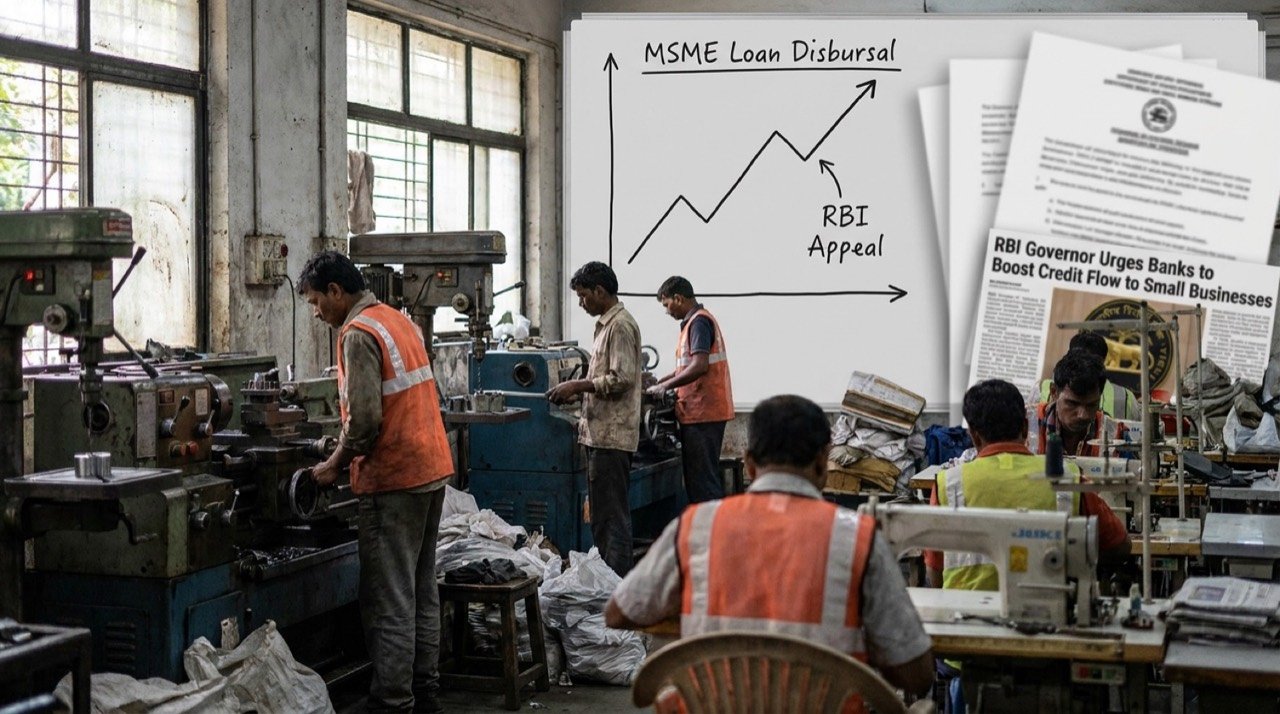
RBI Governor Urges Banks to Treat MSMEs as Growth Partners, Not Just Borrowers
RBI Governor Sanjay Malhotra has called on banks to see micro, small and medium enterprises as growth partners, reviving focus on credit access for the firms that employ millions across India.
RBI Urges Banks to Treat MSMEs as Partners, Not a Compliance Burden
RBI Governor Sanjay Malhotra has told banks to view micro, small and medium enterprises as long-term business partners, linking their health to jobs, exports, GDP and credit growth.

India's Gold Loan Defaults Ease Even as Sanctions Double
India's gold-loan market is expanding fast, with loan sanctions reportedly doubling even as default ratios shrink, pointing to stronger repayment behaviour and rising demand for secured credit.
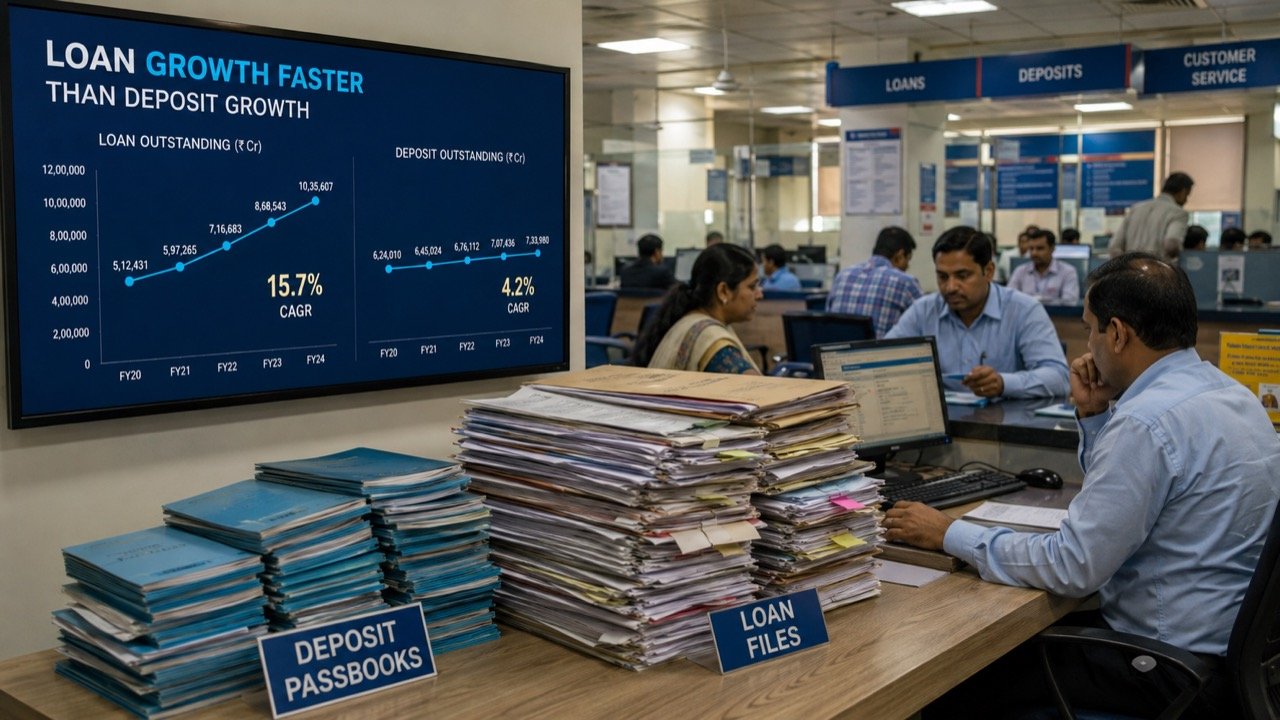
PSU Banks See Loan Growth Outrun Deposits as Credit Demand Holds
Public-sector banks are lending faster than they are gathering deposits, a gap that signals firm credit appetite in the economy but puts funding costs and deposit mobilisation under the spotlight.
More from this section
More
Adani Case: US DOJ Pushes for Permanent Dismissal of Charges
The US Department of Justice has urged a judge to permanently dismiss charges against Gautam Adani, calling the case legally flawed — a reversal with consequences for markets, diplomacy and cross-border enforcement.

Akasa Air Inducts 40th Aircraft in Indian Aviation Scale-Up
Akasa Air's 40th aircraft, ferried to Bengaluru via Seattle, Reykjavik and Cairo, marks a fleet milestone for the young carrier and a fresh signal that India's aviation market remains firmly in expansion mode.
BARC Ratings Suspension Leaves Indian TV Industry Flying Blind
BARC's pause on television ratings has put India's broadcast measurement system under fresh scrutiny, leaving broadcasters, advertisers and media planners without the weekly audience data that anchors the TV economy.