RBI Calls Rate-Hike Talk Premature, Rolls Out Liquidity Support As Rupee Steadies
The Reserve Bank moved to calm nerves in late June 2026, signalling that interest-rate hikes were premature and unveiling liquidity measures even as the rupee drew comfort from a softer crude outlook.
Commentary & Analysis ·
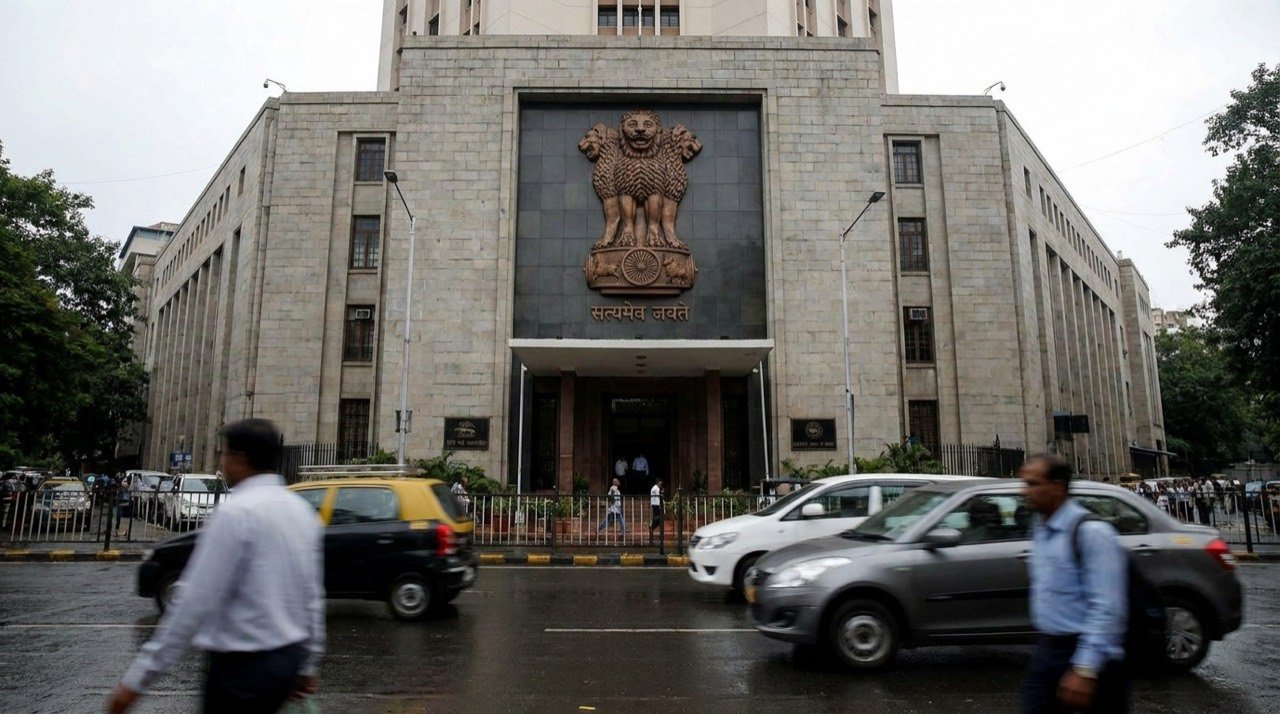
The Reserve Bank of India sought to steady financial markets in the closing stretch of June 2026, signalling that talk of interest-rate hikes was premature and introducing measures designed to ease pressure on system liquidity. The intervention came at a delicate moment, with West Asia tensions, volatile crude and a wobbly rupee all weighing on sentiment earlier in the month.
A deliberate signal on rates
By making clear that it was too early to debate tightening, the central bank effectively pushed back against fears that an oil-driven inflation scare would force its hand. The message reassured rate-sensitive sectors, particularly banks and non-bank lenders, and helped financial stocks find a firmer footing on the bourses.
The stance reflects a familiar balancing act for the RBI: keeping a close watch on imported inflation risks from energy while avoiding any move that could choke off the credit growth needed to sustain the economy's momentum.
Liquidity gets a helping hand
Alongside the rate guidance, the RBI rolled out steps aimed at supporting liquidity in the banking system, helping smooth out the periodic tightness that accompanies tax outflows and other seasonal pressures. Adequate liquidity keeps short-term borrowing costs in check and ensures that policy intentions are transmitted cleanly to lenders and, ultimately, borrowers.
For banks and the wider financial sector, the combination of dovish guidance and active liquidity management offered a welcome dose of certainty after a jittery few weeks.
The rupee finds its feet
The currency, which had come under strain when crude spiked and West Asia risks flared, drew comfort from the pullback in oil prices. With supply fears easing as traffic through the Strait of Hormuz improved and US-Iran talks showed signs of progress, the pressure on India's external account abated, taking some of the heat off the rupee.
- RBI signalled that discussing rate hikes was premature in the current environment.
- Fresh measures were introduced to support banking-system liquidity.
- Financial stocks responded positively to the dovish guidance.
- A softer crude outlook eased pressure on the rupee and the import bill.
- Markets read the moves as a commitment to protecting growth.
“The central bank is telling the market it will defend growth and liquidity first, and worry about hikes only when the data forces the conversation.”
The road ahead
Analysts say the RBI's twin signals buy time for the economy to absorb global shocks, but the path is far from guaranteed. A renewed spike in oil, a sharper-than-expected monsoon shortfall or fresh global rate volatility could all reopen the inflation debate the central bank is keen to defer.
For now, the message from Mint Road is one of reassurance: with crude cooling and liquidity managed, the priority is to keep credit flowing and the recovery intact rather than to pre-empt risks that have yet to materialise.
The NE Times View
The RBI is walking a fine line: calling rate hikes premature while pumping liquidity signals it values growth and stability over pre-emptive caution. That bet works only if softer crude keeps imported inflation tame. The rupee's steadiness is borrowed from oil markets, not earned through fundamentals. The central bank deserves credit for steady nerves, but its room for manoeuvre shrinks fast if energy prices turn.
This article is original commentary and analysis by The NE Times. Background facts were referenced from Economic Times and Reuters.
You may also like to read
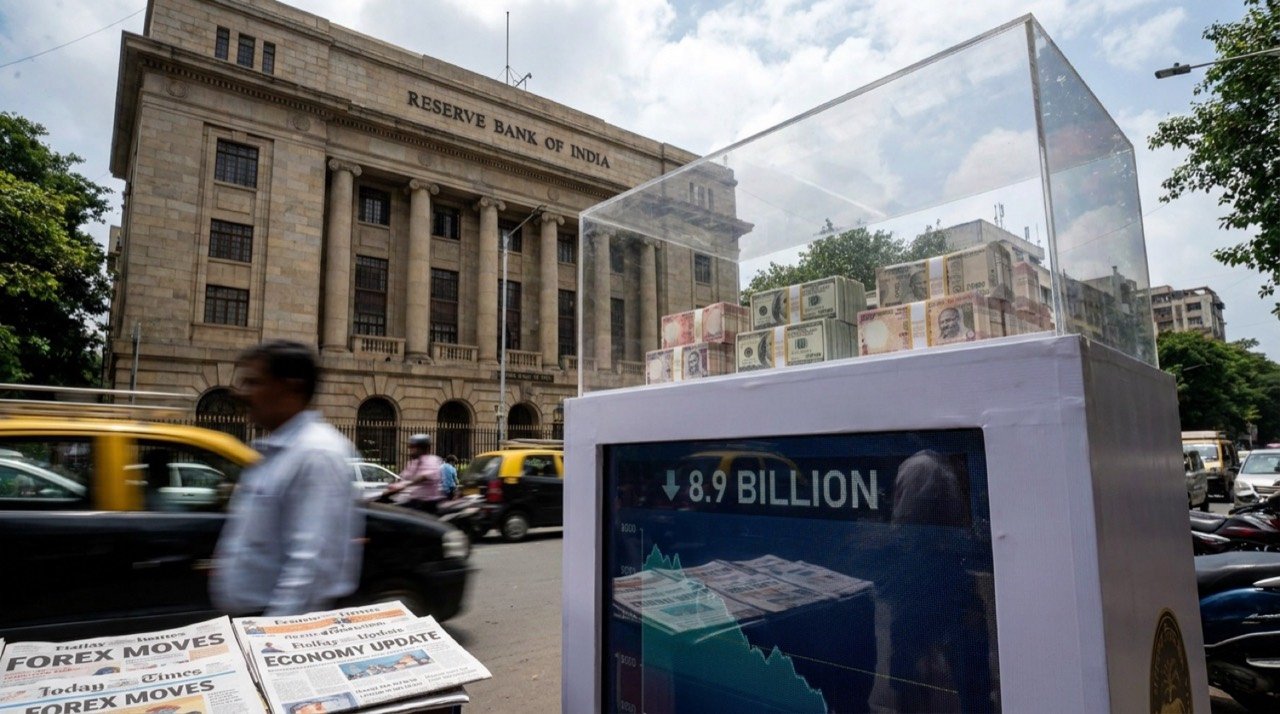
RBI Sold $8.9 Billion in April as Rupee Pressure Persisted
India's central bank sold a net $8.9 billion in the spot foreign-exchange market in April, RBI data showed, underlining how it manages currency volatility while balancing reserves and liquidity.
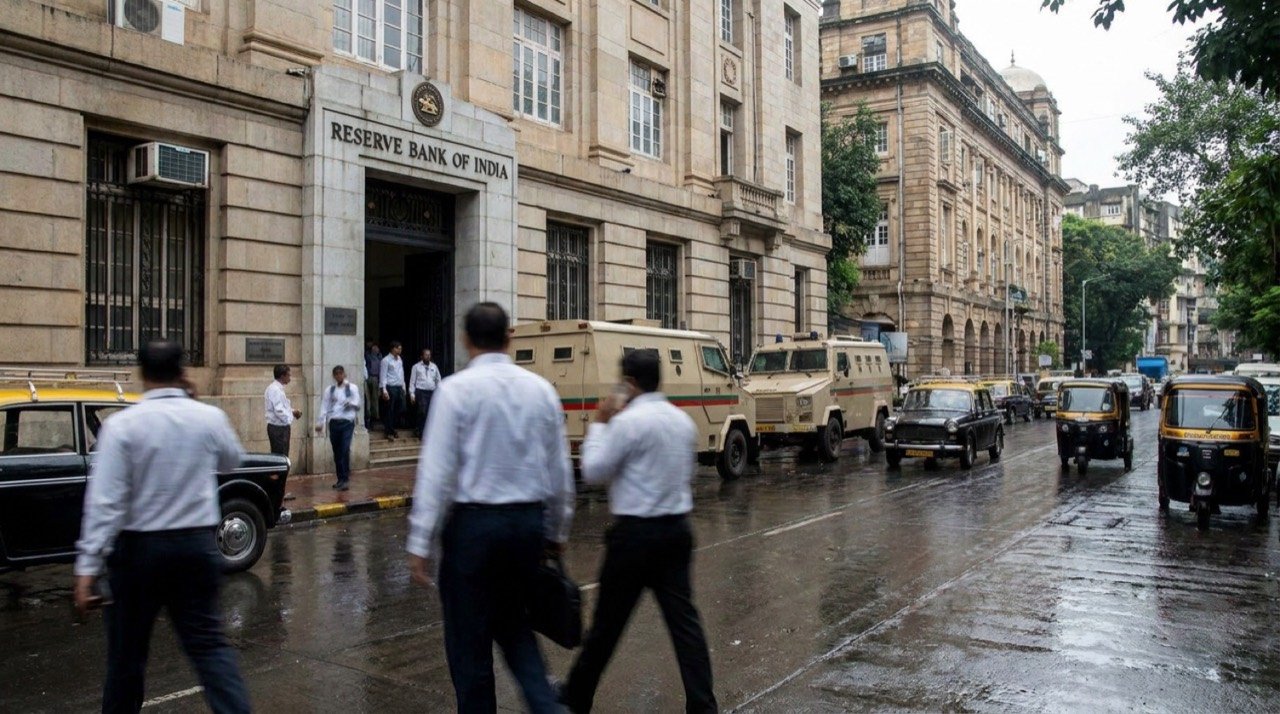
Foreign Currency Inflows Could Cushion Domestic Liquidity, Says RBI MPC Member
An RBI Monetary Policy Committee member says foreign currency inflows may support domestic liquidity, a signal that matters for banks, bond markets and India's borrowers.
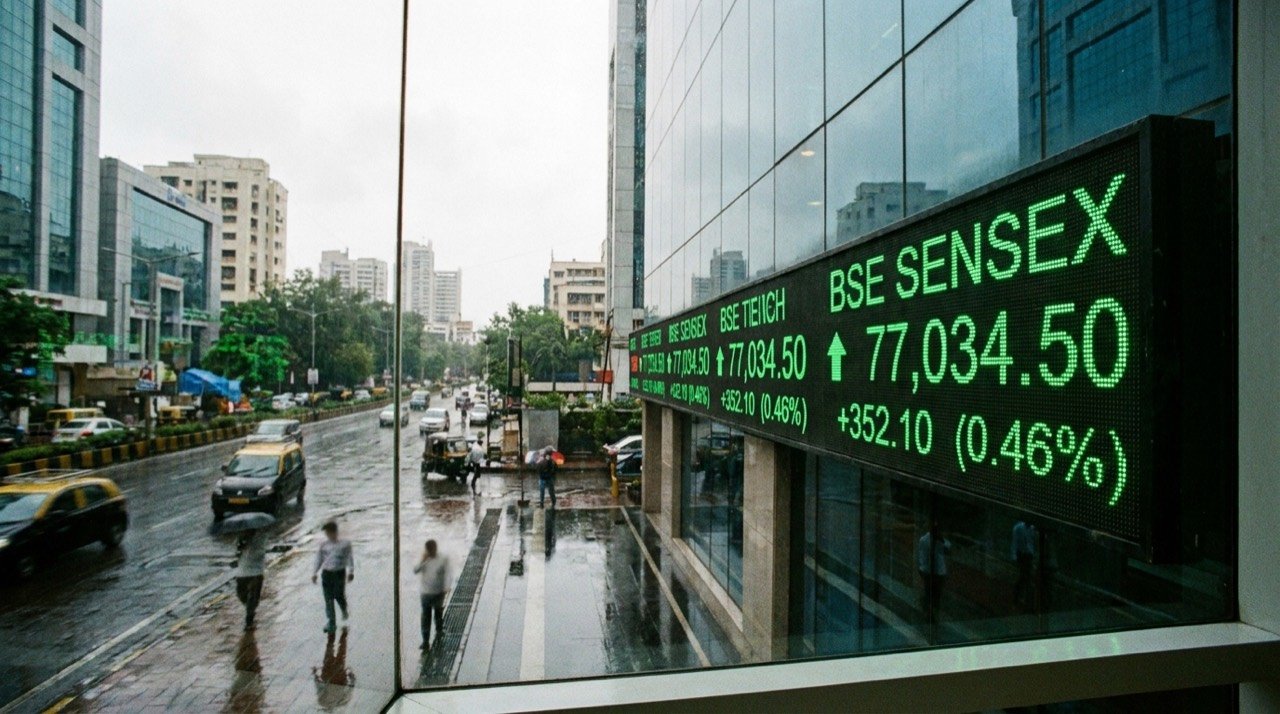
Sensex Holds Above 77,000 As Crude Pullback And RBI Liquidity Push Lift Indian Markets
Indian benchmarks extended gains around 24 June 2026 as easing crude prices, calmer West Asia tensions and fresh RBI liquidity support kept financial and auto stocks firmly in demand.
RBI Sells Nearly $9 Billion in April as Rupee Faces Sustained Pressure
The central bank's net dollar sales in the spot forex market signal another month of intervention to smooth volatility, with importer demand and West Asia uncertainty weighing on the rupee.
More from this section
More
Adani Case: US DOJ Pushes for Permanent Dismissal of Charges
The US Department of Justice has urged a judge to permanently dismiss charges against Gautam Adani, calling the case legally flawed — a reversal with consequences for markets, diplomacy and cross-border enforcement.

Akasa Air Inducts 40th Aircraft in Indian Aviation Scale-Up
Akasa Air's 40th aircraft, ferried to Bengaluru via Seattle, Reykjavik and Cairo, marks a fleet milestone for the young carrier and a fresh signal that India's aviation market remains firmly in expansion mode.
BARC Ratings Suspension Leaves Indian TV Industry Flying Blind
BARC's pause on television ratings has put India's broadcast measurement system under fresh scrutiny, leaving broadcasters, advertisers and media planners without the weekly audience data that anchors the TV economy.