RBI Holds Repo Rate at 5.25% as Conflict Clouds Outlook
India's central bank kept its key rate steady and retained a neutral stance, citing risks from the West Asia conflict, elevated energy prices and supply-chain strains.
Commentary & Analysis ·
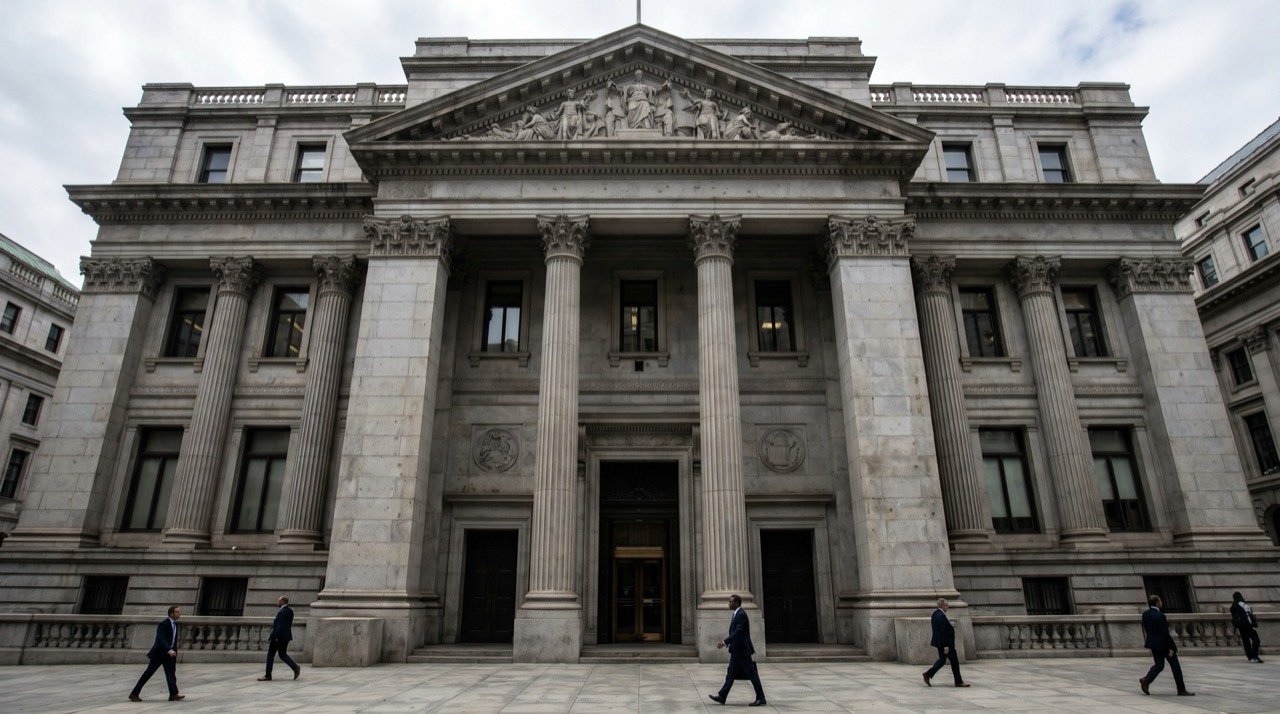
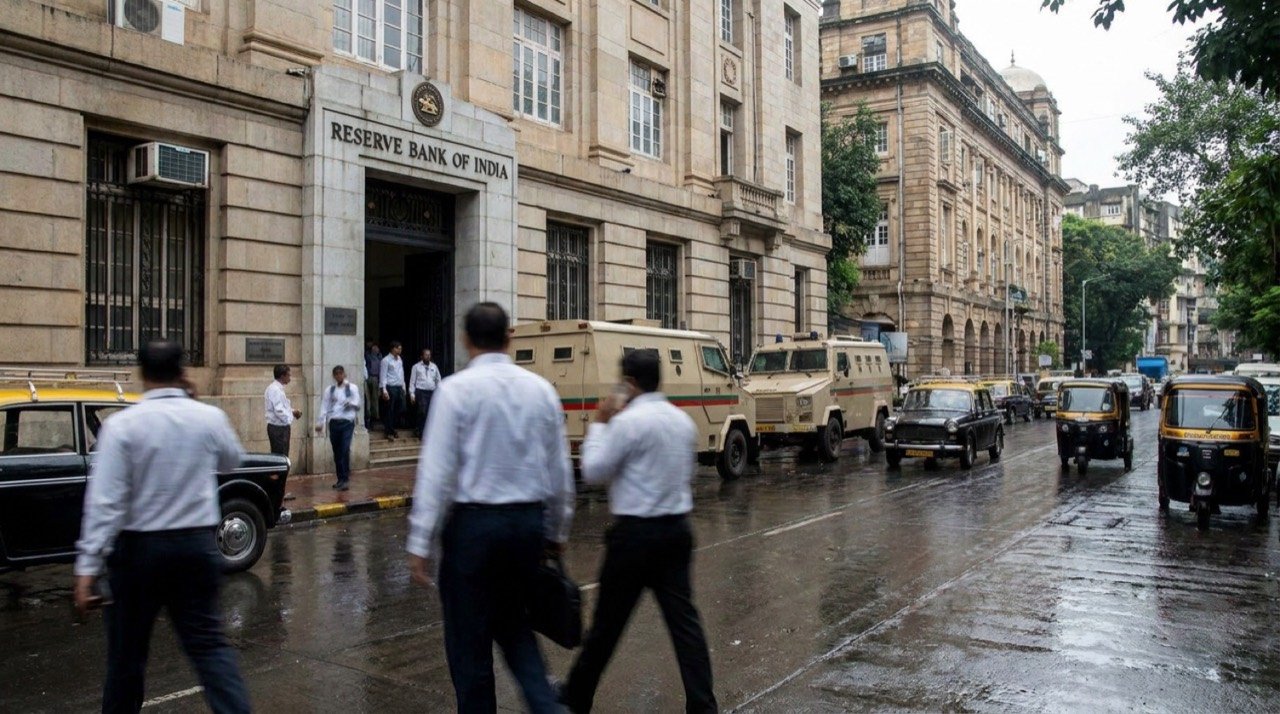
The Reserve Bank of India's Monetary Policy Committee left the benchmark repo rate unchanged at 5.25% at its June meeting, maintaining a neutral policy stance as it weighed cooling growth against fresh inflation risks. The decision keeps borrowing costs steady at a level the central bank evidently judges appropriate for an economy that is expanding solidly but now faces a more uncertain external backdrop.
A hold of this kind is itself a signal. By choosing neither to cut nor to raise, and by retaining a neutral rather than accommodative stance, the RBI is keeping its options open in both directions, preserving the flexibility to ease if growth falters or to tighten if price pressures harden. It is a posture of watchful patience at a moment when the variables driving the outlook lie largely beyond India's borders.
Geopolitics drives caution
Governor Sanjay Malhotra pointed to the prolonged conflict in West Asia, elevated global energy prices, supply-chain disruptions and weather-related uncertainties as key reasons for holding steady rather than easing further. Each of these feeds directly into India's price level: as a major energy importer, the country is exposed to every swing in crude and gas markets, while disrupted shipping routes raise the cost of imported goods and inputs across the economy.
The emphasis on geopolitics underscores how much of India's near-term inflation story is being written abroad. A conflict that keeps energy prices high or snarls supply chains can quickly pass through to domestic fuel, transport and manufacturing costs, eroding the case for rate cuts even when underlying demand-side pressures look contained. Holding the rate is, in effect, an insurance policy against an external shock the bank cannot control.
The inflation arithmetic
The central bank projected inflation for the coming fiscal year at around 4.6%, with a temporary spike anticipated in the third quarter before moderating. Higher imported energy costs were flagged as a central swing factor, the single variable most likely to push the actual path above or below the forecast depending on how the West Asia situation evolves.
A projected 4.6% sits within reach of the RBI's medium-term comfort zone, but the expected mid-year bump is precisely the kind of bump that argues for caution now. Cutting rates ahead of a known inflation hump would risk adding fuel just as prices rise, so the committee has opted to wait until it can see the spike crest and recede before committing to a new direction.
- Repo rate held at 5.25% with a neutral stance.
- Inflation projected near 4.6% for the coming fiscal year.
- A temporary inflation spike is expected in the third quarter before moderating.
- GDP growth estimated at roughly 6.9% for the next fiscal year.
- Imported energy costs flagged as the key swing factor.
Growth still firm, but trimmed
On growth, the RBI estimated GDP expansion of roughly 6.9% for the next fiscal year, trimming its second-quarter forecast as external headwinds weighed on the outlook. Even after the downgrade, that pace would keep India among the fastest-expanding major economies, suggesting the bank sees the external risks as a drag on momentum rather than a threat to the underlying trajectory.
The trimming is best read as a recalibration rather than an alarm. Domestic demand and investment remain the engines of the expansion, and the modest cut to the forecast reflects the bank's judgement that global friction will shave a little off output without derailing it. The framing reinforces the central message: the economy is in decent shape, but the road ahead has more turns than it did a quarter ago.
For now, the outlook hinges on how the West Asia conflict and energy markets play out over the next two quarters. If tensions ease and crude prices settle, the door to a rate cut later in the year would open; if the conflict drags on and energy stays elevated, the RBI is likely to hold its current line. Either way, the June decision positions the central bank to respond quickly rather than to pre-commit, which is the prudent stance when the biggest risks are external and fast-moving.
The NE Times View
Holding fire is the right call when the threat is imported. The RBI cannot ease away the price of crude or calm a West Asian shooting war, so a neutral pause buys time without spooking markets. The real test comes if the conflict drags on: the bank has kept its powder dry, but a prolonged energy shock would force an uncomfortable choice between growth and the inflation target.
This article is original commentary and analysis by The NE Times. Background facts were referenced from Business Standard and Trading Economics.
You may also like to read
RBI Calls Rate-Hike Talk Premature, Rolls Out Liquidity Support As Rupee Steadies
The Reserve Bank moved to calm nerves in late June 2026, signalling that interest-rate hikes were premature and unveiling liquidity measures even as the rupee drew comfort from a softer crude outlook.
India's Russian Crude Imports May Hit Record June Share
India's Russian crude imports could touch a record high in June, with Moscow supplying nearly half of total purchases until June 20, as discounts and shifting supply reshape the energy basket.
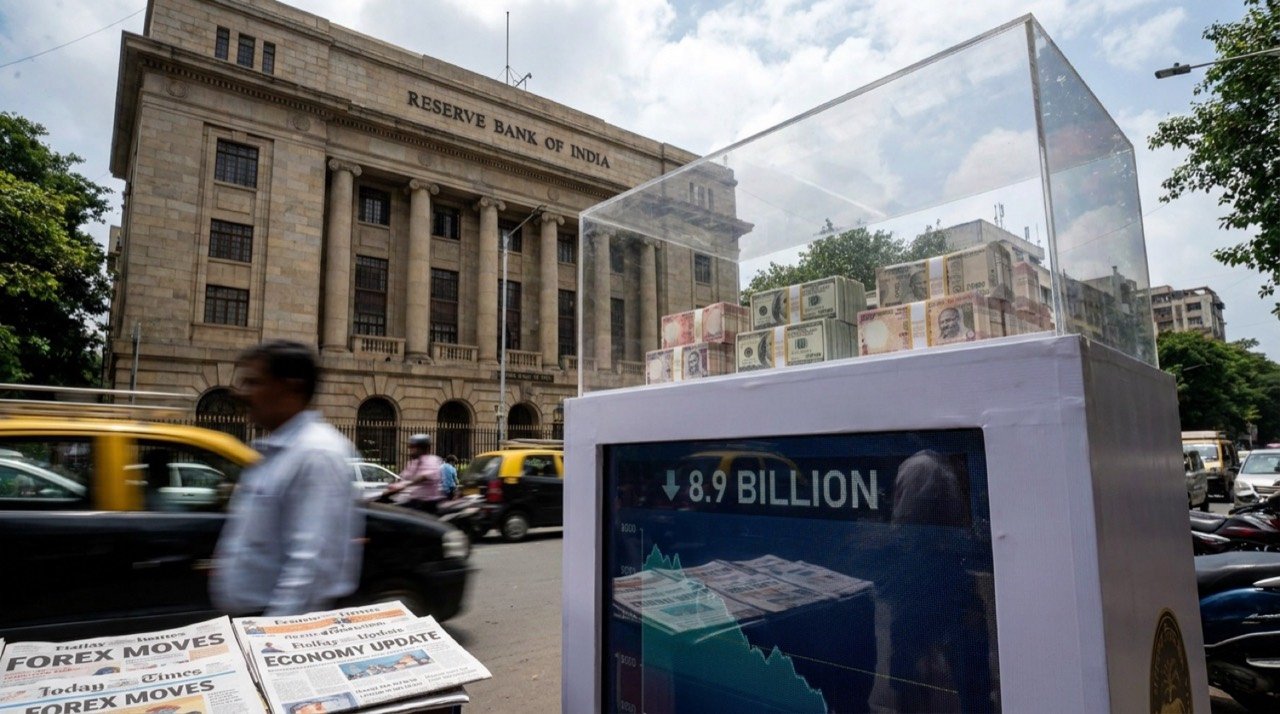
RBI Sold $8.9 Billion in April as Rupee Pressure Persisted
India's central bank sold a net $8.9 billion in the spot foreign-exchange market in April, RBI data showed, underlining how it manages currency volatility while balancing reserves and liquidity.
Foreign Currency Inflows Could Cushion Domestic Liquidity, Says RBI MPC Member
An RBI Monetary Policy Committee member says foreign currency inflows may support domestic liquidity, a signal that matters for banks, bond markets and India's borrowers.
More from this section
More
Adani Case: US DOJ Pushes for Permanent Dismissal of Charges
The US Department of Justice has urged a judge to permanently dismiss charges against Gautam Adani, calling the case legally flawed — a reversal with consequences for markets, diplomacy and cross-border enforcement.

Akasa Air Inducts 40th Aircraft in Indian Aviation Scale-Up
Akasa Air's 40th aircraft, ferried to Bengaluru via Seattle, Reykjavik and Cairo, marks a fleet milestone for the young carrier and a fresh signal that India's aviation market remains firmly in expansion mode.
BARC Ratings Suspension Leaves Indian TV Industry Flying Blind
BARC's pause on television ratings has put India's broadcast measurement system under fresh scrutiny, leaving broadcasters, advertisers and media planners without the weekly audience data that anchors the TV economy.