Foreign Currency Inflows Could Cushion Domestic Liquidity, Says RBI MPC Member
An RBI Monetary Policy Committee member says foreign currency inflows may support domestic liquidity, a signal that matters for banks, bond markets and India's borrowers.
Commentary & Analysis ·

A member of the Reserve Bank of India's Monetary Policy Committee has suggested that foreign currency inflows could help support domestic liquidity in the months ahead, a remark that carries weight well beyond the central bank's boardroom. Liquidity conditions shape the cost of money for banks, the behaviour of bond markets and the ease with which households and firms can borrow, which is why a single sentence from an MPC member can set off a round of careful parsing among treasuries, economists and rating desks across the country.
Why the comment matters
Liquidity, in plain terms, is the amount of spare cash sloshing through the banking system. When it is ample, short-term interest rates ease and lenders find it cheaper to fund themselves; when it tightens, rates firm up and credit can become harder to access. By pointing to foreign currency inflows as a potential cushion, the MPC member is flagging an external channel that could relieve pressure on the domestic money market. For policymakers, the appeal of such inflows is that they can ease liquidity without the central bank having to inject rupees aggressively through its own operations, helping keep the wider policy stance balanced. This distinction matters because every rupee the RBI injects through repo operations, open market purchases or other tools carries its own signalling weight, and a central bank that can rely partly on external flows retains more room to calibrate its domestic actions with precision rather than urgency.
There is also a subtler point buried in the remark. A central bank that leans on foreign inflows to support liquidity is implicitly acknowledging that domestic liquidity conditions are, at the margin, tighter than ideal, or at least warrant active management. That is not alarming in itself, since liquidity ebbs and flows with the financial cycle, tax outflows, government borrowing programmes and festive-season cash demand. But it does suggest that the MPC is thinking in terms of the full toolkit available to it, rather than treating domestic operations as the only lever worth discussing in public.
The transmission question
The observation also touches on a long-running concern in Indian monetary policy: how effectively the central bank's signals reach the real economy. If liquidity stays comfortable, changes in the policy rate are more likely to feed through into the lending and deposit rates that businesses and savers actually experience. That is the heart of monetary policy transmission, and it is why even a single MPC member's framing of the liquidity outlook is parsed carefully by treasuries and economists. Transmission has historically been an uneven process in India, with banks sometimes slow to pass on rate cuts to borrowers even as they move quickly to reprice loans upward when rates rise. Ample liquidity tends to narrow that asymmetry, because banks facing comfortable funding conditions have less incentive to keep lending rates sticky. A remark that nudges expectations toward continued liquidity comfort is, in effect, a signal that the MPC wants transmission to work smoothly through the rest of the financial year.
For the bond market in particular, this kind of signalling has an outsized effect relative to its brevity. Yields on government securities are forward-looking and react to any hint about the future path of liquidity, since liquidity conditions influence both the demand for short-term paper and the central bank's appetite for further open market operations. A comment suggesting that external inflows might do some of the heavy lifting can, at the margin, reduce the perceived need for the RBI to intervene domestically, which itself reshapes yield expectations even before any inflows materialise.
Who is watching, and why it matters to each
Several distinct groups have reason to pay close attention to this kind of statement, each for its own reasons. Banks, which fund themselves day to day and price loans off prevailing liquidity, use such signals to plan their own asset-liability management and to decide how aggressively to compete for deposits or wholesale funding. Bond markets, where yields react quickly to shifts in cash conditions, treat any hint about future liquidity as market-moving information, often repricing within the same trading session. Borrowers and businesses weighing the cost and availability of credit look to these remarks as an early indicator of whether financing conditions will loosen or stay tight in the coming quarters. Exporters and importers exposed to currency flows that drive inflows have a direct stake in how the rupee behaves, since it is their transactions, alongside portfolio and foreign direct investment, that generate the very inflows being discussed. Economists gauging the path of monetary policy transmission use such statements as one more data point in assessing whether the RBI's rate decisions are likely to translate into real changes in borrowing costs.
The MPC member was quoted directly on the point: "Foreign currency inflows could support domestic liquidity in the period ahead." The phrasing is notably cautious, framed as a possibility rather than a commitment, and that caution is itself instructive. Central bankers choose their words carefully precisely because markets react to nuance, and a conditional statement of this kind is designed to shape expectations without locking the institution into a specific course of action.
Reading the remark correctly
The remark is best read as a guide to the central bank's thinking rather than a firm forecast. Inflows can be volatile, tied to global risk sentiment, trade balances and capital movements that are difficult to predict. Portfolio flows in particular can reverse over a matter of weeks if global interest rate expectations shift, if risk appetite sours, or if a stronger dollar or a change in some other major economy's policy stance draws capital away from emerging markets such as India. Trade-linked flows are somewhat steadier but are themselves subject to global demand conditions and commodity price swings that lie well outside the RBI's control. Still, the message to markets is reassuring: the RBI sees external flows as one of several levers that could keep liquidity supportive, smoothing the way for stable rates and steady credit as the financial year progresses.
It is worth noting what the remark does not say. It does not commit the RBI to any specific liquidity target, nor does it rule out domestic operations should inflows fail to materialise as hoped. In that sense, the statement functions more as reassurance than as policy guidance, a way of telling markets that the central bank has more than one path to a comfortable liquidity position, without foreclosing on any of them.
What to watch next
Over the coming months, the more informative signals will likely come not from any single MPC member's remarks but from the underlying data: the pace of foreign portfolio and direct investment into India, the trajectory of the current account and trade balance, and the RBI's own liquidity management operations, including any changes to the frequency or scale of its variable rate repo and reverse repo auctions. Bond yields and short-term money market rates will offer a running commentary of their own, reacting in real time to whichever combination of domestic and external factors dominates in a given week. Should inflows prove as supportive as hoped, expect easier short-term rates and, potentially, a central bank content to let domestic liquidity operations remain relatively light-touch. Should they disappoint, the RBI retains the option of stepping in more directly, which is presumably why the MPC member's language left that door open.
The NE Times View
An MPC member flagging foreign inflows as a liquidity cushion is reassuring and risky in equal measure, because money that arrives chasing yield can leave just as fast. Borrowers and banks should welcome the breathing room but not bank on it; durable liquidity comes from domestic deposit growth, not from capital that reverses the moment global rates turn. The prudent reading is that this is a helpful tailwind if it materialises, not a foundation on which to build lending or investment plans. Institutions that treat it as the latter risk being caught out precisely when global conditions shift and the inflows that eased their funding suddenly go into reverse.
Key takeaways
- An RBI MPC member has suggested foreign currency inflows could ease domestic liquidity in the months ahead, a signal markets are parsing closely.
- Ample liquidity supports monetary policy transmission, helping rate changes flow through to the lending and deposit rates households and businesses actually face.
- Banks, bond markets, borrowers, exporters and importers, and economists all have distinct reasons to track how this plays out.
- Such inflows are inherently volatile, driven by global risk sentiment, trade balances and capital movements, so the remark is guidance rather than a guarantee.
- The NE Times View: welcome the potential relief, but recognise that durable liquidity ultimately rests on domestic deposit growth, not footloose external capital.
You may also like to read
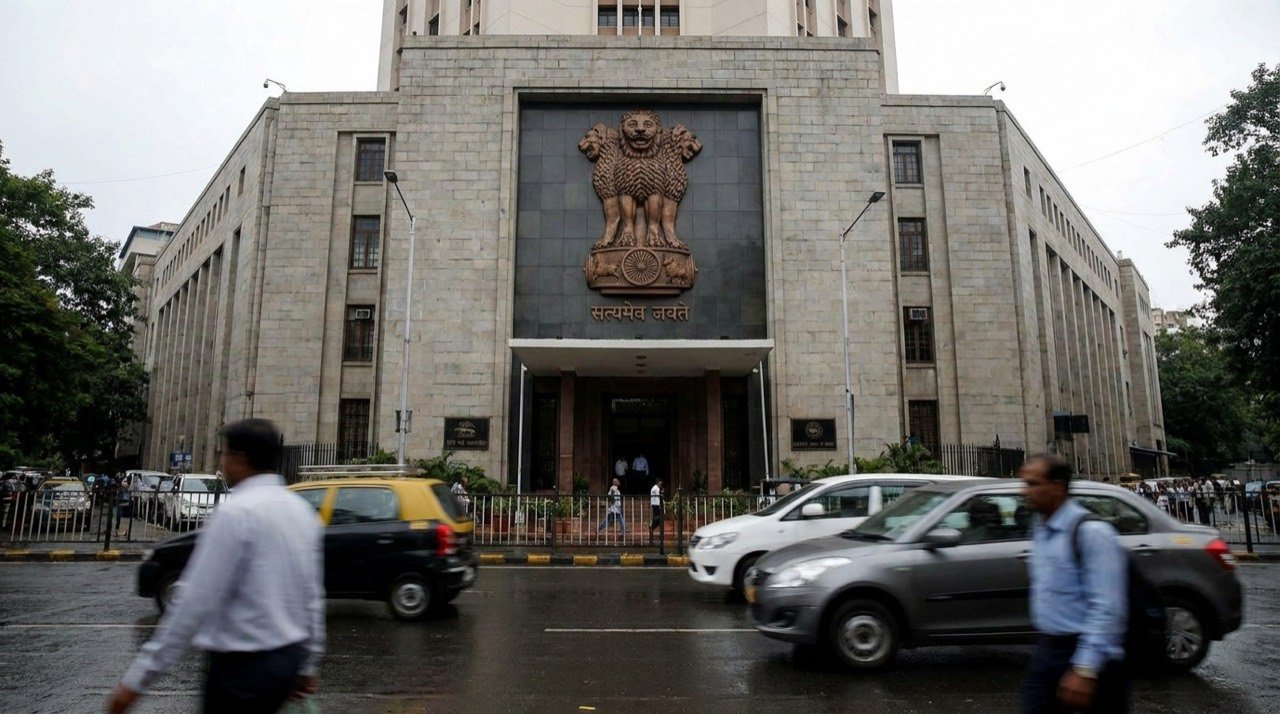
RBI Calls Rate-Hike Talk Premature, Rolls Out Liquidity Support As Rupee Steadies
The Reserve Bank moved to calm nerves in late June 2026, signalling that interest-rate hikes were premature and unveiling liquidity measures even as the rupee drew comfort from a softer crude outlook.
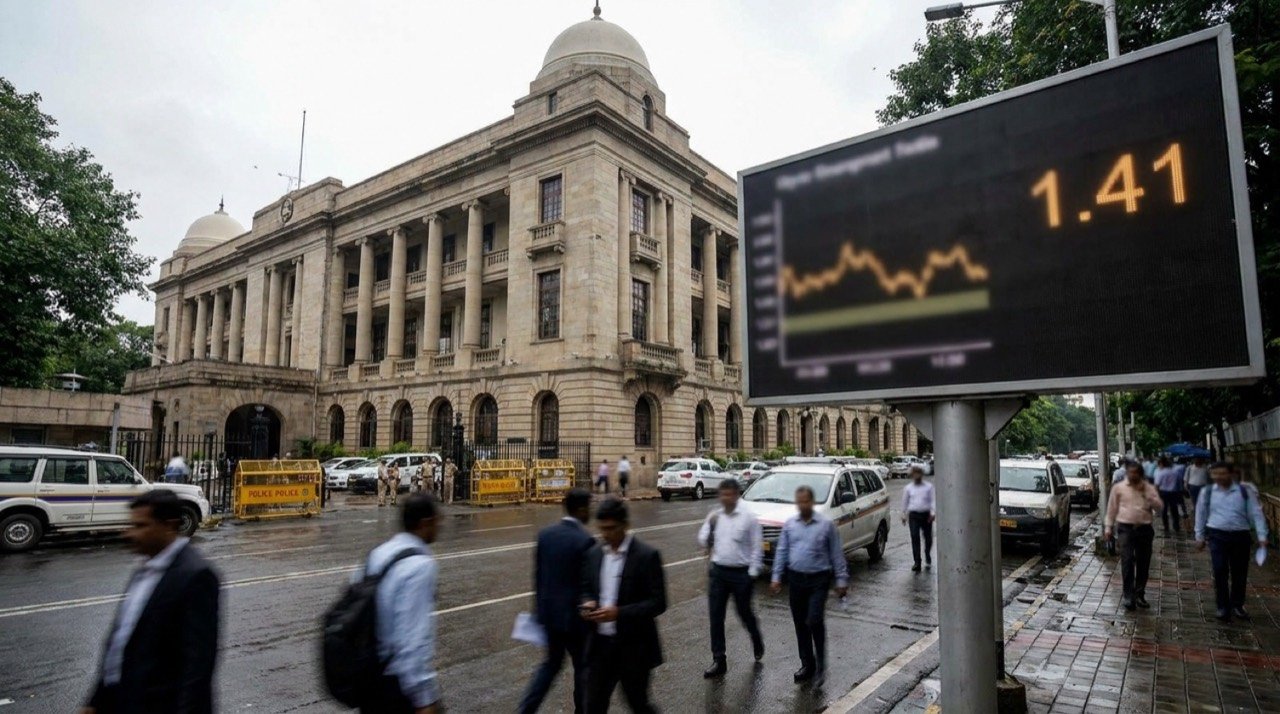
Banking Liquidity Slips Into Deficit as Tax Outflows Drain System Funds
India's banking system liquidity turned negative for the first time in three months after advance-tax payments and rising cash demand, prompting the RBI to inject Rs 1.41 trillion through a variable-rate repo auction.

RBI Urges Banks to Treat MSMEs as Partners, Not a Compliance Burden
RBI Governor Sanjay Malhotra has told banks to view micro, small and medium enterprises as long-term business partners, linking their health to jobs, exports, GDP and credit growth.
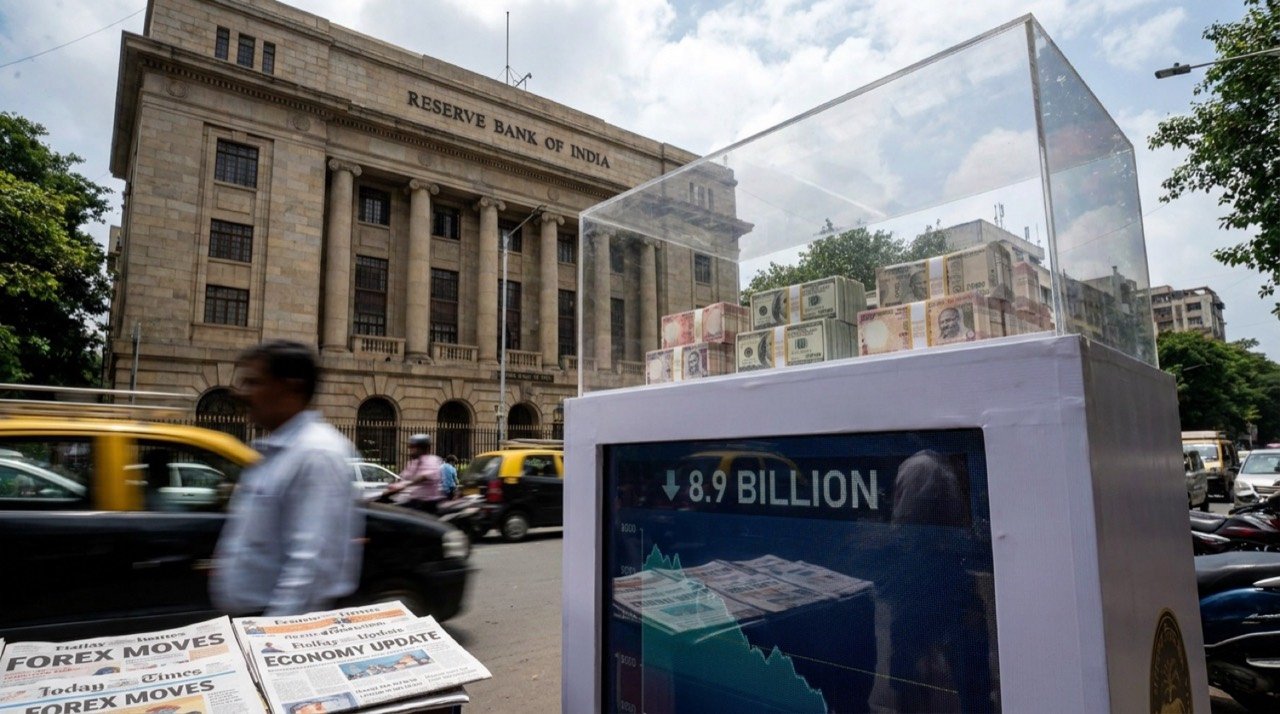
RBI Sold $8.9 Billion in April as Rupee Pressure Persisted
India's central bank sold a net $8.9 billion in the spot foreign-exchange market in April, RBI data showed, underlining how it manages currency volatility while balancing reserves and liquidity.
More from this section
More
Adani Case: US DOJ Pushes for Permanent Dismissal of Charges
The US Department of Justice has urged a judge to permanently dismiss charges against Gautam Adani, calling the case legally flawed — a reversal with consequences for markets, diplomacy and cross-border enforcement.

Akasa Air Inducts 40th Aircraft in Indian Aviation Scale-Up
Akasa Air's 40th aircraft, ferried to Bengaluru via Seattle, Reykjavik and Cairo, marks a fleet milestone for the young carrier and a fresh signal that India's aviation market remains firmly in expansion mode.

BARC Ratings Suspension Leaves Indian TV Industry Flying Blind
BARC's pause on television ratings has put India's broadcast measurement system under fresh scrutiny, leaving broadcasters, advertisers and media planners without the weekly audience data that anchors the TV economy.