India's Retail Inflation Edges Up to 3.93% in May on Costlier Food
Headline CPI rose from April's 3.48% as food inflation climbed to 4.78%, with tomato and personal-care prices among the biggest pressure points.
Commentary & Analysis ·
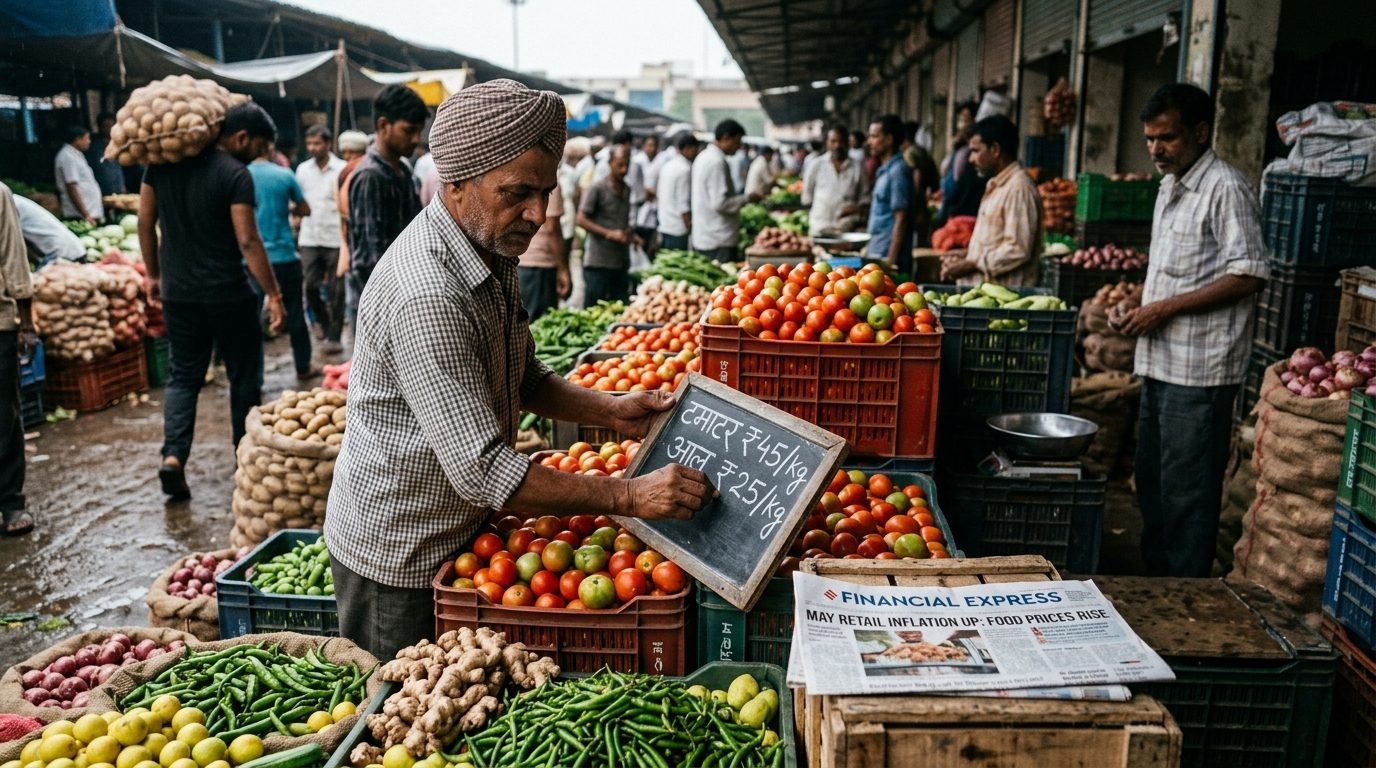
India's retail inflation, measured by the Consumer Price Index, rose to 3.93 percent in May 2026 from 3.48 percent in April, official data showed, with food prices the main driver of the uptick. The acceleration broke a recent run of softening readings and served as a reminder that price pressures, while contained, have not disappeared from the household budget.
The CPI is the headline gauge that policymakers, businesses and savers all watch closely, because it captures the cost of the everyday basket of goods and services Indians buy. A move of nearly half a percentage point in a single month, driven largely by the kitchen, is enough to shift the tone of the conversation around interest rates and the cost of living, even when the absolute level of inflation remains comfortable.
Food does the heavy lifting
Food inflation climbed to 4.78 percent from 4.20 percent a month earlier, accounting for the bulk of the rise in the headline number. Because food makes up a large share of the consumption basket, swings in vegetable and staple prices tend to dominate the monthly story, often masking more stable trends elsewhere in the economy.
Rural inflation, at 4.25 percent, outpaced the urban reading of 3.53 percent, reflecting the heavier weight of food in rural household budgets. That gap matters socially as much as statistically: families on tighter incomes spend a larger proportion of what they earn on essentials, so a food-led rise in prices is felt most acutely by those least able to absorb it.
What got more expensive
Tomatoes were a standout pressure point, with prices rising 48.43 percent year-on-year, a familiar pattern given how sharply perishable vegetable prices can swing on weather and supply disruptions. Personal care and miscellaneous items rose 18.46 percent, while silver jewellery surged on the back of soaring precious-metal prices.
- Tomatoes: up 48.43 percent year-on-year
- Personal care and miscellaneous items: up 18.46 percent
- Silver jewellery: sharply higher as precious-metal prices climbed
The mix of pressures is notable because it spans both volatile farm produce and items linked to global commodity markets. Vegetable spikes tend to be transient and reverse as fresh supply arrives, but the climb in precious metals and personal-care goods points to broader cost pressures that can prove stickier and harder for policymakers to look through.
Still within the comfort zone
Despite the rise, headline inflation remains within the Reserve Bank of India's tolerance band, giving policymakers some comfort even as they watch food and commodity trends closely. The central bank targets inflation around a defined mid-point with a band on either side, and a reading below 4 percent leaves it room to weigh growth considerations rather than being forced into a defensive response.
That latitude is valuable at a moment when the rate-setting committee is balancing the desire to support economic activity against the need to keep price expectations anchored. A single month's uptick driven by tomatoes is unlikely to alter the policy stance on its own, but a sustained drift higher would narrow the room for manoeuvre.
Why it matters and the outlook
The reading feeds directly into the central bank's rate calculus and into household sentiment, at a time when the rupee's weakness is adding to imported cost pressures. A softer currency raises the local price of imported goods, from energy to electronics, layering an external source of inflation on top of domestic food swings and complicating the task of keeping the headline number tame.
Looking ahead, much will hinge on the trajectory of the monsoon and on global commodity prices, both of which can quickly tilt the food and fuel components in either direction. For now the picture is one of contained but watchful inflation: comfortable enough to avoid alarm, but rising enough to keep the central bank and households alike paying close attention to the months ahead.
The NE Times View
An uptick to 3.93% is still comfortably inside the RBI's band, which explains the central bank's patience. But the detail matters more than the headline: food inflation near 4.78% is what households actually feel, and tomato spikes hit kitchen budgets long before they move the index. The number gives policymakers room; the price of vegetables gives families none.
This article is original commentary and analysis by The NE Times. Background facts were referenced from Business Standard, Republic World.
You may also like to read
Retail inflation climbs to 3.93% in May as food prices firm up
Consumer price inflation rose from 3.48% in April, driven largely by a pick-up in food costs, even as the headline figure stayed within the Reserve Bank's comfort band.
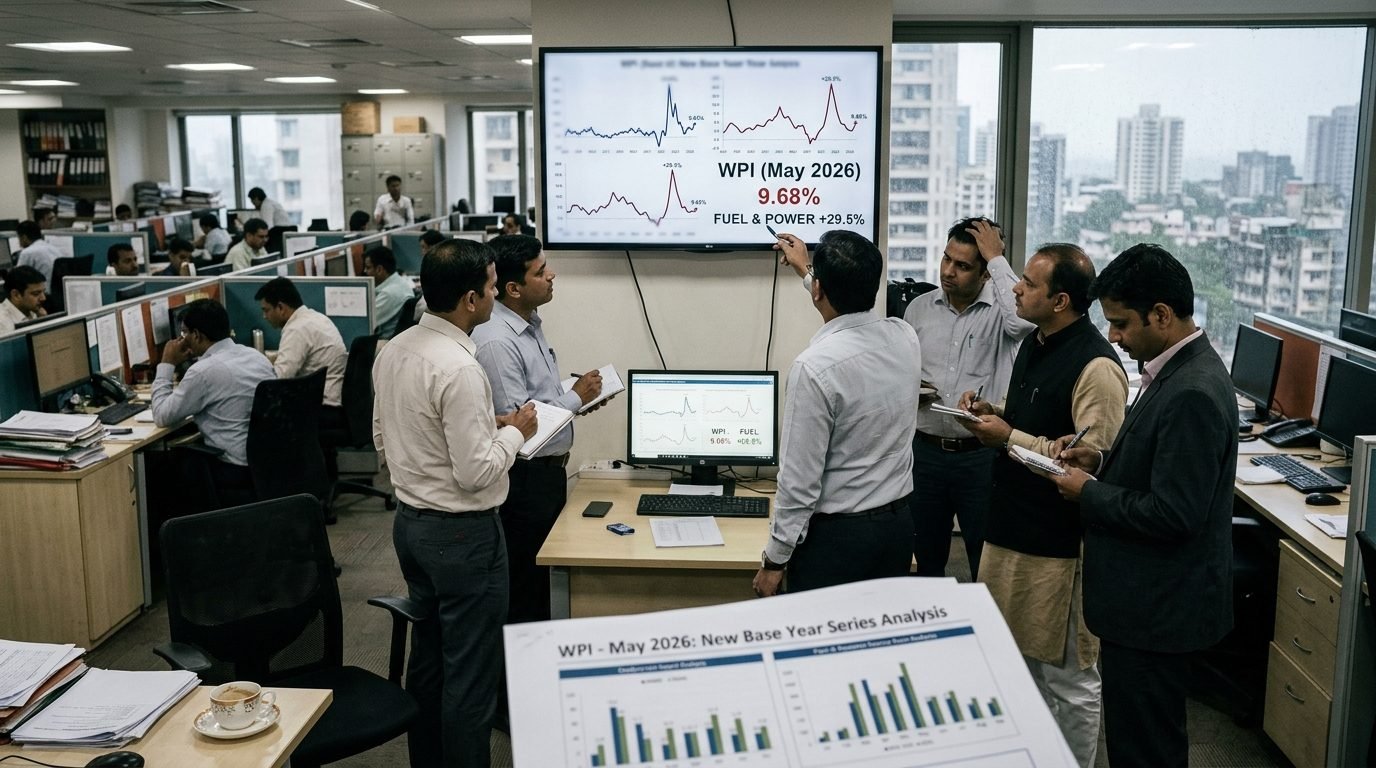
India's Wholesale Inflation Jumps To 9.68% In May As New 2022-23 Base Year Debuts
Wholesale price inflation surged to 9.68% in May 2026 from 8.26% in April, driven by a near-30% spike in fuel and power, even as the government unveiled a revamped 2022-23 base-year series.
India Retail Inflation Rises to 4.38% in June 2026 as Food Prices Push CPI Above RBI’s Target
The first breach of the central bank’s 4% midpoint in 17 months puts household budgets, monsoon conditions and the interest-rate outlook back in focus.
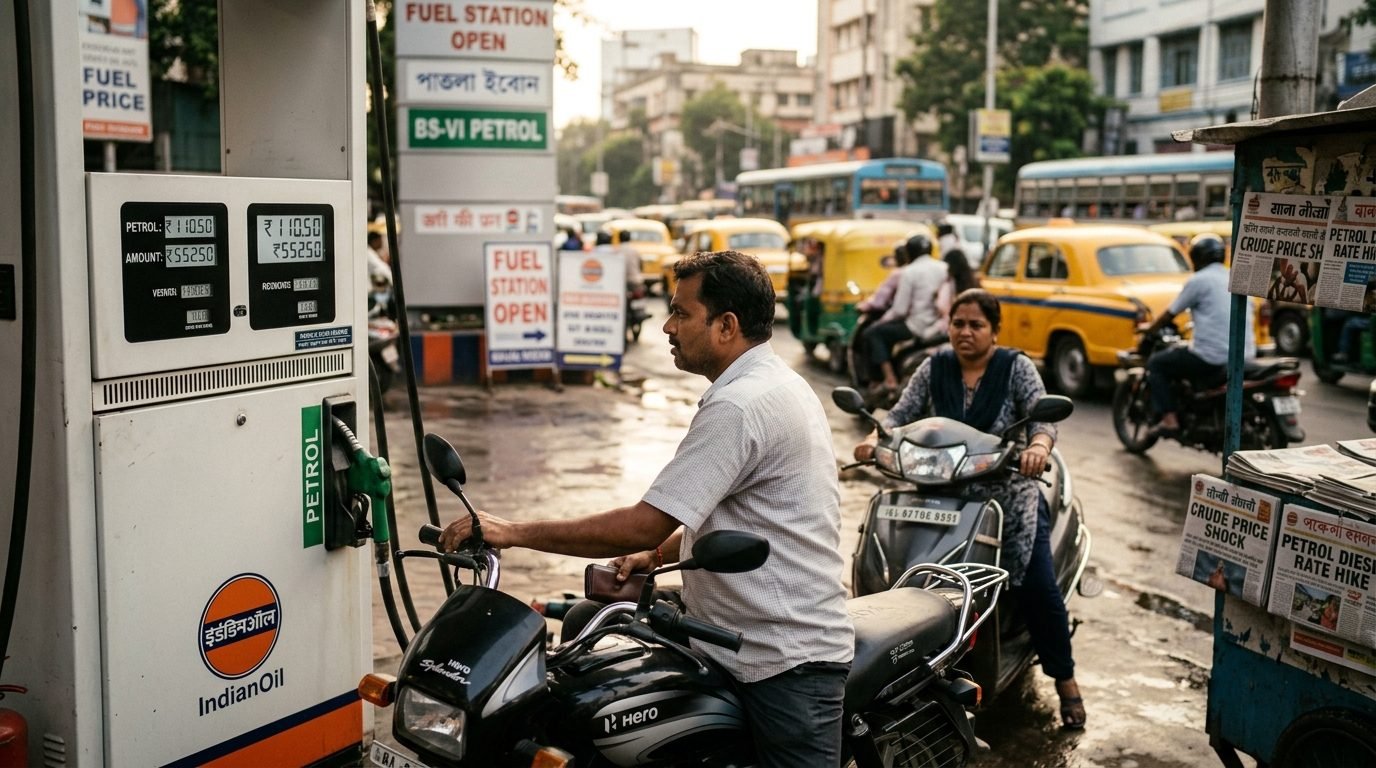
Oil Shock Tests India: Fuel Hikes, Wider Deficit Risk Loom Over Recovery
A West Asia-driven crude spike forced India's first petrol and diesel price hikes in four years and revived fears of a wider current account deficit, even as hopes of a US-Iran deal offered a lifeline.
More from this section
More
Adani Case: US DOJ Pushes for Permanent Dismissal of Charges
The US Department of Justice has urged a judge to permanently dismiss charges against Gautam Adani, calling the case legally flawed — a reversal with consequences for markets, diplomacy and cross-border enforcement.

Akasa Air Inducts 40th Aircraft in Indian Aviation Scale-Up
Akasa Air's 40th aircraft, ferried to Bengaluru via Seattle, Reykjavik and Cairo, marks a fleet milestone for the young carrier and a fresh signal that India's aviation market remains firmly in expansion mode.
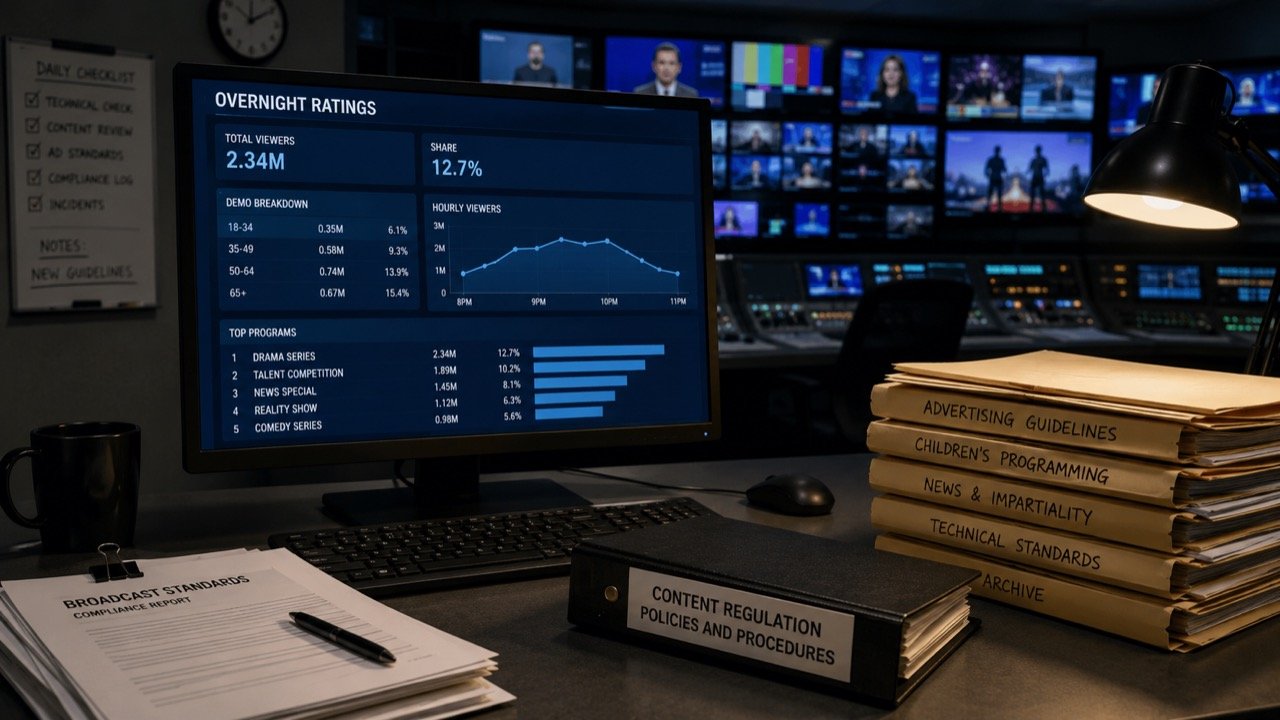
BARC Ratings Suspension Leaves Indian TV Industry Flying Blind
BARC's pause on television ratings has put India's broadcast measurement system under fresh scrutiny, leaving broadcasters, advertisers and media planners without the weekly audience data that anchors the TV economy.