Paneer, Eggs and Protein Chips: How India's Protein Obsession Left the Gym Behind
Quick-commerce carts tell the story - protein orders are up 150% in two years, and the craving is no longer just for bodybuilders.
Commentary & Analysis ·
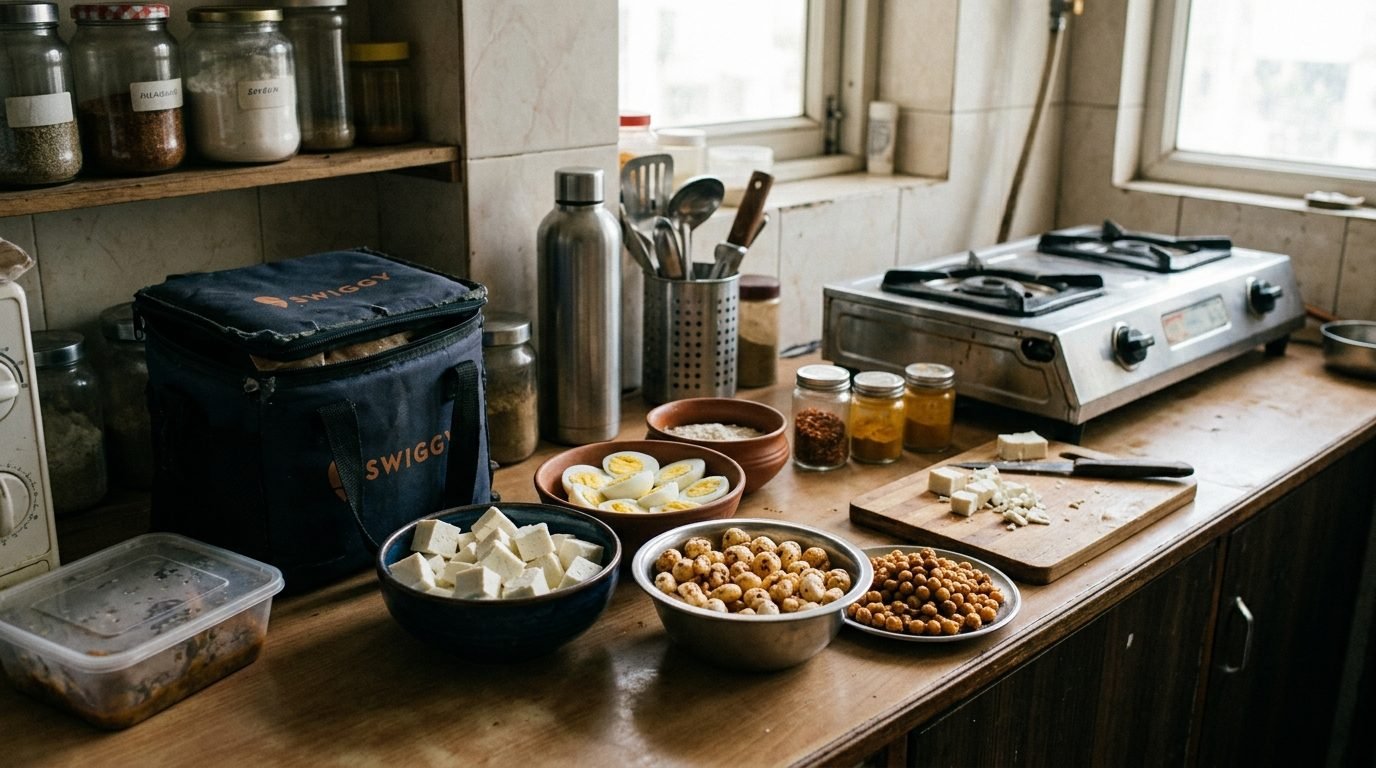
Open any food-delivery app in an Indian metro this month and the recommendations give the game away: eggs, paneer, Greek yoghurt and peanut butter are crowding out the indulgent late-night orders that once defined quick commerce. Protein has gone mainstream, and it is no longer the preserve of gym-goers counting macros.
What was once a niche concern of bodybuilders and fitness enthusiasts has spilled into everyday shopping baskets, reshaping how ordinary households think about a meal. The shift reflects a broader change in Indian consumer attitudes, where health is increasingly framed not as deprivation or dieting but as adding the right things - and protein has become the headline nutrient of that mindset.
The numbers behind the craze
The numbers are striking. Orders for protein-rich products on quick-commerce platforms have surged roughly 150% over the past two years, with overall spending on the category tripling. Protein chips alone have posted close to 300% year-on-year growth, making them one of the fastest-moving snack categories in the country.
Quick commerce, with its rapid-delivery model and granular ordering data, offers an unusually clear window into changing tastes. The categories surging fastest tell their own story:
- Protein-rich orders up roughly 150% over two years
- Overall spending on the category tripling
- Protein chips growing close to 300% year-on-year
- Everyday staples like eggs, paneer and Greek yoghurt moving into top recommendations
From whey tubs to makhana
What makes the Indian version of this trend distinctive is how it has folded into the existing pantry rather than replacing it. Makhana, the humble fox nut, has become one of the most-searched healthy snacks of 2026, while paneer and dal are being reframed as everyday protein rather than just comfort food.
This is the crucial difference from Western protein fads built around whey tubs and bars. Indian consumers are reaching for ingredients already deeply embedded in the local diet - dals, dairy and traditional snacks - and simply re-reading them through a protein lens. That continuity makes the trend feel less like an imported regime and more like a rediscovery of the kitchen's existing strengths, which in turn makes it easier to sustain.
Brands chase the wave
Big players have noticed. Amul, Mother Dairy and Haldiram's have all moved into protein-forward products, joining a wave of homegrown D2C brands. With the broader clean-eating market growing at around 20% a year, the protein wave looks less like a fad and more like a lasting shift in how India snacks.
When established giants and nimble direct-to-consumer startups crowd into the same space, it usually signals that demand has moved past early-adopter status. The breadth of participation - from legacy dairy cooperatives to snack majors to internet-first brands - suggests the category has the commercial depth to endure rather than fade with the next trend.
The open question is how far the wave runs and whether the enthusiasm outpaces genuine nutritional need, as marketing slaps a protein label on ever more products. For now, with steady double-digit growth in clean eating and protein woven into familiar Indian staples, the trend looks set to outlast the hype cycle that launched it.
The NE Times View
A 150% jump in protein orders marks a real shift from indulgence to functional eating among urban Indians, and it is heartening that the trend leans on paneer, eggs and makhana rather than imported powders. The caution is marketing outrunning nutrition, with ordinary snacks rebranded as protein at a premium. Genuine dietary awareness is welcome; paying more for a label is not. Read the macros, not the packaging.
This article is original commentary and analysis by The NE Times. Background facts were referenced from Business Today, FoodSure.
You may also like to read
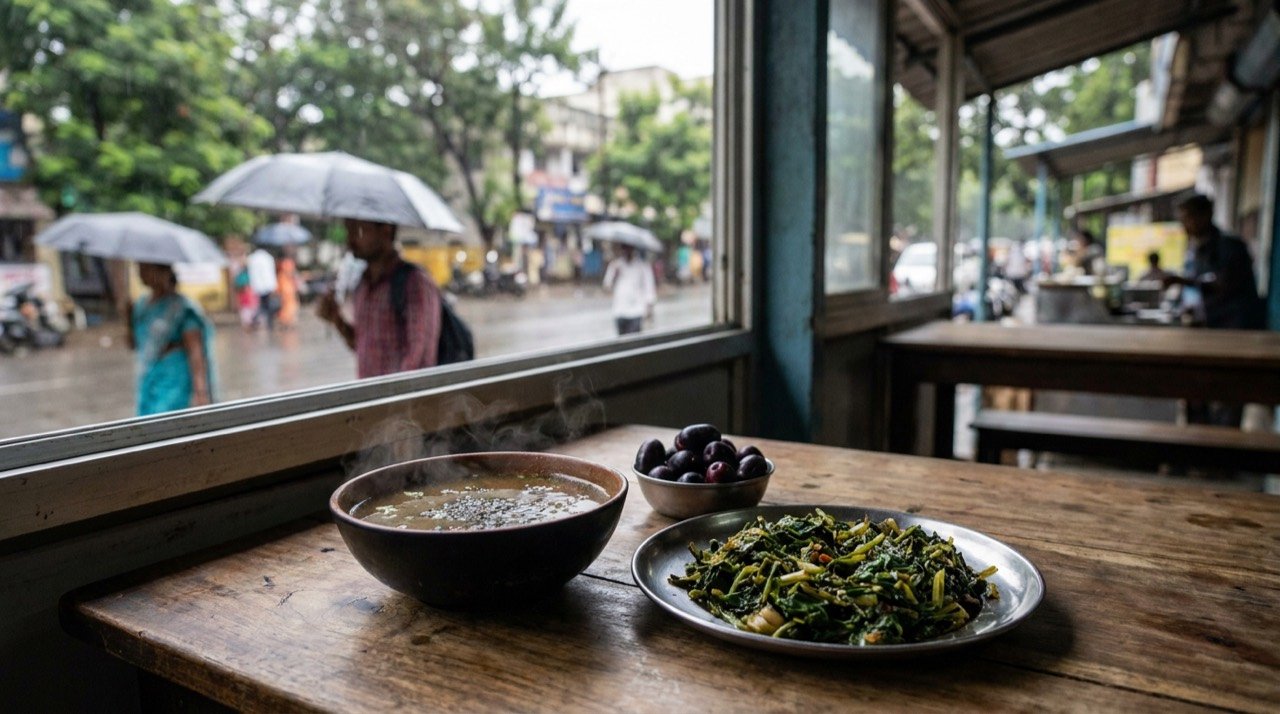
India's Monsoon Plate Returns to Its Roots as Seasonal Eating Goes Mainstream in 2026
From Kerala's ten-leaf stir-fries to jamun, rasam and warming spices, India's monsoon kitchens are blending ancestral ritucharya wisdom with the 2026 obsession with gut health and immunity.
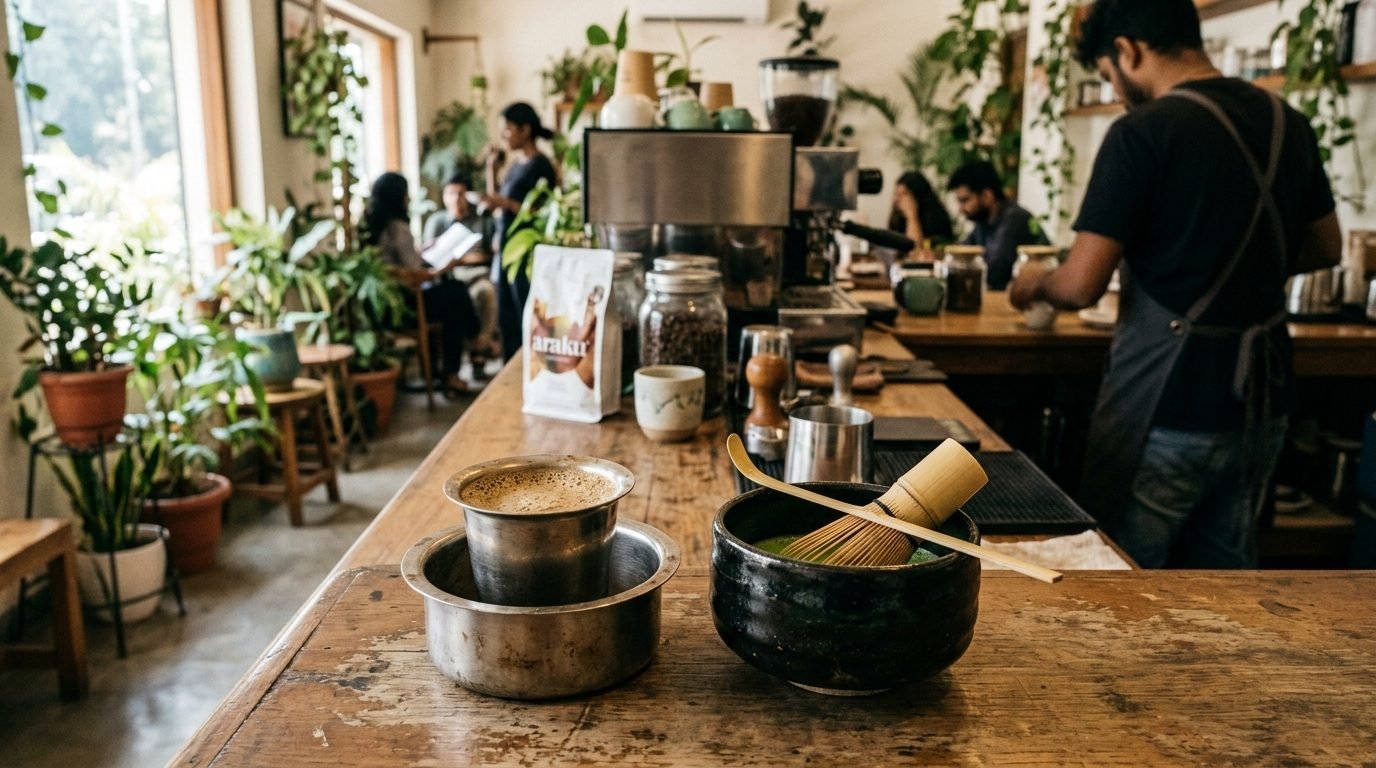
Filter Kaapi Meets Matcha: How Bengaluru's Cafes Outgrew the Third Wave in 2026
India's coffee capital is moving past flat-white minimalism into something more layered, from hyper-local filter-kaapi joints honouring South Indian roots to matcha-led tea rooms and single-origin obsessives.

Beyond Alphonso: Why India's 2026 Mango Summer Is About the Lesser-Known Varieties
As the King of Fruits reaches its annual peak, a growing band of Indian eaters are looking past the headline Hapus towards Kesar, Raspuri, Langra and a roster of vanishing heirlooms.

Goodbye Six-Pack, Hello Mobility: India's Fitness Culture Grows Up in 2026
Pilates studios and functional-movement classes are outpacing traditional gyms as young Indians chase feeling good over looking good.
More from this section
More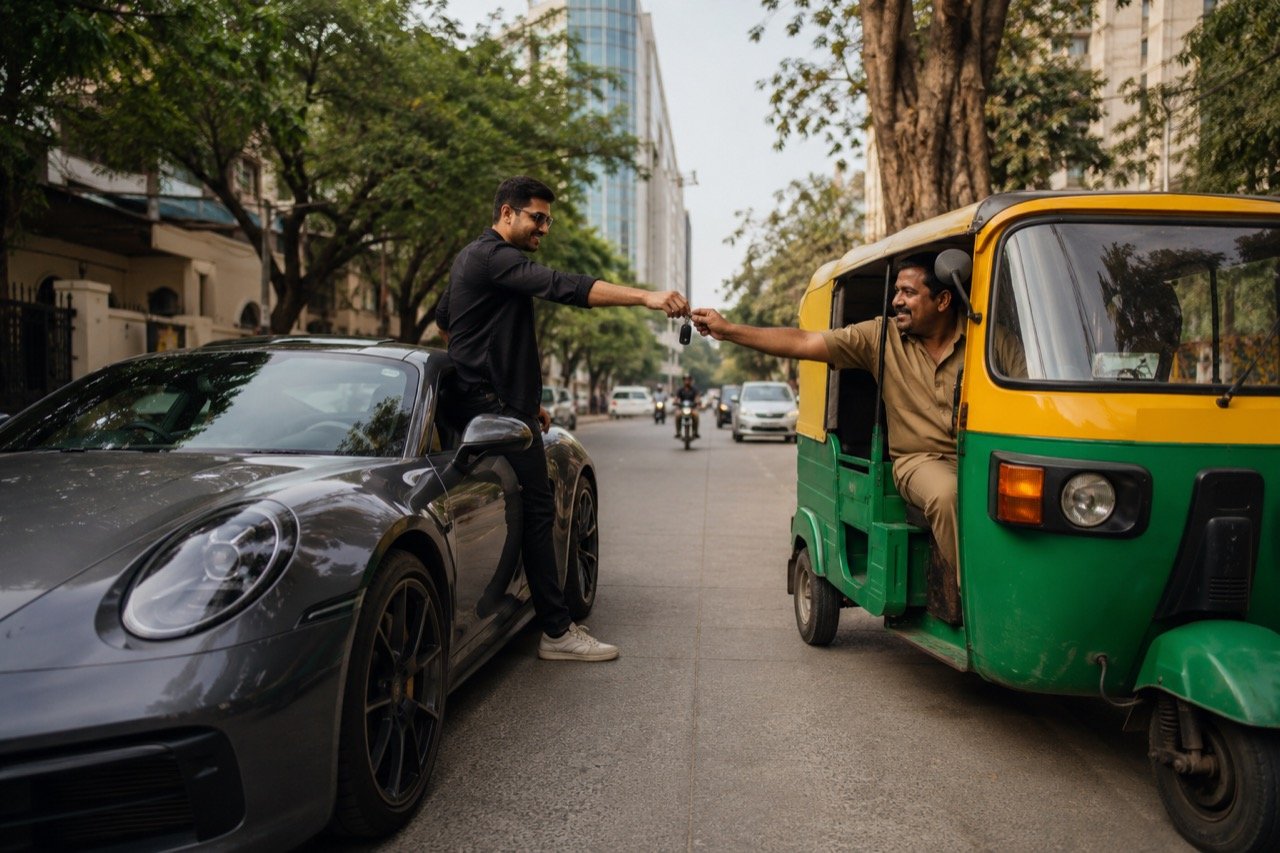
Bengaluru Lamborghini-Auto Swap: Entrepreneur's Gesture Goes Viral
A Bengaluru entrepreneur's spontaneous decision to trade seats with an auto-rickshaw driver, putting the cabbie behind a Lamborghini's wheel, has charmed social media and become the city's feel-good story of the week.
India's Monsoon Plate Returns to Its Roots as Seasonal Eating Goes Mainstream in 2026
From Kerala's ten-leaf stir-fries to jamun, rasam and warming spices, India's monsoon kitchens are blending ancestral ritucharya wisdom with the 2026 obsession with gut health and immunity.
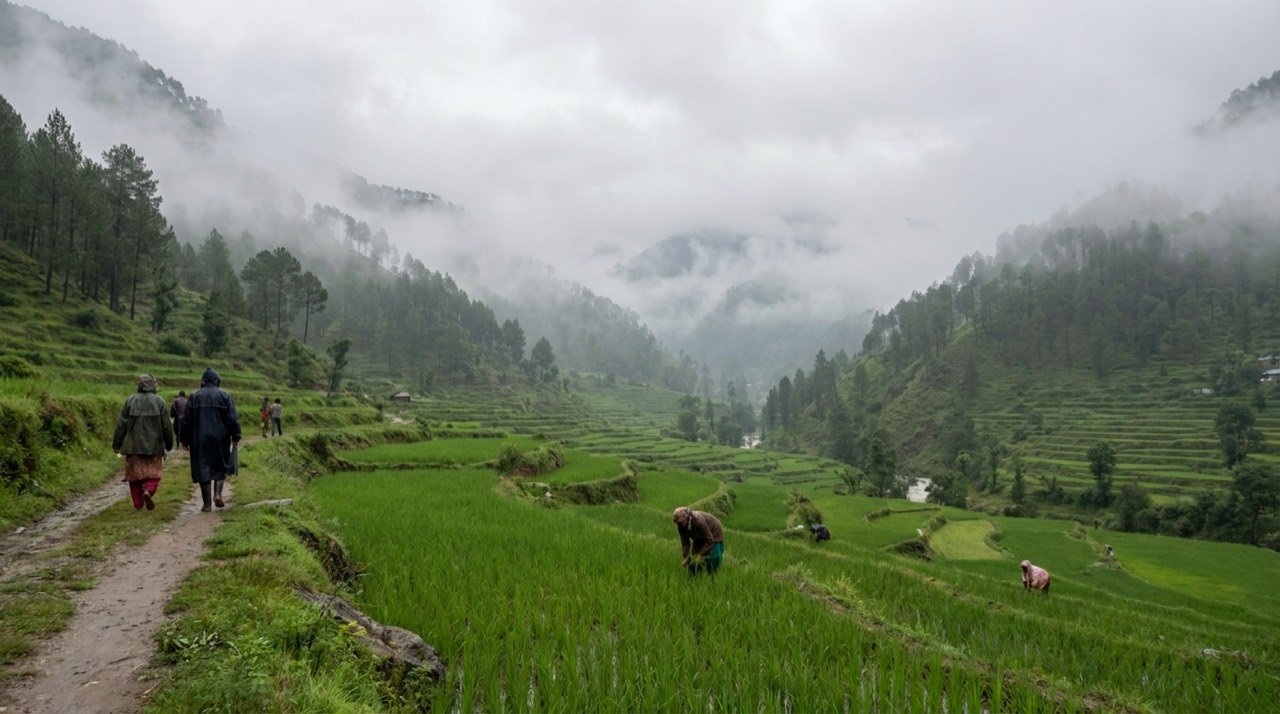
Misty Valleys and Cheaper Fares: India's Offbeat Monsoon Travel Boom in 2026
With domestic fares falling sharply and travellers seeking solitude, offbeat Himalayan hamlets, the rain-soaked Northeast and Ladakh's rain-shadow deserts are redrawing India's monsoon travel map in 2026.