Beyond Alphonso: Why India's 2026 Mango Summer Is About the Lesser-Known Varieties
As the King of Fruits reaches its annual peak, a growing band of Indian eaters are looking past the headline Hapus towards Kesar, Raspuri, Langra and a roster of vanishing heirlooms.
Commentary & Analysis ·

For most of the year the Indian mango exists as a single, blunt idea: a golden, syrupy thing best eaten over a kitchen sink. But for the few weeks that straddle May and June, the fruit fragments into a bewildering plurality. This summer, as crates pile up in markets from Crawford to Russell, the most interesting conversation among Indian eaters is not about whether to buy mangoes, but about which of the hundreds of varieties to chase before the season slips away.
India grows more than 1,500 varieties of mango, of which over a thousand are cultivated commercially, spread across Maharashtra, Uttar Pradesh, Andhra Pradesh, Gujarat and Karnataka. The 2026 crop has arrived as a mix of legendary classics, quietly vanishing heritage fruits and a clutch of new hybrids finally reaching local markets. For a generation raised on the idea that mango means Alphonso, that range is starting to feel less like trivia and more like a bucket list.
The royal court: Alphonso and Kesar
The Alphonso, or Hapus, still wears the crown. Grown chiefly in the Konkan belt of Maharashtra, and most prized when it comes from Ratnagiri and Devgad, it is defined by a saffron-hued, fibreless flesh and a perfume that fills a room long before the fruit is cut. Its season peaks early, from roughly mid-April to mid-May, which is part of its mystique: by the time most of the country is paying attention, the best Alphonsos are already gone.
Trailing close behind is the Kesar, nicknamed the Queen of Mangoes, grown around Gujarat's Junagadh and the Gir region, where it carries a Geographical Indication tag. Named for the saffron colour of its pulp, the Kesar is juicier and lower in fibre than the Alphonso, ripening from May into July, which makes it the variety many home cooks reach for when turning out vats of aamras.
The regional connoisseur's picks
It is below the royals that this summer's exploration is really happening. Each mango-growing state offers a distinct flavour, and the pleasure increasingly lies in matching the fruit to the mood rather than defaulting to a single name.
- Raspuri, the so-called Queen of Mysuru: an oval, fibreless Karnataka mango that comes into its own in May and June and is especially good folded into yoghurt or set into jams.
- Langra of Uttar Pradesh: prized for a distinctive tang that cuts through the sweetness, the choice for those who find pure sugar boring.
- Chausa: lusciously sweet and best eaten late in the season, often by squeezing the softened pulp straight from the skin.
- Dasheri, the beloved long, slender mango of UP that for many northern households simply is the taste of childhood summers.
- Heirloom and hybrid lots that are slowly resurfacing at organic markets and through direct-from-farmer sales.
Where the smart buyers are shopping
The other shift this season is in how mangoes are bought. The best fruit, growers and enthusiasts agree, is rarely found stacked in a supermarket. It turns up at local organic markets or comes directly from farmers, increasingly via the kind of pre-order WhatsApp groups and farm-to-door services that have multiplied since the pandemic. That route does more than guarantee ripeness; it lets buyers ask about provenance, a variety's specific orchard, and whether the fruit has been ripened naturally rather than force-ripened with chemicals.
It also reflects a broader appetite, visible across Indian dining in 2026, for ingredient origin and regional specificity. The same diners asking restaurants where their produce comes from are, at home, learning the difference between a Devgad Alphonso and a Ratnagiri one, and treating a box of Gir Kesar as something to be savoured rather than simply consumed.
A season to taste deliberately
There is a faint melancholy to the mango calendar, because each variety arrives and departs on its own short schedule. The Alphonso fades just as the Kesar hits its stride; the Chausa keeps the season alive into the rains. To eat through them all is to mark the passage of summer itself, region by region, sweetness by tang.
For 2026, the advice from those who take their mangoes seriously is simple: do not spend the whole season loyal to one name. Buy a couple of kilos of something unfamiliar from a state you have never associated with the fruit, eat it at room temperature, and let the country's extraordinary mango map reveal itself one variety at a time before the monsoon closes the orchard gates.
The NE Times View
The Alphonso has long enjoyed a marketing monopoly that flattens India's astonishing mango diversity into a single premium brand. A turn toward Kesar, Raspuri and vanishing heirlooms is more than foodie fashion; it is a quiet vote for biodiversity and for the small growers who keep these varieties alive. If demand follows the curiosity, the lesser-known mango could be saved by the very palates that once ignored it.
This article is original commentary and analysis by The NE Times. Background facts were referenced from Times of India Lifestyle and Hindustan Times.
You may also like to read
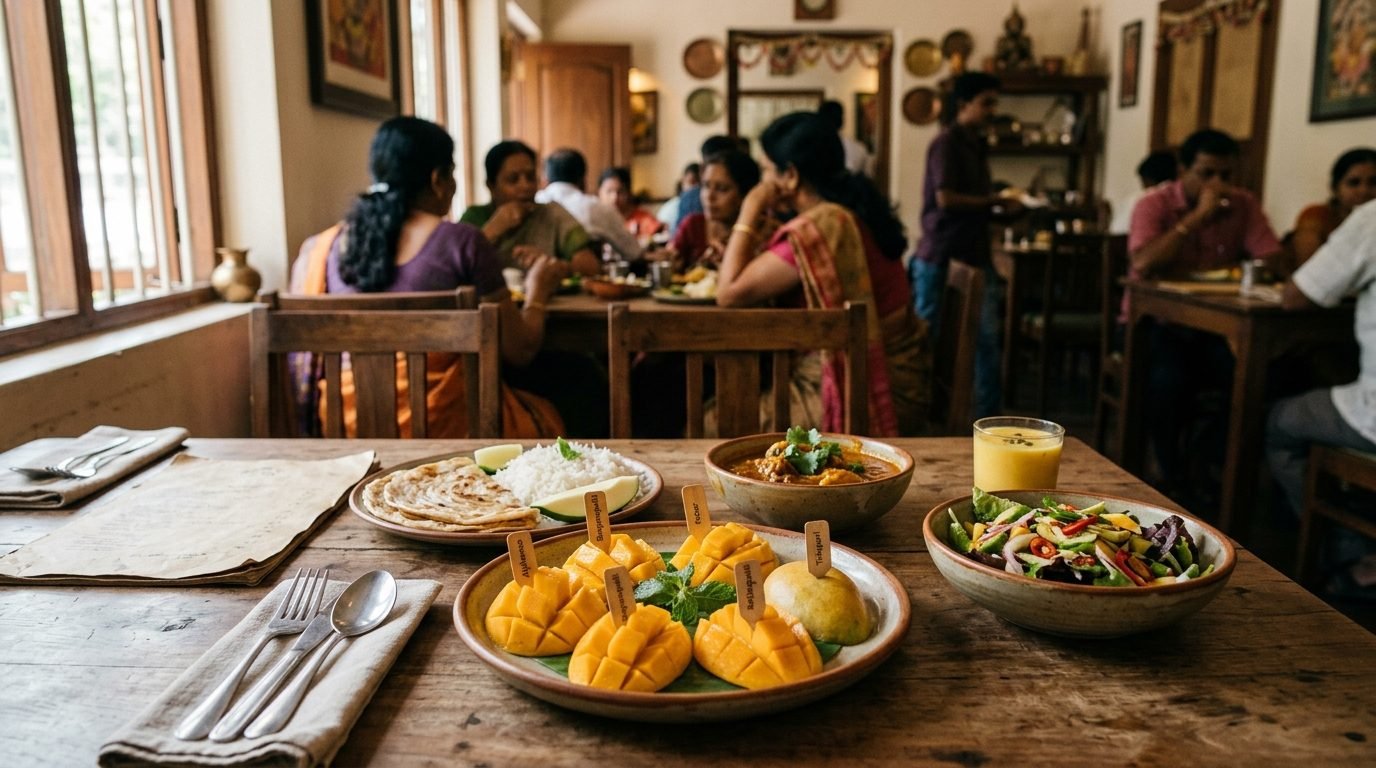
Beyond the Pulp: How the Mango Took Over India's Summer 2026 Menus
From tasting flights of regional varieties to mango in unexpected savoury dishes, restaurants across India are building entire summer menus around the season's most beloved fruit.
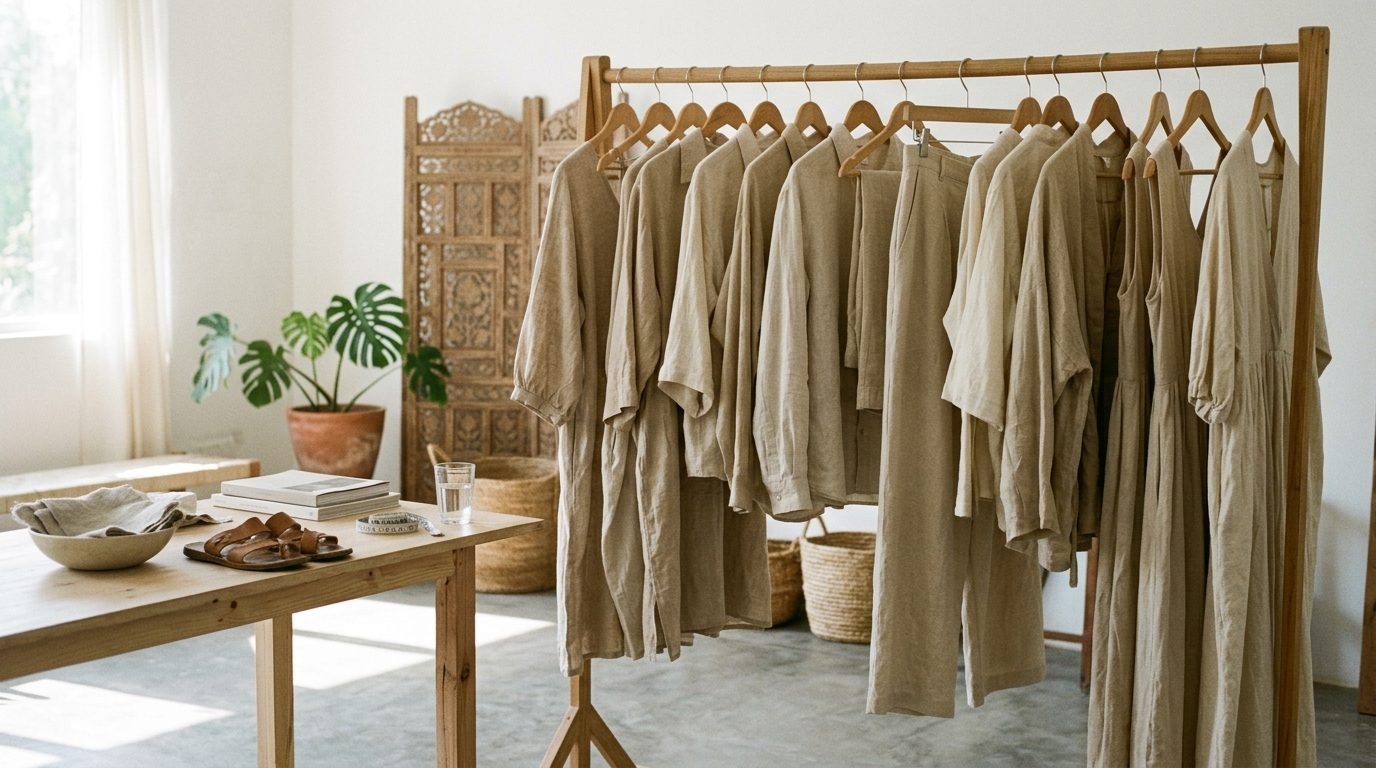
One Colour, No Fuss: The Monochrome and Oversized Look Defining Indian Summer 2026
Tonal dressing and relaxed, loose silhouettes are pushing fussy layering aside - and making getting dressed feel easy again.
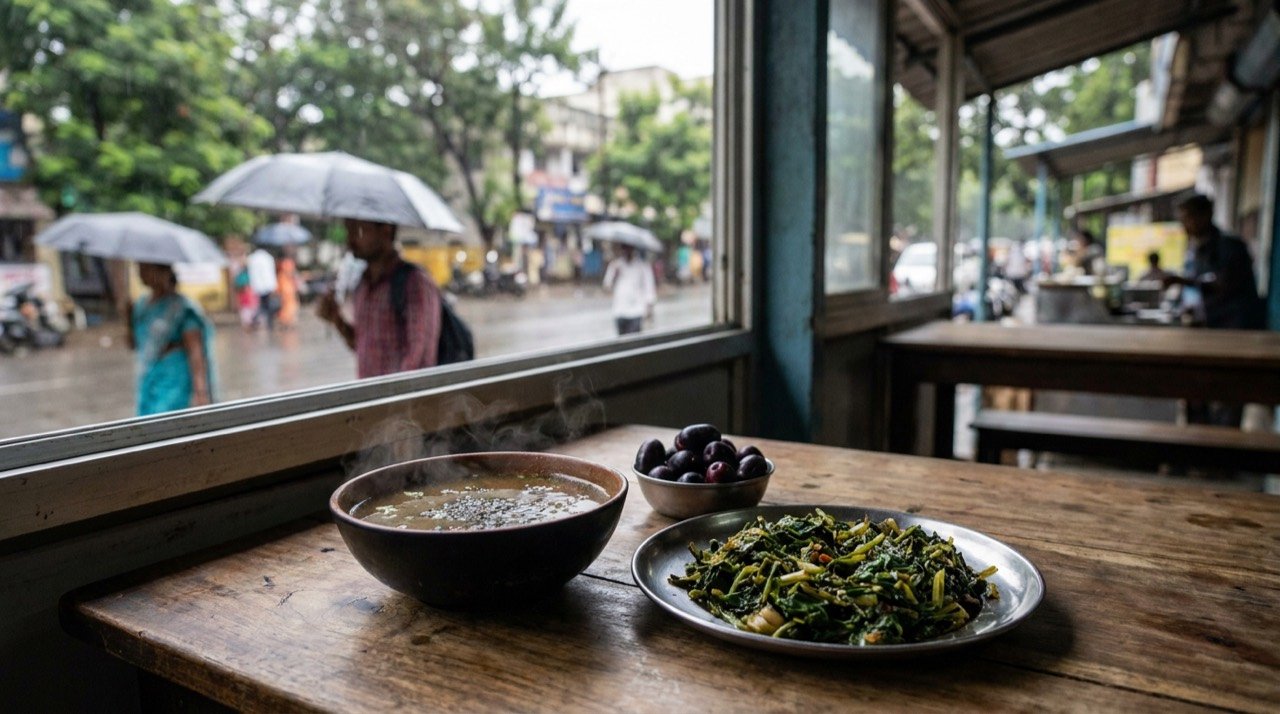
India's Monsoon Plate Returns to Its Roots as Seasonal Eating Goes Mainstream in 2026
From Kerala's ten-leaf stir-fries to jamun, rasam and warming spices, India's monsoon kitchens are blending ancestral ritucharya wisdom with the 2026 obsession with gut health and immunity.
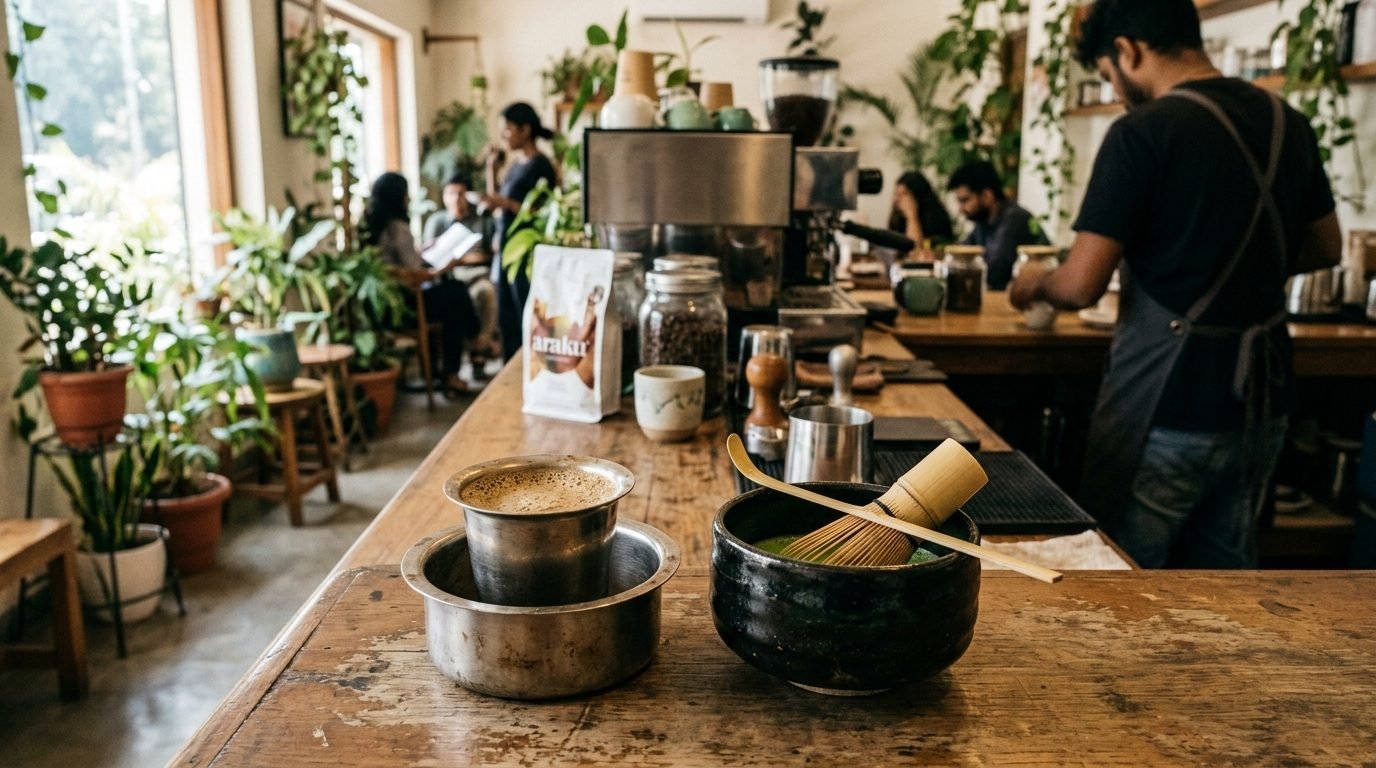
Filter Kaapi Meets Matcha: How Bengaluru's Cafes Outgrew the Third Wave in 2026
India's coffee capital is moving past flat-white minimalism into something more layered, from hyper-local filter-kaapi joints honouring South Indian roots to matcha-led tea rooms and single-origin obsessives.
More from this section
More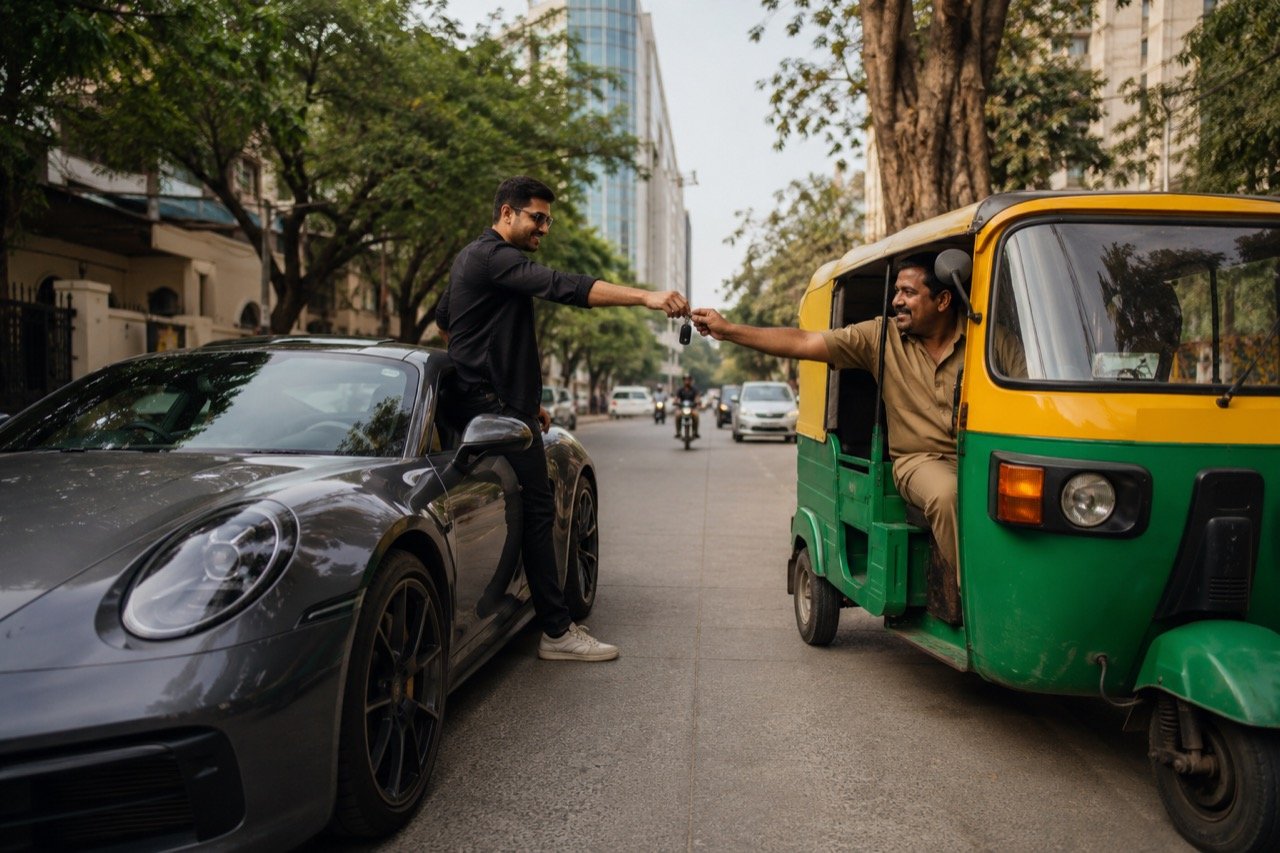
Bengaluru Lamborghini-Auto Swap: Entrepreneur's Gesture Goes Viral
A Bengaluru entrepreneur's spontaneous decision to trade seats with an auto-rickshaw driver, putting the cabbie behind a Lamborghini's wheel, has charmed social media and become the city's feel-good story of the week.
India's Monsoon Plate Returns to Its Roots as Seasonal Eating Goes Mainstream in 2026
From Kerala's ten-leaf stir-fries to jamun, rasam and warming spices, India's monsoon kitchens are blending ancestral ritucharya wisdom with the 2026 obsession with gut health and immunity.
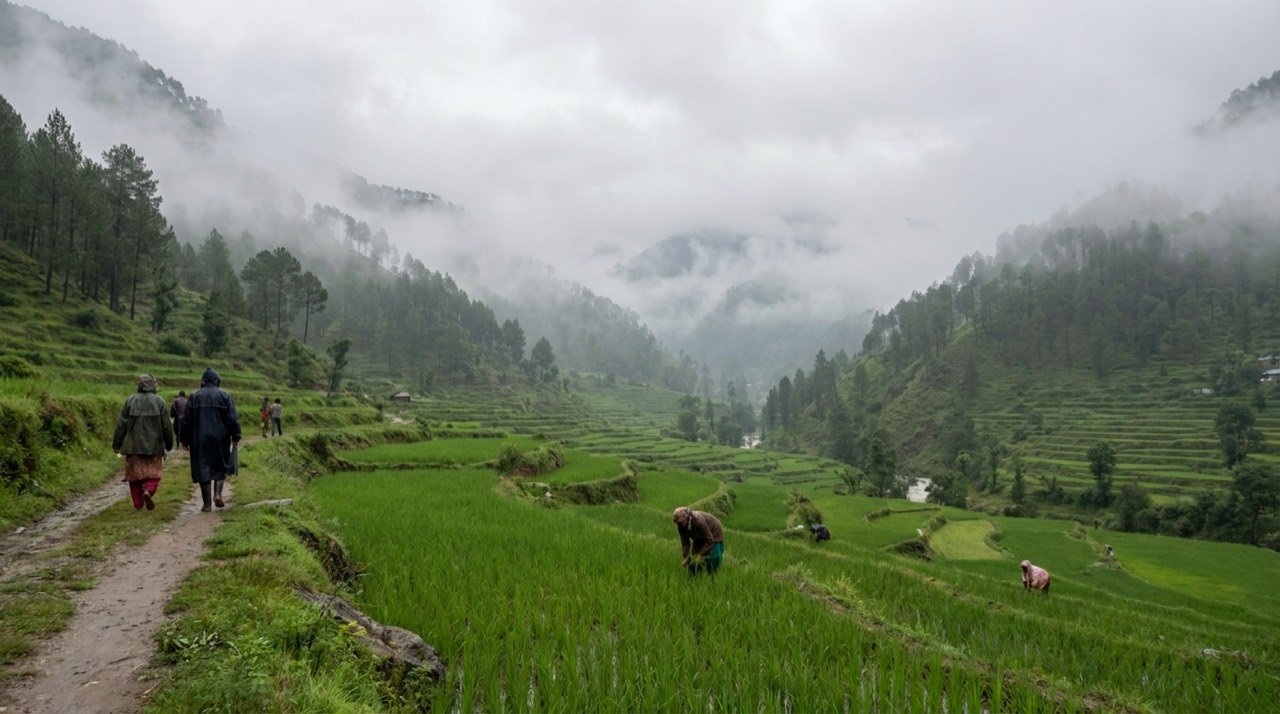
Misty Valleys and Cheaper Fares: India's Offbeat Monsoon Travel Boom in 2026
With domestic fares falling sharply and travellers seeking solitude, offbeat Himalayan hamlets, the rain-soaked Northeast and Ladakh's rain-shadow deserts are redrawing India's monsoon travel map in 2026.