Beyond the Pulp: How the Mango Took Over India's Summer 2026 Menus
From tasting flights of regional varieties to mango in unexpected savoury dishes, restaurants across India are building entire summer menus around the season's most beloved fruit.
Commentary & Analysis ·
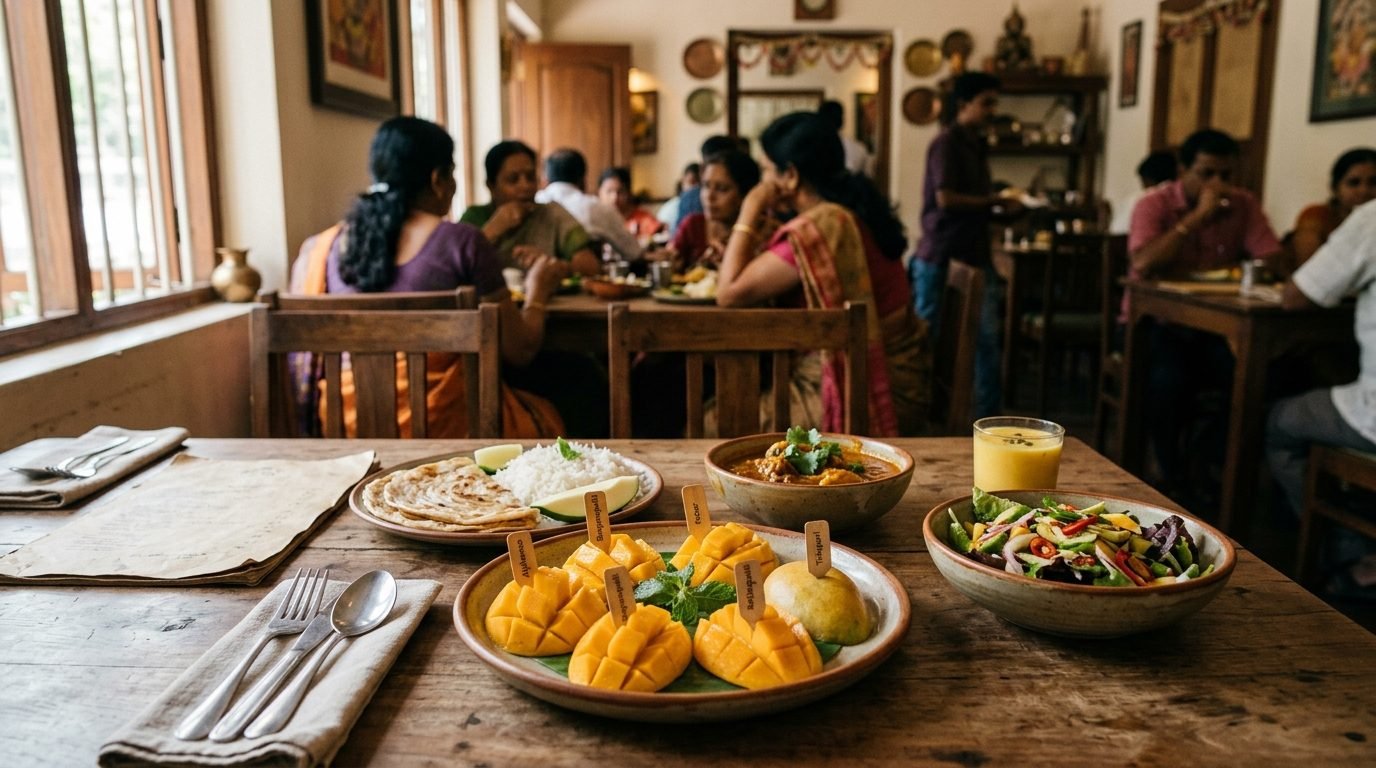
Every Indian summer belongs to the mango, but in 2026 the fruit has graduated from a seasonal indulgence to the centrepiece of restaurant strategy. Across metros and smaller cities alike, kitchens are constructing limited-run menus that treat the mango less as a dessert garnish and more as a versatile ingredient worthy of a tasting flight of its own. The shift is worth pausing on, because it says as much about the direction of Indian dining culture as it does about the fruit itself.
From one fruit to a hundred varieties
The shift reflects a broader move towards seasonal, regional eating that has gained momentum this year. Instead of defaulting to Alphonso, the variety that has long dominated both domestic prestige and export branding, chefs are foregrounding the diversity of Indian mangoes, putting Banganapalli, Kesar, Langra, Himsagar, Totapuri and Dasheri on the same plate so diners can taste the differences in sweetness, acidity and texture. This is a notable departure from the way mangoes have typically been marketed and consumed in urban India, where a handful of well-known names have crowded out the dozens of regional cultivars that farmers across the country have cultivated for generations.
That curatorial approach taps into nostalgia while offering something genuinely new. A mango flight, paired with notes on each variety's home district and ripening window, turns a familiar fruit into an experience that encourages repeat visits before the short season ends. For many diners, this format functions almost like a wine tasting: the pleasure lies not just in eating mango, but in learning to distinguish one region's fruit from another's, and in understanding why a Himsagar from Bengal tastes markedly different from a Totapuri from the south. That kind of education builds a more informed, engaged customer base, one that is likely to seek out named varieties even outside restaurant settings, whether at markets or through direct-from-farm deliveries.
Savoury, smoked and unexpected
The bigger creative leap has been into savoury territory. Raw mango is showing up in slow-cooked curries, smoked and folded into salads, churned into chaats and even rendered into cocktails and shrubs. The idea, restaurateurs say, is to move past the assumption that mango belongs only in aamras, kulfi or milkshakes. This represents a genuine culinary risk for kitchens, since diners often arrive with fixed expectations of how a beloved fruit should be served. Introducing mango into savoury and even alcoholic contexts requires menus that explain the logic behind each dish, so that the unfamiliar reads as considered rather than gimmicky.
Among the formats now appearing on summer menus are mango tasting flights showcasing four to six regional varieties side by side; raw and smoked mango worked into salads, chaats and slow-cooked curries; mango shrubs, kombuchas and low-alcohol cocktails built for the summer bar menu; and limited-run desserts constructed around single estates and specific ripening windows. Taken together, these formats suggest restaurants are not simply adding a mango special to an existing menu, but designing entire seasonal programmes, spanning starters, mains, drinks and desserts, around the fruit's brief window of availability.
Why the season-led model is sticking
Industry watchers link the mango boom to a wider rethink of how Indian restaurants compete. With diners increasingly drawn to freshness, provenance and a sense of occasion, seasonal menus offer exclusivity that is hard to replicate and a built-in reason to return. The mango, abundant for only a few weeks, is the perfect anchor for that strategy. Unlike a permanent menu item, a seasonal mango programme creates genuine scarcity: diners know that if they do not visit within a certain window, the dish will simply disappear until next year. That scarcity does real commercial work, encouraging faster decision-making and repeat visits in a way that an always-available dish cannot.
A Mumbai-based restaurant consultant put the logic plainly: when you give people a reason to come back before the season ends, you are selling time as much as taste, and the mango does that better than anything else on the Indian calendar. That framing is instructive. It suggests restaurateurs are thinking less about the mango as an ingredient and more as a marketing and retention tool, one that happens to come with centuries of cultural affection already built in. Few ingredients carry that combination of universal recognition, genuine seasonal scarcity and regional variety in one package.
What this signals for Indian dining more broadly
As the 2026 season peaks, the lesson for kitchens is clear: lean into what is local and fleeting. The mango has shown that a single seasonal ingredient, treated with imagination, can carry an entire menu and bring diners back through the door. If the model proves durable, it is easy to imagine other seasonal Indian produce, monsoon vegetables, winter citrus, particular regional grains, receiving similar tasting-menu treatment in years ahead. The mango may simply be the proof of concept for a wider seasonal-dining movement in India, one that mirrors trends already well established in European and North American fine dining, where provenance and season-driven menus have long been a mark of culinary seriousness.
There are also commercial incentives at play beyond the diner experience. Limited-run menus generate social media attention, press coverage and a sense of occasion that standard offerings rarely achieve. For restaurants operating in crowded metro markets, a well-publicised mango season can function as an annual marketing moment, drawing in both loyal regulars and curious first-time visitors keen to try a tasting flight they have seen discussed online.
The NE Times View
Turning the mango into a seasonal tasting concept is clever menu-craft, elevating a familiar fruit into a premium dining experience while showcasing India's regional varietal diversity. The NE Times View is that this is the welcome face of seasonal, local-first cooking, though the trend earns its keep only if it reaches the farmers who grow these heirloom varieties rather than staying confined to high-end urban menus. A tasting flight that celebrates Banganapalli, Kesar, Langra, Himsagar, Totapuri and Dasheri is only as meaningful as the economic benefit it returns to the growers who have preserved these varieties, often in the face of pressure to consolidate around a smaller number of commercially dominant cultivars. If restaurants source responsibly and communicate that provenance honestly to diners, this trend has the potential to support smallholder farmers and regional agricultural diversity. If it remains a purely aesthetic device for urban menus, however, its benefits will be far more limited, accruing mainly to restaurateurs rather than to the communities that grow the fruit.
Key takeaways
- Restaurants in 2026 are building entire seasonal menus, spanning starters, mains, drinks and desserts, around the mango rather than treating it as a single dessert item.
- The trend favours regional varietal diversity, Banganapalli, Kesar, Langra, Himsagar, Totapuri and Dasheri, over reliance on Alphonso alone.
- Savoury and beverage applications, including curries, salads, chaats, shrubs and cocktails, mark a significant expansion beyond traditional mango desserts like aamras, kulfi and milkshakes.
- Seasonal scarcity is being used deliberately as a retention and marketing strategy, encouraging diners to return before the short mango window closes.
- The trend's long-term value depends on whether the economic benefits extend to the farmers cultivating heirloom mango varieties, rather than remaining confined to premium urban restaurants.
You may also like to read

Beyond Alphonso: Why India's 2026 Mango Summer Is About the Lesser-Known Varieties
As the King of Fruits reaches its annual peak, a growing band of Indian eaters are looking past the headline Hapus towards Kesar, Raspuri, Langra and a roster of vanishing heirlooms.

One Colour, No Fuss: The Monochrome and Oversized Look Defining Indian Summer 2026
Tonal dressing and relaxed, loose silhouettes are pushing fussy layering aside - and making getting dressed feel easy again.
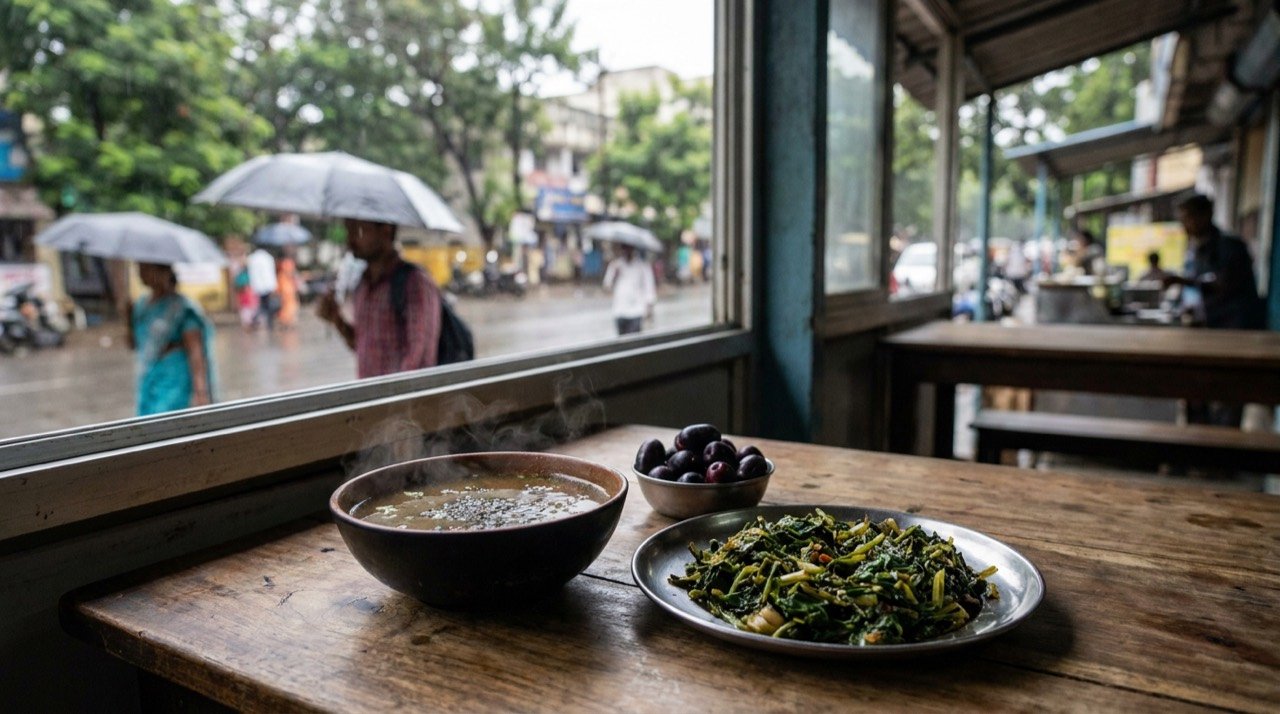
India's Monsoon Plate Returns to Its Roots as Seasonal Eating Goes Mainstream in 2026
From Kerala's ten-leaf stir-fries to jamun, rasam and warming spices, India's monsoon kitchens are blending ancestral ritucharya wisdom with the 2026 obsession with gut health and immunity.
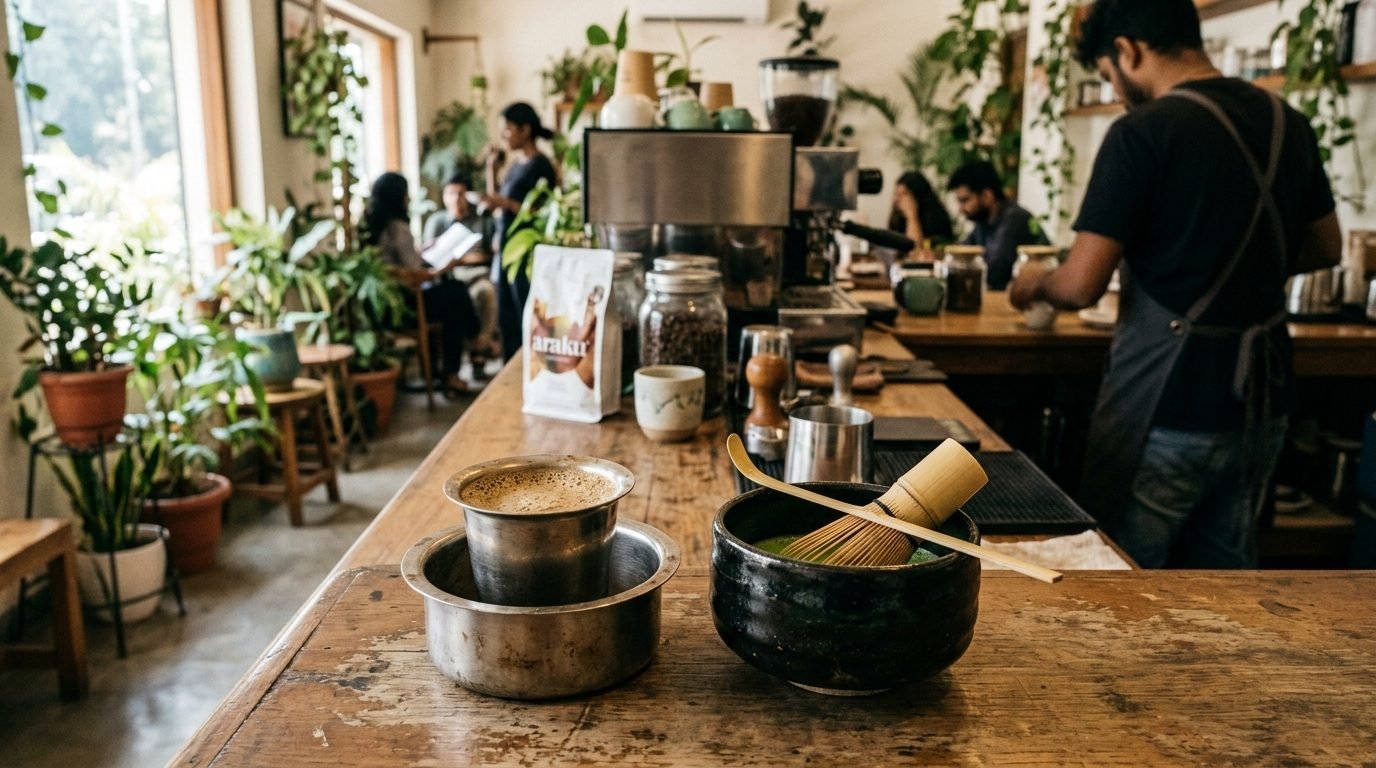
Filter Kaapi Meets Matcha: How Bengaluru's Cafes Outgrew the Third Wave in 2026
India's coffee capital is moving past flat-white minimalism into something more layered, from hyper-local filter-kaapi joints honouring South Indian roots to matcha-led tea rooms and single-origin obsessives.
More from this section
More
Bengaluru Lamborghini-Auto Swap: Entrepreneur's Gesture Goes Viral
A Bengaluru entrepreneur's spontaneous decision to trade seats with an auto-rickshaw driver, putting the cabbie behind a Lamborghini's wheel, has charmed social media and become the city's feel-good story of the week.
India's Monsoon Plate Returns to Its Roots as Seasonal Eating Goes Mainstream in 2026
From Kerala's ten-leaf stir-fries to jamun, rasam and warming spices, India's monsoon kitchens are blending ancestral ritucharya wisdom with the 2026 obsession with gut health and immunity.
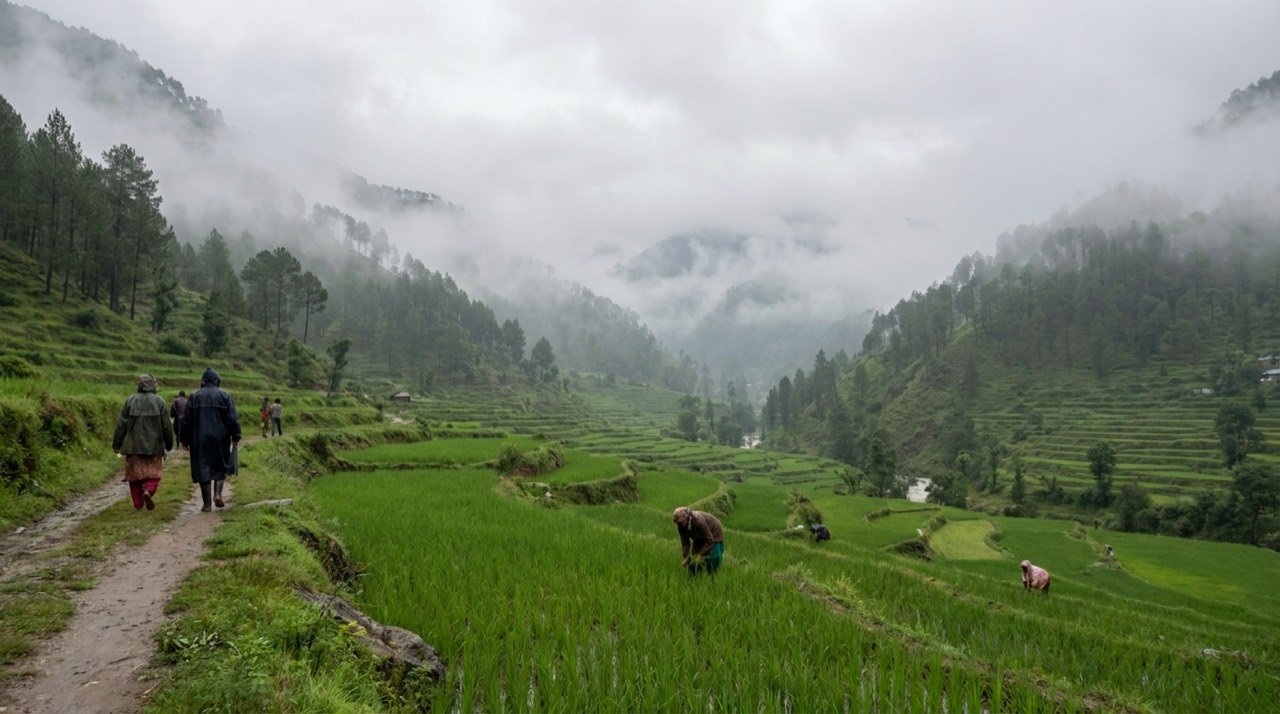
Misty Valleys and Cheaper Fares: India's Offbeat Monsoon Travel Boom in 2026
With domestic fares falling sharply and travellers seeking solitude, offbeat Himalayan hamlets, the rain-soaked Northeast and Ladakh's rain-shadow deserts are redrawing India's monsoon travel map in 2026.