Filter Kaapi Meets Matcha: How Bengaluru's Cafes Outgrew the Third Wave in 2026
India's coffee capital is moving past flat-white minimalism into something more layered, from hyper-local filter-kaapi joints honouring South Indian roots to matcha-led tea rooms and single-origin obsessives.
Commentary & Analysis ·
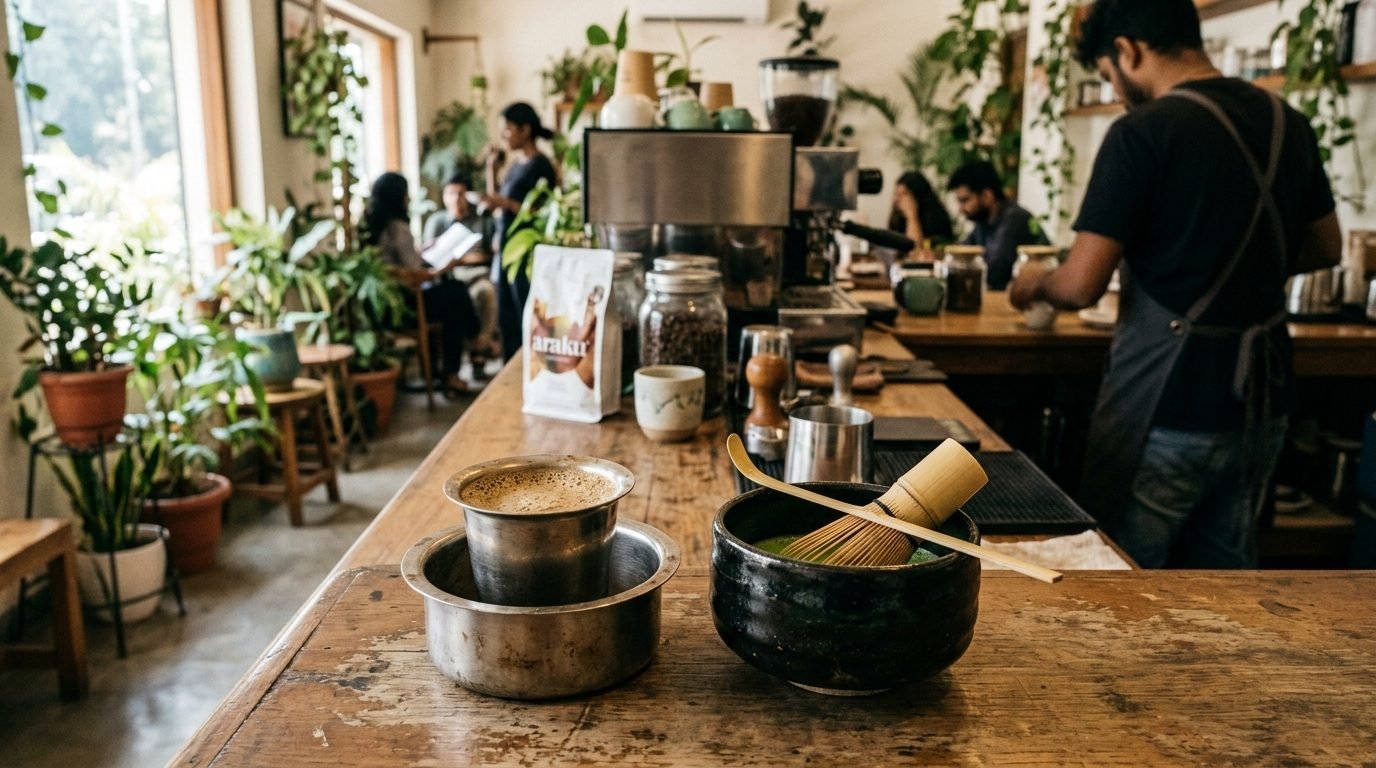
Bengaluru has long worn its coffee credentials proudly, the city where India's third-wave movement found its most fervent congregation of single-origin devotees and pour-over evangelists. In 2026, that scene is no longer the frontier. The city's cafes have begun to move beyond the familiar comfort of third-wave coffee into something more layered, plural and quietly confident.
The backdrop is a market that has exploded. India now counts more than 30,000 organised cafe outlets, and the country's coffee economy is shifting from an export-oriented plantation model towards a diversified, value-added ecosystem driven by rising domestic consumption and a clear premiumisation trend. In Bengaluru, that abstraction takes delicious, granular form on almost every high street.
The leap that skipped a generation
What makes the Indian coffee story unusual is its trajectory. The third wave, broadly, is a cultural turn away from commodity and chain-cafe coffee towards intentional, transparent, farm-to-cup consumption. In much of the West, drinkers travelled there gradually, via decades of chain cafes. In India, the movement accelerated rapidly as young consumers leapt almost directly from instant blends to artisanal single-origin lots, largely skipping the intermediate chain-cafe era.
That compressed evolution helps explain why Bengaluru's current scene feels so restless. Having arrived at specialty coffee so quickly, the city is already hungry for what comes next, and the answer is turning out to be variety rather than a single new orthodoxy.
Three directions on one map
The new wave of cafes is pulling in several directions at once. A clutch of openings define the city's mood for the year, ranging from minimalist matcha rooms to hyper-local filter joints and playful, experimental beverage hubs.
- The specialty purists, exemplified by Nerlu Cafe, known for a rotating selection of Indian beans and precise brewing across its city branches, offering a deeply curated experience for the connoisseur.
- The filter-kaapi revivalists, such as Kahale in Jayanagar, which brings the focus back to South India's coffee roots with strong, no-frills filter kaapi.
- The matcha-forward minimalists, like Ela Matcha in Indiranagar, a pared-back space designed to evoke a Kerala tea shop.
- The estate-to-cup roasters such as Blue Tokai, sourcing directly from Indian estates in Coorg and Chikmagalur with single-origin light and medium roasts.
The enduring power of filter kaapi
If the imported vocabulary of single-origin and slow brewing dominates the cafe conversation, the numbers tell a more rooted story. South Indian filter coffee still accounts for nearly half of India's coffee consumption by share, a reminder that for all the matcha and microlots, the steel davara-tumbler remains the country's default cup.
The most interesting cafes in Bengaluru understand this and refuse to treat filter kaapi as a relic. Instead they place it alongside the imports, honouring South Indian roots even as they experiment, so that a hyper-local kaapi spot and a minimalist matcha bar can sit a few streets apart and both feel entirely of the moment.
A city brewing in plural
The throughline across all of this is experience. Bengaluru's cafe-goers in 2026 are not simply buying caffeine; they are choosing an atmosphere, a story and a ritual, whether that means a meticulously dialled-in pour-over, a frothy ceremonial matcha or a no-nonsense kaapi served the way a grandmother would recognise.
It amounts to a coffee culture that has stopped chasing a single ideal and started enjoying its own range. Having sprinted through the third wave faster than almost anywhere, India's coffee capital now seems content to let its many movements coexist, a city brewing, very deliberately, in the plural.
The NE Times View
Bengaluru blending matcha rooms and single-origin obsessives with hyper-local filter-kaapi joints is the most interesting kind of evolution: outward-looking without erasing its roots. The danger is that artisanal pricing turns coffee into a status signal rather than a daily ritual. The cafes that honour South Indian tradition while experimenting will outlast the imports. Global influence is best when it deepens local identity instead of replacing it.
This article is original commentary and analysis by The NE Times. Background facts were referenced from Hindustan Times and Times of India Lifestyle.
You may also like to read
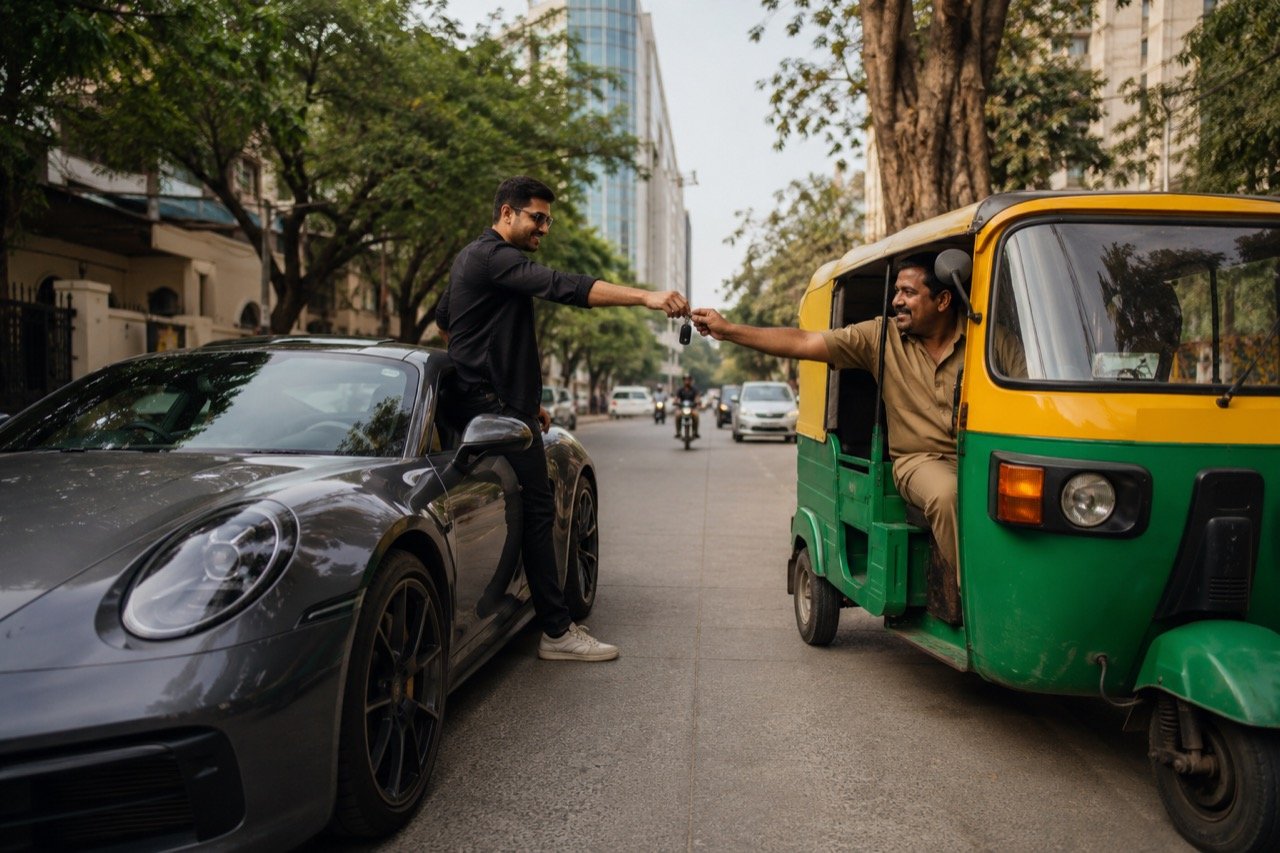
Bengaluru Lamborghini-Auto Swap: Entrepreneur's Gesture Goes Viral
A Bengaluru entrepreneur's spontaneous decision to trade seats with an auto-rickshaw driver, putting the cabbie behind a Lamborghini's wheel, has charmed social media and become the city's feel-good story of the week.
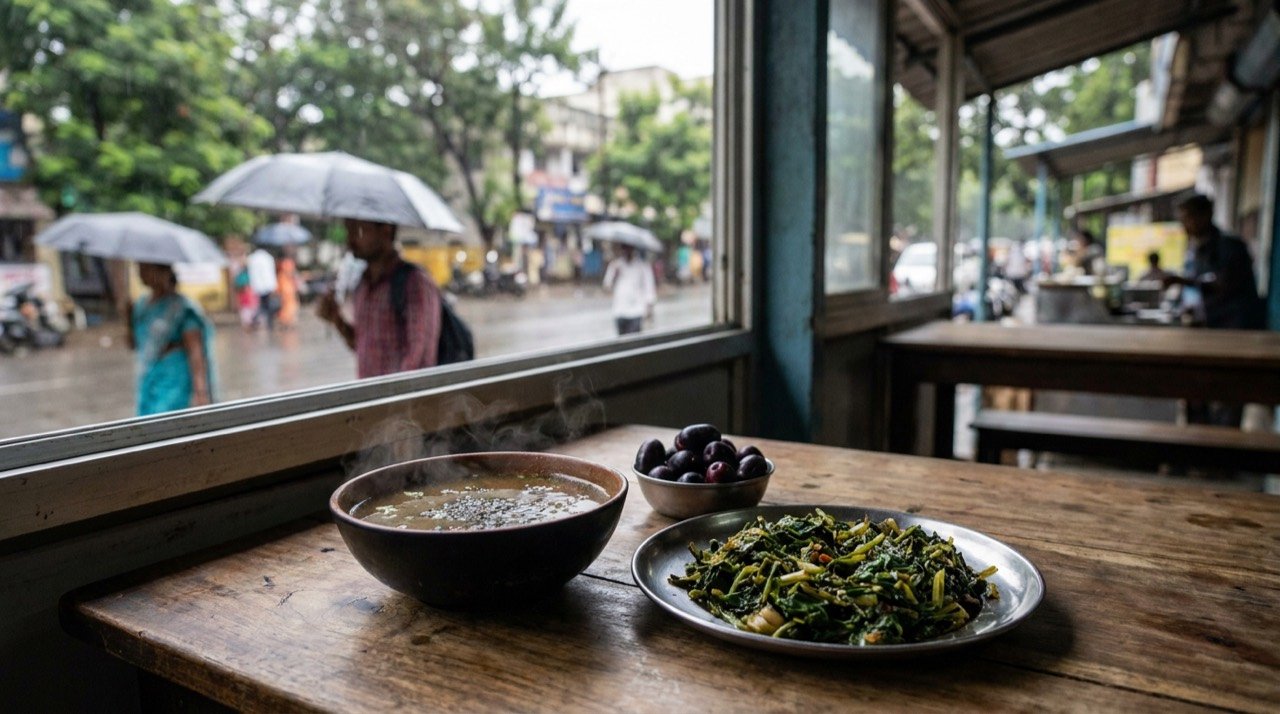
India's Monsoon Plate Returns to Its Roots as Seasonal Eating Goes Mainstream in 2026
From Kerala's ten-leaf stir-fries to jamun, rasam and warming spices, India's monsoon kitchens are blending ancestral ritucharya wisdom with the 2026 obsession with gut health and immunity.

Beyond Alphonso: Why India's 2026 Mango Summer Is About the Lesser-Known Varieties
As the King of Fruits reaches its annual peak, a growing band of Indian eaters are looking past the headline Hapus towards Kesar, Raspuri, Langra and a roster of vanishing heirlooms.
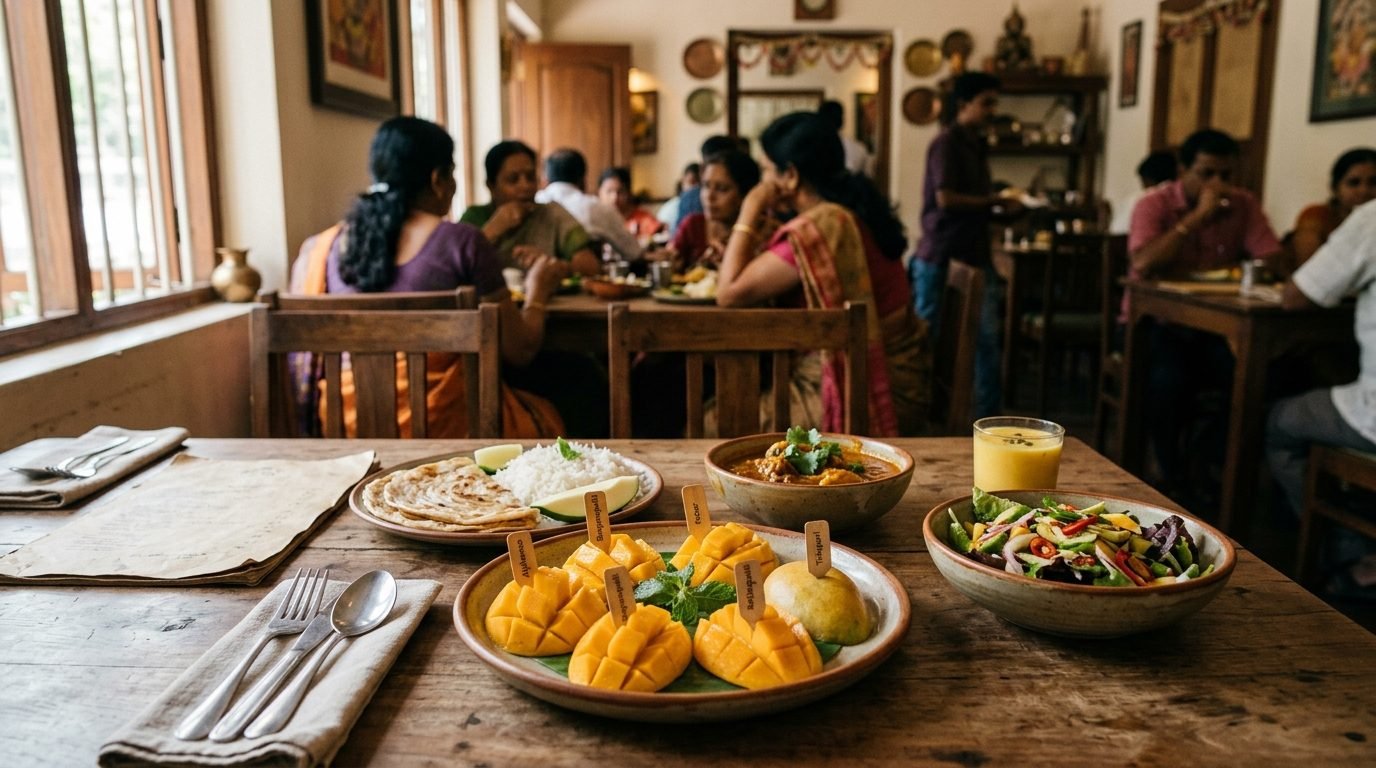
Beyond the Pulp: How the Mango Took Over India's Summer 2026 Menus
From tasting flights of regional varieties to mango in unexpected savoury dishes, restaurants across India are building entire summer menus around the season's most beloved fruit.
More from this section
MoreBengaluru Lamborghini-Auto Swap: Entrepreneur's Gesture Goes Viral
A Bengaluru entrepreneur's spontaneous decision to trade seats with an auto-rickshaw driver, putting the cabbie behind a Lamborghini's wheel, has charmed social media and become the city's feel-good story of the week.
India's Monsoon Plate Returns to Its Roots as Seasonal Eating Goes Mainstream in 2026
From Kerala's ten-leaf stir-fries to jamun, rasam and warming spices, India's monsoon kitchens are blending ancestral ritucharya wisdom with the 2026 obsession with gut health and immunity.
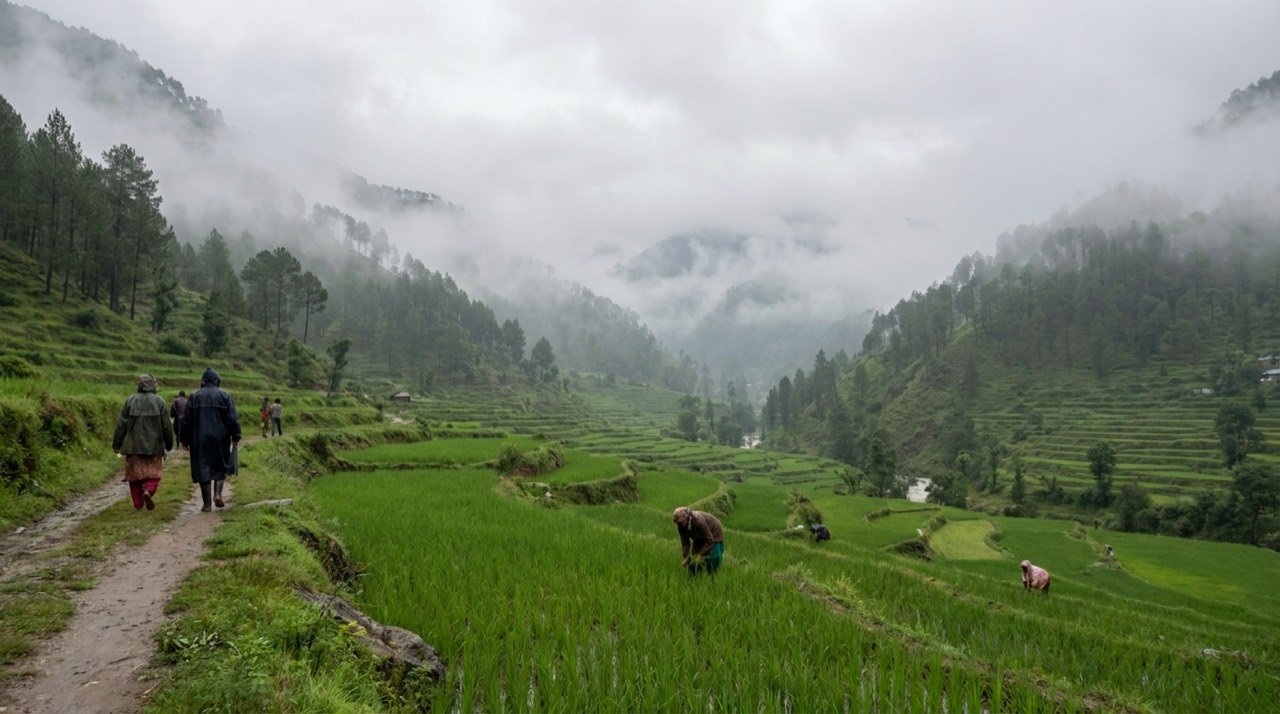
Misty Valleys and Cheaper Fares: India's Offbeat Monsoon Travel Boom in 2026
With domestic fares falling sharply and travellers seeking solitude, offbeat Himalayan hamlets, the rain-soaked Northeast and Ladakh's rain-shadow deserts are redrawing India's monsoon travel map in 2026.