The Quiet Romance: How India Fell for Low-Pressure Dating in 2026
Grand gestures are out and emotional safety is in. A new wave of Indian daters is swapping high-stakes dinners for hobby workshops, slow-built trust and friends who vet the matches.
Commentary & Analysis ·

The candlelit dinner, that durable cliche of Indian courtship, is quietly losing its grip. In its place, a generation of daters is choosing pottery classes, neighbourhood walks and slow, low-stakes conversation, building romance the way one might build savings: in small, steady deposits rather than a single dramatic gamble.
The shift, charted in a large 2026 consumer study of more than 10,000 active daters aged 20 to 35 across Tier 1, 2 and 3 cities, points to a dating culture reorganising itself around emotional safety rather than spectacle. Three behaviours dominate the picture: micro commitment, third-place dating and what researchers have nicknamed friendfluencing. Together they describe a country falling out of love with the high-stakes pursuit and into something gentler.
Micro commitment: trust in small instalments
The single most common preference, cited by 39 per cent of respondents, is what the study calls micro commitment, a series of small, repeated, meaningful acts rather than grand declarations. It looks like planning the next date before the current one has ended, checking in after a hard week, or simply being reliably present. Each gesture is minor, but the accumulation is the point.
For Gen Z and younger millennials in particular, this is framed as the safest route to connection. Because nothing is labelled prematurely and no enormous promise is made early, the emotional cost of things not working out stays low. It is romance engineered to reduce the risk of heartbreak, which says a great deal about how this cohort has learned to protect itself.
Third-place dating: meeting on neutral ground
The second trend reshapes where dates happen. In Tier 1 and Tier 2 cities especially, nearly four in seven daters now favour neutral, activity-based settings over the traditional restaurant table. The borrowed sociological term is the third place: somewhere that is neither home nor work, where a shared activity does the heavy lifting of conversation.
- Hobby workshops, from ceramics to cooking, that give two people something to do with their hands.
- Shared-interest meetups and casual sport, where common ground is established before any romantic pressure.
- Long, unhurried walks that allow conversation to ebb and flow, and that build in natural breaks when needed.
- Bookstores, exhibitions and community events that supply ready-made topics and a graceful exit.
The appeal is obvious to anyone who has endured a stilted first dinner. An activity removes the obligation to perform, lets awkward silences pass unnoticed, and offers an honest read on whether two people actually enjoy each other's company when they are not trying to impress.
Friendfluencing: the return of the vetting circle
The third behaviour returns power to the friend group. Around 31 per cent of women and 29 per cent of men in the study said they want close friends involved in assessing a potential match before they invest emotionally. In a culture where family has long held a say in matchmaking, friendfluencing reads as a peer-led update on an old instinct: the people who know you best are asked to sense-check the people you might fall for.
It is also a hedge against the disorientation of app-based dating, where strangers arrive context-free. Looping in friends restores a social safety net, a set of trusted eyes to flag red flags the smitten tend to miss.
What it says about a generation
Read together, these trends sketch a portrait of daters who are cautious without being closed off. They are not avoiding intimacy; they are sequencing it, insisting on safety and consistency before vulnerability. For a cohort that has watched relationships play out publicly on social platforms and absorbed plenty of cautionary tales, the slow build is less a failure of nerve than a considered strategy.
Whether this gentler approach ultimately delivers more durable relationships, or simply more comfortable ones, remains an open question. But the direction of travel is unmistakable. In 2026, Indian romance is being rewritten in a lower key, and for a great many daters, the quiet version feels like the safer bet.
The NE Times View
Swapping high-stakes dinners for hobby workshops and friend-vetted matches reads less like a trend and more like a correction to dating-app burnout. For a generation navigating romance under family scrutiny and economic anxiety, prioritising emotional safety is pragmatic, not precious. The risk is that low-pressure curdles into low-commitment. Still, a culture learning to build trust slowly, rather than perform intimacy quickly, seems like progress worth rooting for.
This article is original commentary and analysis by The NE Times. Background facts were referenced from Times of India Lifestyle and Hindustan Times.
You may also like to read
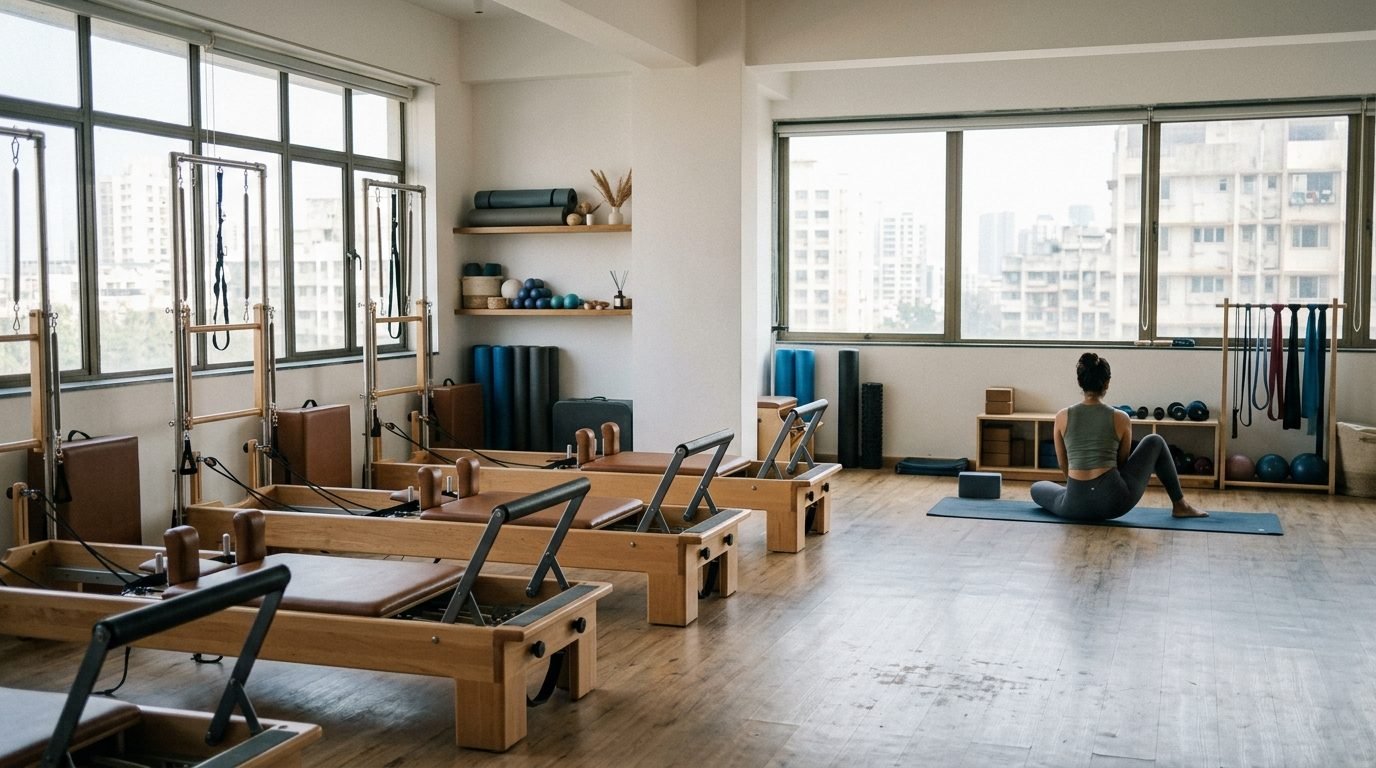
Goodbye Six-Pack, Hello Mobility: India's Fitness Culture Grows Up in 2026
Pilates studios and functional-movement classes are outpacing traditional gyms as young Indians chase feeling good over looking good.
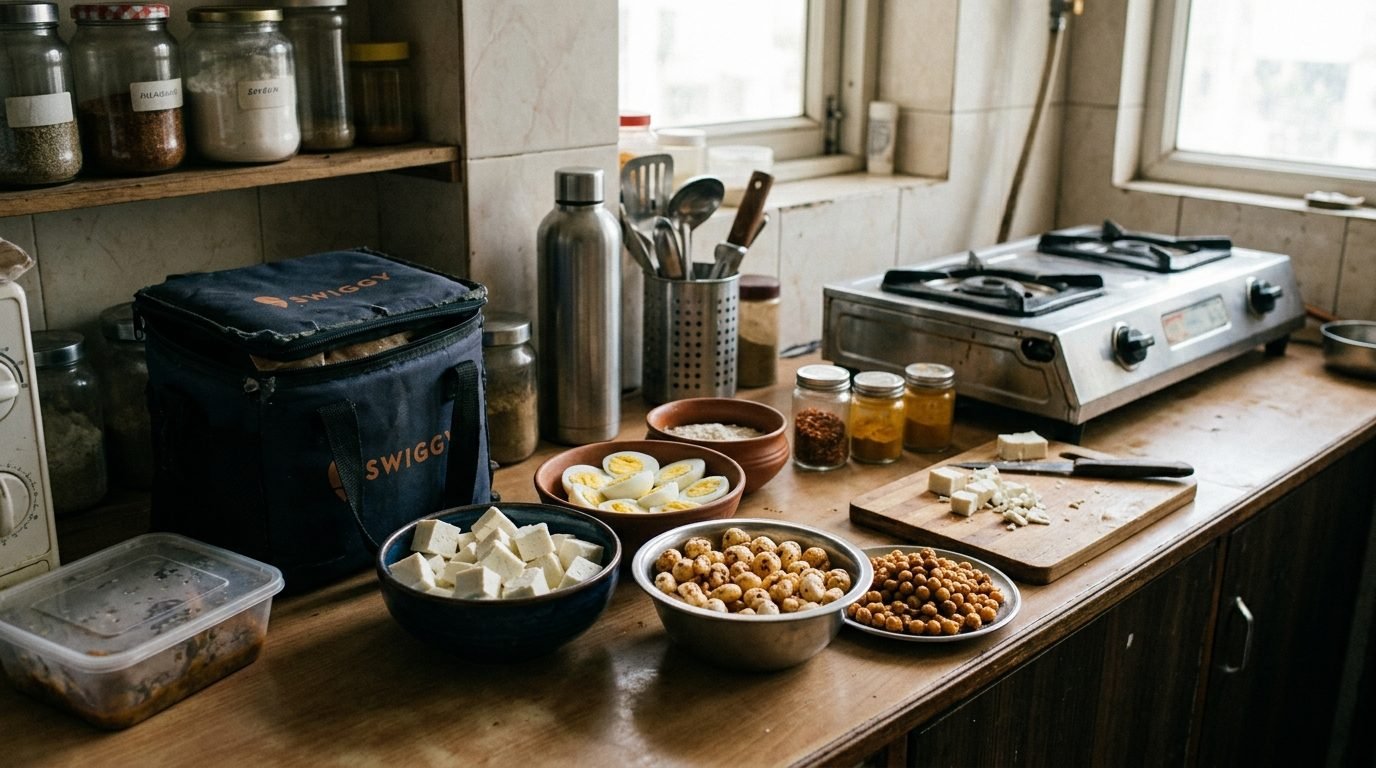
Paneer, Eggs and Protein Chips: How India's Protein Obsession Left the Gym Behind
Quick-commerce carts tell the story - protein orders are up 150% in two years, and the craving is no longer just for bodybuilders.
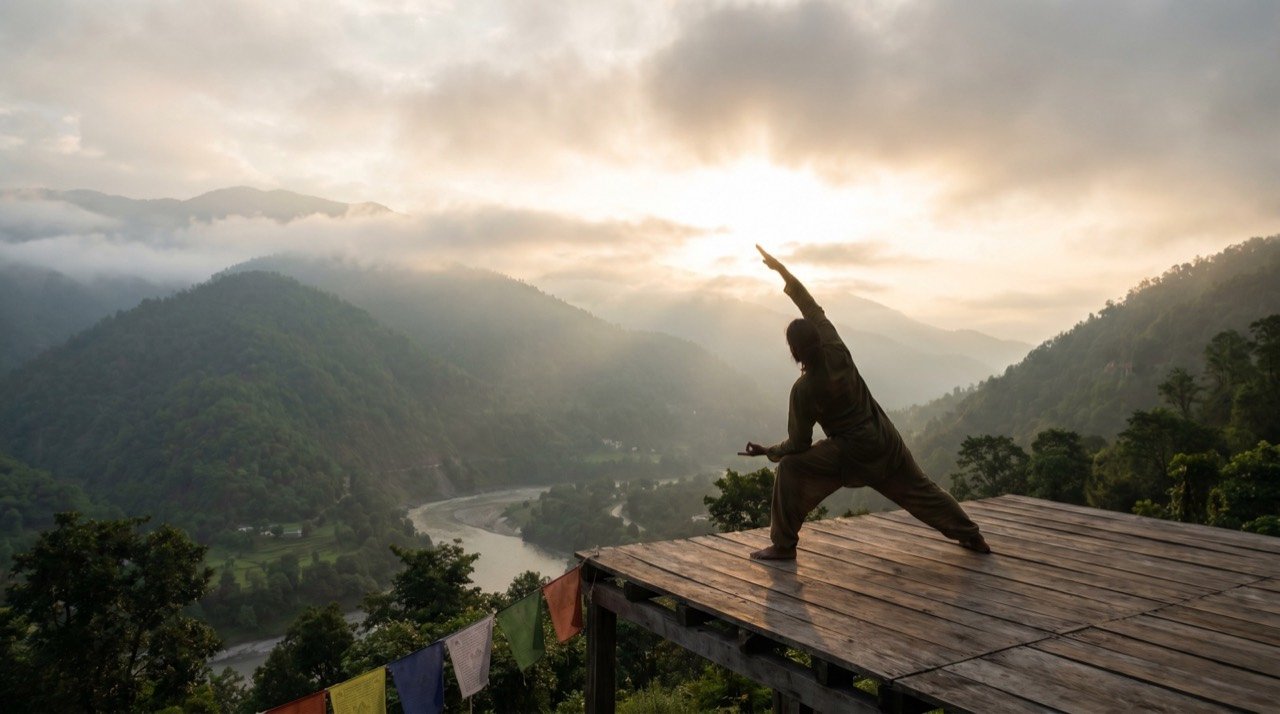
Slow Living and Wellness Travel Catch On With Urban Indians
Burnt out by always-on city life, a growing number of Indians are seeking quieter holidays, mindful routines and digital detoxes.
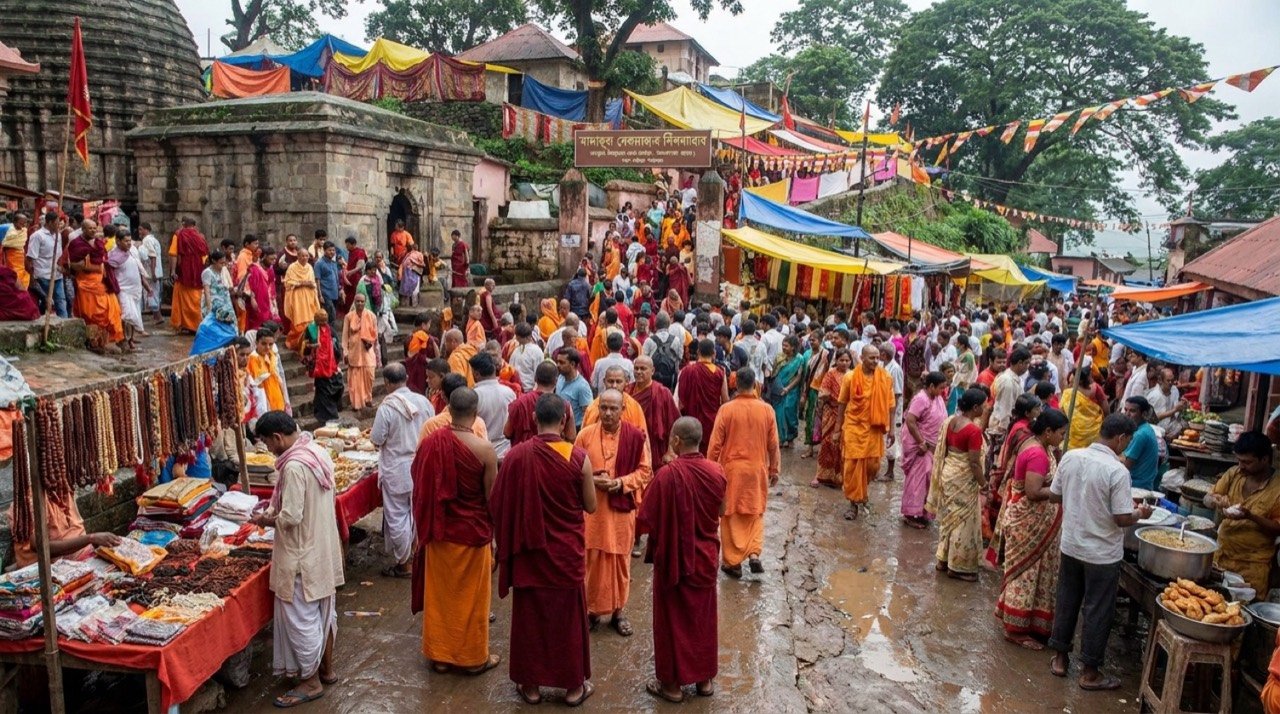
Ambubachi Mela Opens at Kamakhya Temple, Drawing Pilgrims and Livelihoods
The annual Ambubachi Mela at Guwahati's Kamakhya Temple has begun, drawing lakhs of pilgrims, sadhus and traders to one of India's most revered Shakti Peethas on Nilachal Hill.
More from this section
More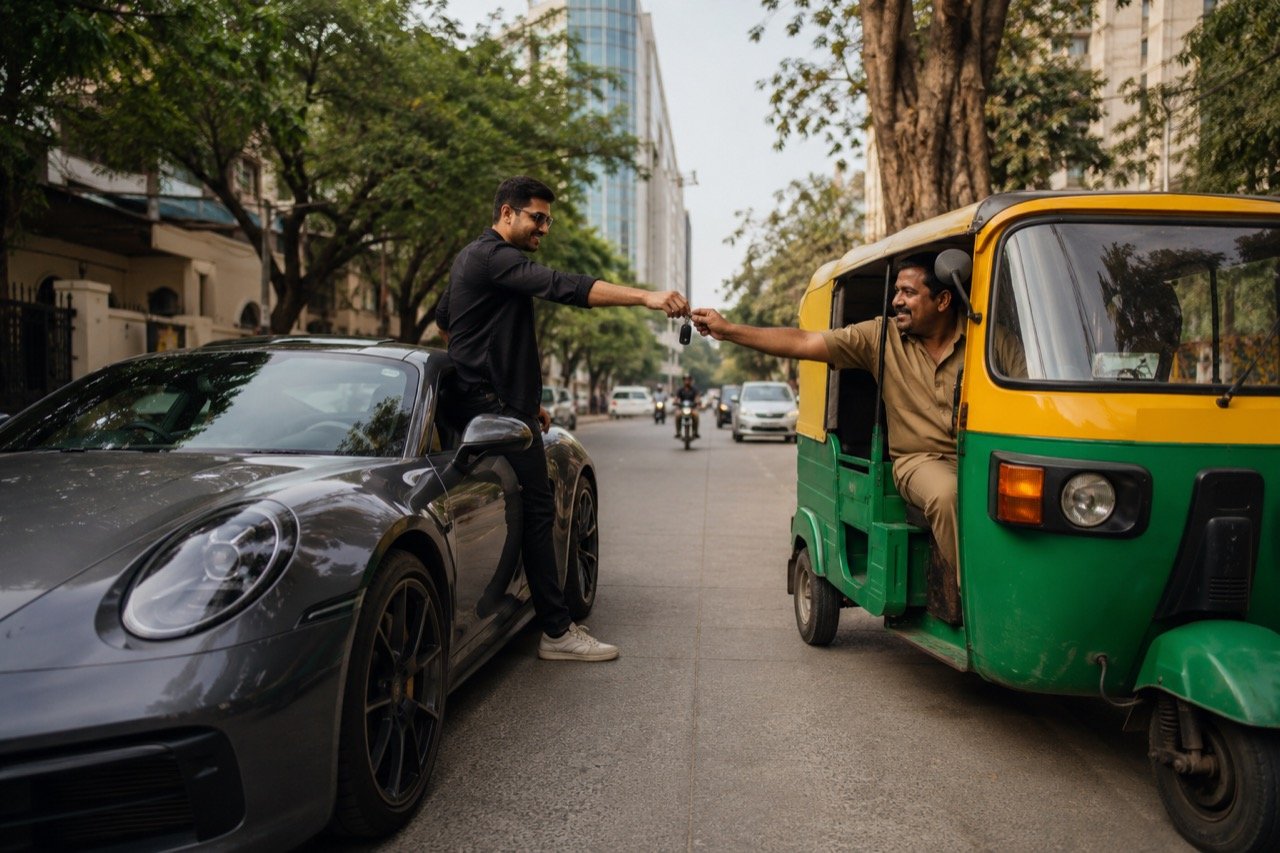
Bengaluru Lamborghini-Auto Swap: Entrepreneur's Gesture Goes Viral
A Bengaluru entrepreneur's spontaneous decision to trade seats with an auto-rickshaw driver, putting the cabbie behind a Lamborghini's wheel, has charmed social media and become the city's feel-good story of the week.
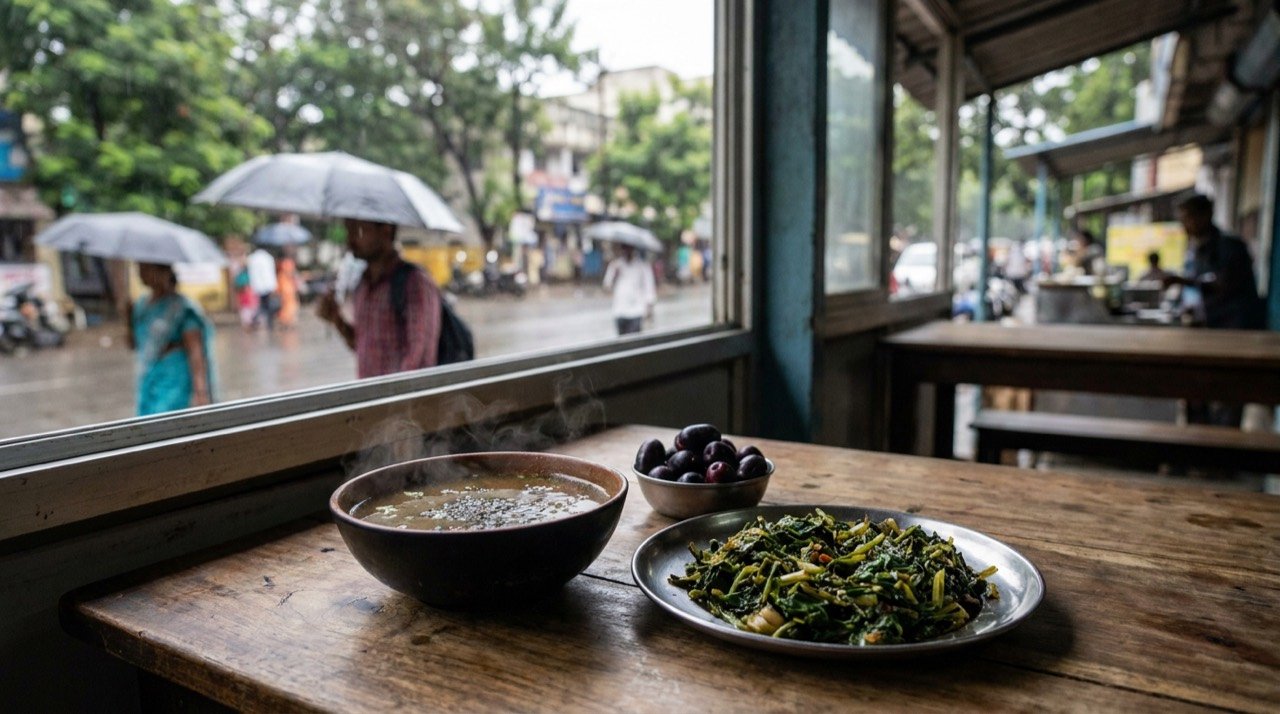
India's Monsoon Plate Returns to Its Roots as Seasonal Eating Goes Mainstream in 2026
From Kerala's ten-leaf stir-fries to jamun, rasam and warming spices, India's monsoon kitchens are blending ancestral ritucharya wisdom with the 2026 obsession with gut health and immunity.
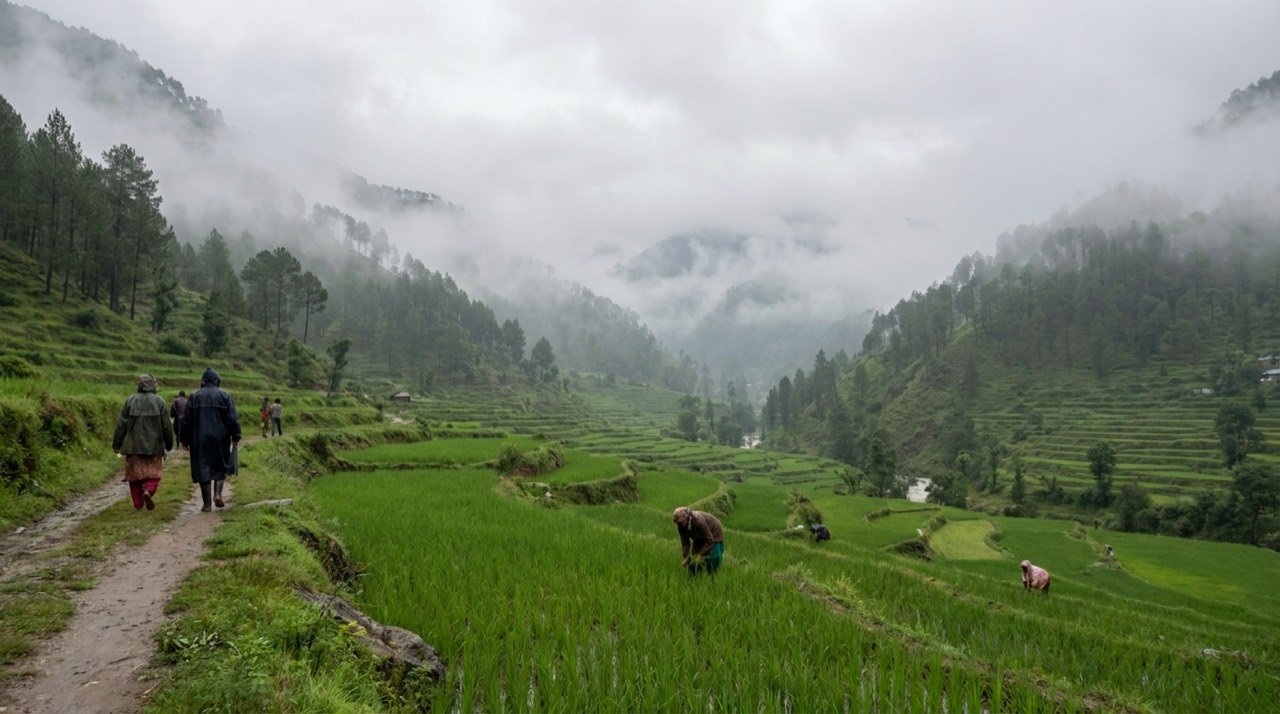
Misty Valleys and Cheaper Fares: India's Offbeat Monsoon Travel Boom in 2026
With domestic fares falling sharply and travellers seeking solitude, offbeat Himalayan hamlets, the rain-soaked Northeast and Ladakh's rain-shadow deserts are redrawing India's monsoon travel map in 2026.