Iran-IAEA Inspection Standoff Tests Fragile Truce, With India Watching Its Energy Stakes
The UN nuclear watchdog insists inspectors will return to Iran's enrichment sites under an interim US-Iran deal, but Tehran says access waits for a final agreement, leaving Indian importers eyeing both oil flows and the Strait of Hormuz.
Commentary & Analysis ·
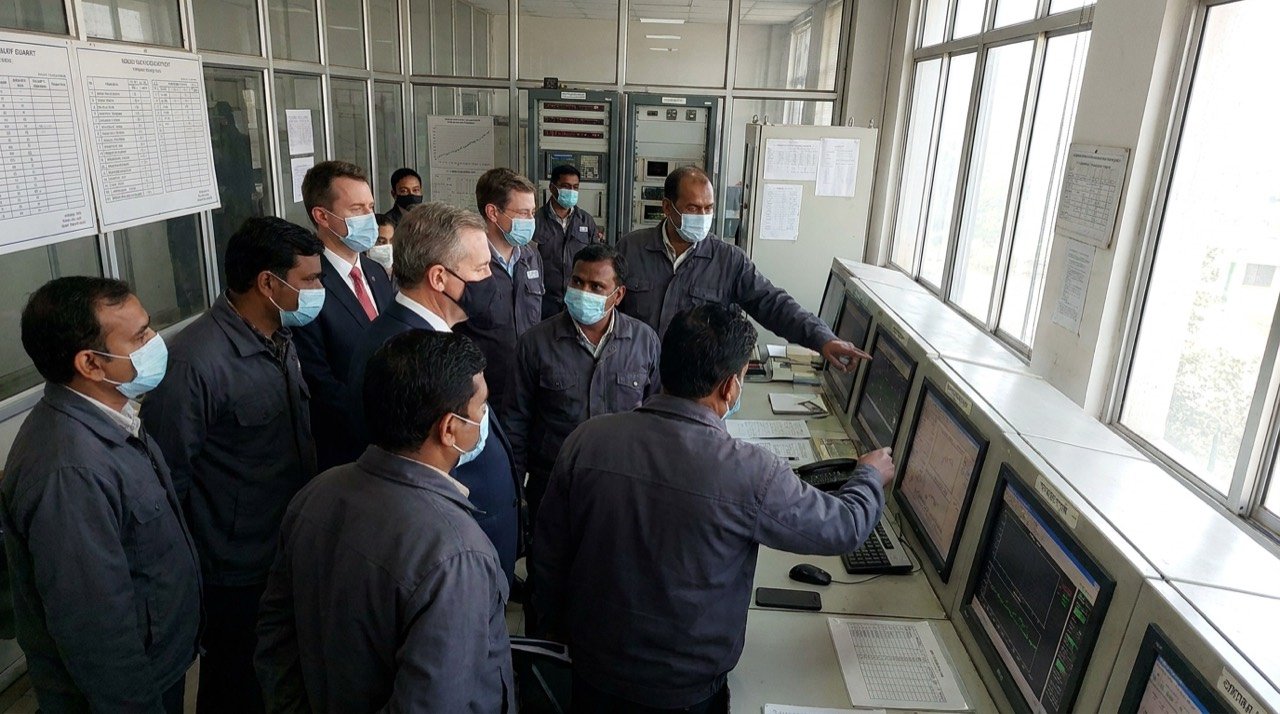
A public disagreement between the International Atomic Energy Agency and Tehran has emerged just as the interim United States-Iran understanding was meant to be steadying West Asia, raising fresh questions over how durable the truce will prove and what it means for energy-hungry economies such as India. Speaking in Tokyo on 24 June 2026, IAEA Director General Rafael Grossi said inspectors would visit Iran's nuclear enrichment sites under the deal, even as Iranian officials publicly pushed back on the timing.
Two versions of the same agreement
Grossi told reporters that inspections would happen and that the exact timing was "not essential" to the broader process, with dates and locations being worked out in cooperation with the Iranian government. Iran's foreign ministry spokesperson Esmaeil Baghaei had insisted a day earlier that no new commitment to inspect damaged facilities had been made, and that any verification visit would come only after a final deal is signed.
The interim framework reportedly pairs IAEA supervision with the gradual lifting of sanctions on Iranian oil exports and the reopening of shipping through the Strait of Hormuz, the chokepoint through which a large share of the world's seaborne crude passes.
Why New Delhi is paying close attention
For India, which imports the overwhelming majority of its crude oil, the stakes are commercial as much as strategic. A stable Hormuz and the prospect of Iranian barrels returning to the market would ease the import bill and support a steadier rupee, while any breakdown in the truce could quickly reverse recent relief in fuel and freight costs.
Indian refiners have historically navigated sanctions carefully, and officials have signalled they will track the verification dispute closely before reading too much into talk of Iranian oil's return. The Ministry of External Affairs has continued to issue travel and security advisories for the region as conditions remain unsettled.
- Grossi says IAEA inspectors will visit Iran under the interim US-Iran deal; timing "not essential".
- Tehran insists verification access follows only a final agreement, not the interim phase.
- The framework links IAEA oversight to sanctions relief on Iranian oil and a reopened Strait of Hormuz.
- India imports most of its crude, making Hormuz stability central to its import bill and rupee.
- Indian refiners are watching the dispute before factoring in any return of Iranian barrels.
“The inspections will happen. The exact timing is not essential to the process.”
The coming weeks will reveal whether the interim understanding can survive its first real test of trust. For Indian policymakers and importers alike, the inspection row is a reminder that the region's calm is provisional, and that energy security still hinges on diplomacy thousands of kilometres away.
The NE Times View
For India, this standoff is not a distant diplomatic spat but an energy-security tripwire. The gap between the IAEA's insistence on access and Tehran's foot-dragging keeps the Strait of Hormuz, through which much of India's crude flows, perpetually on edge. New Delhi's strategic autonomy is only as durable as its supply lines. The prudent course is accelerating diversification and storage now, rather than betting the truce holds.
This article is original commentary and analysis by The NE Times. Background facts were referenced from The Hindu and Reuters.
You may also like to read

Fragile Israel-Iran Ceasefire Holds As Trump Pushes Towards Signed Peace Deal
After months of missile exchanges, Israel and Iran have suspended attacks under a conditional truce, with Washington claiming a formal peace agreement is now within reach.
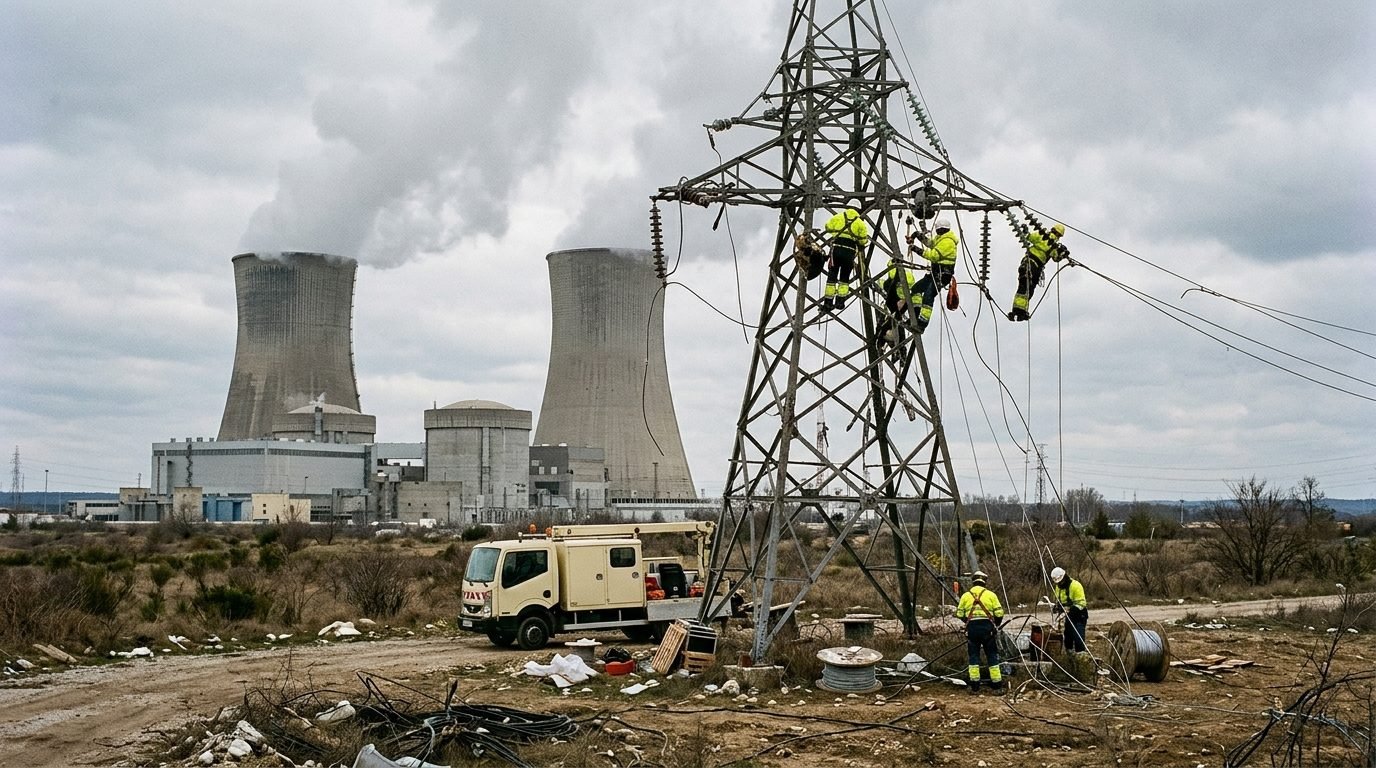
IAEA Brokers Rare Battlefield Truce to Repair Zaporizhzhia Power Line
The UN nuclear watchdog secured a localised ceasefire so technicians could fix a critical line at Europe's largest nuclear plant, the sixth such truce since late 2025.
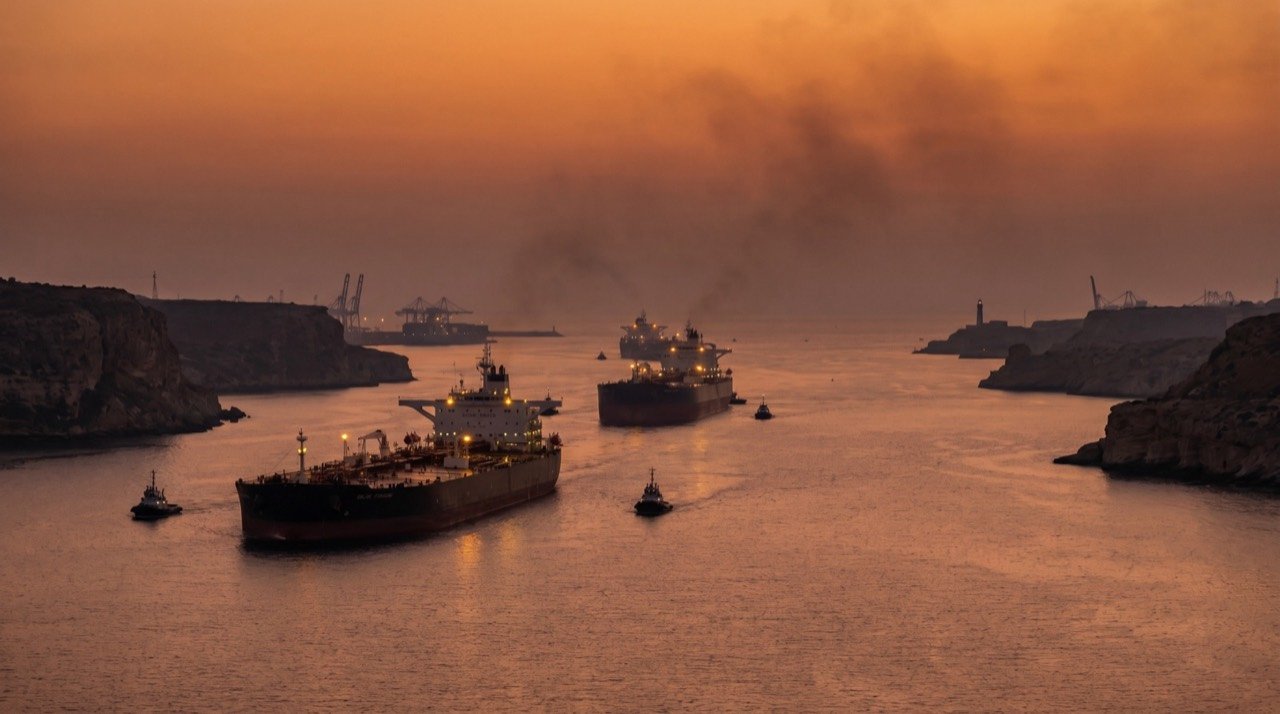
Hopes Rise for US-Iran Deal as Strait of Hormuz Shipping Crisis Eases
Signs of a possible accord to end months of conflict pushed oil prices to a near two-month low, with talks reportedly aimed at reopening the vital Strait of Hormuz to commercial shipping.
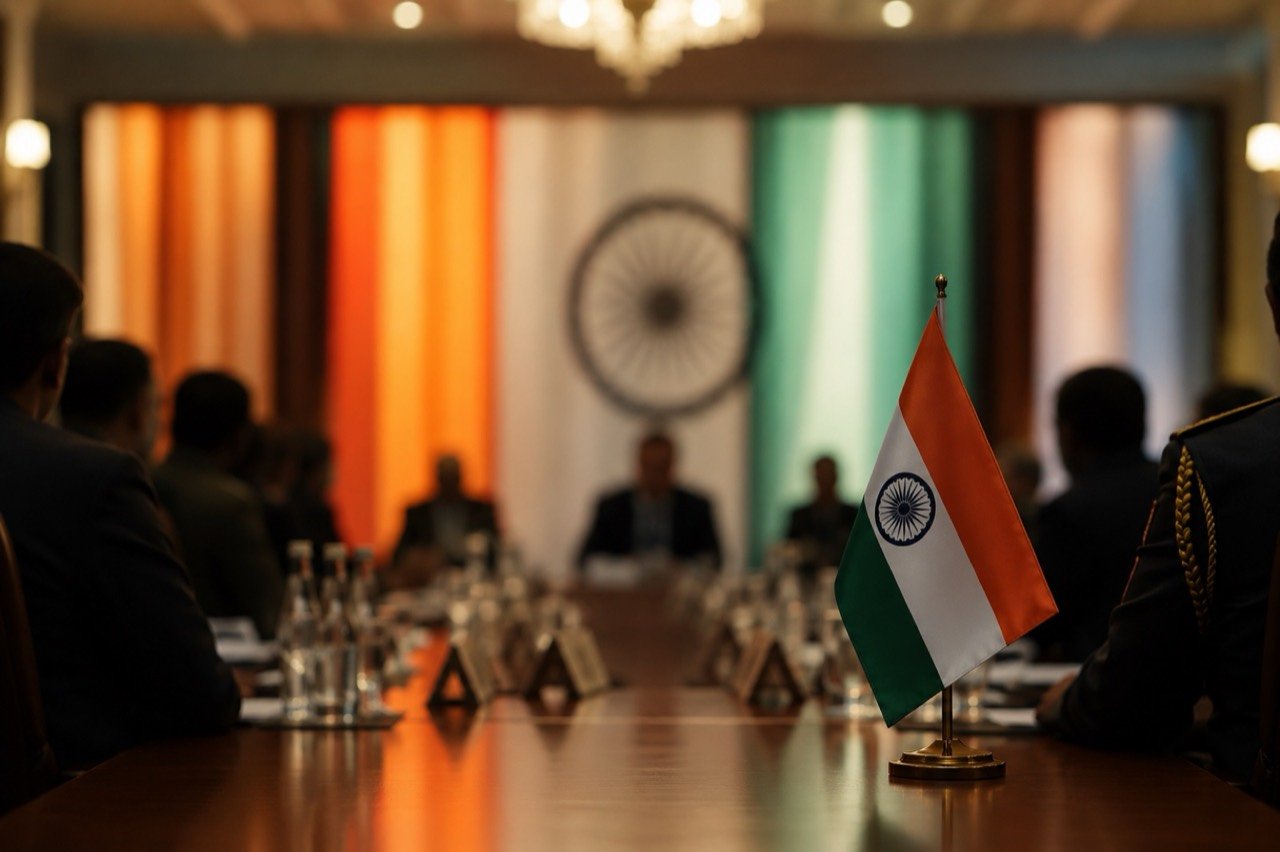
BRICS Security Talks Open in India With Non-Traditional Threats in Focus
India hosts the BRICS National Security Advisers' meeting on 22-23 June 2026, with NSA Ajit Doval chairing talks on terrorism, cyber risks, emerging technology and regional instability amid Middle East tensions.
More from this section
More
India-New Zealand Ties: Visit Plans Put FTA and Diplomacy in Focus
Reports of a planned high-level India-New Zealand engagement have revived attention on free trade talks, professional mobility and Indo-Pacific cooperation between two partners with clear room to grow.

Modi Greets Trump on US 250th Independence Day, Hails Partnership
Prime Minister Narendra Modi marked America's 250th Independence Day with a message to President Trump, saying the next 250 years should lift the India-US partnership to new heights.
India Watches Dhaka's China-Backed Teesta Plan as Stakes Rise
New Delhi is closely tracking Bangladesh's proposal to develop the Teesta river with Chinese assistance, a move that revives one of South Asia's most sensitive water-sharing disputes and tests regional strategic trust.