Fragile Israel-Iran Ceasefire Holds As Trump Pushes Towards Signed Peace Deal
After months of missile exchanges, Israel and Iran have suspended attacks under a conditional truce, with Washington claiming a formal peace agreement is now within reach.
Commentary & Analysis ·

A fragile ceasefire between Israel and Iran was holding through mid-June after a punishing run of cross-border strikes, with United States President Donald Trump asserting that the two adversaries were now "looking to do an immediate ceasefire" and moving towards a formal peace agreement. The development, watched anxiously across New Delhi and the wider region, has tentatively pulled West Asia back from the edge of a wider war.
From open conflict to a conditional truce
The pause follows the worst escalation in months. In early June, missile exchanges marked a sharp deterioration, and a separate ceasefire between Israel and Lebanon was made contingent on Hezbollah halting fire and withdrawing operatives from southern Lebanon. Israeli Prime Minister Benjamin Netanyahu confirmed Israel had stopped attacks on Iran, while stopping short of formally acknowledging a ceasefire.
Tehran said it had suspended operations against Israel but warned it would resume them if Israeli strikes in southern Lebanon continued, leaving the arrangement dependent on restraint by both sides and on the broader Lebanese situation.
Why India is watching closely
The conflict had direct consequences for India. Around 9 to 10 million Indians live and work across West Asia and the Gulf, and repeated missile attacks over more than three months put lives, jobs and remittance flows at risk. A durable calm would ease pressure on diaspora safety and on the energy lifelines that run through the region.
- Israel and Iran have both halted offensive operations under a conditional, unsigned truce.
- Washington says final negotiations on a 'peace' framework are under way.
- The Israel-Lebanon ceasefire hinges on Hezbollah pulling back from the south.
- An estimated 9-10 million Indians in the Gulf stand to benefit from sustained stability.
- Energy and shipping routes critical to India remain the central economic stake.
What comes next
Analysts caution that conditional ceasefires in the region have collapsed before, and that converting a battlefield pause into a written agreement will test whether Tehran and Tel Aviv can sustain reciprocal restraint. For India, the prize is twofold: protection of its citizens abroad and the prospect of normalised energy ties, potentially including a resumption of Iranian oil and gas imports and renewed momentum for the Chabahar port corridor.
“With stability returning, the safety of the Indian community in the Gulf and the predictability of our energy supplies both improve markedly.”
— Senior Indian diplomatic source, paraphrased
For now, the guns are largely silent. Whether that silence becomes a signed peace, or merely a lull before the next flare-up, will shape oil markets, diaspora security and India's West Asia strategy through the rest of the year.
The NE Times View
A conditional truce after months of missile exchanges is fragile by definition, and Washington's claim that peace is within reach should be read with caution. The NE Times View: for India, the priority is the durability of calm, not the diplomacy's authorship. A genuine de-escalation steadies oil, protects Gulf workers and eases import costs; a collapsed ceasefire would hit all three at once.
This article is original commentary and analysis by The NE Times. Background facts were referenced from The Hindu and Reuters.
You may also like to read
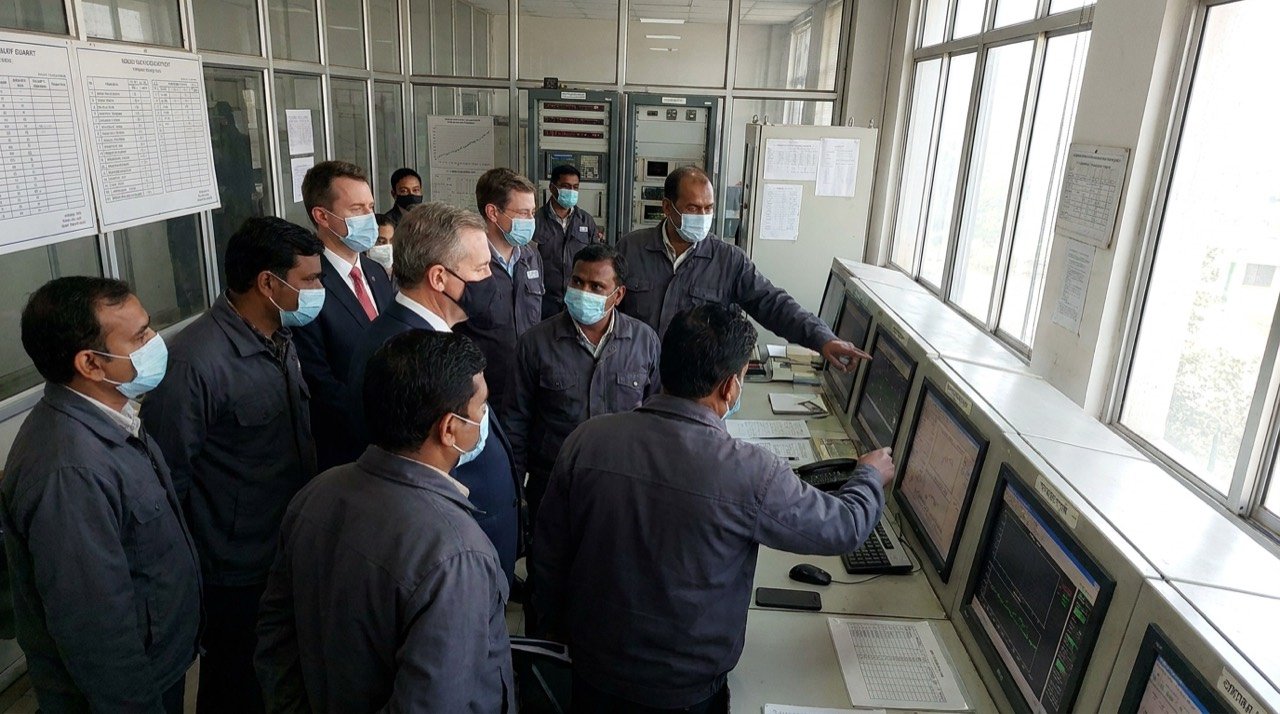
Iran-IAEA Inspection Standoff Tests Fragile Truce, With India Watching Its Energy Stakes
The UN nuclear watchdog insists inspectors will return to Iran's enrichment sites under an interim US-Iran deal, but Tehran says access waits for a final agreement, leaving Indian importers eyeing both oil flows and the Strait of Hormuz.
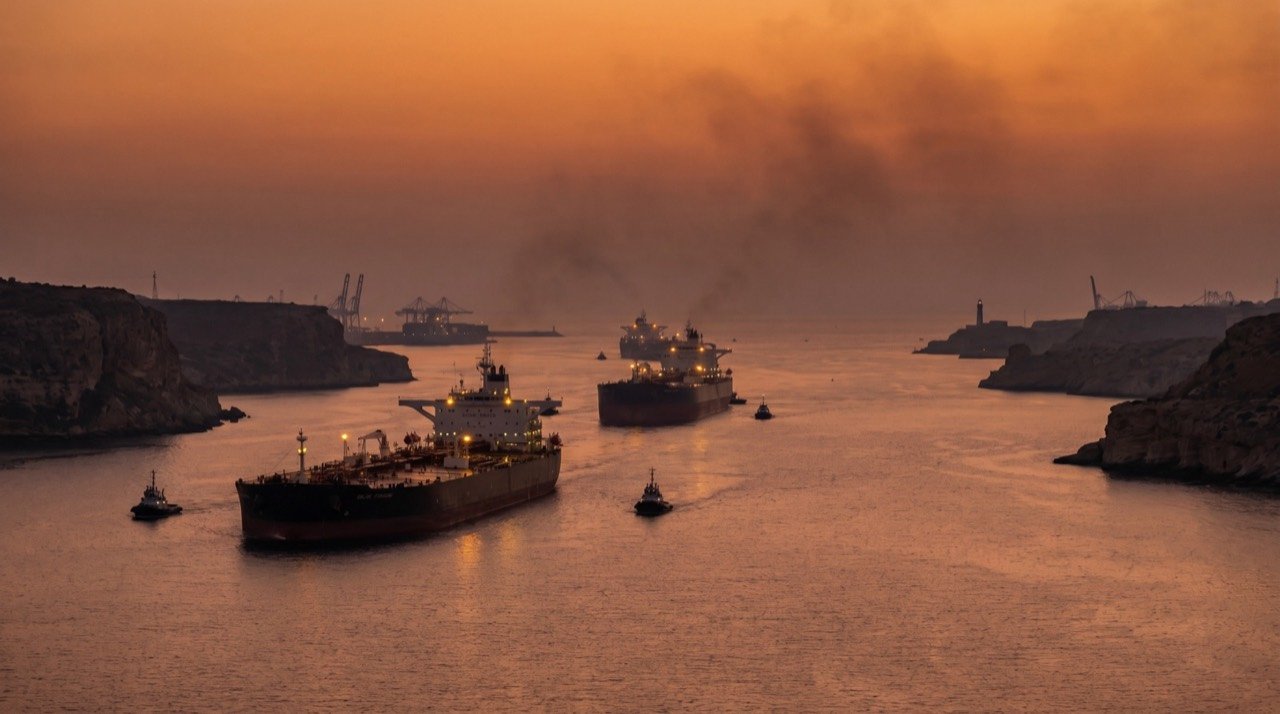
Hopes Rise for US-Iran Deal as Strait of Hormuz Shipping Crisis Eases
Signs of a possible accord to end months of conflict pushed oil prices to a near two-month low, with talks reportedly aimed at reopening the vital Strait of Hormuz to commercial shipping.
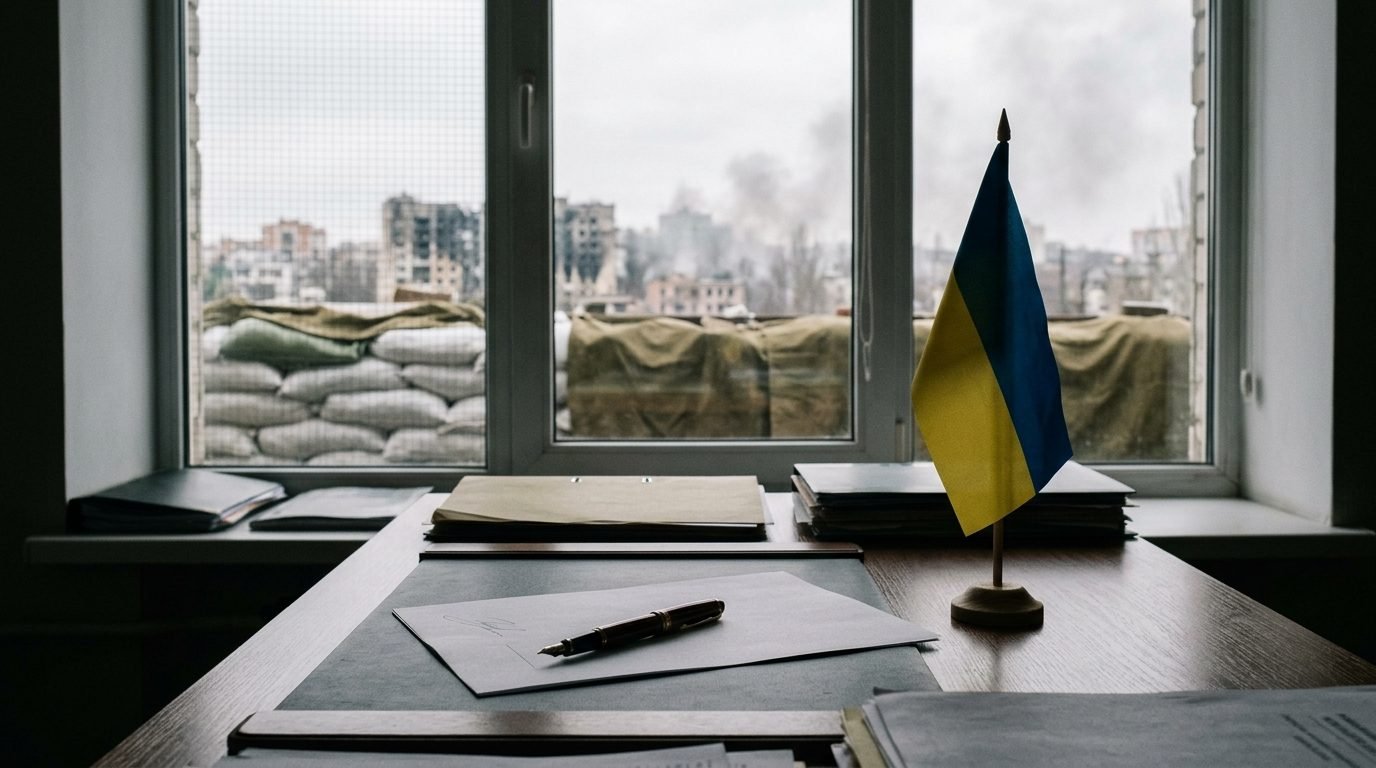
Zelenskyy Presses Putin for Ceasefire Talks as Strikes Continue
Ukraine's president called for direct negotiations in an open letter, winning backing from European leaders, even as drone attacks and shelling persisted across the front.

UN Inquiry Led by Indian Jurist Says Israel Deliberately Targeted Gaza's Children
A United Nations commission chaired by former Indian judge Srinivasan Muralidhar has concluded that Israel continues to commit genocide by deliberately targeting Palestinian children, in a 94-page report that names a death toll of more than 20,000 minors.
More from this section
More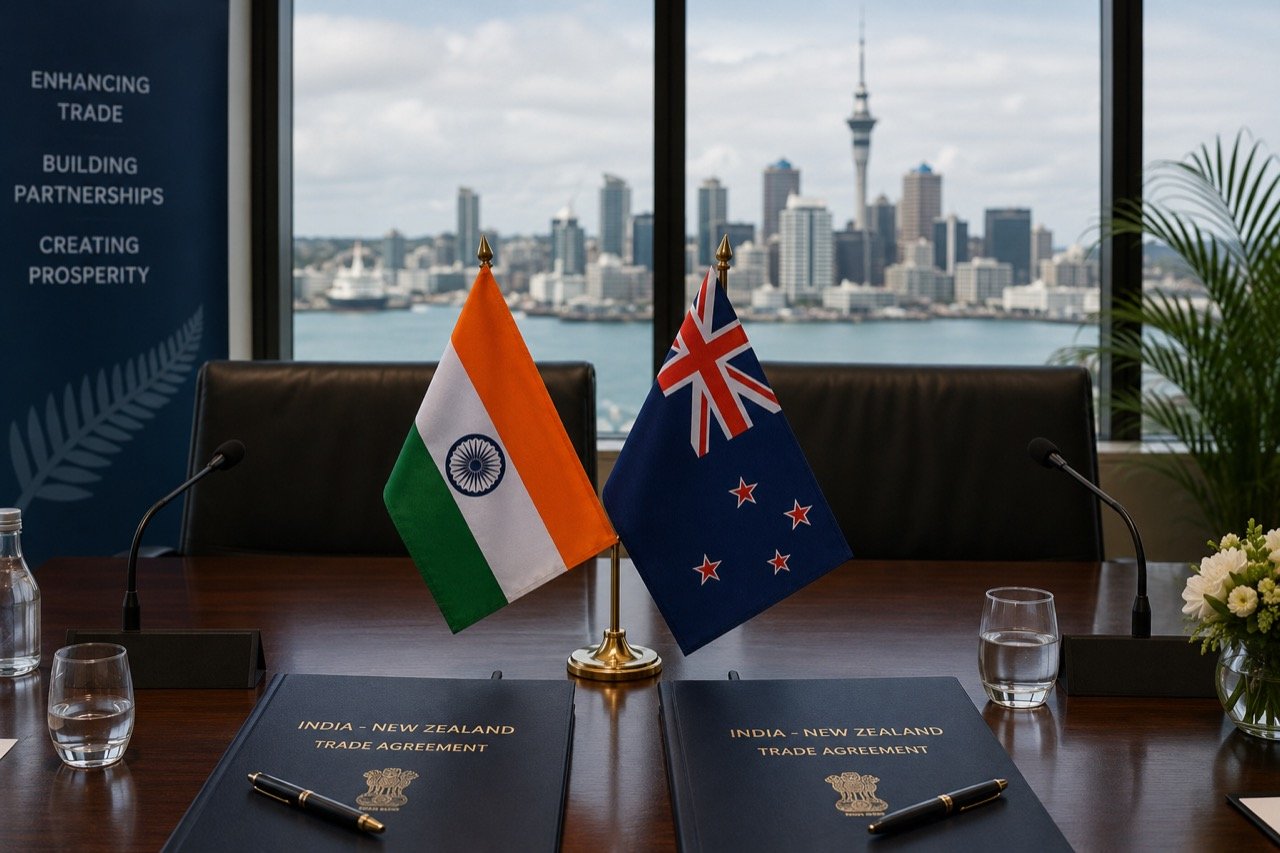
India-New Zealand Ties: Visit Plans Put FTA and Diplomacy in Focus
Reports of a planned high-level India-New Zealand engagement have revived attention on free trade talks, professional mobility and Indo-Pacific cooperation between two partners with clear room to grow.

Modi Greets Trump on US 250th Independence Day, Hails Partnership
Prime Minister Narendra Modi marked America's 250th Independence Day with a message to President Trump, saying the next 250 years should lift the India-US partnership to new heights.
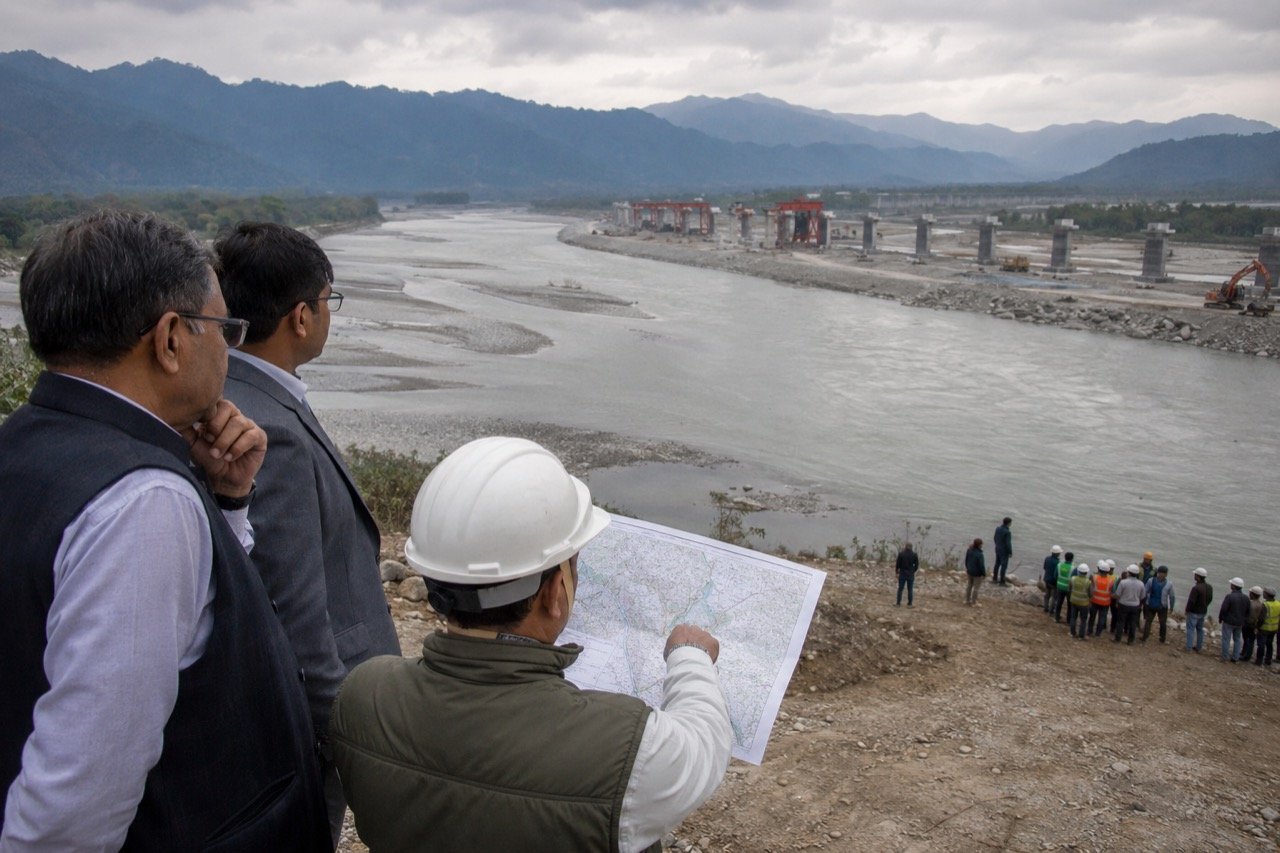
India Watches Dhaka's China-Backed Teesta Plan as Stakes Rise
New Delhi is closely tracking Bangladesh's proposal to develop the Teesta river with Chinese assistance, a move that revives one of South Asia's most sensitive water-sharing disputes and tests regional strategic trust.