Zelenskyy Presses Putin for Ceasefire Talks as Strikes Continue
Ukraine's president called for direct negotiations in an open letter, winning backing from European leaders, even as drone attacks and shelling persisted across the front.
Commentary & Analysis ·
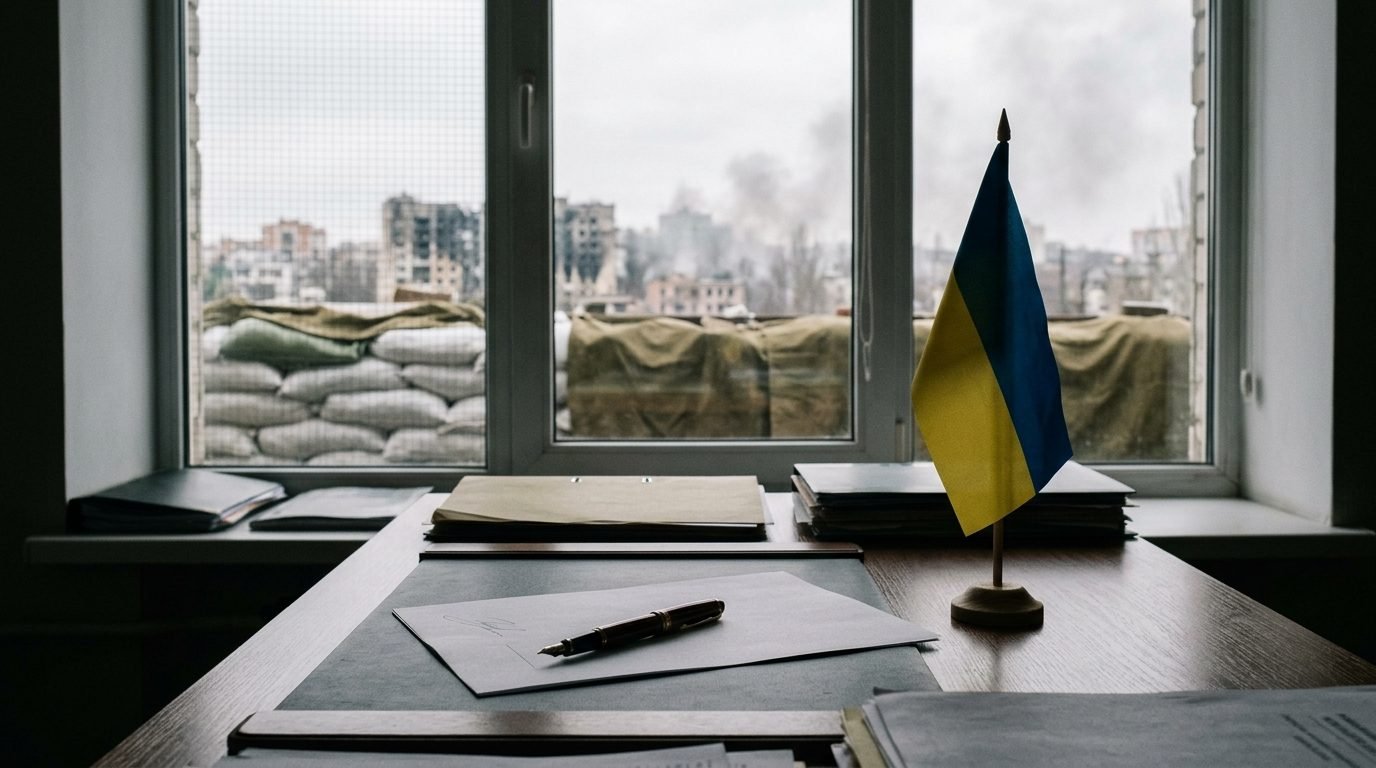
Ukrainian President Volodymyr Zelenskyy renewed calls for direct ceasefire talks with Russia in early June, proposing negotiations in a pointed open letter to President Vladimir Putin and indicating that Kyiv was prepared for a full ceasefire for the duration of any talks. The public nature of the appeal, addressed directly to the Russian leader, was designed both to signal Ukraine's openness to diplomacy and to place the onus for any breakdown on Moscow.
The leaders of the United Kingdom, France and Germany backed the call for direct negotiations following a meeting in London, lending European weight to the diplomatic push. That coordinated show of support reflected a continued European interest in keeping a path to talks open while maintaining pressure on Russia, even as the war grinds through another year.
Fighting grinds on
On the ground, military operations showed little sign of letting up. Russian drone and shelling attacks killed and injured civilians in the southeastern Zaporizhzhia region, while Ukraine and Russia continued to trade fire along multiple sections of the front. The gap between diplomatic overtures and battlefield reality remained wide, a recurring feature of a conflict in which calls for talks have repeatedly coincided with intensified fighting.
Civilian casualties from drone and artillery strikes underscore the human cost that continues to accumulate regardless of diplomatic activity. For communities near the front, the prospect of negotiations offers little immediate relief while attacks persist, and the credibility of any ceasefire ultimately rests on whether the guns actually fall silent.
Nuclear safety as a flashpoint
Nuclear safety remained a flashpoint, with international monitors reporting narrow, function-specific truces to allow repairs at the occupied Zaporizhzhia nuclear plant, the latest in a series brokered since late 2025. These limited pauses, arranged to permit urgent technical work, have become one of the few areas where a measure of cooperation has been possible amid the wider hostilities.
Europe's largest nuclear facility sitting in an active war zone has been a persistent source of international anxiety, given the catastrophic cross-border consequences a serious accident could carry. The fact that even narrow, repair-focused truces require careful diplomacy illustrates how fragile the situation around the plant remains.
Outlook
- Zelenskyy proposed direct talks in an open letter to Putin
- Kyiv signalled readiness for a full ceasefire during any negotiations
- UK, France and Germany backed the call after a London meeting
- Russian strikes continued to cause civilian casualties in Zaporizhzhia region
- Function-specific truces continued at the occupied Zaporizhzhia nuclear plant
Whether the renewed appeal translates into substantive negotiations remains deeply uncertain, as previous diplomatic efforts have foundered amid mutual distrust and irreconcilable demands. With European backing on one side and continued fighting on the other, the coming weeks will test whether the latest push marks a genuine opening or merely another chapter in a long and grinding war.
The NE Times View
An open letter calling for direct talks is meaningful only if Moscow answers, and continued drone strikes suggest it has not. European backing strengthens Kyiv's hand but cannot substitute for Russian willingness. The NE Times View: India, which has urged dialogue while keeping channels open to both sides, should keep pressing that diplomatic space, but no one should mistake a unilateral overture for a breakthrough until the shelling actually stops.
This article is original commentary and analysis by The NE Times. Background facts were referenced from Al Jazeera, Russia Matters.
You may also like to read

Fragile Israel-Iran Ceasefire Holds As Trump Pushes Towards Signed Peace Deal
After months of missile exchanges, Israel and Iran have suspended attacks under a conditional truce, with Washington claiming a formal peace agreement is now within reach.
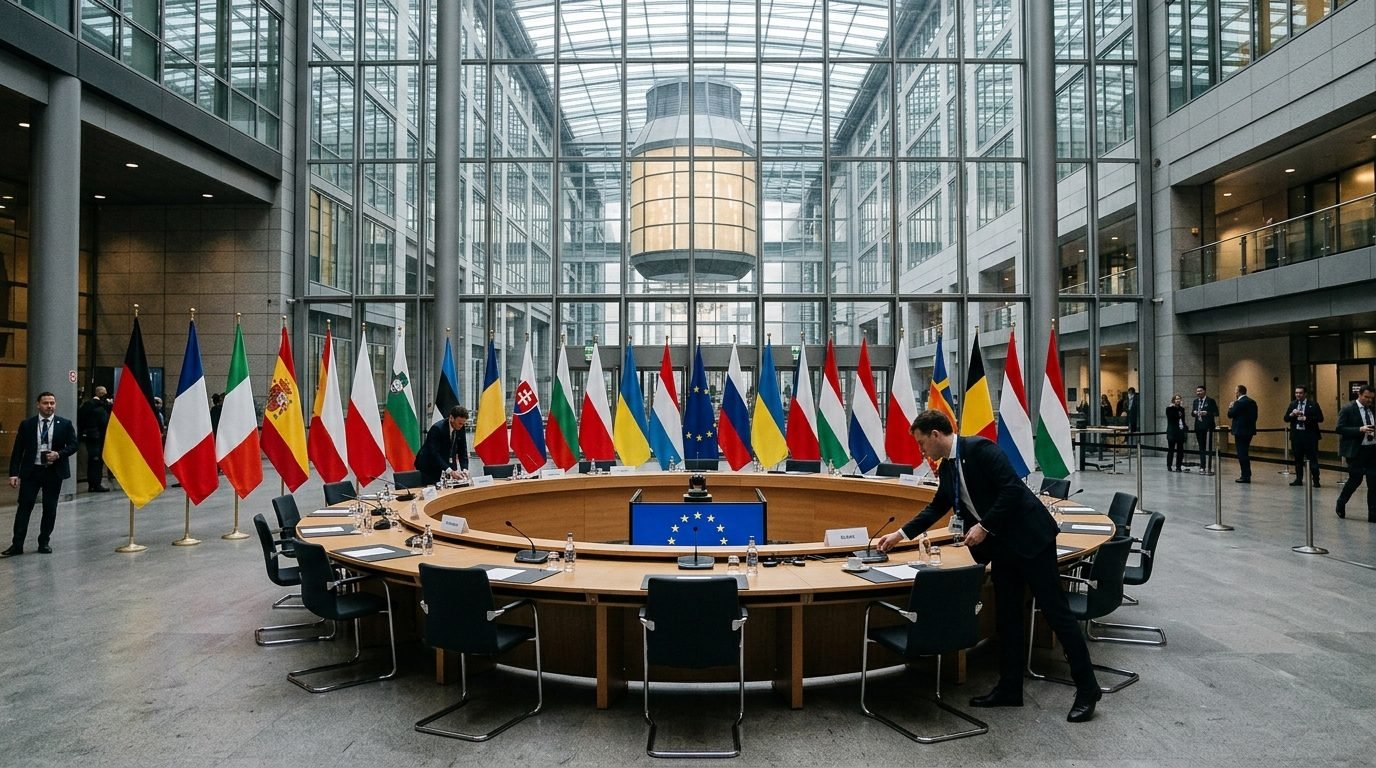
EU Leaders Gather In Brussels For Budget, Ukraine And US Trade Showdown
European Union heads meet for a high-stakes two-day summit covering the next long-term budget, Ukraine, Middle East fallout and a fresh vote on the EU-US trade deal.
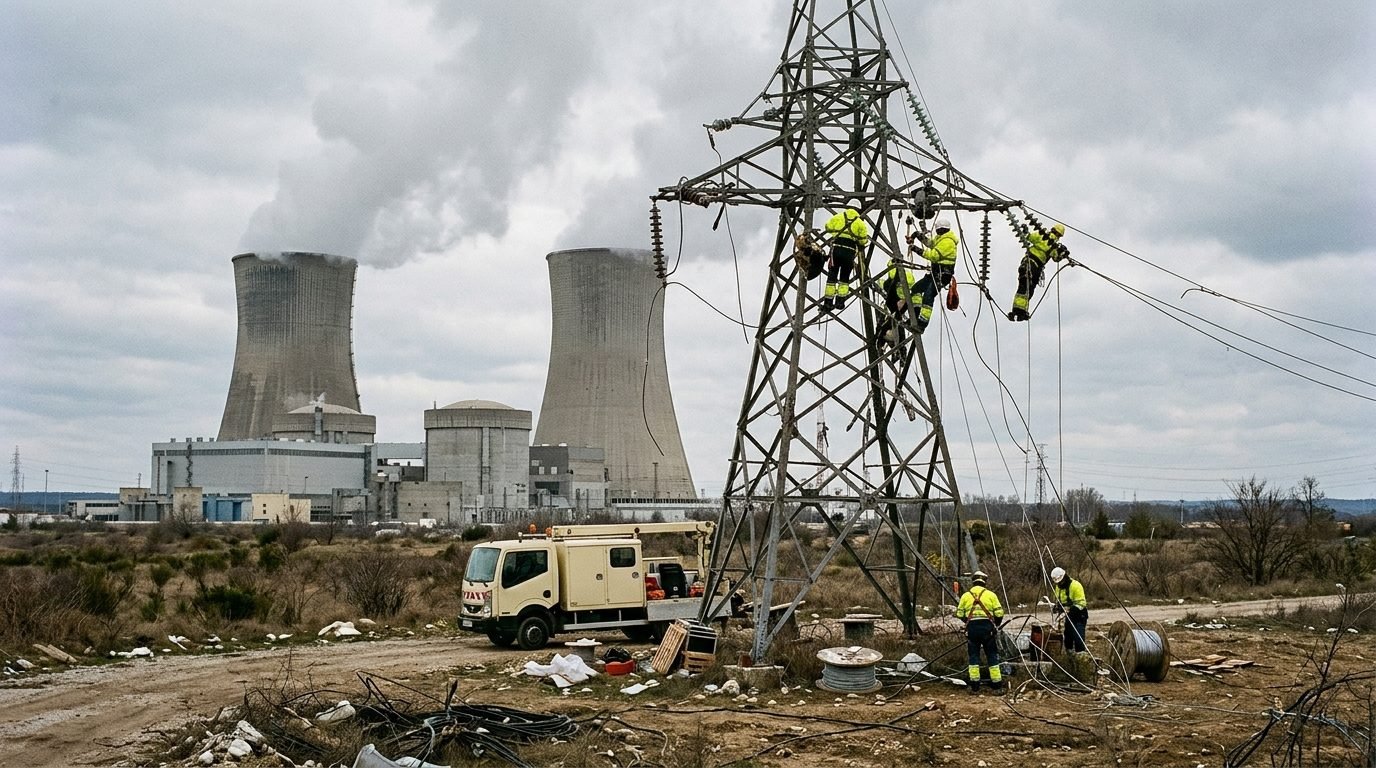
IAEA Brokers Rare Battlefield Truce to Repair Zaporizhzhia Power Line
The UN nuclear watchdog secured a localised ceasefire so technicians could fix a critical line at Europe's largest nuclear plant, the sixth such truce since late 2025.
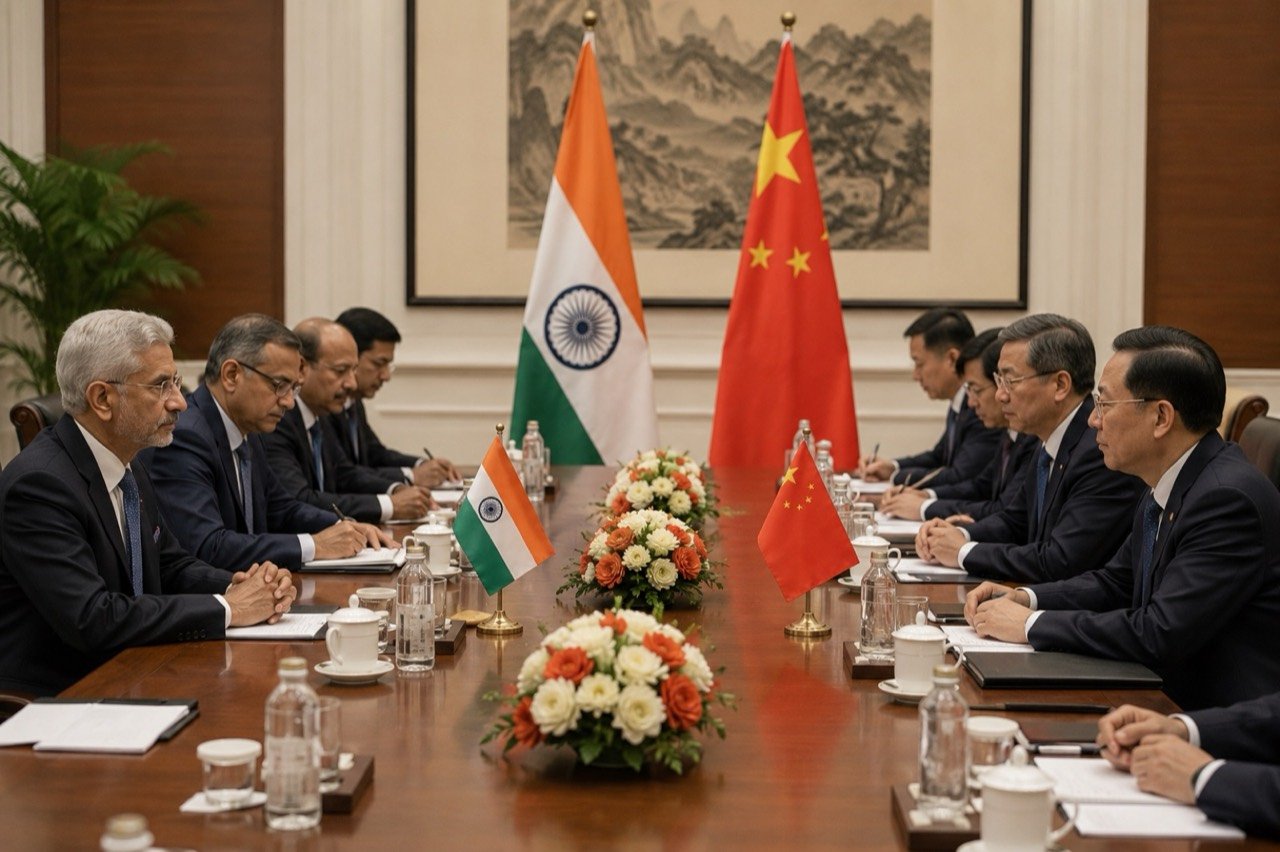
India-China Security Talks Signal Cautious Normalisation of Ties
NSA Ajit Doval and Chinese Foreign Minister Wang Yi met on the sidelines of the BRICS security advisers' meeting in New Delhi, noting progress toward a gradual, guarded normalisation of strained relations.
More from this section
More
India-New Zealand Ties: Visit Plans Put FTA and Diplomacy in Focus
Reports of a planned high-level India-New Zealand engagement have revived attention on free trade talks, professional mobility and Indo-Pacific cooperation between two partners with clear room to grow.

Modi Greets Trump on US 250th Independence Day, Hails Partnership
Prime Minister Narendra Modi marked America's 250th Independence Day with a message to President Trump, saying the next 250 years should lift the India-US partnership to new heights.
India Watches Dhaka's China-Backed Teesta Plan as Stakes Rise
New Delhi is closely tracking Bangladesh's proposal to develop the Teesta river with Chinese assistance, a move that revives one of South Asia's most sensitive water-sharing disputes and tests regional strategic trust.