India-China Security Talks Signal Cautious Normalisation of Ties
NSA Ajit Doval and Chinese Foreign Minister Wang Yi met on the sidelines of the BRICS security advisers' meeting in New Delhi, noting progress toward a gradual, guarded normalisation of strained relations.
Commentary & Analysis ·
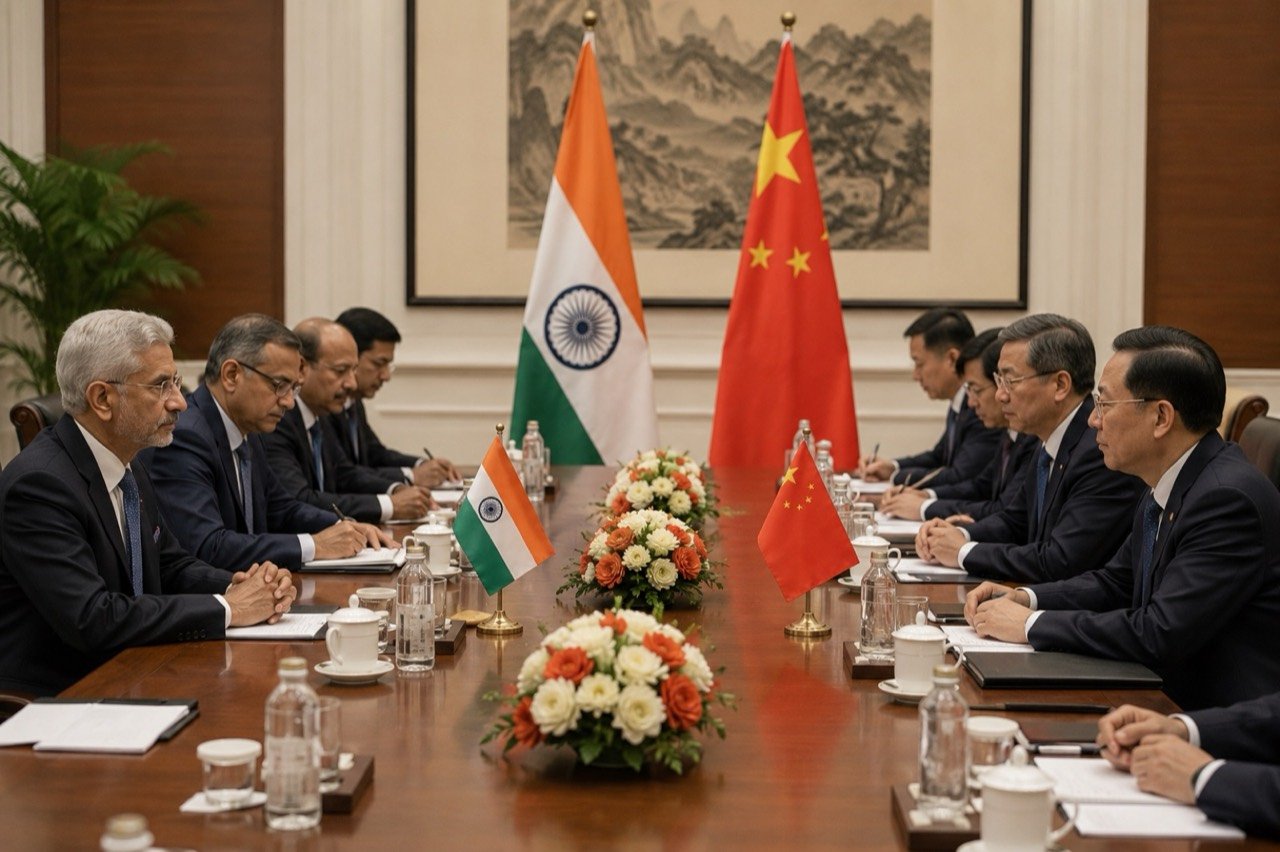
India and China used a high-level security meeting in New Delhi to take stock of the slow normalisation of ties after years of strain, in a sign that both governments want to keep diplomatic channels open even as wider Asian security pressures mount. National Security Adviser Ajit Doval met Chinese Foreign Minister Wang Yi on June 22, 2026, in a conversation that, while modest in its formal outcomes, carries a weight disproportionate to its length given the history that precedes it.
The meeting and its setting
The talks took place on the sidelines of the BRICS national security advisers' meeting hosted by New Delhi, a multilateral setting that gave the two officials a natural venue for direct contact. Holding the conversation under the BRICS umbrella allowed both sides to engage without the weight of a standalone bilateral summit, which would have invited far greater scrutiny and expectation. This is a familiar diplomatic technique: using a multilateral gathering as cover for bilateral business lets both capitals test the temperature of the relationship without committing to the choreography, and the political risk, of a dedicated state visit. India's Ministry of External Affairs said the two sides noted progress toward gradual normalisation and described stable, predictable and constructive relations as important for building trust between the two neighbours. That such a meeting could occur at all, on Indian soil, hosted by an Indian-led multilateral format, is itself notable. It suggests New Delhi is comfortable enough in its own position to use its convening power as a venue for engagement with Beijing rather than avoiding contact altogether.
What remains unresolved
The cautious tone reflects how much still divides the two countries. The talks do not erase unresolved border disputes or deep strategic differences that have defined the relationship since tensions flared along the Line of Actual Control. Normalisation, as both sides frame it, is a process rather than an event, and the language of progress stops well short of declaring the underlying disagreements settled. This distinction matters enormously for how the meeting should be read. Diplomatic statements of this kind are often crafted precisely to sound warmer than the underlying reality, allowing both governments to claim a positive narrative for domestic and international audiences while conceding nothing of substance on the ground. The absence of any specific reference to troop disengagement, patrolling arrangements, or a resolution timeline in the reported outcomes is telling. It indicates that the meeting functioned as a channel-clearing exercise rather than a negotiation with concrete deliverables.
Why the dialogue matters
Even an incremental thaw carries weight given the size and rivalry of the two economies and militaries. Keeping channels active reduces the risk of miscalculation at a time when the broader region faces overlapping security strains, from maritime disputes to shifting alliance structures across Asia. For two nuclear-armed neighbours with a long and disputed frontier, the mere existence of a functioning line of communication between the national security establishments is a form of risk management in itself. Miscommunication and the absence of dialogue have historically been as dangerous as deliberate provocation, and a standing channel between Doval and Wang Yi, even one used sparingly, gives both sides a mechanism to de-escalate should tensions flare unexpectedly. For New Delhi, sustained engagement also lets it manage the China relationship while pursuing its own partnerships, signalling that dialogue and competition can coexist. This is consistent with India's broader foreign policy posture in recent years, which has sought to avoid binary alignment choices and instead maintain simultaneous engagement with multiple, sometimes rival, powers.
Reading the diplomatic language
The phrase used by India's Ministry of External Affairs, that stable, predictable and constructive relations are important for trust, deserves close attention. Each word is doing deliberate work. "Stable" signals a desire to avoid sudden shocks or escalations. "Predictable" speaks directly to the anxiety created by past incidents where actions on the ground outpaced diplomatic signalling. "Constructive" is the most aspirational of the three, gesturing toward a relationship that could, in time, move beyond mere crisis management toward active cooperation. Taken together, the formulation is calibrated to project measured optimism without overpromising. It is the vocabulary of two governments that recognise the value of talking to each other but are unwilling to let that recognition harden into premature declarations of resolution. The encounter is unlikely to produce a sudden breakthrough, but it confirms that both capitals see value in steady, low-key engagement. With regional pressures rising, the willingness to keep talking may itself be the most consequential outcome of the New Delhi meeting.
Stakeholder perspectives and what to watch next
For India's security establishment, the calculus is straightforward: engagement is preferable to estrangement, provided it does not come at the cost of vigilance along the contested frontier. For Beijing, sustained dialogue with New Delhi offers a way to prevent the relationship from hardening further at a moment when China is managing multiple fronts of external pressure. Neither side has an interest in a renewed crisis, but neither has signalled readiness for the kind of substantive concessions that would resolve the border question outright. What should observers watch for in the months ahead? The clearest indicators of genuine progress would be verifiable steps on the ground, troop disengagement, changes in patrolling patterns, or the resumption of stalled confidence-building mechanisms, rather than further statements of goodwill. The frequency and level of future contacts between the two national security establishments will also be instructive, as will whether trade and travel restrictions imposed during the years of tension show any signs of easing. Absent such tangible movement, the New Delhi meeting will be remembered as a useful but limited exercise in keeping the lines open rather than a genuine turning point.
The NE Times View
Cautious is the operative word; talks resuming is better than a freeze, but the trust deficit since Galwan cannot be papered over by a sideline meeting. Normalisation must be measured by verifiable de-escalation along the border, not by warm communiques. India is right to engage while keeping its guard up, since economic and strategic interests pull in opposite directions. Watch the LAC, not the photo-ops, for whether anything has genuinely changed.
Key takeaways
- Ajit Doval and Wang Yi met on June 22, 2026, in New Delhi on the sidelines of the BRICS national security advisers' meeting.
- India's Ministry of External Affairs described the relationship as moving toward gradual normalisation, calling stable, predictable and constructive ties important for rebuilding trust.
- Border disputes and strategic differences dating back to tensions along the Line of Actual Control remain unresolved despite the improved tone.
- Sustained dialogue reduces the risk of miscalculation between two large, rival powers even without a formal breakthrough.
- The real test of normalisation will be verifiable developments on the ground along the LAC, not diplomatic language or symbolic meetings.
You may also like to read
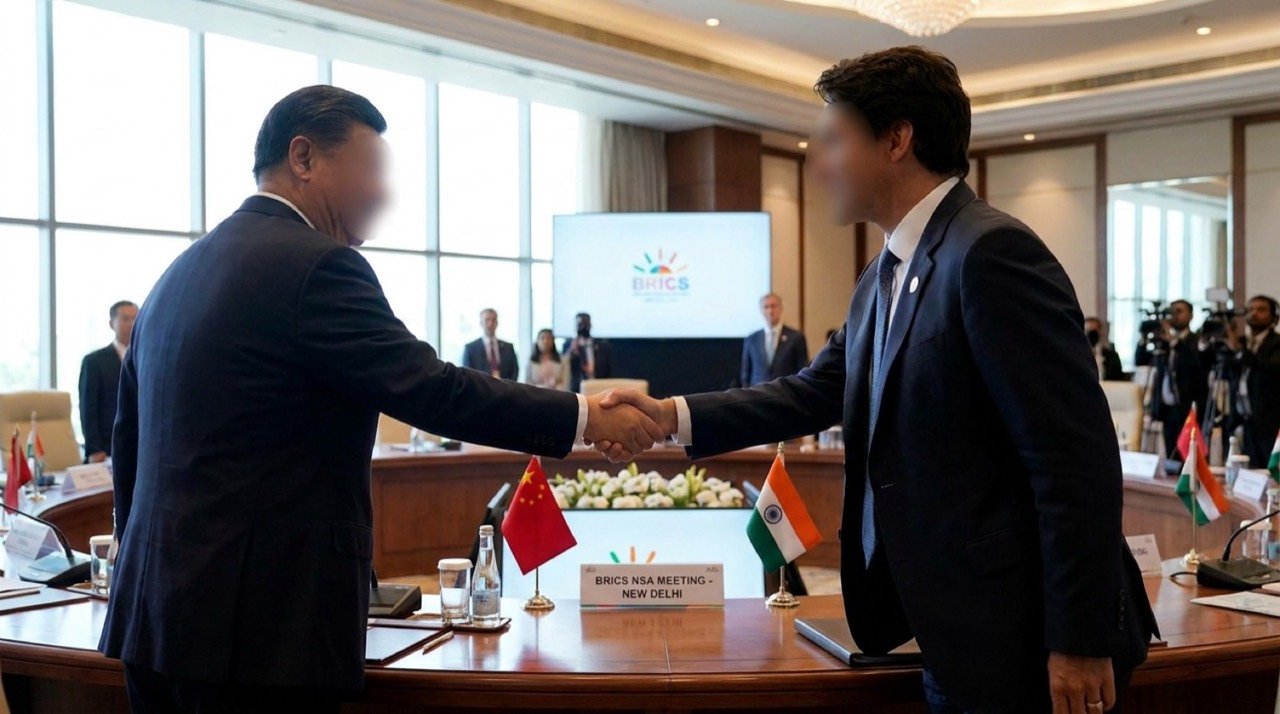
India-China Talks: Wang Yi, Doval Put Border Calm and Core Interests in Focus
Chinese Foreign Minister Wang Yi told NSA Ajit Doval in New Delhi that India and China must respect each other's core interests and keep the border issue in its proper place within the broader relationship.

India And China Inch Toward Border Delimitation As Disengagement Holds Along The LAC
More than a year after the patrolling deal that ended the eastern Ladakh standoff, India and China are negotiating de-escalation and the harder task of formally defining their disputed boundary.
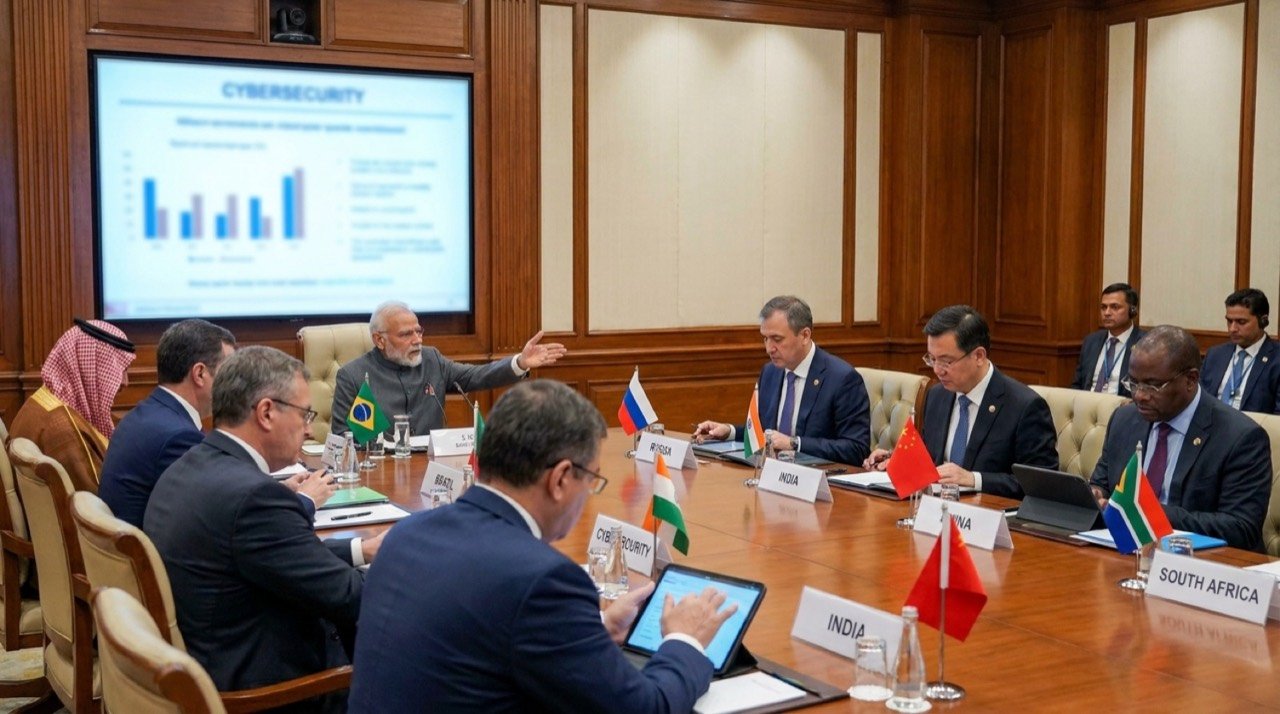
BRICS Security Advisers Meet in India With Tech Threats on Agenda
India is hosting the BRICS national security advisers' meeting chaired by Ajit Doval, placing cyber risks, counter-terrorism and ICT security at the centre of the run-up to the 2026 BRICS Summit.
BRICS Security Talks Open in India With Non-Traditional Threats in Focus
India hosts the BRICS National Security Advisers' meeting on 22-23 June 2026, with NSA Ajit Doval chairing talks on terrorism, cyber risks, emerging technology and regional instability amid Middle East tensions.
More from this section
More
India-New Zealand Ties: Visit Plans Put FTA and Diplomacy in Focus
Reports of a planned high-level India-New Zealand engagement have revived attention on free trade talks, professional mobility and Indo-Pacific cooperation between two partners with clear room to grow.

Modi Greets Trump on US 250th Independence Day, Hails Partnership
Prime Minister Narendra Modi marked America's 250th Independence Day with a message to President Trump, saying the next 250 years should lift the India-US partnership to new heights.
India Watches Dhaka's China-Backed Teesta Plan as Stakes Rise
New Delhi is closely tracking Bangladesh's proposal to develop the Teesta river with Chinese assistance, a move that revives one of South Asia's most sensitive water-sharing disputes and tests regional strategic trust.