BRICS Security Meet in Delhi Targets Terrorism, Cyber and AI Threats
India is hosting a BRICS National Security Advisers meeting in New Delhi, with cross-border terrorism, cyber threats, AI misuse and transnational crime set to dominate a fast-broadening security agenda.
Commentary & Analysis ·
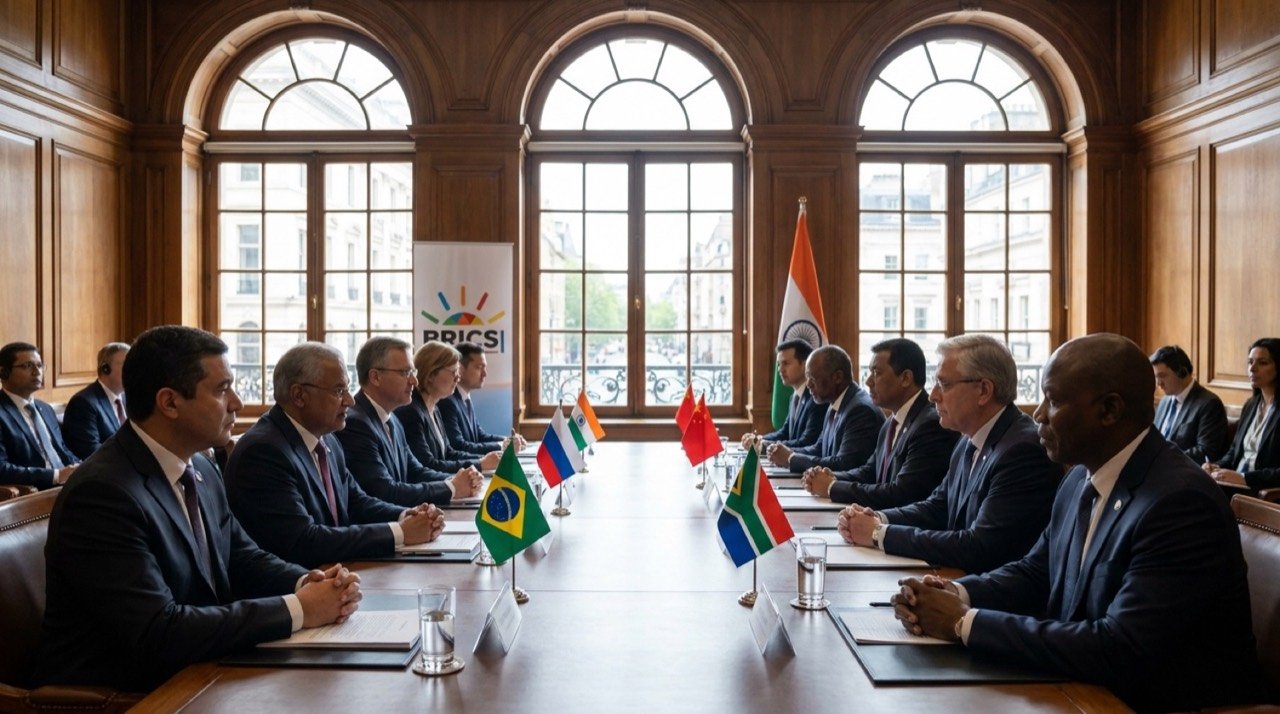
India is hosting a BRICS National Security Advisers meeting in New Delhi, bringing senior security officials from member states and partner countries together at a moment when the grouping is steadily expanding its diplomatic weight. Terrorism, cyber threats, the misuse of artificial intelligence and transnational crime are expected to dominate discussions, reflecting how sharply the security agenda has broadened in recent years. That such a wide-ranging brief now sits at the centre of a single ministerial-level dialogue says as much about the changing nature of global insecurity as it does about BRICS itself.
A wider definition of security
The agenda underscores a fundamental shift in how nations think about threats. Security is no longer defined only by military strength or territorial defence; it now spans financial systems, digital networks, information flows and emerging technologies. That reframing places cyber resilience and technology governance alongside traditional counter-terrorism concerns, a pairing that would have seemed unusual in security dialogues even a decade ago. For a bloc as diverse as BRICS, finding common language across these domains is itself a diplomatic achievement, given the differing capacities and priorities of its members. Countries with advanced digital economies face different vulnerabilities than those still building out basic infrastructure, and a security dialogue that tries to accommodate both is inherently more complicated than one focused narrowly on borders and armies. This is precisely why the breadth of the agenda matters: it forces officials from very different systems of governance to at least attempt a shared vocabulary on issues like data flows, critical infrastructure and the governance of new technologies.
India's priorities at the table
For New Delhi, the meeting is an opportunity to press long-standing concerns about cross-border terrorism and to seek firmer collective positions on the issue. India has for years sought greater international consensus on terrorism emanating from its neighbourhood, and a multilateral platform such as this offers a chance to frame the issue in front of a wider audience than bilateral channels typically allow. India is also expected to raise digital radicalisation, cyber fraud, the protection of critical infrastructure and the responsible use of artificial intelligence. These themes align closely with India's domestic security challenges, where online financial crime and the weaponisation of digital platforms have become pressing issues affecting ordinary citizens as much as institutions. The scale of digital fraud reported by Indian law enforcement in recent years, and the growing use of social media and messaging platforms to spread extremist content, mean that these are not abstract policy concerns for New Delhi but issues with direct bearing on everyday life and public trust in digital systems.
Why cyber and AI now sit beside terrorism
The inclusion of artificial intelligence misuse and cyber threats in the same conversation as terrorism reflects a broader recognition that the tools available to malicious actors have multiplied. Extremist groups and criminal networks increasingly rely on encrypted communications, coordinated online disinformation and, potentially, AI-generated content to recruit, radicalise and defraud. Critical infrastructure, from power grids to financial systems, is also more exposed than ever to cyber intrusion, making its protection a natural companion to counter-terrorism efforts rather than a separate silo. This convergence explains why security advisers, rather than purely technical or law-enforcement officials, are the ones convening in Delhi. National Security Advisers typically sit closer to the strategic and political levers of their governments, and their direct involvement signals that these issues are being treated as matters of state security rather than purely technical governance.
The diplomatic stakes for a growing bloc
BRICS has expanded its membership and its ambitions considerably in recent years, and that expansion brings both opportunity and strain. A larger, more diverse membership gives the grouping greater collective weight in global forums, but it also means reconciling more divergent strategic interests, threat perceptions and levels of institutional capacity. A security dialogue is, in many ways, a stress test for whether an expanded BRICS can function as more than a loose economic and diplomatic association. Terrorism and cross-border threats top India's agenda at the meeting, cyber threats and critical-infrastructure protection feature prominently, misuse of artificial intelligence is a key emerging concern, and transnational crime and cyber fraud round out the discussion list. Each of these issues carries different weight for different members, and reconciling them into shared language is a genuine diplomatic undertaking, not a formality.
What the meeting could deliver
Concrete outcomes may include stronger coordination language, agreed intelligence-sharing priorities and common positions that feed into future BRICS summits. While such gatherings rarely produce binding commitments, they help set the tone for cooperation and signal where the bloc intends to focus its collective attention. Outcomes may shape intelligence-sharing arrangements and future summit positions, even if implementation remains a slower and more uneven process than the language of joint statements might suggest. The value of such meetings often lies less in immediate deliverables and more in the incremental process of officials from different systems becoming accustomed to working through shared frameworks, which can pay off gradually over successive summits. As BRICS grows in membership and ambition, meetings like this test whether the bloc can translate shared concerns into practical cooperation. For India, hosting the dialogue reinforces its role as a convening power on security issues that increasingly cut across borders, screens and technologies alike, a role that carries reputational value even where concrete outcomes are modest.
The NE Times View
Hosting the BRICS NSA meeting lets India set the agenda on cross-border terrorism, cyber and AI misuse, but the bloc's internal divisions limit what joint security talk can deliver. The NE Times View: a grouping that cannot align on basic strategic interests will struggle to act on shared threats. The value for Delhi is diplomatic positioning; the hard cooperation it needs lies mostly elsewhere. India's real security partnerships on terrorism and cyber issues are more likely to be built through bilateral and smaller multilateral channels where interests are closely aligned, rather than through a bloc that spans such a wide range of political systems and strategic priorities. That does not make the Delhi meeting pointless, but it does mean expectations of the summit should be calibrated to what multilateral security dialogues can realistically achieve: shared language and modest coordination, rather than binding collective action.
Key takeaways
- India is hosting a BRICS National Security Advisers meeting in New Delhi covering terrorism, cyber threats, AI misuse and transnational crime.
- India's priorities include cross-border terrorism, digital radicalisation, cyber fraud, critical-infrastructure protection and responsible AI use.
- The agenda reflects a broader global shift toward defining security beyond military and territorial terms to include digital and technological domains.
- Likely outcomes are coordination language and intelligence-sharing priorities rather than binding commitments.
- The NE Times View holds that BRICS's internal divisions limit collective action, making the meeting primarily a diplomatic positioning opportunity for India.
You may also like to read
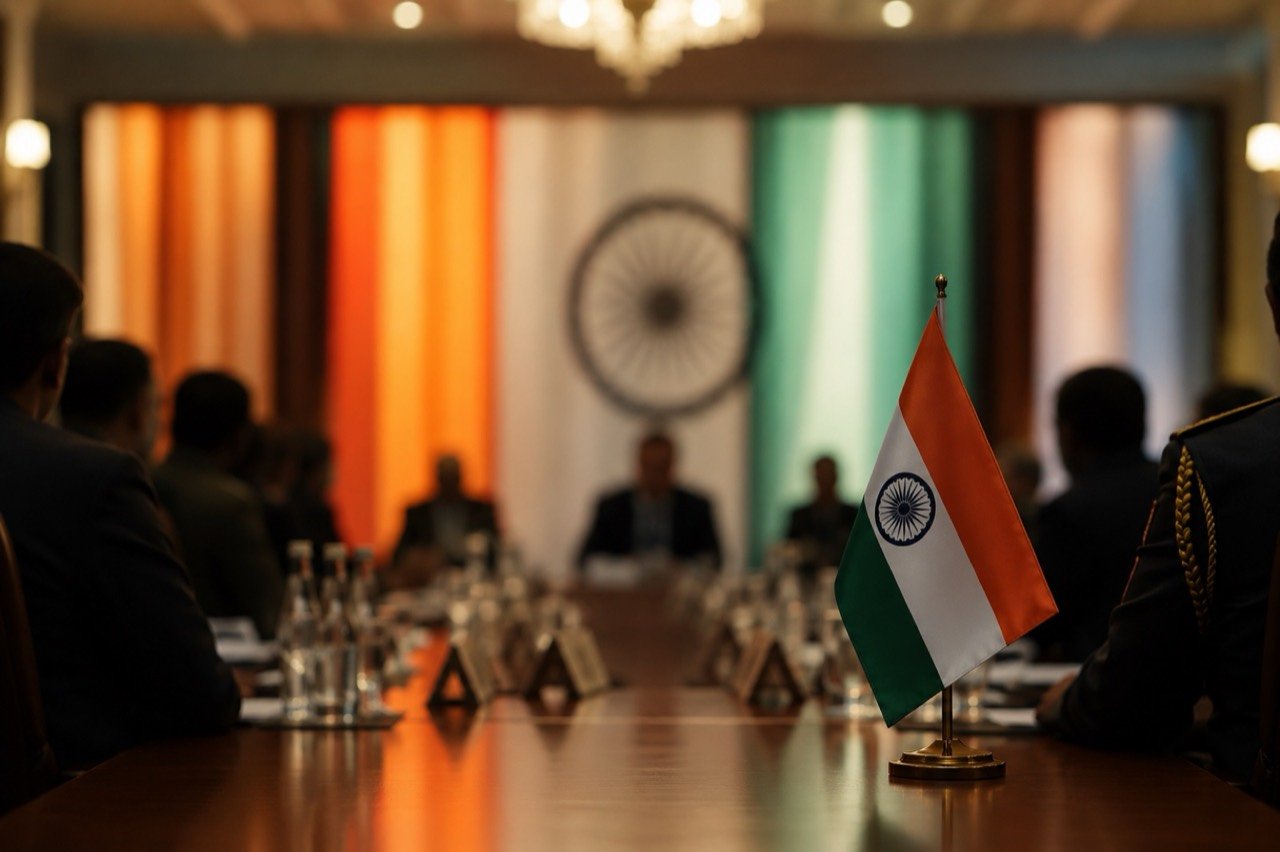
BRICS Security Talks Open in India With Non-Traditional Threats in Focus
India hosts the BRICS National Security Advisers' meeting on 22-23 June 2026, with NSA Ajit Doval chairing talks on terrorism, cyber risks, emerging technology and regional instability amid Middle East tensions.
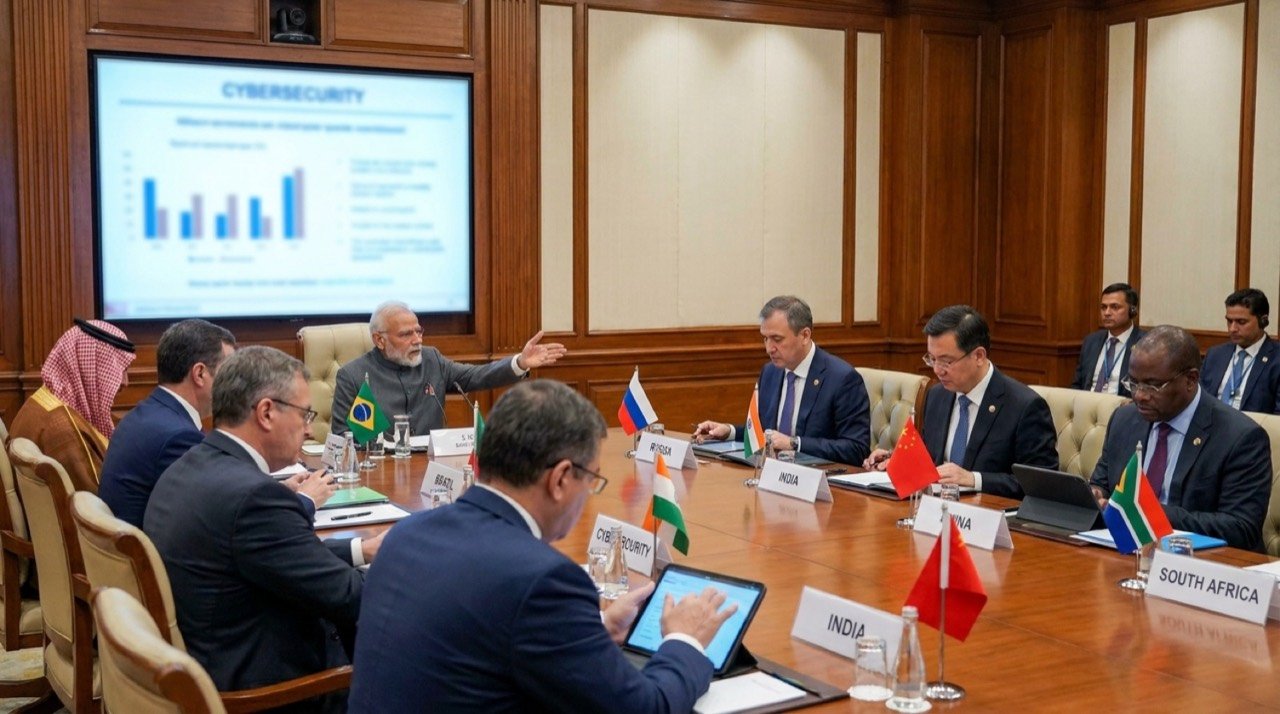
BRICS Security Advisers Meet in India With Tech Threats on Agenda
India is hosting the BRICS national security advisers' meeting chaired by Ajit Doval, placing cyber risks, counter-terrorism and ICT security at the centre of the run-up to the 2026 BRICS Summit.
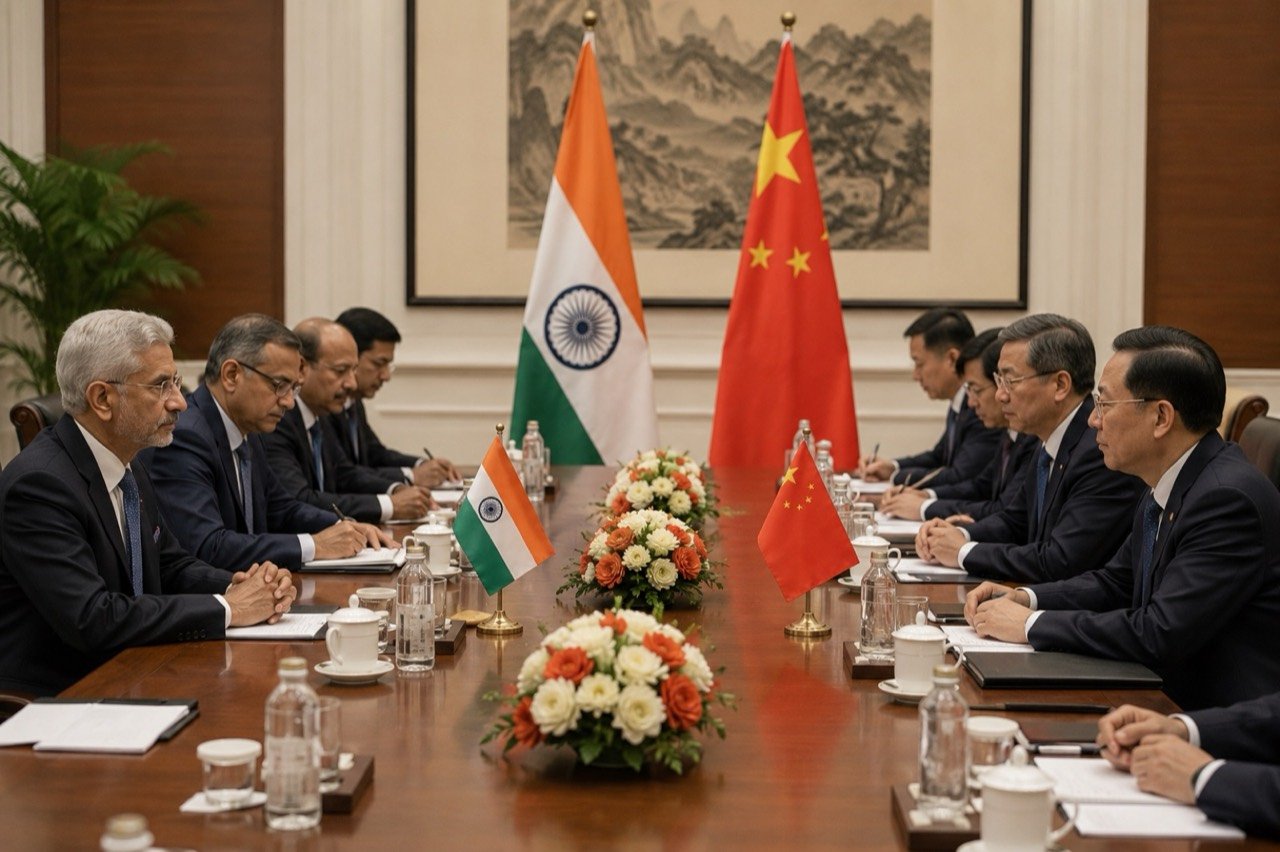
India-China Security Talks Signal Cautious Normalisation of Ties
NSA Ajit Doval and Chinese Foreign Minister Wang Yi met on the sidelines of the BRICS security advisers' meeting in New Delhi, noting progress toward a gradual, guarded normalisation of strained relations.
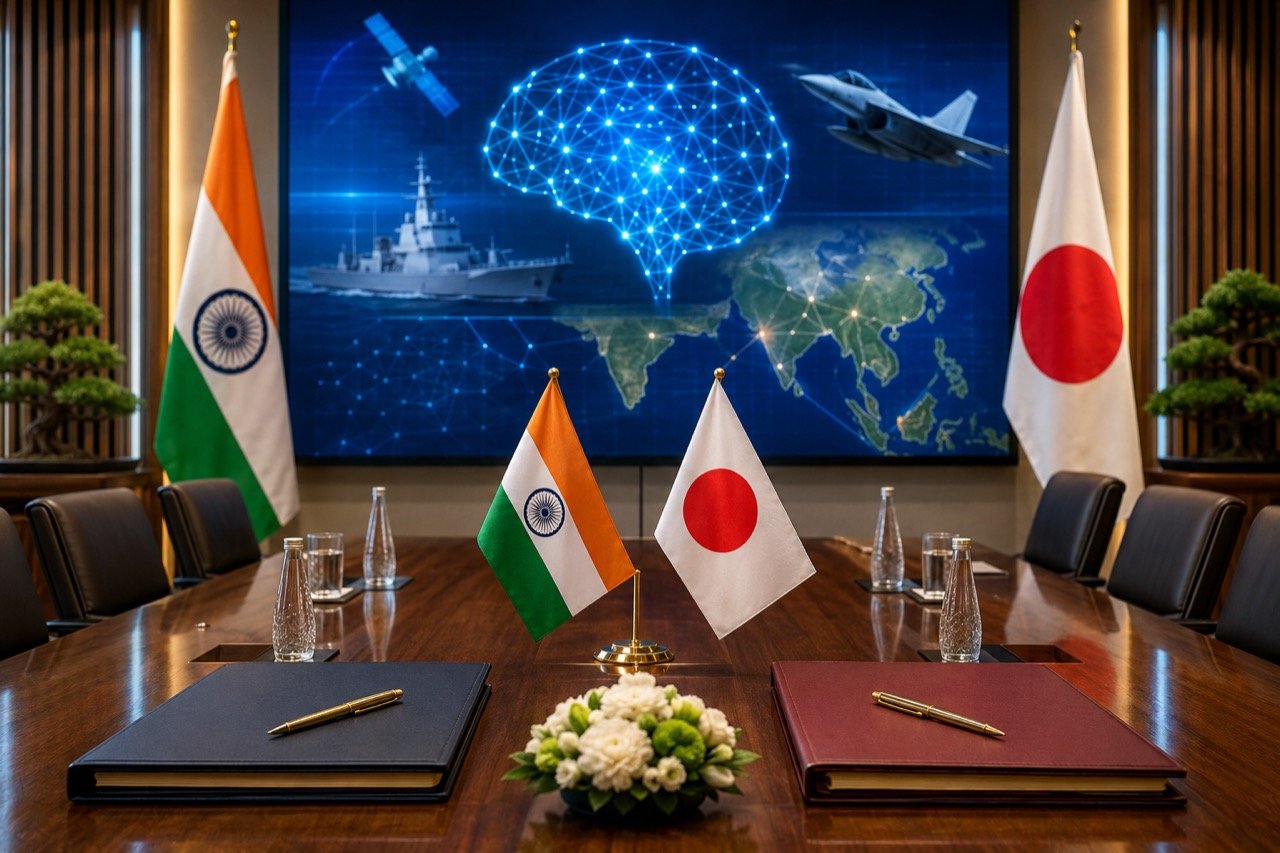
India-Japan Summit Widens Ties Across AI, Defence and Chips
At their annual summit in New Delhi, Prime Ministers Modi and Takaichi unveiled a roadmap deepening cooperation on maritime security, artificial intelligence, semiconductors, shipbuilding and critical technologies.
More from this section
More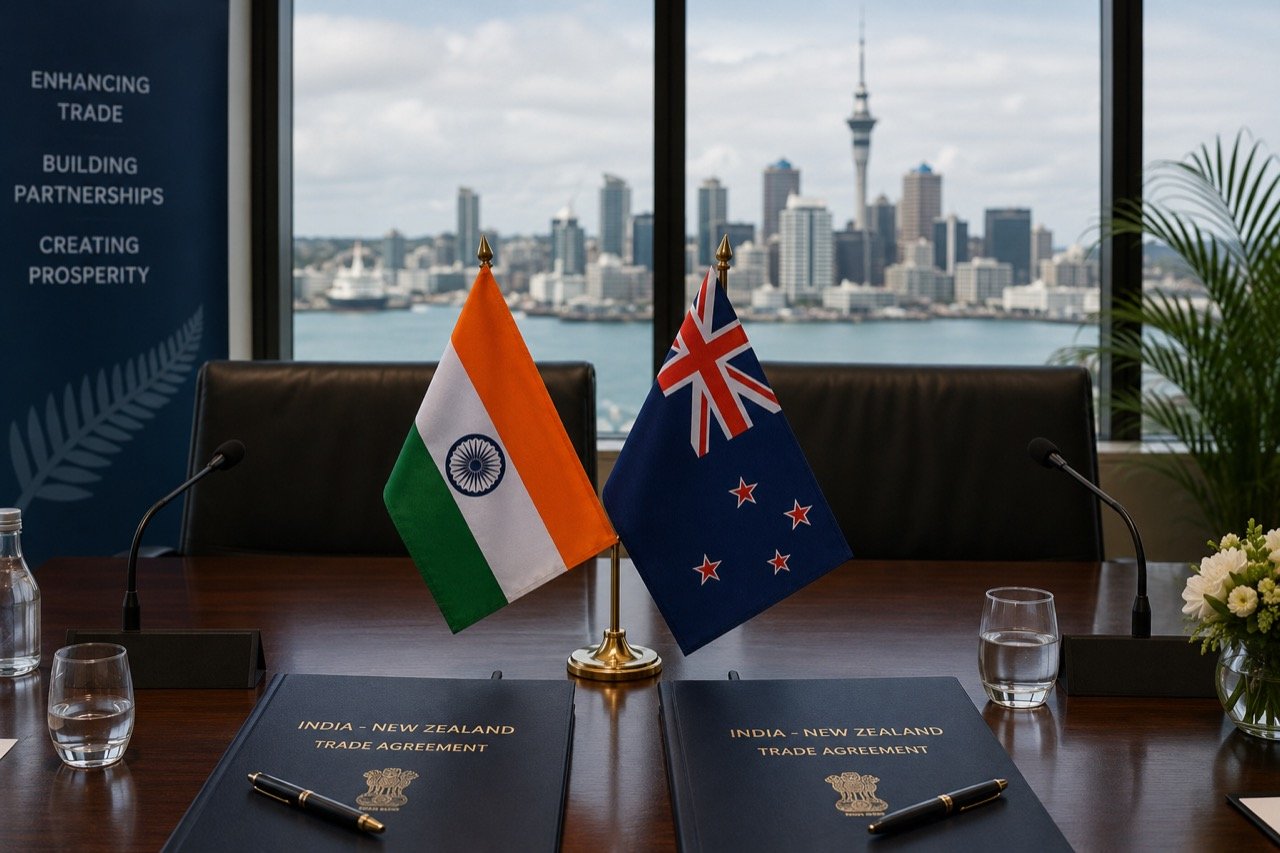
India-New Zealand Ties: Visit Plans Put FTA and Diplomacy in Focus
Reports of a planned high-level India-New Zealand engagement have revived attention on free trade talks, professional mobility and Indo-Pacific cooperation between two partners with clear room to grow.

Modi Greets Trump on US 250th Independence Day, Hails Partnership
Prime Minister Narendra Modi marked America's 250th Independence Day with a message to President Trump, saying the next 250 years should lift the India-US partnership to new heights.
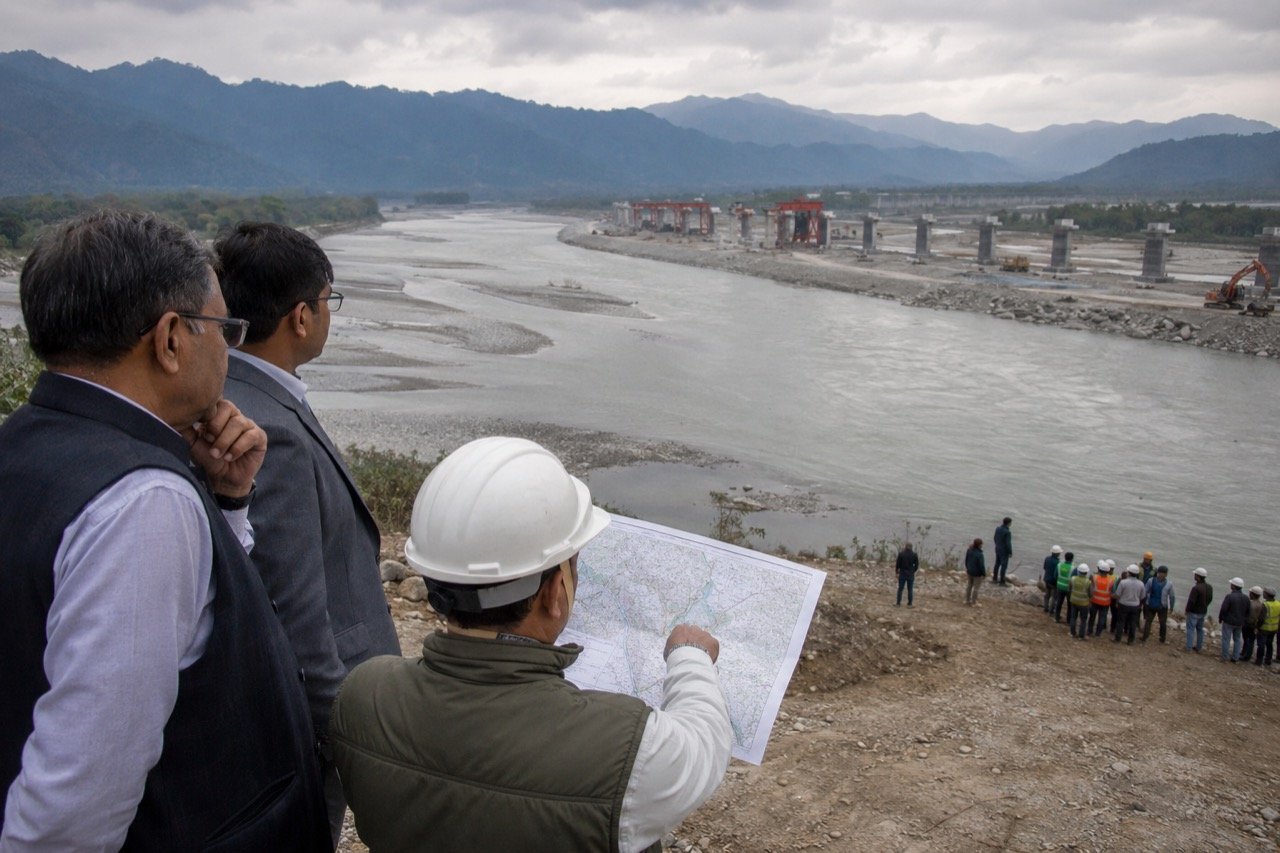
India Watches Dhaka's China-Backed Teesta Plan as Stakes Rise
New Delhi is closely tracking Bangladesh's proposal to develop the Teesta river with Chinese assistance, a move that revives one of South Asia's most sensitive water-sharing disputes and tests regional strategic trust.