IAEA Brokers Rare Battlefield Truce to Repair Zaporizhzhia Power Line
The UN nuclear watchdog secured a localised ceasefire so technicians could fix a critical line at Europe's largest nuclear plant, the sixth such truce since late 2025.
Commentary & Analysis ·
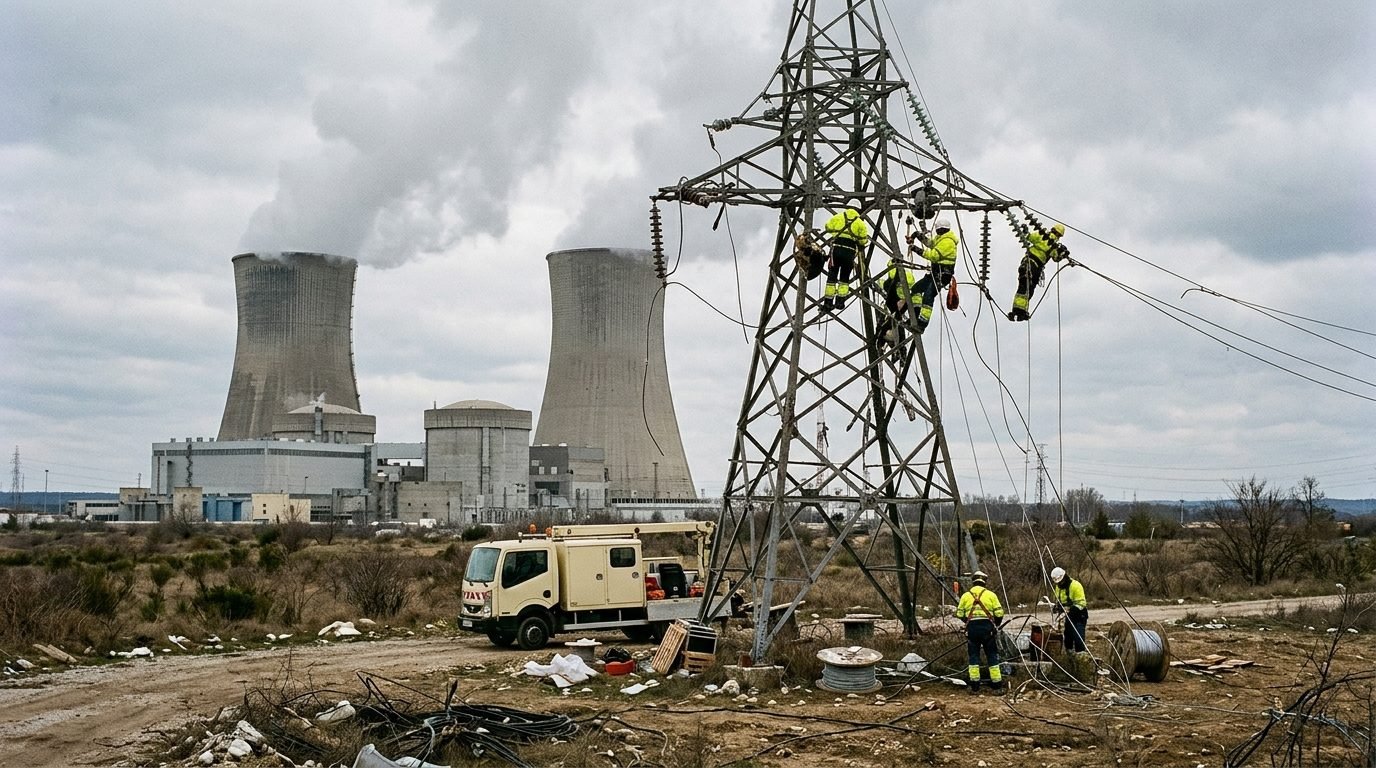
The International Atomic Energy Agency announced on 5 June that it had brokered a localised ceasefire around the occupied Zaporizhzhia Nuclear Power Plant in Ukraine, allowing technicians to repair war-related damage to a critical external power line. The arrangement represented another instance of the UN nuclear watchdog using its standing to carve out narrow windows of calm in an otherwise active conflict zone.
The truce, set to remain in force until 23 June, covered the area around the 750-kilovolt Dniprovska line and followed extensive demining work overseen by the agency before repairs could begin. Clearing mines and unexploded ordnance from the work site was itself a delicate and dangerous undertaking, underscoring how much careful preparation a single repair effort can require in a war zone.
Why the power line matters
External electricity is essential to keep the plant's cooling systems running, even though all six of its reactors have been offline for more than three years. Nuclear fuel continues to generate heat long after a reactor is shut down, and a reliable power supply is needed to circulate the water that keeps that fuel and the spent-fuel stores from overheating.
A loss of cooling at a nuclear facility carries cross-border risks, a concern the IAEA has repeatedly highlighted throughout the conflict. Damage to the external power lines that feed the plant has been a recurring danger, and each repair restores a measure of safety margin at a site that has come perilously close to relying on emergency backup power on multiple occasions.
A pattern of narrow truces
Officials said it was the sixth such function-specific truce the agency has arranged since late 2025, illustrating both the persistent danger to nuclear safety amid the war and the narrow diplomacy required to manage it. These tightly scoped pauses, limited to a specific task and area, have become one of the few channels through which the warring sides indirectly cooperate, mediated by the agency's presence on the ground.
- Localised ceasefire announced by the IAEA on 5 June
- Truce set to remain in force until 23 June
- Repairs targeted the 750-kilovolt Dniprovska external power line
- Extensive demining was overseen by the agency before work began
- The sixth function-specific truce arranged since late 2025
The wider stakes
The episode highlights how the safety of Europe's largest nuclear plant has become entangled with the course of the war, dependent on fragile, temporary arrangements rather than any durable settlement. Each successful repair buys time and reduces immediate risk, but the underlying vulnerability persists for as long as the facility remains in a contested zone.
Looking ahead, the IAEA is likely to continue brokering such limited truces as damage accumulates and equipment requires maintenance, a pattern that may well repeat for as long as the conflict endures. The recurring need for these interventions is a sober reminder that, absent a broader peace, the threat to nuclear safety at Zaporizhzhia will remain a standing concern with implications far beyond Ukraine's borders.
The NE Times View
A sixth narrow truce to repair a single power line is both a small mercy and a damning indictment of how close Europe keeps flirting with nuclear catastrophe. The IAEA's painstaking shuttle diplomacy buys time but no lasting safety. The NE Times View: that a working reactor depends on ad-hoc battlefield pauses is intolerable, and the world should treat each repair not as success but as a warning that luck is finite.
This article is original commentary and analysis by The NE Times. Background facts were referenced from Al Jazeera, Kyiv Independent.
You may also like to read
Iran-IAEA Inspection Standoff Tests Fragile Truce, With India Watching Its Energy Stakes
The UN nuclear watchdog insists inspectors will return to Iran's enrichment sites under an interim US-Iran deal, but Tehran says access waits for a final agreement, leaving Indian importers eyeing both oil flows and the Strait of Hormuz.

Zelenskyy Presses Putin for Ceasefire Talks as Strikes Continue
Ukraine's president called for direct negotiations in an open letter, winning backing from European leaders, even as drone attacks and shelling persisted across the front.
EU Leaders Gather In Brussels For Budget, Ukraine And US Trade Showdown
European Union heads meet for a high-stakes two-day summit covering the next long-term budget, Ukraine, Middle East fallout and a fresh vote on the EU-US trade deal.

Indiaspora 250 at 250: Diaspora Power in America's Milestone Year
Indiaspora's new 250 at 250 list, released ahead of America's 250th anniversary, celebrates Indian-origin achievers across technology, medicine, government and the arts, underscoring the diaspora's deepening footprint in US public life.
More from this section
More
India-New Zealand Ties: Visit Plans Put FTA and Diplomacy in Focus
Reports of a planned high-level India-New Zealand engagement have revived attention on free trade talks, professional mobility and Indo-Pacific cooperation between two partners with clear room to grow.

Modi Greets Trump on US 250th Independence Day, Hails Partnership
Prime Minister Narendra Modi marked America's 250th Independence Day with a message to President Trump, saying the next 250 years should lift the India-US partnership to new heights.
India Watches Dhaka's China-Backed Teesta Plan as Stakes Rise
New Delhi is closely tracking Bangladesh's proposal to develop the Teesta river with Chinese assistance, a move that revives one of South Asia's most sensitive water-sharing disputes and tests regional strategic trust.